Tel:
+86 13143444311
Email:sst@szsst88.com
Fax:+0086-755-27322278
Address:Building 9, First Industrial Zone, Tantou Industrial City, Songgang Street, Baoan District, Shenzhen 518105, Guangdong, China
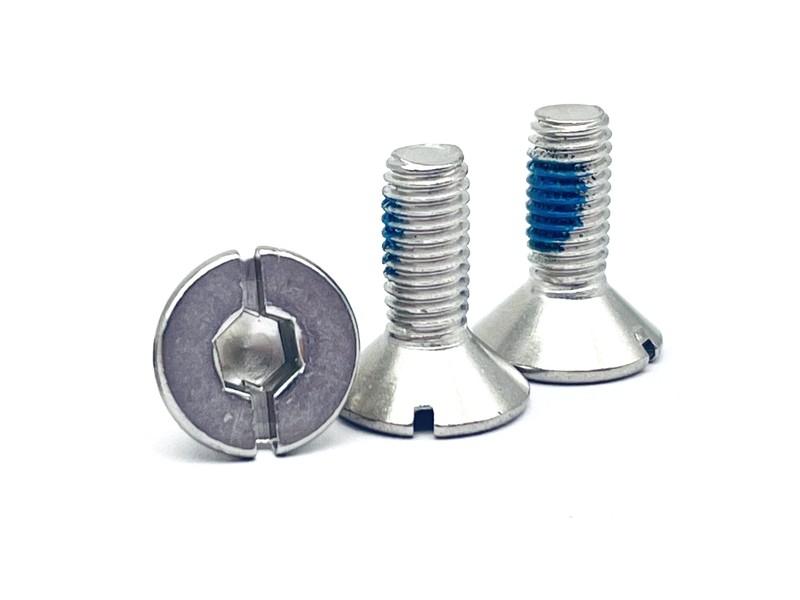
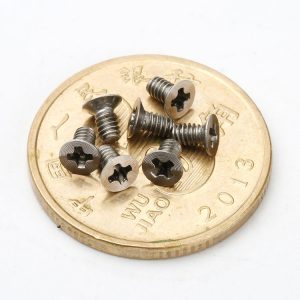
Type:Micro Screws For Electronics, Small Screws
Materials:Steel
Surface treatment:Nickel Plated
Head Type:Low Profile Head
Drive:Phillips Cross
Thread:Machine Thread
Point:Blunt
Forming:Single Die Heading
Size:M1 M2 M3 M4 M5 M6 M7 M8 M9 M10 M14
Number:758
We make micro screws for electronics in nickel-plated carbon steel, with a low profile head, a Phillips recess and a small machine thread, quoting them across M1 to M14. Head height, recess, thread and finish come from your drawing, and the first article is driven in your own housing.
Watch the factory video·Email sst@szsst88.com
ISO 9001:2015 · Manufacturing since 1998 · 8,678+ customers · 89 countries and regions
Made to order – there is no stock catalogue. Each part is produced to your drawing, and production starts after drawing review and first-article approval.
Micro screws for electronics are small machine screws used inside handheld and desktop equipment, where the head has to sit low enough to clear a housing and the thread is small enough to hold a printed circuit board, a bracket or a display frame. This family is made in carbon steel with a nickel plate, a low profile head and a Phillips recess, quoted across the M1 to M14 range with Number 758.
Low profile head. A head shallower than a standard pan or cheese head. It saves vertical space inside a housing and takes less material out of the design envelope.
Small machine thread. A thread for a tapped boss or a nut, ending in a blunt chamfer.
Phillips recess. A cross recess matched to a small driver, PH000 through PH1 depending on size.
Nickel on carbon steel. A thin bright barrier deposit, adequate inside a sealed product and cheap enough for high volume.
The reason to specify micro screws for electronics is rarely the thread. It is the space above it. A housing is a stack of clearances: the board, the component height, the shield, the display and the back cover, and every millimetre of head height comes out of somebody else’s budget. A low profile head is the cheapest way to find that millimetre back, which is why the form is everywhere inside small equipment.
The cost is paid in three places. First, the recess: a shallow head has less material to cut the cross into, so the recess is shallower and the driver engages less of it. Second, the bearing face: a lower head is usually a smaller head, so the clamp load is spread over less area and a plastic boss will dimple sooner. Third, the edge: there is less material between the recess and the outside of the head, and a driver that slips has less head to damage before the recess is unusable.
None of those is a defect — they are the arithmetic of a low head, and they are why the driver and the torque matter more on a micro screw than on a large one. A PH00 bit that is worn, or a driver held at an angle, will damage a shallow recess far faster than it would damage a full-height pan head.
Size compounds it. At M1.4, a plating build of a few microns is a measurable fraction of the head height and the recess width, so the plate enters the fit rather than sitting on top of it. At that scale the difference between a recess that takes the bit and one that does not is often the plating, not the punch.
The thread is the part that stays conventional. A small machine thread is still a machine thread: it needs a tapped hole or a nut, it is gauged with a go/no-go, and it fails by stripping the boss rather than by cutting its own thread. The design work on this family is in the head and the driver, not in the thread form.
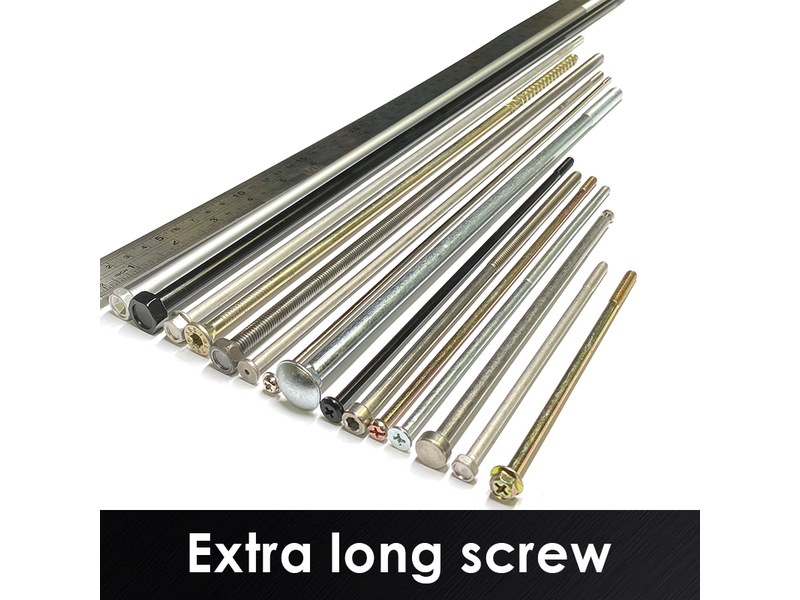
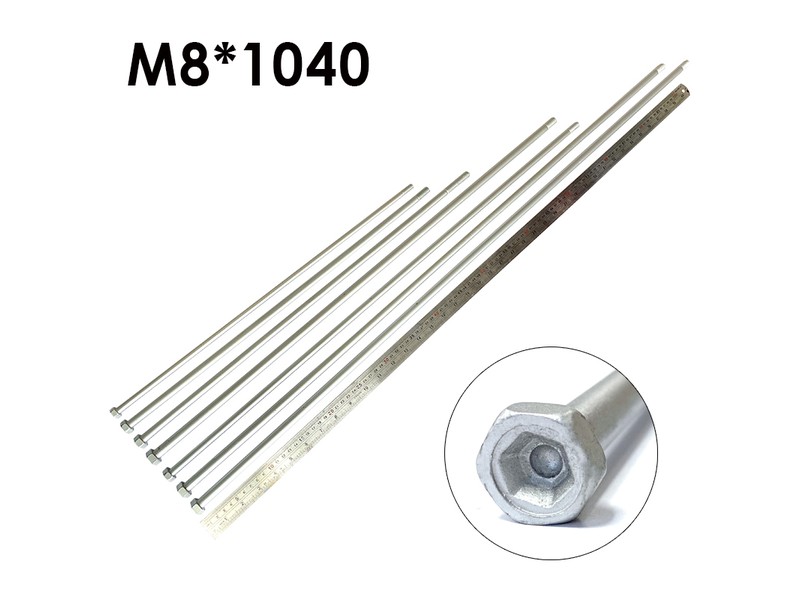
The recorded range covers M1 to M14, with the micro sizes at the low end where these screws are used in electronics: M1, M2 and M3 account for most of what goes into small equipment. Custom lengths up to 2,000 mm are subject to DFM review after drawing submission. For micro screws for electronics the head diameter and head height are quoted along with the thread, because they are the reason the part was chosen.
| Item | How it is defined | What we control |
|---|---|---|
| Head | Low profile, flat top | Head diameter and head height |
| Recess | Phillips cross, small sizes | Recess depth and size, driver fit |
| Thread | Small machine thread | Pitch and length, gauged per batch |
| End | Blunt, chamfered | Chamfer cut, not deburred |
| Finish | Nickel plated | Deposit thickness and adhesion |
| Length | Under the head | Measured on the shop plate |
Head height is the number to put on the drawing. Two screws with the same thread and the same head diameter can differ by a few tenths in height, and inside a housing a few tenths is the difference between a cover that closes and one that does not. Where the head is specified only by a name, the height is left to whoever makes the part.
Length is measured from under the head, so the low head does not change the way the part is quoted. It does change the tolerance: on a very short screw, the length tolerance is a larger share of the total, and a part that is at the wrong end of it will bottom out in a blind boss.
Three features define this part: the low head, the small cross recess and the nickel plate. The first makes it usable inside a housing, the second is the only way to drive it, and the third sets how long the part lasts in a sealed product.
| Feature | What it gives | What it costs |
|---|---|---|
| Low head | Clearance inside the housing | Shallow recess, small bearing face |
| Small head diameter | Fits between components | Narrow face; dimples a soft boss |
| Phillips recess | Common small drivers | Cam-out damages a shallow recess quickly |
| Machine thread | Repeatable clamp in a tapped boss | Boss strips if over-torqued |
| Nickel plate | Bright, thin, RoHS-friendly | Barrier only; scratches rust |
On micro screws for electronics the recess is the limiting feature in service. On a shallow cross recess the driver sits on a smaller cone, so the same hand torque produces more stress and a small slip leaves a mark that grows. Where a screw is likely to be opened several times, a slightly higher head, or a different drive, is worth considering even at the cost of clearance.
On micro screws for electronics the bearing face is the limiting feature in assembly. A low head on a plastic boss concentrates the clamp load on a small annulus, and plastic creeps; the joint that was tight at assembly is loose a month later. A small washer, or a boss with a metal insert, is the usual answer, and it costs less than re-designing the head.
The recorded finish is nickel on carbon steel. Inside a sealed product that is a reasonable choice: the environment is dry, the part is small enough that a decorative deposit is sufficient, and nickel takes a bright finish at a low unit cost. The limit is that nickel is a barrier, not a sacrificial coating, so it protects only where it is continuous, and that is why nickel is the usual finish on micro screws for electronics.
| Option | How it protects | Effect on head and recess | Typical use |
|---|---|---|---|
| Nickel plated | Barrier deposit, bright | Thin; recess as plated | Sealed electronics, indoor |
| White zinc | Sacrificial zinc | A few microns; fit re-checked | Indoor panels and brackets |
| Black zinc | Sacrificial zinc, dark | A few microns; fit re-checked | Dark internal assemblies |
| Black oxide | Conversion film, oiled | No measurable build | Internal machine parts |
| Stainless, plain | Passive chromium oxide film | None; gauged as cut | Damp or washdown equipment |
At small sizes the plate is not a detail. A nickel deposit of a few microns changes the outside diameter of a thread that is only a millimetre across, and it narrows a recess that is already shallow. Plating is therefore checked on the finished part, and the first article is driven after plating rather than before.
Where the equipment is used in a damp place — a bathroom, a kitchen, a pump room — nickel is the wrong finish and a stainless micro screw is the right answer. The head geometry and the drive stay the same; only the material and the corrosion story change.
Three assemblies where micro screws for electronics are the fixing:
| Where it sits | The screw fixes a board, a bracket or a frame where the stack of components leaves almost no vertical room and the head must not touch the back cover. |
| When it goes wrong | A head a few tenths too tall stops the cover closing, and a shallow recess damaged at assembly cannot be removed later. |
| Why it happens | The clearances are tight, the driver is small, and the part is opened in service. |
| What we control | Head height and diameter checked, recess driven with the production bit. |
| Where it sits | The screw fixes a plate or a clamp where the fixing is behind a display and the space is measured in millimetres. |
| When it goes wrong | A dimpled plastic boss loses preload, and a damaged head shows behind a transparent cover. |
| Why it happens | The boss is plastic, the access is narrow, and the fixing is visible. |
| What we control | Face and head height checked, first article fitted into the boss. |
| Where it sits | The screw holds a hinge, a sensor mount or a slide where the thread is small and the joint is re-opened during calibration. |
| When it goes wrong | A shallow recess wears out after a few cycles, and a stripped boss ends the life of the module. |
| Why it happens | The joint is cycled, the thread is small, and the part is replaced rather than repaired. |
| What we control | Recess life checked by repeated driving, thread gauged per batch. |
Four reasons that matter on a small, low-headed screw, each tied to what the drawing has to prove:
|
Head height and driver confirmed
Head height, head diameter and recess size are confirmed against the housing and the driver, because on a micro screw the head is the part of the design that has no margin. Basis: Head height and recess agreed in writing. |
Head, recess and thread made in one route
The low head and the cross recess are formed in the heading stroke, the thread is rolled and the parts are nickel plated in the same route. Basis: One route from wire to plated screw. |
|
Driven with the small production bit
The recess is checked for depth and position and then driven with the production bit, because at this size a recess that measures correctly can still refuse a worn driver. Basis: First article driven with the production bit. |
First article fixes the setting
The first article fixes the wire heat, the recess punch and the plating; repeat orders are compared against that record. Basis: First article signed off before the batch is released. |
Shi Shi Tong forms these micro screws for electronics from carbon steel wire on single-die headers that form the low head and the Phillips recess in one stroke, rolls the machine thread to a blunt chamfered end and sends the parts to nickel plating. The first part of every run is measured on the head height and the recess, driven with the small production bit and entered into a thread gauge before the batch continues.


|

|
Small parts are their own discipline on the floor. The header, the transfer and the thread rolls all have to handle a part that will not stay on a tray, and the inspection has to be done at a magnification where a burr of a few microns is visible. A batch of micro screws is judged on the same criteria as a large screw, but the instruments and the handling are different.
What decides whether micro screws for electronics pass is the head height, the recess, the thread and the plate. The inspection agreement covers those, and the criteria come from the drawing.

Head height and recess on the projector |

Thread gauged per batch |

Hardness checked against the grade |

Salt-spray testing of the plate |
The head height is measured on the projector, not assumed from the head type, and the recess is checked for depth, position and burr before it is driven with the production bit. Micro screws for electronics are small enough that the projector is the practical instrument: a micrometer on the head of an M1.4 screw measures the operator’s hand as much as the part.
The thread is gauged per batch on pitch and major diameter, and the plate is checked for thickness and adhesion. A sample is driven repeatedly to check how the recess holds up, because a micro screw is often the part that gets opened most often in a product that is otherwise sealed.
Every shipment of micro screws for electronics is traceable to the wire it was made from and to the plating batch. The grade and heat number are recorded on the material certificate supplied with the parts, and the plating record is kept with the inspection file.

ISO 9001:2015 |

RoHS test report |

Registered trademark |

Patent: security screw and driver |
With each batch we supply the material certificate, the inspection record for the criteria on the drawing and, where it is listed, the third-party report for the plating. RoHS documentation is supplied as standard for this family, because the parts go into equipment that is subject to those limits.
More than 8,678 customers in 89 countries and regions have ordered from Shi Shi Tong; 87% of orders come from repeat customers and 56% through referrals. Most projects follow the same route: drawing review, first-article approval, then batches checked against that sample. On micro screws for electronics the first article is tried in the customer’s housing and driven with the customer’s driver. Buyers visit during the process to review samples and to see how the heads and recesses are formed.
|
8,678+
customers served
|
87%
of orders from repeat customers
|
56%
of orders through referrals
|
89
countries and regions shipped to
|
Buyers and quality engineers visit for sample review, process discussion and supplier audits; the visit is arranged around production so the headers and the plating line can be seen on the day the parts run.

Customer group visit – sample review |

Customer group visit – process discussion |

Customer group visit – factory tour |

Customer visit – project kick-off |

Danish customer – drawing review |

Industry exhibition – meeting customers |
Clearance. Inside a housing the head height comes out of the space left for components and the back cover. A lower head buys a few tenths back, at the cost of a shallower recess.
The Phillips size that matches the recess: PH000 or PH00 for the smallest sizes, PH0 or PH1 above that. A worn or oversized bit is the most common cause of a damaged micro screw.
It depends on the boss, not on the screw. A small machine thread in plastic strips at a low torque, so the driver setting should come from the boss specification.
Inside a dry, sealed product, yes. For damp or washdown equipment, use the stainless version — nickel is a barrier coating and does nothing at a scratch.
A small machine thread can be re-driven several times in a metal boss. In plastic the thread cuts a little each time, so treat repeated opening as a maintenance limit.
Thread size and length, head diameter and height, recess size and depth, the grade, and the plating. Head height is the number that decides whether the part fits.
How a micro screw project runs from drawing to repeat delivery:
|
1
Send the drawing and the housing it fits
|
→ |
2
Head height, recess and thread agreed
|
→ |
3
First article driven in your housing
|
→ |
4
Batch production and repeat orders
|
Each step is confirmed with you before the next one starts; the drawing revision from the first article is what repeat orders are checked against.
For a quotation, send the drawing with the thread size and length, the head diameter and height, the recess size and depth, the grade and the required finish.
|
Thread size
|
Length
|
Head height
|
|
Head diameter
|
Recess size
|
Finish
|
Sending a drawing? The form below does not take attachments. Email the PDF, DXF or STEP file to sst@szsst88.com with the part name and quantity in the subject line – the drawing is reviewed and a quotation follows.

 +86 13143444311
 sst@szsst88.com