Tel:
+86 13143444311
Email:sst@szsst88.com
Fax:+0086-755-27322278
Address:Building 9, First Industrial Zone, Tantou Industrial City, Songgang Street, Baoan District, Shenzhen 518105, Guangdong, China
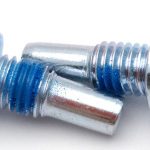
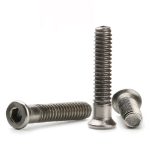
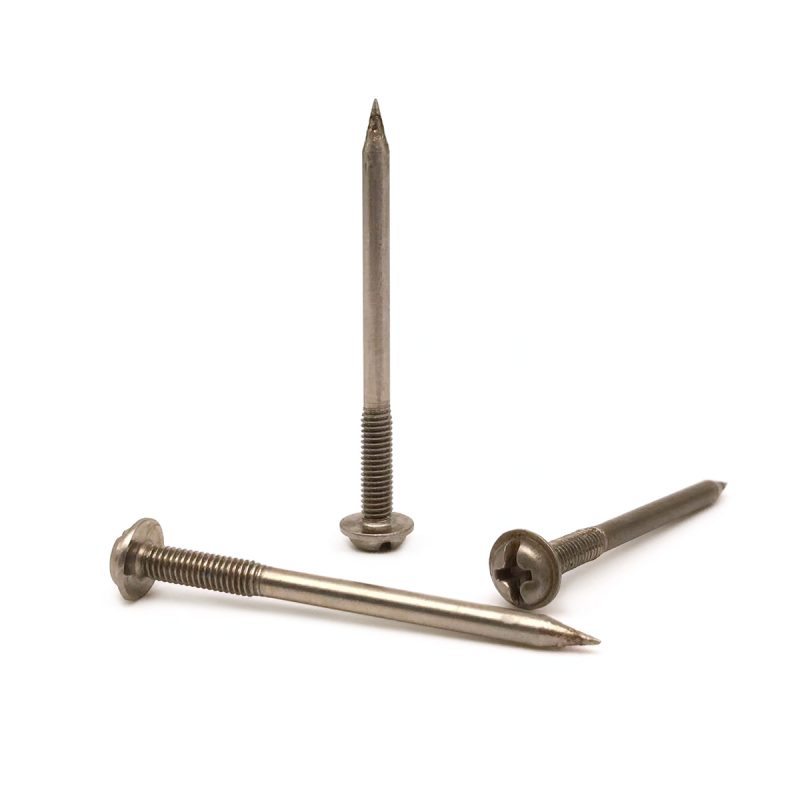
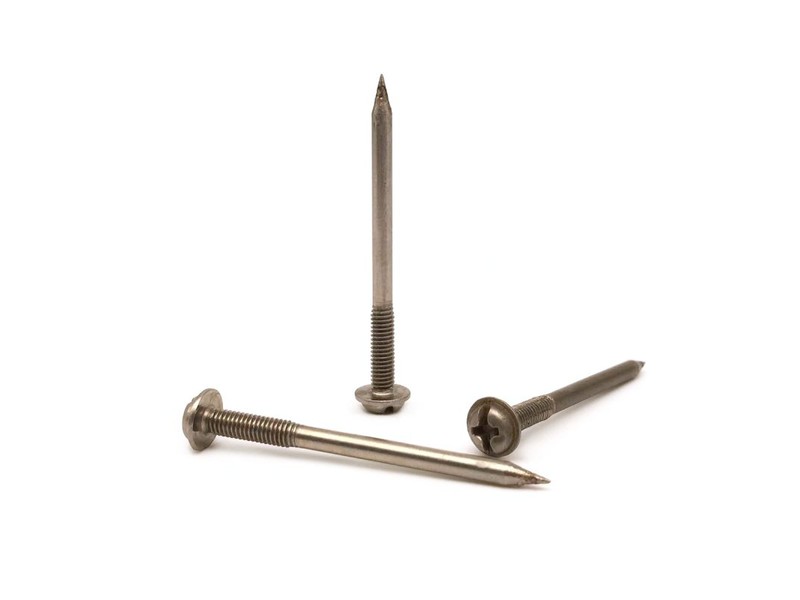
Type:Partial thread machine screw
Materials:410 Stainless Steel
Surface treatment:Plain
Head Type:Pan washer head
Heat treatment:Vacuum hardening
Drive type:Phillips/slot combined
Thread:Partial machine thread with pointed tail
Forming:Single-die cold heading, vacuum hardened
Number:1691
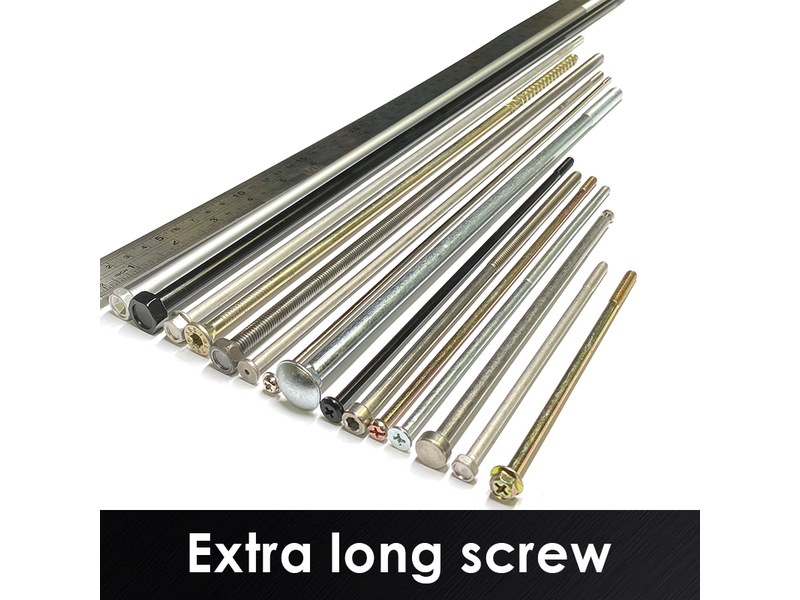
We manufacture 410 stainless partial thread machine screws with a pan washer head, a combined Phillips/slot drive, a reduced plain shank and a pointed tail, vacuum hardened and passivated where specified, from M2 to M10 and up to 2,000 mm. Shank diameter, thread start, point form and hardness are made to your drawing.
Watch the factory video·Email sst@szsst88.com
ISO 9001:2015 · Manufacturing since 1998 · 8,678+ customers · 89 countries and regions
Made to order – there is no stock catalogue. Each part is produced to your drawing, and production starts after drawing review and first-article approval.
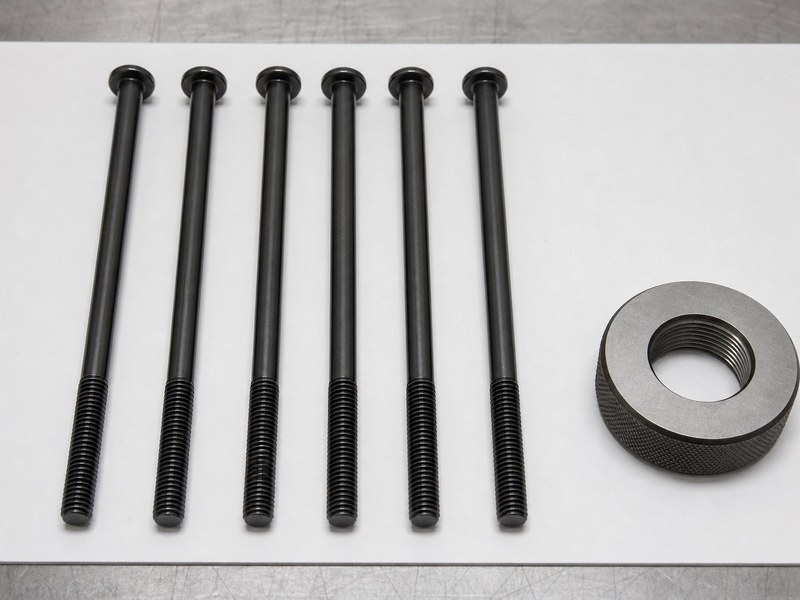
A partial thread machine screw is a machine screw whose thread runs over only part of the shank: the upper section is a plain, smaller-diameter shank and the thread sits at the tip. The plain section passes through the parts and the thread engages at the far end, so the screw pulls the joint together instead of cutting through it.
Thread at the tip, shank above it. The plain shank is turned down to a smaller diameter than the thread, so it slides through the clearance holes without binding. That is what lets one screw pass through a bracket, a spacer and a panel before the thread reaches the tapped part.
Pointed tail and reduced shank. This part adds a point at the tip and a reduced shank below the thread, so the screw finds the hole and enters it before the thread starts. The point guides, the small shank clears, and the thread does the clamping.
Pan washer head and combined drive. The pan washer head carries a built-in washer face that spreads load on a thin panel, and the combined Phillips/slot recess takes either a cross driver or a flat one. On a hardened 410 screw that combination is what makes it serviceable with the tools already on the line.
Together these decide how the part behaves on site: it aligns itself in the hole, it clamps without cutting through the stack, and it can be driven with the driver the technician already has.
The reduced shank is the feature that defines this screw. Its diameter is smaller than the thread crest and is held to the clearance hole, so the screw slides until the thread starts. If the shank is too large it binds; if it is too small the screw rattles and the joint loses its location.
The point below the thread has a second job. On assembly lines the screw is often started by hand or by a driver at an angle, and a point centres it in the hole without cross-threading. A flat end on the same screw would need a chamfer in the hole that many moulded or thin parts do not have.
The pan washer head combines a flat bearing face with a domed top, so the load spreads without a separate washer. On this screw the washer face is what stops the head from dimpling a thin panel while the plain shank is still travelling through it.
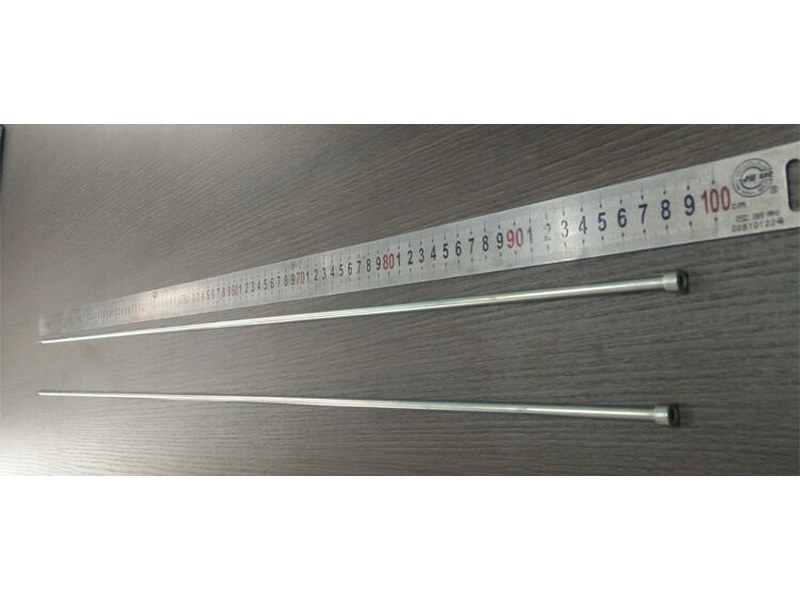
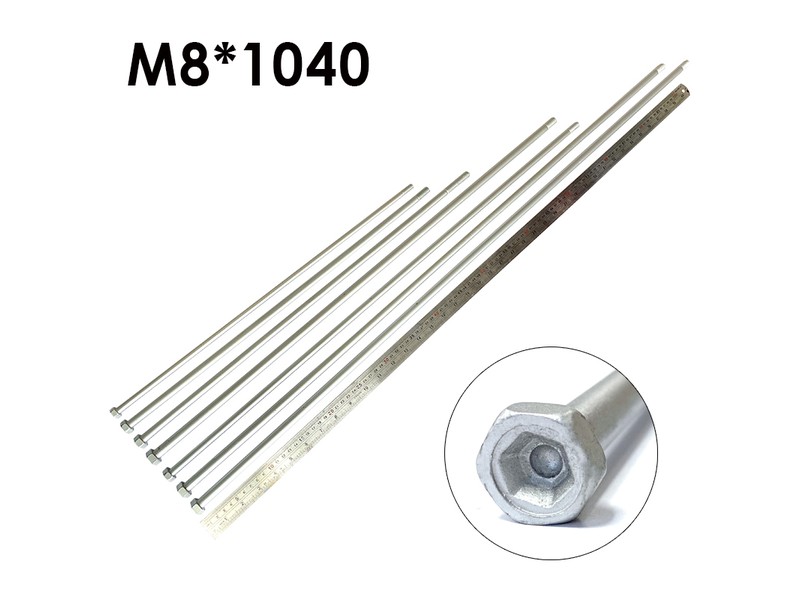
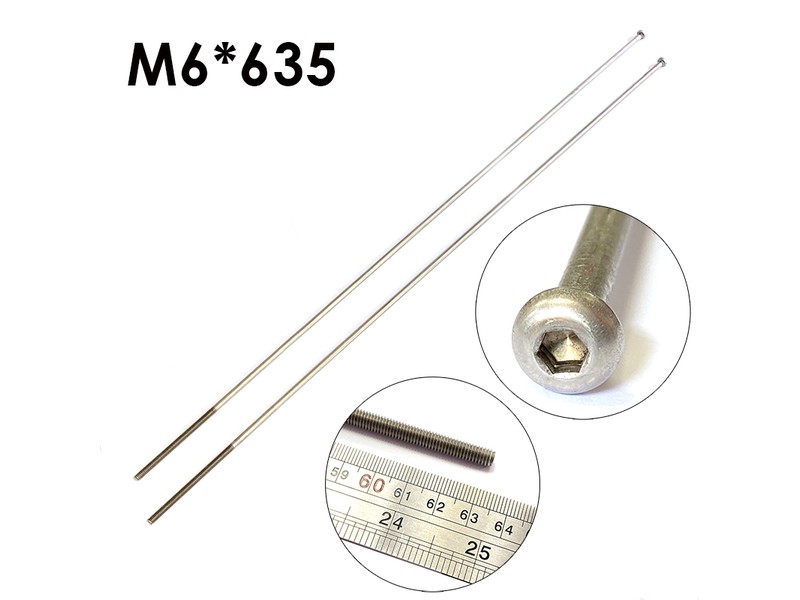
These screws are quoted from M2 to M10 and up to 2,000 mm, with length usually held to +0/-2 mm on the drawing. Custom lengths up to 2,000 mm are subject to DFM review after drawing submission.
| Item | How it is defined | What we control |
|---|---|---|
| Total length | From the top of the washer head to the point | Datum stated on the drawing; length measured on the shop plate |
| Shank diameter | The reduced plain section under the head | Shank diameter held to the clearance hole |
| Thread length and position | Where the thread starts and how far it runs | Thread start taken from the drawing, not a sample |
| Point | The lead at the tip | Point form checked on the first article |
| Head diameter and height | The pan washer head and its bearing face | Head diameter and height held to the drawing |
Each diameter and length combination is checked against the drawing before a quotation is issued. On a partial thread machine screw the shank diameter and the thread length are a pair: the shank has to clear the stack for exactly the distance the thread needs to reach the tapped part.
Length is measured from the top of the head, and the thread length is read as a position from the same datum. Shank diameter, point form and thread start are gauged on the first article before a batch is released.
For a partial thread machine screw the drawing fixes six things: thread size and pitch, thread length and position, shank diameter and length, total length and its datum, point form, and right- or left-hand direction. A seventh line matters on a hardened part: the hardness the thread has to hold after vacuum hardening.
| Parameter | Why it matters on a partial thread screw | What we control |
|---|---|---|
| Thread start position | It sets where the shank ends and the thread begins to pull | Start dimension checked on the first article |
| Shank diameter | It must clear the stack without binding | Shank diameter held to the clearance hole |
| Thread length | It must reach the tapped part without running into the stack | Thread length and position from the drawing |
| Hardness | 410 hardens in vacuum; the thread must still gauge | Hardness checked and thread gauged after heat treatment |
410 is a martensitic stainless steel: it can be hardened, which is why this partial thread machine screw can take a real torque and still resist rust. Vacuum hardening is used so the parts come out clean, without the scale that would have to be removed from the thread and the recess afterwards.
| Finish | How it protects | Effect on thread and recess | Typical use |
|---|---|---|---|
| Plain 410 stainless | The alloy is the finish; passivated where specified | No dimensional change | Indoor and damp assemblies of moderate corrosion |
| Passivated 410 | Free iron removed, passive film restored | No dimensional change | Parts stored or handled before assembly |
| Electropolished 410 | Surface levelled, chromium enriched | Removes a few microns; thread re-checked | Visible parts and cleaner surfaces |
| Black oxide (carbon steel) | Conversion coating, minimal thickness | No measurable build-up | Indoor assemblies where black is required |
| Dacromet flake (carbon steel) | Zinc-aluminium flake layer | Thin film; recess checked over the coating | Outdoor carbon steel equivalents |
Salt-spray exposure is agreed per project and written on the drawing. On a hardened partial thread machine screw the finish is chosen after the heat treatment, because the hardening changes the surface and any coating has to be applied to the hardened part.
Packing protects the point and the thread. Screws are packed in layers with the heads up so the point is not blunted against the carton, and the label carries the batch and the heat number.
Three assembly conditions where a partial thread machine screw has to pass through a stack and clamp at the far end, and what it has to do instead:
Home appliances and white goods
|

Appliances – screws through a multi-layer stack |
Electrical and control equipment
|
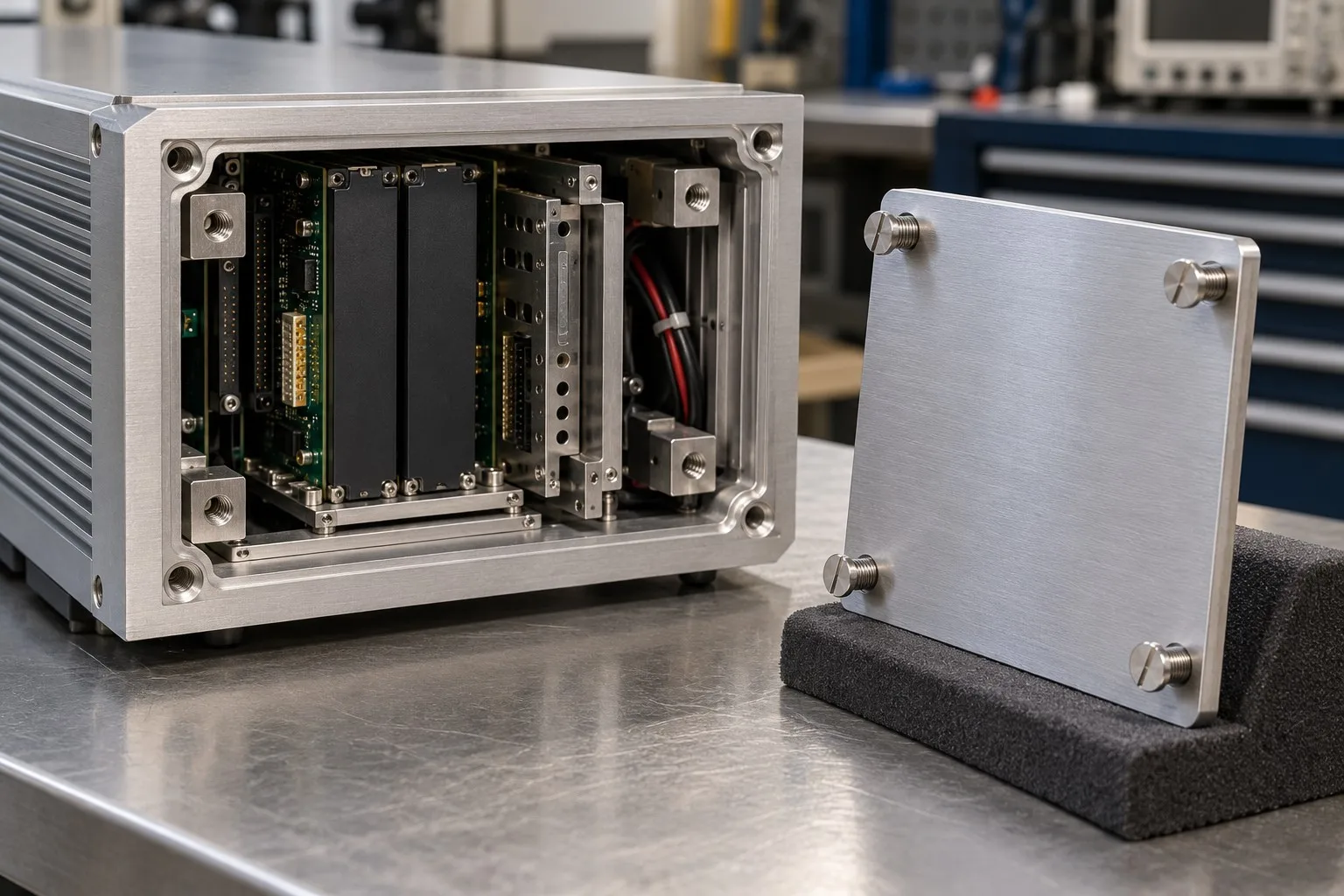
Electrical equipment – screws through spacers |
Automotive interior and trim
|
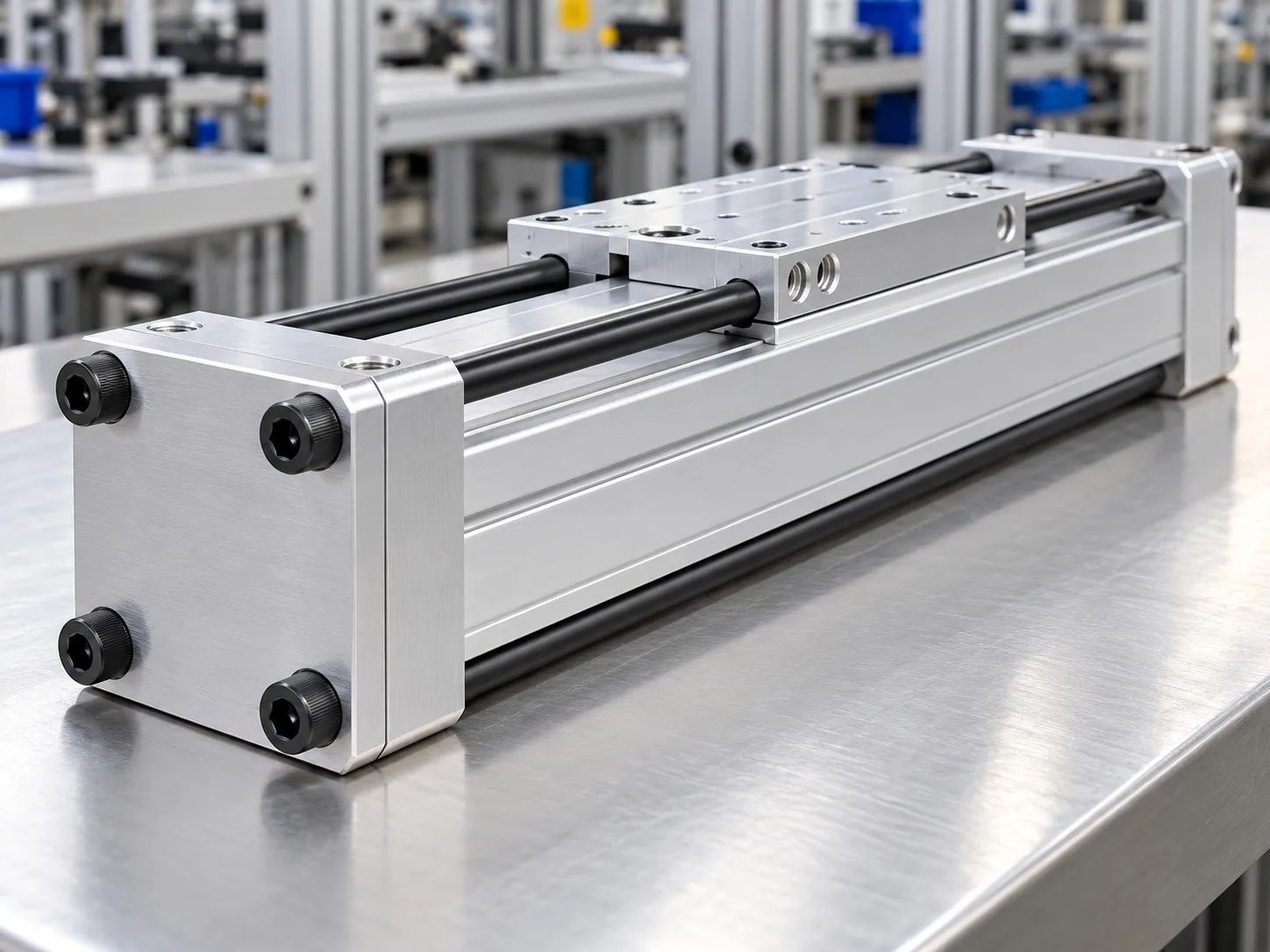
Automotive trim – guided screws through clips |
Four reasons that matter specifically on a partial thread machine screw, each tied to what the drawing has to prove:
|
Engineering review before tooling
Shank diameter, thread start, point form and hardness are settled before a die is cut, so the first sample is measured against the drawing instead of against a guess. Basis: Drawing or sample reviewed before tooling is released. |
Formed in one piece, hardened after
The head, shank, point and thread are produced in one heading route, then vacuum hardened and gauged, so the hardened thread still meets the class on the drawing. Basis: One-piece heading route, hardened and gauged. |
|
Shank, point and thread gauged
The shank diameter, point form and thread start are checked on the first article, so the screw that slides through the stack on the bench is the one that assembles. Basis: Shank, point and thread checked on the first article. |
First article to repeat production
The first article fixes the drawing revision, material heat, die set and heat-treatment batch; repeat orders are compared against that record. Basis: First article signed off before the batch is released. |
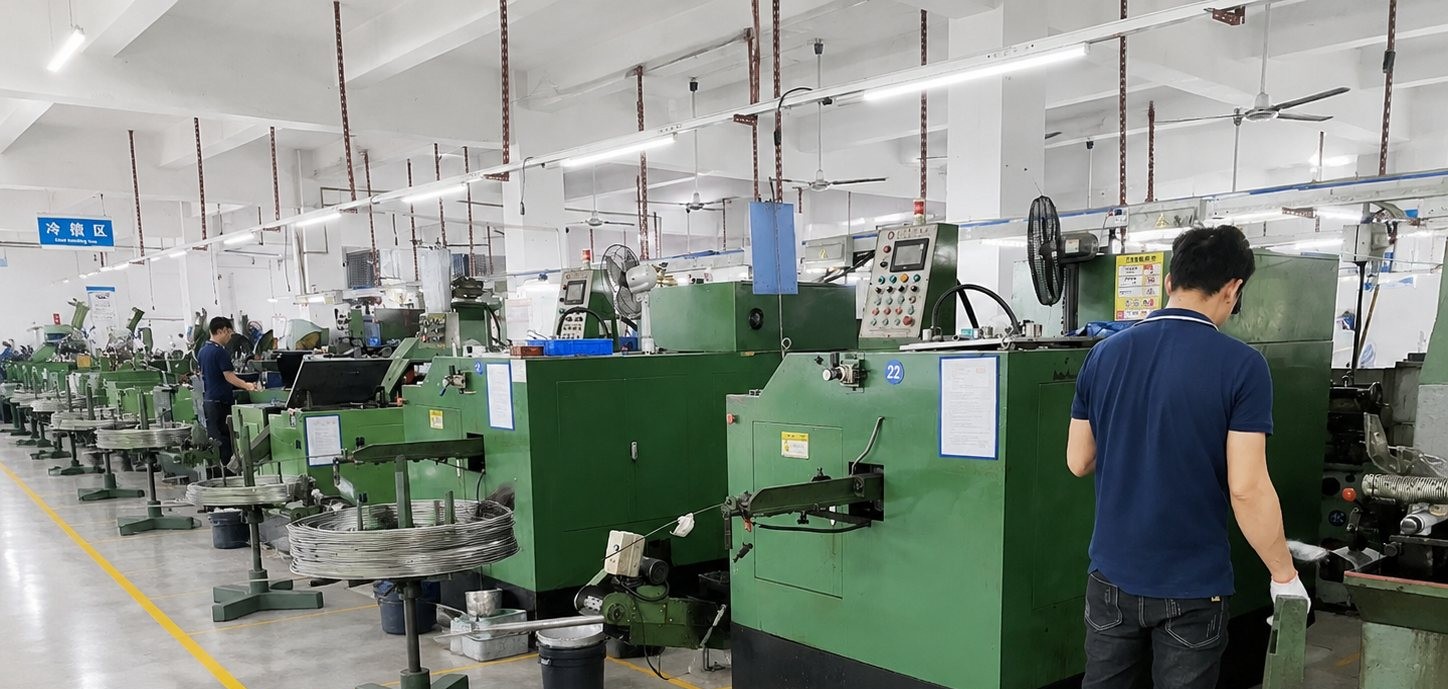
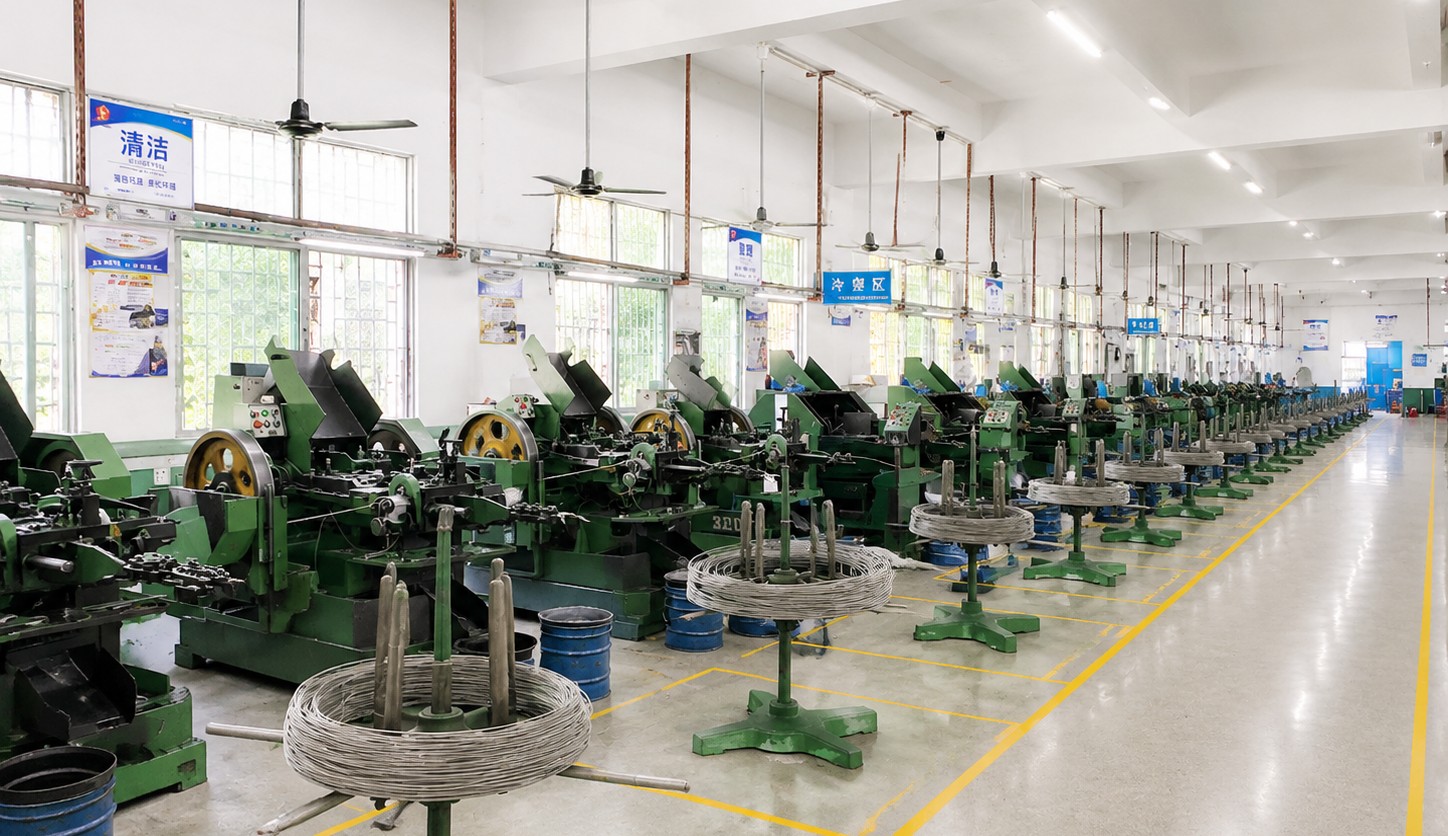
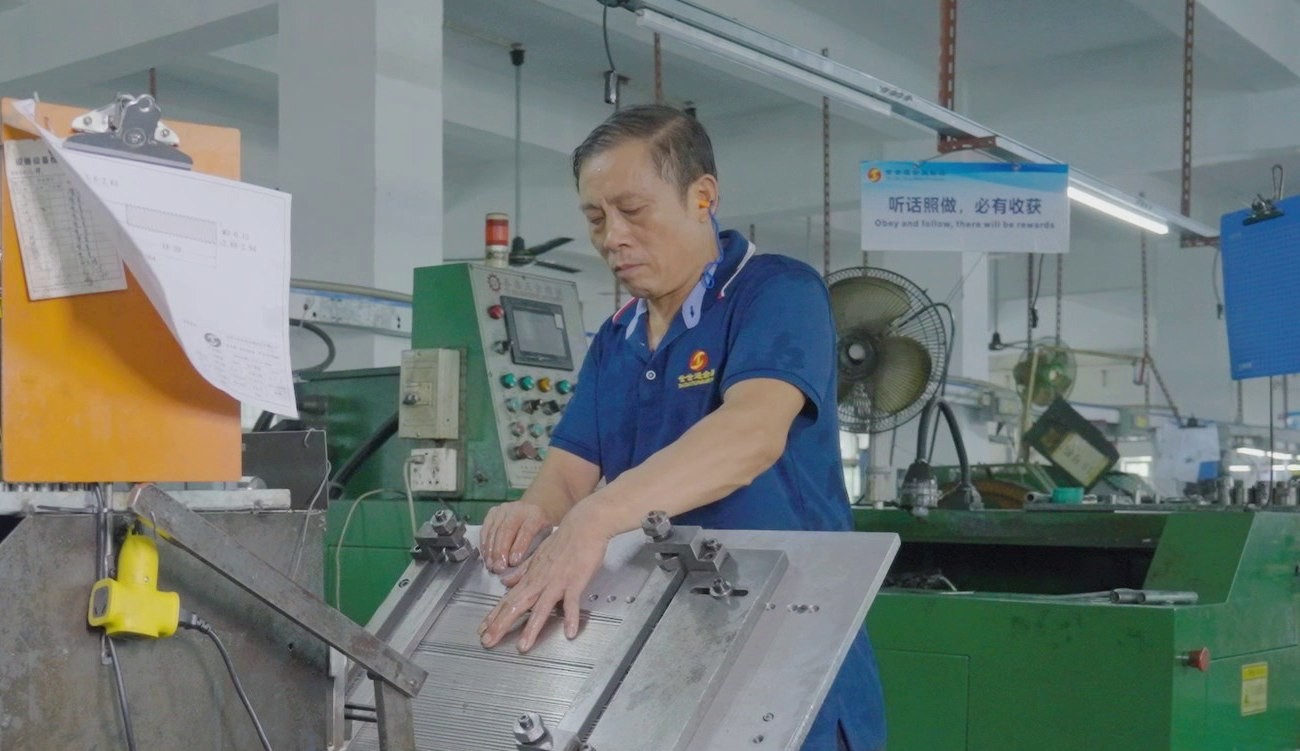
These partial thread machine screws are formed on a single-die header. The pan washer head, the reduced shank and the point are formed in the die, the thread is rolled over the tip, and the parts are vacuum hardened, passivated where specified and gauged. The operator checks the first parts of each run against the drawing before the batch continues.
|
|
Between runs the die insert is changed to the drawing head and shank dimensions; the first parts go to the gauges before the run continues, and the setting is recorded. Hardened parts are gauged after the vacuum furnace, so the record covers both the formed and the hardened condition.
What decides whether a partial thread machine screw passes is not its appearance: it is the shank clearing the stack, the point centring in the hole, and the thread reaching the tapped part at the hardness the drawing calls for. The inspection agreement covers those, and the criteria are the ones written on the drawing.
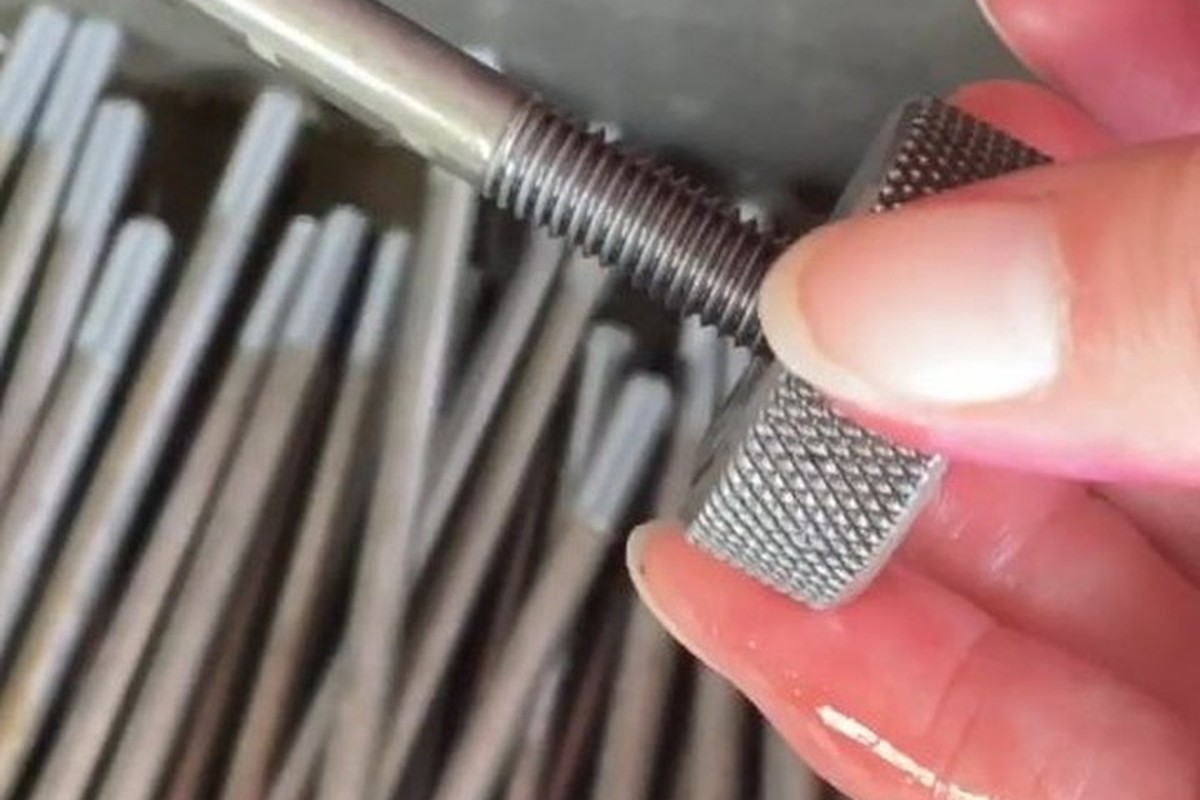
Thread gauging after heat treatment |
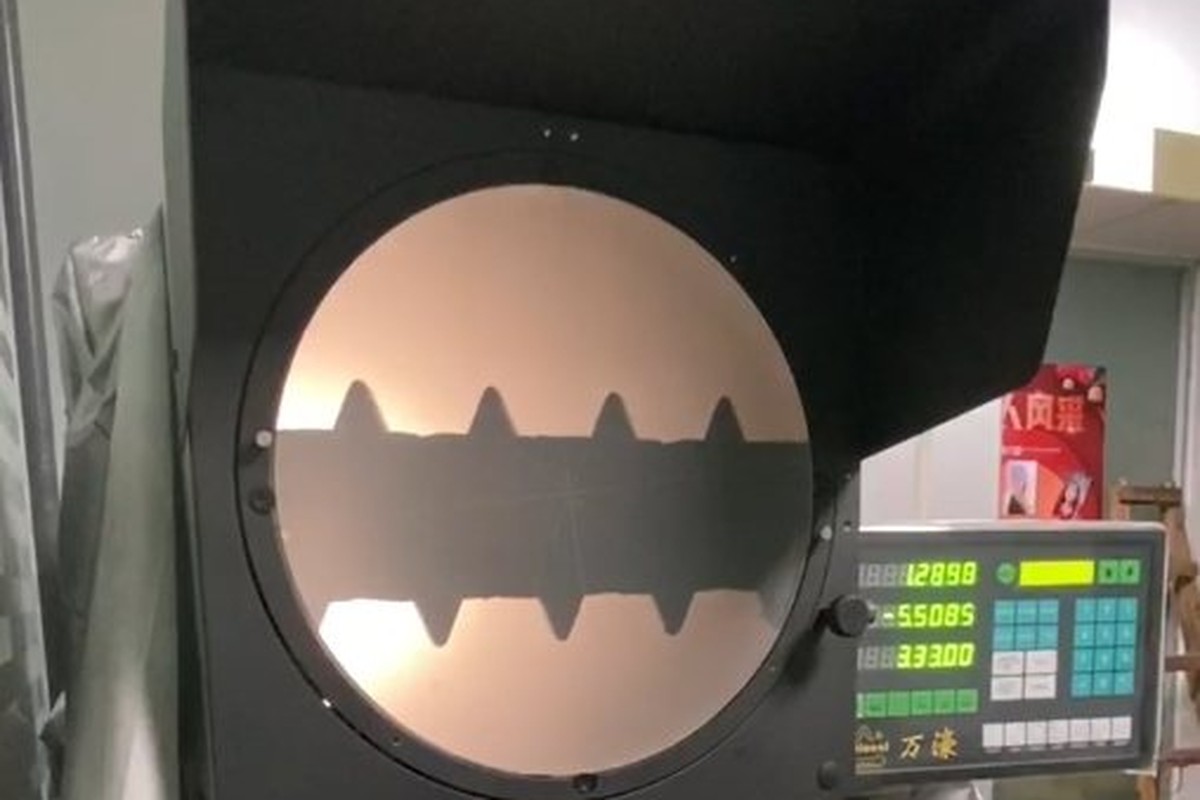
Point and shank profile on the projector |
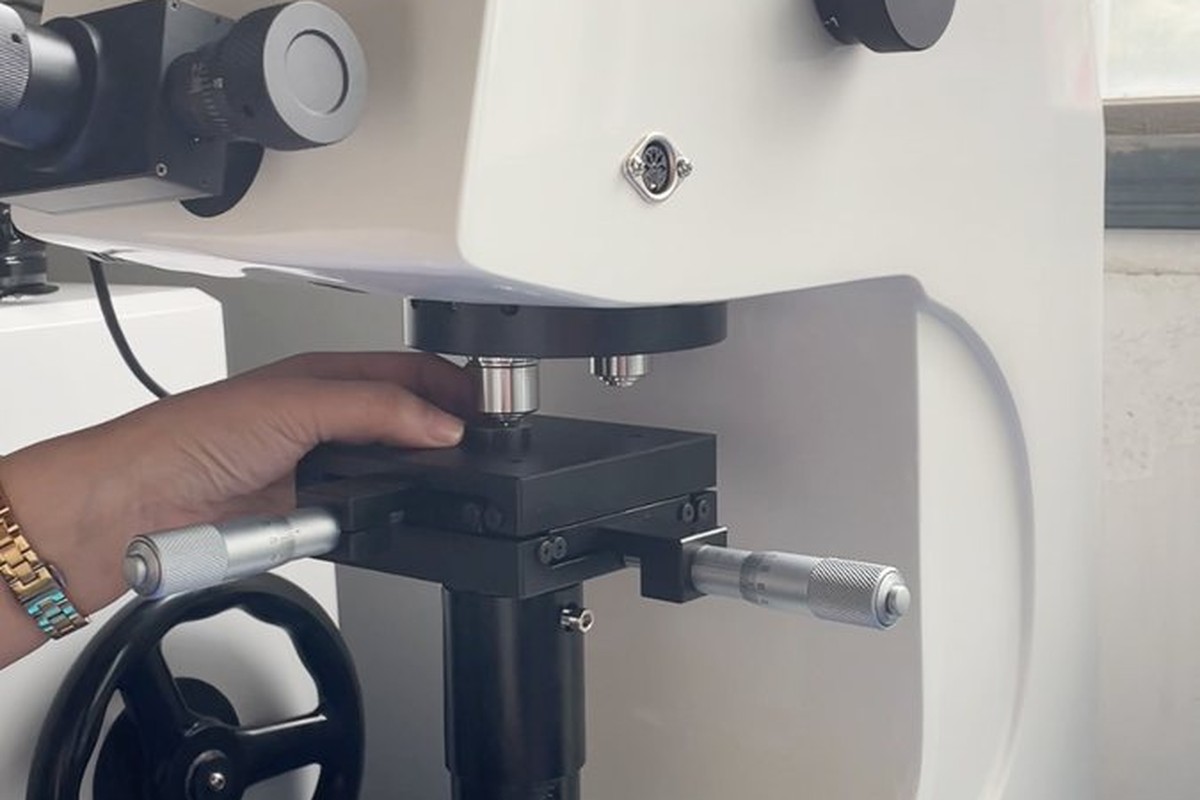
Hardness testing after vacuum hardening |
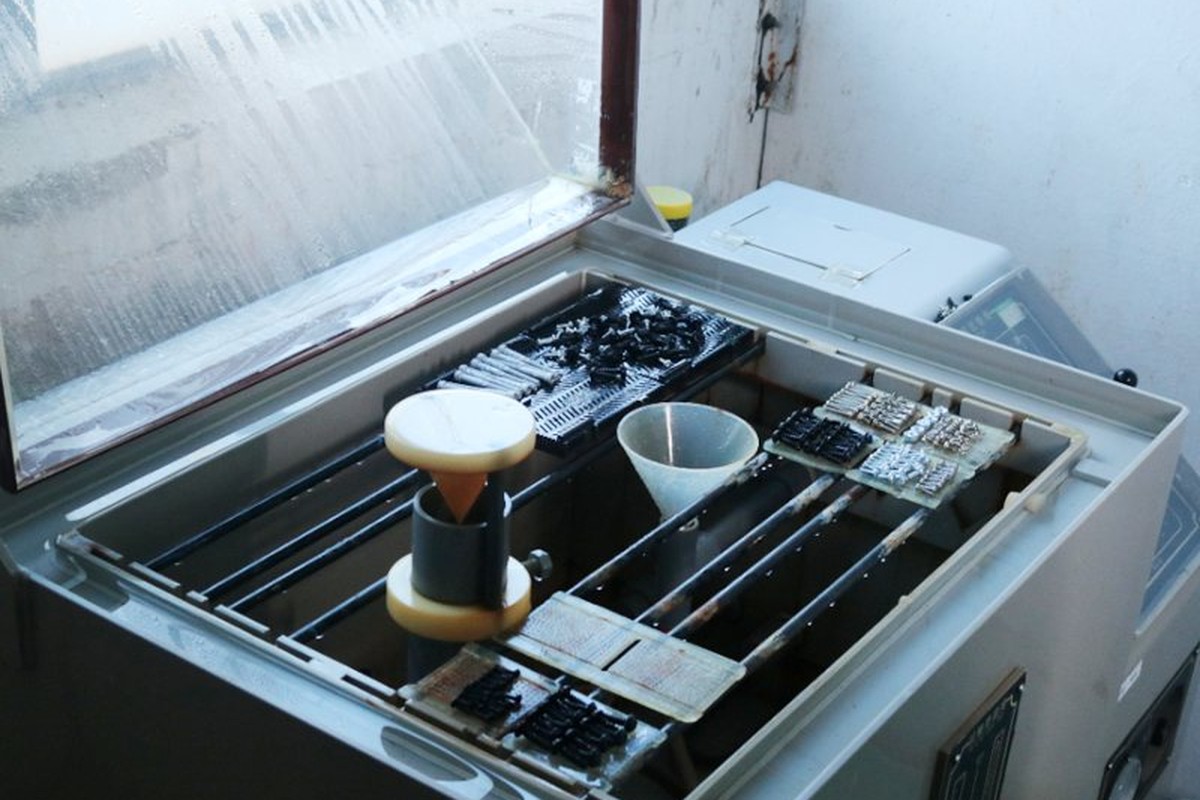
Salt-spray testing where a coating is specified |
Each batch is recorded against the drawing revision: head and shank from the first article, the point and thread start checked on the projector, thread gauging after heat treatment, and hardness on the hardened parts. If a gauge or the hardness check fails, the parts are held and re-checked before anything ships.
Where a third-party report is required for the material or the heat treatment, it is listed on the drawing so the paperwork ships with the parts, and the batch number on the label matches the record used for the gauge.
Every partial thread machine screw shipment is traceable to the wire it was made from and to the heat-treatment batch it went through. The grade, heat number and standard are recorded on the material certificate, and the inspection records follow the criteria agreed on the drawing.
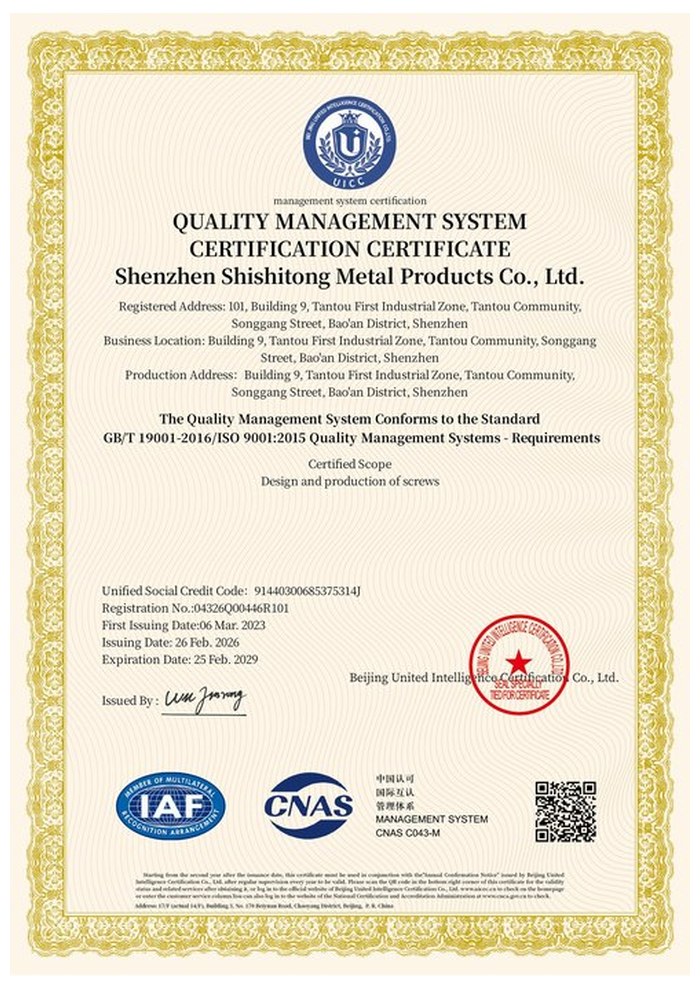
ISO 9001:2015 |
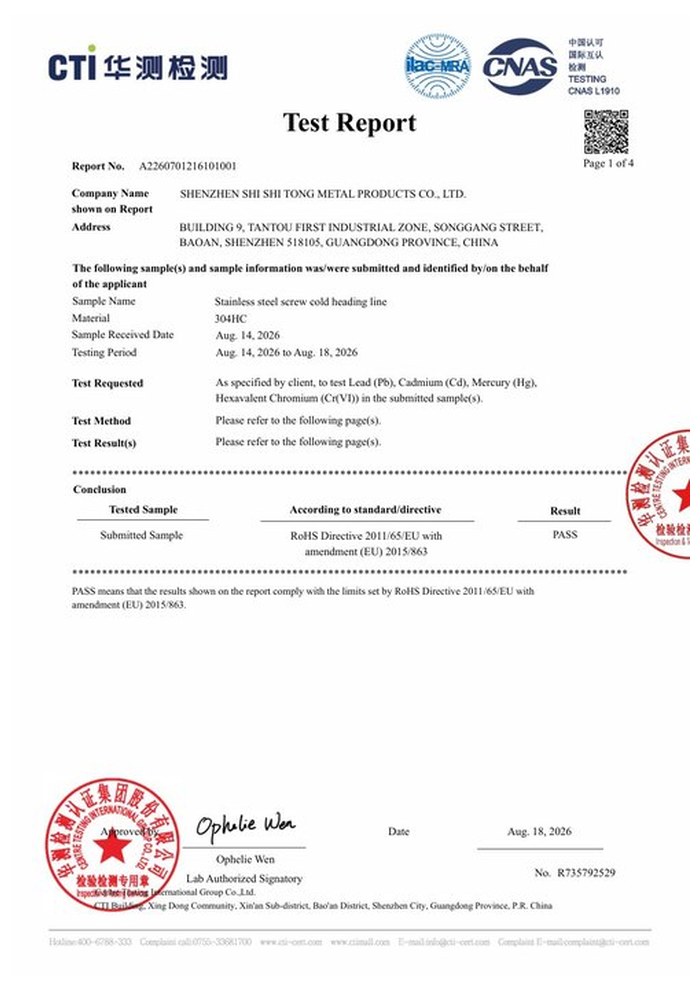
RoHS test report |
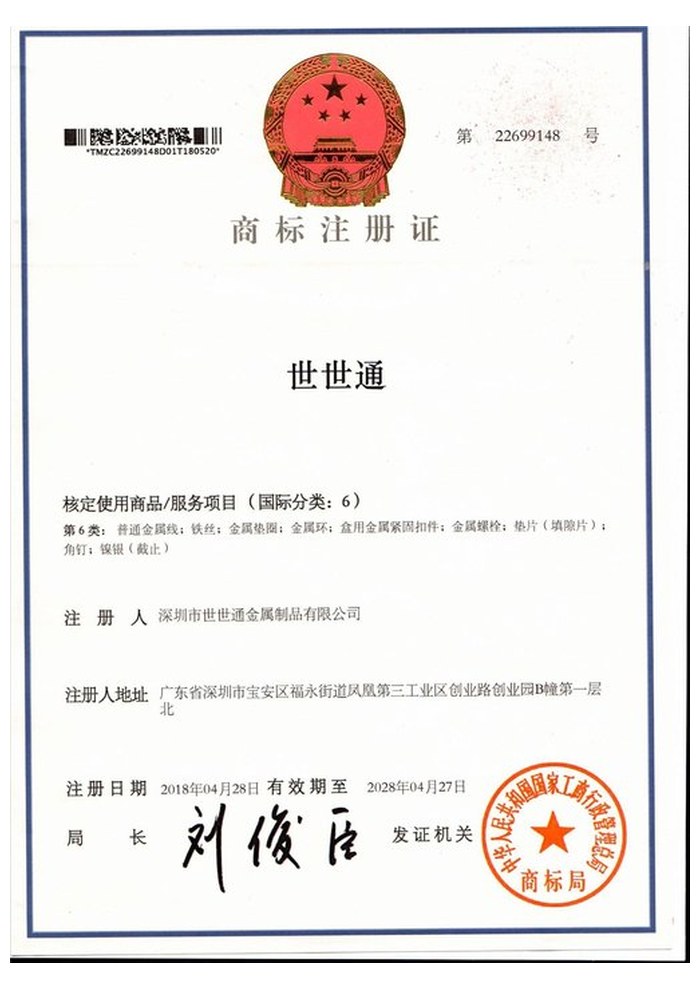
Registered trademark |
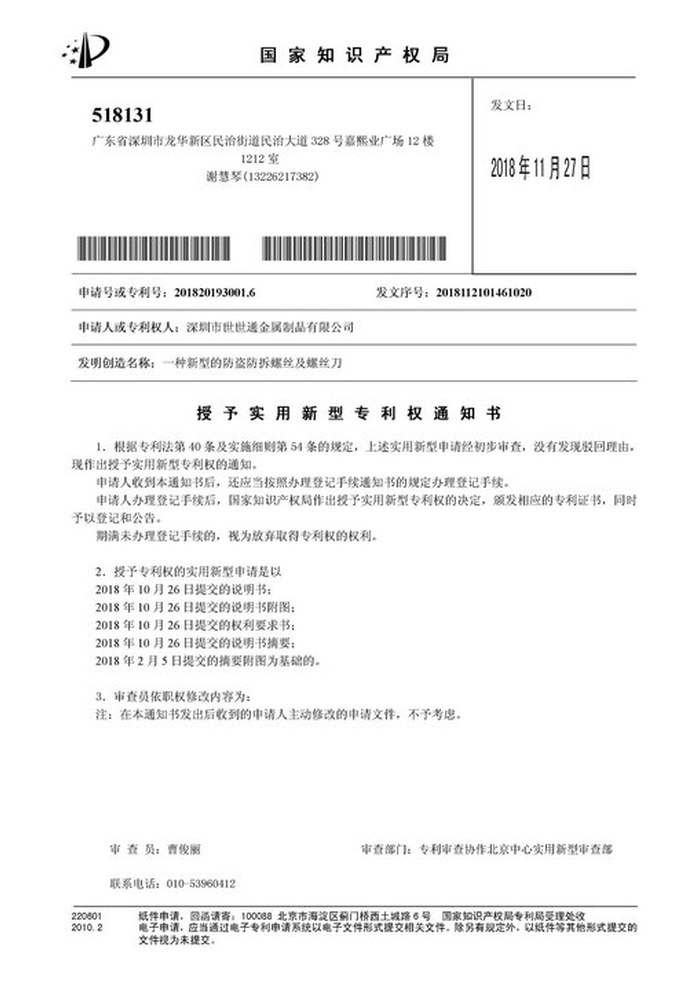
Patent: security screw and driver |
With each batch we supply the material certificate, the inspection record for the criteria on the drawing and, where it is listed, the third-party report for the material or the heat treatment. The documents carry the drawing revision and the batch number, so the paperwork can be matched to the parts.
More than 8,678 customers in 89 countries and regions have ordered from Shi Shi Tong; 87% of orders come from repeat customers and 56% through referrals. Most projects follow the same route: drawing review, first-article approval, then batches checked against that sample. Buyers visit during the process to review samples and to see the forming, heat treatment and passivation steps their parts will go through.
|
8,678+
customers served
|
87%
of orders from repeat customers
|
56%
of orders through referrals
|
89
countries and regions shipped to
|
Buyers and quality engineers visit for sample review, process discussion and supplier audits; the visit is arranged around production so the header, the heat-treatment furnaces and the passivation line can be seen on the day the parts run.

Customer group visit – sample review |

Customer group visit – process discussion |

Customer group visit – factory tour |

Customer visit – project kick-off |

Danish customer – drawing review |
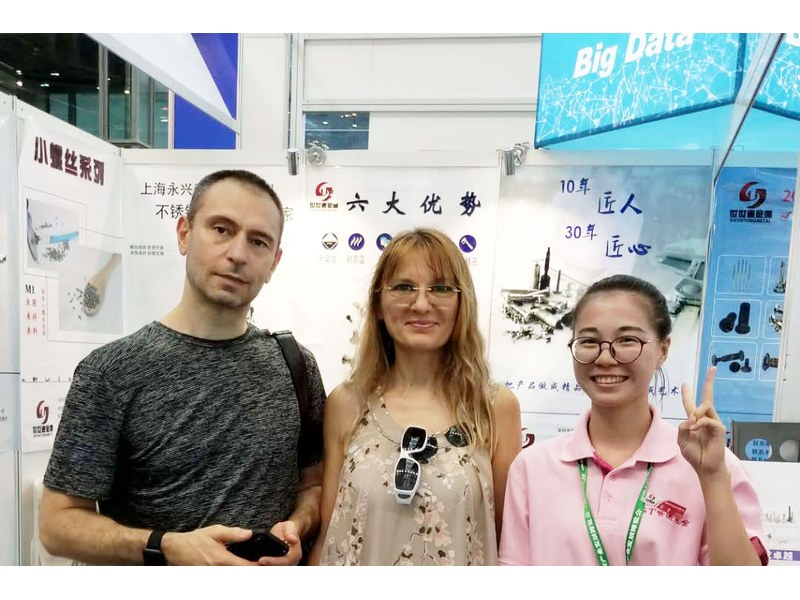
Industry exhibition – meeting customers |
It is a machine screw where the thread runs over only part of the shank. The plain section passes through the parts and the thread engages at the tip, so the screw pulls the joint together instead of cutting through the stack.
The reduced shank clears the holes in the stack so the screw slides without binding. On this part it also lets the point guide the screw into the hole before the thread starts.
It centres the screw in the hole and prevents cross-threading when the screw is started at an angle. A flat end would need a chamfer in the hole that many thin or moulded parts do not have.
Partial thread machine screws are quoted from M2 to M10 and up to 2,000 mm, usually held to +0/-2 mm. Custom lengths up to 2,000 mm are subject to DFM review after drawing submission.
410 is a hardenable stainless steel. Vacuum hardening raises the strength without leaving scale on the thread or the recess, and the thread is gauged after the furnace.
Thread size and pitch, thread length and position, shank diameter, total length and datum, point form, head dimensions, material and hardness, and quantity.
How a partial thread machine screw project runs from drawing to repeat delivery:
|
1
Send the drawing or sample
|
→ |
2
DFM review and quotation
|
→ |
3
First article approval
|
→ |
4
Batch production and repeat orders
|
Each step is confirmed with you before the next one starts; the drawing revision from the first article is what repeat orders are checked against.
For a partial thread machine screw quotation, send the drawing with thread size and pitch, thread length and position, shank diameter, total length and datum, point form, head dimensions, material and hardness. Shank, thread start and point are confirmed with you before production.
|
Thread size and pitch
|
Thread length and position
|
Shank diameter
|
|
Total length and datum
|
Point form
|
Head, material and hardness
|
Sending a drawing? The form below does not take attachments. Email the PDF, DXF or STEP file to sst@szsst88.com with the part name and quantity in the subject line – the drawing is reviewed and a quotation follows.

 +86 13143444311
 sst@szsst88.com