Tel:
+86 13143444311
Email:sst@szsst88.com
Fax:+0086-755-27322278
Address:Building 9, First Industrial Zone, Tantou Industrial City, Songgang Street, Baoan District, Shenzhen 518105, Guangdong, China
Type:Copper Screws, Brass Screw Manufacturer, Brass Screw Suppliers
Materials:Brass
Surface treatment:Plain
Head Type:Pan Head
Drive:Single slot
Thread:Machine thread, half thread
Point:Plain, chamfered
Forming:Single Die Heading
Size:M1 M2 M3 M4 M5 M6 M7 M8 M9 M10
Number:592-1
We make brass pan head screws in a copper-zinc alloy with a single slot and a half thread, quoting them from M1 to M10. Head and slot size, thread start and finish come from your drawing, and the first article is fitted into your own part.
Watch the factory video·Email sst@szsst88.com
ISO 9001:2015 · Manufacturing since 1998 · 8,678+ customers · 89 countries and regions
Made to order – there is no stock catalogue. Each part is produced to your drawing, and production starts after drawing review and first-article approval.
Brass pan head screws are machine screws made from a copper-zinc alloy, with a rounded head and a single slot. The part recorded here is plain brass with a half thread, quoted from M1 to M10 with Number 592-1.
Brass body. A copper-zinc alloy: soft, non-magnetic, conductive, and naturally resistant to indoor corrosion.
Pan head. A domed top over a wide bearing face, so the clamp spreads without a washer.
Single slot. One straight slot driven with a flat blade, which is what older and decorative fittings expect.
Half thread. The thread covers the end portion, with a plain shank under the head.
Brass pan head screws are used in electrical fittings, decorative hardware, musical instruments, clocks and vintage restoration, where the colour is part of the design and a slotted head is what the original had.
Brass pan head screws also appear where the head is visible and the finish is left natural rather than polished.
The first thing to settle on a page like this is the metal. Pure copper is too soft for a screw: it deforms under a driver and its thread strips before it can hold a load, so a genuine copper screw only appears in special electrical contacts and not in general fasteners. Brass is the practical answer, and almost everything sold as a copper screw is either brass or a steel screw with a copper-coloured plating.
That difference matters to a buyer more than the colour. Brass is an alloy of copper and zinc, with useful strength, good conductivity and a warm colour that tarnishes slowly. Copper plating is a thin layer on a carbon steel body: it gives the same look at a fraction of the cost, but the strength is steel and the corrosion behaviour is a plated part, which will rust at a scratch. The two should never be quoted as one.
The slot is the second constraint. A single slot loads the head along two narrow edges, so in a soft metal the edges round long before the thread gives up. A brass pan head screw with a slot is therefore a fastener for joints that are assembled once and left, or for fittings where the slot is part of the look. Where the joint must be serviced, a cross or a star recess in the same head lasts far longer.
The half thread supports the decorative purpose. On a joint where the head is visible and the thread engages at the far end, the plain shank carries the clamp and the head is not pulled into a finished surface. It also means the engaged length is short, which suits a soft alloy.
Plain brass then ages rather than corrodes. It darkens and takes a patina, which is exactly what a restoration or a period fitting wants; where a bright, unchanging finish is needed, the same head is specified plated, and that becomes a different part with a different note on the drawing.
The recorded range is M1 to M10, with lengths made to the drawing. Custom lengths up to 2,000 mm are subject to DFM review after drawing submission. For brass pan head screws the quotation carries head diameter and height, slot width and depth, thread length and start, and the overall length.
| Item | How it is defined | What we control |
|---|---|---|
| Head | Pan, rounded top | Diameter, height and bearing face flatness |
| Slot | Single straight slot | Width, depth and alignment with the head |
| Thread | Machine thread, half thread | Pitch, length and start position |
| Length | Overall, head included | Length tolerance and thread start |
| Material | Brass | Alloy and temper on the certificate |
| Finish | Plain brass | Surface condition and patina freedom |
Slot width belongs on the drawing as a number. In brass a blade that is a fraction too wide chips the slot edges immediately, and the chips are bright against the tarnish, so the damage is more visible than on steel.
Thread length is stated with its start, because on a half-thread decorative screw the plain shank is what passes through the fitting and the thread only engages at the end.
Four features define brass pan head screws, and each one is a trade:
| Feature | What it gives | What it costs |
|---|---|---|
| Brass body | Colour, conductivity, non-magnetic | Soft thread; low strength |
| Pan head | Wide bearing face, decorative | Stands above the surface |
| Single slot | Traditional look; any flat blade works | Edges round quickly in soft metal |
| Half thread | Shank carries the clamp | Thread start is critical |
| Plain finish | Ages to a patina | Tarnishes where a bright look is wanted |
The value is appearance and material behaviour. A brass screw keeps its colour in a way that plated steel cannot, it does not interfere with a magnetic instrument, and it conducts, which matters in a terminal or a contact.
The cost is the combination of a soft material and a single slot. Every assembly cycle takes a little out of the slot, and after a few the blade starts to slip. That is acceptable on a hinged plate fitted once; it is not acceptable on a cover that is opened every month.
The recorded finish is plain brass with no coating. It is the honest choice for a decorative part: the metal is the finish, and it ages in a way that suits period hardware and musical instruments.
| Option | How it protects | Effect on slot and head | Typical use |
|---|---|---|---|
| Plain brass | Natural oxide; patina over time | Slot as formed | Vintage and decorative |
| Nickel plated brass | Hard bright barrier | Thin build; slot stays crisp | Instruments and fittings |
| Chrome plated brass | Hard decorative layer | Build noticeable; slot re-checked | Sanitary and furniture |
| Copper plated steel | Thin copper layer on steel | Colour only; scratches rust | Low-cost copper look |
| Lacquered brass | Clear film over polished brass | Film wears at the slot first | Display hardware |
Where a bright finish is wanted, nickel on brass gives it without changing the strength, and the slot stays sharper than in plain brass because the plate is hard. Where the customer asks for copper plating, it should be clear that the body is steel: the colour is right and the corrosion behaviour is not.
Lacquered brass is worth a note. The film keeps the part bright on a shelf, but it wears at the slot as soon as a blade touches it, and the result is a ring of tarnish around a bright slot rather than an even patina.
Three assemblies where plain brass with a slot is the right part:
| Where it sits | The screw clamps a terminal where conductivity and non-magnetic behaviour matter and the fitting is designed around a slotted head. |
| When it goes wrong | The slot rounds and the terminal can no longer be loosened for a rewire. |
| Why it happens | The joint carries current, the screw is small, and the drive is a flat blade. |
| What we control | Material and slot checked; first article assembled and checked for continuity. |
| Where it sits | The screw closes a movement or fixes a plate where the part is visible and the period look is part of the product. |
| When it goes wrong | The brass tarnishes unevenly across a row and the faces no longer match. |
| Why it happens | The part is visible, handled, and expected to age evenly. |
| What we control | Colour uniformity checked; first article fitted and inspected as a row. |
| Where it sits | The screw replaces an original fixing where the slot, the head form and the colour all have to look right. |
| When it goes wrong | A modern recess is used and the restoration is visibly wrong at the hinge. |
| Why it happens | The part is judged visually, the original was slotted, and the joint is assembled once. |
| What we control | Head form and slot checked against the original; first article fitted. |
Four reasons that matter on a soft-metal decorative screw, each tied to something the drawing has to prove:
|
Alloy and slot agreed
The brass alloy, slot width and head form are agreed as a set, because in a soft metal the slot is what fails first. Basis: Alloy and slot agreed. |
Headed, threaded and finished in one route
The head and slot are formed, the thread rolled with setting for a soft alloy, and the parts left plain or plated as specified. Basis: One route from wire to finished screw. |
|
Slot proved with a blade
The slot is checked with a blade of the stated width, because a slot that measures correctly can still chip on the first turn. Basis: Slot proved with a blade. |
First article in your fitting
The first article is fitted into the customer part, because a decorative head and a soft thread are proven together. Basis: First article fitted in the part. |
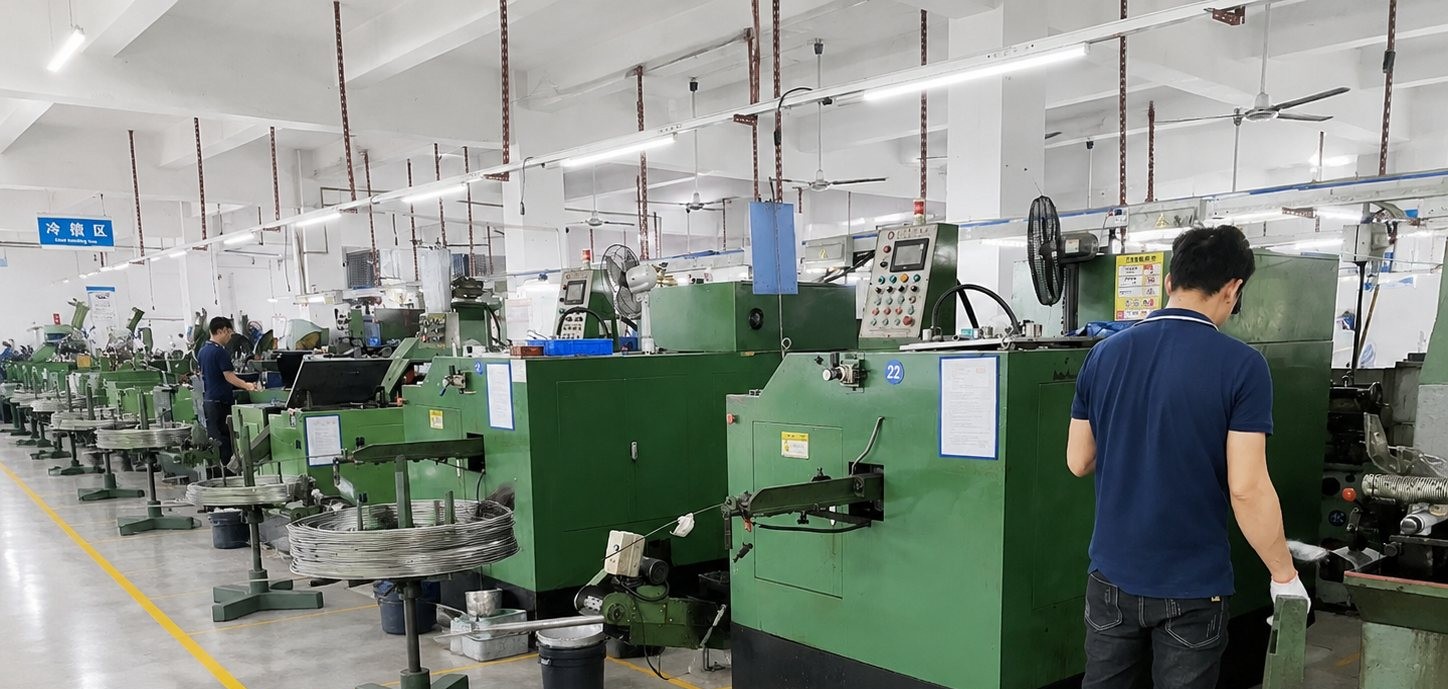
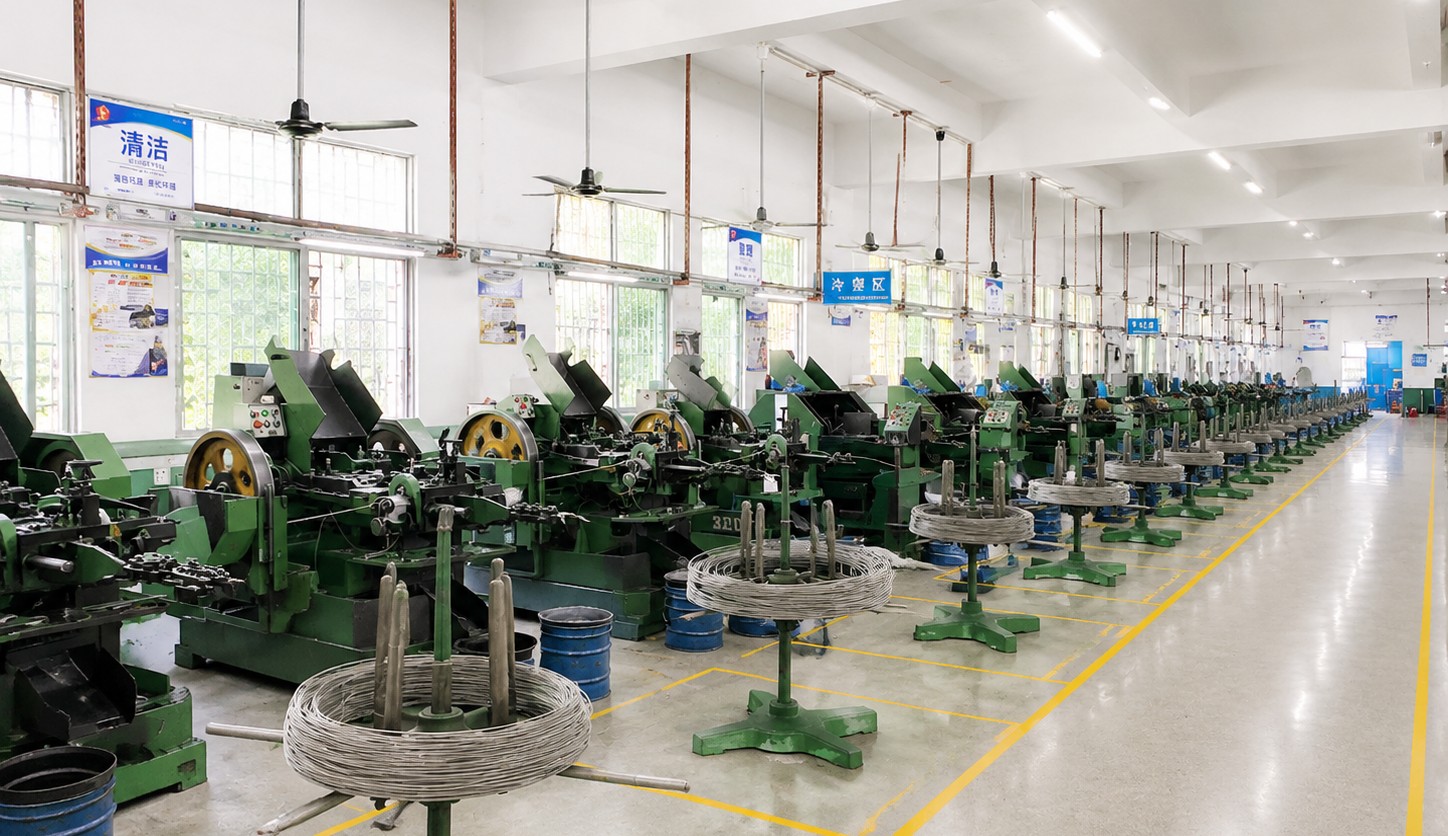
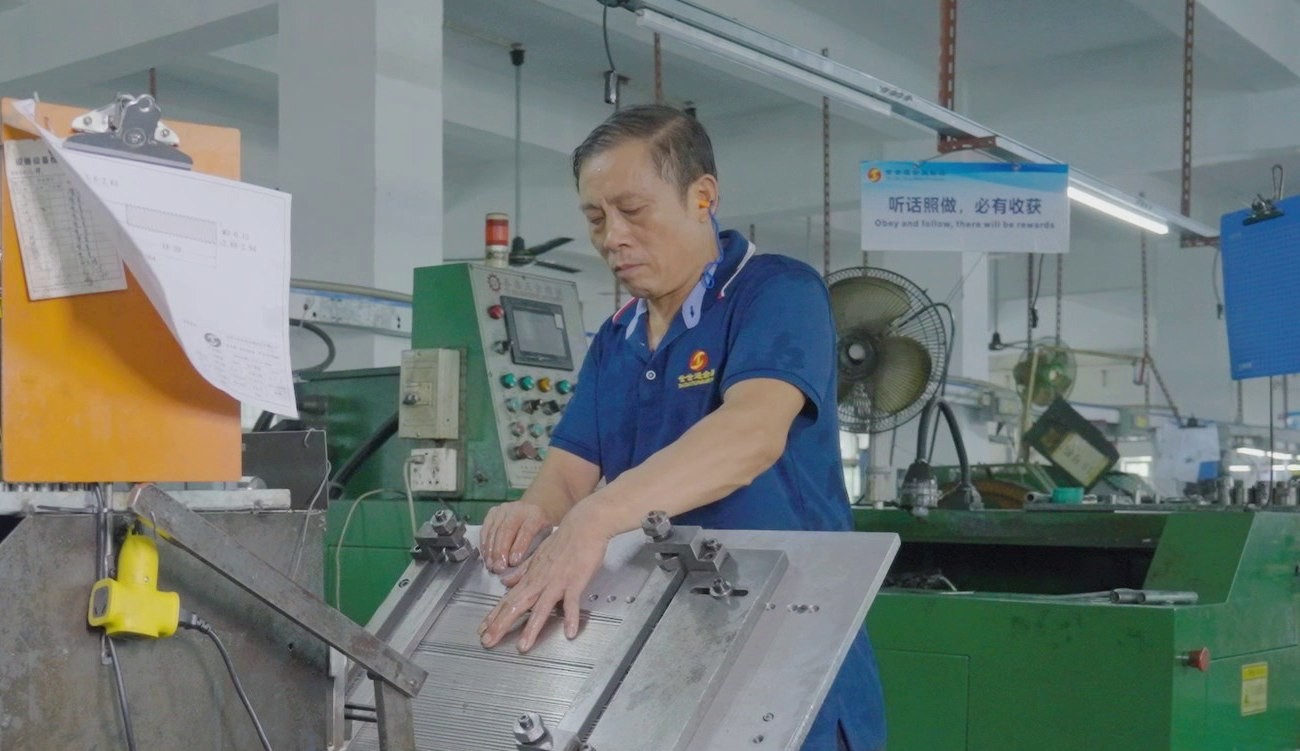
Brass screws are headed on single-die machines that form the pan head and cut the slot in one stroke, then rolled with the machine thread. Brass forms easily but it tears if the die is worn, and a torn thread looks acceptable and strips early, so the rolls are checked at the start of each run.
|
|
The slot is the feature that shows tool wear first. A cutter that has run a little deep leaves thin edges that chip under a blade, and because brass is soft the failure is gradual: the slot widens over a few assemblies rather than breaking, which makes it easy to miss on a sample and hard to explain later.
Leaving the parts plain is a process decision. Brass that has been handled will tarnish, so the parts are cleaned and packed dry, and a batch that is dimensionally perfect and packed damp will come back as a complaint about staining rather than about size.
What decides whether brass pan head screws pass is the head, the slot, the thread and the alloy. The inspection agreement covers those, and the criteria come from the drawing.

Head and slot on the projector |

Thread and start checked |

Alloy and temper checked |

Salt-spray testing where required |
Head diameter and height are measured on a projector, the slot is measured for width and depth and then proved with a blade of the stated width, and the thread is gauged. Length is measured over the head so the datum matches the drawing.
A sample from every batch is driven into the customer’s fitting and removed. In brass that cycle shows the slot widening and the thread starting to strip, which is the failure mode that matters on a soft-metal decorative screw.
Every batch is traceable to the wire or bar it was made from. The alloy and temper appear on the material certificate supplied with the parts, and the inspection records follow the criteria agreed on the drawing.

ISO 9001:2015 |

RoHS test report |

Registered trademark |

Patent: security screw and driver |
With each shipment we supply the material certificate, the inspection record for the dimensions on the drawing and, where plating is specified, its thickness report. The documents carry the drawing revision and the batch number, so a repeat order keeps the same alloy and the same slot.
Each certificate and inspection record is filed against the batch number, so a repeat order can be compared with the first delivery.
More than 8,678 customers in 89 countries and regions have ordered from Shi Shi Tong; 87% of orders come from repeat customers and 56% through referrals. Most projects follow the same route: drawing review, first-article approval, then batches checked against that sample. On brass pan head screws the first article is fitted into the customer part, because a soft thread and a decorative head only prove themselves in the joint. Buyers visit during the process to review samples.
|
8,678+
customers served
|
87%
of orders from repeat customers
|
56%
of orders through referrals
|
89
countries and regions shipped to
|
Buyers and quality engineers visit for sample review, process discussion and supplier audits; the visit is arranged around production so the headers can be seen on the day the parts run.

Customer group visit – sample review |

Customer group visit – process discussion |

Customer group visit – factory tour |

Customer visit – project kick-off |

Danish customer – drawing review |

Industry exhibition – meeting customers |
Brass. Pure copper is too soft for a screw; almost everything sold as a copper screw is brass, or a steel screw with copper plating.
A single slot loads two narrow edges, and brass is soft. Use a blade of the stated width and close the joint once.
Yes, to a patina. If a bright finish is required, specify nickel or chrome plating or a lacquer.
Yes. It conducts and is non-magnetic; a nickel plate raises resistance at the contact face, so plain brass is often preferred there.
Above the waterline and out of chlorides it holds up; in salt water brass dezincifies. Use bronze or stainless for marine joints.
Head diameter and height, slot width and depth, thread length and start, alloy and finish.
How a brass pan head screw project runs from drawing to repeat delivery:
|
1
Send the drawing and the fitting
|
→ |
2
Alloy, slot and finish agreed
|
→ |
3
First article fitted in your part
|
→ |
4
Batch production and repeat orders
|
Each step is confirmed with you before the next one starts; the drawing revision from the first article is what repeat orders are checked against.
For a quotation, send the drawing with the head diameter and height, slot width and depth, thread length and start, alloy and finish.
|
Head size
|
Slot width
|
Slot depth
|
|
Thread start
|
Alloy
|
Finish
|
Sending a drawing? The form below does not take attachments. Email the PDF, DXF or STEP file to sst@szsst88.com with the part name and quantity in the subject line – the drawing is reviewed and a quotation follows.

 +86 13143444311
 sst@szsst88.com