Tel:
+86 13143444311
Email:sst@szsst88.com
Fax:+0086-755-27322278
Address:Building 9, First Industrial Zone, Tantou Industrial City, Songgang Street, Baoan District, Shenzhen 518105, Guangdong, China
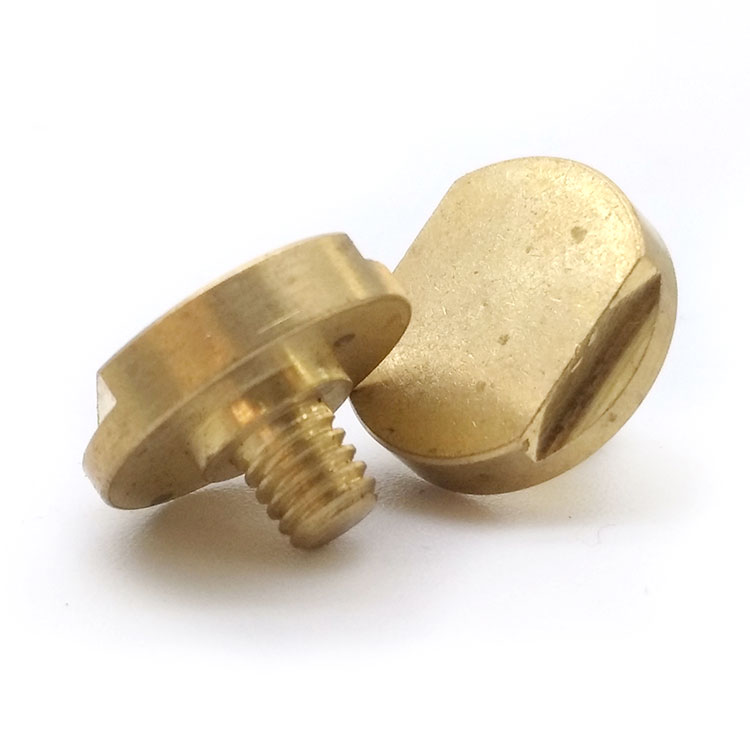
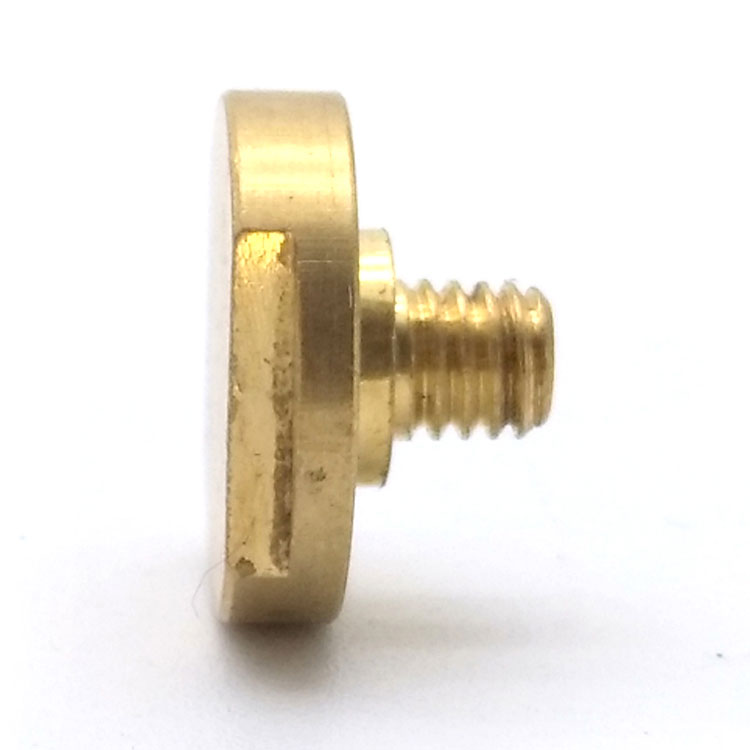
Type:Brass Shoulder Screw Copper CNC Cap Head
Materials:Brass
Surface treatment:Plain
Head Type:Cap Head
Drive:None; hand or collet assembly
Thread:Machine thread
Point:Chamfered
Forming:Turned from bar
Size:M1 M2 M3 M4 M5 M6 M7 M8 M9 M10 M14
Number:634
We turn brass shoulder screws with a plain cap face, a toleranced shoulder and a machine thread, quoting them from M1 to M14. Alloy, head face finish, shoulder tolerance and thread come from your drawing, and the first article is both the fit and the appearance reference.
Watch the factory video·Email sst@szsst88.com
ISO 9001:2015 · Manufacturing since 1998 · 8,678+ customers · 89 countries and regions
Made to order – there is no stock catalogue. Each part is produced to your drawing, and production starts after drawing review and first-article approval.
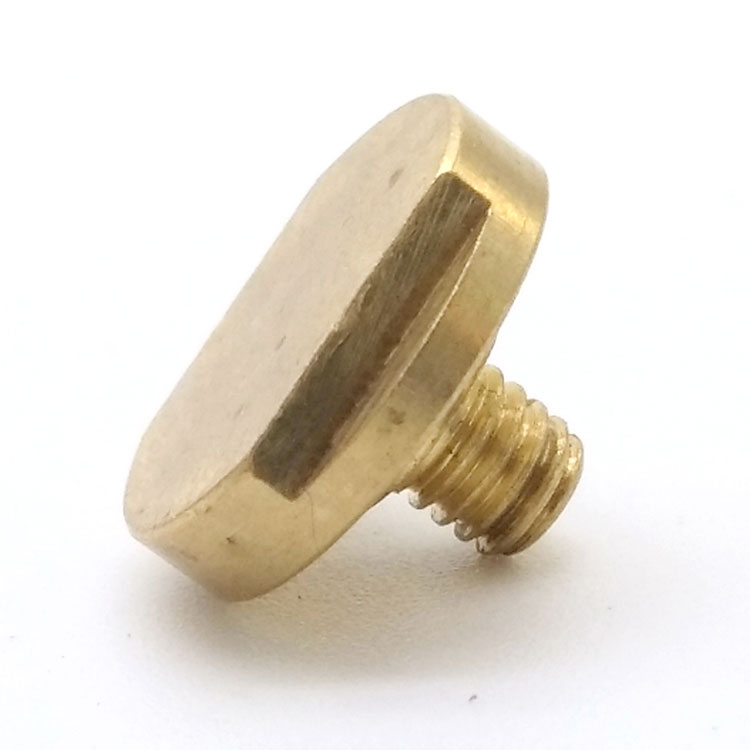
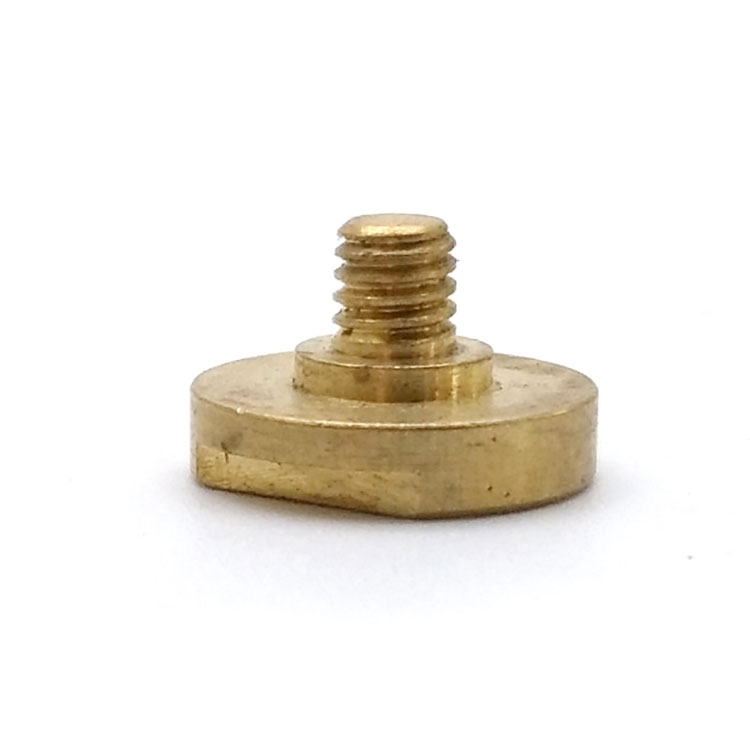
A brass shoulder screw is a turned fastener in brass with a plain cap head, a toleranced shoulder and a machine thread, quoted here from M1 to M14 with Number 634. There is no drive recess in the head: the cap face is plain, and the part is meant to be set by hand or with a collet while the shoulder does the locating.
Brass body. A copper-zinc alloy, free-cutting, non-magnetic and conductive, used where appearance and machinability matter as much as strength.
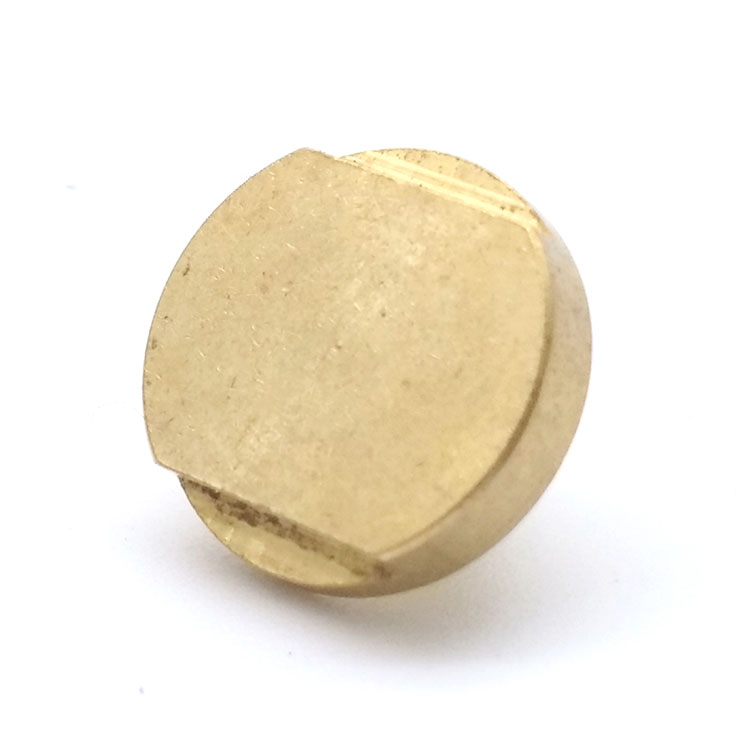
Plain cap head. A flat-faced cylindrical head with no recess, so the top is a clean surface rather than a drive.
Shoulder. A turned plain section that runs in a bore and carries the radial load.
Plain finish. No coating; the brass is the surface and it is left as turned.
A brass shoulder screw of this form sits where a machined-looking fixing and a locating journal are wanted together: an instrument face, a fitting, a display panel, or a joint where the screw is part of an electrical path and must not be magnetic.
A brass shoulder screw with a plain cap head is a part where the head is not the drive. There is no slot, cross or socket to take a bit, so the screw is fitted by turning it by hand on the head, by gripping it in a soft collet, or by using the thread itself with a nut on the far side. That changes what the part is for: it is a locating or decorative fastener, not a high-torque joint.
The plain face is the reason the part exists in visible work. A cap head that has been turned and polished in brass reads as a machined detail; a recess in the same head would read as a fastener. Where the screw is on show — instruments, fittings, display hardware — a plain cap face is often the specification rather than a compromise.
The material does the rest. Brass machines freely, so the shoulder can be turned true and finished smooth without the tool marks that a tougher alloy leaves; it is non-magnetic, which matters beside instruments; and it conducts, which matters where the screw is part of an electrical path.
Brass also changes with time. Left plain it darkens to a warmer tone and eventually shows a brown patina, which in decorative work is often wanted and in instrument work is often not. Where the colour has to stay, a lacquer is specified; where the part is functional and hidden, plain brass is left to age.
The shoulder is the functional half of the part. It is turned in the same setup as the head and the thread register, so the shoulder runs true; on a brass part that is easy to achieve and easy to spoil, because the material cuts so freely that a dull tool leaves a smeared surface instead of a clean one.
The recorded range is M1 to M14, with the small sizes used on instruments and the medium ones on fittings and hardware. Custom lengths up to 2,000 mm are subject to DFM review after drawing submission. For a brass shoulder screw the quotation carries the head diameter and height, shoulder diameter and tolerance, shoulder length, thread and the alloy.
| Item | How it is defined | What we control |
|---|---|---|
| Head | Cap head, plain face | Diameter, height and face finish |
| Face | No recess | Flatness and surface condition |
| Shoulder | Plain bearing section | Diameter, tolerance and length |
| Thread | Machine thread | Pitch, length and gauging |
| Alloy | Brass | Alloy and temper on the certificate |
| Finish | Plain, or lacquered on request | Surface condition and colour |
The alloy matters on a brass shoulder screw more than on steel parts. Free-cutting brass machines cleanly and holds a sharp edge; a harder or gummier brass leaves a torn shoulder and a dull face, and no amount of polishing after the fact restores the geometry.
Where the part is used near salt water, the alloy choice has to be made deliberately. Some brasses dezincify in chlorides and lose their strength from the inside; the stainless or bronze alternative is the safer specification, even though it costs the brass colour.
Three features define the part: the plain cap face, the turned shoulder and the brass body. The first is why it is chosen, the second is what it locates, and the third decides both the look and how easily the first two are made.
| Feature | What it gives | What it costs |
|---|---|---|
| Plain cap face | A finished detail, no drive marks | No bit, no torque |
| Turned shoulder | A true bearing surface | Must be cut with a sharp tool |
| Brass body | Free-cutting, non-magnetic, conductive | Soft; threads and faces mark |
| Plain finish | No coating to chip | Tarnishes over time |
| Cap head | Even bearing face | Stands above the surface |
The clean face is the whole point of the part in visible work, and it is also its limitation: with no drive, the joint cannot be tightened hard, so the design has to place the load on the shoulder and the fit rather than on the preload.
The brass makes the making easy and the using delicate. It cuts and turns beautifully, and it marks if a tool slips; the head that is supposed to look machined is the first thing to show a scratch.
The recorded finish is plain, with no coating. On a brass shoulder screw that keeps the material as the surface: the colour is the alloy, the face is as turned, and there is no deposit to round the edge of the cap or to change the shoulder diameter.
| Option | How it protects | Effect on head and shoulder | Typical use |
|---|---|---|---|
| Plain brass | Alloy resists rust; tarnish is cosmetic | Head and shoulder as turned | Instruments and decorative hardware |
| Lacquered brass | Clear film slows tarnish | Film on the head; shoulder usually bare | Visible parts that must stay bright |
| Nickel plated brass | Barrier deposit, bright | Build on head and shoulder; re-checked | Where a silver finish is wanted |
| Chrome plated brass | Hard bright deposit | Build; shoulder masked or sized | Fittings and display hardware |
| Stainless alternative | Passive film, harder body | Head and shoulder as made | Wet and load-bearing joints |
Lacquer is the usual answer where the part is visible and the customer wants the colour to hold. It slows the change for a year or two and wears at the edges rather than flaking across the face, which on a plain cap head is acceptable; on a recessed head it would not be.
Plating is the wrong answer for the shoulder unless the drawing allows for it. A nickel or chrome deposit on a toleranced shoulder changes the fit, and the part that was a pivot becomes a press fit.
Three assemblies where a brass shoulder screw is the fixing:
| Where it sits | The screw locates a plate or a pointer pivot where a non-magnetic part is required and the head is visible on the face. |
| When it goes wrong | A tool slips on the plain head and marks the face the part was bought for. |
| Why it happens | The joint is visible, it is adjusted by hand, and the material must not be magnetic. |
| What we control | Face finish and shoulder tolerance checked; first article set by hand. |
| Where it sits | The screw holds a panel or a fitting where a brass cap is part of the design and a visible recess would spoil it. |
| When it goes wrong | The tarnish or the scratch shows on the cap, and the part reads as worn. |
| Why it happens | The joint is a feature, it is handled, and the colour is the specification. |
| What we control | Colour matched to sample; lacquer specified where the colour must hold. |
| Where it sits | The screw is part of a conductive path or sits beside a sensor where a non-magnetic, non-rusting body is needed. |
| When it goes wrong | A steel screw would disturb the sensor, and a plated one would add an unknown contact resistance. |
| Why it happens | The joint carries current or sits in a magnetic field, and the part must not rust. |
| What we control | Alloy certified; face and shoulder checked for the contact surfaces. |
Four reasons that matter on a plain-faced brass part, each tied to what the drawing has to prove:
|
Alloy and shoulder agreed
The brass alloy, head face finish, shoulder tolerance and thread are agreed as a set, because on a brass shoulder screw the look and the fit are both specified. Basis: Alloy and shoulder agreed. |
Turned in one setup
Head, face, shoulder and thread register are cut in one setup, so the face and the bearing surface stay concentric. Basis: One setup from bar to part. |
|
Face and shoulder checked
The cap face is checked for flatness and tool marks, and the shoulder for diameter and roundness, on the first article and per batch. Basis: Face and shoulder checked. |
Colour fixed by sample
An approved sample fixes the colour and the surface, so a repeat order is compared with the part the customer accepted. Basis: Colour and surface fixed by sample. |
Shi Shi Tong turns brass shoulder screws from brass bar in one setup that cuts the cap face, the head, the shoulder and the thread register, then rolls or cuts the machine thread and finishes the face. The first part of every run is measured on head diameter, face flatness, shoulder diameter and length before the batch continues.


|

|
The cap face is where a brass part is won or lost. A sharp tool leaves a clean, bright face; a dull one smears the metal and leaves a grey band across the top, and because there is no recess to draw the eye, the smeared face is the whole visible product.
What decides whether brass shoulder screws pass is the face, the head, the shoulder and the thread. The inspection agreement covers those, and the criteria come from the drawing.

Face and shoulder on the projector |

Thread gauged per batch |

Hardness checked on the bar |

Salt-spray testing of the finish |
The face is checked for flatness and for tool marks under low magnification, the head for diameter and height, and the shoulder for diameter and roundness. The thread is gauged per batch, and the colour is compared with the approved sample under the same light.
The first article is also fitted by hand into the bore it serves, since a brass part with no drive is set by hand and a tight shoulder is felt immediately.
Every shipment of brass shoulder screws is traceable to the bar it was made from. The alloy and temper are recorded on the material certificate supplied with the parts, and the inspection records follow the criteria agreed on the drawing.

ISO 9001:2015 |

RoHS test report |

Registered trademark |

Patent: security screw and driver |
With each batch we supply the material certificate, the inspection record for the criteria on the drawing and, where it is listed, the third-party report for the alloy. The documents carry the drawing revision and the batch number, so a repeat order is made from the same alloy and the same face finish that were approved.
More than 8,678 customers in 89 countries and regions have ordered from Shi Shi Tong; 87% of orders come from repeat customers and 56% through referrals. Most projects follow the same route: drawing review, first-article approval, then batches checked against that sample. On a brass shoulder screw the first article is the appearance standard as well as the fit, because the plain face is the product. Buyers visit during the process to review samples and to see how the parts are turned.
|
8,678+
customers served
|
87%
of orders from repeat customers
|
56%
of orders through referrals
|
89
countries and regions shipped to
|
Buyers and quality engineers visit for sample review, process discussion and supplier audits; the visit is arranged around production so the lathes and the finishing station can be seen on the day the parts run.

Customer group visit – sample review |

Customer group visit – process discussion |

Customer group visit – factory tour |

Customer visit – project kick-off |

Danish customer – drawing review |

Industry exhibition – meeting customers |
The plain cap face is the finish. These parts are set by hand or with a collet, and the joint is held by the shoulder fit rather than by torque.
Only with something that grips the head without marking it, such as soft jaws. A metal tool will mark a brass face immediately.
It does not rust, but it tarnishes and some brasses dezincify in salt water. For marine work a different alloy is the safer choice.
Plain brass darkens with age. Lacquer slows it where the colour has to hold.
Shoulder length for the bearing, and thread length from the shoulder end.
Head diameter and face finish, shoulder diameter and tolerance, shoulder length, thread, the alloy and any lacquer.
How a brass shoulder screw project runs from drawing to repeat delivery:
|
1
Send the drawing and the face finish you want
|
→ |
2
Alloy, face and shoulder agreed
|
→ |
3
First article approved for fit and appearance
|
→ |
4
Batch production and repeat orders
|
Each step is confirmed with you before the next one starts; the approved first article is both the dimensional and the appearance reference for repeat orders.
For a quotation, send the drawing with the head diameter and face finish, shoulder diameter and tolerance, shoulder length, thread, the alloy and any lacquer.
|
Head diameter
|
Face finish
|
Shoulder diameter
|
|
Shoulder length
|
Thread
|
Alloy
|
Sending a drawing? The form below does not take attachments. Email the PDF, DXF or STEP file to sst@szsst88.com with the part name and quantity in the subject line – the drawing is reviewed and a quotation follows.

 +86 13143444311
 sst@szsst88.com