Tel:
+86 13143444311
Email:sst@szsst88.com
Fax:+0086-755-27322278
Address:Building 9, First Industrial Zone, Tantou Industrial City, Songgang Street, Baoan District, Shenzhen 518105, Guangdong, China
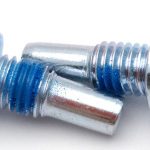
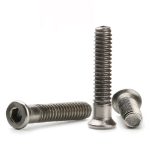
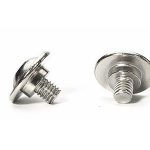
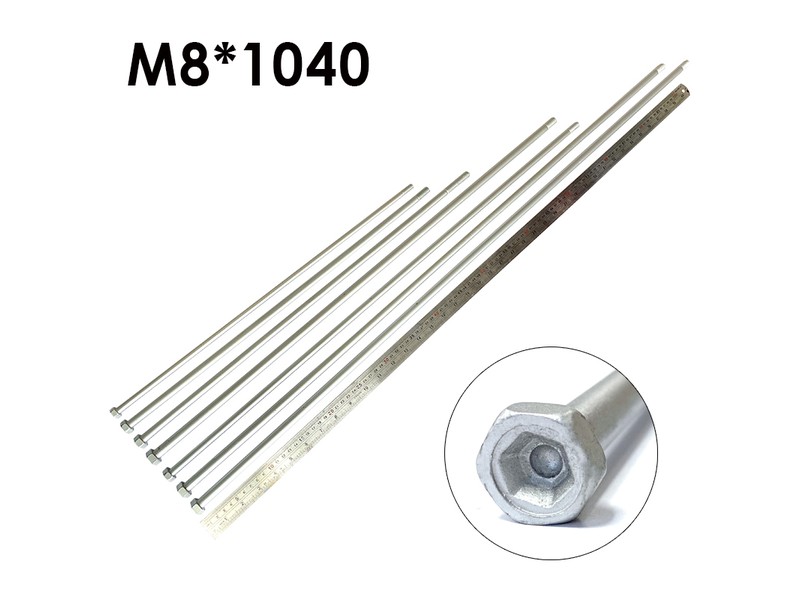
Type:Shoulder Screw Manufacturers, Custom to Drawing
Materials:Steel, Stainless Steel, Aluminum, Copper, Brass, Titanium
Surface treatment:Customized
Head Type:Customized
Drive:Per drawing
Thread:Machine thread
Point:Per drawing
Forming:Turned or headed per drawing
Size:M1 M2 M3 M4 M5 M6 M7 M8 M9 M10 M14
Number:001
Shi Shi Tong makes the shoulder screw family in steel, stainless, aluminium, brass and titanium, turned or headed to the four numbers that define the part, quoted from M1 to M14. Shoulder diameter with tolerance, shoulder length, head form, thread, material and finish come from your drawing.
Watch the factory video·Email sst@szsst88.com
ISO 9001:2015 · Manufacturing since 1998 · 8,678+ customers · 89 countries and regions
Made to order – there is no stock catalogue. Each part is produced to your drawing, and production starts after drawing review and first-article approval.
Shoulder screw manufacturers produce fasteners whose defining feature is a plain, toleranced shoulder between the head and the thread. The shoulder runs in a bore, carries the radial load and locates the joint; the head clamps; the thread holds. The family covers turned and headed parts in steel, stainless, aluminium, brass and titanium, quoted here from M1 to M14 with Number 001.
Shoulder. A plain section held to a diameter tolerance, because it is the bearing surface of the joint rather than a spacer.
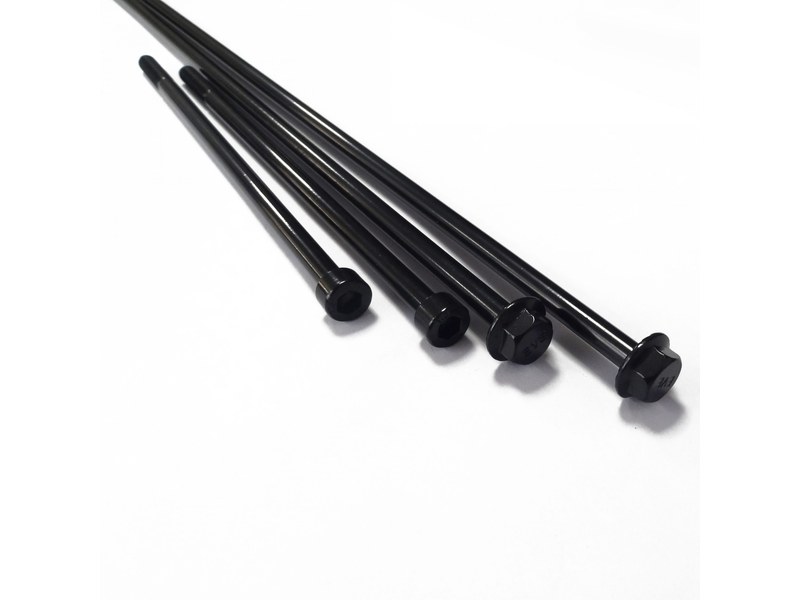
Head forms. Cap, button, pan, truss, hex, washer and low profile heads are all made on this shoulder; the head follows the access and the panel, not the load.
Thread. Machine thread below the shoulder, usually one size down so it passes through the bore the shoulder locates.
Materials. Steel for strength, stainless for corrosion, aluminium for weight, brass for appearance and conductivity, titanium for weight and non-magnetic service.
A shoulder screw is the part a designer reaches for when a joint has to pivot, slide or locate as well as clamp, and the family is broad because the head, the material and the finish are all chosen around the same four dimensions.
Whatever the head and material, a shoulder screw is defined by four numbers, and a manufacturer who asks for all four can quote any variant without a drawing: shoulder diameter, shoulder length, head form and thread. Everything else — plating, knurl, drive, chamfer — is a variant that sits on those four.
Shoulder diameter and its tolerance come first because they are the fit. The shoulder is made slightly under the bore so the joint can rotate or slide, and the difference sets the play. A shoulder screw quoted with a nominal diameter and no tolerance is a pivot whose fit nobody controls, and that is the first thing a good shop asks about.
Shoulder length is the second, and it is measured on the shoulder rather than overall. It sets the span of the joint and the stand-off between the parts, and on a shouldered part it is what distinguishes a pivot from a spacer. Overall length alone cannot make the part.
Head form and thread complete the set. The head decides access, clearance and how the clamp is spread; the thread decides what it screws into and how much preload can be carried. On a shoulder screw the thread is usually one size below the shoulder so the parts can be assembled from one side.
That is why the family is large and the drawings are short. Once the four numbers are fixed, the rest of the page is choosing material, head and finish for the environment — and that is where the manufacturer’s experience actually shows, because the same four numbers with the wrong material is a part that seizes, marks or rusts in service.
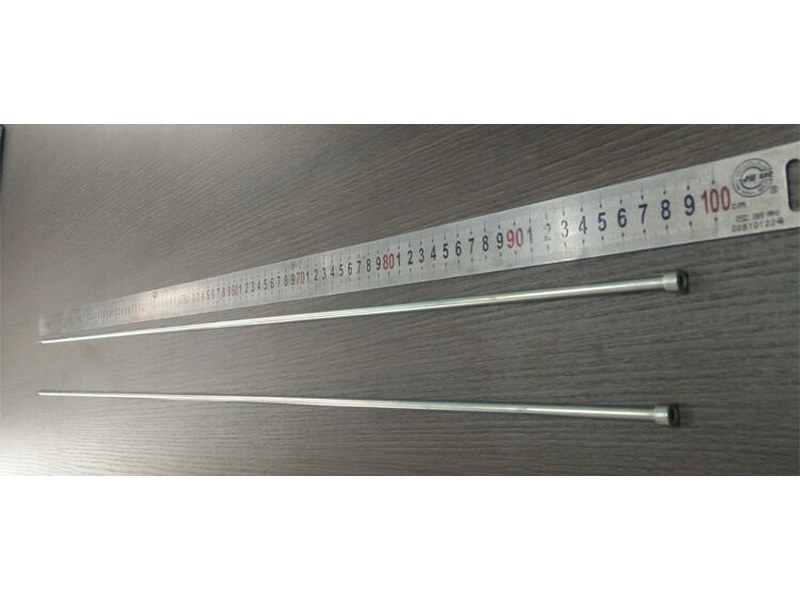
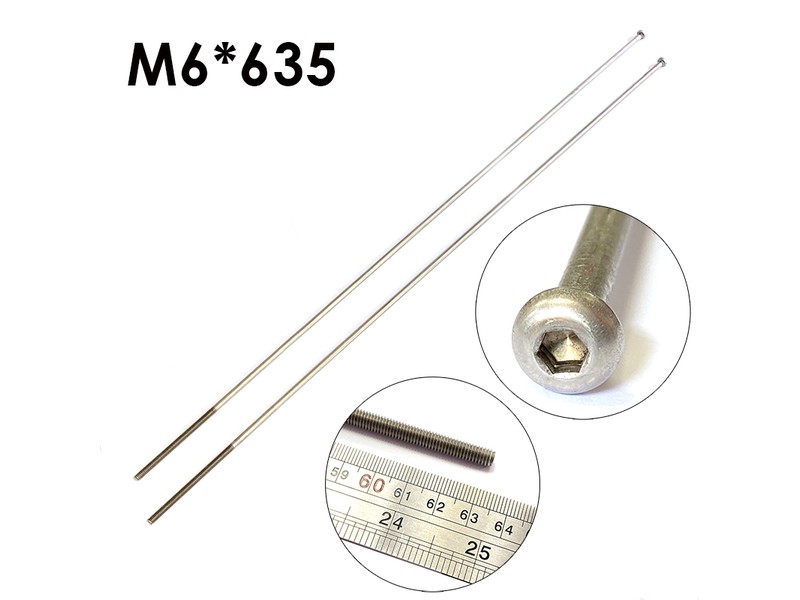
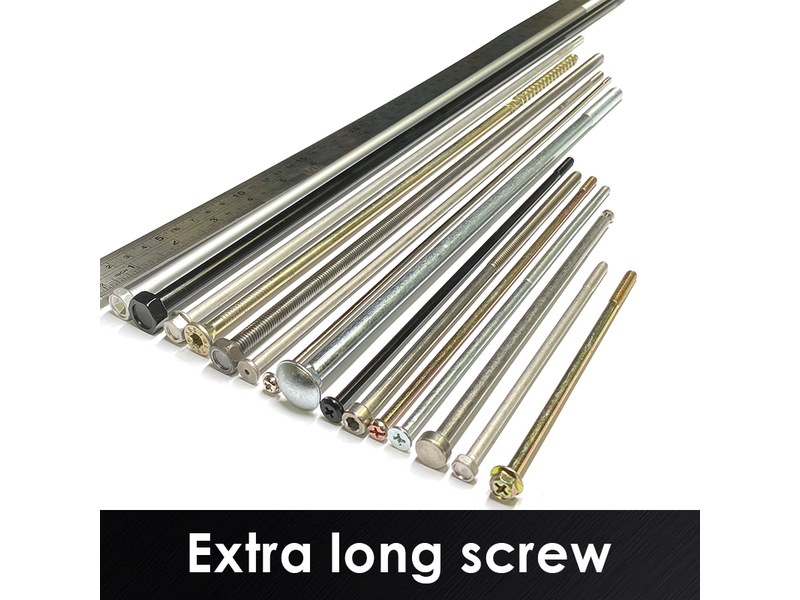
The recorded range is M1 to M14 across the family, with shoulder diameters from 2 mm upward and lengths made to the drawing. Custom lengths up to 2,000 mm are subject to DFM review after drawing submission. For a quotation on any variant, the four defining numbers plus material and finish are enough to price it; a drawing is what makes it reproducible.
| Item | How it is defined | What we control |
|---|---|---|
| Shoulder diameter | Nominal plus tolerance | Diameter, roundness and finish |
| Shoulder length | Bearing length, not overall | Length tolerance and face squareness |
| Head | Cap, button, pan, truss, hex, low | Head diameter and height |
| Thread | Machine thread, one size down usually | Pitch, length and gauging |
| Material | Steel, stainless, aluminium, brass, titanium | Grade and heat number on the certificate |
| Finish | Plated, passivated or anodised | Thickness and its effect on fits |
| Process | Turned or headed | Concentricity and cost at the batch size |
Process is the one choice on a shoulder screw that is not visible on the drawing. Turned parts hold the shoulder and the thread concentric and suit smaller batches; headed parts are cheaper at volume but need the shoulder to be sized afterwards if it is to be a bearing. A manufacturer should say which one a quote assumes.
Finish has to be chosen with the fit in mind. A plated shoulder is a different diameter from a bare one, so where the shoulder is a close fit the options are to mask it, to size it for the plating, or to grind it after plating.
Three things are true of every shoulder screw in the family, whatever the head or the material. The shoulder bears and locates, the head clamps and gives access, and the thread only pulls the joint together. The variants change the outside of the part, not that division of work.
| Feature | What it gives | What it costs |
|---|---|---|
| Toleranced shoulder | A bearing surface in a small space | Diameter must be held through finishing |
| Head variants | A form for every access and panel | Each form has its own torque limit |
| Material choice | Strength, corrosion, weight or looks | Each material behaves differently in assembly |
| Thread below the shoulder | Assembly from one side | Thread size limited by the shoulder |
| Finish choice | Protection and appearance | Changes the shoulder diameter |
The family nature of a shoulder screw is the practical point for a buyer: one supplier who holds the shoulder tolerance across materials and head forms saves re-qualifying a new part every time the design changes its head or its plating.
The cost is process discipline. The four defining numbers have to be controlled on every variant, and a shop that is good at cap heads in steel is not automatically good at truss heads in brass.
The recorded finish on the family is customized per part. That is the honest answer: the finish follows the material and the environment, and a shoulder screw manufacturer should be able to argue for one rather than simply plate everything the same way.
| Material and finish | How it protects | Effect on the shoulder fit | Typical use |
|---|---|---|---|
| Stainless, passivated | Passive chromium oxide film | None; shoulder as made | Instruments and food service |
| Steel, white zinc | Sacrificial zinc, bright | Build; shoulder re-gauged | Appliances and general machinery |
| Steel, black oxide | Conversion film, oiled | No measurable build | Internal mechanisms |
| Aluminium, anodised | Grown oxide, coloured | Build; shoulder sized after anodising | Lightweight mechanisms |
| Brass, plain or lacquered | Alloy; lacquer slows tarnish | None; shoulder as made | Instruments and decorative hardware |
| Titanium, plain or anodised | Native or grown oxide | None to a few microns | Weight-critical and medical |
The rule that holds across the table for a shoulder screw is that any coating applied after the shoulder is cut changes the fit, and any material that grows its own oxide — stainless, aluminium, titanium — behaves better on a bearing surface because there is no deposit to wear off.
Where the joint is wet, the material has to change before the finish does. A plated steel shoulder screw in a washdown machine is a part that will seize at the shoulder long before it rusts visibly.
Three assemblies that draw on the whole family:
| Where it sits | The joint needs a pivot that is precise, non-magnetic and clean, and the head has to suit a recessed or visible fixing. |
| When it goes wrong | A shoulder out of tolerance changes the instrument’s zero, and a magnetic material spoils a sensor. |
| Why it happens | The joint is precise, it is adjusted, and the environment is controlled. |
| What we control | Shoulder tolerance and material confirmed; first article fitted in the bore. |
| Where it sits | The joint needs a pivot at low cost, with a head that spreads load on a thin panel or a coated surface. |
| When it goes wrong | A narrow head dishes the panel, and a plated shoulder in a dry bore wears through. |
| Why it happens | The joint moves, the parts are thin, and the volume is high. |
| What we control | Head form and plating allowance agreed; first article operated. |
| Where it sits | The joint needs a replaceable bearing surface that can be swapped without re-machining the housing. |
| When it goes wrong | A seized shoulder stops the machine and takes the bore with it. |
| Why it happens | The joint runs continuously, the load is radial, and downtime is expensive. |
| What we control | Shoulder tolerance and finish held; material chosen for the lubricant and environment. |
Four reasons that matter on a family of parts rather than a single screw:
|
Four numbers, any variant
Shoulder diameter and tolerance, shoulder length, head and thread are the four numbers quoted for every variant, so a design change of head or material does not restart the conversation. Basis: Four defining numbers for every variant. |
Turned and headed routes
Both routes are available, so a small batch can be turned for concentricity and a large one headed for cost, with the shoulder sized either way. Basis: Turned or headed, chosen by batch. |
|
Fits checked after finishing
The shoulder is measured after plating or anodising, because the deposit is what the bore will feel. Basis: Fits checked after finishing. |
Family documented
Each variant is documented against its own drawing and first article, so a repeat order in a different head or material is still traceable. Basis: Each variant documented. |
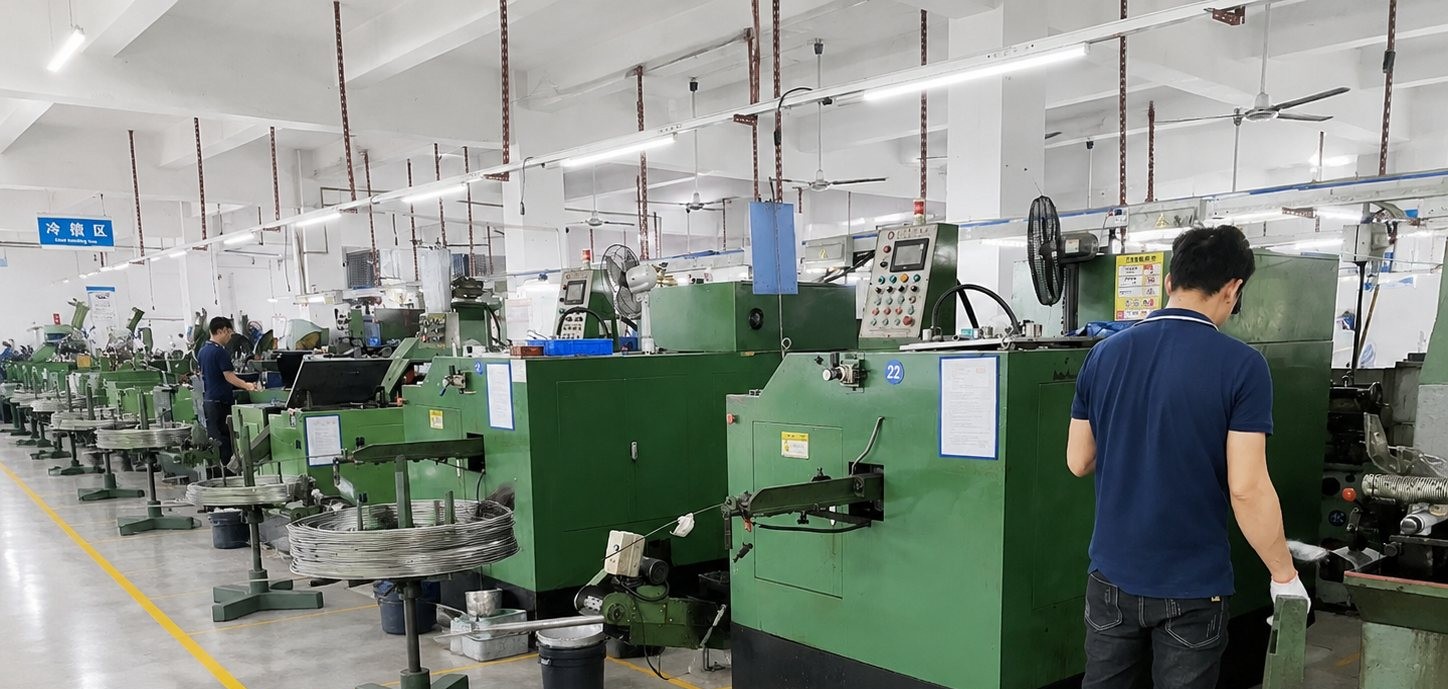
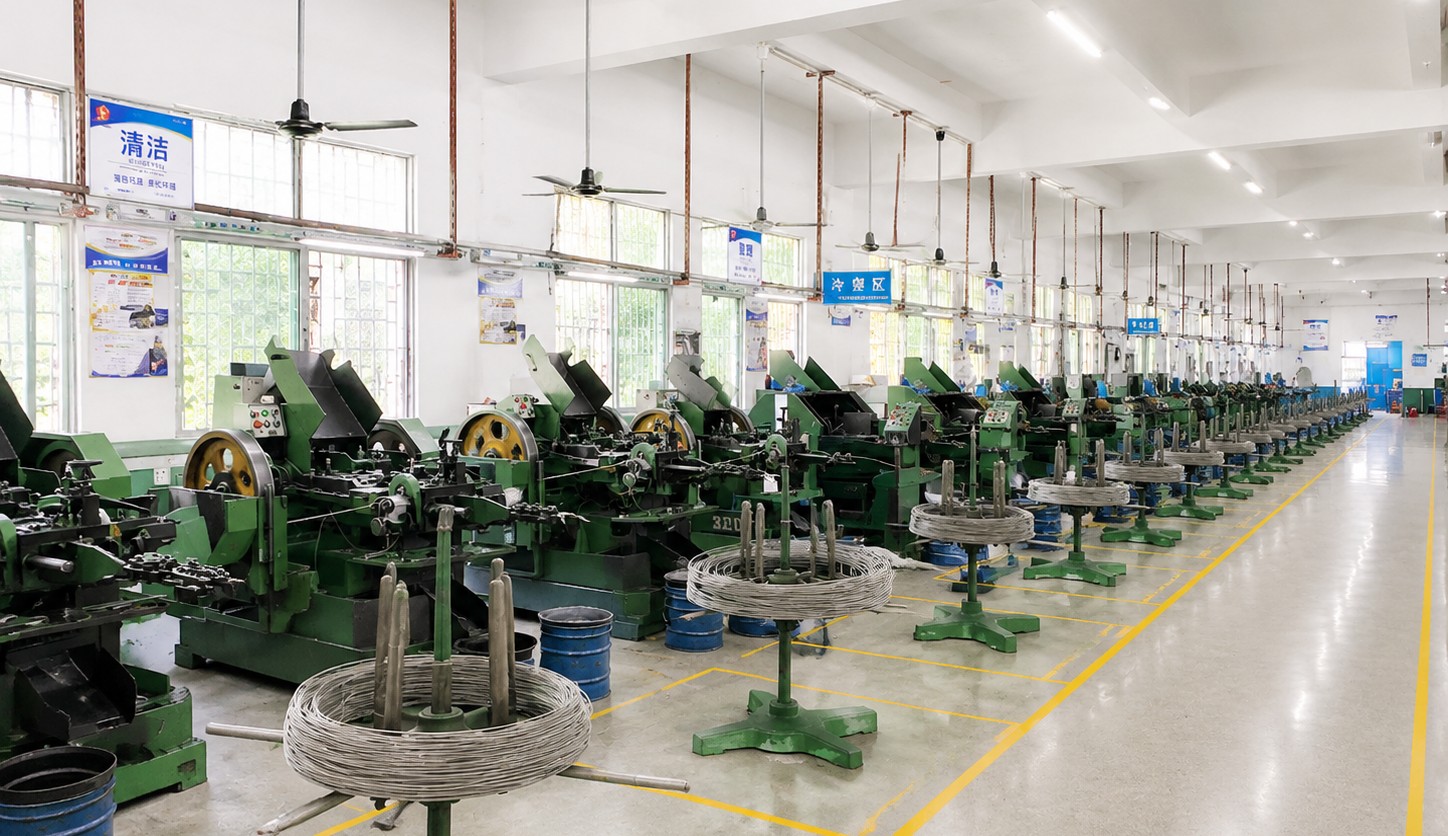
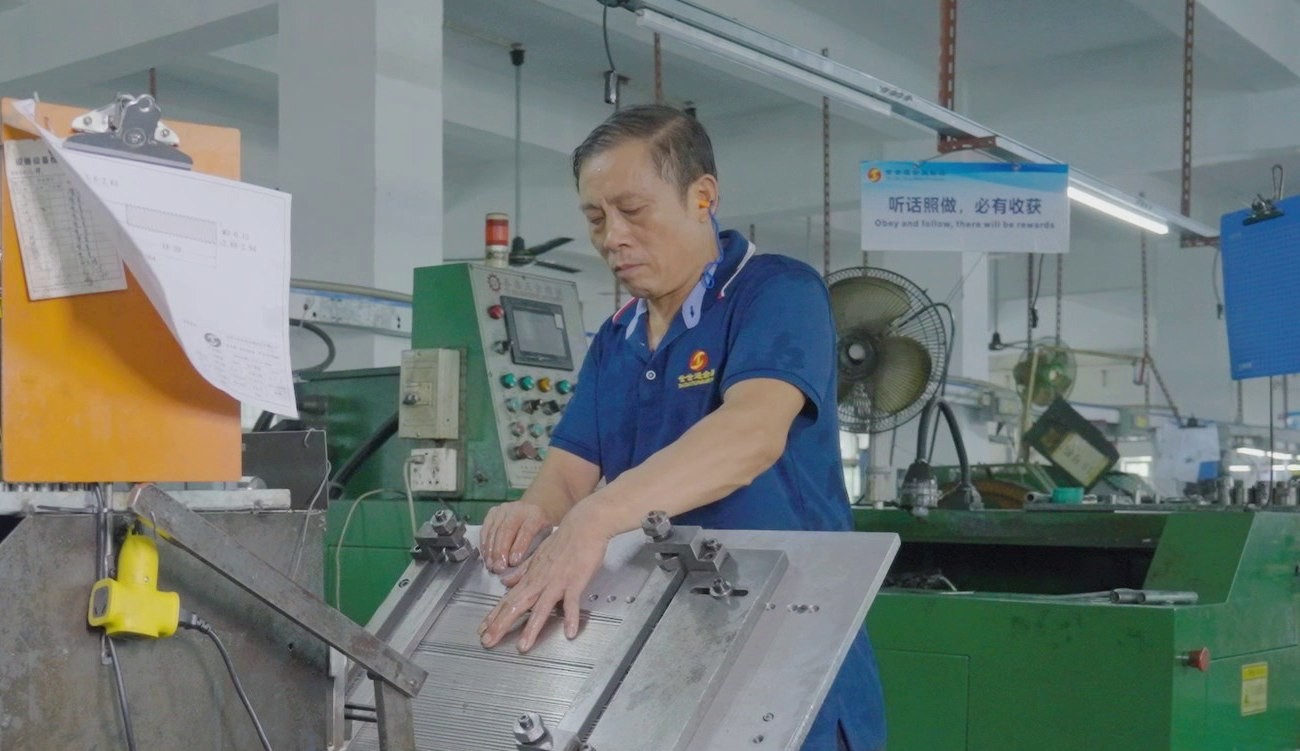
Shi Shi Tong makes shoulder screws two ways. Small and mid batches are turned from bar, with head, shoulder and thread register cut in one setup, which keeps the shoulder true and suits the tolerances a bearing needs. Larger batches are headed on multi-station machines and the shoulder is sized afterwards, which lowers the cost per part and still leaves a controlled bearing surface.
|
|
Whichever route is used for a shoulder screw, the shoulder is the part that gets the attention. It is measured at several positions, checked for roundness, and in the headed route it is sized after heading rather than formed by it; a shoulder left as formed is a shoulder that will not run true in a close bore.
What decides whether a shoulder screw passes is the same on every shoulder screw variant: the shoulder, the head, the thread and the finish. The criteria change with the drawing, the checks do not.
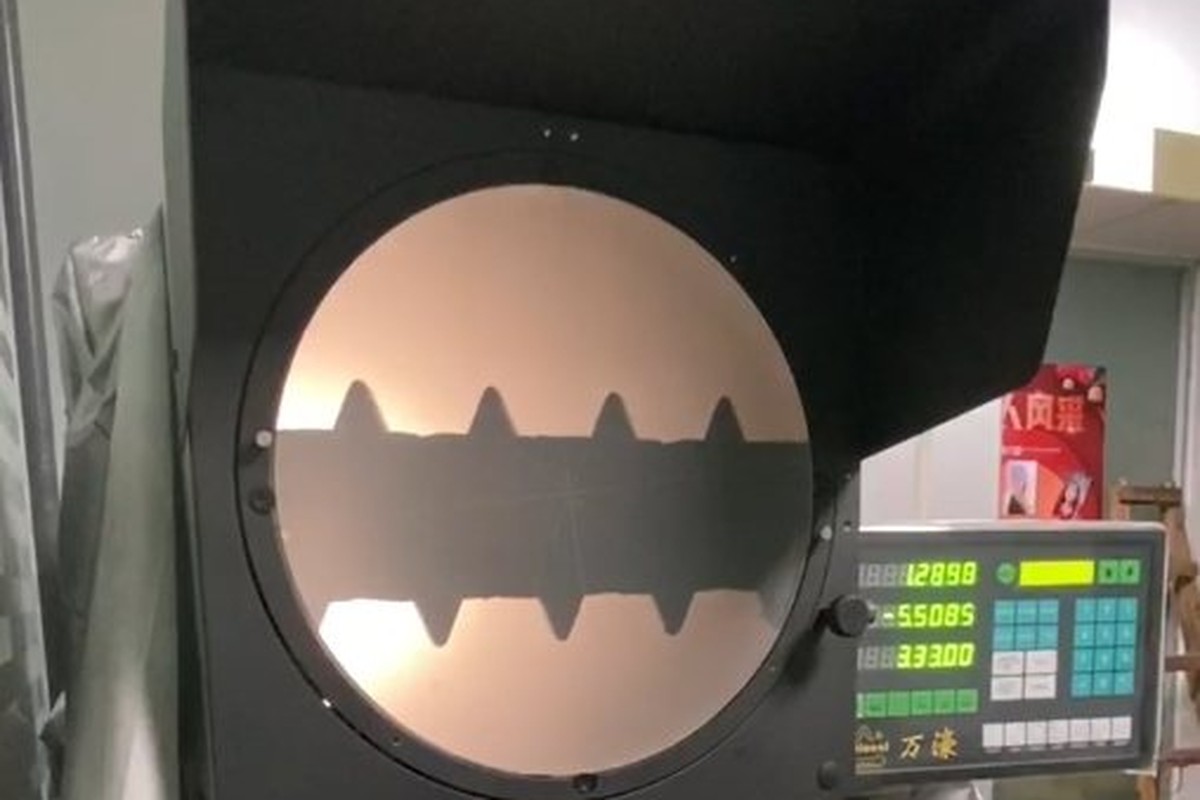
Shoulder and head on the projector |
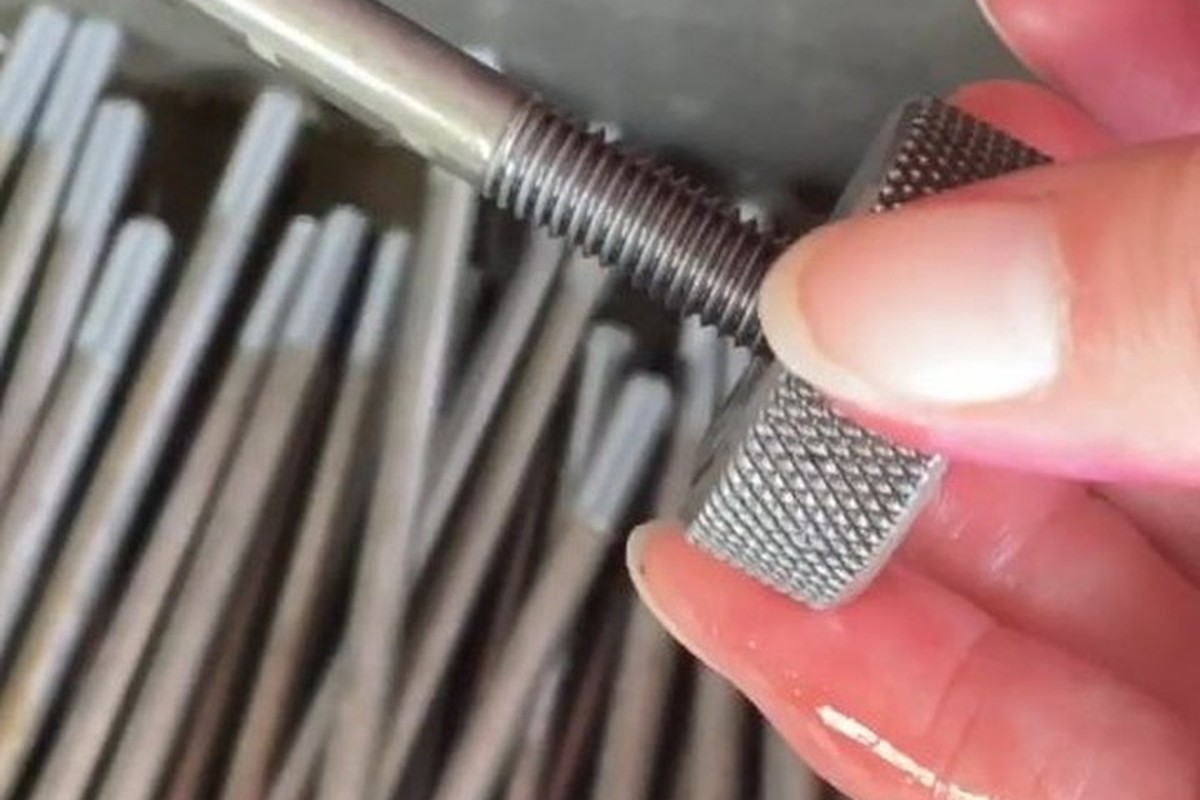
Thread gauged per batch |
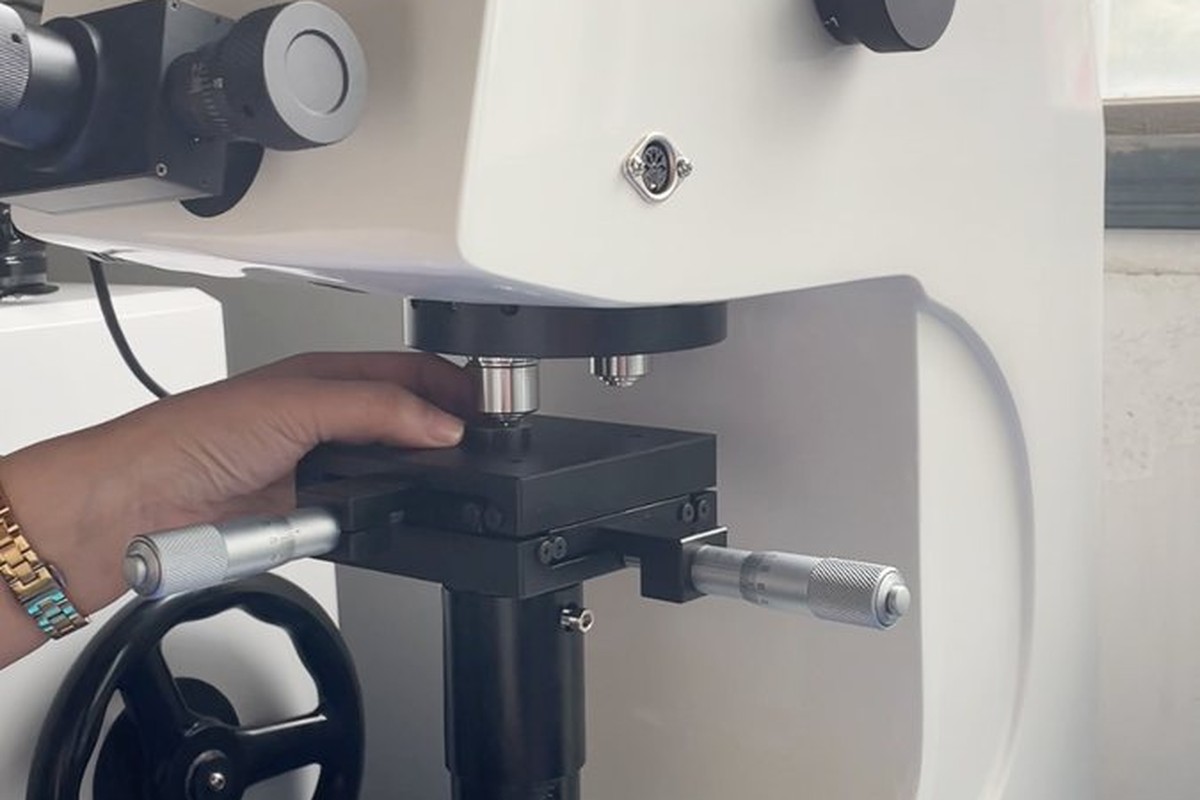
Hardness checked on the bar |
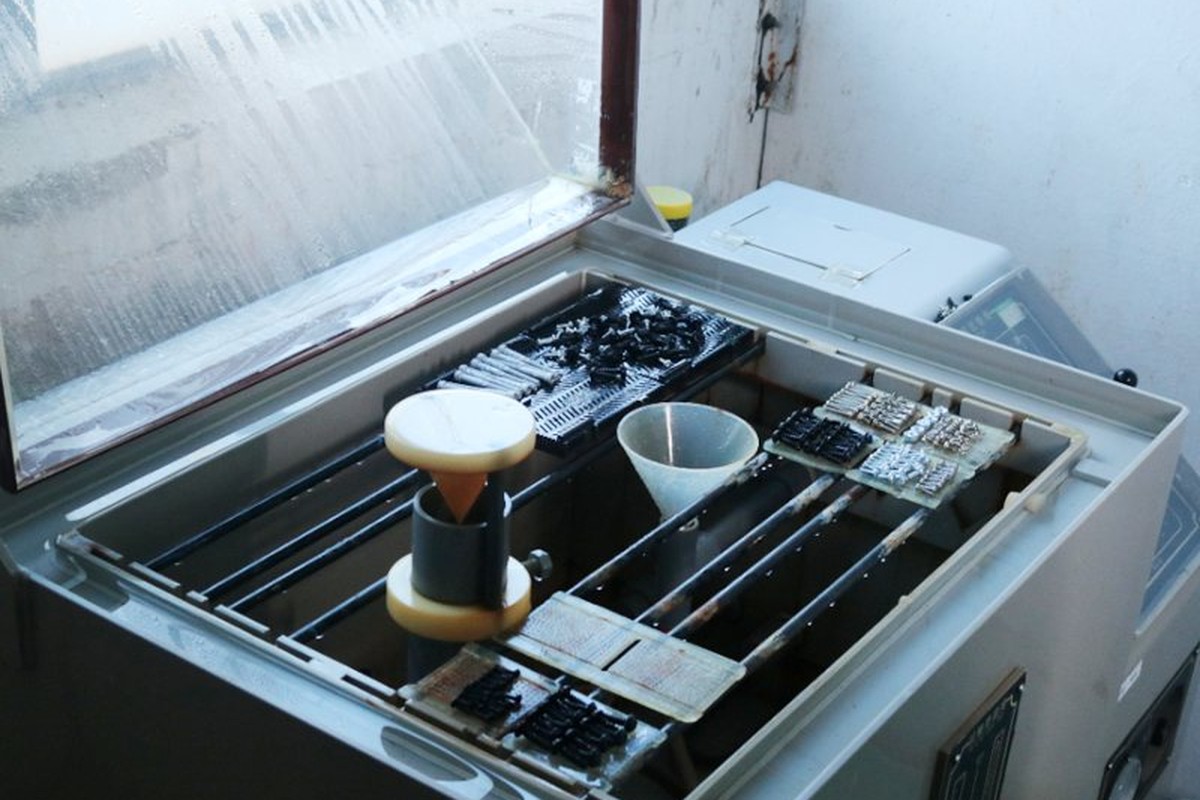
Coating proved by salt spray |
The shoulder is measured for diameter and roundness at several points, the head for its defining dimensions, and the thread is gauged after any finishing step. The coating is checked for thickness, and the shoulder again after coating if the fit depends on it.
Every new shoulder screw variant gets its own first article, fitted in the customer bore and, where the joint moves, operated through its travel. The family shares checks, not the approval: a cap head in stainless and a truss head in brass are different parts with the same discipline.
Every shipment is traceable to the bar or wire it was made from and to the batch that finished it. The grade and heat number are on the material certificate supplied with the parts, and the inspection records follow the criteria agreed on the drawing.
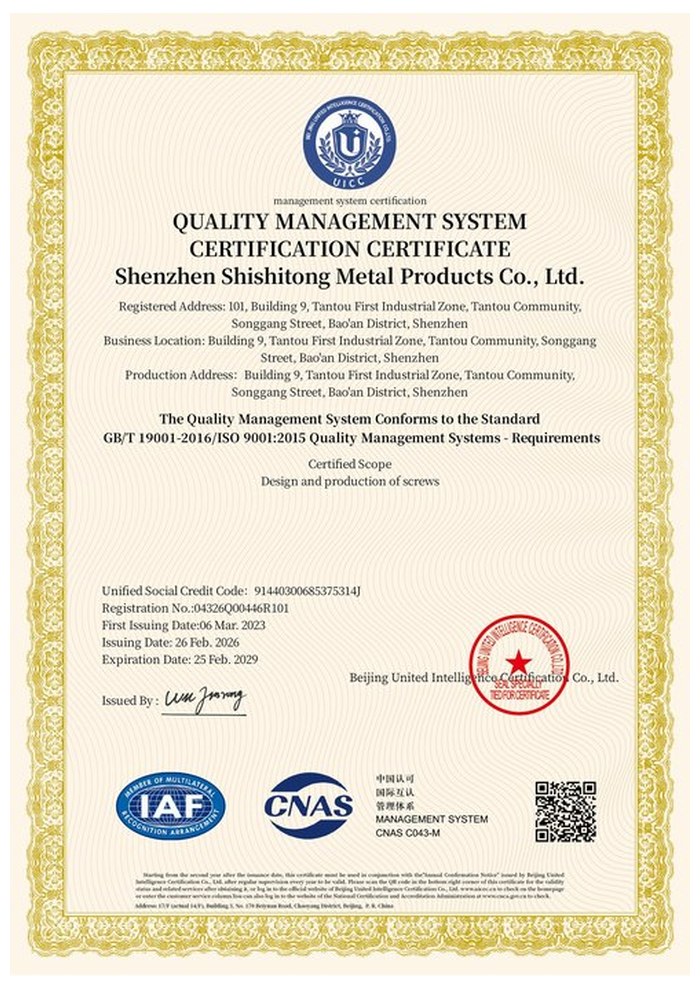
ISO 9001:2015 |
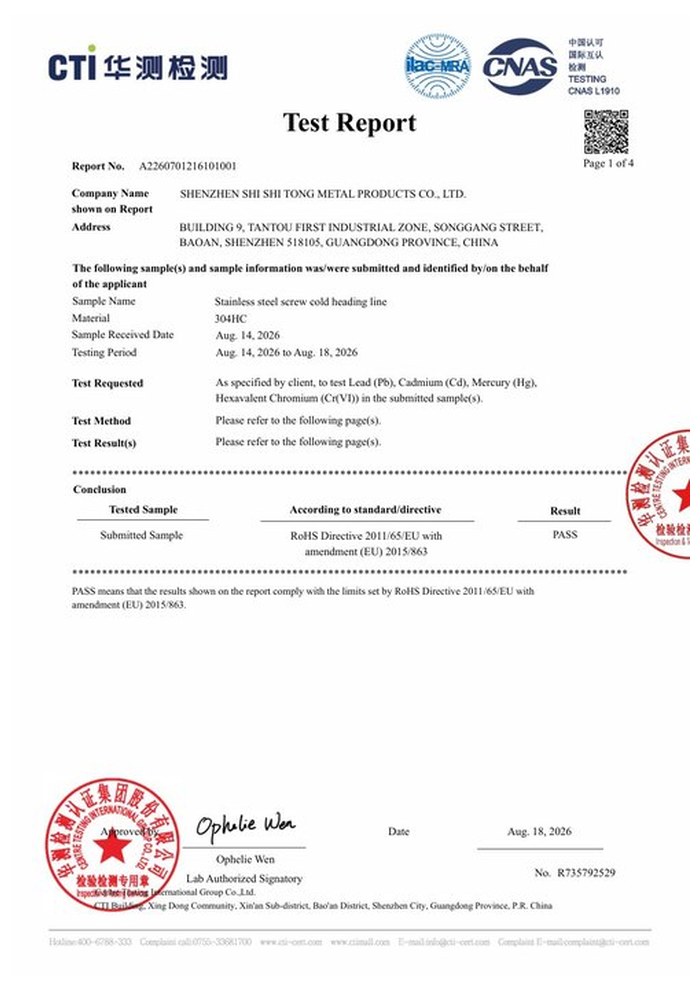
RoHS test report |
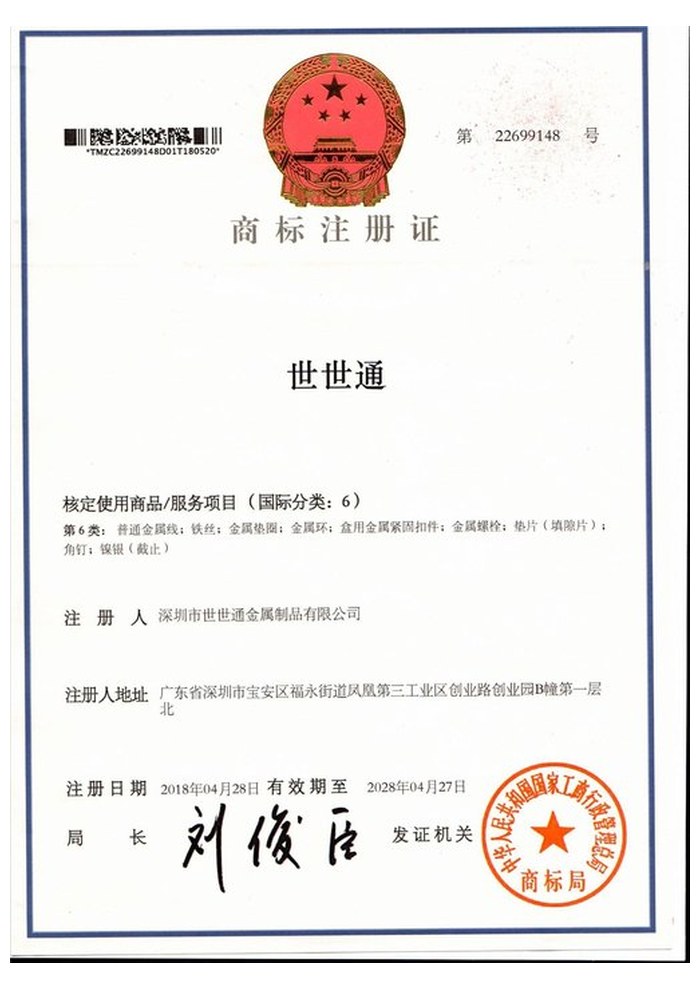
Registered trademark |
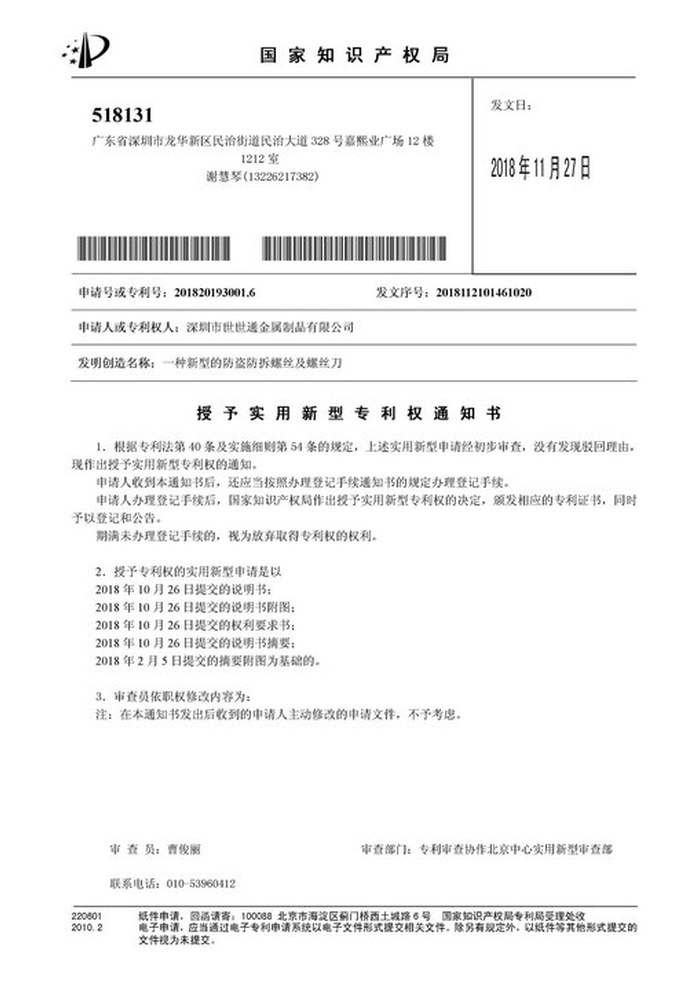
Patent: security screw and driver |
With each batch we supply the material certificate, the inspection record for the criteria on the drawing and, where it is listed, the third-party report for the grade or the coating. The documents carry the drawing revision and the batch number, so a repeat order in the same variant is checked against the same first article.
More than 8,678 customers in 89 countries and regions have ordered from Shi Shi Tong; 87% of orders come from repeat customers and 56% through referrals. Most projects follow the same route: drawing review, first-article approval, then batches checked against that sample. On a shoulder screw the first article is fitted in the customer bore, because the fit is the function, and every new variant is a new first article.
|
8,678+
customers served
|
87%
of orders from repeat customers
|
56%
of orders through referrals
|
89
countries and regions shipped to
|
Buyers and quality engineers visit for sample review, process discussion and supplier audits; the visit is arranged around production so the turning cells, the headers and the finishing lines can be seen on the day the parts run.
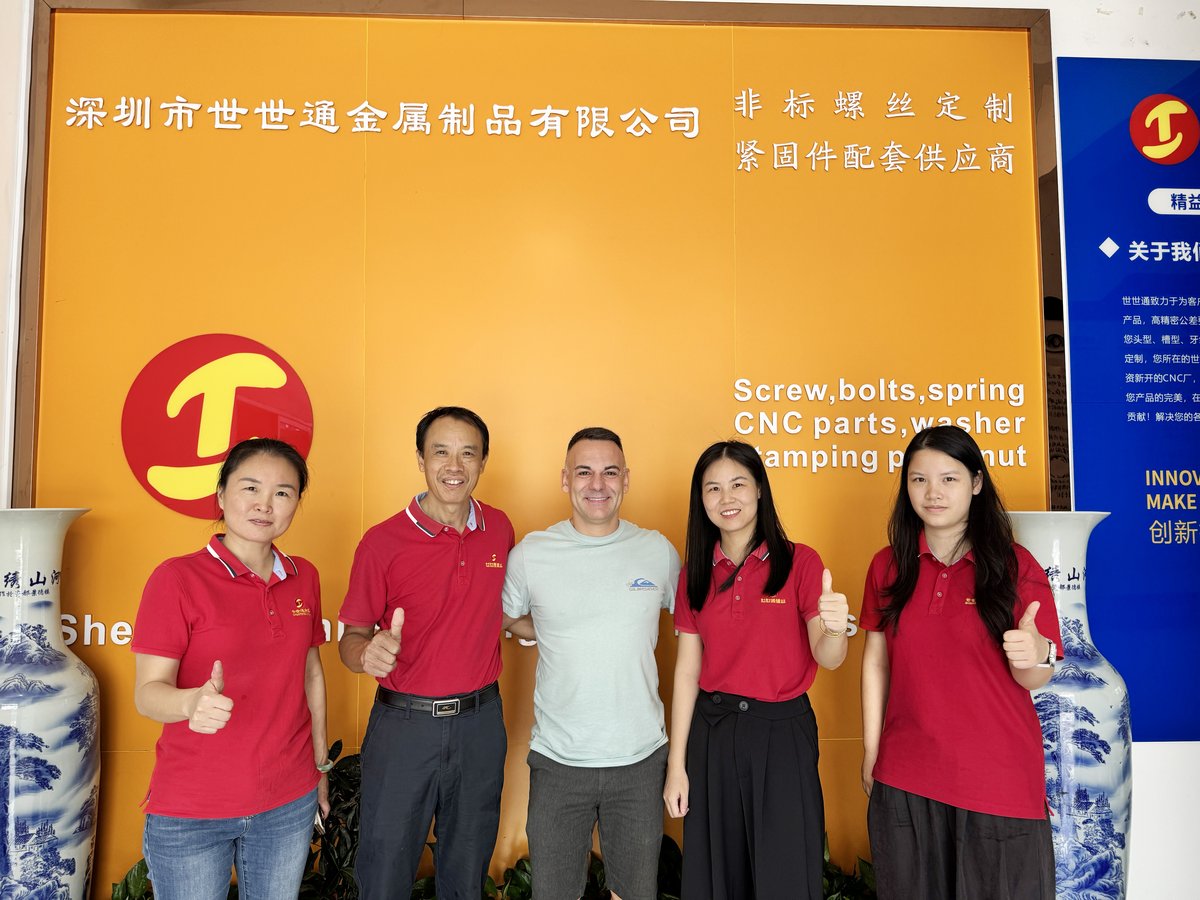
Customer group visit – sample review |

Customer group visit – process discussion |

Customer group visit – factory tour |

Customer visit – project kick-off |

Danish customer – drawing review |
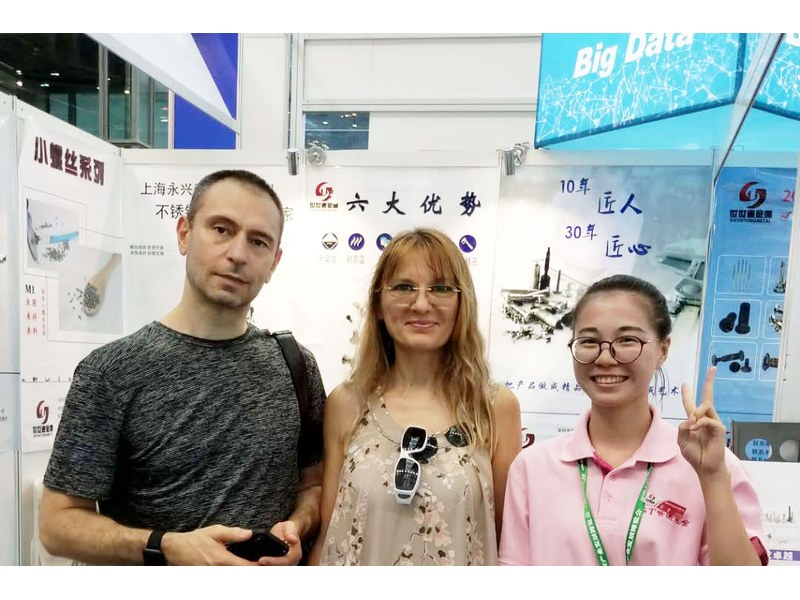
Industry exhibition – meeting customers |
Four numbers: shoulder diameter with tolerance, shoulder length, head form and thread. Material and finish follow the environment.
Turned for concentricity and small to mid batches; headed for volume, with the shoulder sized afterwards. Both leave a controlled bearing surface.
As a diameter with a tolerance against the bore it runs in. The play in the joint comes from that difference.
Steel, stainless, aluminium, brass and titanium, with the finish matched to each.
Yes. The shoulder is measured after plating, or masked, or sized for the deposit.
Its own first article, fitted in the customer bore and operated where the joint moves, before the batch.
How a shoulder screw order runs from drawing to repeat delivery:
|
1
Send the drawing or the four defining numbers
|
→ |
2
Material, head and finish agreed
|
→ |
3
First article fitted in your bore
|
→ |
4
Batch production and repeat orders
|
Each step is confirmed with you before the next one starts; the drawing revision from the first article is what repeat orders are checked against.
For a quotation, send the drawing or the four numbers — shoulder diameter and tolerance, shoulder length, head form and thread — with the material, finish and quantity.
|
Shoulder diameter
|
Shoulder length
|
Head form
|
|
Thread
|
Material
|
Finish
|
Sending a drawing? The form below does not take attachments. Email the PDF, DXF or STEP file to sst@szsst88.com with the part name and quantity in the subject line – the drawing is reviewed and a quotation follows.

 +86 13143444311
 sst@szsst88.com