Tel:
+86 13143444311
Email:sst@szsst88.com
Fax:+0086-755-27322278
Address:Building 9, First Industrial Zone, Tantou Industrial City, Songgang Street, Baoan District, Shenzhen 518105, Guangdong, China
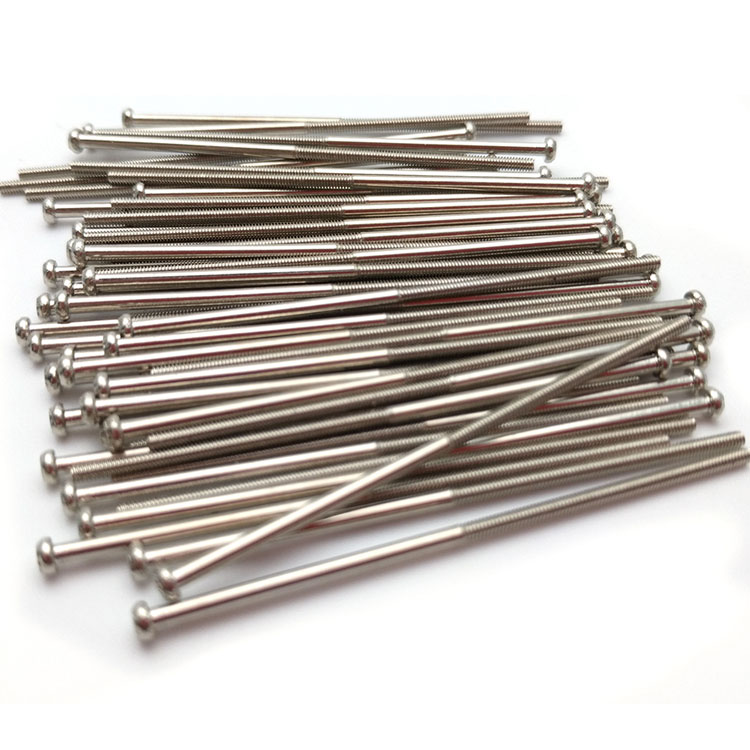
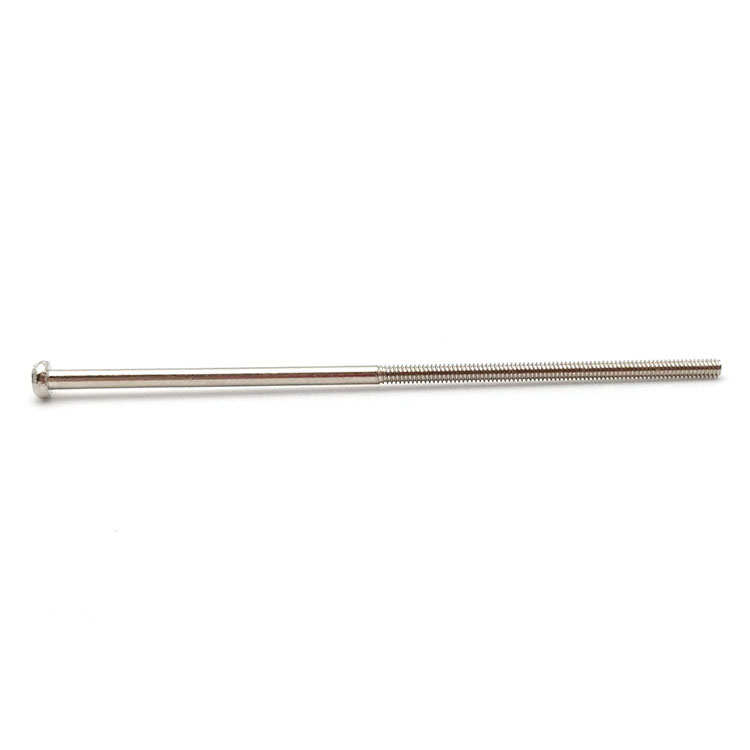
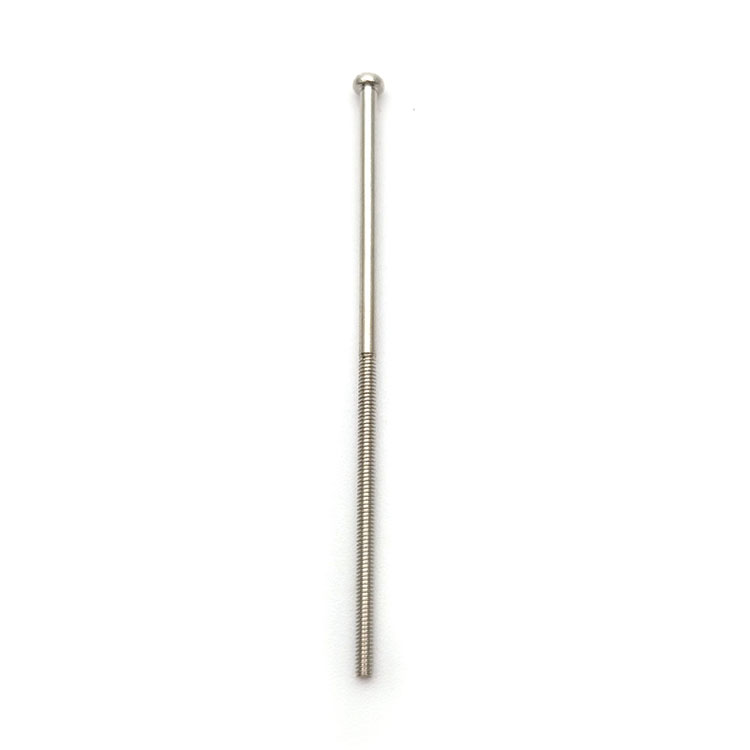
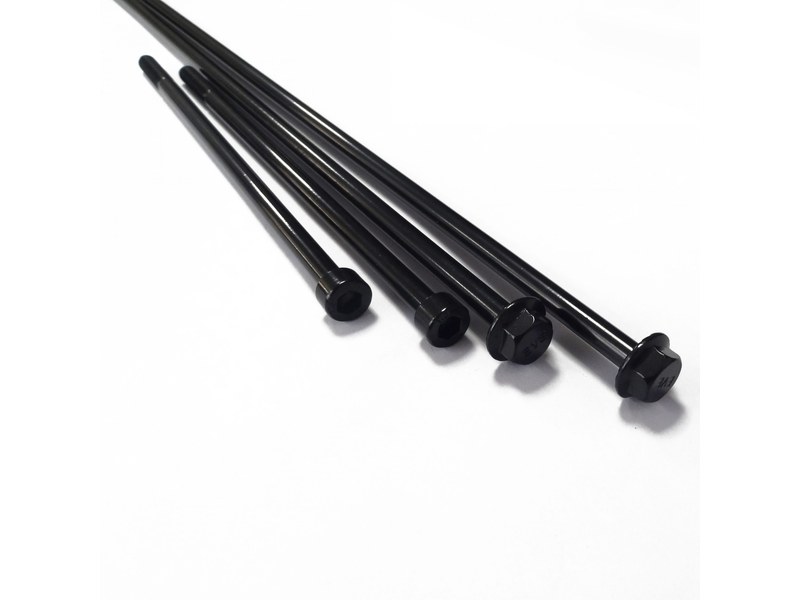
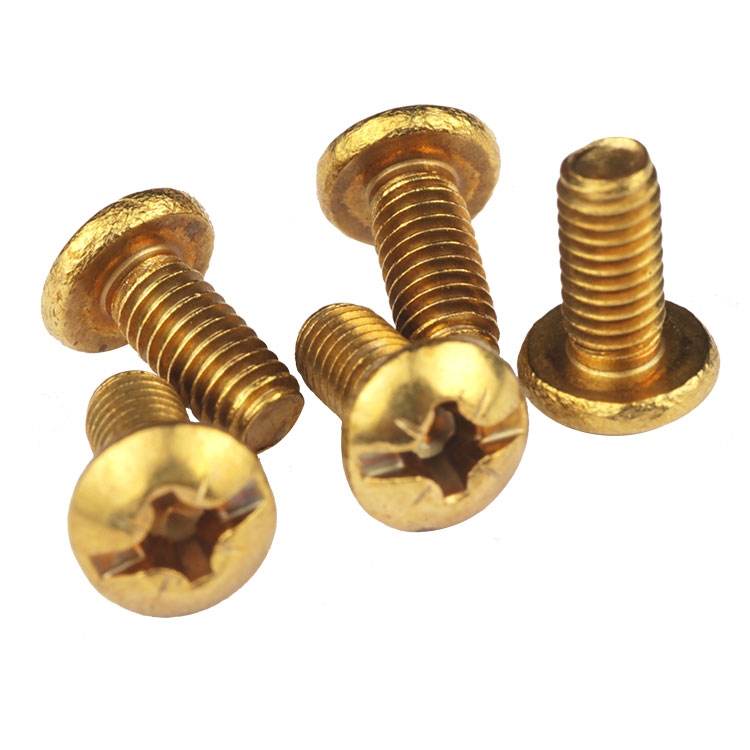
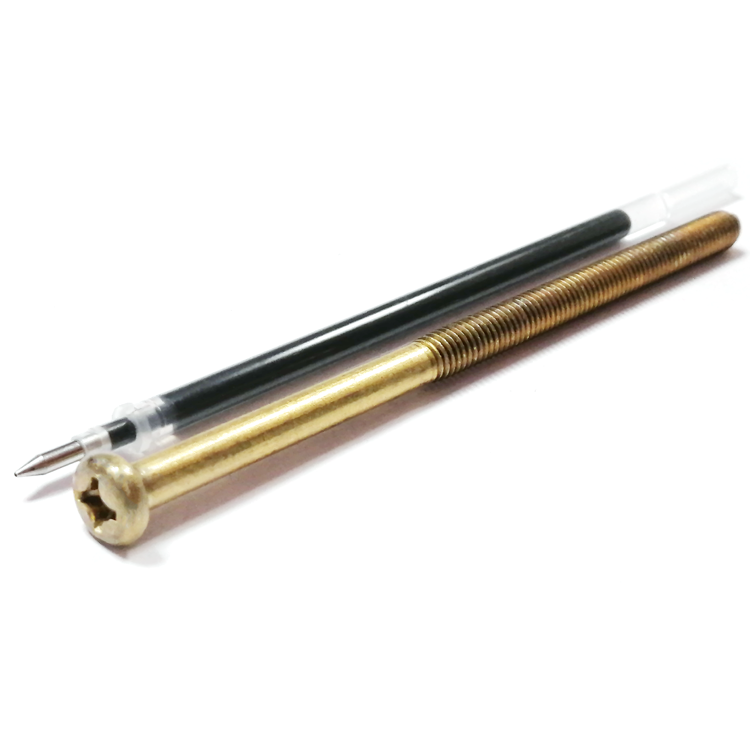
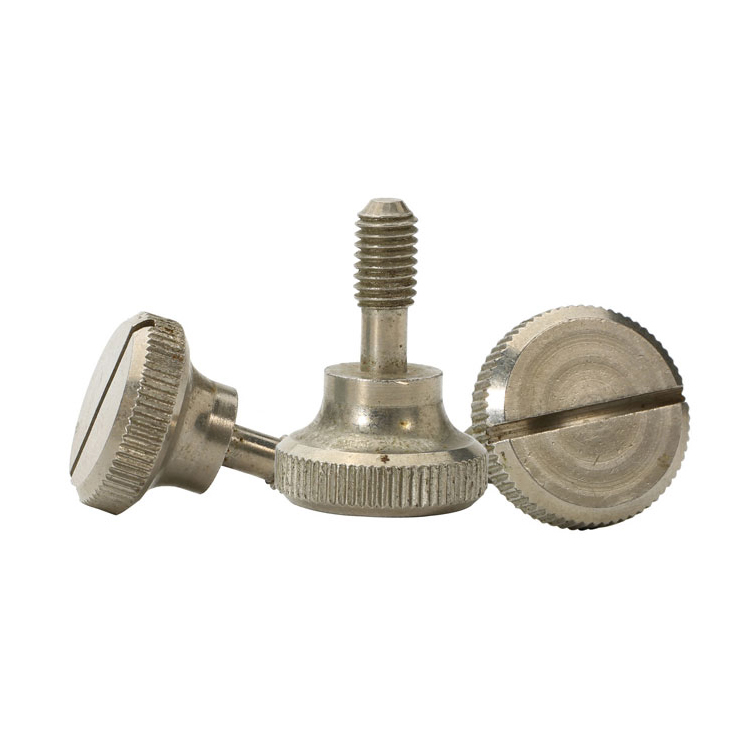
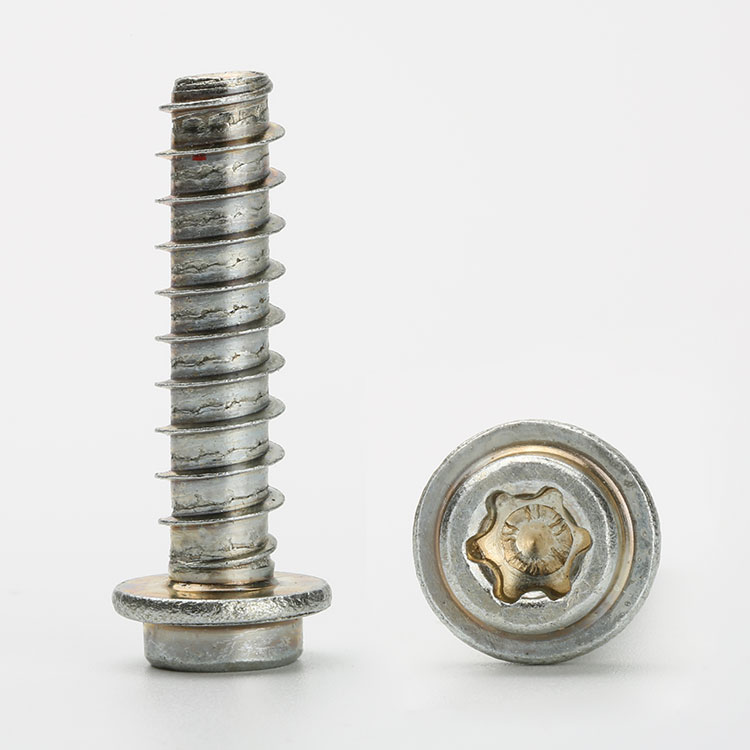
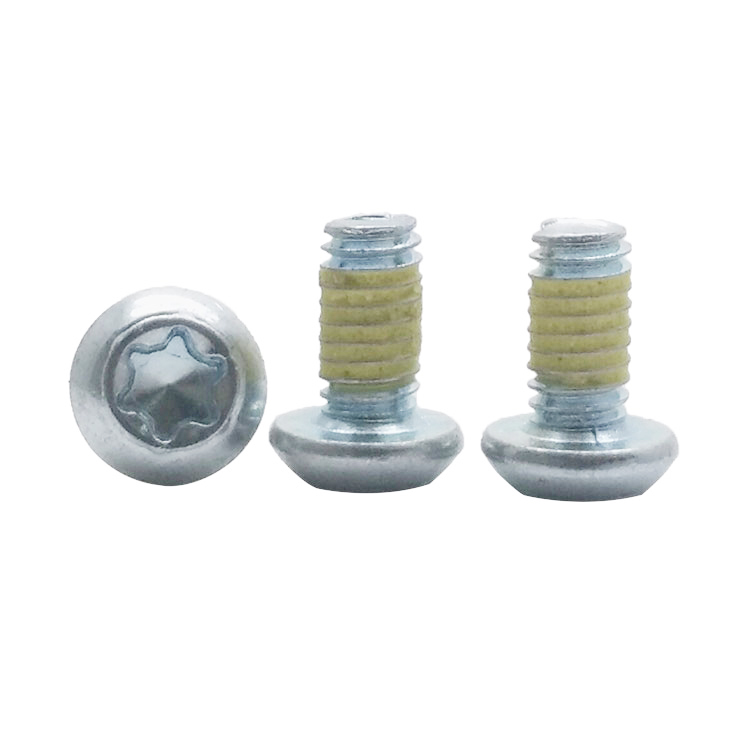
Type:Round Head Brass Screws, China Screw
Materials:Brass
Surface treatment:Nickel Plated
Head Type:Round Head
Drive:Six-lobe star recess (Torx)
Thread:Machine thread, half thread
Point:Plain, chamfered
Forming:Single Die Heading
Size:M1 M2 M3 M4 M5 M6 M7 M8 M9 M10
Number:699
We make brass screws in a copper-zinc alloy with a round head, a six-lobe Torx recess, a nickel plate and a half thread, quoting them from M1 to M10. Head and recess, thread start and plating come from your drawing, and the first article is driven with the key you use.
Watch the factory video·Email sst@szsst88.com
ISO 9001:2015 · Manufacturing since 1998 · 8,678+ customers · 89 countries and regions
Made to order – there is no stock catalogue. Each part is produced to your drawing, and production starts after drawing review and first-article approval.
Brass screws are machine screws made from a copper-zinc alloy rather than from steel, and the metal decides almost everything about them. The part recorded here is a round head brass screw with a six-lobe Torx recess, a nickel plate and a half thread, quoted from M1 to M10 with Number 699.
Brass body. A copper-zinc alloy that is soft, non-magnetic, conductive and naturally resistant to indoor corrosion.
Round head. A domed head with a wide bearing face, often left visible as part of the fitting.
Torx recess. A six-lobe star drive that spreads the load across the lobe walls.
Nickel plate. A thin bright deposit that evens out the colour and slows the tarnish that brass develops in air.
Half thread. The thread covers the end portion, with a plain shank under the head.
Brass screws are used in electrical and instrument assemblies, decorative hardware, marine fittings above the waterline, cameras and musical instruments, where colour, conductivity or non-magnetic behaviour matter more than tensile strength.
Being a copper-zinc alloy, brass is roughly a third as strong as a medium-carbon steel and far softer, and that single difference reshapes the design. The thread is more likely to strip in a thin metal panel, the recess is more likely to wear, and the torque window between sealed and stripped is narrower. A brass screw is not a decorative version of a steel screw; it is a different joint.
On brass screws the recess matters most. In a soft metal, a slotted drive concentrates load on two narrow edges and rounds them quickly; a Torx recess spreads the load across six lobe walls and survives far more cycles. That is why brass decorative screws are so often specified with a star drive even when the head is meant to look old-fashioned.
The half thread on brass screws is a deliberate part of the design. On a decorative joint the plain shank passes through the fitting and the thread engages in a nut or an insert at the far end, so the clamp is carried by the shank and the visible head is not pulled into the surface. It also means the engaged length is short, which suits a softer metal.
Nickel plating then changes the surface rather than the structure. Brass darkens and tarnishes in air; a thin nickel layer holds a bright, even colour, and it is hard enough to keep the recess edges crisp for longer. It does not make the screw stronger, and it does not stop the thread from stripping.
The practical consequences for brass screws are simple. Brass screws are closed to a modest torque, driven with a key that fits, and used where the joint is not expected to carry heavy load. Where the joint does carry load, the same head in steel or stainless is the answer, and brass is left for the places its colour and conductivity are the point.
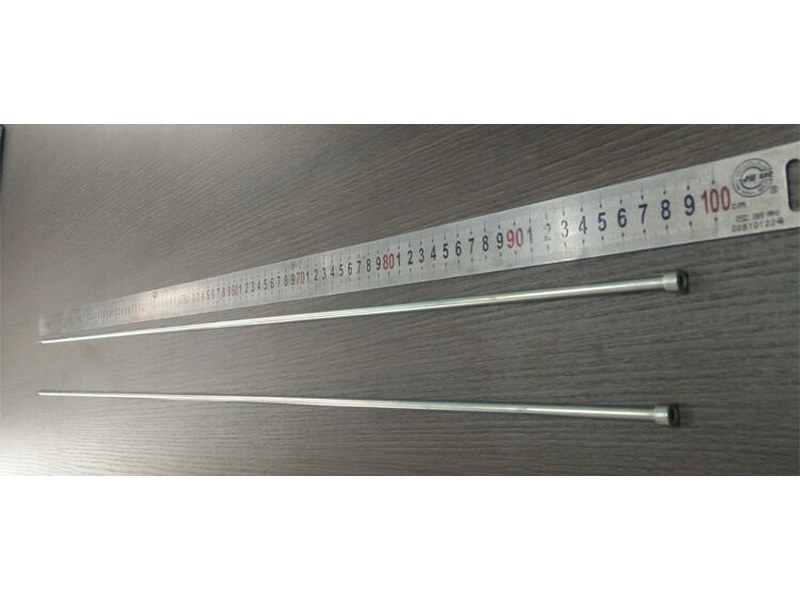
The recorded range is M1 to M10, with lengths made to the drawing. Custom lengths up to 2,000 mm are subject to DFM review after drawing submission. For brass screws the quotation carries head diameter and height, the Torx size and depth, the thread length and start, and the overall length.
| Item | How it is defined | What we control |
|---|---|---|
| Head | Round, domed | Diameter, height and rim condition |
| Recess | Six-lobe star | Torx size, depth and floor thickness |
| Thread | Machine thread, half thread | Pitch, length and start position |
| Length | Overall, head included | Length tolerance and thread start |
| Material | Brass | Alloy and temper on the certificate |
| Finish | Nickel plated | Colour uniformity and adhesion |
Torx size is chosen for the diameter but also for the material. In brass it is worth going one step up in recess size where the head allows, because the larger key gives more contact area and less chance of reaming the lobes on a soft metal.
Thread length is stated with its start, as on any half-thread screw. On a decorative joint the plain shank is what passes through the fitting, so the start position decides where the thread engages.
Four features define brass screws, and each one is a trade:
| Feature | What it gives | What it costs |
|---|---|---|
| Brass body | Colour, conductivity, non-magnetic | Soft thread; low strength |
| Round head | Decorative, wide bearing face | Stands above the surface |
| Torx recess | Survives repeated driving in soft metal | Wear still shows on the lobes |
| Nickel plate | Even colour; slower tarnish | Wears at the recess edges over time |
| Half thread | Shank carries the clamp | Thread start is critical |
The value of brass is that it does not look like a fastener. In a camera, an instrument or a piece of furniture hardware, a brass screw reads as part of the design, and its colour ages in a way that steel does not.
The cost is mechanical. A brass thread strips sooner, a brass recess wears faster, and both of those failures happen at the point where a decorative joint is most visible. Setting a modest torque and keeping the key in good condition is what makes brass hardware last.
The recorded finish is nickel over brass. It is a thin, hard, bright deposit that gives an even silver colour and slows the tarnish brass picks up in air, and because it is thin it does not fill the recess or round the thread.
| Option | How it protects | Effect on recess and thread | Typical use |
|---|---|---|---|
| Brass, plain | Natural oxide; tarnishes slowly | Recess and thread as formed | Vintage and decorative |
| Nickel plated | Hard bright barrier | Thin build; recess as designed | Electrical and instrument |
| Nickel, bright polished | Hard layer plus polish | Reflective; recess checked | Visible hardware |
| Chrome plated | Hard decorative layer | Build noticeable; recess re-checked | Sanitary and fittings |
| Tin plated | Soft conductive layer | Thin build; solderable | Electrical contacts |
Where the joint is electrical, plain brass or tin plate is often preferred because nickel is a poorer conductor at the contact face. Where the joint is visible and mechanical, nickel gives the even colour that a decorative part needs.
Where the screw is handled often, plating wear at the recess edges is the first visible change. That is cosmetic on brass, because the metal under the plate does not rust, which is one of the advantages of plating a brass part rather than a steel one.
Three assemblies where the metal is the reason for the part:
| Where it sits | The screw closes a housing or fixes a bracket where the part is visible, non-magnetic and small. |
| When it goes wrong | The recess rounds on the second service because brass is soft. |
| Why it happens | The part is small, visible, and the drive is a fine key. |
| What we control | Recess depth and Torx size checked; first article driven with the production key. |
| Where it sits | The screw clamps a terminal or a contact where conductivity and non-magnetic behaviour matter. |
| When it goes wrong | A nickel layer at the contact face raises resistance across the joint. |
| Why it happens | The joint carries current, the screw is small, and the contact is at the head. |
| What we control | Material and plating confirmed; first article assembled and checked for continuity. |
| Where it sits | The screw fixes a fitting where the head is part of the finish and its colour has to match the rest. |
| When it goes wrong | The plating dulls unevenly and the row of heads no longer matches. |
| Why it happens | The part is visible, handled, and expected to age evenly. |
| What we control | Colour uniformity checked; first article fitted and inspected as a row. |
Four reasons that matter on a soft-metal decorative screw, each tied to something the drawing has to prove:
|
Recess sized for the material
Torx size, depth and head height are agreed with the alloy, because a soft metal needs more contact area at the drive than steel does. Basis: Recess sized for the material. |
Headed, threaded and plated in one route
The head is formed and the thread rolled with the softness of the alloy in mind, then the parts are plated in the same sequence. Basis: One route from wire to plated screw. |
|
Recess proved with the key
The recess is checked with the production key, because in brass a recess that passes measurement can still ream on the first firm turn. Basis: Recess proved with the key. |
First article in your fitting
The first article is fitted into the customer part, because the decorative head and the clamp both depend on what it seats against. Basis: First article fitted in the part. |
Brass screws are headed and rolled in the same sequence as steel ones, with the tooling and the speeds set for a softer alloy: brass forms easily but it tears if the die is worn, and a torn thread looks acceptable and strips early. The parts are nickel plated as a batch, and the first part of every run is measured on head, recess, thread and length.


|

|
The recess is the feature that shows tool wear first in brass. A punch that has run a little long leaves lobes that are shallower than the drawing, and because the metal is soft the recess then reams rather than fails suddenly, which makes it harder to spot on a sample and easier to miss on a batch.
Plating brass needs a clean surface. Oxide that forms between forming and plating stops the nickel bonding, and the failure shows as a patch that dulls or flakes at the recess edge rather than as a uniform finish. Parts are cleaned immediately before plating for that reason.
What decides whether brass screws pass is the head, the recess, the thread and the plating. The inspection agreement covers those, and the criteria come from the drawing.

Head and recess on the projector |

Thread and start checked |

Alloy and temper checked |

Salt-spray testing of the plating |
Head diameter and height are measured on a projector, the recess is measured and then proved with the production key, and the thread is gauged. Length is measured over the head so the datum matches the drawing.
A sample from every batch is driven into the customer’s insert or nut at the joint torque and removed. In brass that cycle is the check that matters, because the failure is a slowly reaming recess rather than a sudden break, and only repeated assembly shows it.
Every batch is traceable to the wire or bar it was made from and to the plating lot that finished it. The alloy and temper appear on the material certificate supplied with the parts, and the inspection records follow the criteria agreed on the drawing.

ISO 9001:2015 |

RoHS test report |

Registered trademark |

Patent: security screw and driver |
With each shipment we supply the material certificate, the inspection record for the dimensions on the drawing and, where the plating is specified, its thickness report. The documents carry the drawing revision and the batch number, so a repeat order keeps the same alloy and the same recess.
More than 8,678 customers in 89 countries and regions have ordered from Shi Shi Tong; 87% of orders come from repeat customers and 56% through referrals. Most projects follow the same route: drawing review, first-article approval, then batches checked against that sample. On brass screws the first article is driven with the key the customer uses, because in a soft metal the drive is the limiting feature. Buyers visit during the process to review samples.
|
8,678+
customers served
|
87%
of orders from repeat customers
|
56%
of orders through referrals
|
89
countries and regions shipped to
|
Buyers and quality engineers visit for sample review, process discussion and supplier audits; the visit is arranged around production so the headers and the plating line can be seen on the day the parts run.

Customer group visit – sample review |

Customer group visit – process discussion |

Customer group visit – factory tour |

Customer visit – project kick-off |

Danish customer – drawing review |

Industry exhibition – meeting customers |
Colour, conductivity and non-magnetic behaviour. It is not chosen for strength, and it is weaker than a steel screw of the same size.
Sooner than steel at the same torque. Close the joint to a modest torque and check the engaged length.
Six lobe walls spread the load, so a soft metal survives repeated driving that would round a slot or a cross.
It slows it and evens the colour. The brass underneath still ages if the plate wears through.
Above the waterline and out of chlorides it holds up; in salt water it dezincifies. For marine joints use bronze or stainless.
Head diameter and height, Torx size and depth, thread length and start, alloy and plating.
How a brass screw project runs from drawing to repeat delivery:
|
1
Send the drawing and the fitting
|
→ |
2
Alloy, recess and plating agreed
|
→ |
3
First article driven with your key
|
→ |
4
Batch production and repeat orders
|
Each step is confirmed with you before the next one starts; the drawing revision from the first article is what repeat orders are checked against.
For a quotation, send the drawing with the head diameter and height, Torx size and depth, thread length and start, alloy and plating.
|
Head size
|
Torx size
|
Thread pitch
|
|
Thread start
|
Alloy
|
Plating
|
Sending a drawing? The form below does not take attachments. Email the PDF, DXF or STEP file to sst@szsst88.com with the part name and quantity in the subject line – the drawing is reviewed and a quotation follows.

 +86 13143444311
 sst@szsst88.com