Tel:
+86 13143444311
Email:sst@szsst88.com
Fax:+0086-755-27322278
Address:Building 9, First Industrial Zone, Tantou Industrial City, Songgang Street, Baoan District, Shenzhen 518105, Guangdong, China
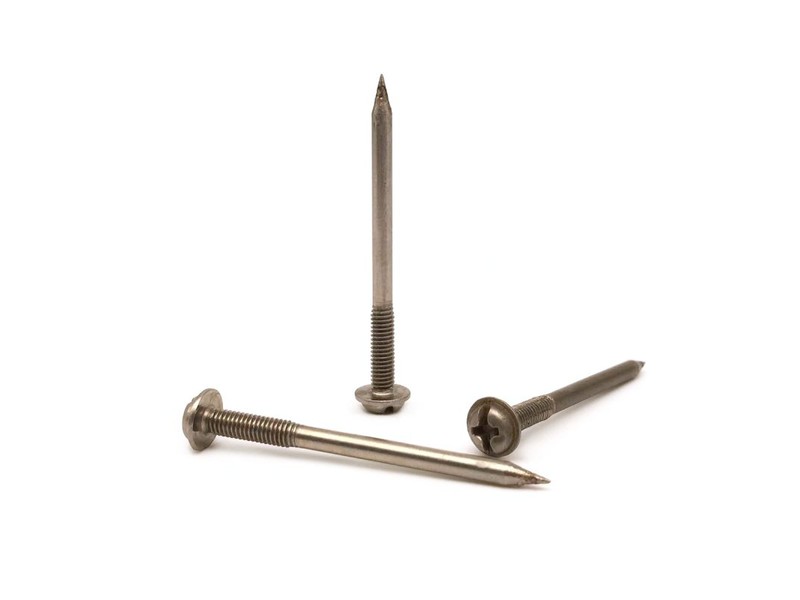
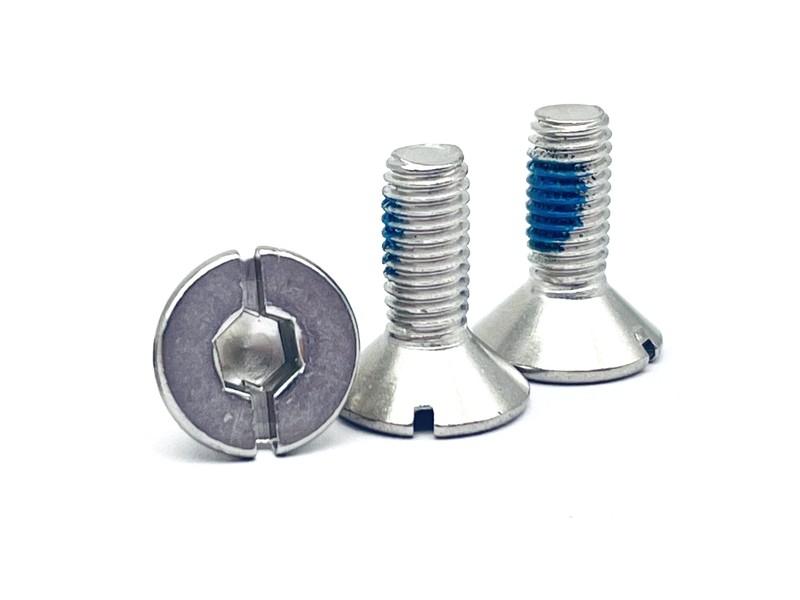
Type:M2 Shoulder Screw Special Phillips Screw
Materials:Stainless Steel
Surface treatment:Plain
Head Type:Hex Washer Head
Drive:Phillips cross and external hex
Thread:Machine thread
Point:Blunt
Forming:Multi-station heading
Size:M1 M2 M3 M4 M5 M6 M7 M8 M9 M10 M14
Number:34
We make M2 shoulder screws in passivated A2 stainless with a hex washer head, a Phillips recess, a 2 mm shoulder and a machine thread, quoting them from M1 to M14. Head, washer diameter, shoulder tolerance and thread come from your drawing, and the first article is fitted in your bore.
Watch the factory video·Email sst@szsst88.com
ISO 9001:2015 · Manufacturing since 1998 · 8,678+ customers · 89 countries and regions
Made to order – there is no stock catalogue. Each part is produced to your drawing, and production starts after drawing review and first-article approval.
An M2 shoulder screw is a small stainless fastener with a 2 mm shoulder, a washer-faced hex head, a Phillips recess and a machine thread, quoted here from M1 to M14 with Number 34. The washer face spreads the clamp, the hex gives a wrench surface, the cross gives a driver surface, and the shoulder runs in a bore as the bearing of the joint.
Hex washer head. Six flats with an integral washer face underneath, wider than the hex, formed in the same strike.
Phillips recess. A cross cut into the top of the hex, so the same head takes a bit or an external wrench.
Shoulder. A plain section sized for a bore, carrying the radial load and locating the joint.
Passivated stainless. A2 grade, uncoated, so the recess, the hex and the shoulder are as made.
An M2 shoulder screw is specified where a two-millimetre pivot has to be clamped onto a finished or thin surface without a washer, and where the same fixing may be reached with a driver on the line and with a wrench in service.
The head on this M2 shoulder screw does three jobs at once, and each one explains a feature. The washer face spreads the clamp load over an area larger than the hex, so a thin panel or a soft casting is not marked. The hex gives a wrench a place to take torque. The Phillips recess gives an assembly station a fast drive without a second operation.
The washer face is the feature that makes the head work on soft parts. A plain hex head bears on its across-flats diameter; the washer face extends past it and adds a flat annulus all round, so the same clamp arrives at half the pressure. On a painted panel that is the difference between a tight screw and a ring mark.
That annulus is also the weakest part of the head. The washer face is formed by pushing metal outward under the hex, so the wall between the flats and the washer edge is thinner than the hex appears. Overtightening with a long wrench deforms the washer face, and the head no longer sits flat; the screw still looks correct from above.
Having both drives is a production decision. The cross is faster to drive on a line, and the hex takes more torque and does not cam out when the joint is finally tightened. A supplier making these has to keep both usable, which on an M2 head means the recess cannot be so deep that the hex walls give, and the hex cannot be so tall that the recess has no floor.
The shoulder below is where the tolerance lives. On an M2 shoulder screw the shoulder is a fraction of a millimetre off nominal either way; it is measured in hundredths and finished smoothly, because it is the surface that determines whether the joint is tight or rattles.
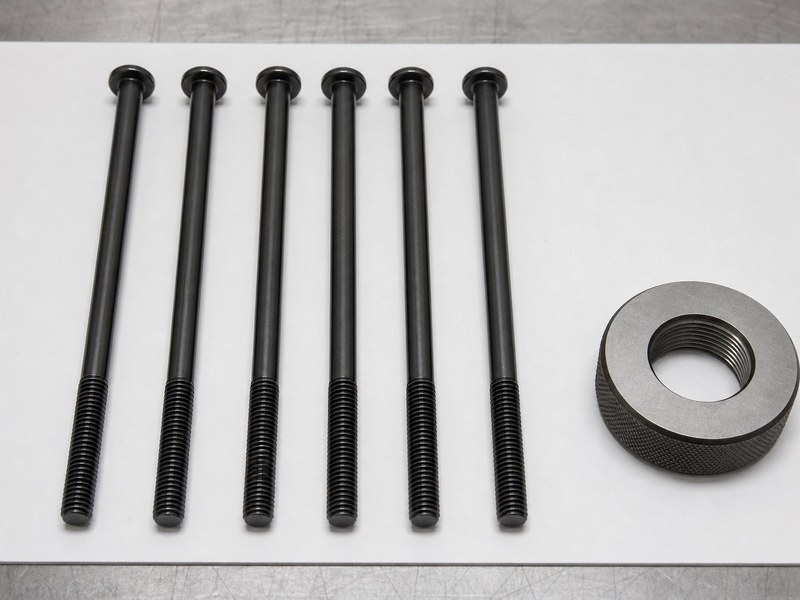
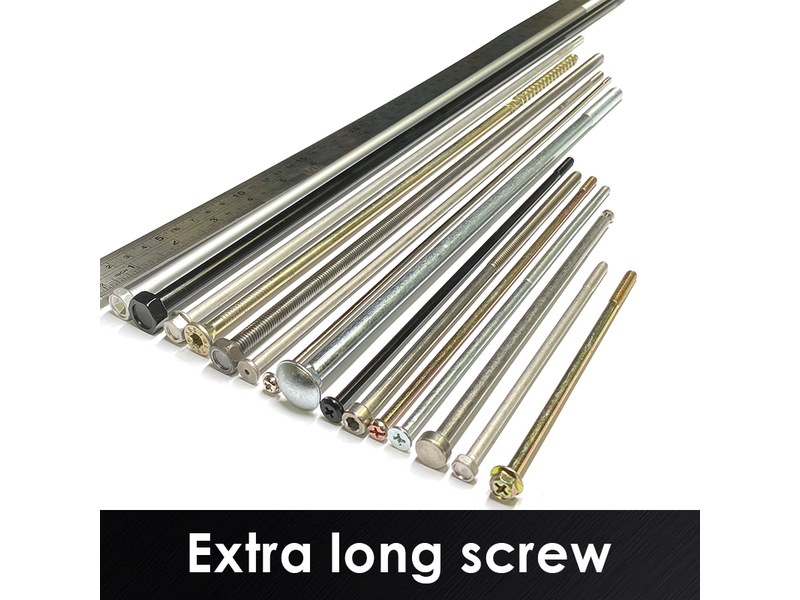
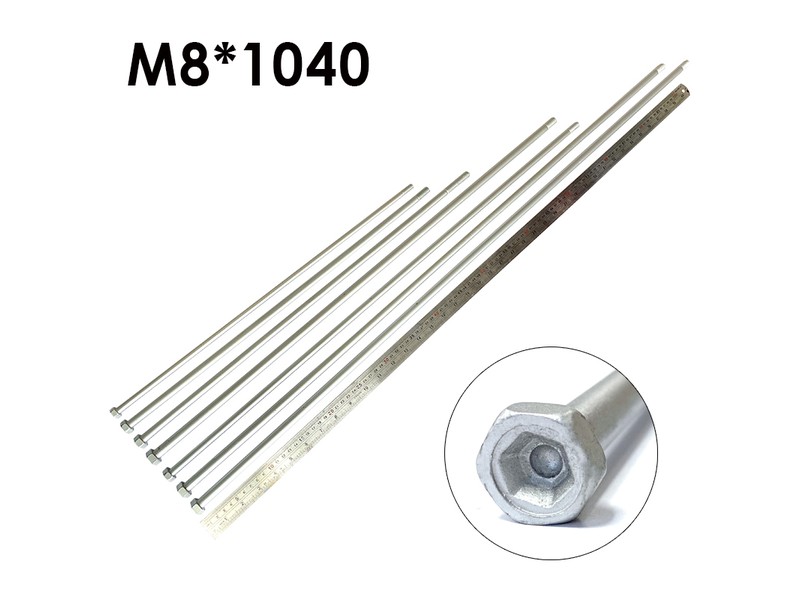
The recorded range is M1 to M14 with the 2 mm shoulder as this page’s size. Custom lengths up to 2,000 mm are subject to DFM review after drawing submission. For an M2 shoulder screw the quotation carries the shoulder diameter and tolerance, shoulder length, hex across flats, washer diameter, recess size and thread.
| Item | How it is defined | What we control |
|---|---|---|
| Head | Hex washer head | Across flats, height and washer diameter |
| Washer face | Integral flat annulus | Flatness and edge condition |
| Recess | Phillips cross in the hex top | Recess size and depth |
| Shoulder | Plain bearing section | Diameter, tolerance and length |
| Thread | Machine thread | Pitch, length and gauging |
| Material | A2 stainless | Grade and heat number on the certificate |
| Finish | Passivated | Surface condition and film |
Washer diameter belongs on the drawing with the hex size. It is the number that decides whether the head marks a soft panel, and it is larger than the hex so it cannot be inferred from across-flats.
Recess depth on an M2 hex washer head has to be chosen against the head height. Deep enough to take a PH0 bit and leave a floor, shallow enough that the hex does not lose its top face.
Three features define the part: the washer face, the combined hex and cross drive, and the shoulder. The first spreads the clamp, the second gives the assembly line a choice of tool, and the third locates the joint.
| Feature | What it gives | What it costs |
|---|---|---|
| Washer face | Clamp spread without a separate washer | Thin wall below the hex |
| Hex | Wrench drive, high torque | Head stands above the surface |
| Phillips recess | Fast drive on the line | Depth limited by head height |
| Shoulder | A bearing and locator | Fit must be held |
| Passivated A2 | No build in recess or on shoulder | Softer than steel; galls dry |
The combined drive is what most customers actually buy it for. One part can be run down with a bit and finally tightened with a wrench, so a line needs one driver and one spanner rather than two stations.
The thin wall is what they discover later. A washer-faced head is not a forged flange; it is formed from a limited amount of metal, and a long wrench on a small head can deform it.
The recorded finish is passivation with no coating on A2 stainless. On this head that matters twice: the recess has to stay at size for the bit, and the hex has to stay at size for the wrench, so a coating that adds to both is a poor choice even before corrosion is considered.
| Option | How it protects | Effect on head and shoulder | Typical use |
|---|---|---|---|
| A2 stainless, passivated | Passive chromium oxide film | Hex, recess and shoulder as made | Small machine and instrument joints |
| A4 stainless, passivated | Passive film with molybdenum | Hex, recess and shoulder as made | Medical and marine |
| Steel, nickel plated | Hard barrier deposit | Hex and recess narrowed; re-checked | Indoor consumer products |
| Steel, white zinc | Sacrificial zinc | Thin build; both drives re-checked | Furniture and general hardware |
| Brass, plain | No coating needed | Softer hex; wrench marks it | Decorative and electrical |
Where the part is adjusted and re-tightened through its life, stainless keeps both drives usable for longer, because there is no soft deposit to wear off the hex corners or the cross arms.
Where the joint is wet, A4 is the grade, and the shoulder is the surface that matters most. A hex that rusts is an inconvenience; a shoulder that pits in its bore seizes the pivot.
Three assemblies where an M2 shoulder screw is the fixing:
| Where it sits | The screw holds a plate or a bracket where there is room for one driver and the head must not mark a finished face. |
| When it goes wrong | The washer face deforms under a wrench, and the plate is no longer clamped flat. |
| Why it happens | The joint is small, the face is finished, and the part is tightened once. |
| What we control | Washer diameter and face flatness checked; torque agreed with the customer. |
| Where it sits | The screw pivots a small hinge leaf where the shoulder is the bearing and the washer face spreads load on the leaf. |
| When it goes wrong | A narrow head dimples the leaf, and a loose shoulder lets the hinge droop. |
| Why it happens | The joint moves, the panel is thin, and the load is small but repeated. |
| What we control | Washer diameter and shoulder tolerance checked; first article swung. |
| Where it sits | The screw locates a sensor plate at a set height where the shoulder sets the distance and the head is reached with either tool. |
| When it goes wrong | An out-of-tolerance shoulder changes the height, and the sensor is out of focus. |
| Why it happens | The joint is precise, the stand-off is functional, and the part is adjusted. |
| What we control | Shoulder length and diameter held; first article checked in the mount. |
Four reasons that matter on a washer-faced pivot, each tied to what the drawing has to prove:
|
Head, washer and shoulder agreed
Hex across flats, washer diameter, recess depth and shoulder tolerance are agreed as one set, because on an M2 shoulder screw the head has three functions in a few millimetres. Basis: Head, washer and shoulder agreed. |
Formed, threaded, passivated in one route
The washer-faced hex and cross are formed, the shoulder is sized and the thread is rolled within one route before passivation. Basis: One route from wire to passivated screw. |
|
Both drives checked
The first article is driven with the PH bit and with a wrench, because each drive finds a different fault in the head. Basis: Both drives tested on the first article. |
Washer diameter recorded
The washer diameter and face flatness are recorded, so repeat orders keep the clamp spread the customer approved. Basis: Washer diameter recorded. |
Shi Shi Tong forms M2 shoulder screws on multi-station headers that upset the hex and the washer face, cut the Phillips recess in the top of the hex, size the shoulder and roll the machine thread, then passivate the parts. The first part of every run is measured on washer diameter, across flats, recess depth, shoulder diameter and length before the batch continues.


|

|
Forming a washer face under a small hex is the step that decides the head. The punch has to push metal outward into an annulus without leaving a step where the washer meets the flats, because a step becomes a stress line and the face deforms there first under a wrench.
What decides whether M2 shoulder screws pass is the washer face, both drives, the shoulder and the thread. The inspection agreement covers those, and the criteria come from the drawing.

Head and shoulder on the projector |

Thread gauged per batch |

Hardness checked on the wire |

Salt-spray testing of the grade |
The washer face is checked for diameter and flatness, the hex for across flats and height, and the recess for size and depth. The shoulder is measured for diameter and length, and the thread is gauged per batch.
The first article is tightened with both tools and then checked again: a washer face that deforms under a wrench passes every measurement before it is used and fails immediately after.
Every shipment of M2 shoulder screws is traceable to the wire it was made from and to the passivation batch. The grade and heat number are recorded on the material certificate supplied with the parts, and the inspection records follow the criteria agreed on the drawing.

ISO 9001:2015 |

RoHS test report |

Registered trademark |

Patent: security screw and driver |
With each batch we supply the material certificate, the inspection record for the criteria on the drawing and, where it is listed, the third-party report for the grade. The documents carry the drawing revision and the batch number, so a repeat order keeps the same head geometry and shoulder tolerance.
More than 8,678 customers in 89 countries and regions have ordered from Shi Shi Tong; 87% of orders come from repeat customers and 56% through referrals. Most projects follow the same route: drawing review, first-article approval, then batches checked against that sample. On an M2 shoulder screw the first article is fitted in its bore and tightened with both tools, because the fit and the head are both part of the function. Buyers visit during the process to review samples.
|
8,678+
customers served
|
87%
of orders from repeat customers
|
56%
of orders through referrals
|
89
countries and regions shipped to
|
Buyers and quality engineers visit for sample review, process discussion and supplier audits; the visit is arranged around production so the headers and the passivation line can be seen on the day the parts run.

Customer group visit – sample review |

Customer group visit – process discussion |

Customer group visit – factory tour |

Customer visit – project kick-off |

Danish customer – drawing review |

Industry exhibition – meeting customers |
The cross is fast to drive on a line, the hex takes the final torque and does not cam out. One head, two tools.
It spreads the clamp load over an area larger than the hex, so a thin panel or a soft casting is not marked.
Yes, by a long wrench. The annulus is thinner than the hex looks, and it deforms before the flats do.
Shoulder length for the bearing, and thread length from the shoulder end.
A clearance fit sized to the bore and to the play the joint allows. Too tight seizes, too loose rattles.
Hex across flats and height, washer diameter, recess size and depth, shoulder diameter and tolerance, shoulder length, thread and the grade.
How an M2 shoulder screw project runs from drawing to repeat delivery:
|
1
Send the drawing and the bore it fits
|
→ |
2
Head, washer, shoulder and thread agreed
|
→ |
3
First article fitted and tightened with both tools
|
→ |
4
Batch production and repeat orders
|
Each step is confirmed with you before the next one starts; the drawing revision from the first article is what repeat orders are checked against.
For a quotation, send the drawing with the hex across flats and height, washer diameter, recess size and depth, shoulder diameter and tolerance, shoulder length and thread.
|
Hex A/F
|
Washer diameter
|
Recess
|
|
Shoulder diameter
|
Shoulder length
|
Thread
|
Sending a drawing? The form below does not take attachments. Email the PDF, DXF or STEP file to sst@szsst88.com with the part name and quantity in the subject line – the drawing is reviewed and a quotation follows.

 +86 13143444311
 sst@szsst88.com