Tel:
+86 13143444311
Email:sst@szsst88.com
Fax:+0086-755-27322278
Address:Building 9, First Industrial Zone, Tantou Industrial City, Songgang Street, Baoan District, Shenzhen 518105, Guangdong, China
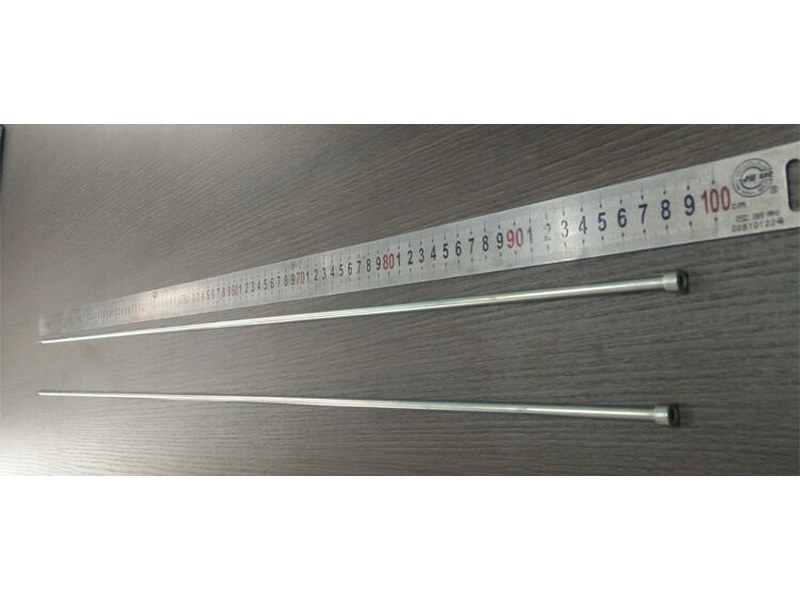
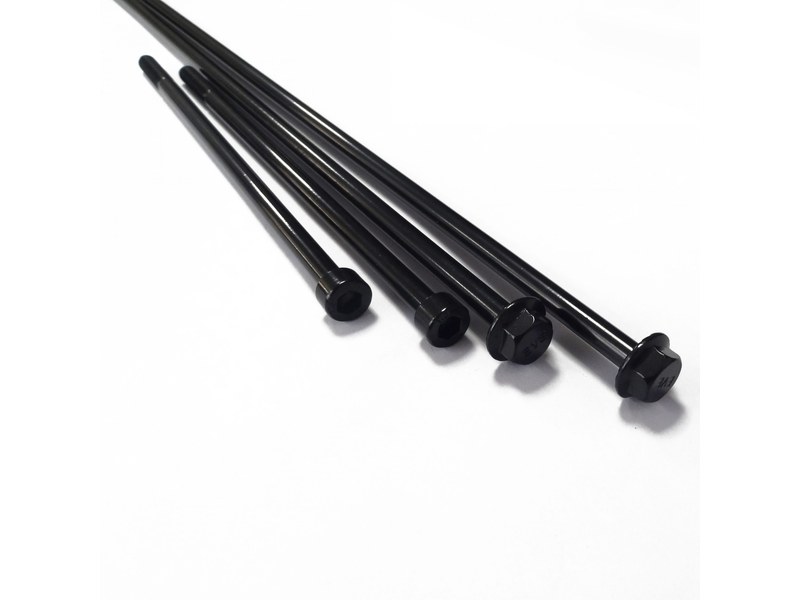
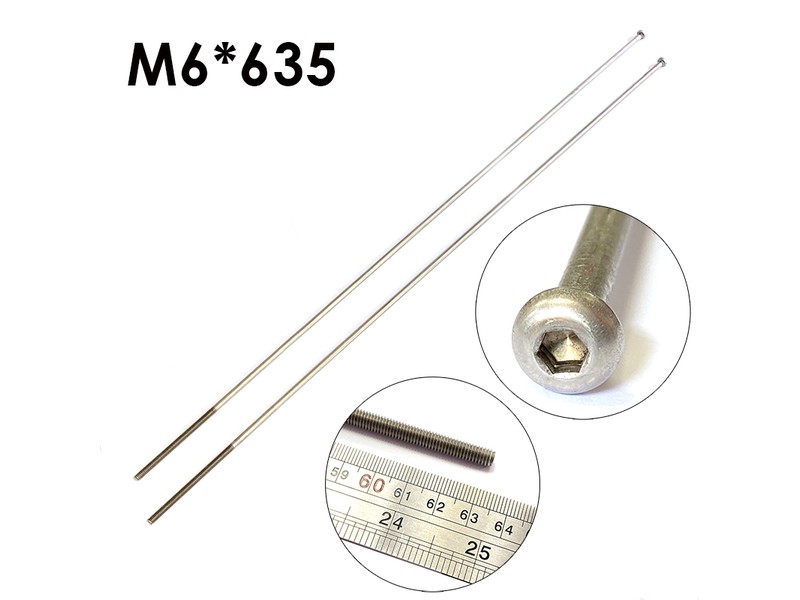
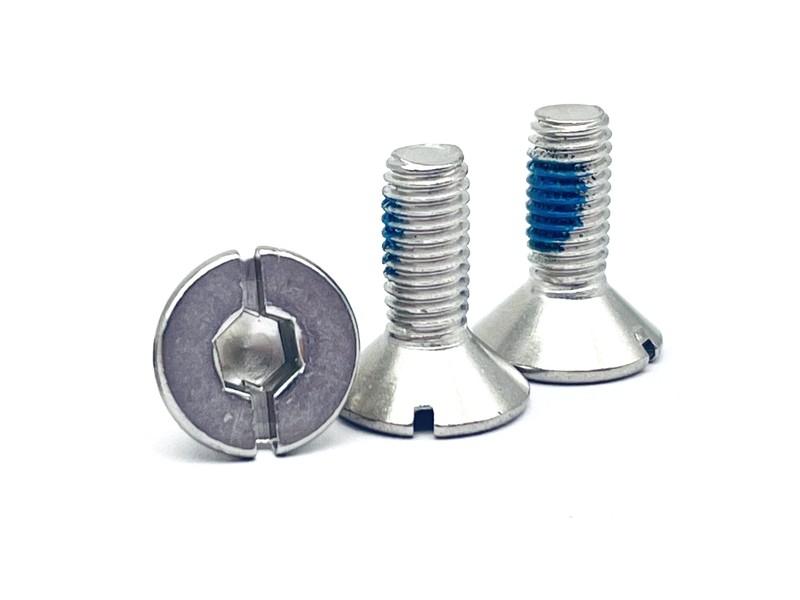
Type:Alloy Steel Shoulder Screw Non Standard Special
Materials:Steel
Surface treatment:White Zinc Plated
Head Type:Ultra Low Head
Drive:Knurled head, hand adjustment
Thread:Machine thread with dog point
Point:Dog point, chamfered
Forming:Multi-station heading
Size:M1 M2 M3 M4 M5 M6 M7 M8 M9 M10 M14
Number:211
We make this shoulder screw with dog point in white zinc plated carbon steel, with an ultra low knurled head, a toleranced shoulder, a machine thread and a plain guided tip, quoting it from M1 to M14. Point length, shoulder tolerance and thread come from your drawing, and the first article is assembled into your joint by hand.
Watch the factory video·Email sst@szsst88.com
ISO 9001:2015 · Manufacturing since 1998 · 8,678+ customers · 89 countries and regions
Made to order – there is no stock catalogue. Each part is produced to your drawing, and production starts after drawing review and first-article approval.
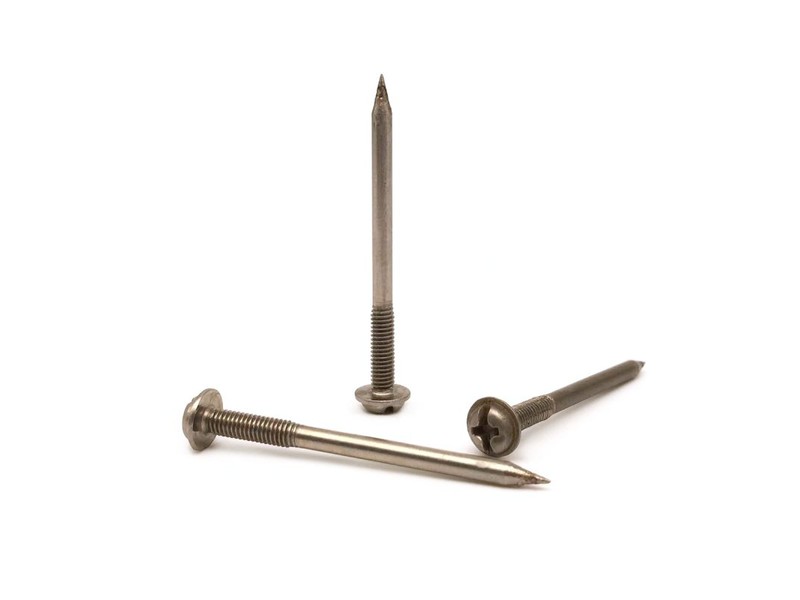
This is a shoulder screw with dog point: a steel fastener with an ultra low knurled head, a toleranced shoulder, a machine thread and a short unthreaded cylindrical tip at the end. It is white zinc plated and quoted from M1 to M14 with Number 211. The dog point is the small pilot beyond the thread that finds the hole and keeps the first thread from crossing.
Dog point. A short plain cylinder, smaller than the thread’s minor diameter, on the end of the thread.
Ultra low knurled head. A thin head with a knurl and no recess, turned by hand and standing only a little above the part.
Shoulder. A plain section that locates the joint and carries the radial load.
White zinc plated steel. A thin sacrificial deposit over carbon steel, gauged again after plating.
A shoulder screw with dog point is used where two holes have to line up during assembly and the screw is fitted by hand: the shoulder enters one bore, the point guides the thread into the other, and the head stays low and knurled.
A dog point is a lead-in that is not a cone. Where a chamfered screw relies on an angled tip to find a hole, a dog point is a straight cylinder that enters the tapped hole before any thread does, and it does two things at once: it aligns the screw with the hole, and it protects the first thread of both parts from crossing.
Alignment is the main job on a shoulder screw with dog point. The shoulder has to enter one bore while the thread enters another, and two holes that are not perfectly in line will fight each other. The dog point sits in the tapped hole first, so the screw is guided along the thread axis before the shoulder has to commit, and the joint goes together by hand.
Protection is the second job. The first thread on a small screw is easily damaged by being dropped or pushed against a hole edge, and a damaged lead thread will cross and ruin the tapped hole. The dog point takes that contact instead, and it can be re-chamfered without touching the thread.
In some joints the dog point also locates. A dog point that is long enough can enter a small hole, a slot or a flat in the mating part and hold the screw against turning or against shifting; the thread clamps, and the point sets the position. That is a different function from a lead-in, and the drawing has to say which one it is for, because the required length is different in each case.
On a shoulder screw with dog point the length is the number that goes wrong. A dog point that is too long bottoms in a blind hole before the shoulder seats, so the joint stands off by whatever the point is over-long; one that is too short never reaches the hole and behaves like a badly chamfered thread. On a shoulder screw with dog point the point length is quoted against the depth of the tapped hole, not against the thread diameter.
The recorded range is M1 to M14, with the small sizes used in instruments and the medium ones in appliances. Custom lengths up to 2,000 mm are subject to DFM review after drawing submission. For a shoulder screw with dog point the quotation carries the point diameter and length, the thread, the shoulder diameter and tolerance, the shoulder length and the head.
| Item | How it is defined | What we control |
|---|---|---|
| Head | Ultra low, knurled | Head diameter, height and knurl |
| Shoulder | Plain locating section | Diameter, tolerance and length |
| Thread | Machine thread | Pitch, length and gauging after plating |
| Dog point | Plain cylinder beyond the thread | Diameter, length and end chamfer |
| Plating | White zinc over carbon steel | Thickness and coverage on the point |
| Material | Carbon steel | Grade and heat number on the certificate |
| Relief | Undercut under the head | Depth and corner form |
Dog point diameter is usually one or two steps under the thread’s minor diameter, so it enters the tapped hole freely; a point that is too large binds, and one that is too small does not centre the screw.
Point length is quoted against the tapped hole depth and, where the point is also a locator, against the depth of the hole it engages. Those two numbers are different and the drawing should say which applies.
Three features define the part: the dog point, the shoulder and the ultra low knurled head. The first guides the thread and protects it, the second locates the joint, and the third keeps the fixing out of the way and lets it be turned by hand.
| Feature | What it gives | What it costs |
|---|---|---|
| Dog point | Guides the thread, protects the lead | Adds length that can bottom |
| Shoulder | Locates the joint | Fit must be held |
| Ultra low head | Almost flush, no recess | Hand torque only |
| Knurl | Grip for fingers | Wears with handling |
| White zinc | Sacrificial protection, bright | Thin; wears at the point |
The guidance is what makes this part practical on a two-hole joint. The screw goes in without being lined up by eye, which on small parts is the difference between an assembly that runs and one that needs a jig.
The cost is the extra length at the end. It has to be dimensioned and checked, and on a blind tapped hole it is the first thing to bottom.
The recorded finish is white zinc plating over carbon steel. On a part with a dog point the coating has two jobs: it protects the steel, and it must not blunt the point. White zinc is thin enough to leave the point usable, and it wears off the point’s leading edge on the first insertion, which is normal for a sacrificial deposit.
| Option | How it protects | Effect on point and shoulder | Typical use |
|---|---|---|---|
| White zinc plated | Sacrificial zinc, bright | Thin build; point and shoulder re-gauged | Appliances and general machinery |
| Zinc nickel | Alloy coating, higher salt resistance | Noticeable build; point gauged | Outdoor and automotive |
| Black oxide | Conversion film, oiled | No measurable build | Internal mechanisms |
| Dacromet | Inorganic zinc-aluminium layer | Build allowed at the thread | Wet assemblies |
| Stainless alternative | Passive film, no build | Point and shoulder as made | Wet and food service |
On a shoulder screw with dog point that has to enter a close hole and also locate, the stainless version is usually the better answer: there is no coating to be worn off the point on the first assembly, so the locating diameter stays the same through the life of the joint.
Where the joint is dry and indoors, white zinc is economical and adequate, and the point is the place to check coverage. A bare patch on the point is where the steel starts to rust first because it is the surface that is rubbed.
Three assemblies where a shoulder screw with dog point is the fixing:
| Where it sits | The shoulder locates one plate and the dog point guides the thread into the tapped part behind it, so the screw goes in without being lined up by eye. |
| When it goes wrong | A dog point that is too long bottoms in the blind hole and leaves the plate standing off. |
| Why it happens | The joint has two holes to line up, the thread is blind, and the screw is fitted by hand. |
| What we control | Point length checked against the tapped depth; first article assembled by hand. |
| Where it sits | The screw holds a cover where the head must sit almost flush and the fixing is turned by hand during service. |
| When it goes wrong | The knurl wears and the cover cannot be removed without pliers, which mark the panel. |
| Why it happens | The head is thin, it is handled, and there is no recess. |
| What we control | Knurl depth checked; first article turned by hand. |
| Where it sits | The dog point enters a slot or a flat in the mating part, holding the screw against turning while the thread clamps. |
| When it goes wrong | A point that is too small does not locate, and the screw turns in service. |
| Why it happens | The point is a locator as well as a lead-in, and the joint must not shift. |
| What we control | Point diameter checked against the mating slot; first article operated. |
Four reasons that matter on a guided, hand-driven part, each tied to what the drawing has to prove:
|
Point length agreed with the hole
Dog point diameter and length, shoulder tolerance and thread are agreed as a set, because the point has to reach the hole without bottoming. Basis: Point length agreed with the hole. |
Formed, threaded, plated in one route
The low knurled head and shoulder are formed, the thread is rolled, the dog point cut and the parts plated within one route. Basis: One route from wire to plated screw. |
|
Point and shoulder checked
The point is checked for diameter, length and end chamfer, and the shoulder for diameter after plating. Basis: Point and shoulder checked. |
First article assembled by hand
The first article is assembled into the customer joint by hand, because the point only proves itself when it enters the hole. Basis: First article assembled by hand. |
Shi Shi Tong forms these shoulder screws with dog point on multi-station headers that form the ultra low knurled head and the shoulder, roll the machine thread, cut the dog point and chamfer its end, then white zinc plate the parts and re-gauge the shoulder and thread. The first part of every run is measured on point diameter and length, head height, shoulder diameter and length before the batch continues.


|

|
The dog point is cut after the thread, and that order matters. The point has to be concentric with the thread or it will guide the screw into the hole at an angle; a point that runs out by a few hundredths pushes the screw sideways, and the shoulder then binds in its bore even though every dimension is in tolerance.
What decides whether these shoulder screws pass is the dog point, the shoulder, the head and the thread. The inspection agreement covers those, and the criteria come from the drawing.

Point and shoulder on the projector |

Thread gauged after plating |

Hardness checked on the wire |

Coating proved by salt spray |
The point is measured for diameter and length, and its concentricity with the thread is checked on the projector; the shoulder is measured after plating, and the head for diameter and height. The thread is gauged after plating, and the coating is checked for coverage on the point.
For every batch of shoulder screws with dog point the first article is assembled into the customer joint by hand. That is the test that shows whether the point guides or bottoms, and it takes a minute rather than a batch.
Every shipment of these shoulder screws is traceable to the wire it was made from and to the plating batch. The grade and heat number are recorded on the material certificate supplied with the parts, and the inspection records follow the criteria agreed on the drawing.

ISO 9001:2015 |

RoHS test report |

Registered trademark |

Patent: security screw and driver |
With each batch we supply the material certificate, the inspection record for the criteria on the drawing and, where it is listed, the third-party report for the coating. The documents carry the drawing revision and the batch number, so a repeat order keeps the same point length and shoulder tolerance.
More than 8,678 customers in 89 countries and regions have ordered from Shi Shi Tong; 87% of orders come from repeat customers and 56% through referrals. Most projects follow the same route: drawing review, first-article approval, then batches checked against that sample. On a shoulder screw with dog point the first article is assembled into the customer joint by hand, because the point is only proved in the hole. Buyers visit during the process to review samples.
|
8,678+
customers served
|
87%
of orders from repeat customers
|
56%
of orders through referrals
|
89
countries and regions shipped to
|
Buyers and quality engineers visit for sample review, process discussion and supplier audits; the visit is arranged around production so the headers and the plating line can be seen on the day the parts run.

Customer group visit – sample review |

Customer group visit – process discussion |

Customer group visit – factory tour |

Customer visit – project kick-off |

Danish customer – drawing review |

Industry exhibition – meeting customers |
A short plain cylinder on the end of the thread, smaller than the minor diameter, that enters the hole before any thread and guides the screw.
A chamfer finds the hole at an angle. A dog point enters it axially and aligns the screw before the thread starts, which matters when two holes must line up.
Long enough to reach and engage the hole, short enough not to bottom before the shoulder seats. It is quoted against the tapped depth.
Yes, where it enters a slot or a flat in the mating part. That is a different function from a lead-in, and it needs a different length.
White zinc is thin enough to leave it usable, and it wears off the leading edge on the first insertion, as a sacrificial coating should.
Point diameter and length, thread, shoulder diameter and tolerance, shoulder length, head and the coating.
How a shoulder screw with dog point project runs from drawing to repeat delivery:
|
1
Send the drawing and the two holes it joins
|
→ |
2
Point length, shoulder and thread agreed
|
→ |
3
First article assembled by hand
|
→ |
4
Batch production and repeat orders
|
Each step is confirmed with you before the next one starts; the drawing revision from the first article is what repeat orders are checked against.
For a quotation, send the drawing with the dog point diameter and length, thread, shoulder diameter and tolerance, shoulder length, head and the coating.
|
Point diameter
|
Point length
|
Thread
|
|
Shoulder diameter
|
Shoulder length
|
Coating
|
Sending a drawing? The form below does not take attachments. Email the PDF, DXF or STEP file to sst@szsst88.com with the part name and quantity in the subject line – the drawing is reviewed and a quotation follows.

 +86 13143444311
 sst@szsst88.com