Tel:
+86 13143444311
Email:sst@szsst88.com
Fax:+0086-755-27322278
Address:Building 9, First Industrial Zone, Tantou Industrial City, Songgang Street, Baoan District, Shenzhen 518105, Guangdong, China
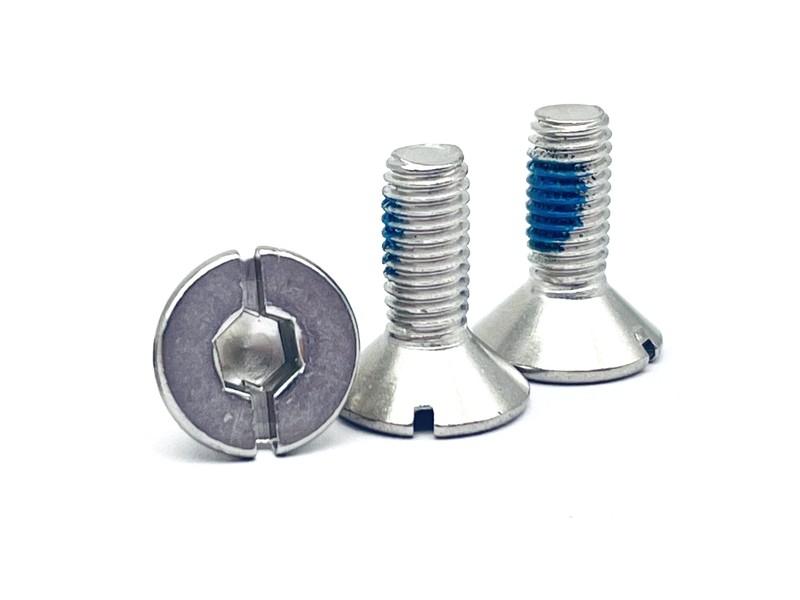
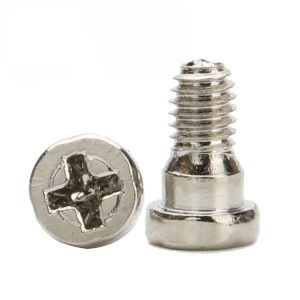
Type:Precision Shoulder Screws Thread Forming Screw
Materials:Steel
Surface treatment:White Zinc Plated
Head Type:Cap Head
Drive:Phillips (cross)
Thread:Trilobular, thread forming
Point:Chamfered lead
Forming:Multi-station heading
Size:M1 M2 M3 M4 M5 M6 M7 M8 M9 M10 M14
Number:508
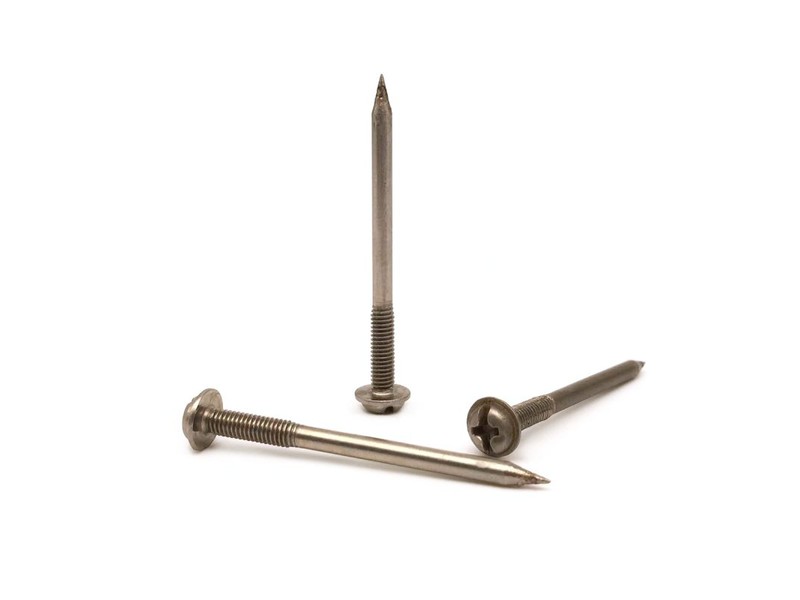
We make precision shoulder screws in white zinc plated carbon steel with a cap head, a Phillips recess, a toleranced shoulder and a trilobular thread-forming end, quoting them from M1 to M14. Shoulder tolerance, core hole and thread come from your drawing, and the first article is driven into your part.
Watch the factory video·Email sst@szsst88.com
ISO 9001:2015 · Manufacturing since 1998 · 8,678+ customers · 89 countries and regions
Made to order – there is no stock catalogue. Each part is produced to your drawing, and production starts after drawing review and first-article approval.
Precision shoulder screws are turned or headed fasteners with a toleranced plain shoulder that runs in a bore as a bearing, a head that clamps, and a thread at the end. This one is made in carbon steel with a white zinc finish, a cap head, a Phillips recess and a trilobular thread-forming end, quoted from M1 to M14 with Number 508.
Toleranced shoulder. A plain section held to a diameter tolerance and finish, because it is the bearing surface of the joint.
Trilobular thread. A thread with three lobes that forms its own thread in the mating hole by displacing material rather than cutting it.
Cap head, Phillips recess. A cylindrical head with a flat bearing face and a cross recess, driven with a PH bit.
White zinc plated steel. A sacrificial zinc deposit over carbon steel, thin enough to keep the thread usable and gauged after plating.
Precision shoulder screws of this form are used where a machined pivot has to be anchored in a casting or a sheet without a tapped hole, an insert or a lock nut, and where the joint is precise enough that the shoulder, not the thread, sets its position.
The thread on these precision shoulder screws does not cut. It is trilobular: three lobes around the circumference that press into the wall of a drilled core hole and push the metal into the spaces between them. The result is a thread formed in the part with no chip produced, and a joint that can be assembled in a sealed housing without worrying about swarf.
Forming changes what the joint feels like. The thread is stronger than a cut thread in the same material because the metal is worked rather than removed, and the material around the hole is left in compression. The driving torque is higher than for a cutting screw, and the core hole diameter has to be right: too large and the lobes never engage, too small and the screw stalls or the part cracks.
The three lobes also reduce friction at the start. A full-form thread has contact all round; a trilobular one touches at three points as it engages, so the driving torque is lower for the same thread size, and the screw starts straighter in the hole. That is what makes forming practical on a small precision part where the head has limited torque capacity.
The shoulder is the other half of the precision. It runs in a bore, so its diameter and surface finish decide the play in the joint, and the thread pitch is what pulls it into place. On precision shoulder screws the shoulder is measured in hundredths and finished smoothly; a thread-formed joint holds nothing if the shoulder is out of tolerance.
The plating interacts with the forming. White zinc is sacrificial and thin, and it wears off the leading edges of the lobes the first time the screw is driven into a hole; that is normal, because the zinc beside the worn area still protects the steel, and the worn area is inside the hole where it is not seen.
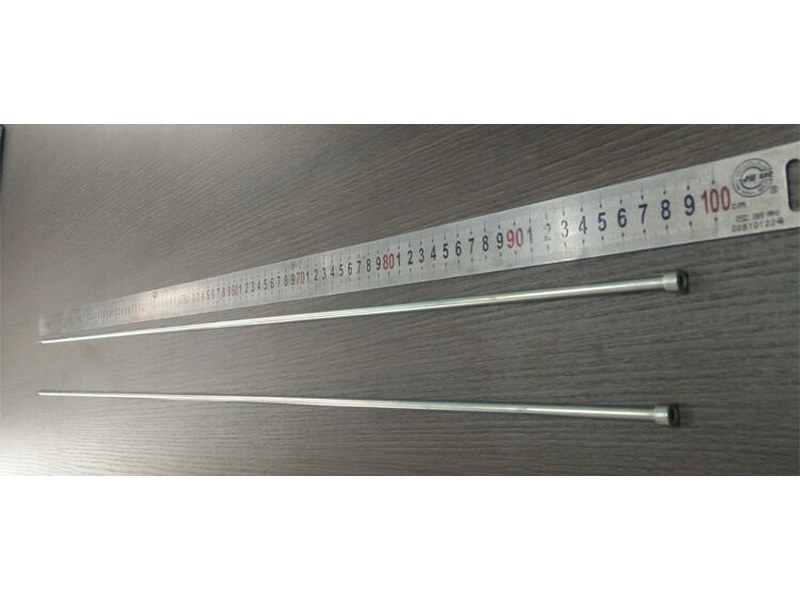
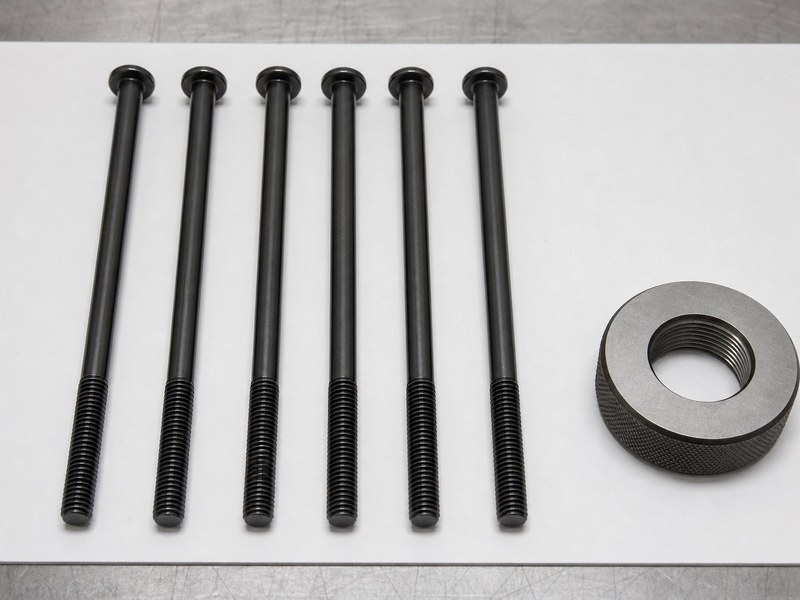
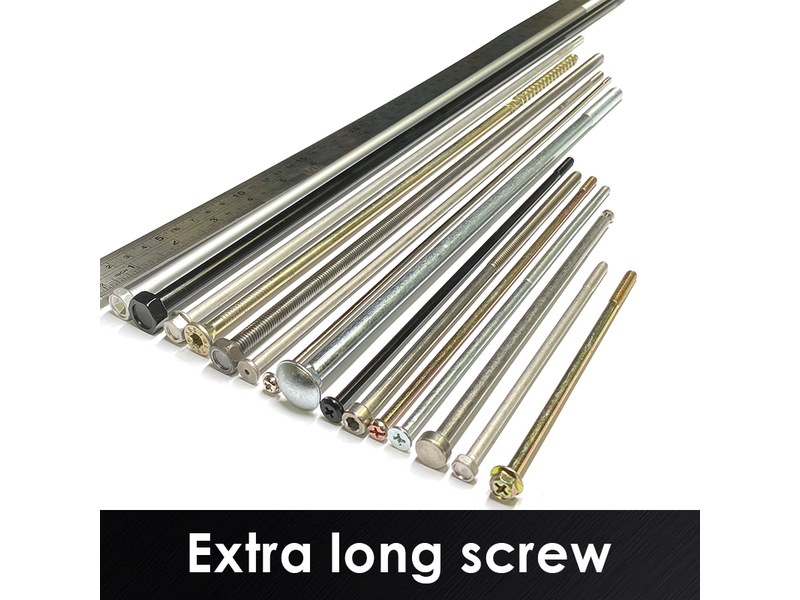
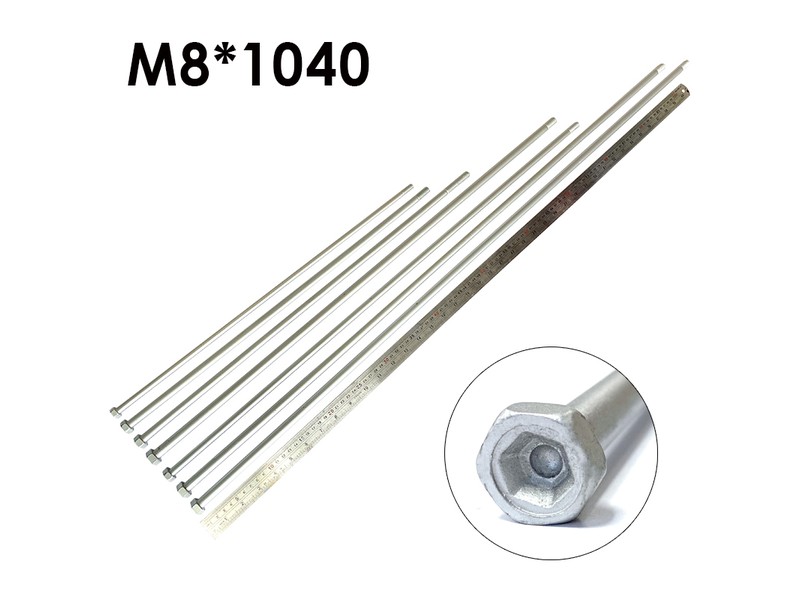
The recorded range is M1 to M14, with the small precision sizes covering instrument work. Custom lengths up to 2,000 mm are subject to DFM review after drawing submission. For precision shoulder screws the quotation carries the shoulder diameter and tolerance, shoulder length, head, thread size and the core hole diameter the thread will form in.
| Item | How it is defined | What we control |
|---|---|---|
| Shoulder | Toleranced plain section | Diameter, roundness and finish |
| Shoulder length | Bearing length | Length tolerance and face squareness |
| Head | Cap head | Diameter, height and face flatness |
| Thread | Trilobular, thread forming | Lobe form, pitch and lead |
| Core hole | Drilled hole the thread forms in | Diameter advised per material |
| Material | Carbon steel | Grade and heat number on the certificate |
| Finish | White zinc plated | Coating thickness and gauging after plating |
Core hole diameter is the number most often missing from the drawing, and it decides whether the joint works. It depends on the material being formed: die-cast aluminium, sheet steel and brass all want a different diameter for the same thread.
Shoulder diameter and thread size are usually one step apart, so the thread passes through the bore the shoulder locates. That relationship belongs on the drawing, along with the length of each section.
Three features define the part: the trilobular thread, the precision shoulder and the plated steel body. The first makes its own thread without a chip, the second locates the joint, and the third is the finish that has to survive being driven.
| Feature | What it gives | What it costs |
|---|---|---|
| Trilobular thread | No chips; a formed, stronger thread | Needs the exact core hole |
| Precision shoulder | A bearing surface in a small space | Diameter must be held |
| Cap head | Full bearing face | Head stands above the surface |
| White zinc | Sacrificial protection | Wears off the leading lobes |
| Carbon steel body | Strength at low cost | Needs the coating for corrosion |
The no-chip property is the reason these are used in closed assemblies. A cutting screw leaves a spiral of metal in a gearbox or a sealed housing; a forming thread leaves nothing, and the assembly stays clean without an extra operation.
The cost is process control. The core hole has to be right, the thread has to be formed in the right material, and the plating has to be thin enough that the lobes still form rather than smear.
The recorded finish is white zinc plating over carbon steel. On a forming thread that finish is thin enough to survive the drive: a heavy deposit would round the lobes and turn a forming screw into a badly fitting machine screw, and a heavy deposit at the lead also raises the torque needed to start.
| Option | How it protects | Effect on thread and shoulder | Typical use |
|---|---|---|---|
| White zinc plated | Sacrificial zinc, bright | Thin build; re-gauged after plating | General machine assemblies |
| Zinc nickel | Alloy coating, higher salt resistance | Build allowed at the thread | Automotive and outdoor |
| Black oxide | Conversion film, oiled | No measurable build | Internal mechanisms |
| Dacromet | Inorganic zinc-aluminium layer | Build allowed; checks on the lobes | Wet assemblies |
| Stainless alternative | Passive film, no build | Thread and shoulder as made | Wet and food service |
Where the joint works wet, a zinc coating is a short-lived answer and the stainless version is the one to specify. The shoulder is the surface that seizes first, and a coated shoulder in a damp bore wears through the coating where it bears.
Where the forming thread goes into aluminium, the galvanic pair matters as well as the coating. Zinc on a steel screw inside an aluminium hole is the least damaging pairing of the common ones, which is one reason white zinc is used for these parts.
Three assemblies where precision shoulder screws are the fixing:
| Where it sits | The screw forms its own thread in a die-cast boss, where a tapped thread would need an extra operation and the casting alloy is easy to strip. |
| When it goes wrong | A core hole that is too large never forms a thread, and one that is too small cracks the boss. |
| Why it happens | The boss is die-cast, the joint is assembled in volume, and no chip is acceptable. |
| What we control | Core hole agreed with the customer; first article driven into a sample boss. |
| Where it sits | The screw forms a thread in a pierced or drilled hole in sheet, removing the need for a weld nut or an insert. |
| When it goes wrong | The sheet is thin, the formed thread engages little material, and the joint strips. |
| Why it happens | The joint is sheet, it is thin, and the thread is formed in the sheet. |
| What we control | Sheet thickness and core hole checked; first article driven and pull-tested. |
| Where it sits | The screw holds a linkage where the shoulder is the bearing and the forming thread anchors the end in a casting. |
| When it goes wrong | Shoulder play makes the linkage rattle, and a mis-formed thread lets the pivot move. |
| Why it happens | The joint rotates, the anchor is a casting, and the fit is precise. |
| What we control | Shoulder tolerance held; thread form checked on the first article. |
Four reasons that matter on a forming pivot, each tied to what the drawing has to prove:
|
Core hole and shoulder agreed
The core hole diameter and the shoulder tolerance are agreed before the first part, because precision shoulder screws work only if both the thread and the bearing are right. Basis: Core hole and shoulder agreed. |
Formed, threaded and plated in one route
The head and shoulder are formed, the trilobular thread is rolled and the parts are plated and re-gauged within one route. Basis: One route from wire to plated part. |
|
Thread gauged after plating
The thread is gauged after plating, because the deposit is a real fraction of the lobe form on a small screw. Basis: Thread gauged after plating. |
First article torque recorded
The driving torque and the strip torque are recorded from the first article, so a repeat order is compared with a joint that worked. Basis: Drive and strip torque recorded. |
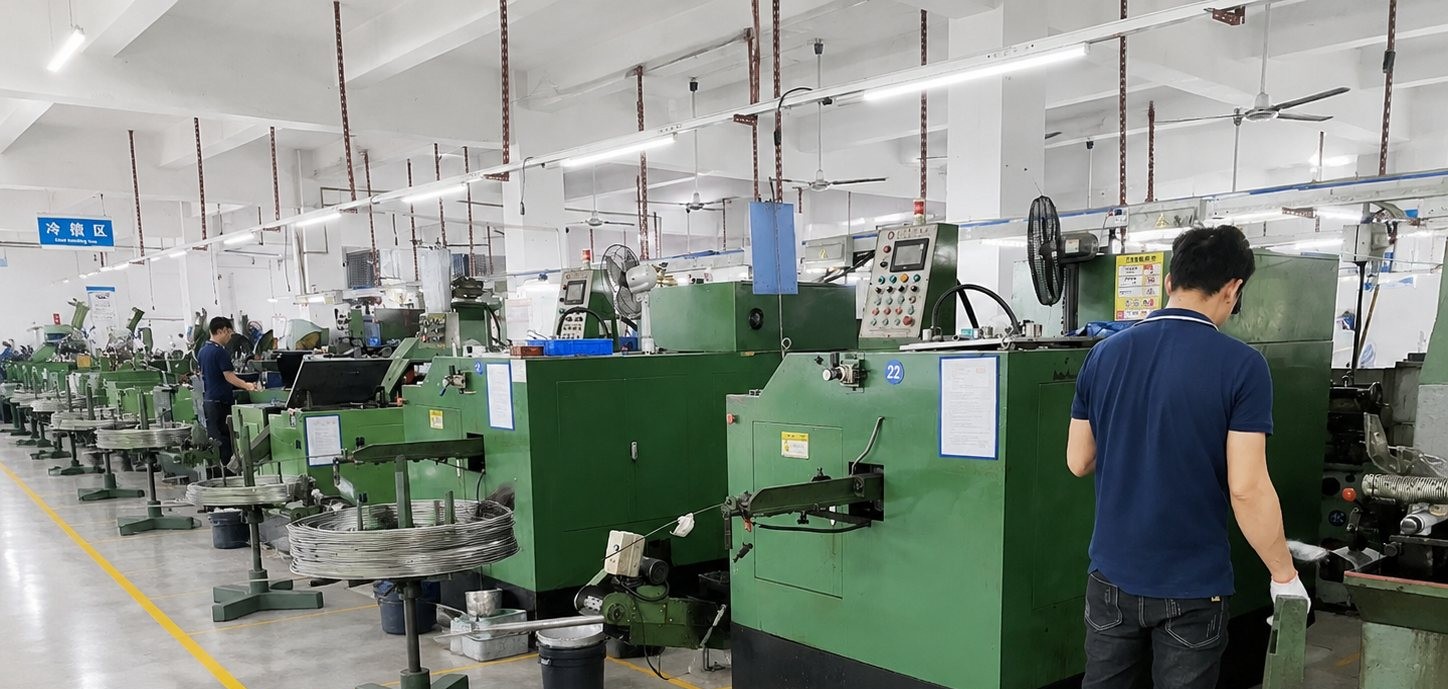
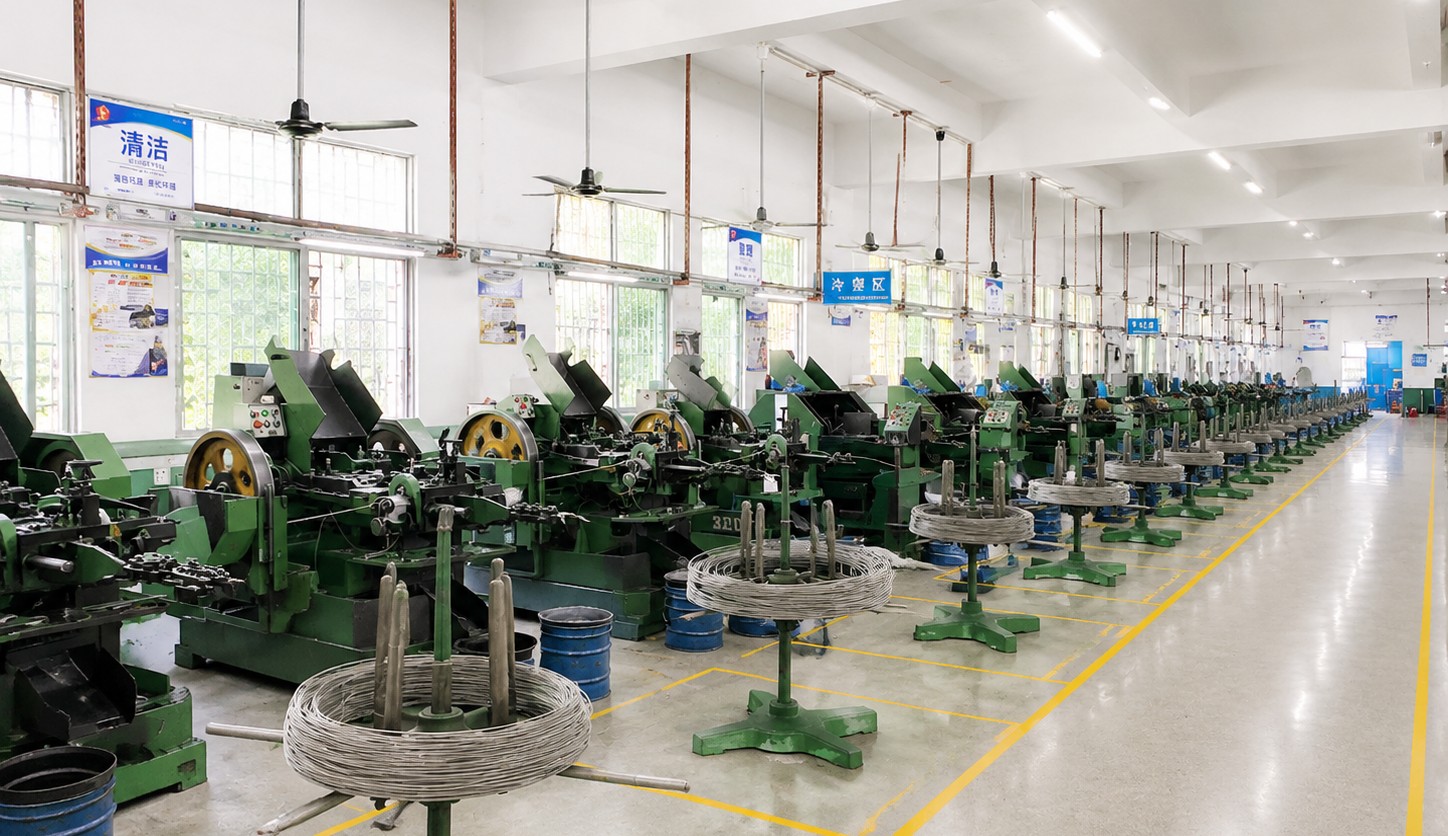
Shi Shi Tong forms precision shoulder screws on multi-station headers that upset the cap head and cut the Phillips recess, size the shoulder, roll the trilobular thread and chamfer the lead, then white zinc plate the parts and re-gauge the thread. The first part of every run is measured on shoulder diameter and length, lobe form and thread position before the batch continues.
|

|
Rolling the three lobes is the step that decides the part. The roll has to leave a lead that starts in the core hole and a lobe height that forms rather than smears, and a roll that is slightly worn leaves a thread that measures to pitch and needs too much torque to drive.
What decides whether precision shoulder screws pass is the shoulder, the lobe form, the lead, the thread and the coating. The inspection agreement covers those, and the criteria come from the drawing.

Shoulder and lobes on the projector |

Thread gauged after plating |

Hardness checked on the wire |

Coating proved by salt spray |
The shoulder is measured for diameter and roundness, the lobes for height and spacing, and the lead for length and concentricity. The thread is gauged after plating, and the coating is checked for thickness against the approved sample.
The first article is driven into the customer part and the driving torque recorded, then stripped out to confirm the formed thread. A forming screw that measures correctly and drives at twice the expected torque will still crack a thin boss in production.
Every shipment of precision shoulder screws is traceable to the wire it was made from and to the plating batch. The grade and heat number are recorded on the material certificate supplied with the parts, and the inspection records follow the criteria agreed on the drawing.

ISO 9001:2015 |

RoHS test report |

Registered trademark |

Patent: security screw and driver |
With each batch we supply the material certificate, the inspection record for the criteria on the drawing and, where it is listed, the third-party report for the coating. The documents carry the drawing revision and the batch number, so a repeat order keeps the same lobe form and shoulder tolerance.
More than 8,678 customers in 89 countries and regions have ordered from Shi Shi Tong; 87% of orders come from repeat customers and 56% through referrals. Most projects follow the same route: drawing review, first-article approval, then batches checked against that sample. On precision shoulder screws the first article is driven into the customer part and the torque recorded, because the formed thread belongs to that part. Buyers visit during the process to review samples and to see how the parts are formed.
|
8,678+
customers served
|
87%
of orders from repeat customers
|
56%
of orders through referrals
|
89
countries and regions shipped to
|
Buyers and quality engineers visit for sample review, process discussion and supplier audits; the visit is arranged around production so the headers and the plating line can be seen on the day the parts run.

Customer group visit – sample review |

Customer group visit – process discussion |

Customer group visit – factory tour |

Customer visit – project kick-off |

Danish customer – drawing review |

Industry exhibition – meeting customers |
A thread with three lobes that forms its own thread by displacing material in a drilled core hole. No chip is produced.
It sets how much material the lobes displace. Too large and the thread never forms; too small and the screw stalls or the part cracks.
Usually stronger. The metal is worked rather than removed, and the material around the hole is left in compression.
It wears off the leading lobes, which is normal. The zinc around the worn spots still protects the steel.
It runs in a bore as the bearing of the joint. Play in the joint comes from the shoulder, not from the thread.
Shoulder diameter and tolerance, shoulder length, head, thread size, core hole diameter, the grade and the coating.
How a precision shoulder screw project runs from drawing to repeat delivery:
|
1
Send the drawing and the part it forms into
|
→ |
2
Core hole, shoulder and thread agreed
|
→ |
3
First article driven and torque recorded
|
→ |
4
Batch production and repeat orders
|
Each step is confirmed with you before the next one starts; the drawing revision from the first article is what repeat orders are checked against.
For a quotation, send the drawing with the shoulder diameter and tolerance, shoulder length, head, thread size, core hole diameter, the grade and the coating.
|
Shoulder diameter
|
Shoulder length
|
Head
|
|
Thread
|
Core hole
|
Coating
|
Sending a drawing? The form below does not take attachments. Email the PDF, DXF or STEP file to sst@szsst88.com with the part name and quantity in the subject line – the drawing is reviewed and a quotation follows.

 +86 13143444311
 sst@szsst88.com