Tel:
+86 13143444311
Email:sst@szsst88.com
Fax:+0086-755-27322278
Address:Building 9, First Industrial Zone, Tantou Industrial City, Songgang Street, Baoan District, Shenzhen 518105, Guangdong, China
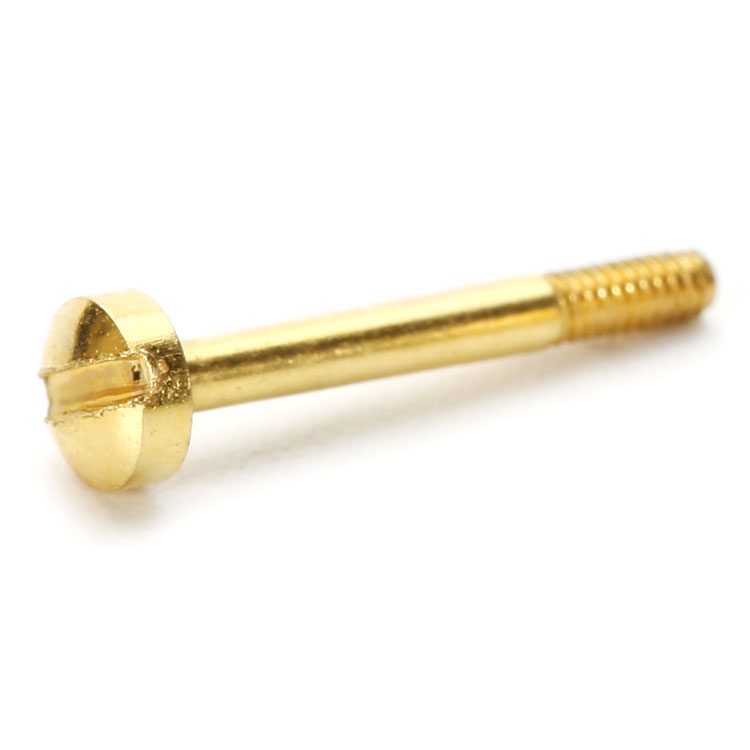
Type:Fillister Head Cap Screw
Materials:Copper
Surface treatment:Plain
Head Type:Fillister Head
Drive:Slotted
Thread:Half Machine Thread
Point:Blunt
Forming:Single Die Heading
Size:M1 M2 M3 M4 M5 M6 M7 M8 M9 M10 M14
Number:592-2
We make fillister head cap screws in copper alloy with a deep single slot, a domed head and a half machine thread, quoting them from M1 to M14. Head height, slot width, shank diameter, thread length and alloy are taken from your drawing, and the first article is tried with the blade.
Watch the factory video·Email sst@szsst88.com
ISO 9001:2015 · Manufacturing since 1998 · 8,678+ customers · 89 countries and regions
Made to order – there is no stock catalogue. Each part is produced to your drawing, and production starts after drawing review and first-article approval.
A fillister head cap screw is a machine screw with a high domed head, a straight cylindrical side and a deep single slot, driven with a flat blade. The recorded item on this page is copper with a plain finish, a fillister head and a half machine thread, quoted from M1 to M14 with Number 592-2.
Fillister head. A domed top over a cylindrical side, taller in proportion than a pan head and with a deeper slot than a cheese head. The dome is what gives the slot its depth, and the depth is what lets the blade stay engaged at a torque a shallow slot would not carry.
Single slot. One straight slot milled across the dome. The blade bears along the full width, the torque is limited by the blade rather than by a bit, and the head stays readable when it is small.
Half machine thread. Thread from the point to a defined position, with a plain shank under the head. The plain shank passes a clearance bore without cutting it and can locate the joint; the thread only has to clamp.
Copper alloy. Soft, conductive, non-magnetic and warm in tone. The drawing names the alloy — copper or brass — because the two behave alike in a thread and differ in colour, conductivity and how fast they patinate.
Plain finish. No coating. The metal is the finish, and on a copper alloy that means a tone that changes with handling and with the atmosphere rather than a film that chips off.
The head is headed and then the slot is milled, and the depth of the slot is the defining dimension of the form. A fillister head exists because the slot has to be deep enough to guide a blade straight at a torque that would wreck a shallow recess; take the depth away and the head is just a tall pan head with a groove in it.
On a fillister head cap screw the side of the head is straight and the top is domed, and on a small screw the transition between them is a short radius that the drawing usually leaves to the standard. Where the head is visible this matters: a radius that is too sharp reads as a machined edge, one that is too soft lets the head look like a button, and neither is the fillister form.
The plain shank under the head is what turns a clamping screw into a locating one. On a half thread the shank passes through the clearance bore in the top member without the thread cutting into it, and the thread engages only where the joint needs clamping. That is why a fillister screw turns up in hinges, linkages and instrument frames as well as in plain stacks.
The thread itself is a machine thread: a blunt chamfered end, made for a tapped hole or a nut, not for forming its own way in. On a copper alloy the thread is the soft part of the joint, so the engagement length carries more of the load than it would on steel.
The slot is milled after heading, and on copper alloys the burr is the feature that decides whether the blade enters. Copper and brass cut cleanly but fold at the slot edge instead of breaking, so a raised lip along one side of the slot will stop a blade even though the slot measures to width. Deburring is a process step on this part, not a finishing touch.
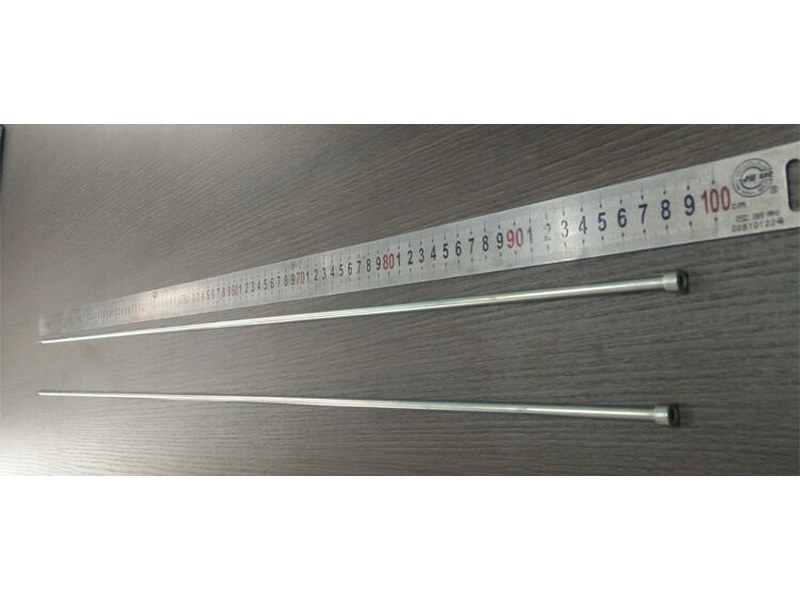
The family is quoted from M1 to M14, with M1, M2, M3, M4, M5, M6, M7, M8, M9, M10 and M14 in the recorded range. Custom lengths up to 2,000 mm are subject to DFM review after drawing submission; on a half thread fillister head cap screw the thread length and its position are quoted with the length, because the plain shank is part of what the customer is buying.
| Item | How it is defined | What we control |
|---|---|---|
| Head | Fillister, domed with a cylindrical side | Diameter, height and face squareness |
| Slot | Single, deep | Width, depth and deburring |
| Thread | Machine thread, half length | Thread length and position from the end |
| Shank | Plain, under the head | Diameter and length |
| End | Blunt, chamfered | Chamfer cut, not deburred |
| Length | From under the head to the end | Measured on the shop plate |
Slot width and depth are quoted from the drawing rather than assumed from a table, because the blade is the specification. A slot that is a shade narrow refuses a worn blade; one that is a shade wide lets the blade rock, and a rocking blade rounds the slot ends on a soft copper alloy faster than it would on steel.
Head height is the dimension that decides where the screw will go. A fillister head stands proud of the surface by more than a pan head, which is acceptable where the head is meant to be seen and a problem in a counterbore drawn for a lower head. Where the joint is recessed, the counterbore depth is set from the head height on the drawing.
Three features define a fillister head cap screw: the domed head gives a deep slot, the slot gives a drive that cannot easily be over-torqued, and the half thread lets one screw both locate and clamp. The head form is what people recognise, so it is worth setting it against the heads it is confused with.
| Head | Shape | Slot depth | Where it is chosen |
|---|---|---|---|
| Fillister | Dome on a straight side, tall | Deep | Visible instrument and electrical work |
| Cheese | Slightly domed, straight side, flatter | Shallow to medium | Plain cylindrical look, thinner joints |
| Pan | Low dome on a wide flat face | Medium | General assembly, load spread |
| Truss | Broad shallow dome, wide bearing face | Medium | Thin panels, wide bearing area |
The practical difference between fillister and cheese is the slot. Both are cylindrical, both are turned or headed with a straight side, but the fillister dome gives room for a deeper slot, and the deeper slot is what carries torque on a small screw. On a copper alloy, where the head is soft, that extra depth is the difference between a screw that comes apart cleanly and one whose slot has been widened by a slipping blade.
The half thread is the second half of the design. Where a fillister head cap screw is used in a hinge or a linkage, the plain shank is a running surface or a locating diameter and the thread only pulls the joint together. Specifying a full thread in that position is a common error: the thread cuts into the bore it should be passing through, and the joint loses the fit it was designed around.
The recorded finish is plain, which on a copper alloy means the metal as it comes off the tool, cleaned. There is no coating to fill the slot or to chip at the head, and the tone is the tell: copper reads red-gold and brass yellow, and both darken towards brown as the surface oxidises, which is either the reason the part was chosen or the reason it is rejected.
| Finish | How it protects | Effect on slot and thread | Typical use |
|---|---|---|---|
| Plain copper alloy | Natural oxide, no barrier | None; gauged as made | Electrical and decorative work |
| Clear lacquer | Thin organic film | Can bridge the slot edge | Decorative parts kept bright |
| Nickel plate | Hard barrier deposit | A few microns; slot re-checked | Wear resistance, bright finish |
| Tin plate | Soft barrier, solderable | Thin; slot re-checked | Solderable contacts |
| Gold flash | Thin noble deposit | Negligible build | Contacts and low-resistance joints |
Conductivity is often the reason for the material. Copper and brass carry current far better than steel, and a screw that is part of a current path has to keep that path through the thread and the bearing face rather than through a coating. A nickel or tin plating changes the resistance at the joint, which is why the plating is specified on electrical parts rather than left to the finish shop.
Two handling points come with the alloy. Copper alloys gall against themselves and against stainless, so a joint that is opened and closed repeatedly needs a lubricant or a different mating material. And copper alloys stain: handling leaves marks that become the patina, so parts that must arrive bright are bagged and handled with gloves.
Three assemblies where a fillister head cap screw in a copper alloy earns its place:
| Where it sits | The screw clamps a lug, a busbar or a contact where the joint carries current and the head sits on an insulating or metallic panel. |
| When it goes wrong | A steel screw adds resistance at the joint and a plated head changes it again; a loose joint heats. |
| Why it happens | The joint is part of a current path and the head is visible on a panel. |
| What we control | Alloy confirmed on the certificate, thread and head checked, plating stated on the drawing. |
| Where it sits | The screw fixes a plate, a hinge or a fitting where the metal is seen, the assembly must not be magnetic, and the tone of the fixing is part of the design. |
| When it goes wrong | A steel screw rusts at the slot in a damp cabin, and a bright plated head reads as a repair on a brass fitting. |
| Why it happens | The head is visible, the atmosphere is damp, and the fitting is a copper alloy. |
| What we control | Alloy and surface condition checked, slot deburred, parts bagged to keep the tone. |
| Where it sits | The screw holds a pivot, a link or a frame where the plain shank locates the joint and the deep slot lets a fitter set the fit by hand. |
| When it goes wrong | A full thread scores the bore, and a shallow slot slips before the joint is set. |
| Why it happens | The joint locates on the shank and is adjusted by hand. |
| What we control | Shank diameter and thread position checked, slot tried with a blade on the first article. |
Four reasons that matter on a copper alloy slotted head, each tied to what the drawing has to prove:
|
Alloy, slot and thread reviewed together
The alloy, the slot width and depth and the thread length are reviewed as one set, so a blade that would not enter or a thread that would score the shank bore is raised before the tools are set. Basis: Alloy, slot and thread reviewed as one set. |
Heading, slotting and threading in one route
The domed head is formed, the slot is milled and the thread is produced to the drawing in one route, so the shank diameter and the thread position stay related. Basis: One route from bar to finished screw. |
|
Slot tried with a blade
The slot is checked for width and depth and tried with a blade of the drawing width, because a deburring miss will refuse a blade that the gauge accepts. Basis: Slot tried with a blade on the first article. |
First article fixes the setting
The first article fixes the alloy, the head tool, the slot cutter and the thread pass; repeat orders are compared against that record. Basis: First article signed off before the batch is released. |
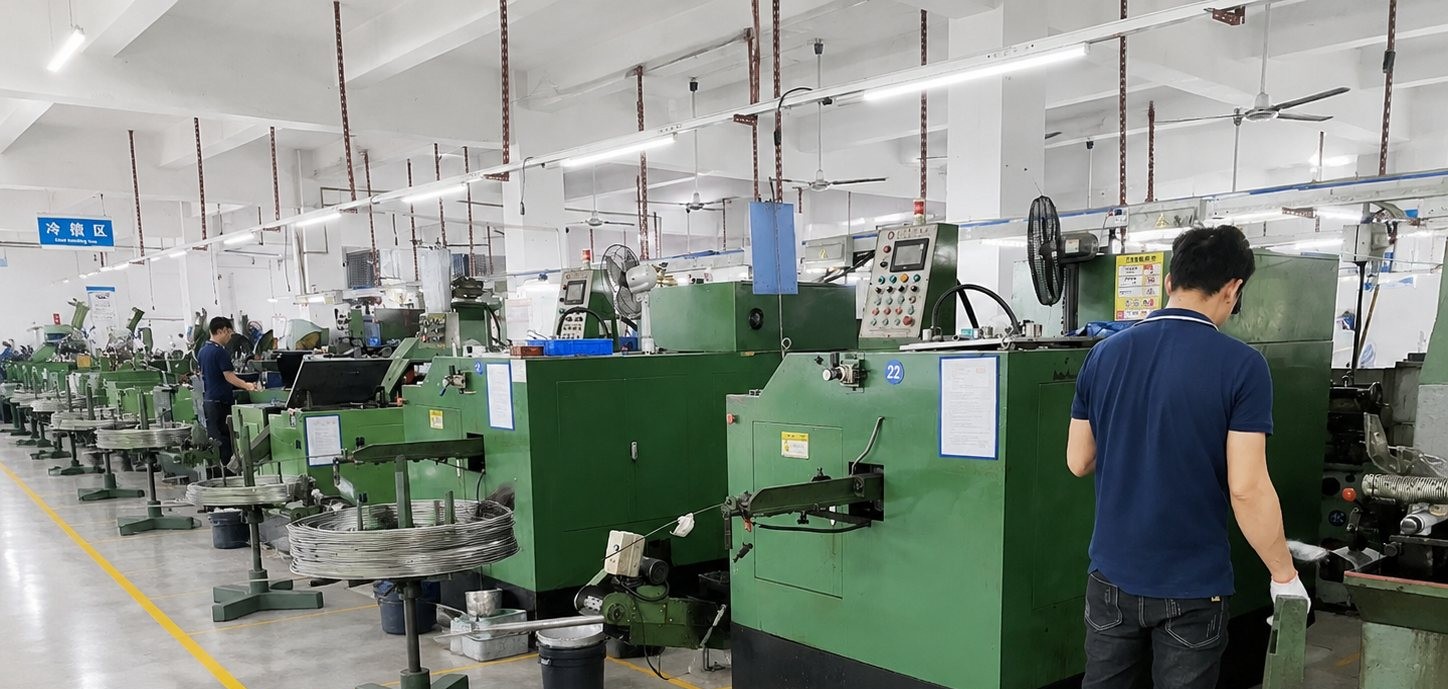
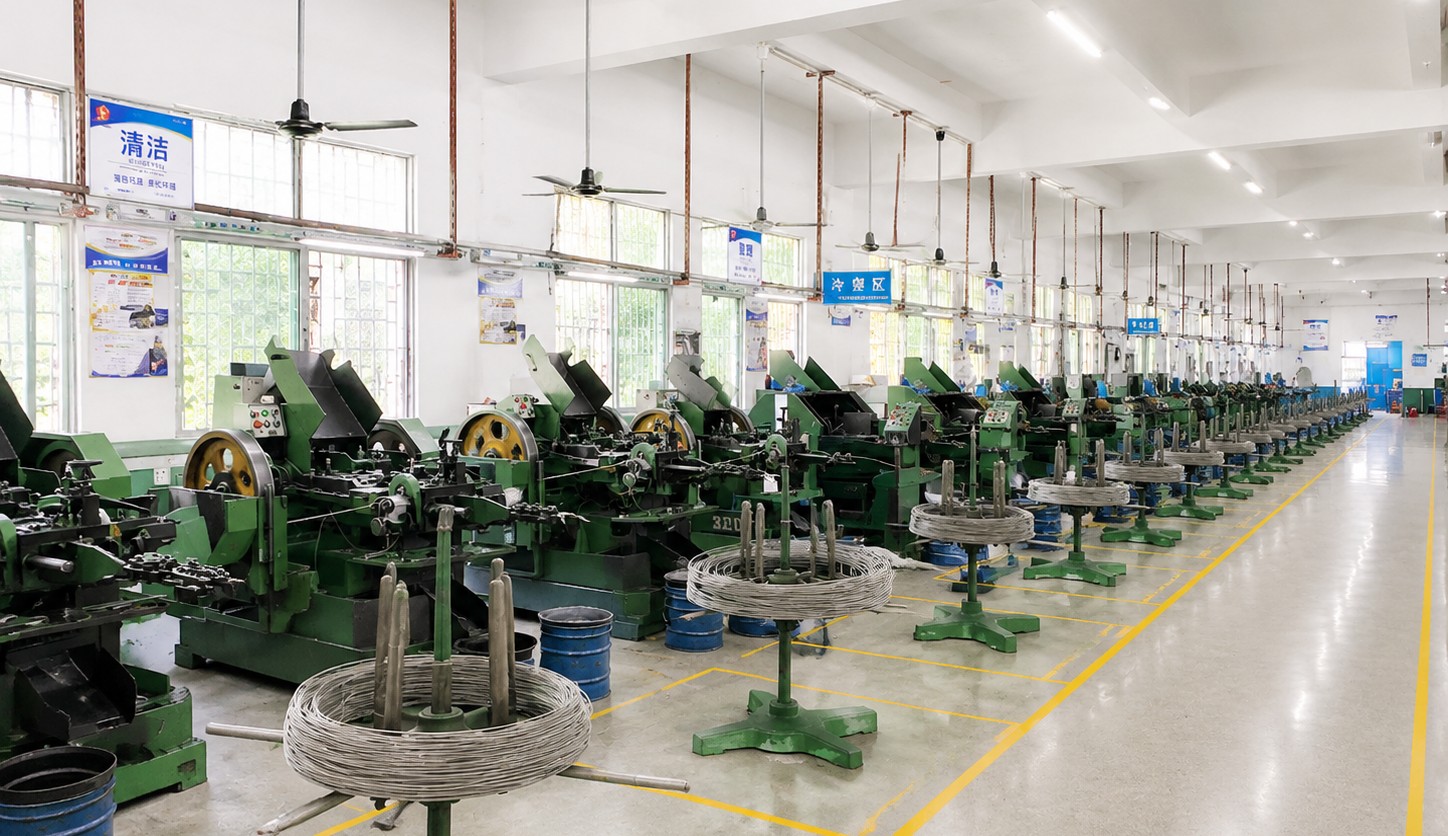
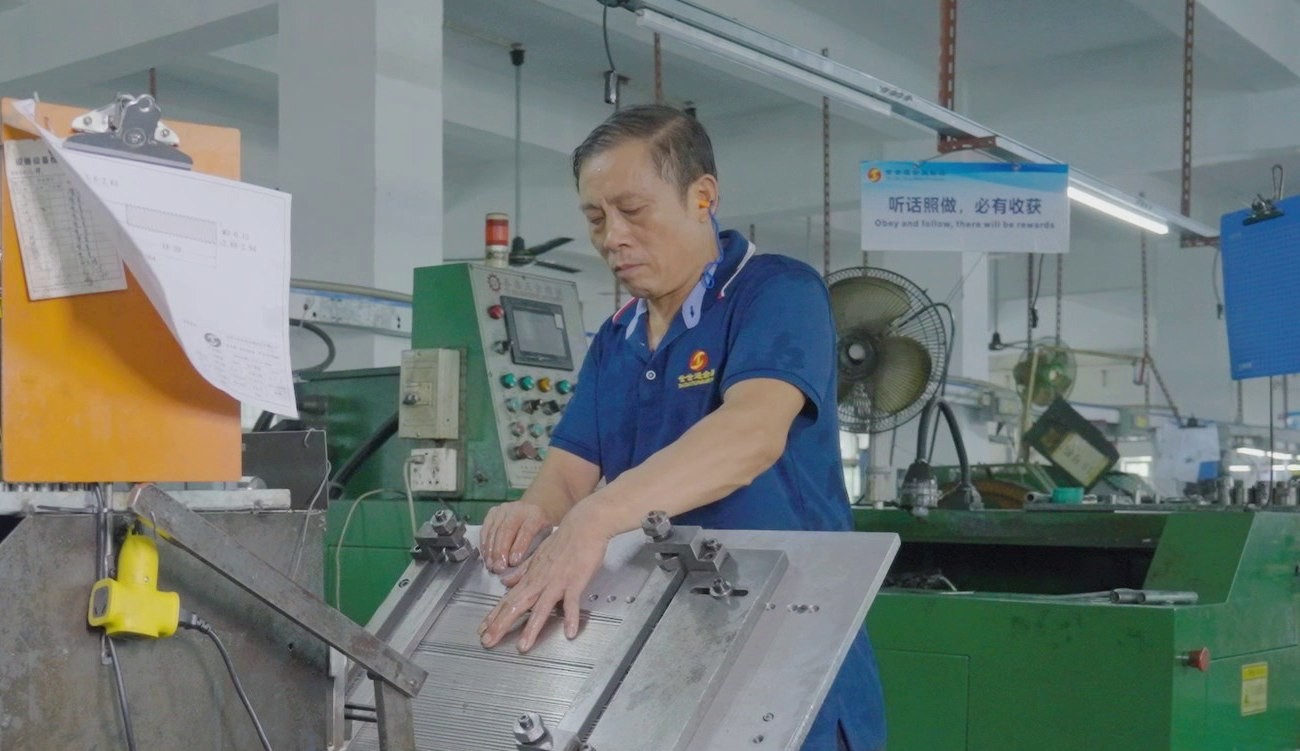
Shi Shi Tong forms and machines these fillister head cap screws from copper alloy bar: the head is formed and the dome turned, the slot is milled to the drawing width and depth, the plain shank is turned to its diameter and the half thread is cut from the point. The parts are deburred, cleaned and inspected before packing, and the first part of every run is measured on the head and shank, tried with a blade and entered into a thread gauge.
|
|
Copper alloys cut freely and that is the trap: a tool that is slightly blunt still cuts, but it pushes a burr to the edge of the slot instead of shearing it, and the burr survives the wash. The slot is therefore checked with a blade after deburring as well as after milling, and the check is done on the production blade rather than on a new one.
What decides whether fillister head cap screws pass is the head, the slot, the shank, the thread and the alloy. The inspection agreement covers those, and the criteria come from the drawing.
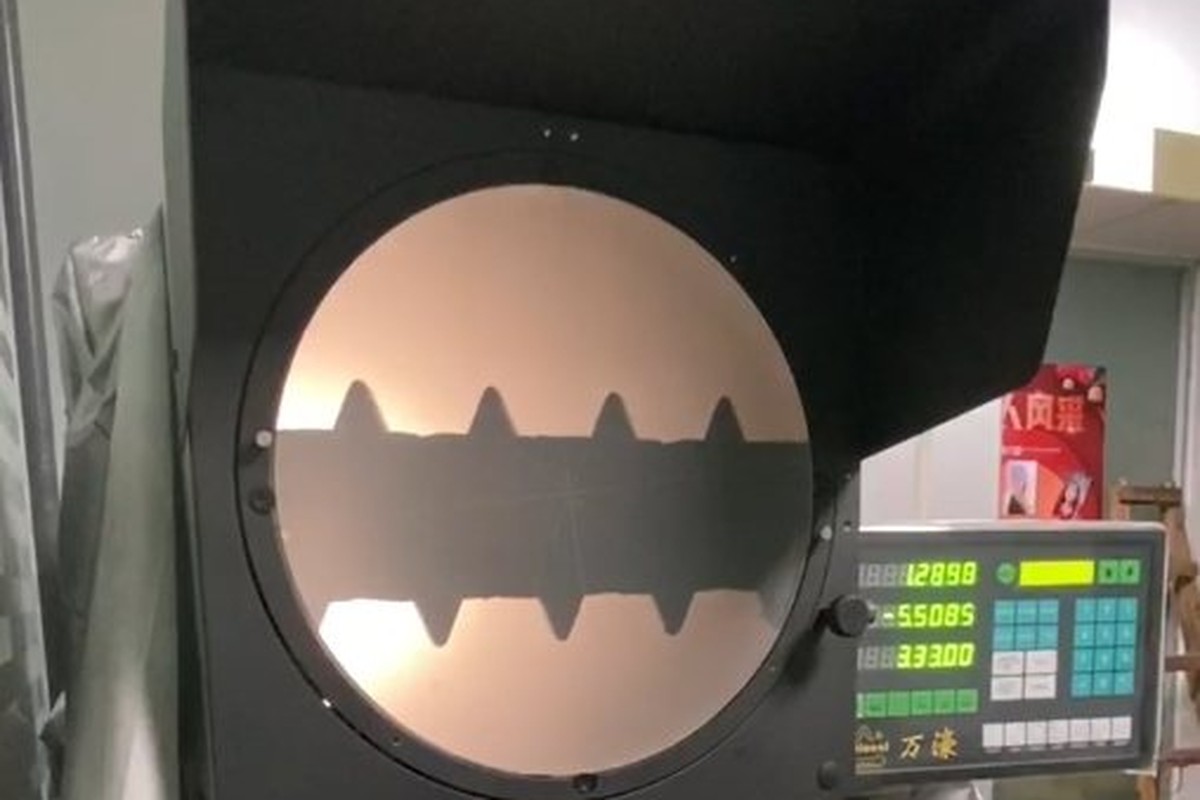
Head and slot on the projector |
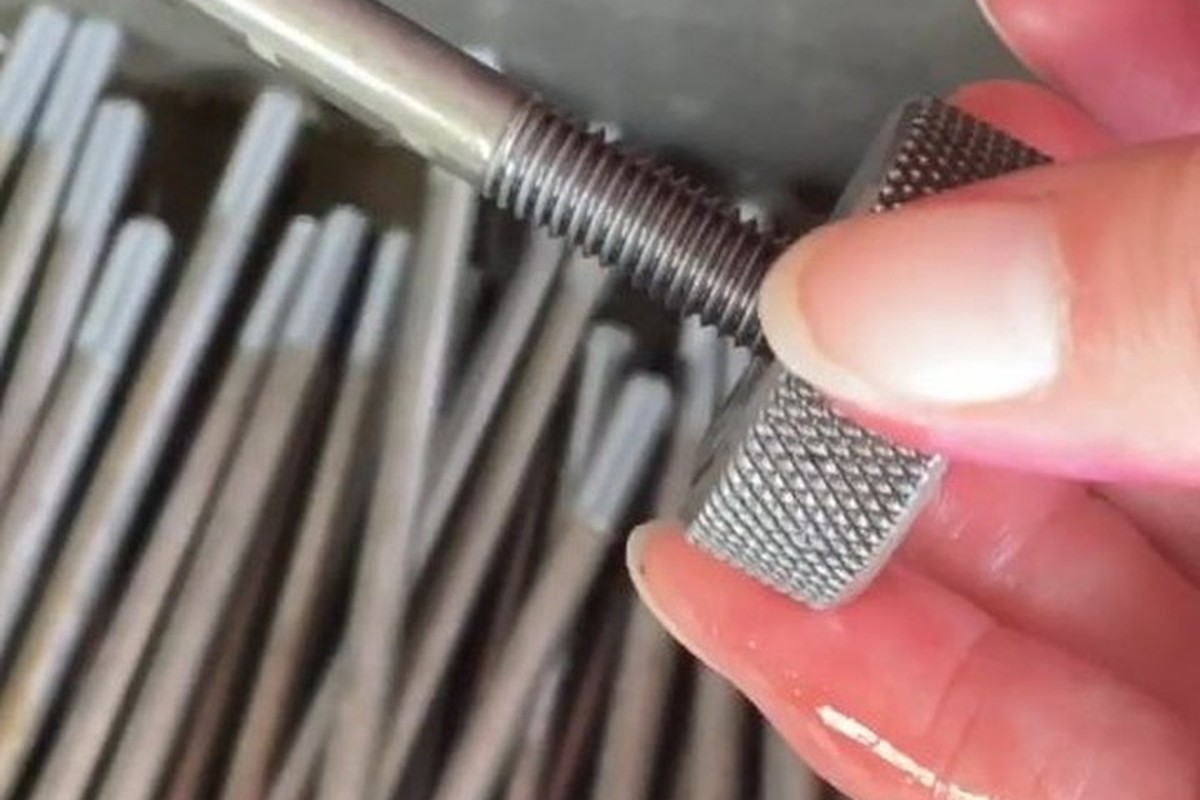
Thread gauged per batch |
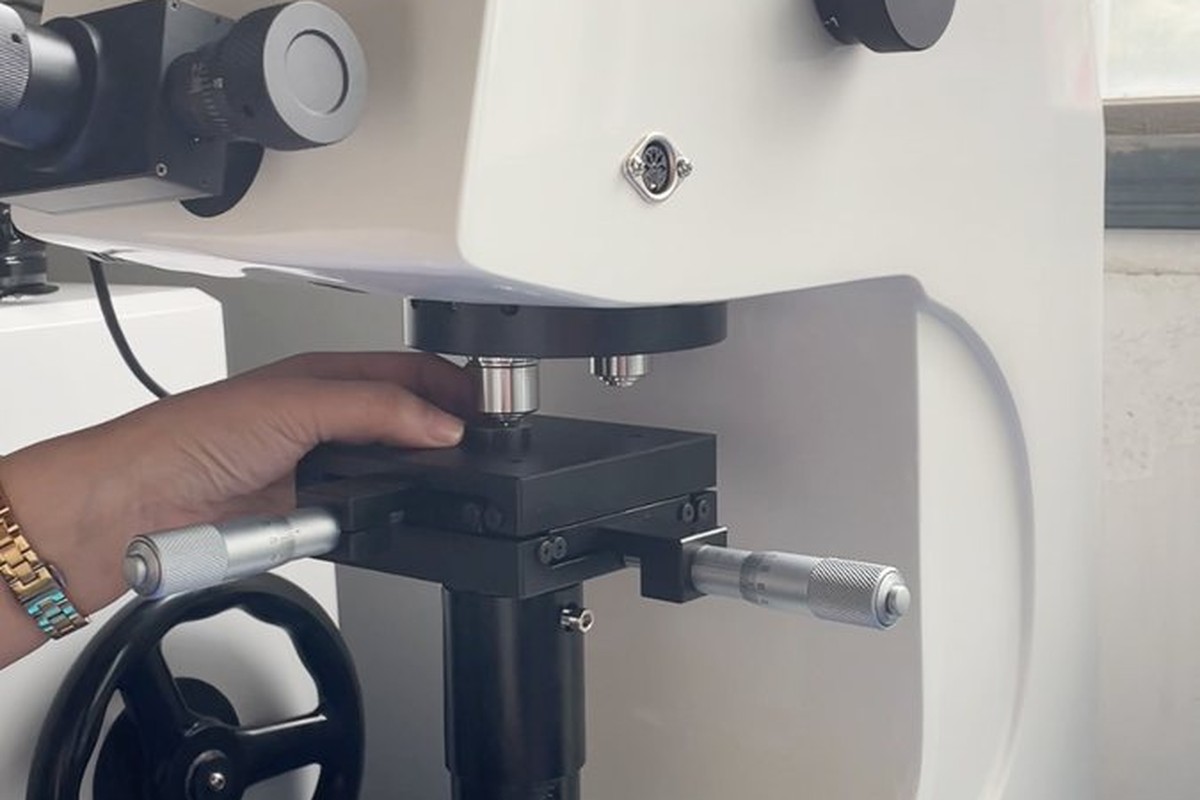
Hardness checked against the alloy temper |
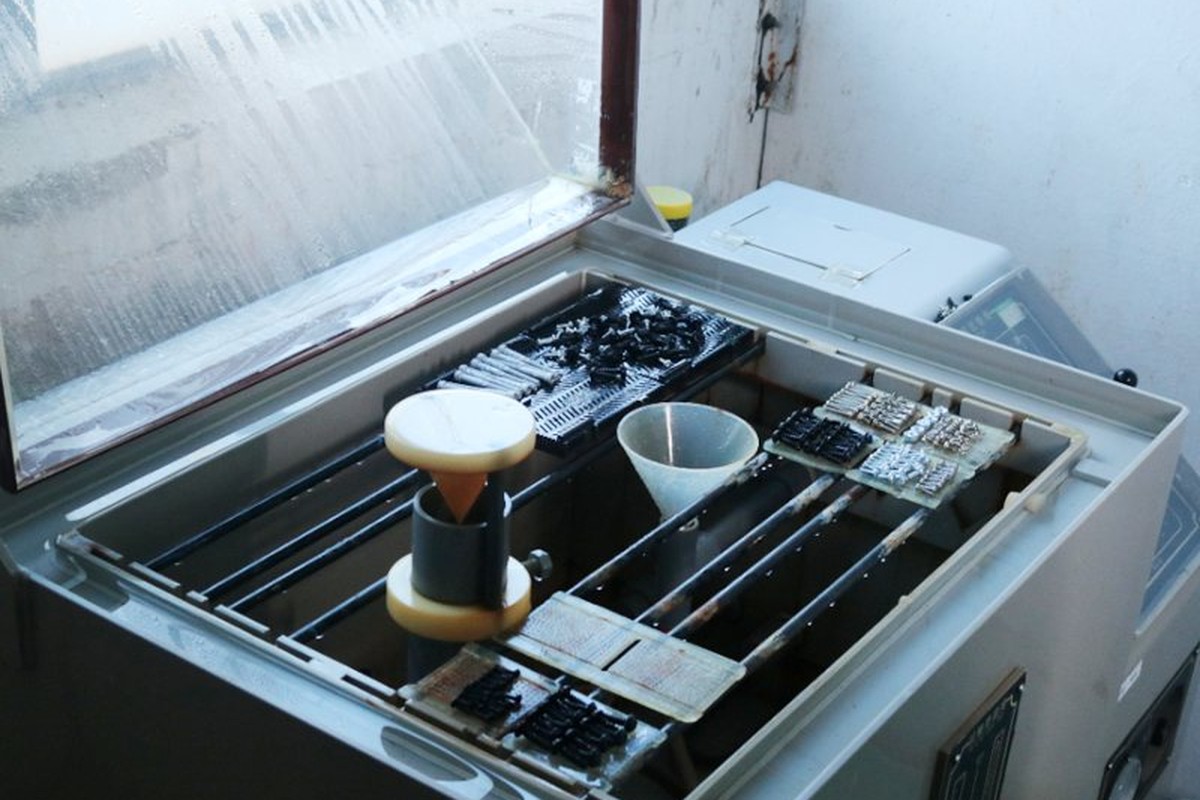
Salt-spray testing where a coating is specified |
The head of a fillister head cap screw is checked on the projector for diameter, height and the squareness of the bearing face. On a fillister head the height is the dimension that gets argued about, because a tall head is what the form is for and a head that has been dressed down to clear a counterbore is no longer a fillister.
The slot is checked for width, depth and position and then tried with a blade. The blade check is the one that catches the burr, and the burr is the defect that comes back from a customer: on a soft alloy the lip folds over the slot instead of breaking away, and no dimensional gauge sees it.
The shank is measured at two positions and, where the drawing makes it functional, against the bore it has to pass. A shank that is round and on size and still binds is a shank with the thread running too far up, and that shows as a polished band in the bore rather than as a mark on the screw.
Every shipment of fillister head cap screws is traceable to the bar it was made from. The alloy, temper and heat number are recorded on the material certificate supplied with the parts, and the inspection records follow the criteria agreed on the drawing.
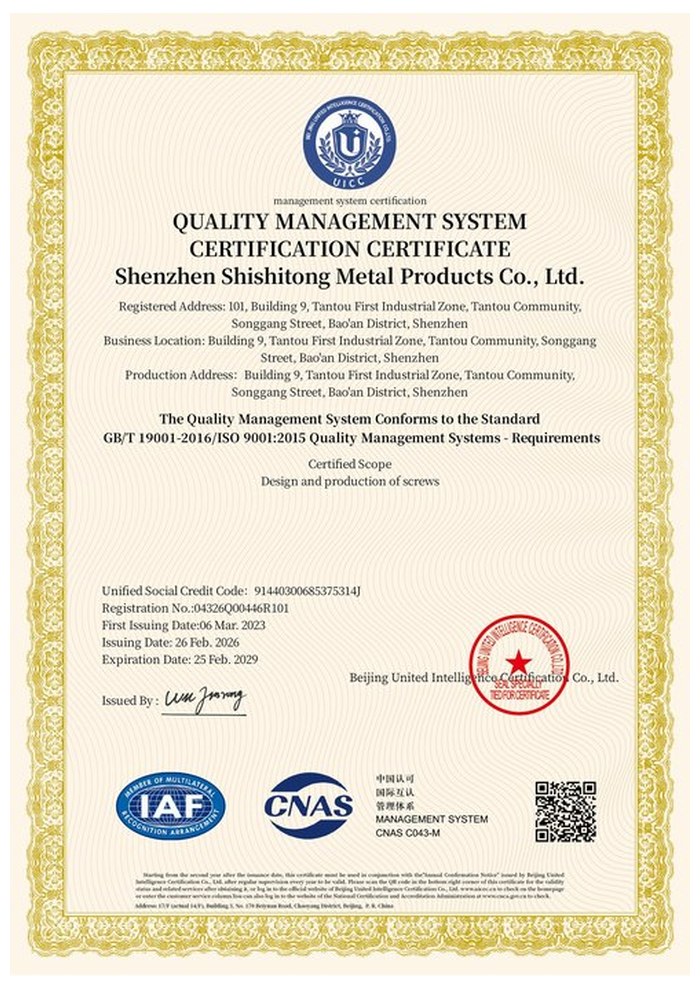
ISO 9001:2015 |
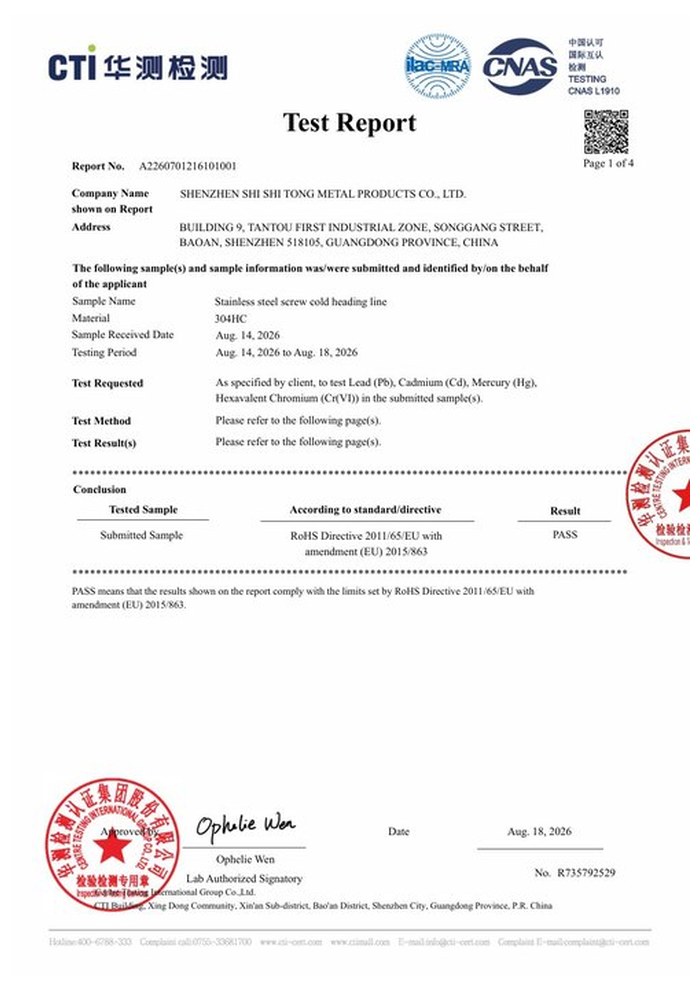
RoHS test report |
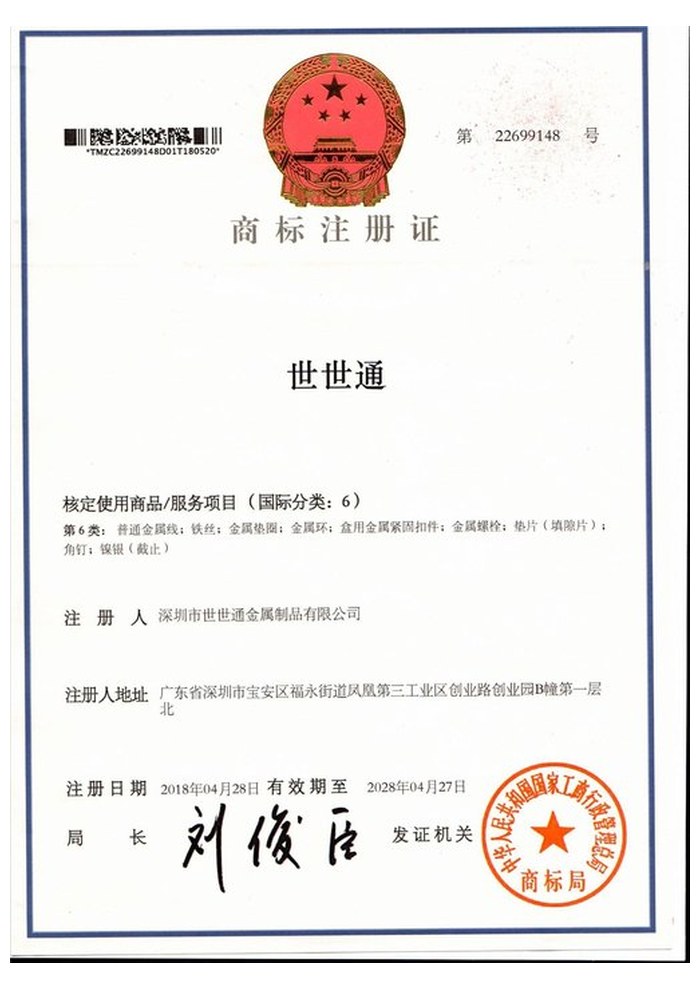
Registered trademark |
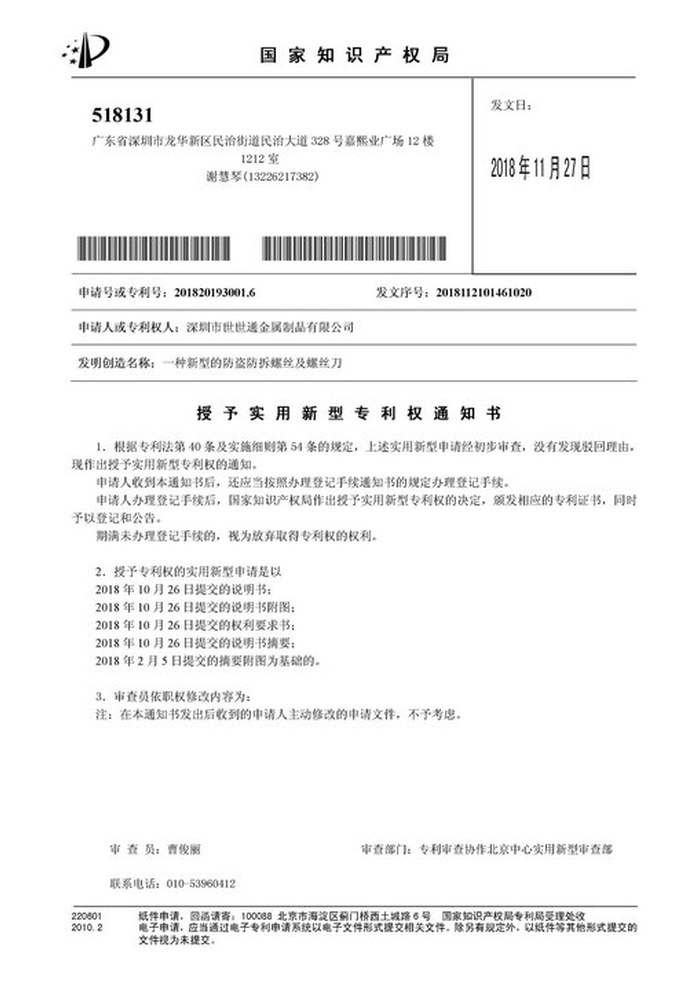
Patent: security screw and driver |
With each batch we supply the material certificate for the bar, the inspection record for the criteria on the drawing and, where it is listed, the third-party report for the alloy or the plating. The documents carry the drawing revision and the batch number, so the paperwork can be matched to the parts.
More than 8,678 customers in 89 countries and regions have ordered from Shi Shi Tong; 87% of orders come from repeat customers and 56% through referrals. Most projects follow the same route: drawing review, first-article approval, then batches checked against that sample. On a fillister head cap screw the first article is also the tone sample, so a batch that is on size and wrong in colour is caught before it ships. Buyers visit during the process to review samples and to see how the heads and slots are produced.
|
8,678+
customers served
|
87%
of orders from repeat customers
|
56%
of orders through referrals
|
89
countries and regions shipped to
|
Buyers and quality engineers visit for sample review, process discussion and supplier audits; the visit is arranged around production so the machines and the deburring bench can be seen on the day the parts run.

Customer group visit – sample review |

Customer group visit – process discussion |

Customer group visit – factory tour |

Customer visit – project kick-off |

Danish customer – drawing review |
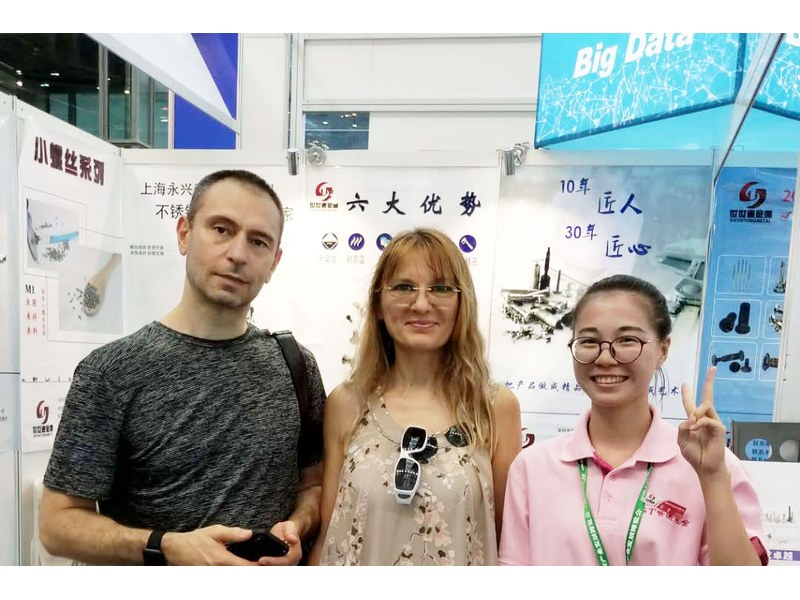
Industry exhibition – meeting customers |
The fillister head is taller with a deeper dome, which allows a deeper slot. The cheese head is flatter with a shallower slot. Both have straight sides.
So the plain shank passes a clearance bore without cutting it and can locate the joint. The thread only has to clamp, which suits hinges, links and frames.
The drawing names the alloy. Both are copper alloys and behave alike in a thread; they differ in colour, conductivity and how quickly the surface darkens.
As much as the blade and the slot depth allow — more than a shallow cheese head, less than a socket drive. It is set by the slot on the drawing, not by how hard the driver pushes.
Yes, and that is one of the reasons for the alloy. The plating then matters too, because it changes the resistance at the thread and the bearing face.
Head diameter and height, slot width and depth, thread size with its length and datum, plain shank diameter and length, overall length, alloy and finish.
How a fillister head cap screw project runs from drawing to repeat delivery:
|
1
Send the drawing or the mating part
|
→ |
2
Alloy, slot and shank review
|
→ |
3
First article tried with the blade
|
→ |
4
Batch production and repeat orders
|
Each step is confirmed with you before the next one starts; the drawing revision from the first article is what repeat orders are checked against.
For a quotation, send the drawing with the head diameter and height, the slot width and depth, the thread size with its length and datum, the plain shank dimensions, the alloy and the finish.
|
Head diameter
|
Head height
|
Slot width
|
|
Thread and length
|
Shank dimensions
|
Alloy and finish
|
Sending a drawing? The form below does not take attachments. Email the PDF, DXF or STEP file to sst@szsst88.com with the part name and quantity in the subject line – the drawing is reviewed and a quotation follows.

 +86 13143444311
 sst@szsst88.com