Tel:
+86 13143444311
Email:sst@szsst88.com
Fax:+0086-755-27322278
Address:Building 9, First Industrial Zone, Tantou Industrial City, Songgang Street, Baoan District, Shenzhen 518105, Guangdong, China
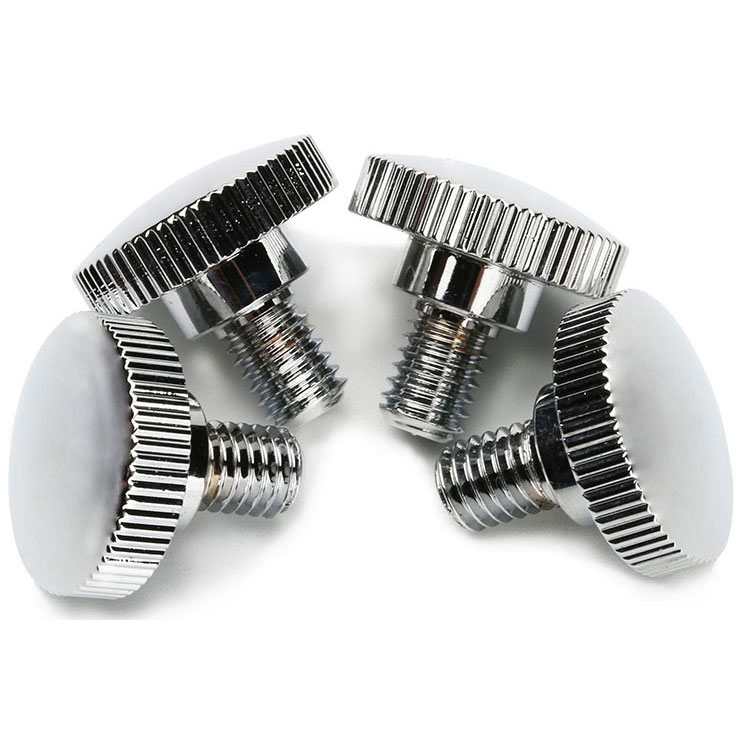
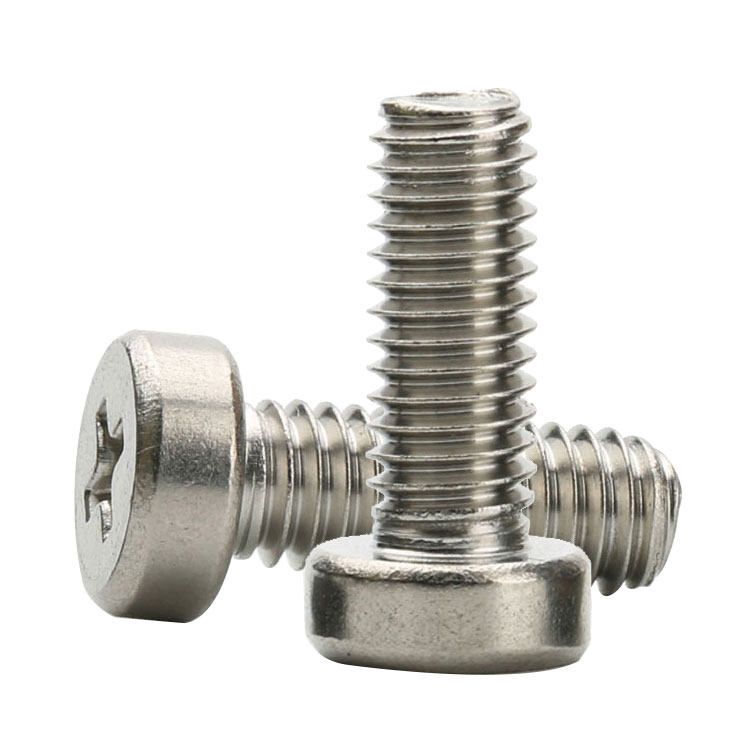
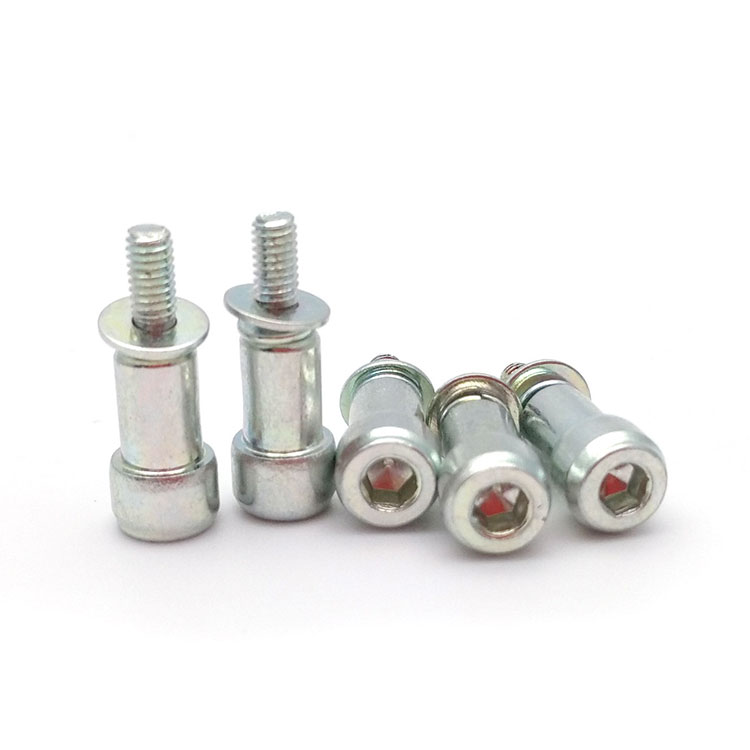
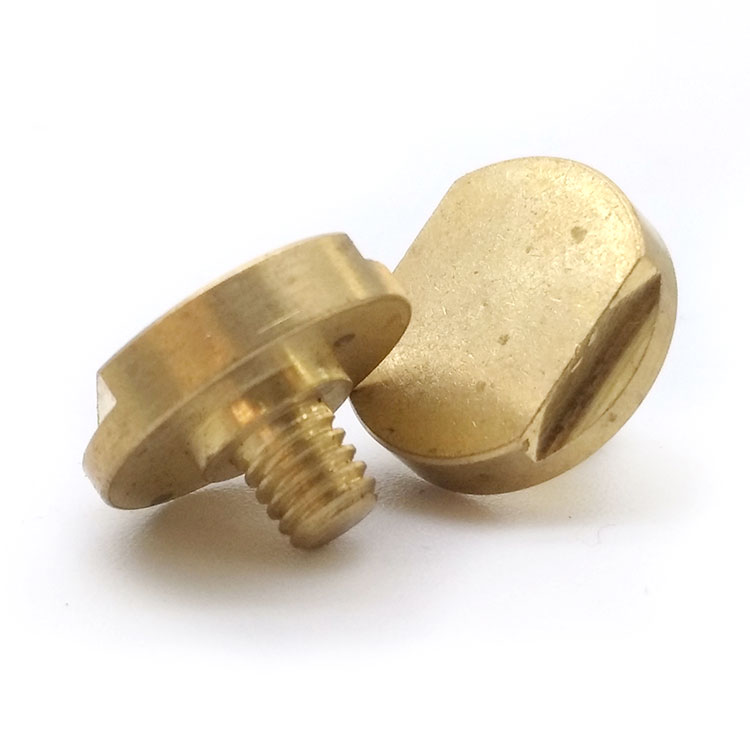
Type:Fillister Head Screw
Materials:Carbon Steel
Surface treatment:Nickel Plated
Head Type:Cylindrical fillister head
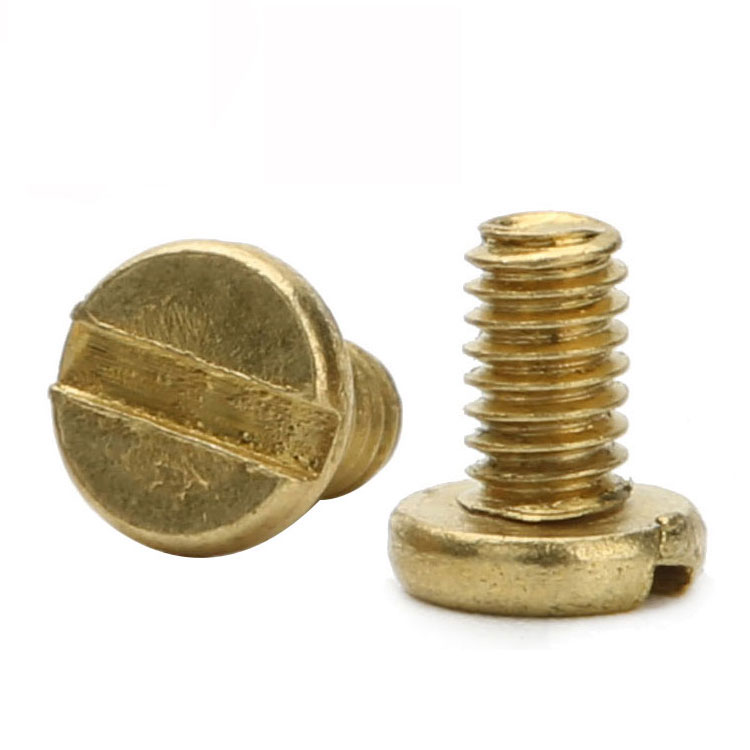
Drive:Single slot (blade)
Thread:Machine thread, partial
Point:Plain, chamfered
Forming:CNC turning; slot milled
Size:M1 M2 M3 M4 M5 M6 M7 M8 M9 M10
We make fillister head screws in carbon steel with a nickel plate, a tall cylindrical head, a single slot and a locating shoulder, quoted to the drawing. The head height is what buys the slot depth, so the two are agreed together, and the first article is driven with your blade and fitted into the bore.
Watch the factory video·Email sst@szsst88.com
ISO 9001:2015 · Manufacturing since 1998 · 8,678+ customers · 89 countries and regions
Made to order – there is no stock catalogue. Each part is produced to your drawing, and production starts after drawing review and first-article approval.
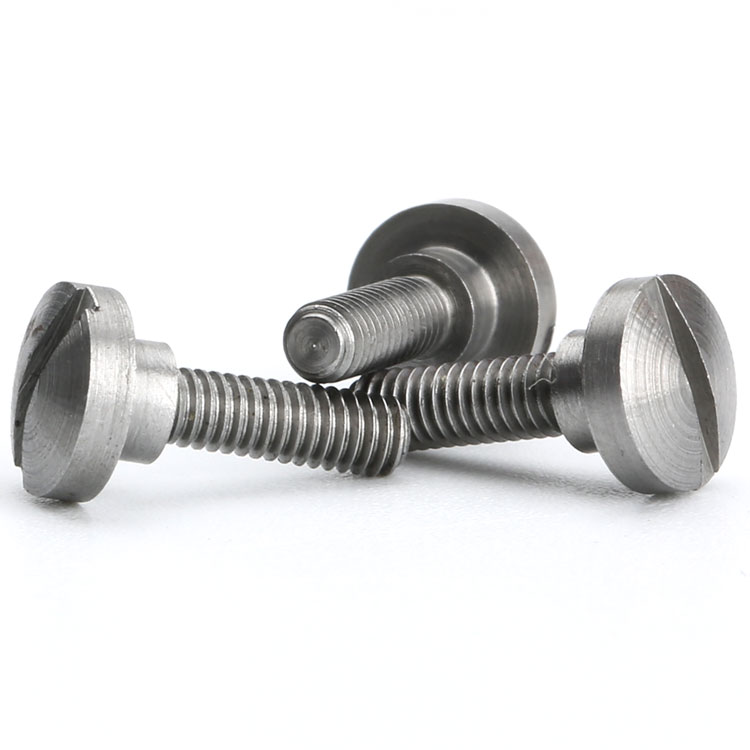
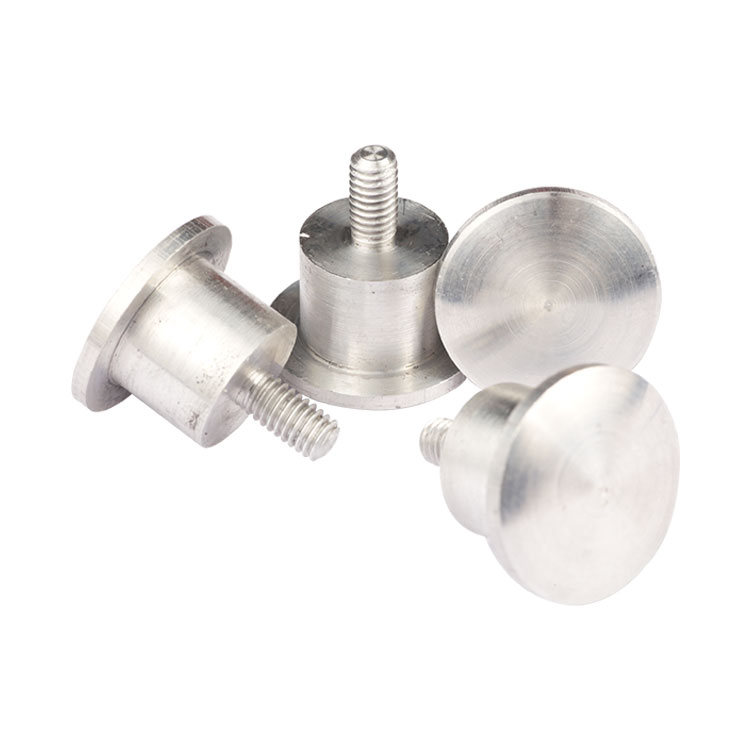
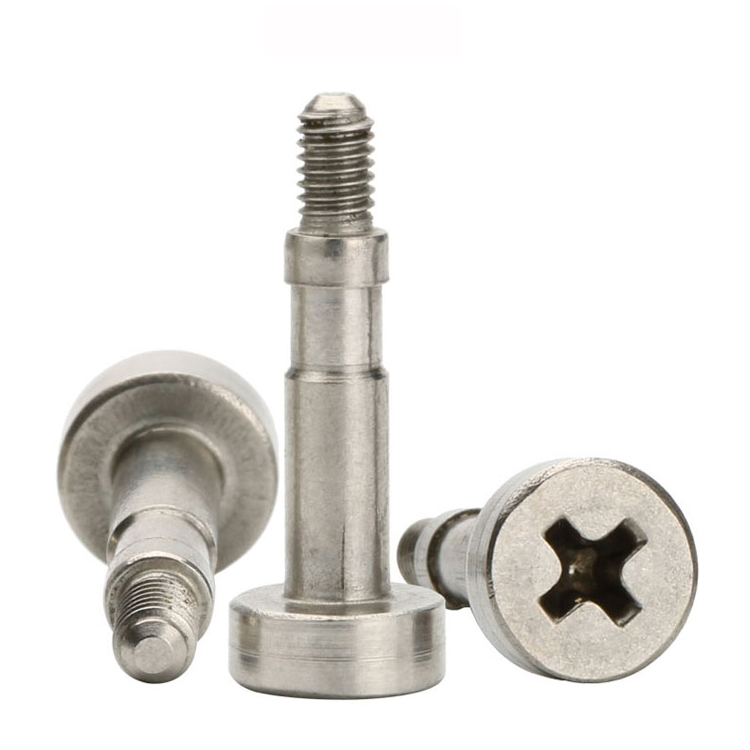
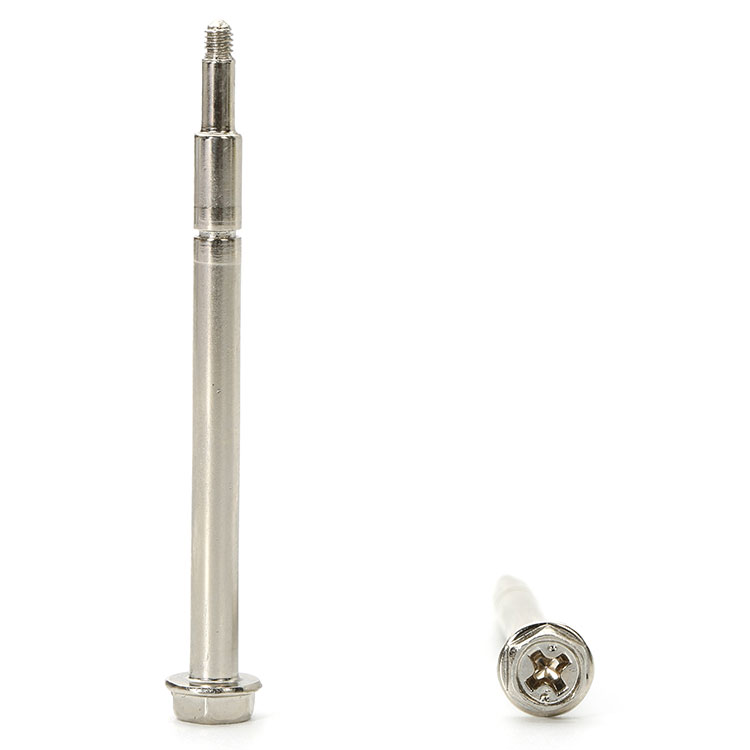
A fillister head screw has a tall cylindrical head with a flat top and a single slot across it, and it is often made with a shoulder below. The part recorded here is carbon steel with a nickel plate, quoted from M1 upward with the shoulder made to the drawing.
Fillister head. A cylindrical head taller than a pan head, with a machined side wall and a flat top.
Single slot. A slot cut across the head, deep enough to take a blade because the head is tall.
Shoulder. A locating diameter under the head that sets the position of the part.
They are used on instruments, older equipment and repaired assemblies where a slotted drive and a locating shoulder are both part of the design. A fillister head screw is also the form that matches the original hardware when a period assembly is repaired rather than redesigned, which is why the head height is often copied from an old part rather than chosen new.
A slotted drive has a property that decides the whole head form: its torque capacity depends on how deep the slot can be cut. A blade bears on two walls of a slot, and a deeper slot puts more wall in contact and keeps the blade from riding up. On a head that is only a few tenths of a millimetre high there is not enough material to cut a usable slot, which is why slotted screws have historically been made with tall heads.
The fillister head is the practical answer to that. It is a cylinder with a flat top, taller than a pan head and much taller than a low or countersunk head, so the slot can be cut to a depth that actually transmits torque. The flat top also gives the blade a clean bearing surface, and the cylindrical side wall gives a second place to grip the screw when it has to be held or adjusted.
That second point matters more than it looks. A fillister head can be held with pliers or a collet on its side wall, or guided by a bushing that fits over it, which a domed or countersunk head cannot offer. On instrument work and on assemblies where the screw has to be positioned by hand before the blade is used, the wall is the feature that makes it practical.
The cost is height. A fillister head adds its full cylinder above the surface, so it changes the stack where it is used. On a shoulder screw that shows up as a longer overall part and a different clearance above the panel, which is why a fillister form is chosen for function rather than for a low profile.
The shoulder underneath is the other half of the traditional design. The fillister head locates nothing by itself; it is the shoulder that sets the position, and the thread behind it that holds. Together they make a part that can be adjusted with a blade and still locate a moving component to a defined diameter.
The part is quoted to the drawing with the head, the slot and the shoulder stated separately. Custom lengths up to 2,000 mm, subject to DFM review after drawing submission. The quotation for a fillister head screw carries the head diameter and height, the slot width and depth, the shoulder diameter and length, and the thread.
| Item | How it is defined | What we control |
|---|---|---|
| Head | Cylindrical fillister | Diameter, height and side wall |
| Slot | Single slot | Width, depth and edge finish |
| Shoulder | Locating diameter | Diameter, length and roundness |
| Thread | Machine thread behind the shoulder | Size, length and start |
| Plate | Nickel | Thickness and coverage |
| Bore | In the customer part | Agreed with the shoulder |
The head height and the slot depth are a pair. The slot is cut into what the head height provides, and asking for a deeper slot than the height allows turns the screw into a thin-walled tube rather than a fastener.
The slot width is stated because the blade is chosen by it. On a fillister head a slot that is a little narrow will not take the blade, and one that is a little wide lets the blade rock and burr the edges.
The shoulder is agreed against the bore, as on any locating part. The shoulder length is measured from the head underside, so the head height is included in the stack above it and has to be accounted for in the customer’s clearance.
Four properties decide fillister head screws, and each one carries a cost:
| Property | What it gives | What it costs |
|---|---|---|
| Tall head | A slot deep enough to drive | Adds height to the stack |
| Cylindrical wall | A surface that can be gripped or guided | Needs clearance around the head |
| Single slot | Simple tooling and inspection | Two narrow bearing edges |
| Nickel plate | Bright, hard, thin film | No sacrificial protection at a scratch |
The value is a slotted screw that can actually be driven, with a head that can be held during assembly and a shoulder that locates the part. That combination is why the form survives on instruments and older equipment.
The cost is the height and the two narrow slot walls. A fillister head is taller than almost any other form of the same thread, and the slot wears faster than a socket.
The recorded finish is nickel plated over carbon steel. It gives a bright, hard surface with a thin film, so the slot keeps its width and the cylindrical wall keeps its diameter, and the part suits visible instrument hardware.
| Option | How it protects | Effect on slot and head | Typical use |
|---|---|---|---|
| Nickel plated | Hard bright barrier | Thin build; slot width kept | Instrument hardware |
| Clear zinc | Sacrificial zinc | Build inside the slot; re-checked | General indoor work |
| Black oxide | Conversion film, oiled | No measurable build | Dark optical assemblies |
| Zinc nickel | Higher corrosion resistance | Build; slot gauged after | Damp and industrial |
| Stainless, passivated | Passive film, no coating | No build; different strength | Wet and food areas |
On a fillister head the slot is the feature with the least margin, so it is checked after plating. A layer that adds a few microns to both walls of a slot cut for a thin blade is enough to make the blade tight or to stop it entering.
The cylindrical wall is the other surface that matters, because it is what a bushing or a collet may grip. A plate that changes that diameter changes how the screw is guided, which on a locating part is a fit rather than a finish.
Three settings where a slotted drive and a locating shoulder are both needed:
| Where it sits | The screw locates a small plate or a mount where the setting is adjusted with a blade. |
| When it goes wrong | The slot rounds, or the adjustment drifts after setting. |
| Why it happens | The slot is too shallow for the blade, and the head is used as a bearing surface. |
| What we control | Slot depth and head checked; first article adjusted in the instrument. |
| Where it sits | The screw replaces a period part on equipment where the original drive was a slot. |
| When it goes wrong | The replacement looks wrong, or the head is the wrong height for the recess. |
| Why it happens | The head form and height were not matched to the original. |
| What we control | Head form and height checked against the original; first article fitted. |
| Where it sits | The screw is the pivot of a small arm where the head also acts as a guide or a stop. |
| When it goes wrong | The arm develops play, or the screw turns during use. |
| Why it happens | The shoulder is short of the bore, and there is no locking feature. |
| What we control | Shoulder fit and slot checked; first article cycled in the mechanism. |
Four reasons that matter on a head whose height exists to make the drive work, each tied to something the drawing or the first article proves. All four show in the sample.
|
Head height and slot stated together
The drawing states the head height and the slot depth as a pair, because on a slotted head one is bought with the other. Basis: Height and slot dimensioned. |
Slot cut on a finished head
The head is turned and faced before the slot is cut, so the depth is taken from the finished top face. Basis: Slot cut on finished face. |
|
Blade and bore both used
The first article is driven with the customer blade and fitted into the bore, because both the drive and the locating fit are part of the part. Basis: Blade and bore proved. |
Same limits on repeat runs
Head height, slot and shoulder are recorded with the drawing revision, so a repeat batch drives and locates the same. Basis: Same limits across orders. |
These screws are turned from carbon steel bar, with the cylindrical head turned and faced, the slot milled, the shoulder turned and the thread cut; the parts are then nickel plated. The first piece of every run is measured on head diameter and height, slot width and depth, shoulder diameter and length, and thread.


|

|
The head is turned as a cylinder before the slot is cut, and its height is what makes the slot possible. Cutting the slot after facing gives a clean floor and straight walls, which is what keeps the blade from riding up; a slot with a dished floor lets the blade rock even when the width is correct.
The slot is milled with a cutter thinner than the finished slot, and the depth is set from the finished top. On a fillister head the depth is a controlled feature rather than a maximum: too shallow and the blade cannot transmit the torque, too deep and the head becomes a thin tube.
The shoulder is turned after the head and measured from its underside, and the thread is cut behind it. Plating comes last and is kept thin, since the slot is checked with a blade after plating and the wall with a gauge.
What decides whether fillister head screws pass is the slot, the head and the shoulder. The inspection agreement covers those, and the criteria come from the drawing.

Slot and head on the projector |

Thread and start checked |

Core hardness checked |

Salt-spray testing where plated |
The slot is measured for width and depth and checked with a blade of the stated width on a sample from each batch. A slot that measures right but will not hold a blade is usually a burr on one wall rather than a dimension.
The head is checked for diameter and height, and the wall for surface marks. On a part that may be guided by its wall, a burr or a flat on the cylinder is a functional defect rather than a cosmetic one.
The shoulder is measured for diameter, roundness and length from the head underside, and a sample is fitted into the customer bore to confirm the locating fit. The slot and the shoulder are the two features the part exists for, and both are proved on the same sample.
Every batch of fillister head screws is traceable to the bar it was made from and to the plating lot that finished it. The grade and heat number appear on the material certificate supplied with the parts, and the plating report carries the layer thickness and the lot number.

ISO 9001:2015 |

RoHS test report |

Registered trademark |

Patent: security screw and driver |
With each shipment we supply the material certificate, the inspection record for the dimensions on the drawing, including the slot and shoulder, and the plating report. The records carry the drawing revision and the batch number, so a repeat order of fillister head screws drives the same way.
More than 8,678 customers in 89 countries and regions have ordered from Shi Shi Tong; 87% of orders come from repeat customers and 56% through referrals. Most projects follow the same route: drawing review, first-article approval, then batches checked against that sample. On a slotted part the first article is driven with the customer blade and fitted into the bore. Buyers visit during the process to review samples.
|
8,678+
customers served
|
87%
of orders from repeat customers
|
56%
of orders through referrals
|
89
countries and regions shipped to
|
Buyers and quality engineers visit for sample review, process discussion and supplier audits; the visit is arranged around production so the slot milling and the plating line can be seen on the day the parts run.

Customer group visit – sample review |

Customer group visit – process discussion |

Customer group visit – factory tour |

Customer visit – project kick-off |

Danish customer – drawing review |

Industry exhibition – meeting customers |
Because a slot needs depth. A slotted drive transmits torque through the slot walls, and a low head cannot provide enough wall.
Its cylindrical wall can be gripped or guided by a bushing, which helps when the screw has to be held during assembly.
The head does not locate anything; the shoulder sets the position and the thread holds. The two together make a locating screw.
Yes. A fillister head adds its full height above the surface, which on a shoulder screw changes the overall length and clearance.
It does. A layer that adds to both slot walls changes whether the blade enters, so the slot is checked in the plated state.
Head diameter and height, slot width and depth, shoulder diameter and length, thread, finish and the bore.
How a fillister head screw project runs from drawing to repeat delivery:
|
1
Send the drawing, the bore and the blade
|
→ |
2
Head, slot and shoulder agreed
|
→ |
3
First article driven and fitted
|
→ |
4
Batch production and repeat orders
|
Each step is confirmed with you before the next one starts; the drawing revision from the first article is what repeat orders are checked against.
For a quotation, send the drawing with the head diameter and height, slot width and depth, shoulder diameter and length, thread, finish and the bore.
|
Head diameter
|
Head height
|
Slot width
|
|
Shoulder diameter
|
Shoulder length
|
Thread
|
Sending a drawing? The form below does not take attachments. Email the PDF, DXF or STEP file to sst@szsst88.com with the part name and quantity in the subject line – the drawing is reviewed and a quotation follows.

 +86 13143444311
 sst@szsst88.com