Tel:
+86 13143444311
Email:sst@szsst88.com
Fax:+0086-755-27322278
Address:Building 9, First Industrial Zone, Tantou Industrial City, Songgang Street, Baoan District, Shenzhen 518105, Guangdong, China
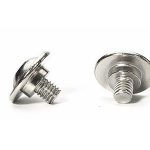
Type:Stainless Truss Head Screws
Materials:Stainless Steel
Surface treatment:Plain
Head Type:Truss Head
Drive:Phillips Cross
Thread:Self Tapping Thread
Point:Blunt Flat Point
Forming:Single Die Heading
Size:M1 M2 M3 M4 M5 M6 M7 M8 M9 M10 M14
Number:103
We make stainless truss head screws in passivated stainless, a wide shallow head with a cross recess, a tapping thread and a blunt point, quoting them from M1 to M14. Head, thread, point and pilot hole come from your drawing, and the first article is driven into your own panels.
Watch the factory video·Email sst@szsst88.com
ISO 9001:2015 · Manufacturing since 1998 · 8,678+ customers · 89 countries and regions
Made to order – there is no stock catalogue. Each part is produced to your drawing, and production starts after drawing review and first-article approval.
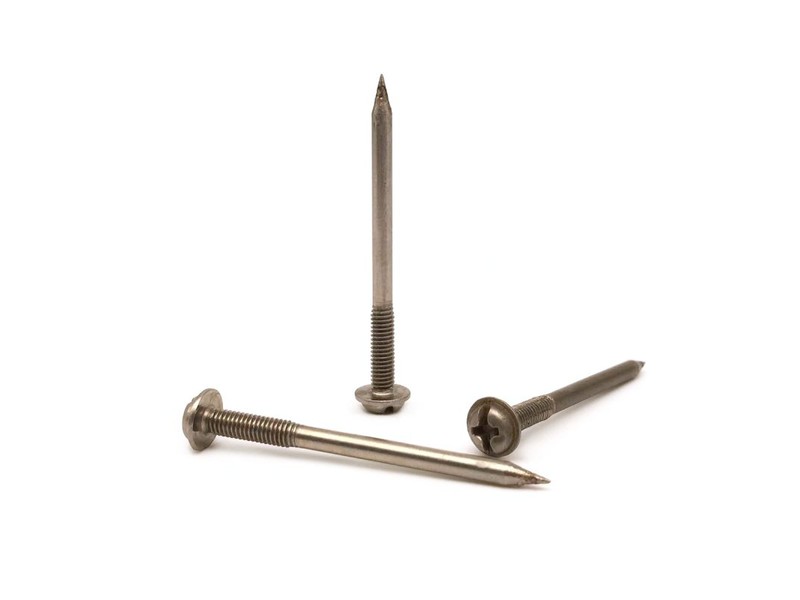
Stainless truss head screws are self-tapping screws with a very wide, shallow head and a Phillips cross recess, made in passivated stainless with a blunt flat point. The head spreads the clamp load over the widest ring of any common head, and the thread forms its own thread in a drilled or punched hole. This family is quoted from M1 to M14 with Number 103.
Truss head. A wide, shallow dome with a flat bearing face underneath, the largest bearing area of the low heads.
Cross recess. A Phillips recess with tapered walls, sized to cam out before the head is destroyed.
Self-tapping thread. A coarse thread with a sharp crest that forms its own thread in the panel.
Blunt flat point. A flat end with a short chamfer, made for a hole that is already formed.
Passivated stainless. No coating, so the head and thread are as made and the alloy carries the protection.
A stainless truss head screw puts two extreme features into one part. The head is the widest of the low forms, which is exactly what a thin panel needs, because the load is spread over a large ring instead of dimpling the sheet under a small one. The thread is a self-tapping coarse thread in stainless, which is the most demanding combination to drive, because stainless work-hardens and resists being formed into a groove.
The blunt point is what ties those two together. A sharp point is designed to find a hole and hold alignment while the thread starts; a blunt point assumes the hole is already there and that the screw will be driven into it squarely. On a punched or drilled panel that is the normal case, and a blunt point is the better choice because it will not wander off the hole or start a crack in a thin edge.
On stainless truss head screws the consequence is that the joint is only as good as the hole. With a sharp point, a slightly misplaced hole can be recovered by letting the point find its own way; with a blunt point, the screw goes where the hole is. On a jigged operation that is an advantage, because the hole is where the design says it should be; on hand assembly it means the hole quality is what determines whether the joint goes together.
On stainless truss head screws the driving is the other half of the job. The thread has to be formed in a material that gets harder as it is worked, so the torque rises as the screw goes in, and that torque arrives at a cross recess on a wide shallow head — the least forgiving combination in the range. A driver with a good bit and a torque setting is what keeps the recess intact on a panel that is going to be seen.
The passivation matters for the same reason it does on any stainless part. There is no coating to chip or wear, so the surface is the alloy all the way through, and a stainless truss head in a wet or outdoor joint keeps its appearance and its thread for as long as the equipment does.
The recorded range is M1 to M14, covering M1, M2, M3, M4, M5, M6, M7, M8, M9, M10 and M14. Custom lengths up to 2,000 mm are subject to DFM review after drawing submission. For stainless truss head screws the quotation carries head diameter and height, the recess size, thread size, point form and length, because the head is the reason for the part and the hole is what the thread has to suit.
| Item | How it is defined | What we control |
|---|---|---|
| Head | Truss head, wide and shallow | Head diameter and height |
| Recess | Phillips cross | Recess size and depth |
| Thread | Self-tapping, coarse pitch | Pitch and major diameter, gauged |
| Point | Flat, blunt with chamfer | Point diameter and chamfer |
| Finish | Passivated stainless | Surface condition and film |
| Length | Under the head | Measured on the shop plate |
Head diameter is worth comparing with the panel. The truss rim is wide enough that on a narrow margin it can overhang the edge of the sheet, which looks wrong and protects nothing. Where the margin is tight, a pan head of the same thread is the more sensible part even though it bears on less area.
The pilot hole should be quoted with the screw rather than fixed by habit. A hole sized for a steel self-tapping screw is usually too small for a stainless one, because the stainless thread needs more room to form without work-hardening the sheet; opening it a few hundredths lowers the driving torque and is often what saves the recess.
Three features define this part: the wide head, the tapping thread and the blunt point. The first spreads load, the second removes the need for a nut, and the third makes the entry square and predictable.
| Feature | What it gives | What it costs |
|---|---|---|
| Wide truss face | Load spread on thin sheet | Thin rim, easily bent |
| Self-tapping thread | No nut or tapped insert | High torque in stainless |
| Blunt point | Square entry into a formed hole | Needs an accurate hole |
| Cross recess | Common driver | Cam-out on a visible head |
| Passivated stainless | No coating to chip | Galls; cannot be over-driven |
On stainless truss head screws the wide face is the feature that earns the part. On sheet thinner than a millimetre, a small head concentrates the load and the panel dimples around every fixing; a truss head spreads the same load over several times the area and the panel stays flat. That is worth more than the extra material in the head.
On stainless truss head screws the thread and the point make the assembly work or fail. Because the point is blunt, the hole has to be in the right place and the screw has to be presented squarely; because the thread is stainless and coarse, the torque is high and the recess is the weak link. Neither is a reason to avoid the part, but both should be on the drawing rather than discovered on the line.
The recorded finish is passivation with no coating. On a self-tapping stainless screw that is the right choice: the thread cuts its own path and any coating on the crest would be scraped off in the act of forming the joint, so a coating would be decoration rather than protection. A passive surface has nothing to lose in that operation.
| Option | How it protects | Effect on thread and head | Typical use |
|---|---|---|---|
| A2 stainless, passivated | Passive chromium oxide film | As formed; no plate to scrape | General outdoor and indoor |
| A4 stainless, passivated | Passive film with molybdenum | As formed | Coastal and chemical |
| Steel, white zinc | Sacrificial zinc | Zinc scraped at the crest | Indoor sheet assemblies |
| Steel, black zinc | Sacrificial zinc, dark | Zinc scraped at the crest | Dark equipment |
| Aluminium, anodised | Hard oxide layer | Coating changes thread fit | Lightweight panels |
The choice between A2 and A4 follows the environment, as on any stainless part. A2 handles ordinary outdoor exposure; A4 is the answer where chlorides are present, which on a thin panel means a coastal installation or a washdown line where the joint is wet most of the time.
The one behaviour to plan for is galling during thread forming. A stainless screw forming a thread in stainless sheet can cold-weld before it seats, and the drive cannot tell a tight thread from a seized one. A lubricant on the thread, or a slightly larger pilot hole, keeps the torque inside what the recess can take.
Three assemblies where stainless truss head screws are the fixing:
| Where it sits | The screw joins a panel to a frame or to a second sheet where the material is thin and a small head would dimple it. |
| When it goes wrong | Dimpling around every fixing, and a hole too tight to form the thread without stripping. |
| Why it happens | The panel is thin, the fixing is repeated, and the head is visible. |
| What we control | Head diameter and thread checked, first article driven into the panel pair. |
| Where it sits | The screw closes a cover where the equipment is exposed to weather and the fixing is cleaned or sprayed. |
| When it goes wrong | A plated head rusts at the recess, and a bent truss rim reads as damage. |
| Why it happens | The joint is wet, the head is on show, and the part is stainless. |
| What we control | Grade confirmed, recess and head checked, passivation inspected. |
| Where it sits | The screw fixes a component into a moulded part where the wide face spreads load on soft material. |
| When it goes wrong | An over-driven screw strips the plastic, and a narrow head marks the surface. |
| Why it happens | The material is soft, the load is a bearing load, and the fixing is visible. |
| What we control | Face and thread checked, first article driven into the moulding. |
Four reasons that matter on a wide-headed self-tapping screw, each tied to what the drawing has to prove:
|
Head, thread and hole agreed
The head diameter, the thread and the pilot hole are confirmed together, because a stainless self-tapping thread needs a slightly larger hole than a steel one to drive without damage. Basis: Head, thread and hole agreed. |
Head, thread and passivation in one route
The wide head and the cross recess are formed in the heading stroke, the thread is rolled, the point is formed and the parts are passivated. Basis: One route with passivation last. |
|
Driven into the actual panel
The first article is driven into a panel of the customer thickness and pulled, because the joint is the only test that covers the hole and the thread together. Basis: First article driven into the panel. |
First article fixes the setting
The first article fixes the wire, the point die and the passivation; repeat orders are compared against that record. Basis: First article signed off before the batch is released. |
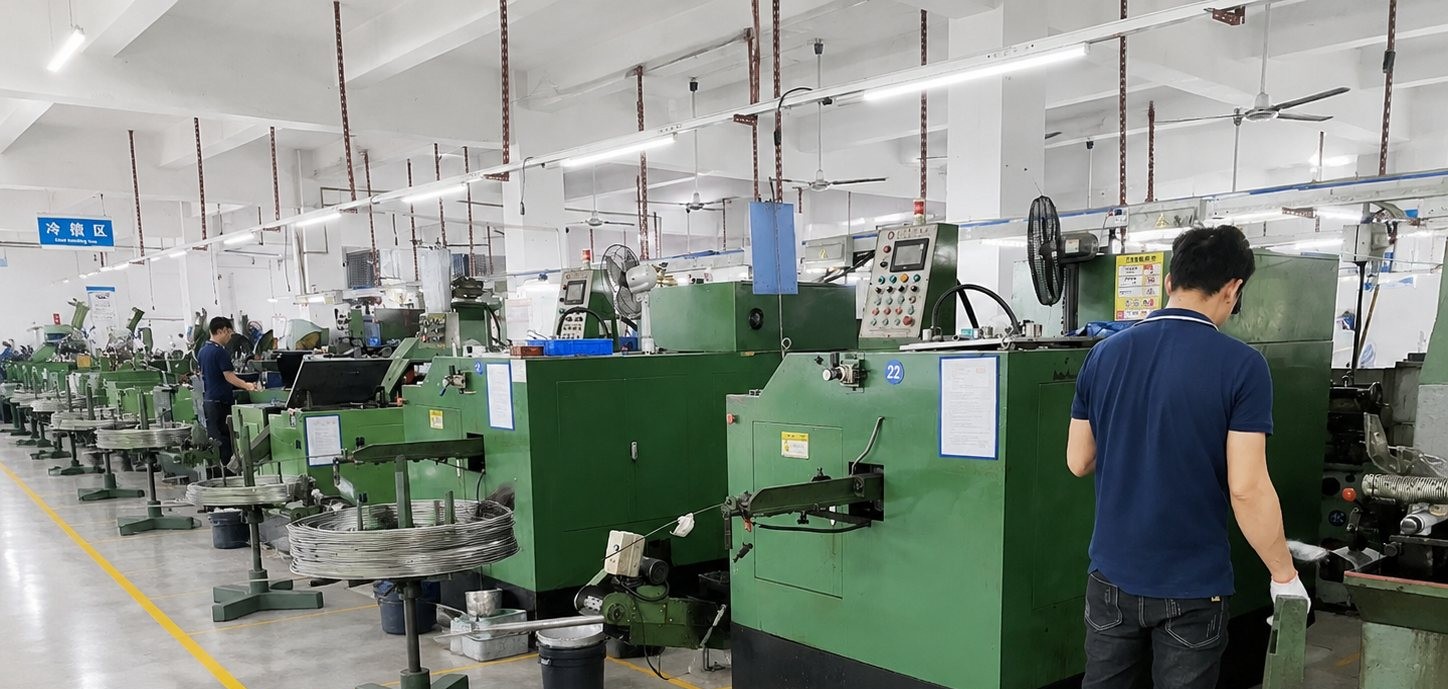
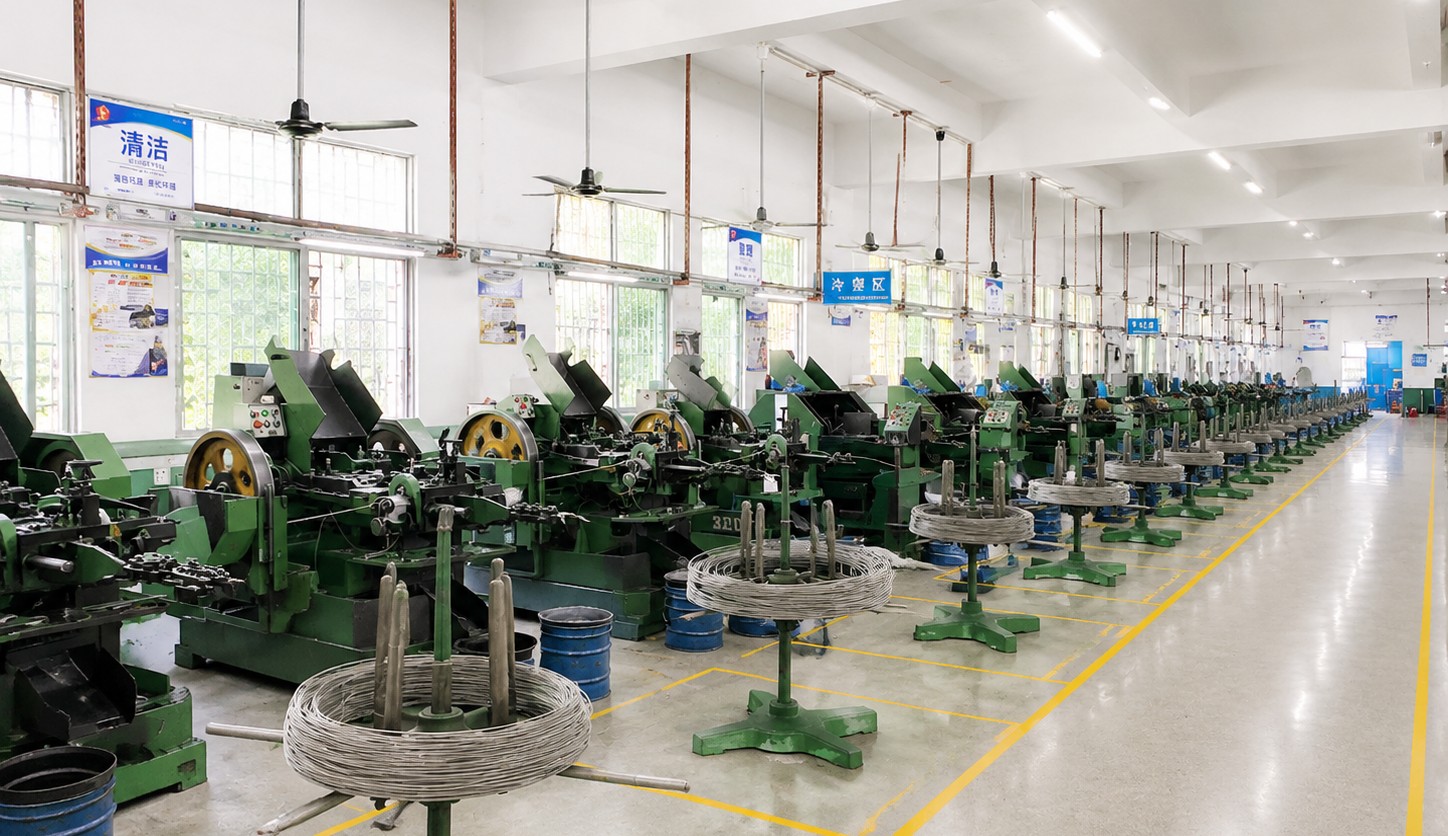
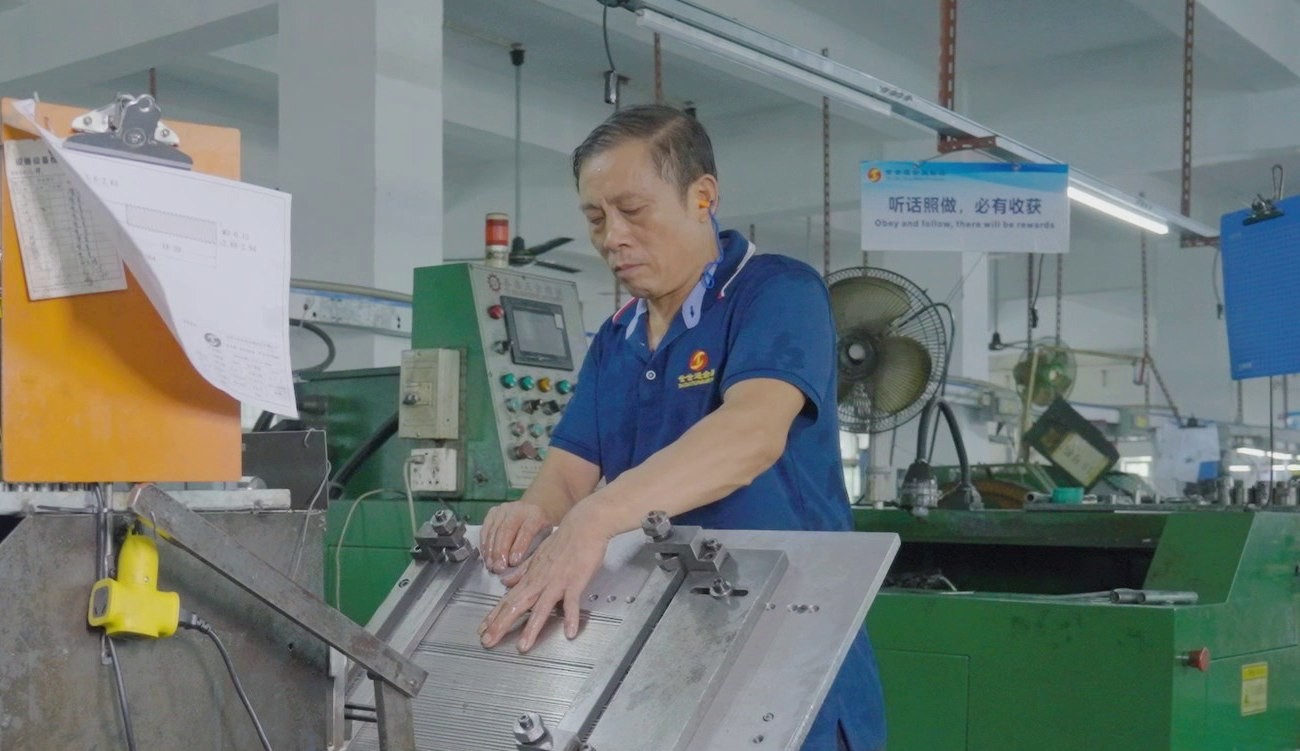
Shi Shi Tong forms these stainless truss head screws from stainless wire on single-die headers that form the wide shallow head and cut the cross recess in one stroke, rolls the self-tapping thread, forms the blunt point and passivates the finished parts. The first part of every run is measured on the head and point, driven into a panel of the customer thickness and entered into a thread gauge before the batch continues.
|
|
A truss head is formed by spreading the material wide, and the rim that results is thin. A die that is worn leaves a rim that is thinner still, or a dome that is slightly conical, and either way the head seats on its edge instead of on the face. The part looks like a truss head and bears like a much smaller one, which is why the face flatness is checked on every first article.
What decides whether stainless truss head screws pass is the head, the thread, the point and the alloy. The inspection agreement covers those, and the criteria come from the drawing.
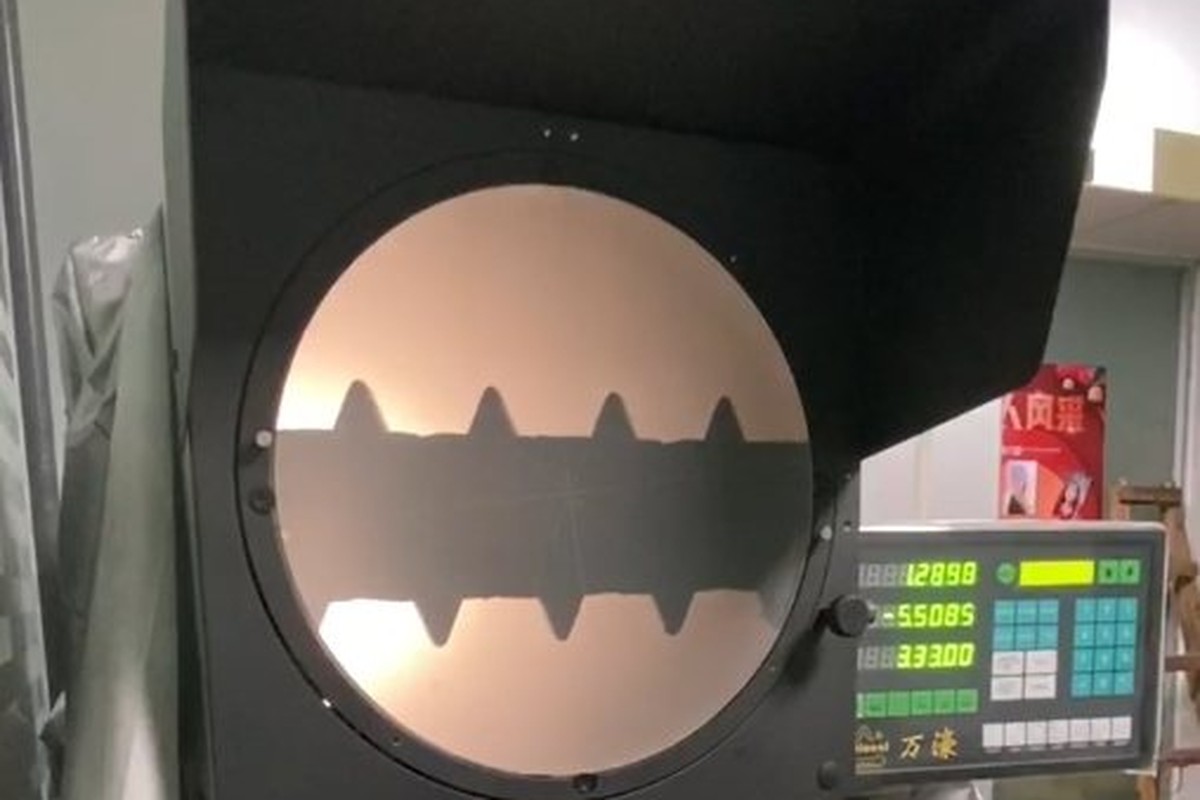
Head and point on the projector |
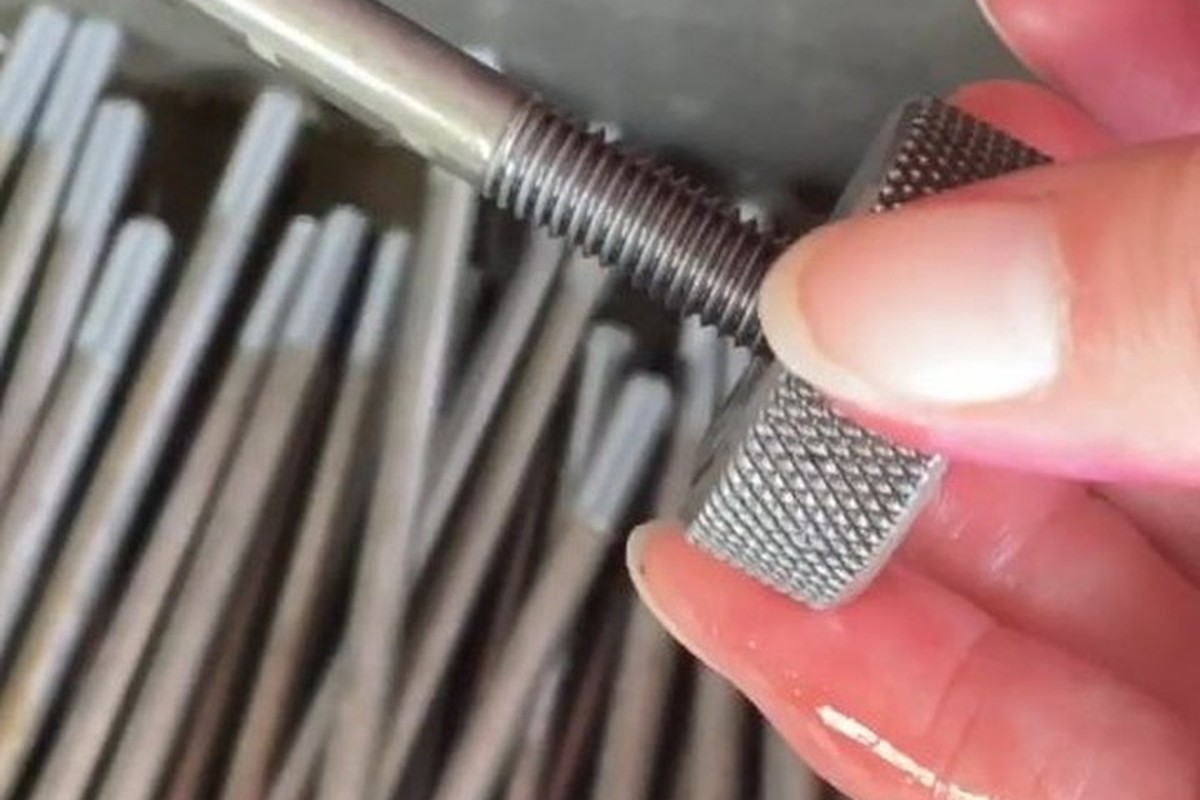
Thread gauged per batch |
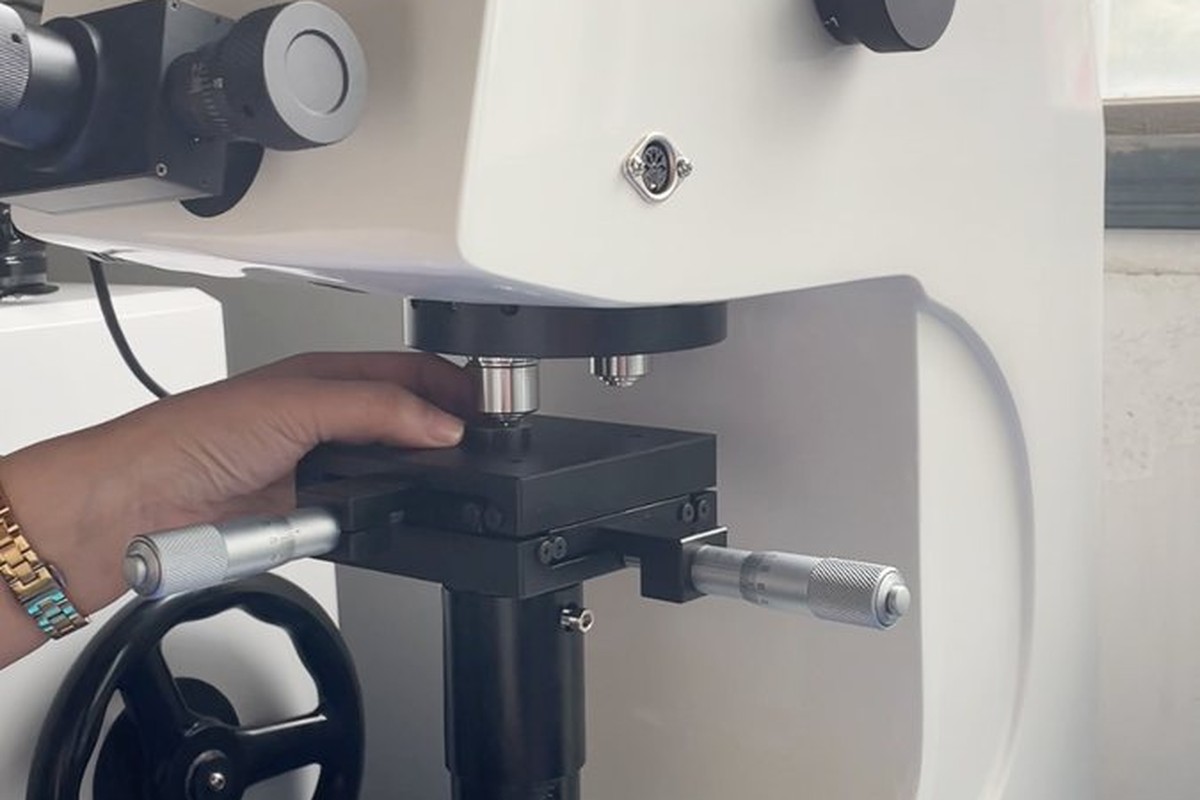
Hardness checked on the wire |
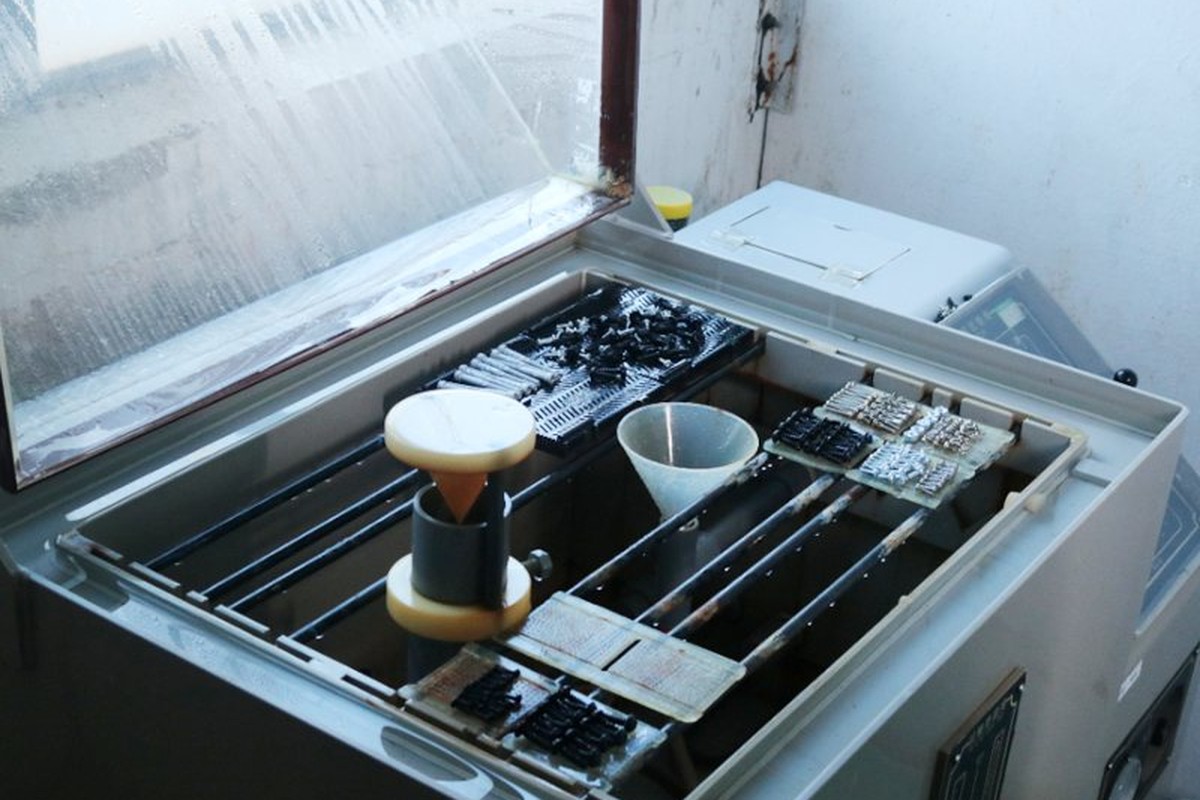
Salt-spray testing of the grade |
On stainless truss head screws the head is checked for diameter, height and face flatness, and the rim for bends. The thread is gauged per batch, the point is checked for diameter and chamfer, and the recess is driven with the production bit. Every first article is driven into a panel of the customer thickness, because on a blunt-pointed self-tapping screw that test is the one that predicts the joint.
The alloy is confirmed on the certificate and a salt-spray sample is run where the environment asks for it. On a stainless part the interesting result is always the thread and the recess, since those are the two places the part works hardest.
Every shipment of stainless truss head screws is traceable to the wire it was made from and to the passivation batch. The grade and heat number are recorded on the material certificate supplied with the parts, and the inspection records follow the criteria agreed on the drawing.
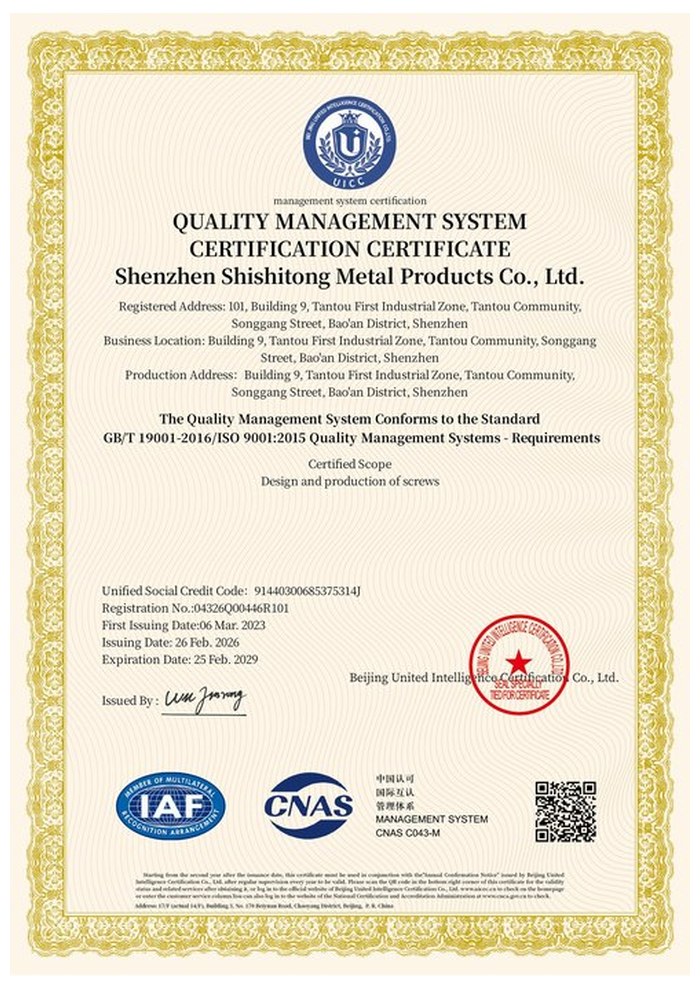
ISO 9001:2015 |
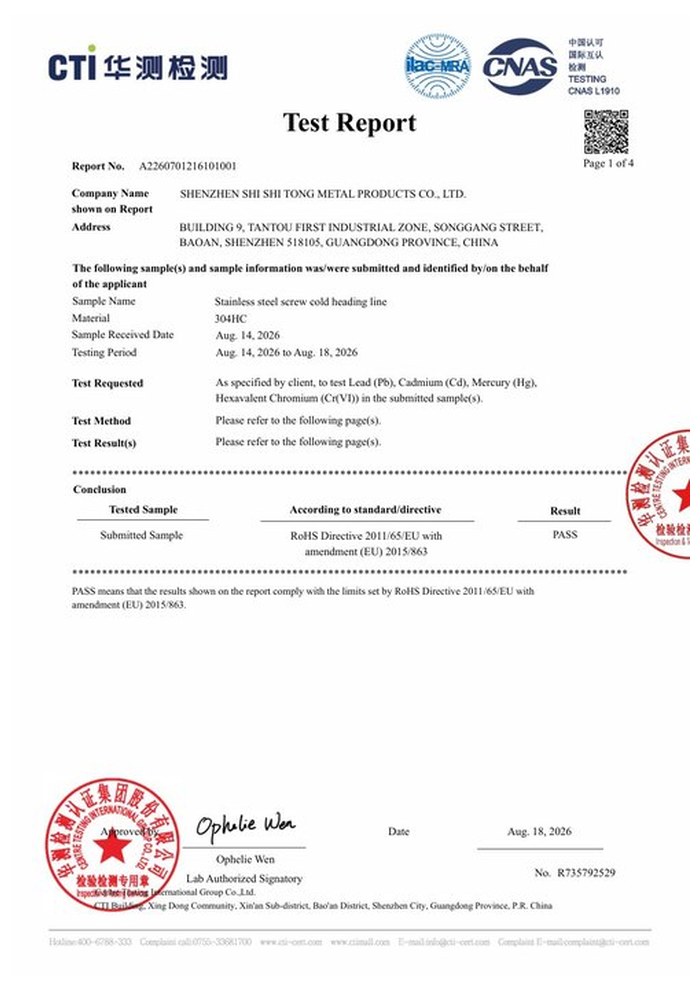
RoHS test report |
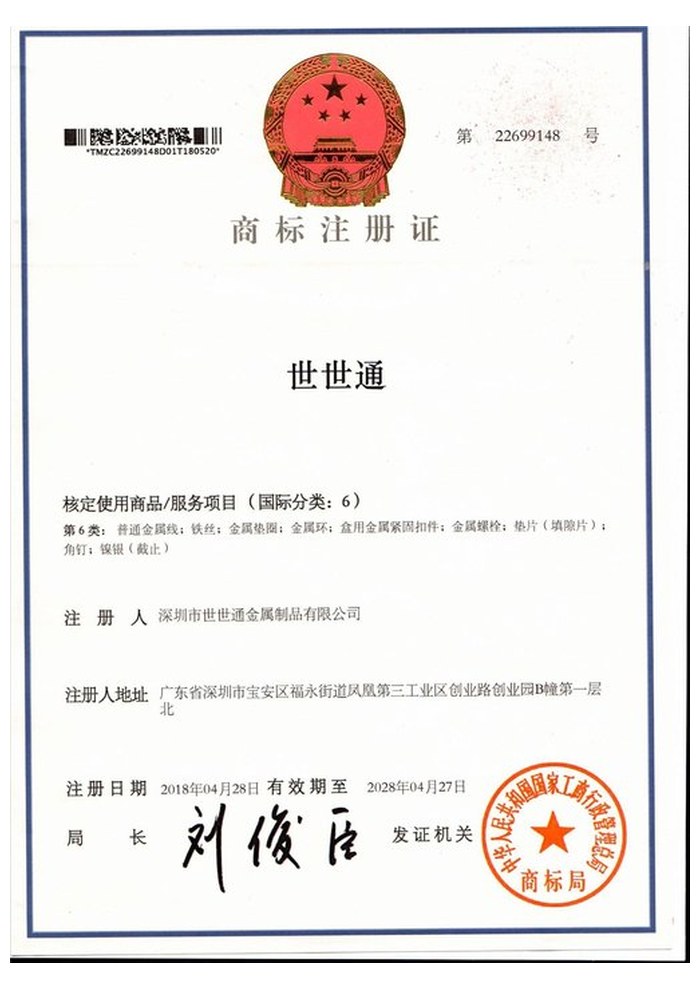
Registered trademark |
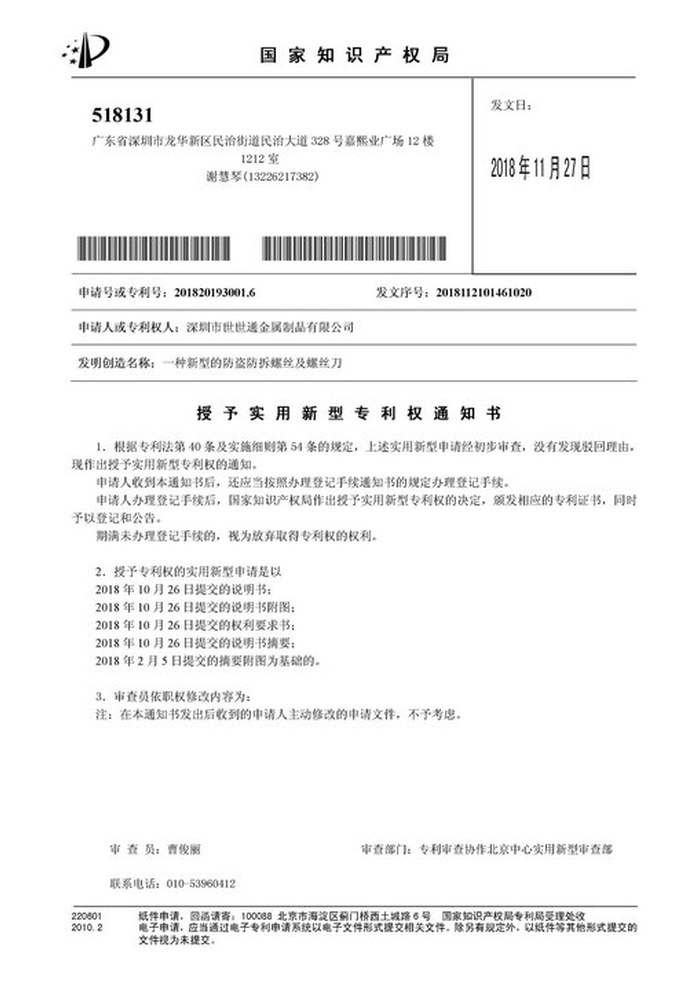
Patent: security screw and driver |
With each batch we supply the material certificate, the inspection record for the criteria on the drawing and, where it is listed, the third-party report for the grade or the passivation. The documents carry the drawing revision and the batch number, so a repeat order is made from the same grade that was approved.
More than 8,678 customers in 89 countries and regions have ordered from Shi Shi Tong; 87% of orders come from repeat customers and 56% through referrals. Most projects follow the same route: drawing review, first-article approval, then batches checked against that sample. On a self-tapping part the first article is driven into the customer’s own panels, because the joint is the function. Buyers visit during the process to review samples and to see how the heads and points are formed.
|
8,678+
customers served
|
87%
of orders from repeat customers
|
56%
of orders through referrals
|
89
countries and regions shipped to
|
Buyers and quality engineers visit for sample review, process discussion and supplier audits; the visit is arranged around production so the headers and the passivation line can be seen on the day the parts run.
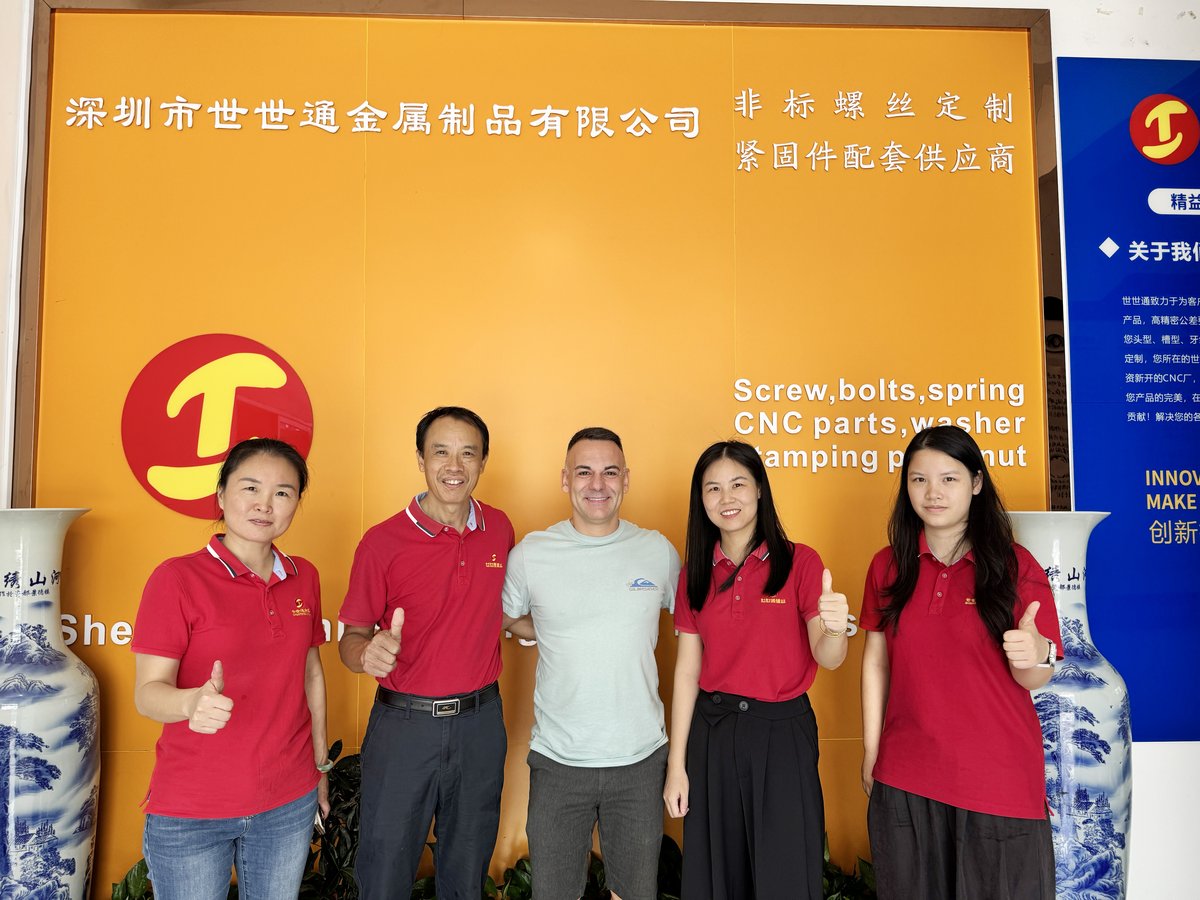
Customer group visit – sample review |

Customer group visit – process discussion |
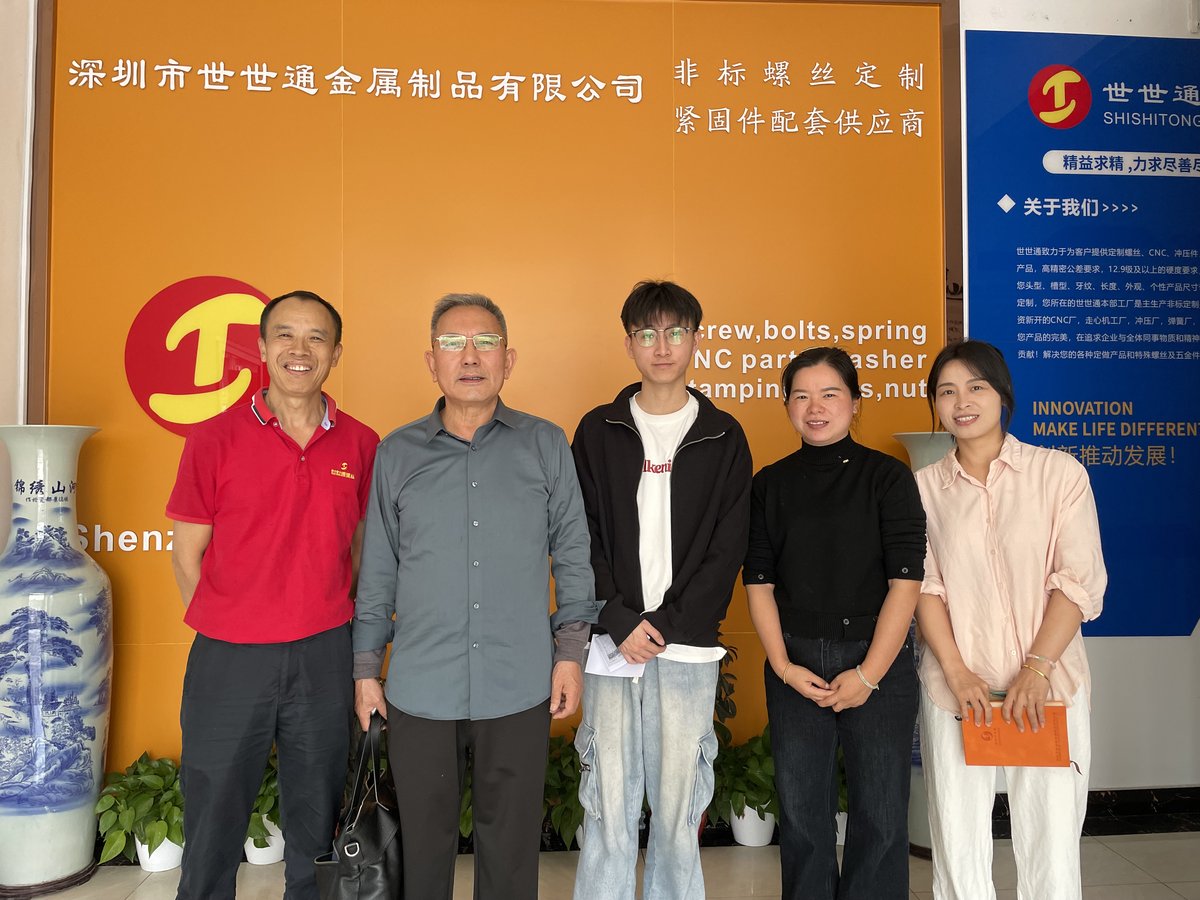
Customer group visit – factory tour |

Customer visit – project kick-off |
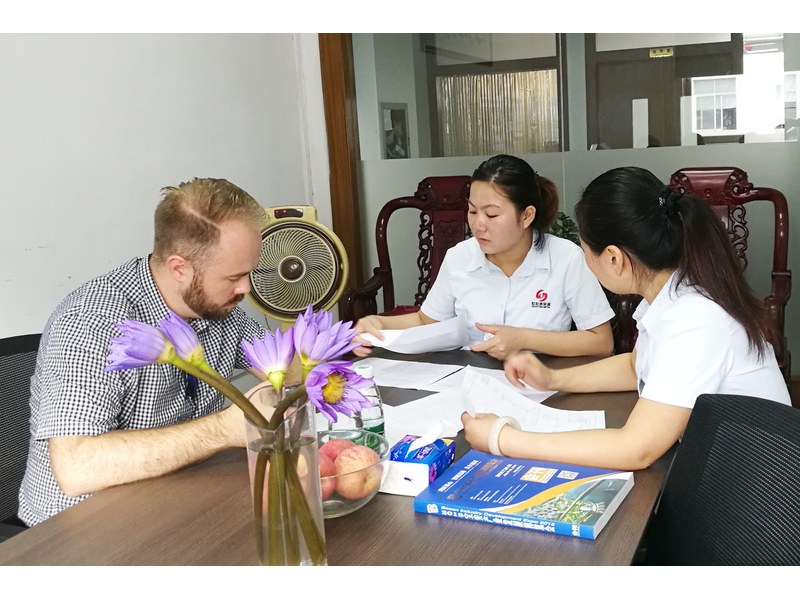
Danish customer – drawing review |
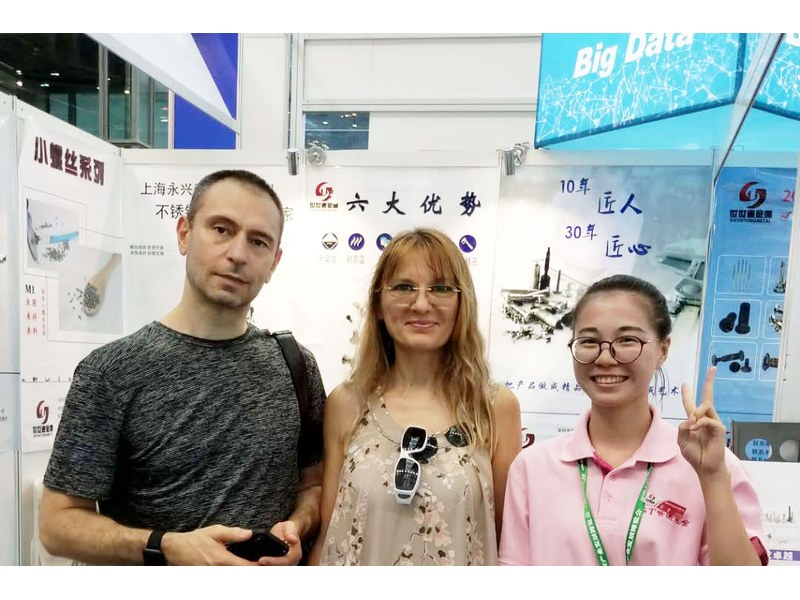
Industry exhibition – meeting customers |
Because thin sheet needs a wide bearing ring. The truss head spreads the load over several times the area of a pan head, so the panel does not dimple.
The hole is formed, not found. The screw is driven into a drilled or punched hole and goes where the hole is, without wandering.
Slightly larger than for a steel screw of the same size, because stainless resists being formed and gets harder as it is worked.
Driving stainless takes high torque and the head is shallow. A worn bit or too small a hole is the usual cause; a torque setting is the cure.
Yes, in A2 for general exposure and A4 where chlorides are present. No coating is needed and none would survive the thread forming.
Thread size and length, point form, head diameter and height, recess type, the panel thickness and the pilot hole.
How a stainless truss head screw project runs from drawing to repeat delivery:
|
1
Send the drawing and the panels it joins
|
→ |
2
Head, thread, point and pilot hole agreed
|
→ |
3
First article driven into your panels
|
→ |
4
Batch production and repeat orders
|
Each step is confirmed with you before the next one starts; the drawing revision from the first article is what repeat orders are checked against.
For a quotation, send the drawing with the thread size and length, the point form, the head diameter and height, the recess type, the panel thickness and the pilot hole.
|
Thread size
|
Length
|
Point form
|
|
Head diameter
|
Panel thickness
|
Pilot hole
|
Sending a drawing? The form below does not take attachments. Email the PDF, DXF or STEP file to sst@szsst88.com with the part name and quantity in the subject line – the drawing is reviewed and a quotation follows.

 +86 13143444311
 sst@szsst88.com