Tel:
+86 13143444311
Email:sst@szsst88.com
Fax:+0086-755-27322278
Address:Building 9, First Industrial Zone, Tantou Industrial City, Songgang Street, Baoan District, Shenzhen 518105, Guangdong, China
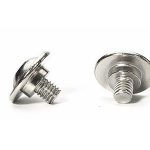
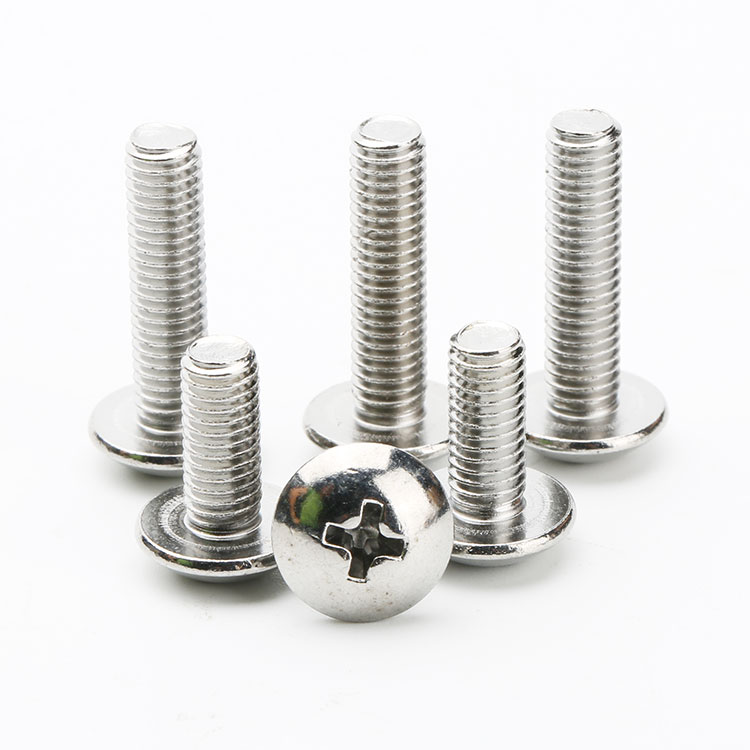
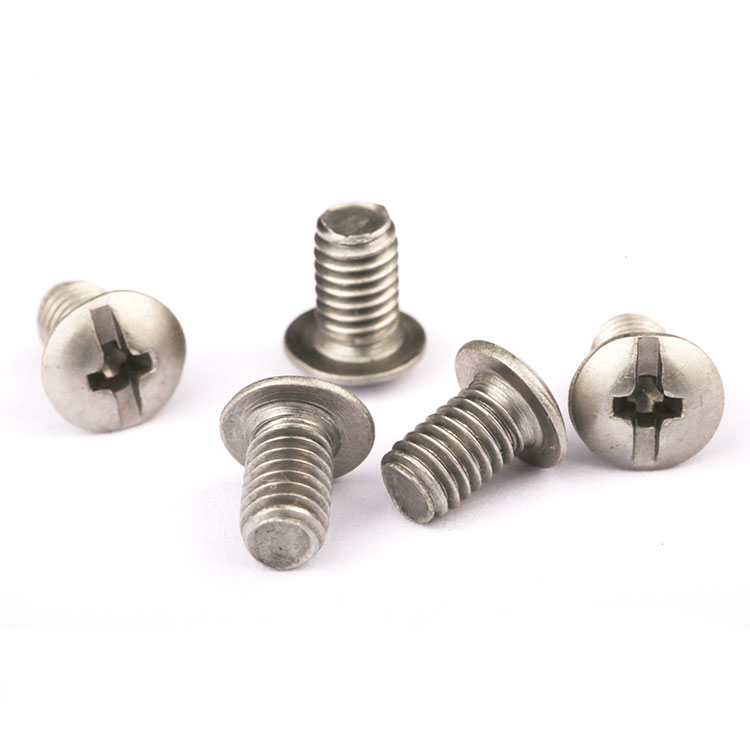
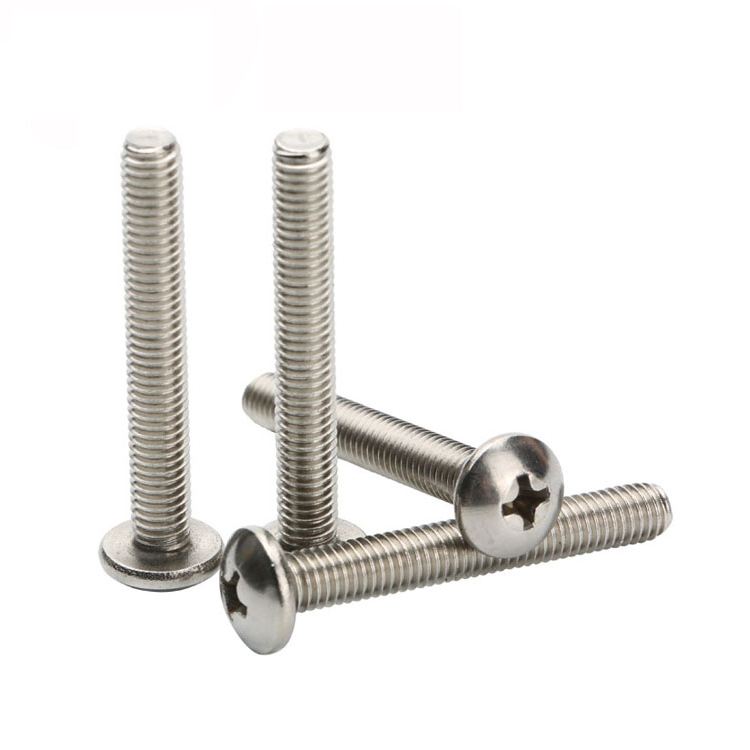
Type:Modified Truss Screws, Phillips Screw
Materials:SUS 304
Surface treatment:Passivation
Head Type:Modified Truss Head
Drive:Phillips cross recess
Thread:Machine thread
Point:Plain, chamfered
Forming:Single Die Heading
Size:M1 M2 M3 M4 M5 M6 M7 M8 M9 M10
We make modified truss screws in 304 stainless with a flattened wide head and a Phillips recess, quoting them from M1 to M10. Head diameter, crown and rim, recess and thread come from your drawing, and the first article is driven into your own dimpled panel.
Watch the factory video·Email sst@szsst88.com
ISO 9001:2015 · Manufacturing since 1998 · 8,678+ customers · 89 countries and regions
Made to order – there is no stock catalogue. Each part is produced to your drawing, and production starts after drawing review and first-article approval.
Modified truss screws are truss head screws whose head profile has been adjusted: the crown is flatter, the top is wider and the rim is more defined than on the standard mushroom head. The part recorded here is 304 stainless, passivated, with a Phillips recess and a machine thread, quoted from M1 to M10.
Modified truss head. A wide, low head with a flattened crown and a defined bearing rim, rather than the higher dome of a standard truss.
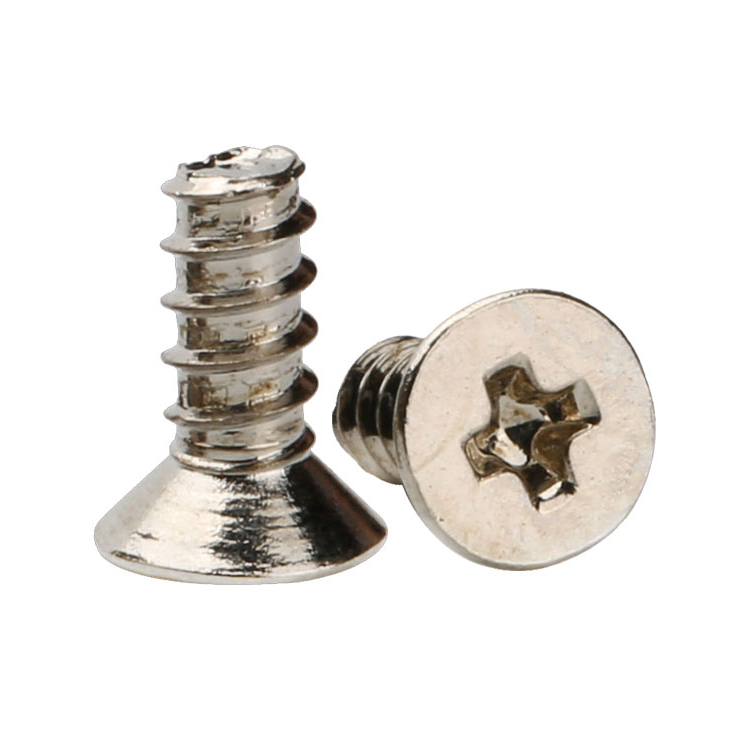
Phillips recess. Four tapered arms in the flat top, driven with a standard cross-tip bit.
Machine thread. A uniform thread for a tapped hole, a nut or an insert.
304 passivated. The general-purpose austenitic grade, A2 in the fastener system, with no coating.
Modified truss screws are used on dimpled sheet, electrical boxes, ducting and thin panels where the head has to sit flat on a formed depression, spread the clamp widely, and still be driveable with an ordinary cross-tip bit.
A standard truss head is a shallow dome; a modified truss flattens that dome further and widens the flat on top. The practical difference is where the head contacts the panel: with less curve, more of the bearing face is in contact at once, so the head seats on a dimpled or slightly uneven surface without rocking, and the recess gains a little depth because the top is flatter.
That is why the form appears in sheet-metal work. A press or a punch leaves a depression around a hole; a domed head touches that depression on a ring and leaves a gap under the centre, while a flatter head sits down on it. The same property makes the head useful where a washer would otherwise be needed to spread the load on a light-gauge panel.
The wide rim is what carries the joint. Because the diameter is large relative to the thread, the pressure under the head is low, and a thin panel resists dishing; the trade is that the rim is thin, and a head pulled down hard onto a hard, uneven seat deforms at the edge rather than seating deeper.
The Phillips recess benefits from the flattened top. There is slightly more material over the same diameter than in a domed head, so the cross can be a touch deeper, and the bit sits more squarely. It is still the same drive with the same release behaviour, and it still rounds when the bit is worn.
304 stainless with passivation then removes the coating from the equation: no zinc to wear at the head, no plating thickness filling the recess, and a surface that stays bright in a dry interior. The trade is the usual one — galling in aluminium, and a bright head that records every tool slip.
The recorded range is M1 to M10, with lengths made to the drawing. Custom lengths up to 2,000 mm are subject to DFM review after drawing submission. For modified truss screws the quotation carries head diameter, crown height, rim thickness, the PH size and recess depth, thread pitch and overall length.
| Item | How it is defined | What we control |
|---|---|---|
| Head | Modified truss, flattened crown | Diameter, crown height, rim thickness and flatness |
| Recess | Phillips, PH size per diameter | Arm depth and floor thickness |
| Thread | Machine thread | Pitch, length and start position |
| Length | Overall, head included | Length tolerance and thread start |
| Material | 304 stainless (A2) | Grade and heat number on the certificate |
| Finish | Passivated, plain | Surface condition and recess edges |
Crown height and rim thickness are quoted together, because on a flattened head the two are the same material budget: a lower crown leaves a thin rim, and a thin rim is what deforms when the head is pulled down.
Head diameter is the dimension that decides whether the joint holds on light-gauge panel. A smaller head is easier to clear but marks sooner; the modified form exists to be wide, so the diameter belongs on the drawing as a value rather than as “truss”.
Four features define modified truss screws, and each one is a trade:
| Feature | What it gives | What it costs |
|---|---|---|
| Flattened crown | Seats on a dimpled or uneven face | Thin rim; less forgiving of over-driving |
| Wide bearing face | Low pressure on thin panels | Large footprint; needs clearance |
| Phillips recess | Standard bit; torque release | Rounds when the bit is worn |
| Machine thread | Repeatable joint | Needs a tapped hole, nut or insert |
| 304 passivated | Head and recess as formed | Galls in aluminium; marks show |
The value is a head that seats where a dome would rock. On a panel that has been dimpled for the screw, or on a casting with a machined spot, the flattened head is the form that actually contacts the surface over its width instead of on a ring.
The cost is the rim. Because it is thin by design, the head depends on a flat seat and a sensible torque; a joint that is over-driven deforms the edge, and on a visible panel that reads as a damaged screw rather than a tight one.
The recorded finish is passivation on 304 stainless with no coating. On a wide, flat head that keeps the bearing face at the size it was formed, which matters because the contact is the whole function of the head.
| Option | How it protects | Effect on head and recess | Typical use |
|---|---|---|---|
| 304, passivated | Passive chromium oxide film | Head and recess as formed | Sheet-metal and electrical |
| 316, passivated | Passive film with molybdenum | Head and recess as formed | Marine and washdown |
| 304, electropolished | Thicker passive film, bright | Edges rounded; recess checked | Visible hardware |
| Steel, zinc plated | Sacrificial zinc | Slight build; recess re-checked | Indoor general work |
| Steel, nickel plated | Hard bright barrier | Thin build; bright finish | Indoor visible panels |
Where the joint is indoors or on a painted panel that will not be washed, passivated 304 is the simplest answer. Where the panel is outside or cleaned regularly, 316 is the grade that holds the appearance, and on a wide head the difference shows across the whole face rather than at one point.
Where a plated steel version is used, the recess is gauged after plating. A zinc layer on a Phillips cross changes how the bit seats, and on a flat-topped head the recess has less margin than on a dome because the crown is already low.
Three assemblies where a flattened wide head is the right fixing:
| Where it sits | The screw closes a panel where the hole has been dimpled so the head sits in the depression. |
| When it goes wrong | A domed head rocks on the dimple and the joint works loose. |
| Why it happens | The panel is light gauge, the seat is formed, and the head is wide. |
| What we control | Head flatness and diameter checked; first article driven into a dimple. |
| Where it sits | The screw fixes a cover or an accessory where the head sits flat on painted steel and the joint is serviced. |
| When it goes wrong | A small head marks the paint and the cover no longer sits flat. |
| Why it happens | The face is painted, the head is wide, and the drive is a cross-tip. |
| What we control | Recess and rim checked; first article fitted to a painted sample. |
| Where it sits | The screw seats on a machined spot where the surface is flat but not perfectly level. |
| When it goes wrong | The head touches only on one edge and the joint tilts. |
| Why it happens | The seat is machined, the head is wide, and the joint is permanent. |
| What we control | Bearing face flatness checked; first article seated on the spot. |
Four reasons that matter on a flattened wide head, each tied to something the drawing has to prove:
|
Crown and rim agreed
Crown height, rim thickness and recess depth are agreed as a set, because the flat top is what the drive sits in and the rim is what holds the load. Basis: Crown and rim agreed. |
Formed, recessed and passivated in one route
The flattened crown and the recess are formed in one stroke, the thread rolled and the parts passivated as a batch. Basis: One route from wire to passivated screw. |
|
Recess and flatness checked
The recess is proved with the production bit and the bearing face is checked for flatness, because a head that rocks defeats the form. Basis: Recess and flatness checked. |
First article on your panel
The first article is driven into the customer panel, because what a wide head does to a dimpled surface is a property of the pair. Basis: First article driven into the panel. |
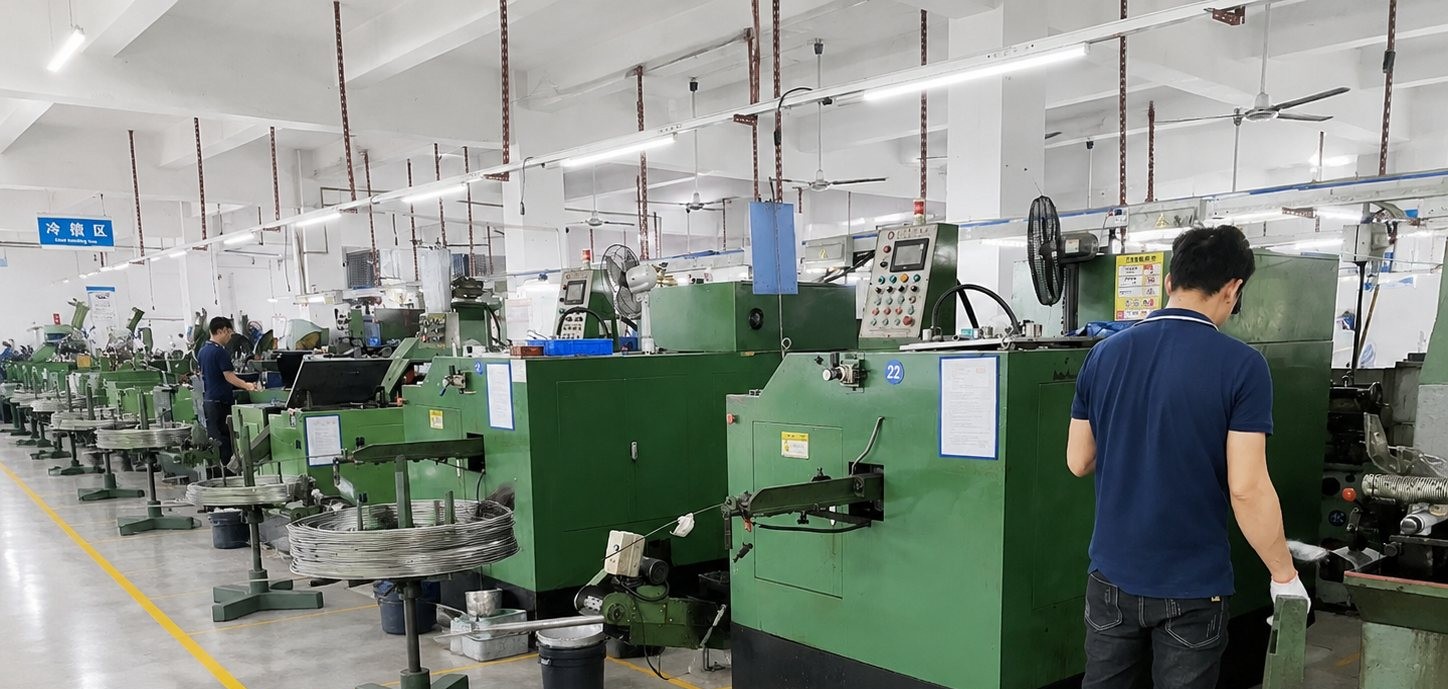
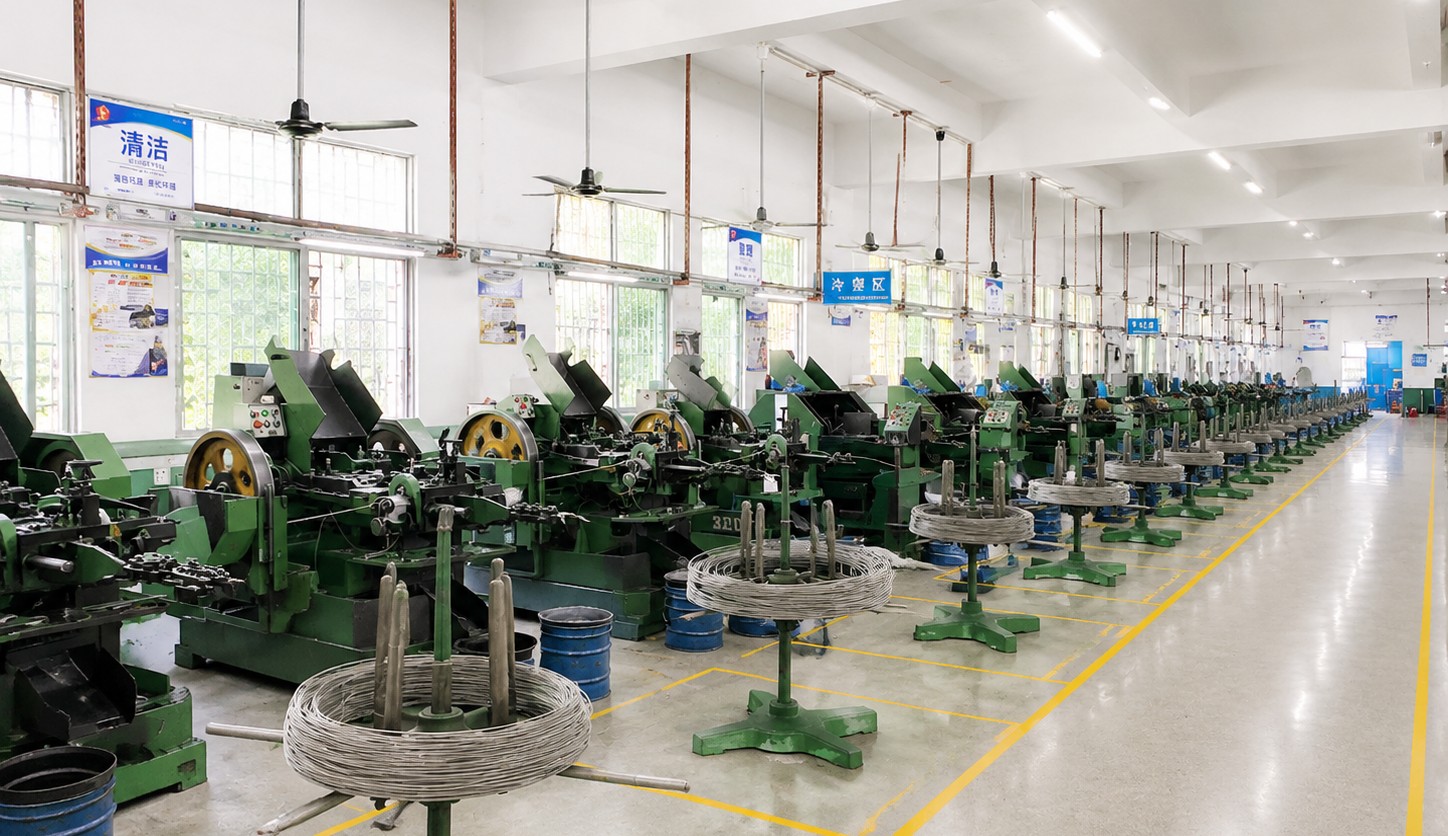
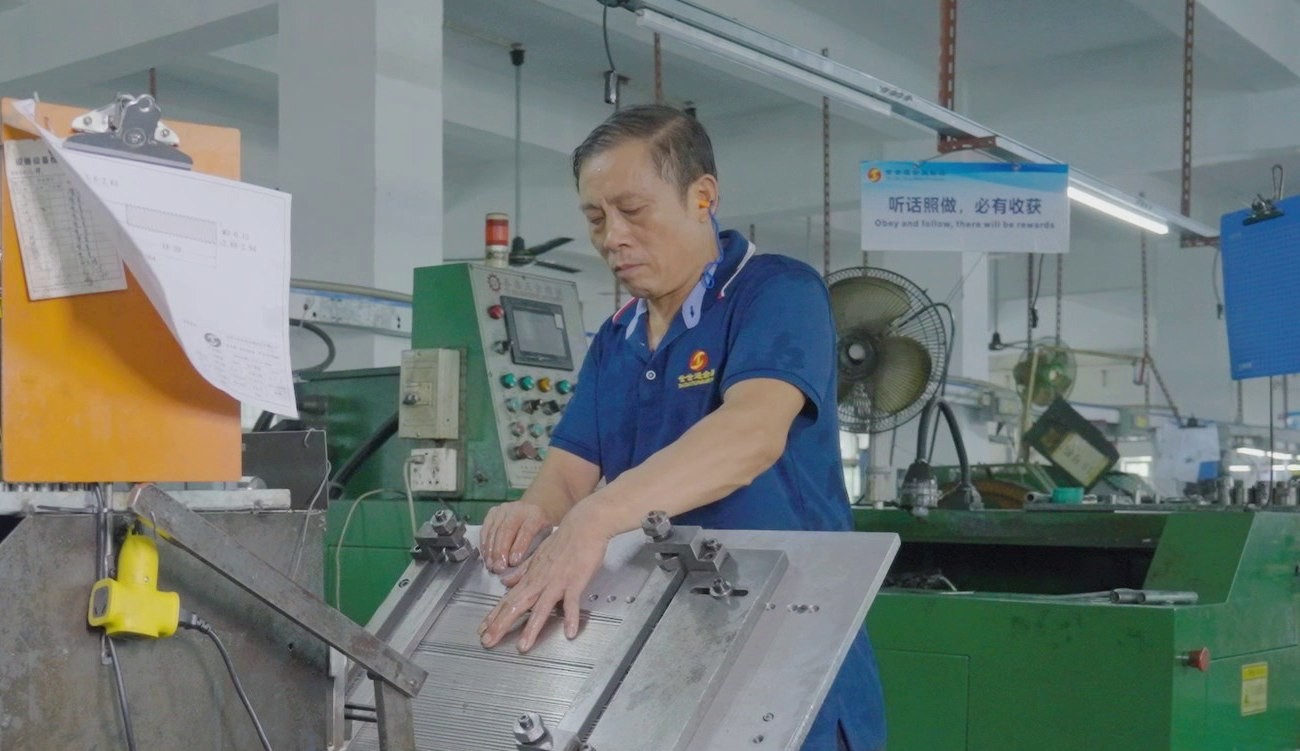
These screws are headed on single-die machines that form the flattened crown and cut the Phillips recess in one stroke, rolled with the machine thread and passivated as a batch. The first part of every run is measured on head diameter, crown height, rim thickness, recess depth, thread and length.
|
|
Flattening the crown is what separates this part from a standard truss, and it is also what makes the die more demanding. The material that would have gone into a high dome has to spread outward into the rim instead, and a die that has worn leaves a rim that is thin on one side where the metal did not flow evenly.
The bearing face underneath is checked for flatness, because a flattened head that is not flat rocks on the panel and makes contact only along part of its rim. That shows up as a joint that marks the surface unevenly, and it is a forming problem rather than an assembly one.
What decides whether modified truss screws pass is the crown, the rim, the recess and the thread. The inspection agreement covers those, and the criteria come from the drawing.
Crown, rim and recess |
Thread and start checked |
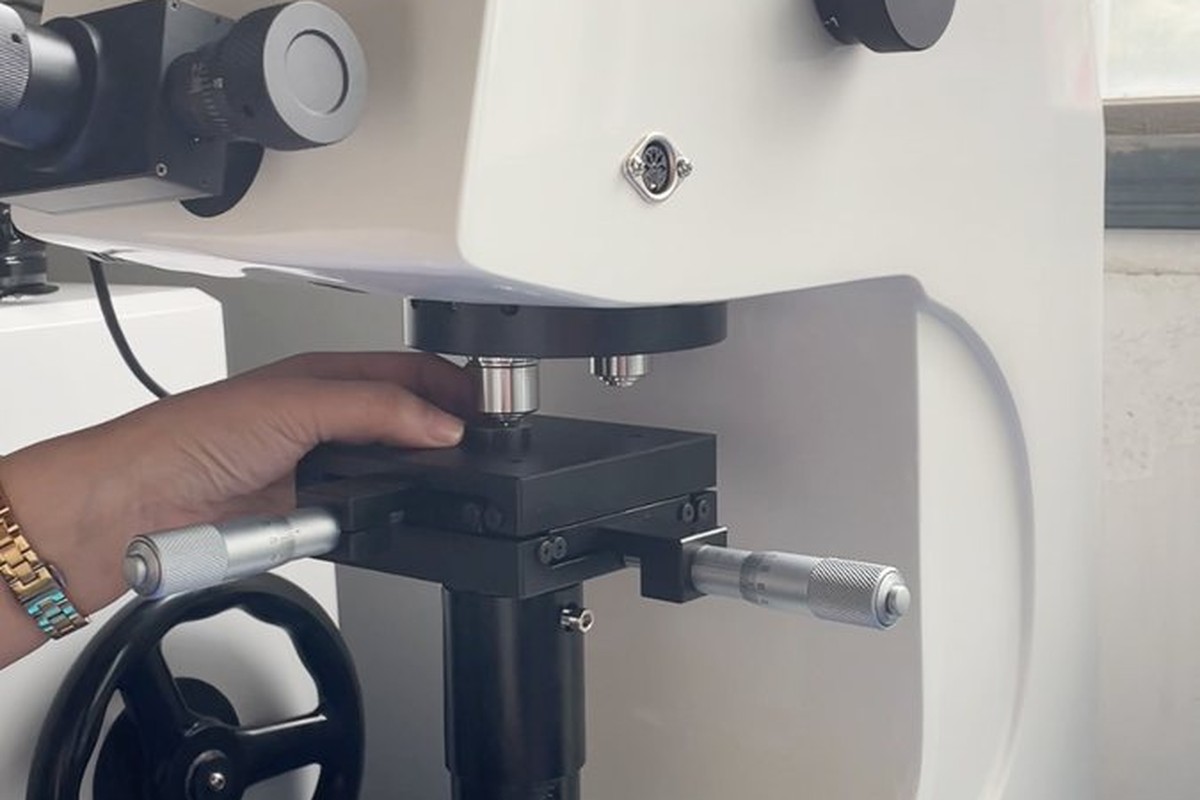
Core hardness checked |
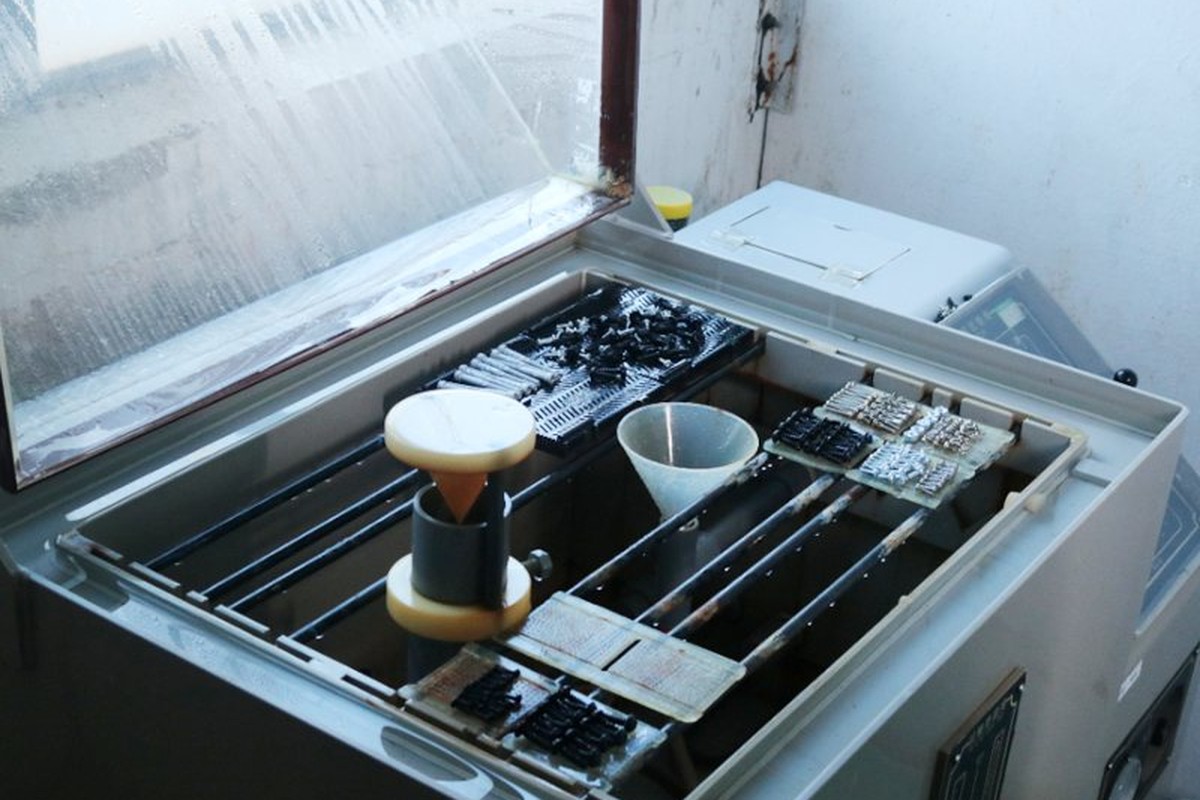
Salt-spray testing of the grade |
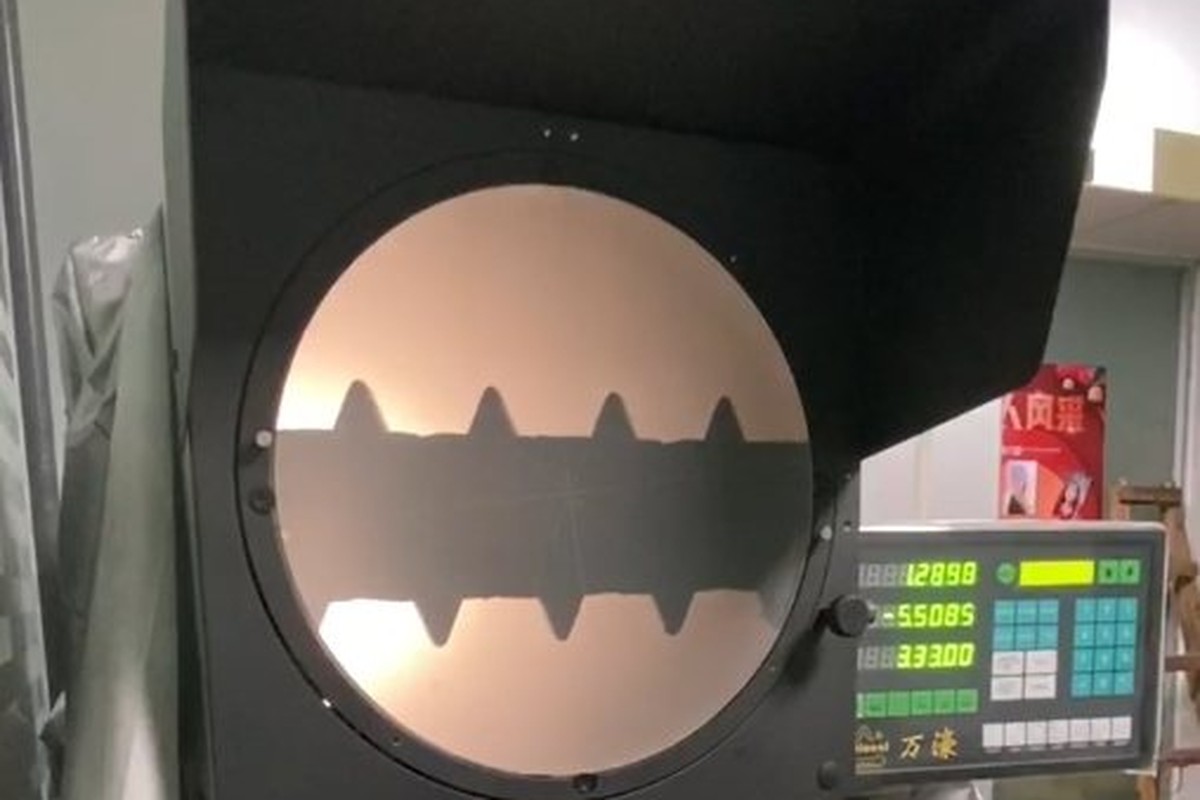
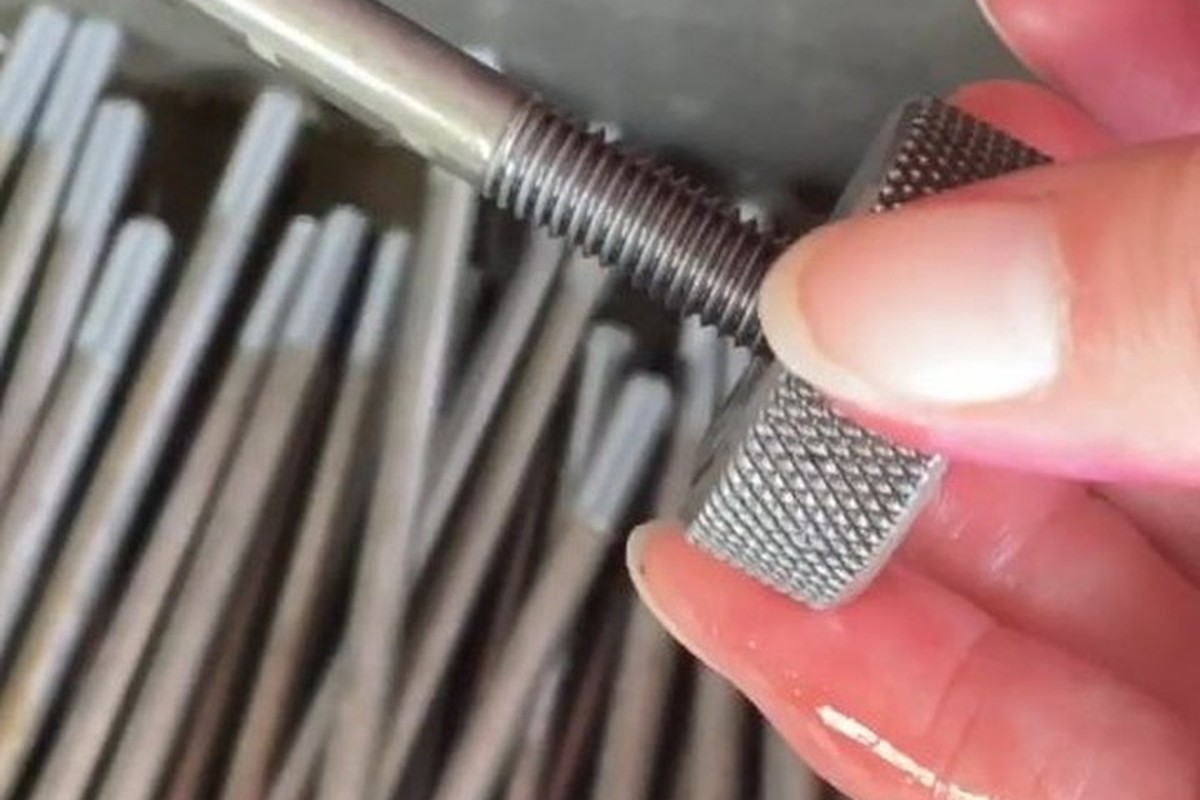
Head diameter, crown height and rim thickness are measured on a projector, and the bearing face is checked on a surface plate. The recess is proved with the production bit, and the thread is gauged after passivation.
A sample from every batch is driven into a dimpled panel of the customer’s gauge and thickness at the joint torque. That cycle shows whether the head seats on the dimple or rocks, and a rock is invisible on the screw alone.
Every batch is traceable to the wire it was made from and to the passivation batch that finished it. The grade and heat number appear on the material certificate supplied with the parts, and the inspection records follow the criteria agreed on the drawing.
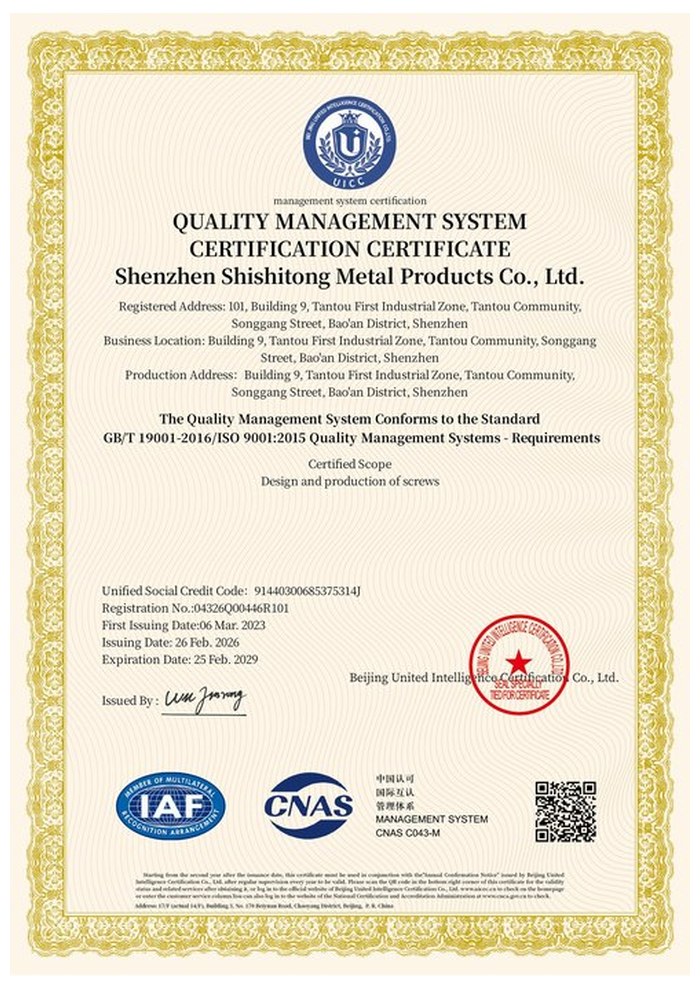
ISO 9001:2015 |
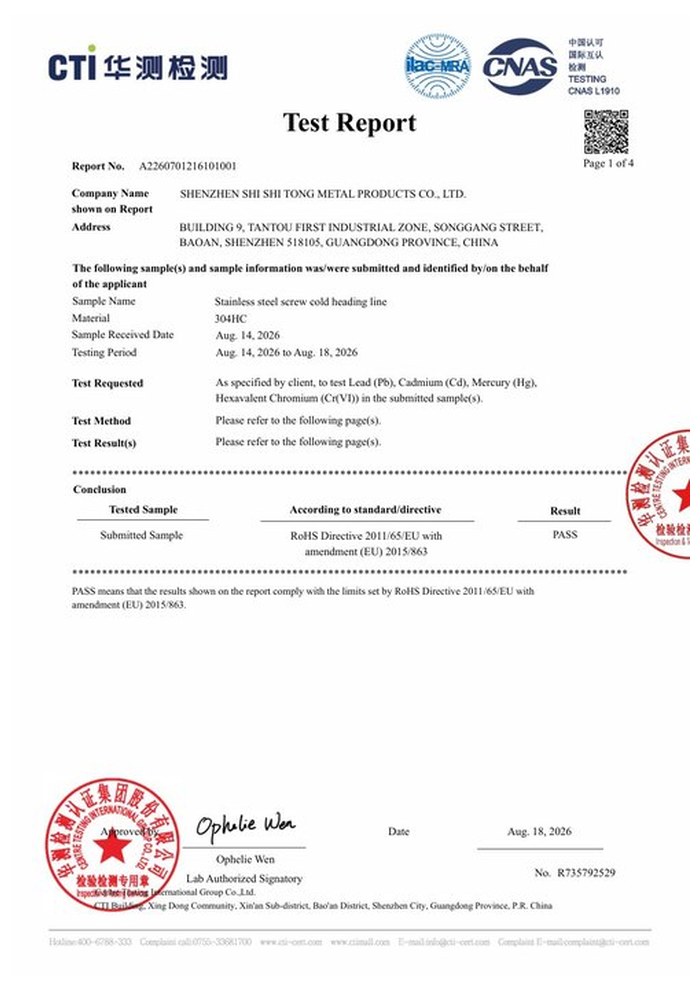
RoHS test report |
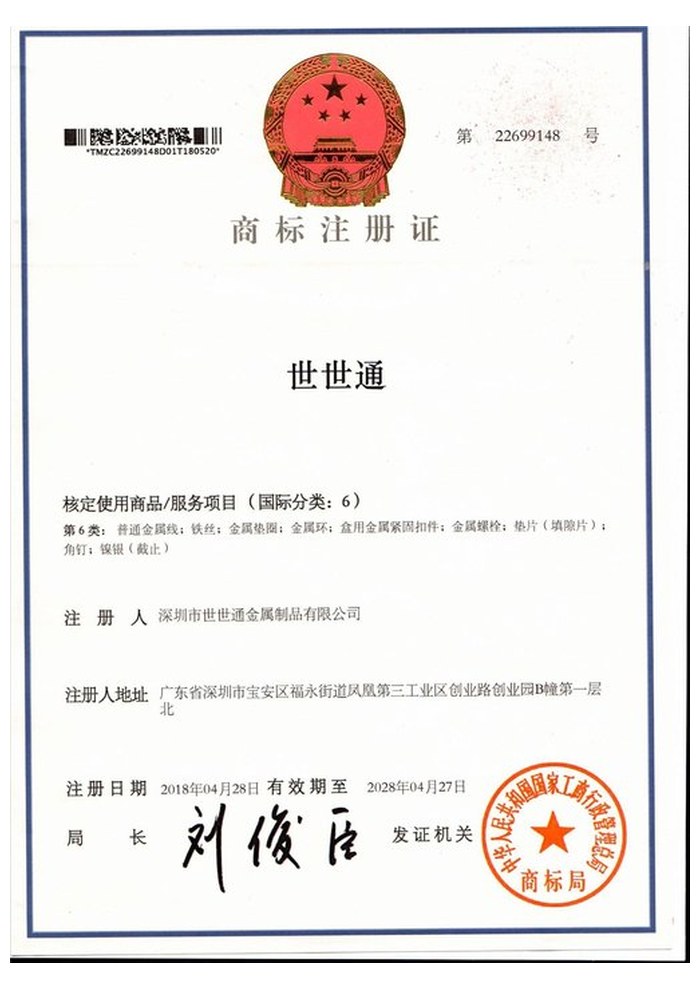
Registered trademark |
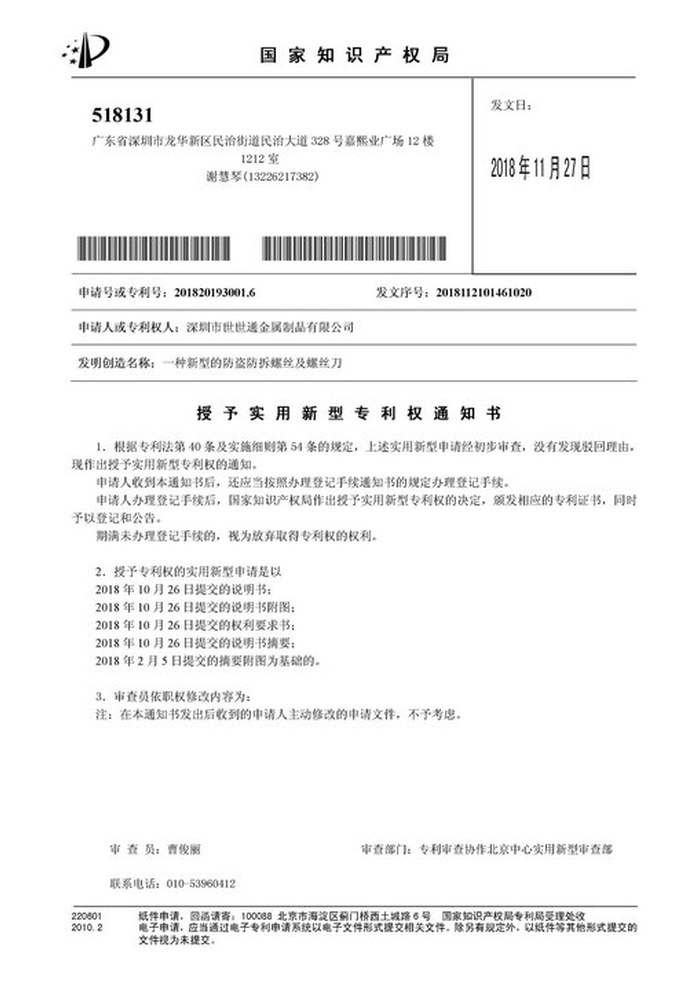
Patent: security screw and driver |
With each shipment we supply the material certificate, the inspection record for the dimensions on the drawing and, where the grade is listed, the third-party report that covers it. The documents carry the drawing revision and the batch number, so a repeat order keeps the same head and the same recess.
More than 8,678 customers in 89 countries and regions have ordered from Shi Shi Tong; 87% of orders come from repeat customers and 56% through referrals. Most projects follow the same route: drawing review, first-article approval, then batches checked against that sample. On modified truss screws the first article is driven into the customer panel, because seating on a dimple is a property of the pair. Buyers visit during the process to review samples.
|
8,678+
customers served
|
87%
of orders from repeat customers
|
56%
of orders through referrals
|
89
countries and regions shipped to
|
Buyers and quality engineers visit for sample review, process discussion and supplier audits; the visit is arranged around production so the headers and the passivation line can be seen on the day the parts run.

Customer group visit – sample review |

Customer group visit – process discussion |

Customer group visit – factory tour |

Customer visit – project kick-off |
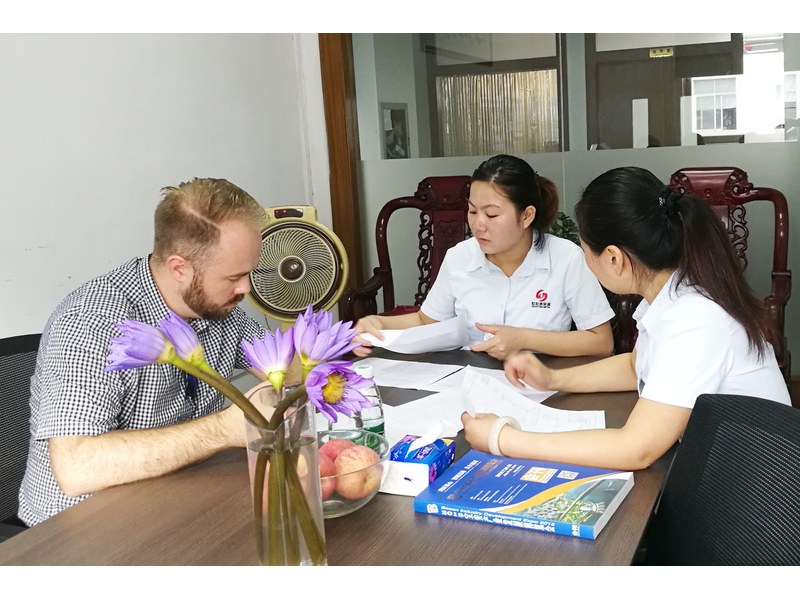
Danish customer – drawing review |
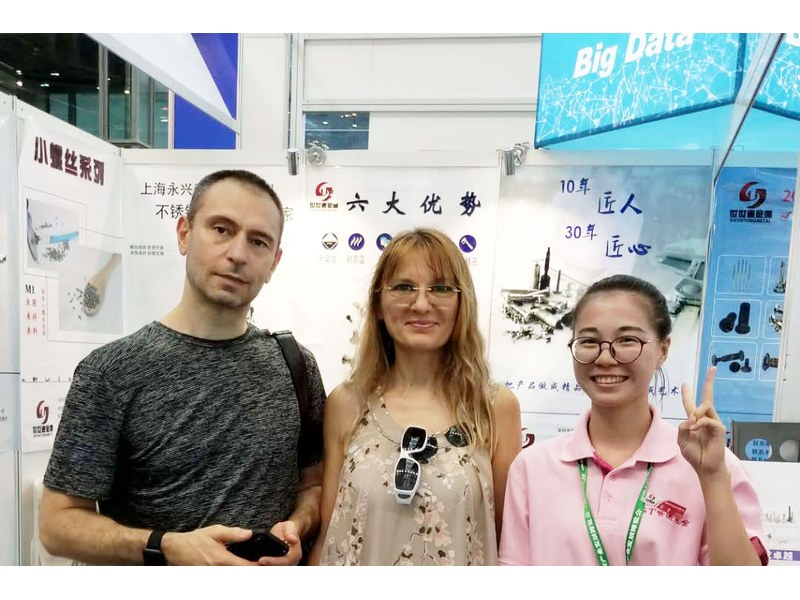
Industry exhibition – meeting customers |
The crown is flatter and the flat top wider than a standard truss, so the head seats on a dimpled or uneven face instead of rocking on a dome.
A dimple leaves a shallow depression; a flat head sits down on it, a domed head touches on a ring and leaves a gap.
Less than a smaller head, because the bearing face is wide — but the rim is thin, so an over-driven head deforms at the edge.
The PH size for the diameter. The flat top gives the cross a little more depth than a dome, but it still rounds with a worn bit.
For rain and humidity, yes; for salt spray and chlorinated water, 316 is the grade.
Head diameter, crown height, rim thickness, PH size, thread pitch and overall length.
How a modified truss screw project runs from drawing to repeat delivery:
|
1
Send the drawing and the panel
|
→ |
2
Crown, rim and recess agreed
|
→ |
3
First article driven into your dimple
|
→ |
4
Batch production and repeat orders
|
Each step is confirmed with you before the next one starts; the drawing revision from the first article is what repeat orders are checked against.
For a quotation, send the drawing with the head diameter, crown height, rim thickness, PH size, thread pitch and overall length.
|
Head diameter
|
Crown height
|
Rim thickness
|
|
PH size
|
Thread pitch
|
Length
|
Sending a drawing? The form below does not take attachments. Email the PDF, DXF or STEP file to sst@szsst88.com with the part name and quantity in the subject line – the drawing is reviewed and a quotation follows.

 +86 13143444311
 sst@szsst88.com