Tel:
+86 13143444311
Email:sst@szsst88.com
Fax:+0086-755-27322278
Address:Building 9, First Industrial Zone, Tantou Industrial City, Songgang Street, Baoan District, Shenzhen 518105, Guangdong, China
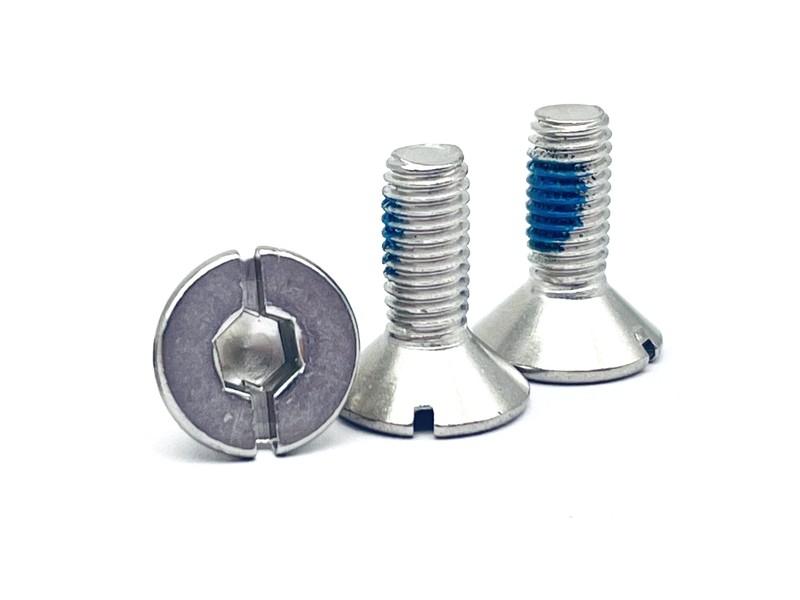
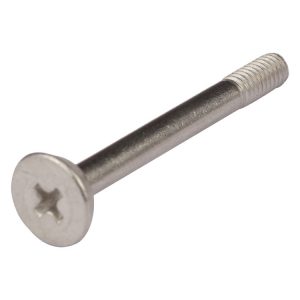
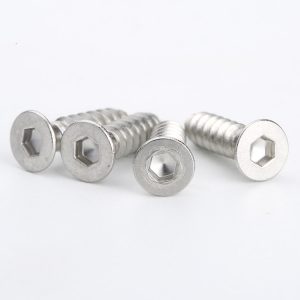
Type:Stainless steel countersunk machine screw (drive per drawing)
Materials:Stainless steel
Surface treatment:Plain, passivated
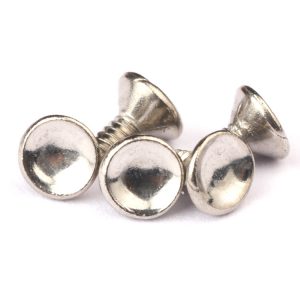
Head Type:Flat head, 90 degrees
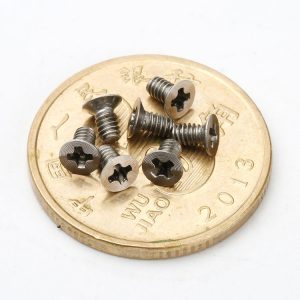
Size:M1 M2 M3 M4 M5 M6 M7 M8 M9 M10 M14
Drive:Per drawing (Phillips, slot, hex socket, Torx)
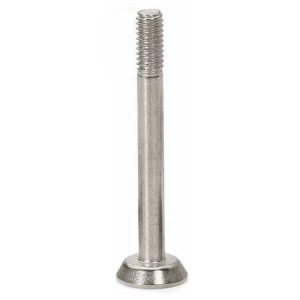
Thread:Machine thread, right hand
Forming:Cold heading; thread rolled, then passivated
Number:300
We manufacture stainless steel countersunk screws with a 90 degree head and a machine thread, quoted from M1 to M14, with the drive specified on the drawing – Phillips, slot, hex socket or Torx. Head angle, drive, thread and grade are taken from your drawing.
Watch the factory video·Email sst@szsst88.com
ISO 9001:2015 · Manufacturing since 1998 · 8,678+ customers · 89 countries and regions
Made to order – there is no stock catalogue. Each part is produced to your drawing, and production starts after drawing review and first-article approval.
A stainless steel countersunk screw is a machine screw with a 90° conical head that seats into a countersink and finishes level with the surface, made from stainless so the corrosion resistance comes from the alloy rather than a coating. The recorded configuration on this page is a flat head machine screw quoted from M1 to M14 in stainless, plain finished, with the drive specified on the drawing.
Cone head. The bearing surface is a cone, not a flat face. It seats into a countersink of the same angle, centres the screw as it tightens, and leaves nothing standing above the panel.
Drive on the drawing. The recess is not fixed by the product family: the same head is supplied with a Phillips cross, a single slot, a hex socket or a Torx recess, and the drawing names which one and at what size. That choice is made against the tool available on the line, not by default.
Stainless body. No plating to build up in the recess, no coating to chip at the cone edge, and no rust around the head on a panel that will be seen.
Machine thread. The thread engages a tapped hole, a nut or an insert, so the joint is designed around the mating thread. A countersunk head with a self-tapping thread is a different part.
Together these decide the joint: the cone seats flush, the drive matches the tooling, the thread matches the tapped hole, and the alloy survives the environment. That is why a stainless steel countersunk screw is specified by head angle, drive, thread and grade together.
The body of this stainless steel countersunk screw is stainless wire, with the grade and heat number kept with the batch record. 304 is the default for indoor and food-side work and 316 where chlorides are present; the grade is what the joint will be judged on once the finish question is answered by choosing stainless in the first place.
The 90° cone is formed in the heading die. Its angle and the head diameter come out of the same setting, so the cone is consistent part to part; a cone formed in one step and finished in another tends to show a flat ring where the tooling met the surface.
The drive is formed into the head in the same operation, whichever type the drawing calls for. That matters on a countersunk head because the recess sits in the thinnest section: the cone depth and the recess depth are set together, and a screw that is asked for a deeper socket than the head can carry will break through into the cone.
The machine thread is rolled over the full length. Rolling keeps the grain continuous, gives a smooth flank and avoids the burr a cut thread leaves at the end — and on a countersunk screw the thread end is the part that has to enter the tapped hole cleanly after the cone has started to seat.
The parts are passivated. That removes free iron from the surface after forming and restores the chromium oxide film, and it adds nothing to the cone or the recess, so the head seats at the angle it was formed to.
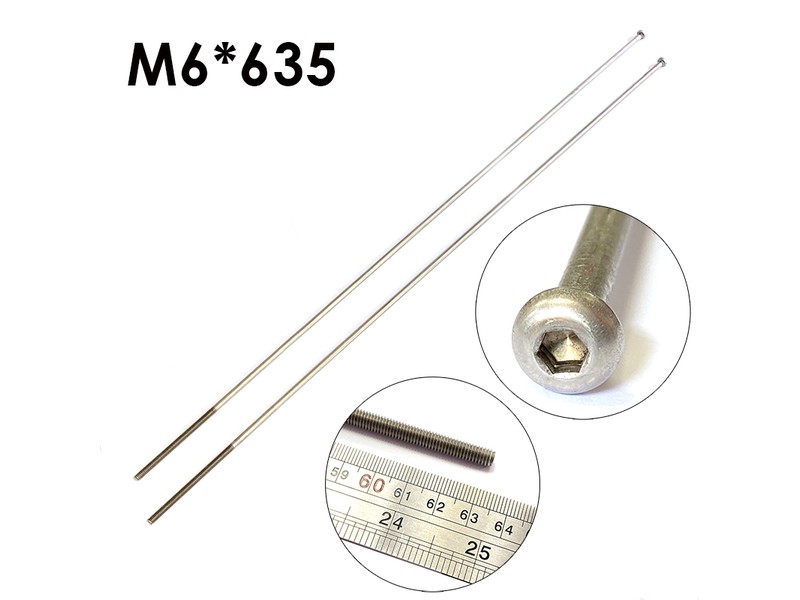
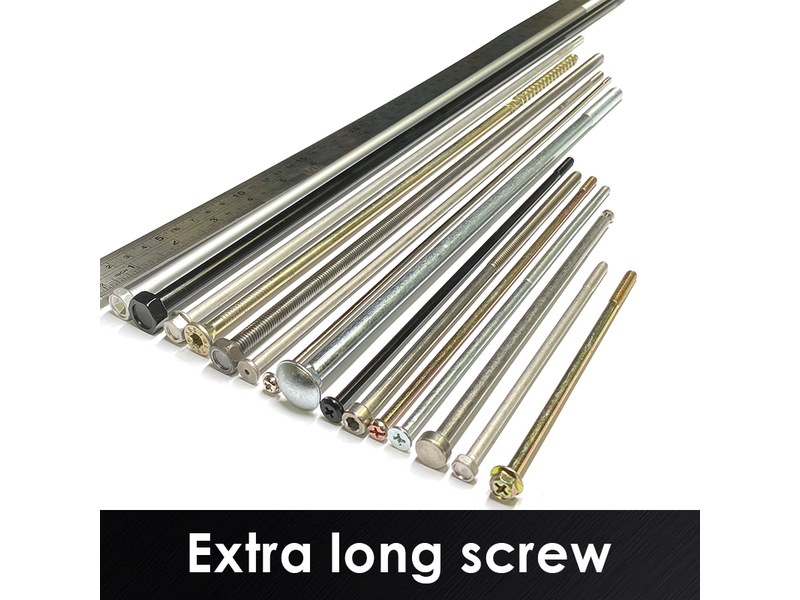
Stainless steel countersunk screws of this type are quoted from M1 to M14; the recorded configuration covers that range with a flat head and a machine thread, plain finished. Custom lengths up to 2,000 mm are subject to DFM review after drawing submission, because the thread length and the recess size are both set before the tooling is made.
| Item | How it is defined | What we control |
|---|---|---|
| Head diameter and angle | The 90° cone that seats flush | Checked on the projector on the first article |
| Drive type and size | The recess the drawing calls for | Checked with the matching driver |
| Recess depth | Material left under the cone | Checked on the first article |
| Thread size and pitch | The fit in the tapped hole | Gauged per batch |
| Length | From the top of the head to the tip | Datum stated on the drawing; measured on the shop plate |
| Grade | The stainless the part is made from | Confirmed against the material certificate |
Each size is quoted against the seat it goes into. The countersink angle, the head diameter and the panel thickness are reviewed together, because a head that is right for one seat stands proud in another cut at a different depth.
Length is measured from the top of the head to the tip, and the drive is named in the same note. Both are on the drawing because a countersunk screw that is dimensionally perfect but has the wrong recess is a screw that cannot be assembled.
The drive is the decision that turns a countersunk head into a specific part. The same cone is available with four common drives, and each one trades torque capacity against tooling, cost and speed on the line. The drawing should name the drive rather than leave it to the supplier.
| Drive | Torque capacity | Tool and speed | Best fit |
|---|---|---|---|
| Phillips cross | Good; cams out as torque rises | PH bit, hand or power | General assembly, visible panels |
| Single slot | Limited; load on two narrow edges | Any flat blade, slow | Decorative brass and low-torque joints |
| Hex socket | High; six flats in a compact head | Allen key or socket driver | Machine frames, tight clearance |
| Torx | High; six lobes with a large contact area | Torx bit, power drivers | Production lines, repeated assembly |
The cone does the seating and the drive does the work, and the two interact. A deeper recess in a given cone leaves less material under the head, so a high-torque drive needs a head that can carry it; that is why a hex socket or a Torx recess on a countersunk head is usually paired with a slightly larger head diameter than a Phillips of the same thread.
The seat angle is the other half of the joint. A 90° head in a seat cut at a different angle touches on one edge, leaves a ring of bare metal and never fully seats. Where the customer’s seat is produced by a different process — punched, machined or moulded — the first article is assembled in that seat rather than measured alone.
Thread and drive are both specified in the same note for the same reason: a screw that threads correctly but will not take the driver is not usable, and the reverse is equally true. The first article is checked with the driver and gauged on the thread before the batch runs.
This stainless steel countersunk screw is supplied plain and passivated. The passive film is the protection, it reforms after a scratch, and it adds nothing to the cone or the recess, so the head seats at the formed angle and the driver engages to full depth.
| Finish | How it protects | Effect on cone and drive | Typical use |
|---|---|---|---|
| Plain, passivated stainless | Passive film forms in air | No build-up; cone and recess as formed | Panels, plates and wash-down equipment |
| Electropolished | Surface levelled, chromium enriched | A few microns removed; seat re-checked | Visible stainless panels |
| Black oxide (stainless) | Chemical conversion, thin film | Minimal thickness; recess re-checked | Dark visible panels |
| Bead blasted | Uniform matte surface | No dimensional change | Parts where glare must be removed |
| Zinc plated (steel equivalent) | Sacrificial layer | Build-up on the cone; seat re-checked | Steel countersunk screws indoors |
Salt-spray exposure is agreed per project and written on the drawing; plain stainless is tested in the condition it ships in. On a countersunk screw the finish question is really a seating question and a drive question at once: a thick film lifts the cone out of its seat and closes the recess by a few microns.
Packing protects the cones, the recesses and the thread ends. The parts are bagged in counted quantities, labelled with the batch, the material heat and the drive type, and packed so the cones cannot rub against each other.
Three assemblies where a flush head and a stainless body are specified together:
| Where it sits | The screw closes a cover into a countersunk hole so the panel face stays flat, with the thread engaging a tapped insert or a nut behind. |
| When it goes wrong | A head above the surface catches on the next panel or on a hand, and a cone that does not match the seat leaves a bright ring on a brushed face. |
| Why it happens | The sheet is thin, the face is visible, and the panel is opened for service. |
| What we control | Head angle and diameter checked against the seat, and the first article assembled in the panel sample. |
| Where it sits | The screw sits in a countersink in a machined plate where the surface is a datum and nothing may stand above it. |
| When it goes wrong | A head that stands proud changes the stack height, and a drive that is too shallow deforms on the first torque. |
| Why it happens | The plate is machined, the surface is flatness critical, and the screw is removed for calibration. |
| What we control | Cone angle and recess depth checked on the projector, and the thread gauged against the tapped hole. |
| Where it sits | The screw holds a guard, a liner or a panel on equipment that is cleaned with chemicals or exposed to weather. |
| When it goes wrong | A plated screw loses its coating in the wash and rusts into the panel, and a proud head traps residue. |
| Why it happens | The equipment is washed or exposed, the panels are stainless, and the fasteners are inspected for hygiene. |
| What we control | Grade confirmed on the certificate, the plain finish checked, and the first article torqued in the panel. |
Four reasons that matter on a countersunk stainless part, each tied to what the drawing has to prove:
|
Drive named, seat reviewed, thread checked
The drive type, the countersink angle and the thread are reviewed before the die is cut, so a head that would stand proud or a recess that will not take the driver is raised first. Basis: Drive, seat and thread reviewed before tooling. |
Cone, recess and thread in one route
The cone and the drive are formed in one heading operation and the machine thread is rolled, so the recess stays centred in the cone. Basis: One route from wire to finished countersunk screw. |
|
Driver and seat checked on the part
The recess is checked with the driver the customer will use, the cone against the seat angle, and the thread with gauges, on the first article. Basis: First article checked with the driver and in the seat. |
First article to repeat production
The first article fixes the drawing revision, wire heat, die set, thread roll and drive type; repeat orders are compared against that record. Basis: First article signed off before the batch is released. |
Shi Shi Tong forms these stainless steel countersunk screws on a heading machine that upsets the 90° cone and the drive in one operation, then rolls the machine thread and passivates the parts. The first part of every run is measured on the cone and the recess, driven with the matching tool and gauged on the thread before the batch continues.


|

|
Between runs the insert is changed to the drawing cone and drive, and the thread rolls to the size; the first part goes to the projector and to the driver before the run continues. The drive type is written on the batch record, so a repeat order is never packed with a different recess from the one the drawing asked for.
What decides whether a stainless steel countersunk screw passes is the head diameter and angle, the drive type and depth, the thread class and the surface condition. The inspection agreement covers those, and the criteria come from the drawing and the accepted sample.

Head angle and drive on the projector |

Thread gauged per batch |

Hardness testing where the drawing requires it |

Salt-spray testing of the passivated part |
Each batch is recorded against the drawing revision: cone and drive from the first article, the thread gauged per batch, and the drive type carried on the label. If the seat check or the driver check fails, the parts back to the last good setting are held and re-checked.
Where a third-party certificate is needed for the material or the finish, it is written into the drawing and filed with the batch record.
Every shipment of stainless steel countersunk screws is traceable to the wire it was made from. The grade, heat number and standard are recorded on the material certificate supplied with the parts, and the inspection records follow the criteria agreed on the drawing.

ISO 9001:2015 |

RoHS test report |

Registered trademark |

Patent: security screw and driver |
With each batch we supply the material certificate, the inspection record for the criteria on the drawing and, where it is listed, the third-party report for the material or the finish. The documents carry the drawing revision and the batch number, so the paperwork can be matched to the parts.
More than 8,678 customers in 89 countries and regions have ordered from Shi Shi Tong; 87% of orders come from repeat customers and 56% through referrals. Most projects follow the same route: drawing review, first-article approval, then batches checked against that sample. On a countersunk part the first article is assembled into the seat it was drawn for and driven with the tool the line will use, so the cone and the drive are signed off together. Buyers visit during the process to review samples and to see how the heads are formed.
|
8,678+
customers served
|
87%
of orders from repeat customers
|
56%
of orders through referrals
|
89
countries and regions shipped to
|
Buyers and quality engineers visit for sample review, process discussion and supplier audits; the visit is arranged around production so the header and the inspection room can be seen on the day the parts run.

Customer group visit – sample review |

Customer group visit – process discussion |

Customer group visit – factory tour |

Customer visit – project kick-off |

Danish customer – drawing review |

Industry exhibition – meeting customers |
It is a machine screw with a 90° conical head that seats flush in a countersink, made from stainless steel. This page covers the family quoted from M1 to M14, with the drive chosen on the drawing.
The one that matches the tool on the line and the torque the joint needs. A Phillips cross is the general choice, a slot suits decorative low-torque work, and a hex socket or Torx recess is used where a compact head has to take real torque.
Yes. A 90° head in a seat cut at a different angle touches on one edge, leaves a ring of bare metal and never fully seats, so the head and the seat are specified as a pair.
The thread. This one carries a machine thread and needs a tapped hole, a nut or an insert; a self-tapping version forms its own thread in sheet or plastic and has a different point.
Depending on the drive. A hex socket or Torx recess survives repeated assembly better than a slot, and the recess is checked at the torque the joint needs rather than driven past it.
Head diameter and angle, drive type and size, recess depth, thread size and pitch, length and datum, material and grade, finish, and the countersink the head seats in.
How a stainless steel countersunk screw project runs from drawing to repeat delivery:
|
1
Send the drawing or sample
|
→ |
2
Seat, drive and thread review
|
→ |
3
First article in the seat
|
→ |
4
Batch production and repeat orders
|
Each step is confirmed with you before the next one starts; the drawing revision from the first article is what repeat orders are checked against.
For a quotation, send the drawing with the head diameter and angle, drive type and size, recess depth, thread size and pitch, length and its datum, material and grade, finish, and the countersink the head seats in.
|
Head diameter and angle
|
Drive type and size
|
Recess depth
|
|
Thread size and pitch
|
Length and datum
|
Material and grade
|
Sending a drawing? The form below does not take attachments. Email the PDF, DXF or STEP file to sst@szsst88.com with the part name and quantity in the subject line – the drawing is reviewed and a quotation follows.

 +86 13143444311
 sst@szsst88.com