Tel:
+86 13143444311
Email:sst@szsst88.com
Fax:+0086-755-27322278
Address:Building 9, First Industrial Zone, Tantou Industrial City, Songgang Street, Baoan District, Shenzhen 518105, Guangdong, China
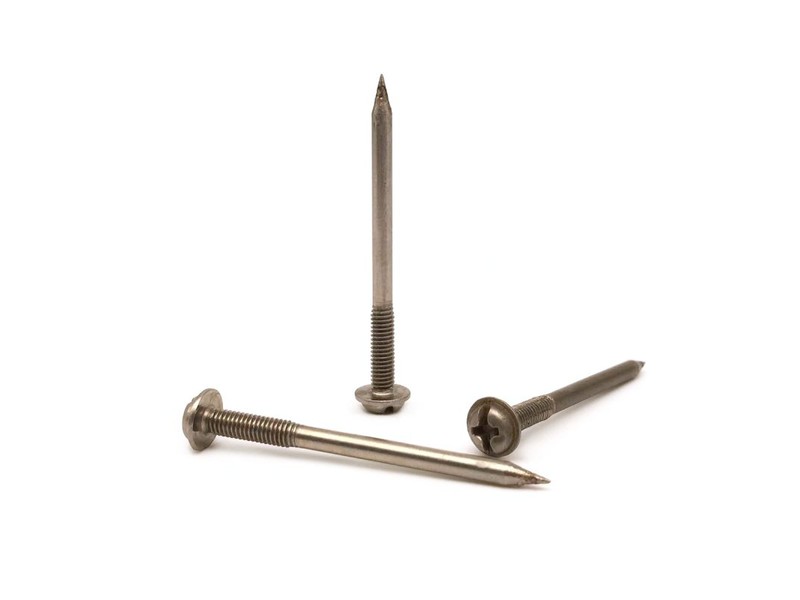
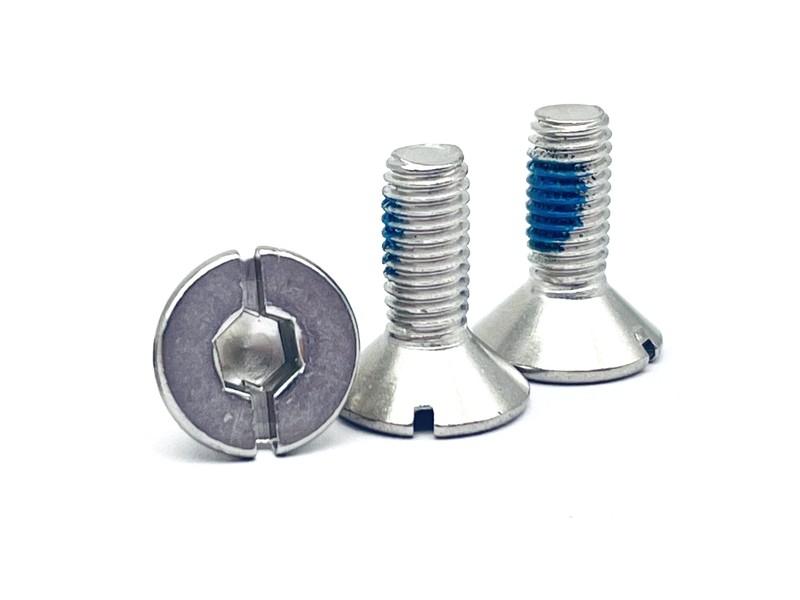
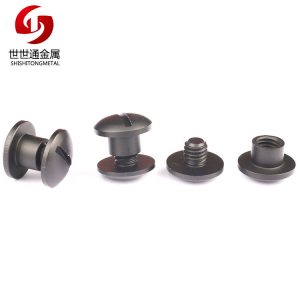
Type:Slotted Truss Head Machine Screw
Materials:SUS
Surface treatment:Plain
Head Type:Truss Head
Drive:Single slot across the full head face
Thread:Metric machine thread, rolled 60 degrees, full to the head bearing face
Point:Blunt end with a small chamfer; no taper, no drill point
Forming:Single-die heading, slot cut across the face, thread rolling, cleaning and passivation, sorting
Size:M1 M2 M3 M4 M5 M6 M7 M8 M9 M10 M14
Number:413
We manufacture slotted truss head machine screws with a wide low head, a flat bearing face almost to the rim and a single slot, a rolled machine thread and a blunt end, in plain stainless steel. Head diameter and height, slot width and depth, thread and length are taken from your drawing.
Watch the factory video·Email sst@szsst88.com
ISO 9001:2015 · Manufacturing since 1998 · 8,678+ customers · 89 countries and regions
Made to order – there is no stock catalogue. Each part is produced to your drawing, and production starts after drawing review and first-article approval.
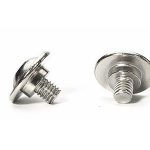
A slotted truss head machine screw is a machine screw with a wide, low head, a flat bearing face that runs almost to the edge, and one straight slot across the top. The recorded item on this page is SUS with a plain passivated finish, quoted from M1 to M14 with Number 413.
Truss head. Wider than a pan head and lower, with the underside flat out to the rim instead of curving away. The wide face is the point of the head: it spreads load over a larger patch of panel and covers a hole that has opened up.
One slot. A single straight slot across the full head. It takes a flat blade, and on a wide head it also leaves a clean line of light across the dome, which is part of why the shape is used on visible work.
Machine thread. A rolled thread for a tapped hole or a nut, with a blunt end. The screw does not cut its own thread: the hole is already there.
Stainless. The alloy provides the protection, so the slot and the thread are bare alloy at their formed size, and the part survives wash-down and weather without a coating to fail.
Where it belongs. This is the small, wide-headed fixing seen on clocks, instruments, panels and period hardware: a head that is large enough to look deliberate on a thin face, with a drive that needs nothing more than a screwdriver.
The truss head is upset in one heading stroke with its low dome and flat bearing face, and the slot is cut afterwards. Cutting it after heading is what keeps the slot square to the axis; a slot that leans makes the blade tilt the screw, and on a wide head that shows as a crescent of bright metal across the dome.
The head diameter runs at close to twice the thread, and the height is kept low. That combination gives a bearing face wide enough for a thin panel without a tall head standing above it — which matters on a clock face or an instrument panel where the fixing is in a row.
The slot depth is set against the head height. A slot that is too deep thins the material under it and the dome can bow under torque; one that is too shallow stands the blade proud and lets it slip out, which on a stainless head leaves a mark that cannot be polished away.
The thread is rolled from under the head to the blunt end. Rolling work-hardens the stainless flank and leaves a smooth surface, and it is what lets the screw be removed and refitted without galling the thread.
Cleaning and passivation follow, and the recorded finish is plain. Nothing is applied to the slot or the thread, so the blade fits as cut and the thread gauges as shipped.
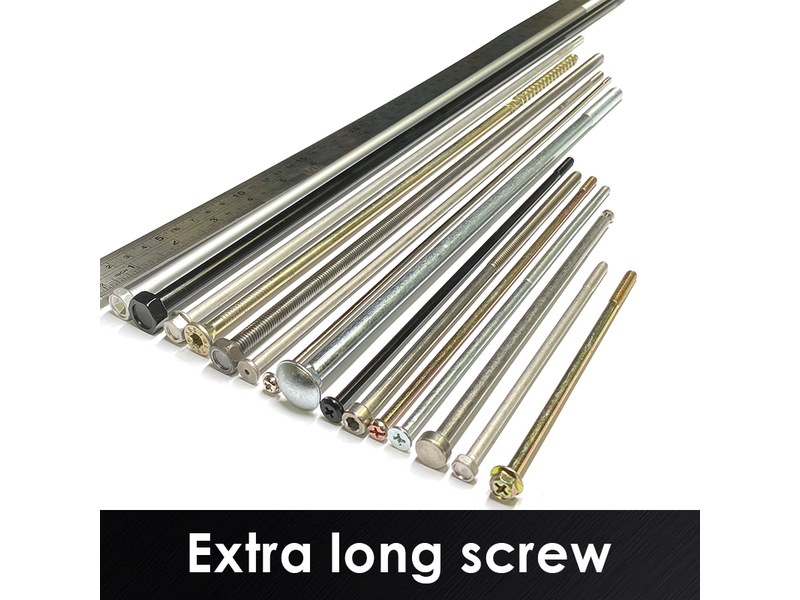
The family is quoted from M1 to M14, with M1, M2, M3, M4, M5, M6, M7, M8, M9, M10 and M14 in the recorded range. Custom lengths up to 2,000 mm are subject to DFM review after drawing submission; slotted truss head machine screws are mostly used at the small end, where a wide head on a small thread is what the product needs.
| Item | How it is defined | What we control |
|---|---|---|
| Head diameter | Close to twice the thread diameter | Checked on the projector |
| Head height | Low dome, flat bearing face | Measured from the bearing face |
| Slot width | Matched to the blade used | Checked with the blade on the first article |
| Slot depth | Set against the head height | Checked on the section |
| Thread | Metric machine thread, rolled | Gauged per batch |
| Length | From under the head to the tip | Measured on the shop plate |
The head diameter is what the part is chosen for. On a panel of fixed thickness, a head that is too small dishes the material around the hole; too large and it overlaps the next fixing or the edge of the recess. It is worth agreeing against the panel rather than against the standard.
The slot width has to match the blade, and on a small head that is a tight window. A thin blade cuts into the slot walls; a thick one will not seat and rides on the top edges, which on stainless leaves two bright lines that stay.
The head does the load spreading and the slot does the driving. Neither is sophisticated, and that is exactly why the combination is still specified on small visible fixings.
| Feature | What it gives | What it costs |
|---|---|---|
| Wide flat head | Load spread on thin panels and board | Needs clearance around the fixing |
| Low dome | Almost flat profile on a visible face | Less material for a deep slot |
| Single slot | Any flat blade will turn it | Slot edges deform on a soft or worn blade |
| Machine thread | Runs in and out of a tapped hole freely | Backs out under vibration without a lock |
| Plain stainless | No coating to fill the slot | Galls against stainless |
The wide head is what makes this screw usable on materials that would otherwise need a washer. On a clock face, a display panel or a thin instrument plate the bearing area is spread over the full width of the head, so the fixing does not mark the surface or dish it. The trade is clearance: a wide head needs room around it, and a row of them needs more spacing than a row of pan heads.
The slot is a deliberate, plain drive. It looks right on old instruments and on anything where a cross would read as modern. Its weakness is that it only gives one line of engagement, so a worn blade rounds the slot edges faster than a cross recess would — and on a stainless head those marks are permanent.
The two together explain the part’s niche. Where a small screw has to look like part of the design and still hold a thin panel, a wide head with a slot is simpler and cheaper than a knurled head or a socket, and it needs only the tool everyone already has.
The recorded finish is plain stainless, cleaned and passivated. On a slotted head that is the practical default: a coating on the slot walls narrows it, and a coating on the wide bearing face changes the area that sits on the panel.
| Option | What it does | Effect on slot and thread | Typical use |
|---|---|---|---|
| Cleaned and passivated | Removes free iron after forming | No dimensional change | General and wet service |
| Satin bead blast | Even matte face on the dome | Slot edges softened slightly | Visible panels |
| Bright passivated | Cleaner, brighter surface | No dimensional change | Instruments and clocks |
| Electropolished | Levels micro peaks | Slot edges rounded a little; fit checked | Hygienic service |
| Dry film on the thread | Reduces galling in stainless joints | Film kept off the slot | Joints opened often |
Passivation is the only treatment that can be added without touching the slot. It removes the embedded iron from the dome and the thread roots and leaves the geometry alone, so the blade still fits as cut — which on a slotted head is the whole drive.
A dry film belongs on the thread, not on the head. Stainless threads gall, and a truss head gives enough grip for a hand to force a seized thread further; a film on the thread solves that, while a film in the slot makes the blade slip.
Three assemblies where a wide, low head on a small thread is what the product needs:
| Where it sits | The screw holds a bezel, a movement plate or a dial where the head is seen and the face is thin. |
| When it goes wrong | A small head marks the dial face, and a head that stands proud throws a shadow on an instrument glass. |
| Why it happens | The face is thin and visible, the fixing is in a row, and the part is adjusted by hand. |
| What we control | Head diameter and height checked, slot tried with the blade on the first article. |
| Where it sits | The screw fixes a plate, a trim or a bracket where the head sits on a finished face and the fixing must not be visible as a fitting. |
| When it goes wrong | A bright coating on a silver part reads as a different metal, and a small head dishes a thin panel. |
| Why it happens | The face is finished, the fixings repeat, and the part is handled. |
| What we control | Tone matched to the sample, head diameter checked against the spacing. |
| Where it sits | The screw holds a cover or a plate down in a shallow recess where clearance above the face is limited. |
| When it goes wrong | A tall head fouls the cover, and a slot that is too shallow lets the blade slip and mark the face. |
| Why it happens | The panel is thin, the head is recessed, and the fixing is serviced. |
| What we control | Head height checked against the recess, slot checked with the blade. |
Four reasons that matter on a wide-head slotted screw, each tied to what the drawing has to prove:
|
Head and slot reviewed together
The head diameter, the head height and the slot width are reviewed as one set, so a slot that would thin a low dome is raised before tooling. Basis: Head and slot reviewed as one set. |
Head, slot and thread in one route
The truss head is upset in one stroke, the slot is cut after heading, and the machine thread is rolled to a blunt end. Basis: One route from wire to passivated screw. |
|
Slot and thread checked on the part
The slot is checked with the blade the customer uses, and the thread is gauged per batch in the finished condition. Basis: First article checked with the blade. |
First article to repeat production
The first article fixes the drawing revision, wire heat, die set, slot width and thread roll; repeat orders are compared against that record. Basis: First article signed off before the batch is released. |
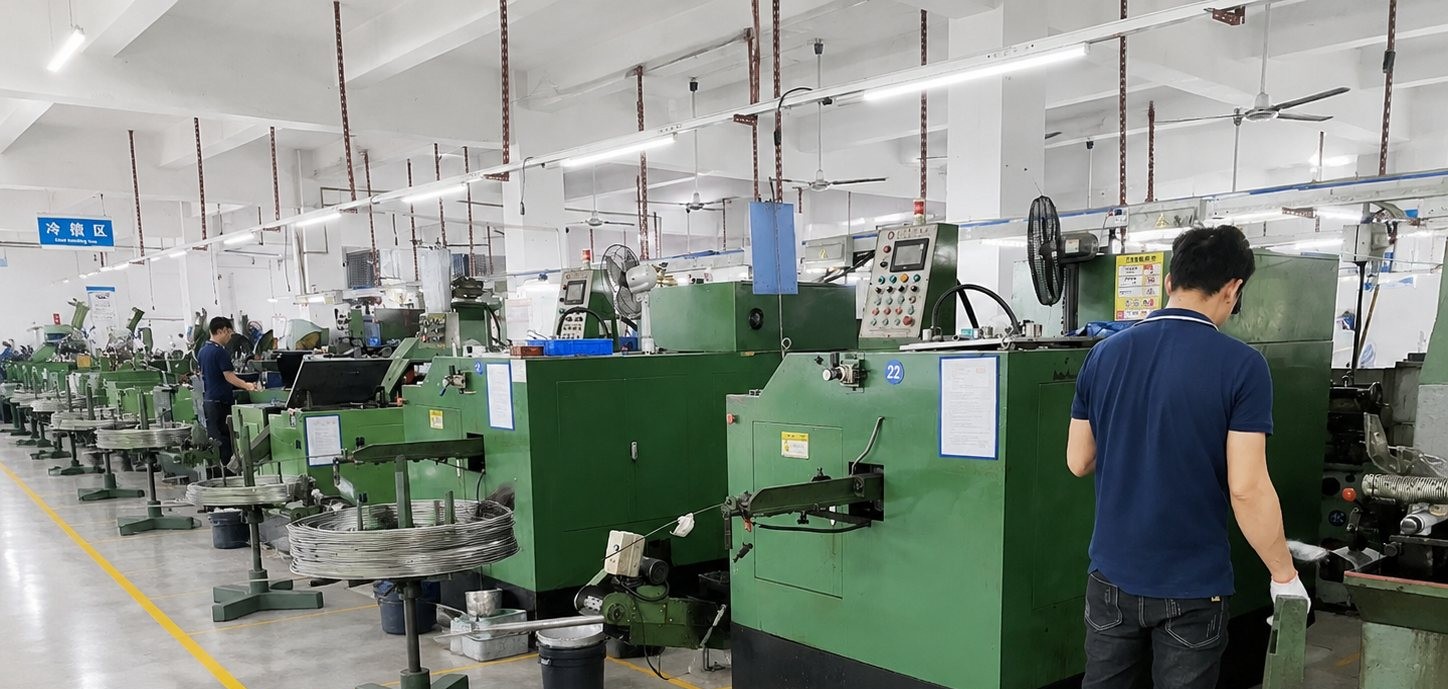
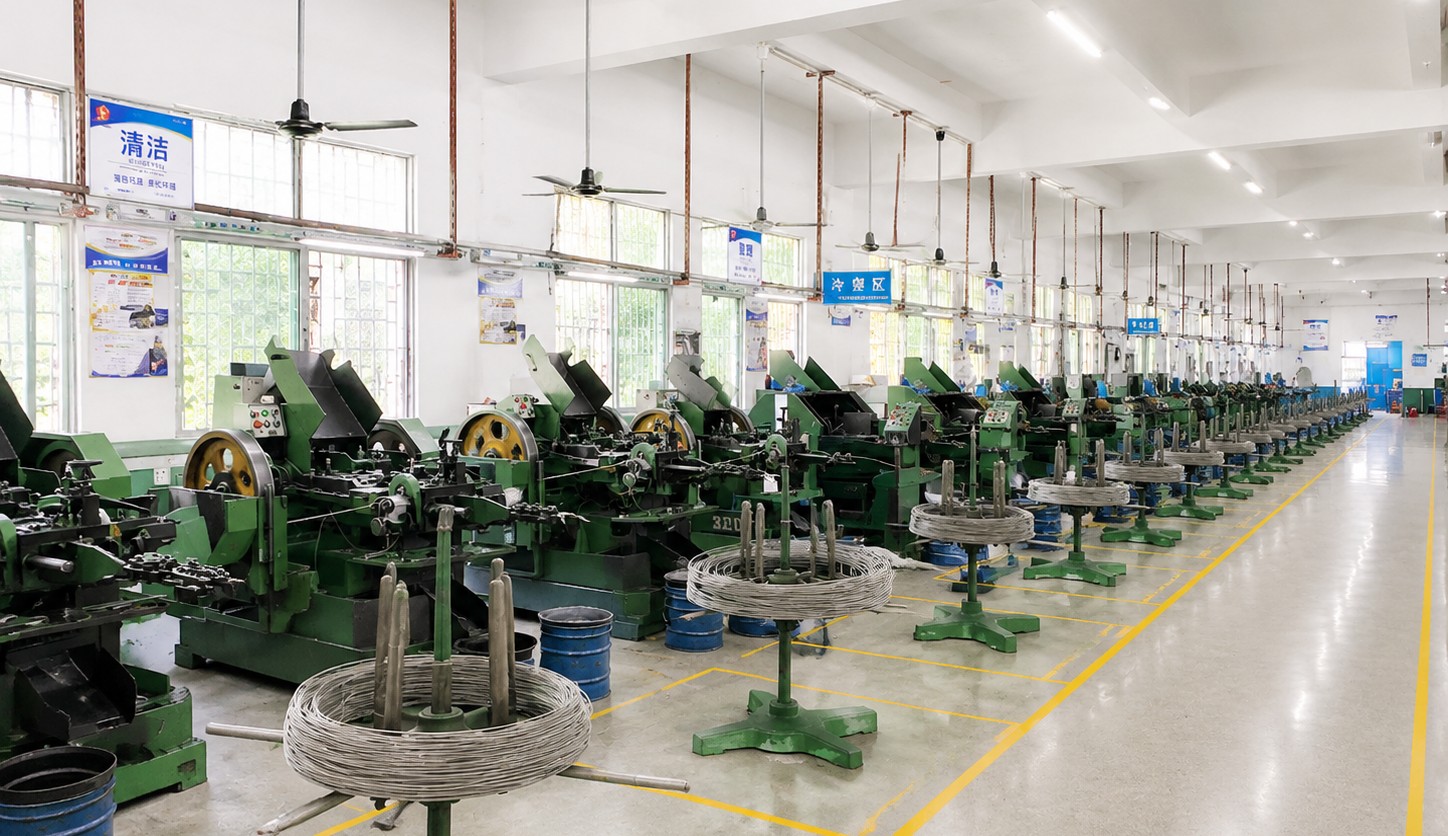
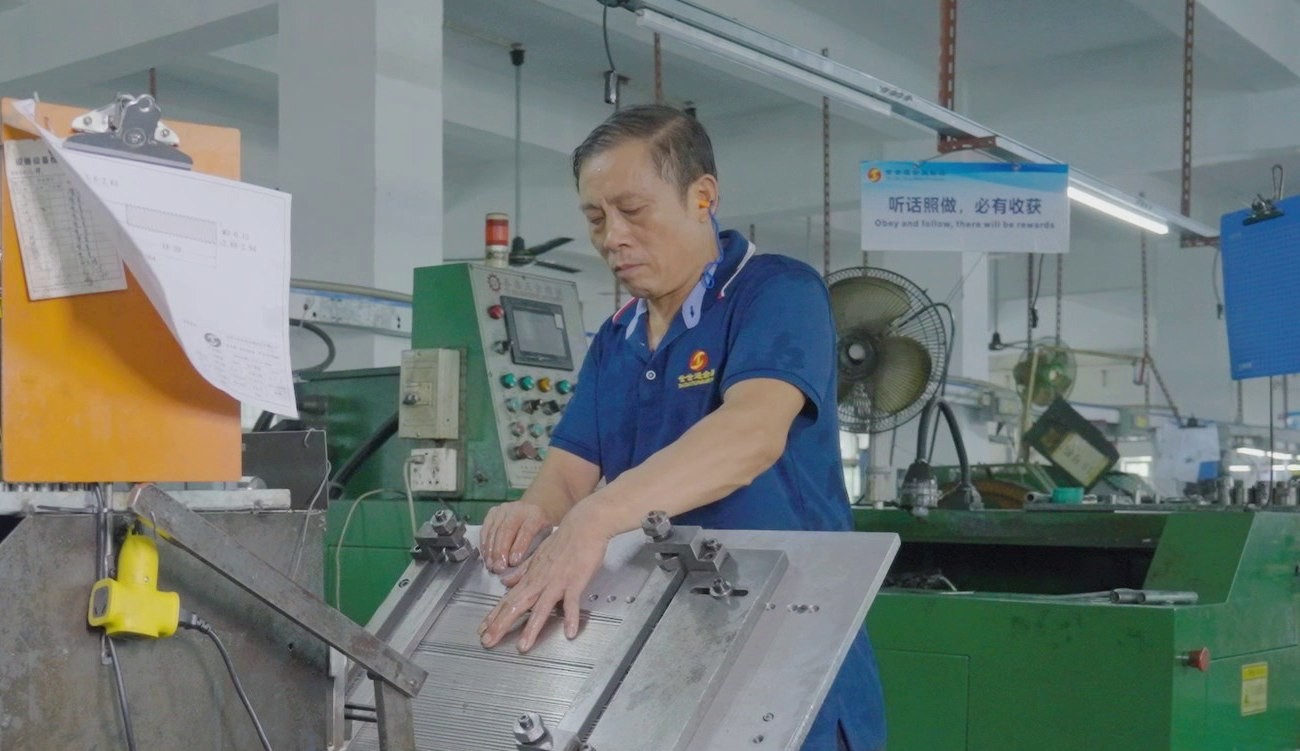
Shi Shi Tong forms these slotted truss head machine screws on a single-die header that upsets the wide low head, cuts the slot across the face and rolls the machine thread to a blunt chamfered end. The parts are cleaned and passivated. The first part of every run is measured on the head, checked with the production blade and gauged on the thread, before the batch continues.
|
|
The slot is the operation that shows up most on this part. It is cut after the head is formed, so the blade sits square, and it is cut to a width checked against the customer’s own blade rather than against a nominal figure. On a wide, low dome a slot that is a few hundredths too wide lets the blade rock, and the dome marks on both sides before the screw turns.
What decides whether slotted truss head machine screws pass is the head, the slot, the thread and the surface. The inspection agreement covers those, and the criteria come from the drawing.
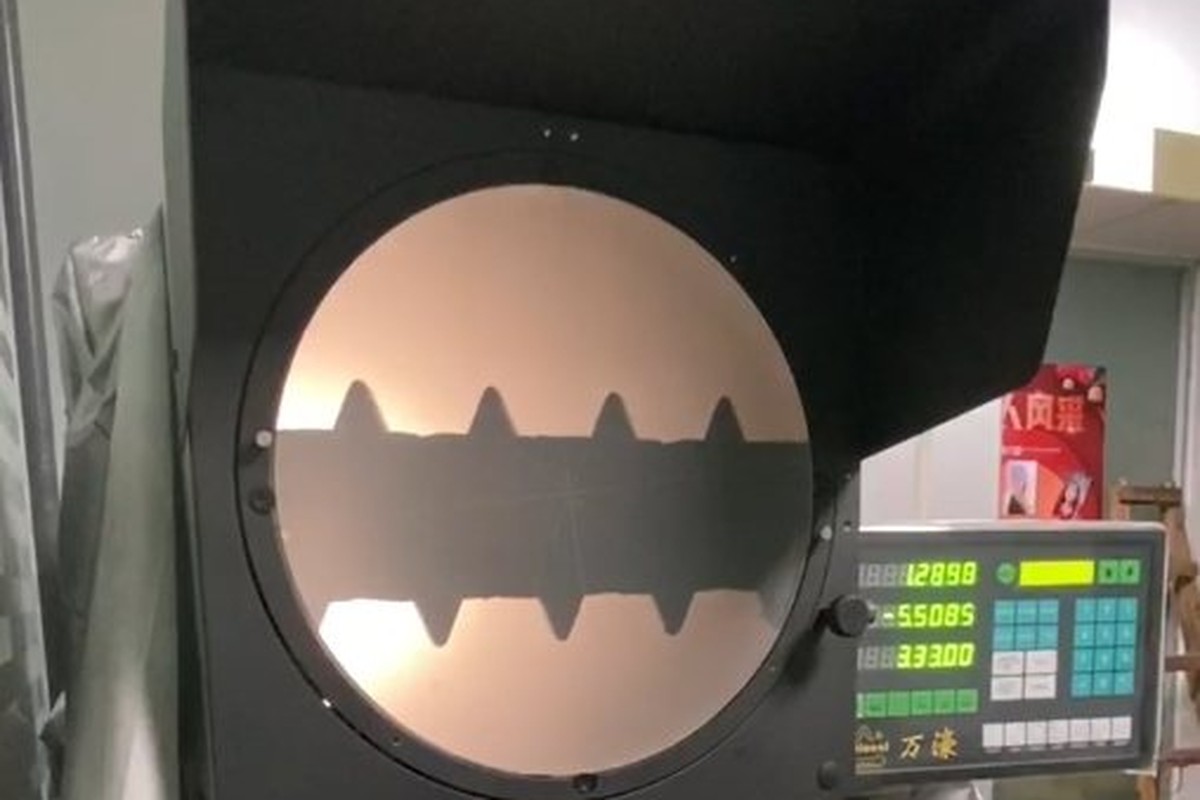
Head and slot on the projector |
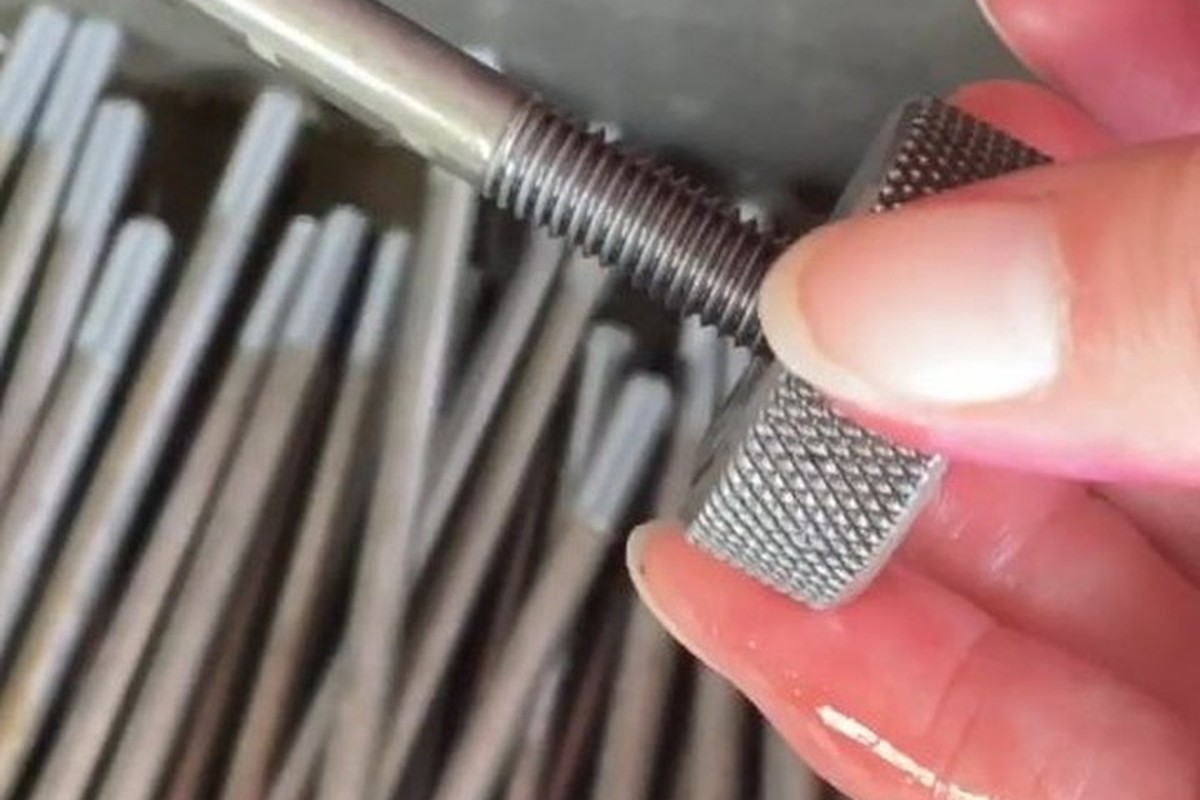
Thread gauged per batch |
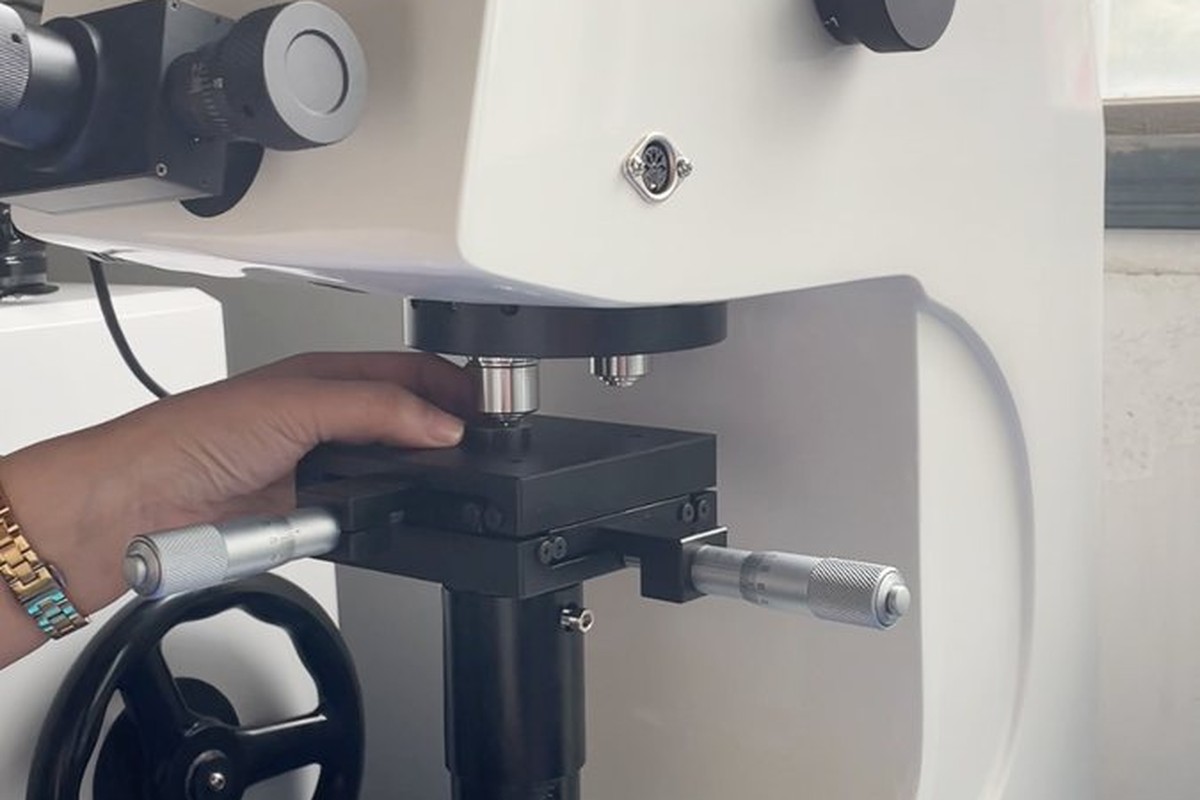
Hardness testing of the wire |
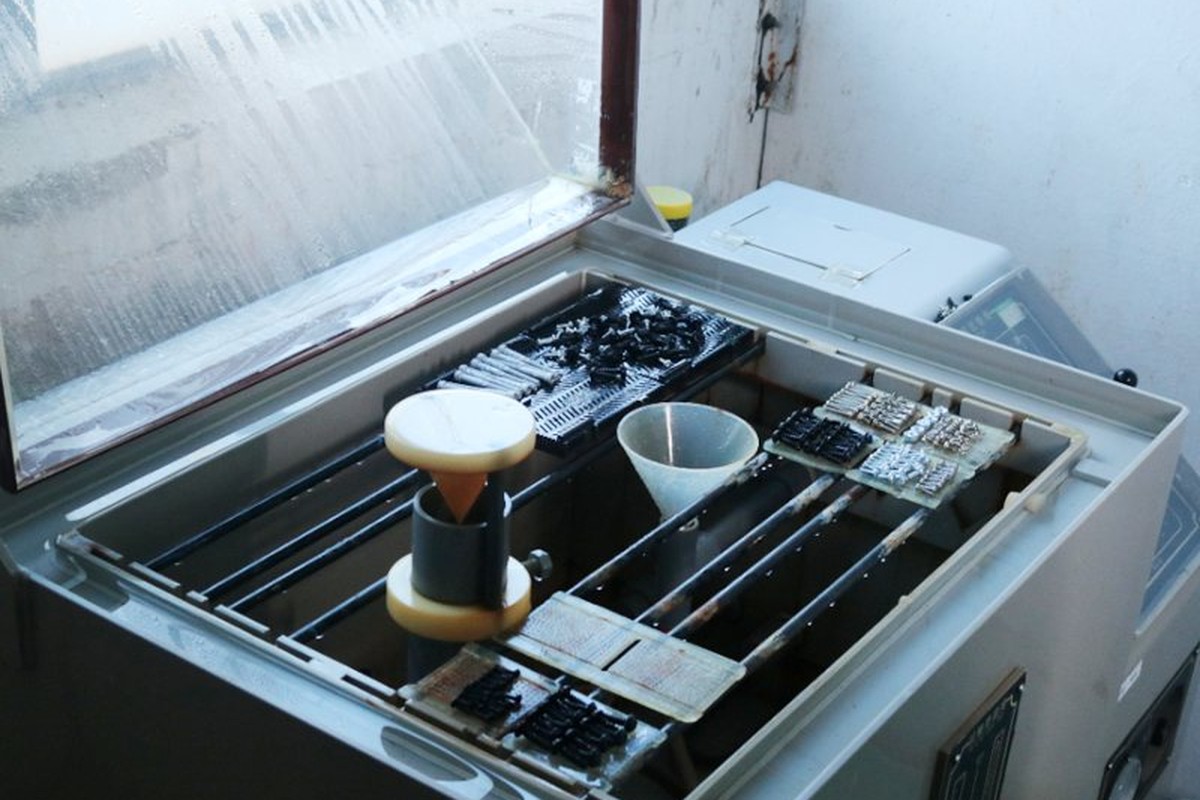
Salt-spray testing where the service requires it |
The head is checked for diameter, height and flatness of the bearing face on the first article. A bearing face that is not flat contacts the panel on a ring at the rim instead of across the face, which on a thin panel shows as a small dished ring — and on a wide head that ring is much more visible than on a pan head.
The slot is checked with the blade at the joint torque. A slot that measures correct and still lets the blade slip down the ramp of the dome has walls that are not parallel, and the first hard turn marks the top face.
Every shipment of slotted truss head machine screws is traceable to the wire it was made from. The grade and heat number are recorded on the material certificate supplied with the parts, and the inspection records follow the criteria agreed on the drawing.
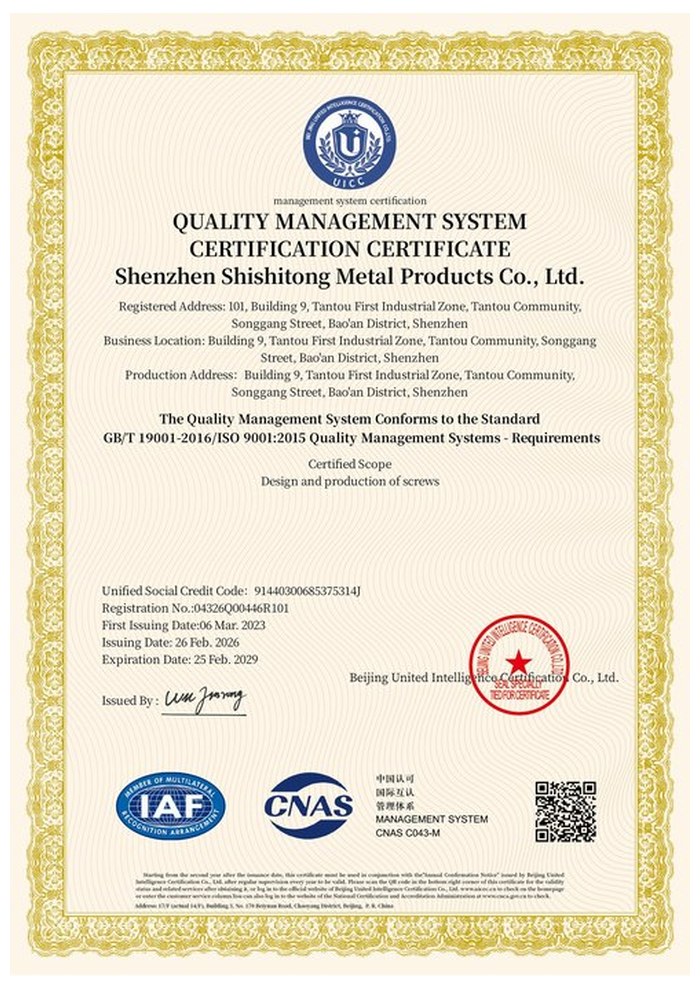
ISO 9001:2015 |
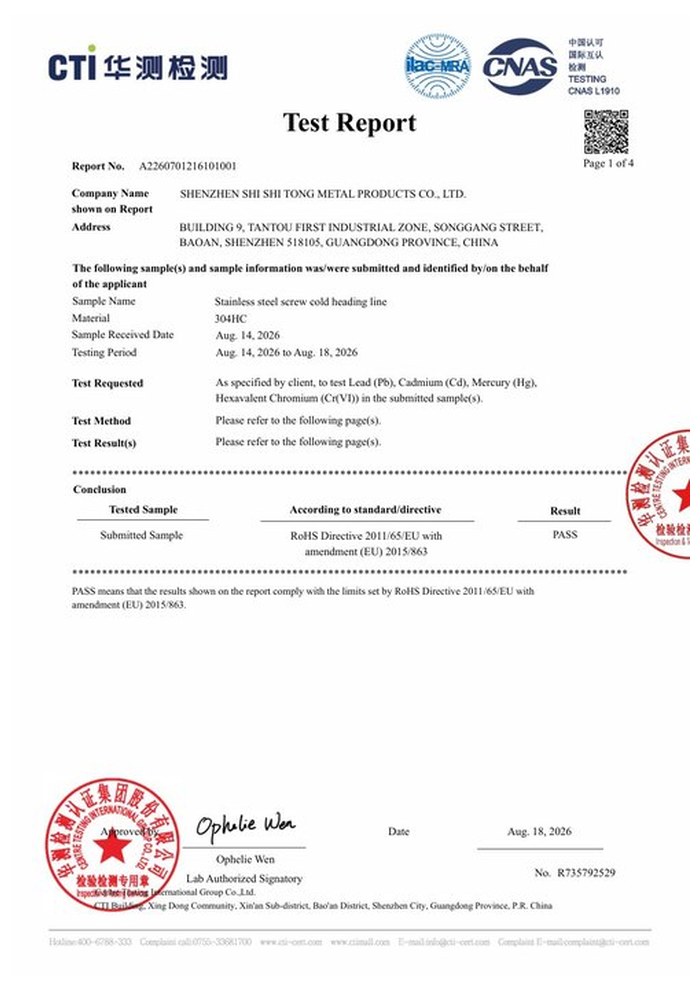
RoHS test report |
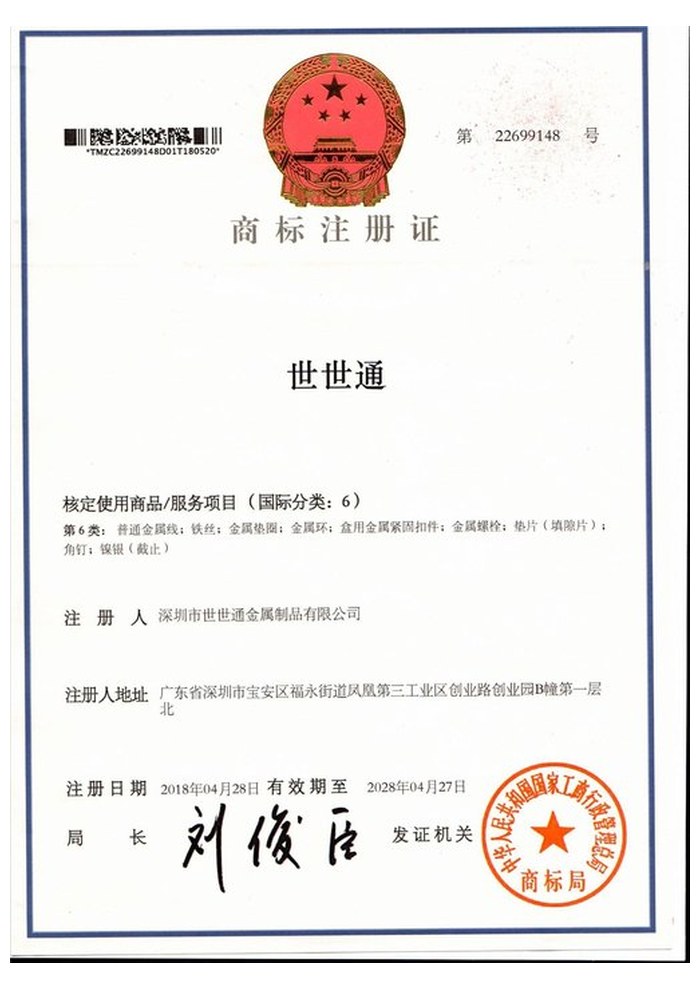
Registered trademark |
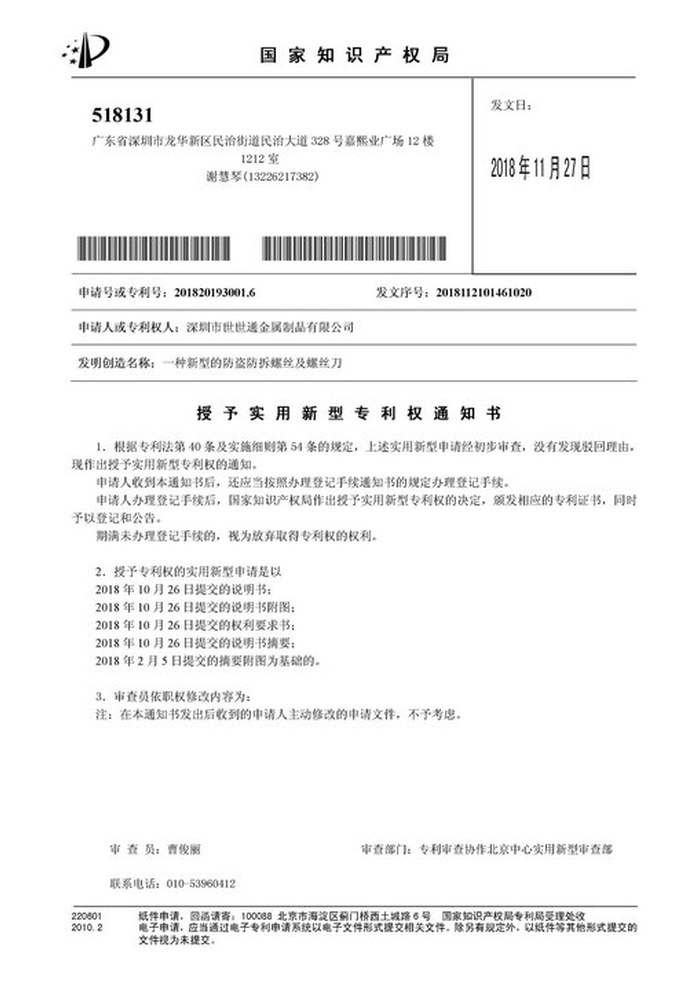
Patent: security screw and driver |
With each batch we supply the material certificate, the inspection record for the criteria on the drawing and, where it is listed, the third-party report for the material. The documents carry the drawing revision and the batch number, so the paperwork can be matched to the parts.
More than 8,678 customers in 89 countries and regions have ordered from Shi Shi Tong; 87% of orders come from repeat customers and 56% through referrals. Most projects follow the same route: drawing review, first-article approval, then batches checked against that sample. On a visible head the first article is judged against the face it will sit on, because the dome and the slot are what the customer sees. Buyers visit during the process to review samples and to see how the heads are formed.
|
8,678+
customers served
|
87%
of orders from repeat customers
|
56%
of orders through referrals
|
89
countries and regions shipped to
|
Buyers and quality engineers visit for sample review, process discussion and supplier audits; the visit is arranged around production so the header and the passivation line can be seen on the day the parts run.

Customer group visit – sample review |

Customer group visit – process discussion |

Customer group visit – factory tour |

Customer visit – project kick-off |

Danish customer – drawing review |
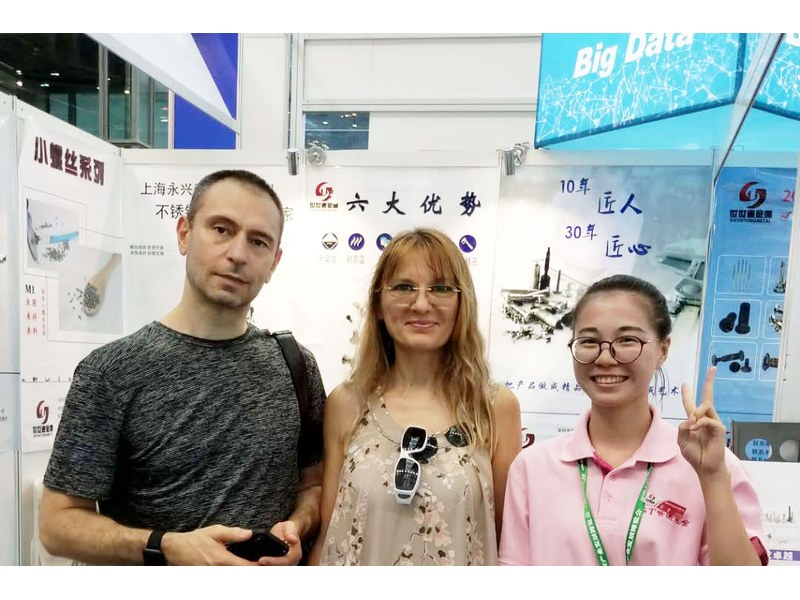
Industry exhibition – meeting customers |
A wide, low head with a flat bearing face that runs almost to the rim. It spreads load over a larger patch of panel than a pan head of the same thread.
It takes a flat blade, which is the tool every workshop has, and it looks right on instruments and period hardware. Its weak point is that a worn blade marks the slot edges.
From under the head to the tip. With a machine thread the whole length is engagement once it is inside the tapped hole.
A wide head spreads the load, so it is less likely to dish a thin face than a small head. The bearing face has to be flat to do that, and it is checked on the first article.
They can, against another stainless thread. A dry film on the thread is the usual answer, and it is kept off the head so the blade still fits.
Thread size and pitch, head diameter and height, slot width and depth, length and datum, stainless grade and finish.
How a slotted truss head machine screw project runs from drawing to repeat delivery:
|
1
Send the drawing or sample
|
→ |
2
Head and slot review
|
→ |
3
First article fitted and driven
|
→ |
4
Batch production and repeat orders
|
Each step is confirmed with you before the next one starts; the drawing revision from the first article is what repeat orders are checked against.
For a quotation, send the drawing with the thread size and pitch, head diameter and height, slot width and depth, length and datum, stainless grade and finish.
|
Thread and pitch
|
Head diameter and height
|
Slot width and depth
|
|
Length and datum
|
Grade
|
Finish
|
Sending a drawing? The form below does not take attachments. Email the PDF, DXF or STEP file to sst@szsst88.com with the part name and quantity in the subject line – the drawing is reviewed and a quotation follows.

 +86 13143444311
 sst@szsst88.com