Tel:
+86 13143444311
Email:sst@szsst88.com
Fax:+0086-755-27322278
Address:Building 9, First Industrial Zone, Tantou Industrial City, Songgang Street, Baoan District, Shenzhen 518105, Guangdong, China
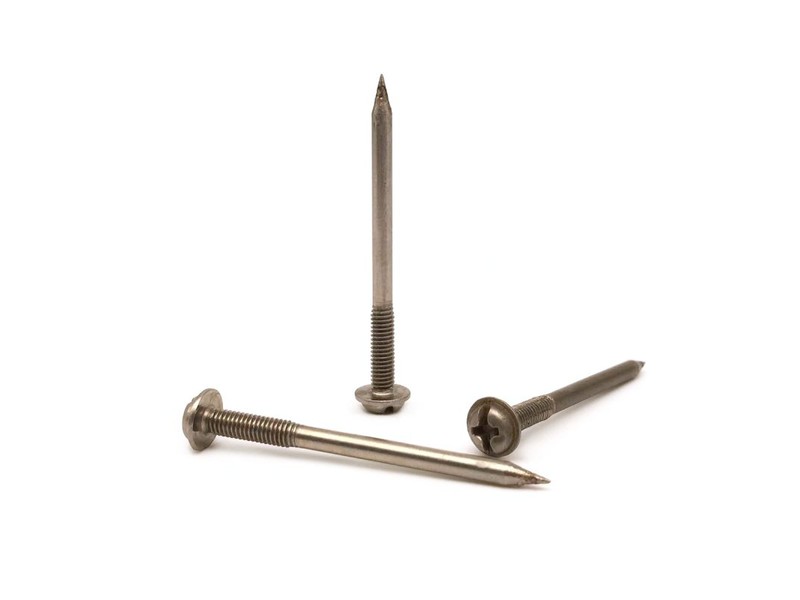
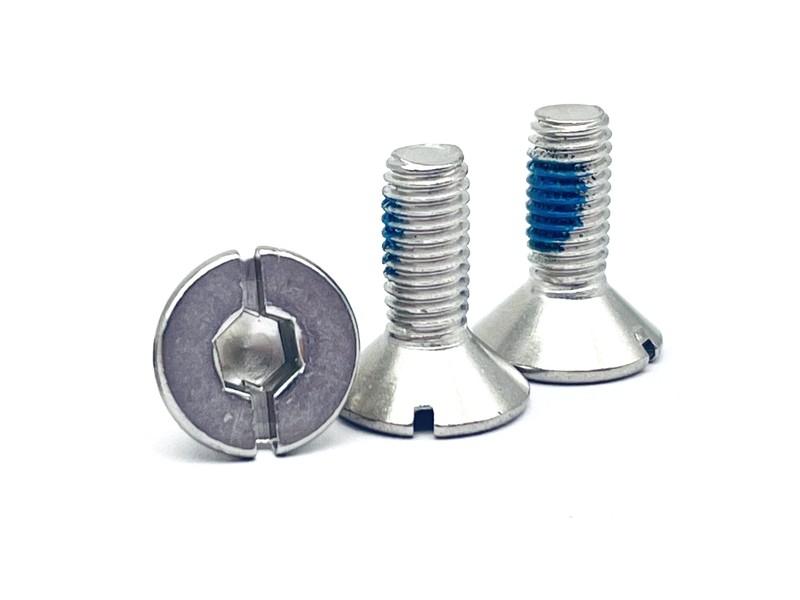
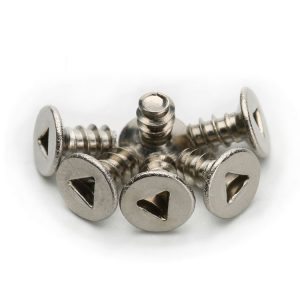
Type:Stainless Steel Tamper Proof Screws (six-lobe with centre pin)
Materials:Stainless Steel
Surface treatment:Plain (no coating)
Head Type:Pan Head
Drive:Six-lobe (Torx-type) with centre pin
Thread:Machine thread, rolled
Point:Flat end (machine screw, not self-tapping)
Size:M1 - M14 (per drawing)
Forming:Single-die cold heading, thread rolled, passivated as required
Number:244
We manufacture stainless steel tamper proof screws with a six-lobe recess and a centre pin formed in the same die, a pan head, a rolled machine thread and a flat end. Recess size, pin height, thread and length are taken from your drawing, and the drive is checked with your service tool.
Watch the factory video·Email sst@szsst88.com
ISO 9001:2015 · Manufacturing since 1998 · 8,678+ customers · 89 countries and regions
Made to order – there is no stock catalogue. Each part is produced to your drawing, and production starts after drawing review and first-article approval.
Stainless steel tamper proof screws are screws whose drive needs a tool the ordinary user does not have, combined with a stainless body that survives weather. The recorded item on this page is a pan head machine screw with a six-lobe recess and a centre pin, a rolled thread and a flat end, in stainless steel with no coating, quoted from M1 per drawing with Number 244.
Six-lobe with a centre pin. The recess is a six-pointed star, and a short pin stands at its centre. An ordinary six-lobe key will not enter, because the pin occupies the place where the key needs to sit, so the screw cannot be removed with a standard bit set.
Pan head. A low dome on a flat bearing ring. The head is not designed to be gripped from the outside, which is the other half of the security argument: there is nothing for pliers to hold.
Machine thread. The thread is rolled and goes into a tapped hole or a nut. It is a machine screw, so it is used where the joint is engineered rather than in soft sheet with a self-tapping thread.
Flat end. The screw ends flat, because it is going into a threaded hole and there is no need for a point. The flat end also means it can sit close to the bottom of a blind hole without cutting into it.
Stainless, uncoated. The protection comes from the alloy, and the parts are passivated as required. An uncoated recess is also part of the security: there is no plating to chip away that would change the fit of the special tool.
The head and the six-lobe recess are formed in one cold-heading stroke, and the centre pin is formed in the same recess rather than inserted afterwards. That matters: a pin that is pressed in after forming can be driven out with a small punch, and the security feature disappears with it.
The depth of the recess is set against the pin height. A recess that is too shallow leaves the tool standing proud and it cams out; one that is too deep thins the material under the head. On a pan head the two numbers are close together, which is why the recess and the pin are checked together on the first article.
The lobes themselves are cut to a size that matches the standard six-lobe series for the thread, with the pin added. That lets the customer’s own service tool — the one with the hole in it — fit the screw, while a plain six-lobe key still will not.
The thread is rolled and runs to the underside of the head. Rolling work-hardens the stainless flank, which matters because a tamper proof screw is often the one that has to come out again after a long time in place, and a rolled thread is less likely to have galled into the tapped hole than a cut one.
Passivation follows. On stainless steel tamper proof screws the recess is the surface that will be probed by a tool, so it is cleaned properly rather than left with the debris from heading; a rough recess is where a special tool binds.
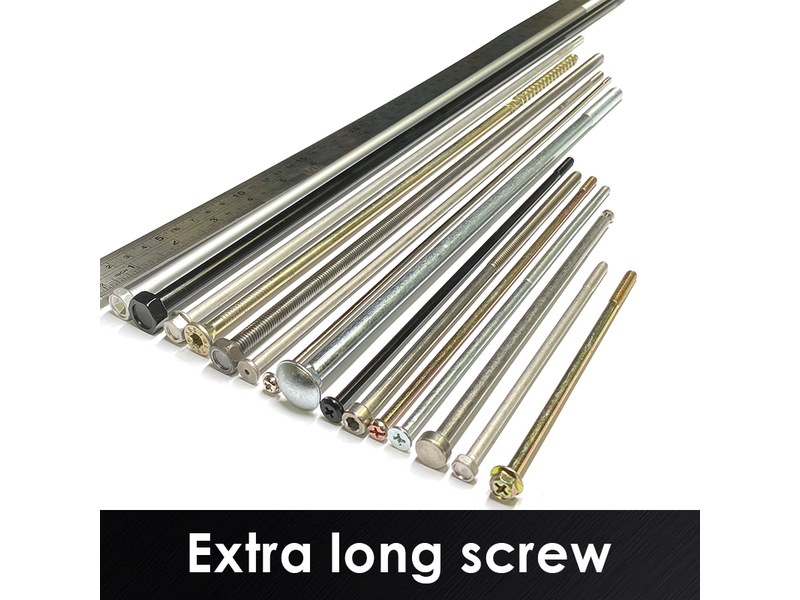
The family is quoted from M1 up, per drawing, with the recorded part in stainless steel and a plain finish. Custom lengths up to 2,000 mm are subject to DFM review after drawing submission; on stainless steel tamper proof screws the practical range follows the machine screw sizes, because the recess has to be large enough to carry a pin and still leave a wall.
| Item | How it is defined | What we control |
|---|---|---|
| Thread | Metric machine thread, rolled | Gauged per batch |
| Head | Pan head, low dome | Diameter and height on the projector |
| Recess | Six-lobe with centre pin | Size checked with the service tool |
| Pin | Height and diameter, formed with the recess | Checked on the magnified first article |
| Wall | Material between recess and head edge | Checked on the section |
| Point | Flat end | Checked on the first article |
| Length | From under the head to the flat end | Measured on the shop plate |
The pin is the dimension that decides whether the screw is tamper proof in practice. It has to be tall enough that a standard six-lobe key cannot engage, and small enough that the service tool with its matching hole still seats fully. On the small sizes the window between those two is narrow, and both ends are checked on the first article rather than one.
The wall thickness between the recess and the outside of the head is the other constraint. On a small pan head a large recess leaves very little metal, and a screw that is driven hard will split at the edge rather than at the drive. Where the customer wants a stronger head, the next size up is the answer, not a thinner wall.
Tamper proof is a practical description, not a guarantee. It is worth being clear about what the drive stops and what it does not, because a specification that overstates it will disappoint the customer later.
| Feature | What it stops | What it does not stop |
|---|---|---|
| Six-lobe with pin | Standard six-lobe keys and most bit sets | A person who buys the matching security bit |
| Pan head, no flats | Removal with pliers or a wrench | Drilling the head off |
| Stainless body | Rust and seized heads outdoors | Force applied to the assembly around it |
| Rolled thread | Galling in the tapped hole | The joint being opened by other means |
The honest position is that stainless steel tamper proof screws raise the effort needed to remove a fixing from seconds to minutes, and require a tool most people do not carry. That is enough for public-facing equipment where the risk is casual interference, and it is not enough for anything that a determined person with a bit set and time is targeting.
There are stronger options when the risk is higher: a one-way head that can only be driven in, a snake-eye or tri-wing drive, or a screw that is deliberately destroyed on removal. Those are specified when the fastening is meant to be single-use, and they carry the cost that servicing the equipment then means replacing the fixings.
Stainless changes the practical side of the choice. A tamper proof screw outdoors is usually seized by the time it has to come out, and a stainless one at least comes out in one piece; a plated steel one tends to lose the recess first. The alloy here is doing as much for serviceability as the drive is doing for security.
The recorded finish is plain stainless with no coating, passivated as required. An uncoated recess is deliberate on this part: a coating adds a few microns to the lobes and the pin, and the special tool that was designed to fit stops fitting.
| Option | What it does | Effect on the recess | Typical use |
|---|---|---|---|
| Plain, passivated | Alloy protection, no film | No change; tool fits as drawn | Outdoor and public equipment |
| Satin bead blast | Even matte face | Softens edges slightly | Visible panels |
| Black oxide (stainless variant) | Dark finish | Thin; recess unchanged | Black enclosures |
| Dry film in the recess | Reduces galling between tool and recess | Film checked with the tool | Screws removed often |
| Nickel plated (steel variant) | Bright hard finish | Thicker; recess re-checked | Indoor visible hardware |
Where a plated steel version is used instead, the recess has to be checked after plating with the service tool and not with a gauge. A plated recess that measures correct can still be too tight for a tool that has to seat to the bottom, and a tool that does not seat will cam out of a security drive long before it damages a normal one.
Grade selection follows the exposure as usual: 304 for general indoor and outdoor work, 316 where chlorides are present. On stainless steel tamper proof screws used on coastal equipment, 316 is the usual choice, and the material certificate is what confirms it.
Three applications where casual removal is the risk being managed:
| Where it sits | The screw holds a cover, a panel or a display bezel on equipment in a public place, where the fixing is reachable by anyone passing. |
| When it goes wrong | A standard cross or slot invites interference, and a plated screw that rusts becomes a mark that cannot be cleaned off. |
| Why it happens | The fixing is in public reach, the equipment is outdoors or washed, and the joint is serviced by staff. |
| What we control | Recess and pin checked with the service tool, grade and passivation confirmed. |
| Where it sits | The screw closes a meter box or a distribution cover that the utility opens and the public does not. |
| When it goes wrong | A common drive makes the cover easy to open, and a recess that fills with dirt stops the service tool seating. |
| Why it happens | The enclosure is outside, the cover is opened on a schedule, and the public has access to the outside. |
| What we control | Recess depth and pin checked, thread gauged per batch, and the tool supplied by the customer used in the test. |
| Where it sits | The screw fixes a sign, a lamp or a fitting where the owner wants the fixing to stay put and the environment is wet. |
| When it goes wrong | A bright zinc screw corrodes into the sign, and a standard drive lets the fixture be taken down with a coin or a knife. |
| Why it happens | The fixing is outdoors, it is visible, and it is meant to stay. |
| What we control | Grade confirmed, recess and pin checked, and the first article fitted with the production tool. |
Four reasons that matter on a security drive, each tied to what the drawing has to prove:
|
Recess and pin reviewed together
The recess size, the pin height and the wall to the head edge are reviewed as one set, so a drive that will not take the service tool is raised before the die is cut. Basis: Recess and pin reviewed as one set. |
Head, recess and pin in one stroke
The pan head, the six-lobe recess and the centre pin are formed in one cold-heading stroke, so the pin cannot be driven out of the recess. Basis: Pin formed with the recess. |
|
Drive checked with the service tool
The recess is checked with the tool the customer uses, and the pin is measured on the magnified first article. Basis: First article checked with the service tool. |
First article to repeat production
Everything that decides the batch – drawing revision, wire heat, die set, thread roll – is fixed at the first article and reused for repeats. Basis: First article signed off before the batch is released. |
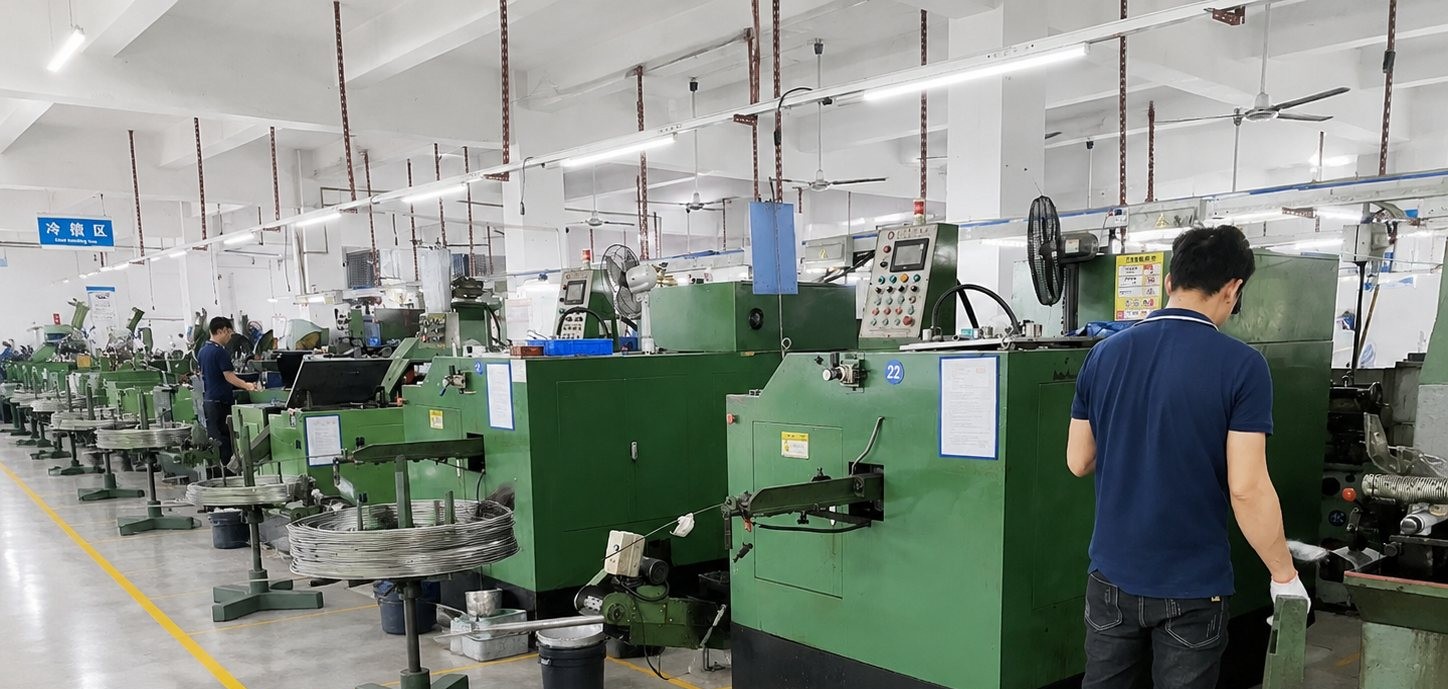
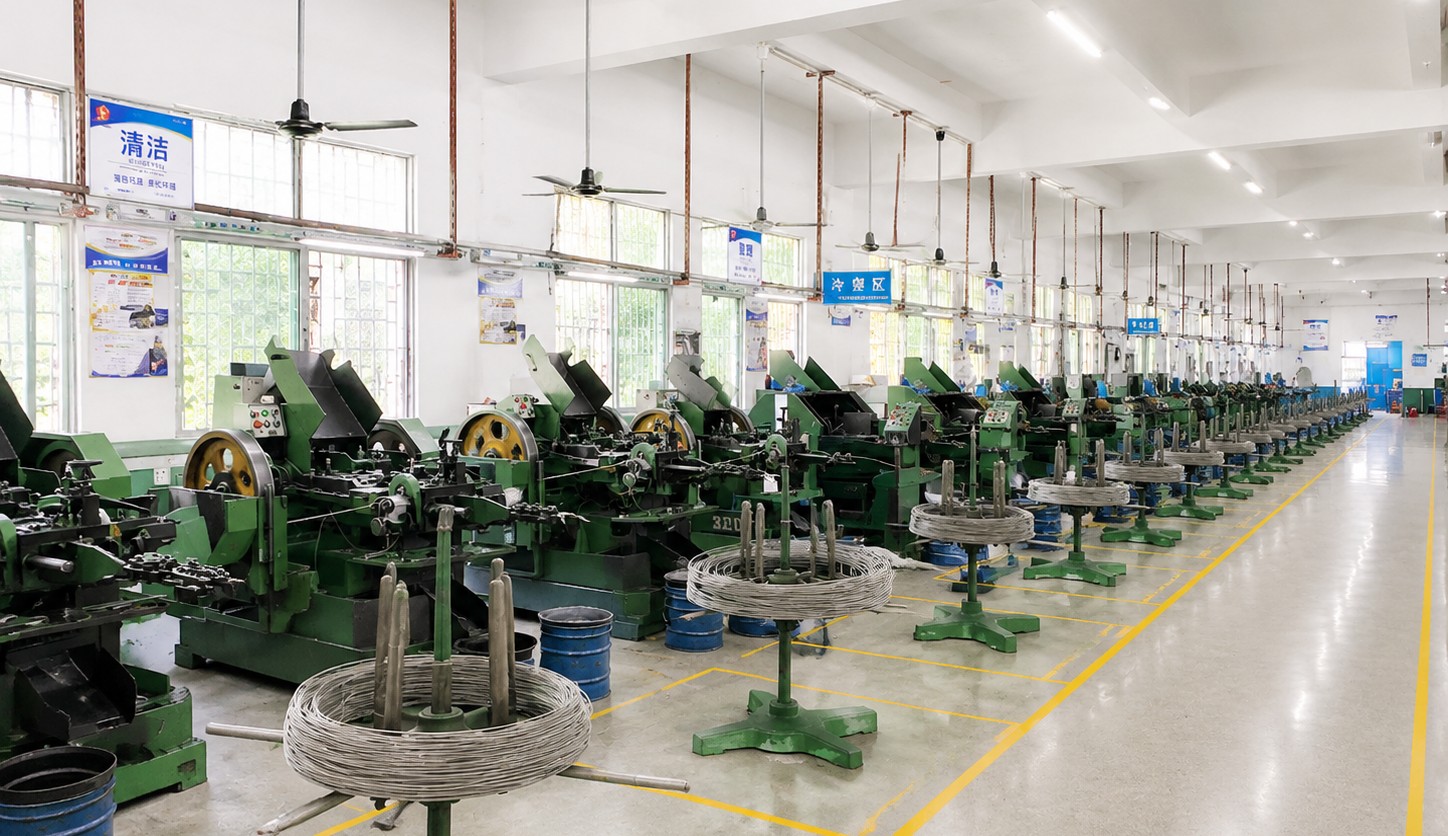
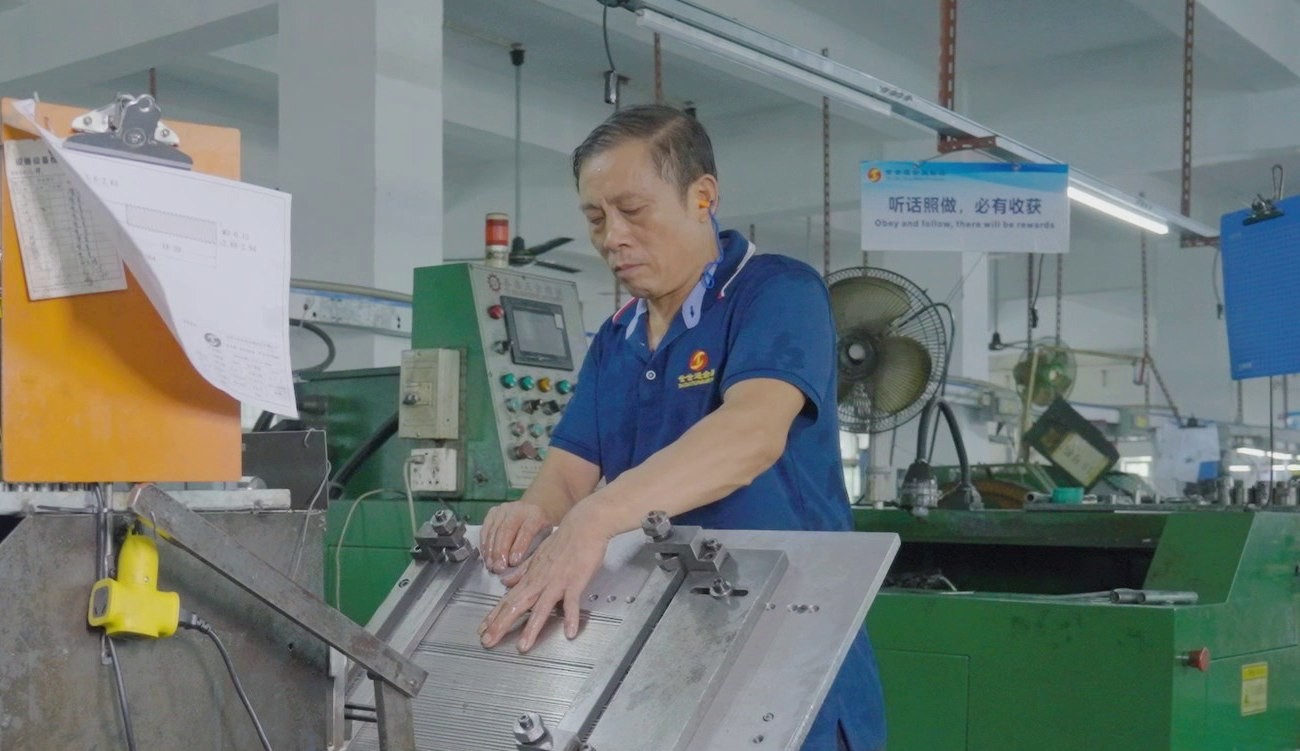
Shi Shi Tong forms these stainless steel tamper proof screws on a single-die header: the pan head, the six-lobe recess and the centre pin are upset in one stroke, and the machine thread is then rolled to a flat end. The parts are cleaned and passivated. The first part of every run is measured on the head and the wall, checked with the service tool and driven into a sample joint, before the batch continues.
|
|
The centre pin is the operation that makes or breaks the part. It has to stand tall enough to block a standard key, and the recess around it has to stay deep enough for the service tool to seat. Both are formed by the same punch, so the die is made once and checked on the first article; there is no room in the process to adjust one without the other.
What decides whether stainless steel tamper proof screws pass is the recess, the pin, the wall to the head edge, the thread and the surface. The inspection agreement covers those, and the criteria come from the drawing.

Recess and pin on the projector |

Thread gauged per batch |

Hardness testing against the property class |

Salt-spray testing of the passivated part |
The recess is checked with the tool, not only on the projector. A six-lobe recess with a pin that measures correctly can still refuse the service tool if the lobes are slightly tight, and the tool is what the customer will actually use. The same check confirms that a standard key does not enter.
The pin is measured on the magnified first article, and the wall between the recess and the head edge on a section. A wall that is too thin shows up later as a split head on the assembly line, and by then the batch is made.
Every shipment of stainless steel tamper proof screws is traceable to the wire it was made from. The grade and heat number are recorded on the material certificate supplied with the parts, and the inspection records follow the criteria agreed on the drawing.

ISO 9001:2015 |

RoHS test report |

Registered trademark |

Patent: security screw and driver |
With each batch we supply the material certificate, the inspection record for the criteria on the drawing and, where it is listed, the third-party report for the material or the surface condition. The documents carry the drawing revision and the batch number, so the paperwork can be matched to the parts.
More than 8,678 customers in 89 countries and regions have ordered from Shi Shi Tong; 87% of orders come from repeat customers and 56% through referrals. Most projects follow the same route: drawing review, first-article approval, then batches checked against that sample. On a security drive the first article is checked with the customer’s own service tool, because the fit of that tool is the feature. Buyers visit during the process to review samples and to see how the heads are formed.
|
8,678+
customers served
|
87%
of orders from repeat customers
|
56%
of orders through referrals
|
89
countries and regions shipped to
|
Buyers and quality engineers visit for sample review, process discussion and supplier audits; the visit is arranged around production so the header and the finishing line can be seen on the day the parts run.

Customer group visit – sample review |

Customer group visit – process discussion |

Customer group visit – factory tour |

Customer visit – project kick-off |

Danish customer – drawing review |

Industry exhibition – meeting customers |
A six-lobe recess with a centre pin. A standard six-lobe key will not enter because of the pin; the matching security bit has a hole in its centre.
No. They raise the effort and require a special bit, which is enough for casual interference. A determined person with the right bit can still remove them.
It is formed with the recess in the same die, not pressed in afterwards, so it cannot be driven out with a punch the way an inserted pin can.
The body is stainless and passivated, so it does not rust the way plated steel does. Grade 304 covers general outdoor work and 316 is used where chlorides are present.
Yes, which is why this part is supplied uncoated. A plated version has to be checked after plating with the service tool, not with a gauge.
Thread size and pitch, head diameter and height, recess size and pin height, length and datum, stainless grade, and the tool the customer will use.
How a stainless steel tamper proof screw project runs from drawing to repeat delivery:
|
1
Send the drawing and the service tool
|
→ |
2
Recess and pin review
|
→ |
3
First article checked with the tool
|
→ |
4
Batch production and repeat orders
|
Each step is confirmed with you before the next one starts; the drawing revision from the first article is what repeat orders are checked against.
For a quotation, send the drawing with the thread size and pitch, head diameter and height, recess size and pin height, length and datum, stainless grade, and the tool that will be used in service.
|
Thread and pitch
|
Head diameter and height
|
Recess size
|
|
Pin height
|
Length and datum
|
Service tool
|
Sending a drawing? The form below does not take attachments. Email the PDF, DXF or STEP file to sst@szsst88.com with the part name and quantity in the subject line – the drawing is reviewed and a quotation follows.

 +86 13143444311
 sst@szsst88.com