Tel:
+86 13143444311
Email:sst@szsst88.com
Fax:+0086-755-27322278
Address:Building 9, First Industrial Zone, Tantou Industrial City, Songgang Street, Baoan District, Shenzhen 518105, Guangdong, China
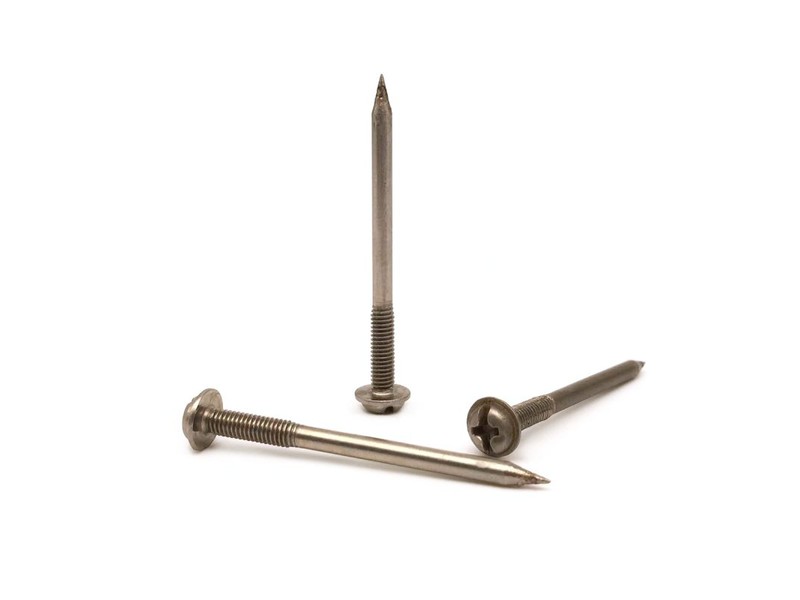
Type:Self tapping washer head screw (pan washer)
Materials:10.9 steel
Surface treatment:Black oxide, oiled
Head Type:Pan washer head
Size:M1 M2 M3 M4 M5 M6 M7 M8 M9 M10 M14
Drive:Phillips cross recess
Thread:Self tapping thread, right hand
Forming:Cold heading with formed flange; thread rolled, then black oxide
Number:893
We manufacture self tapping washer head screws in 10.9 steel with a Phillips recess and a black oxide finish, from M1 to M14, the flange spreading the clamp load on thin sheet. Flange diameter, thread form, point and property class are taken from your drawing.
Watch the factory video·Email sst@szsst88.com
ISO 9001:2015 · Manufacturing since 1998 · 8,678+ customers · 89 countries and regions
Made to order – there is no stock catalogue. Each part is produced to your drawing, and production starts after drawing review and first-article approval.
A self tapping washer head screw is a fastener with a pan-shaped head that carries its own washer face, and a thread that cuts its own mating thread in the material it enters. The recorded item on this page is a black oxide screw in 10.9 steel with a Phillips recess, quoted from M1 upwards.
Washer head. The head has a flange built into it, so the bearing area is wider than a plain pan head without a separate washer. That means the clamp load is spread over more sheet, and there is no loose washer to drop during assembly.
Self tapping thread. The thread forms its own mating thread in sheet metal, plastic or a cast boss, so no tapped hole or nut is needed. The point and the thread form decide the material it can enter and the thickness it can hold.
Black oxide finish. A thin conversion coating that darkens the steel without adding measurable thickness. On a 10.9 screw it is chosen partly for appearance and partly because it avoids the plating process that would otherwise introduce hydrogen into a high-strength part.
High-strength steel. The recorded material is 10.9 steel, which means the screw can take a higher tightening torque than a case-hardened self-tapping screw of the same size, so a small head can drive a thicker sheet.
Together these decide the joint: the washer face spreads the load on thin sheet, the self-tapping thread forms its own grip, the black oxide keeps the coating out of the thread flanks, and the steel class carries the torque. That is why a self tapping washer head screw is specified by head, thread form, point and property class together.
The body of this self tapping washer head screw is carbon steel wire in the 10.9 class, with the heat number kept with the batch record. The class is fixed on the drawing because it sets the torque the screw can take and, just as importantly, whether the part may be plated at all without a bake.
The washer head is formed in one heading operation: the pan dome and the flange are upset together, so the bearing face and the head are one piece. A head formed in two operations, with the washer pressed on afterwards, is a different part and behaves differently under vibration.
The thread is rolled, and on a self-tapping screw that rolling is what produces the cutting or forming edge at the thread start. The point and the first threads are the part that does the work, so they are formed to the drawing rather than left as the roll happens to produce them.
The black oxide is applied after the thread is rolled and the parts are cleaned. It is a conversion coating, not a deposit, so it does not build up on the flanks and does not change the fit in the hole; the parts are oiled after the oxide to give the surface some protection in store.
Black oxide is not a corrosion barrier on its own. On a 10.9 steel part it keeps the appearance and the fit, and it is chosen for indoor assemblies; where the joint is exposed, the drawing should call for a coating that protects the steel rather than only colouring it.
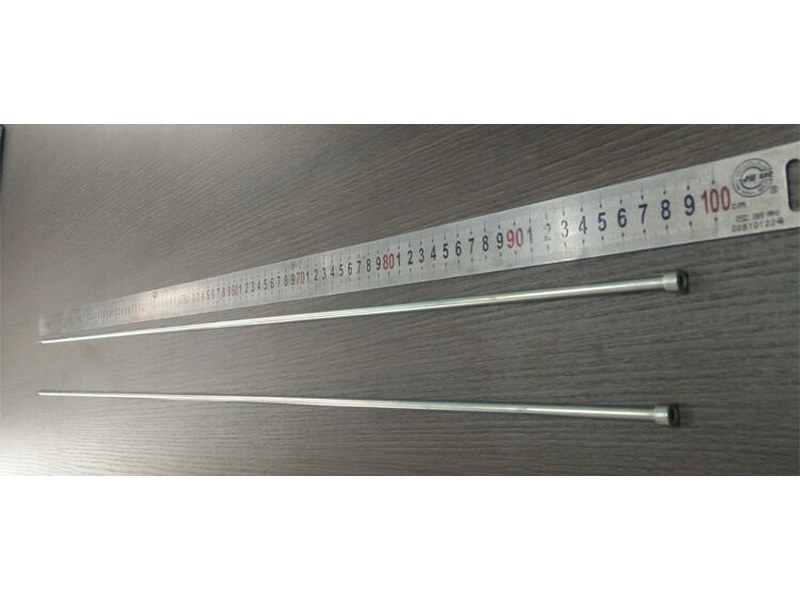
Self tapping washer head screws of this type are quoted from M1 to M14; the recorded configuration covers that range in 10.9 steel with a Phillips recess and black oxide. Custom lengths up to 2,000 mm are subject to DFM review after drawing submission, because the thread form and the point are set before the roll is made.
| Item | How it is defined | What we control |
|---|---|---|
| Head diameter and height | The pan dome and the washer flange | Checked on the projector on the first article |
| Flange diameter | The bearing area on the sheet | Measured on the first article |
| Thread form and pitch | The thread it cuts in the material | Gauged per batch |
| Point form | How the screw starts in the sheet | Checked on the first article |
| Length | From under the head to the tip | Measured on the shop plate |
| Property class | The torque the screw can take | Confirmed against the material certificate |
Each size is quoted against the sheet it enters. The sheet thickness, the hole or pilot size and the thread pitch are reviewed together, because a thread that is right for 1.5 mm sheet will strip out of 0.6 mm sheet and will not start in 3 mm plate.
Length is measured from under the head to the tip, and the flange diameter is measured across the bearing face. Both are stated on the drawing, because the flange is what decides whether the head covers the hole without a washer.
The washer face is the reason this head exists. A pan head on thin sheet concentrates the load around the hole and dishes the metal; the flange under the same head spreads it over a wider ring, so the sheet stays flat and the joint stays tight after the first driving.
| Parameter | Why it matters on this part | What we control |
|---|---|---|
| Flange diameter | Bearing area without a separate washer | Set from the sheet on the drawing |
| Flange thickness | Strength of the bearing ring | Checked on the first article |
| Head height | Clearance and appearance | Measured from the bearing face |
| Thread pitch | Grip in the sheet without stripping | Matched to the sheet thickness |
| Point form | Starts the hole and forms the first thread | Checked on the first article |
The self-tapping thread is a forming or cutting feature, not just a thread. As the screw enters, the first threads either deform the metal into the thread space or cut a path through it, depending on the thread form on the drawing. That is why the pilot hole and the thread form have to be specified together: a forming thread in an undersized hole splits the sheet, and a cutting thread in an oversized hole strips.
The 10.9 class raises the torque the head can take, and that is what allows a small washer head to drive into a thicker sheet without the recess deforming first. It also means the recess has to be checked with the matching bit at that torque, because a cross recess is the weakest point on the drive path.
Black oxide suits this part because it leaves the thread flank as rolled. A plated self-tapping screw loses a little of its thread form to the coating, and on a forming thread that is the difference between starting cleanly and tearing the sheet.
This self tapping washer head screw is supplied with a black oxide finish, oiled. The coating is a conversion layer a few tenths of a micron thick, so the thread and the flange keep the dimensions they were formed at, and the black tone covers the whole part evenly.
| Finish | How it protects | Effect on thread and point | Typical use |
|---|---|---|---|
| Black oxide, oiled | Conversion layer plus oil film | No build-up; thread as rolled | Indoor chassis and panels, dark visible parts |
| Zinc plated | Sacrificial zinc layer | A few microns on flanks; gauged after | Indoor and lightly exposed steel screws |
| Zinc nickel | Zinc alloy layer, higher corrosion resistance | Thicker; thread re-checked | Wet or mildly corrosive service |
| Dacromet | Zinc-aluminium flake layer | Thin film; thread checked over it | Outdoor assemblies |
| Phosphate and oil | Conversion layer, good for sliding | No build-up | Parts driven at speed on a line |
Hydrogen embrittlement is the reason black oxide is often chosen on a high-strength self-tapping screw. Electroplating generates hydrogen at the steel surface, and in a 10.9 part that hydrogen can cause a delayed failure under load. Where plating is specified anyway, the bake after plating is written on the drawing and recorded against the batch.
Packing keeps the points and the black faces apart. The parts are bagged in counted quantities, labelled with the batch, the material heat and the property class, and the bags are packed so the threads do not rub together and knock the oxide off the crests in transit.
Three assemblies where a wide bearing face on a thin sheet does the work that a plain head cannot:
Sheet-metal chassis and equipment panels
|
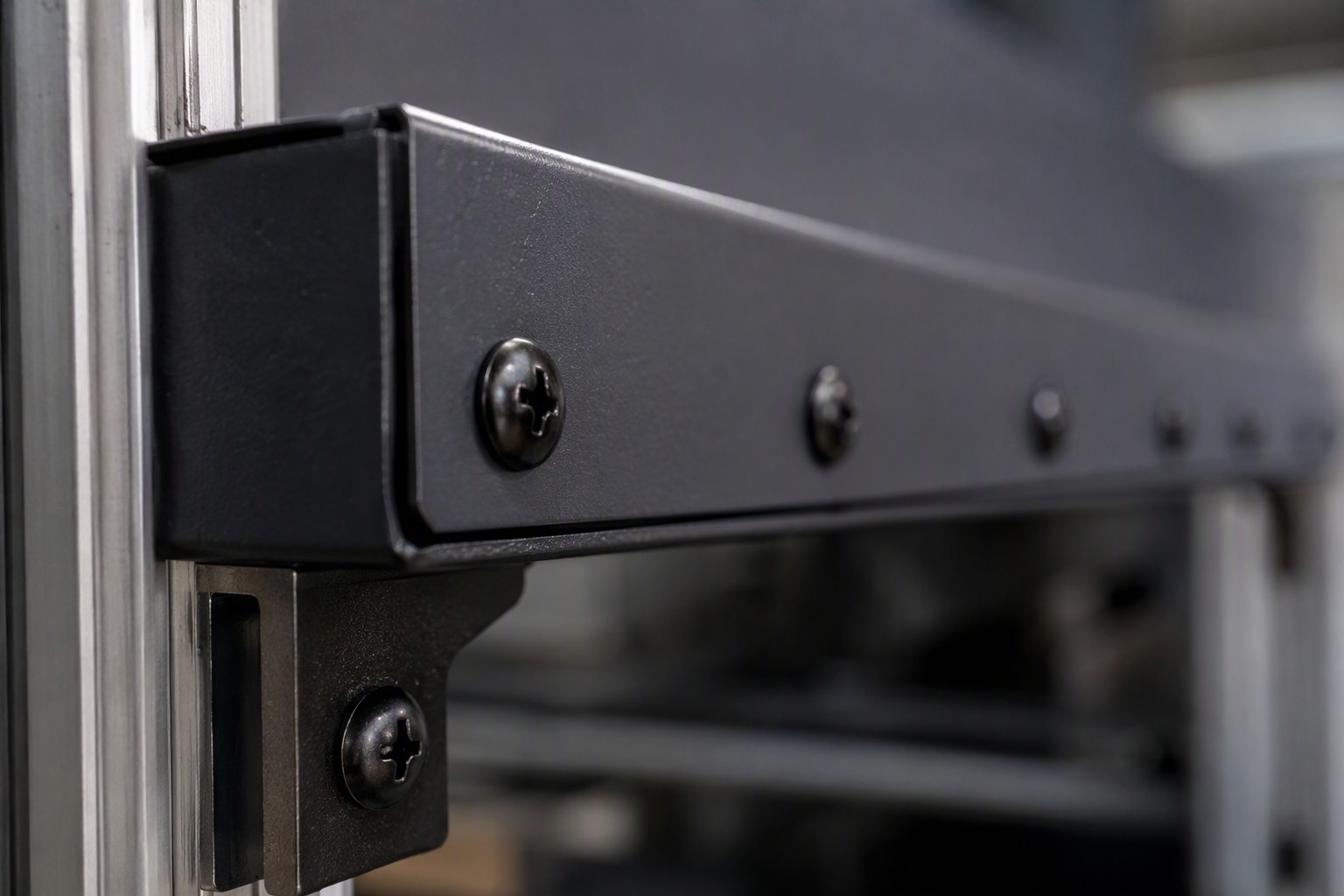
Washer head screws on a coated sheet panel |
| Where it sits | The screw joins duct sections, flanges and access panels where the sheet is thin, the joint is made on site and the head has to sit flat on galvanised or coated metal. |
| When it goes wrong | A head that dishes the duct leaves a gap that leaks air, and a thread that strips in the flange leaves the section loose and noisy. |
| Why it happens | The work is done overhead, the sheet is thin and coated, and the joint has to be airtight enough for the system. |
| What we control | Flange diameter and thread pitch matched to the gauge, and the first article driven into a sample of the same sheet. |
| Where it sits | The screw fixes a cover or a cladding panel to a box or a chassis where the fastener is visible and the sheet is light gauge. |
| When it goes wrong | A head that stands proud shows on the appliance face, and a loose cover on an electrical box is a safety and inspection issue. |
| Why it happens | The parts are painted or powder coated, the screws are driven by hand or with a clutch driver, and the cover is removed for service. |
| What we control | Head height and flange checked, thread matched to the sheet, and the first article assembled in a sample cover. |
Four reasons that matter on a thin-sheet joint, each tied to what the drawing has to prove:
|
Sheet, flange and thread reviewed together
The sheet gauge, the flange diameter and the thread pitch are reviewed before the die is cut, so a screw that would dish the panel or strip the sheet is raised first. Basis: Sheet, flange and thread reviewed before tooling. |
Head and thread in one route
The washer head and the self-tapping thread are produced in one heading and rolling route, so the flange stays concentric with the thread and the point. Basis: One route from wire to finished screw. |
|
Flange and thread checked on the part
The flange diameter, head height and thread are measured on the first article, and the screw is driven into a sample of the sheet it will hold. Basis: First article driven into the sheet sample. |
First article to repeat production
The drawing revision, wire heat, die set and thread roll are set at the first article and kept as the reference for later batches. Basis: First article signed off before the batch is released. |
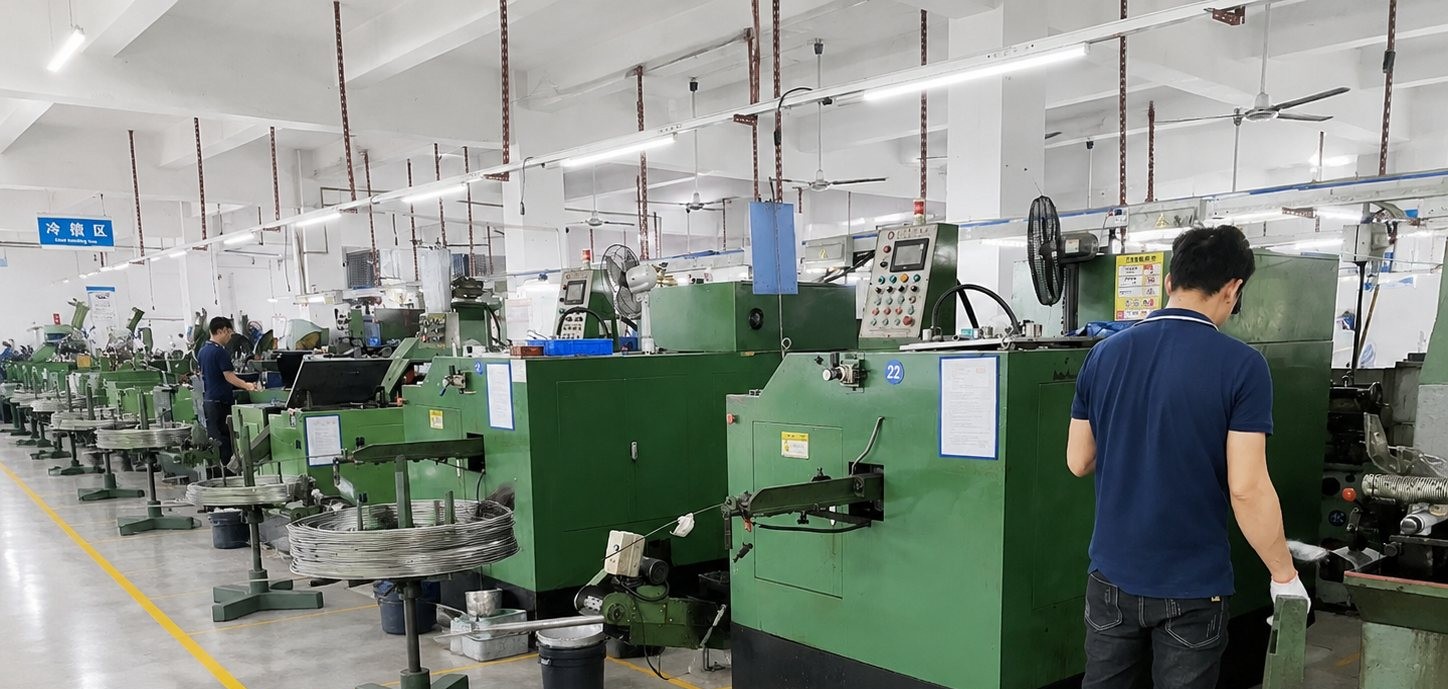
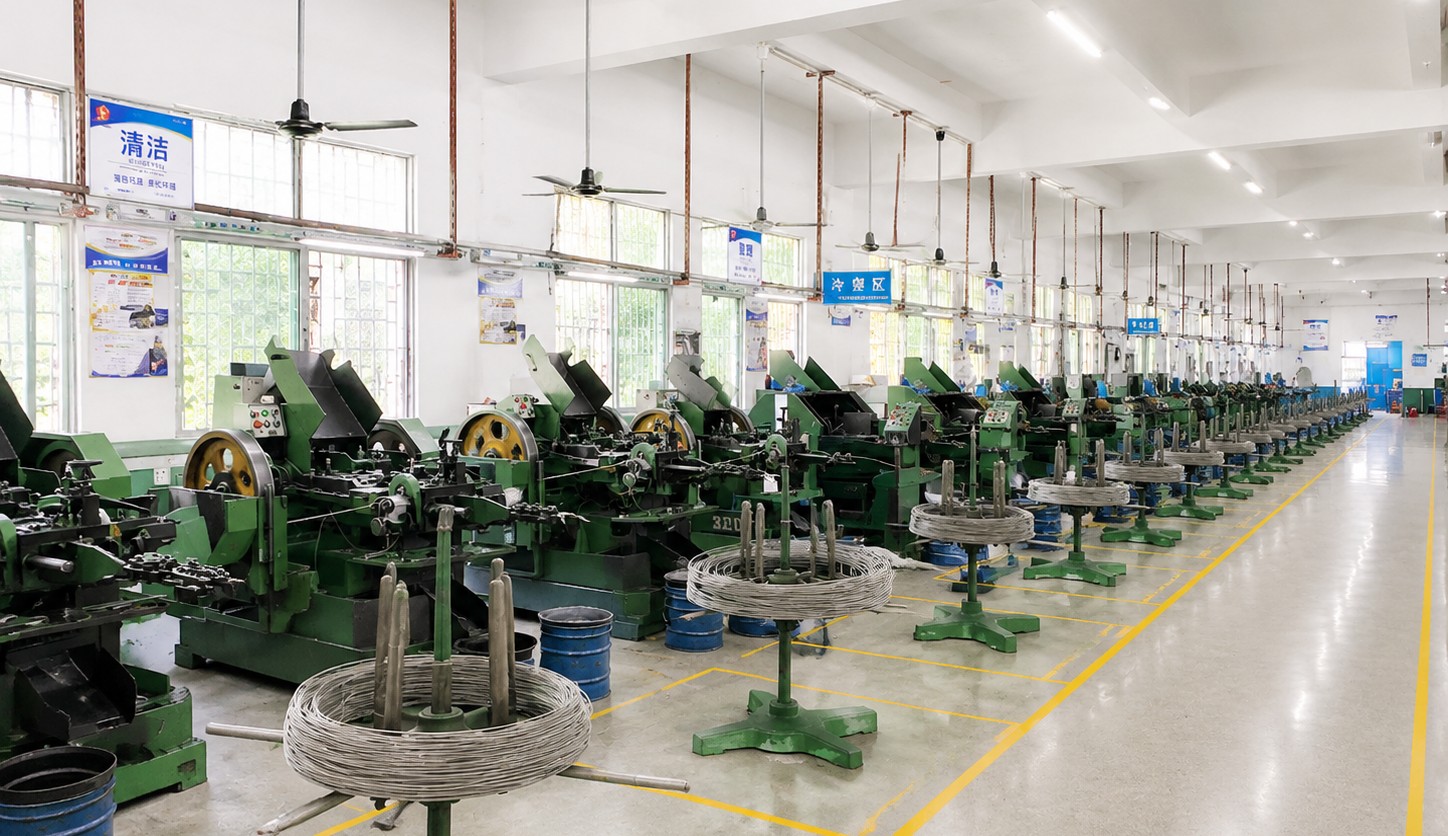
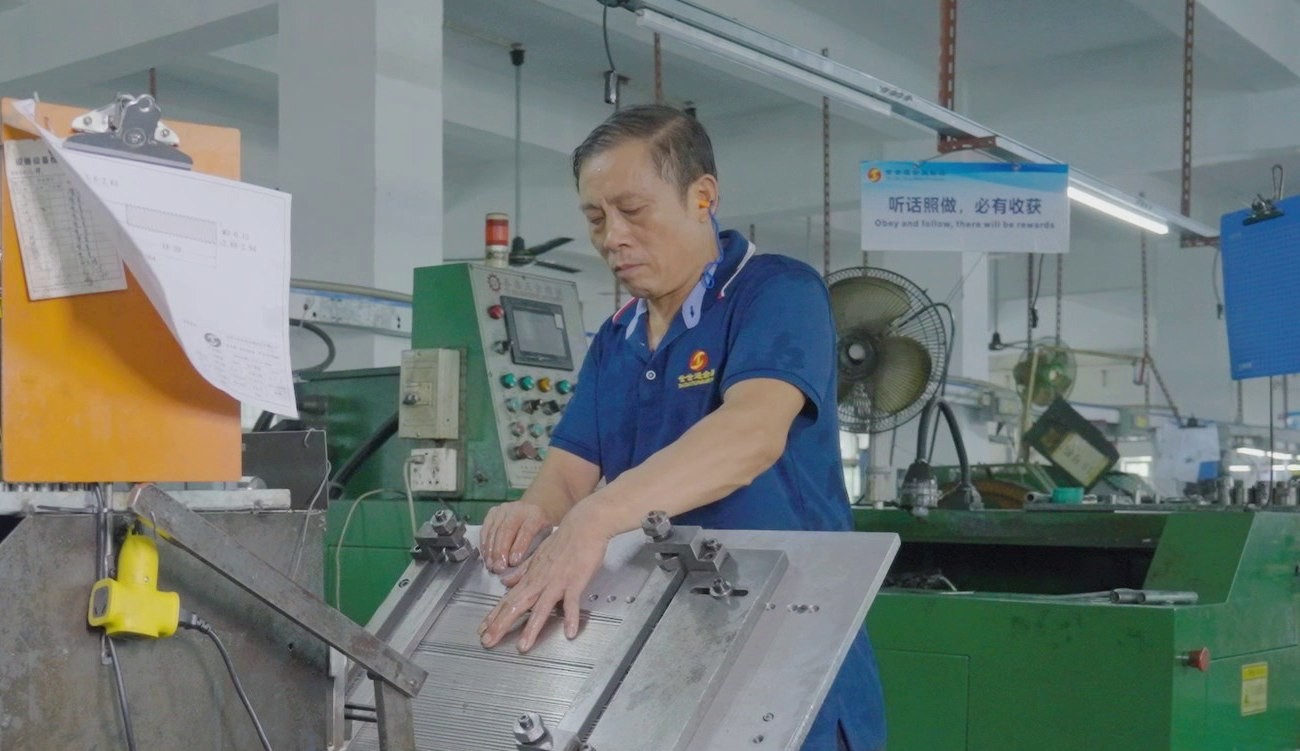
Shi Shi Tong forms these self tapping washer head screws on a heading machine that upsets the pan dome and the flange in one operation, then rolls the self-tapping thread and applies the black oxide. The first part of every run is measured on the head and the flange, driven into a sample of the sheet, and gauged before the batch continues.
|
|
Between runs the die is changed to the drawing flange and head, and the thread rolls to the pitch; the first part goes to the projector and to the sheet sample before the run continues. The oxide is applied after the last forming step, so the flanks keep the form the roll produced and the fit in the sheet does not change.
What decides whether a self tapping washer head screw passes is the head diameter and height, the flange diameter and thickness, the thread form, the point and the property class. The inspection agreement covers those, and the criteria come from the drawing.

Head and flange on the projector |

Thread form gauged per batch |

Hardness testing against the property class |

Salt-spray testing where a coating is specified |
Each batch is recorded against the drawing revision: head and flange from the first article, the thread gauged per batch, and the class confirmed on the material certificate. If the sheet sample or the gauge check fails, the parts back to the last good setting are held and re-checked.
Third-party test reports, when the drawing specifies them, are raised with the batch and filed against the same batch number as the dimensional record.
Every shipment of self tapping washer head screws is traceable to the wire it was made from. The grade, heat number and property class are recorded on the material certificate supplied with the parts, and the inspection records follow the criteria agreed on the drawing.

ISO 9001:2015 |

RoHS test report |

Registered trademark |

Patent: security screw and driver |
With each batch we supply the material certificate, the inspection record for the criteria on the drawing and, where it is listed, the third-party report for the material or the finish. The documents carry the drawing revision and the batch number, so the paperwork can be matched to the parts.
More than 8,678 customers in 89 countries and regions have ordered from Shi Shi Tong; 87% of orders come from repeat customers and 56% through referrals. Most projects follow the same route: drawing review, first-article approval, then batches checked against that sample. On self-tapping parts the first article is driven into a sample of the customer’s sheet, so the flange and the thread are signed off in the gauge they will actually hold. Buyers visit during the process to review samples and to see how the heads are formed and the threads rolled.
|
8,678+
customers served
|
87%
of orders from repeat customers
|
56%
of orders through referrals
|
89
countries and regions shipped to
|
Buyers and quality engineers visit for sample review, process discussion and supplier audits; the visit is arranged around production so the header and the thread line can be seen on the day the parts run.

Customer group visit – sample review |

Customer group visit – process discussion |

Customer group visit – factory tour |

Customer visit – project kick-off |

Danish customer – drawing review |

Industry exhibition – meeting customers |
It is a fastener with a pan head that has a washer flange built into it, and a thread that forms its own mating thread in sheet metal, plastic or a cast boss. This one is 10.9 steel with a Phillips recess and black oxide.
The flange spreads the clamp load over a wider ring, so a thin sheet does not dish around the hole. It also removes the separate washer, so there is nothing to drop during assembly.
The higher class lets the screw take more torque, which means a smaller head can drive into a thicker sheet without the recess deforming first. The recess is still the weakest point, so it is checked with the matching bit at that torque.
Only a limited one. It is a thin conversion layer with an oil film, chosen for appearance and for leaving the thread as rolled; for exposed joints the drawing should specify a coating that protects the steel.
Black oxide does not, because it is a conversion layer rather than a deposit. A plated finish adds a few microns to the flanks and has to be gauged after plating, especially on a forming thread.
Head diameter and height, flange diameter and thickness, thread form and pitch, point form, length and datum, property class, finish, and the sheet gauge and pilot or hole size it enters.
How a self tapping washer head screw project runs from drawing to repeat delivery:
|
1
Send the drawing or sample
|
→ |
2
Sheet, flange and thread review
|
→ |
3
First article in the sheet sample
|
→ |
4
Batch production and repeat orders
|
Each step is confirmed with you before the next one starts; the drawing revision from the first article is what repeat orders are checked against.
For a quotation, send the drawing with the head diameter and height, flange diameter and thickness, thread form and pitch, point form, length and its datum, property class, finish, and the sheet gauge and hole size the screw enters.
|
Head and flange size
|
Thread form and pitch
|
Point form
|
|
Length and datum
|
Property class
|
Sheet gauge and hole
|
Sending a drawing? The form below does not take attachments. Email the PDF, DXF or STEP file to sst@szsst88.com with the part name and quantity in the subject line – the drawing is reviewed and a quotation follows.

 +86 13143444311
 sst@szsst88.com