Tel:
+86 13143444311
Email:sst@szsst88.com
Fax:+0086-755-27322278
Address:Building 9, First Industrial Zone, Tantou Industrial City, Songgang Street, Baoan District, Shenzhen 518105, Guangdong, China
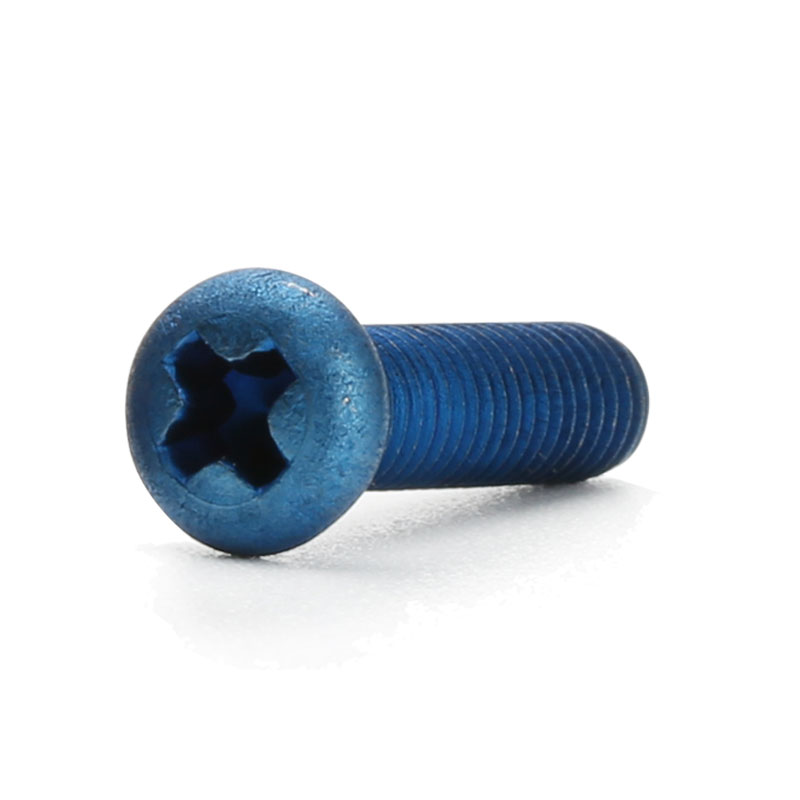
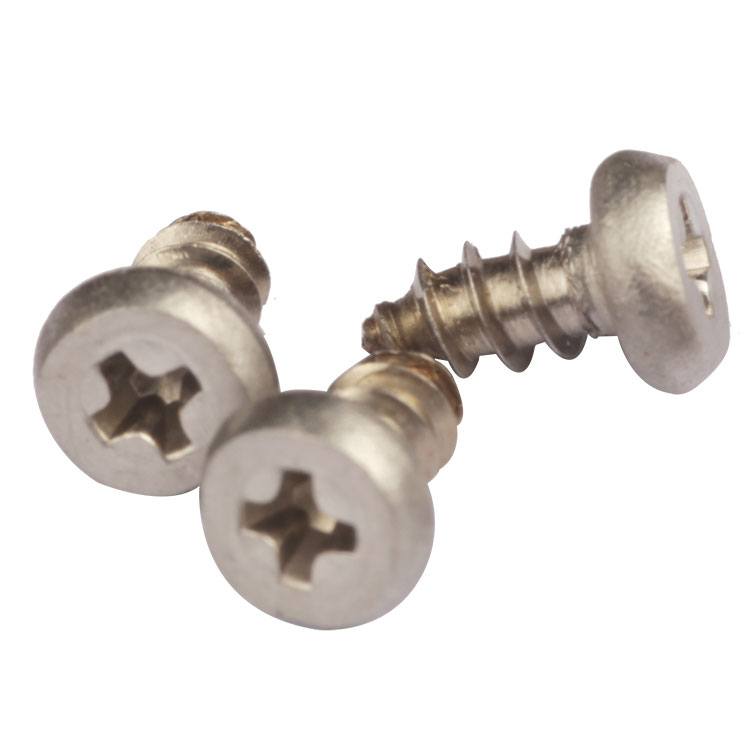
Type:Titanium Screws
Materials:Titanium
Surface treatment:Anodized
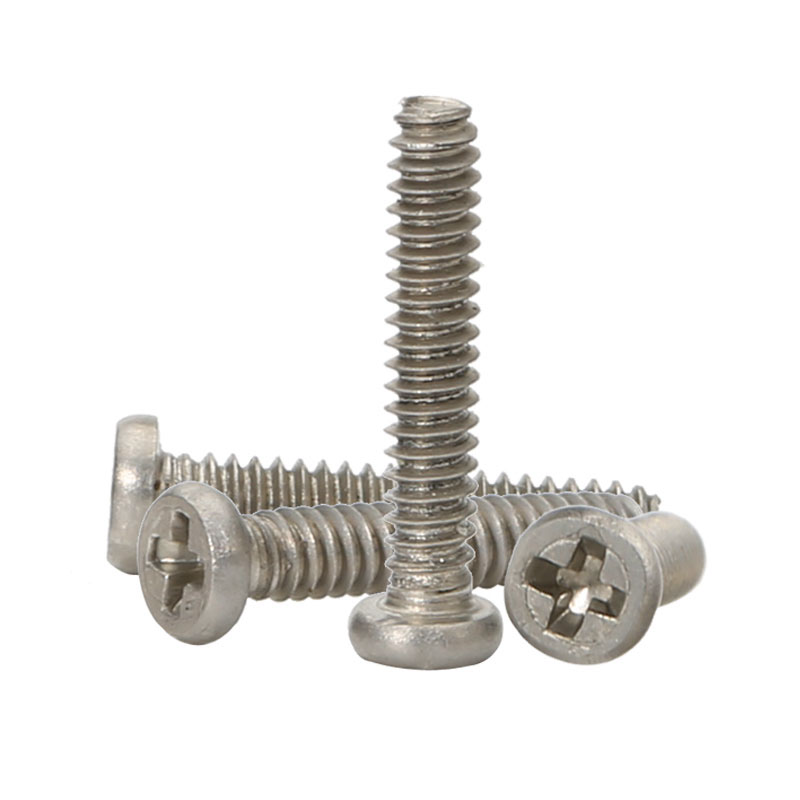
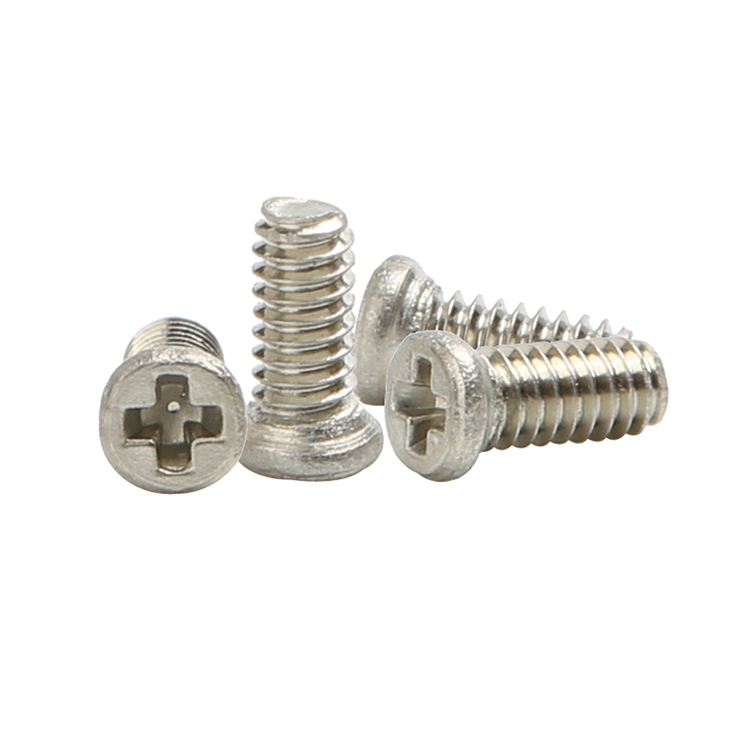
Head Type:Pan head
Drive:Phillips cross recess
Thread:Machine thread
Point:Plain, chamfered
Forming:CNC turning; anodised after machining
Size:M1 M2 M3 M4 M5 M6 M7 M8 M9 M10
We make titanium machine screws with a pan head, a Phillips recess and an anodised finish, quoting head, recess and colour to the drawing. An anodised colour is a film thickness, so a deeper colour wears better at the cross and chips sooner at its corners, and the choice follows the use.
Watch the factory video·Email sst@szsst88.com
ISO 9001:2015 · Manufacturing since 1998 · 8,678+ customers · 89 countries and regions
Made to order – there is no stock catalogue. Each part is produced to your drawing, and production starts after drawing review and first-article approval.
Titanium machine screws are machine-threaded fasteners turned from titanium, used where weight, corrosion resistance or magnetic behaviour matter. The part recorded here is titanium, anodised, with a pan head and a Phillips recess, quoted from M1 upward with the length made to the drawing.
Titanium body. About half the mass of steel for comparable strength, with no rust in ordinary conditions.
Pan head. A shallow dome with a flat bearing face and enough height for a full-depth cross.
Anodised film. An oxide grown on the surface, coloured by its thickness rather than by a pigment.
They are used in instruments and small equipment where the fixing is visible and the weight is counted.
The difference from a stainless screw of the same form is not the shape but the limit. A titanium machine screw is chosen when the steel version is too heavy or when a magnetometer or a radio window rules out a ferromagnetic part; where neither applies, the stainless version does the same job for less.
An anodised colour on titanium is not a pigment. It is an interference colour produced by the thickness of the oxide film, so choosing a colour is choosing a film thickness. That is a useful thing to know, because the film thickness decides two properties that pull against each other: wear resistance at the recess, and brittleness at its corners.
A thicker film wears better. The cross recess is where the bit works, and a harder oxide layer resists the polishing that slowly rounds a cross. On a screw that will be driven and removed more than once, that matters: a deeper colour can mean a recess that survives longer in service.
A thicker film is also more brittle. The oxide has no ductility to speak of, so a thick layer cracks sooner at the sharp transitions inside a cross. Once a corner of the recess cracks, the bare titanium underneath is exposed, and the same fatigue that wears a cross gently becomes a chipped lobe that no longer holds the bit.
That is why the colour is chosen with the use rather than with the appearance alone. A screw driven once and left in a visible instrument can take a thick, deep colour. A screw that will be serviced several times is usually better with a lighter film that wears rather than chips.
The film sits on the bearing face as well. A pan head has a flat seat under the dome, and the anodised layer there is between the head and the part; it is thin enough not to change the joint, but it is the surface that marks if the head is turned on a finished panel.
The part is quoted to the drawing with the head, the recess and the film stated separately. Custom lengths up to 2,000 mm, subject to DFM review after drawing submission. The quotation for titanium machine screws carries the grade, the head diameter and height, the recess size, the anodising colour, the thread and the length.
| Item | How it is defined | What we control |
|---|---|---|
| Grade | Commercially pure or alloy | Alloy and mechanical properties |
| Head | Pan head | Diameter, height and bearing face |
| Recess | Phillips | Depth and width |
| Film | Anodised oxide | Thickness, colour and coverage |
| Thread | Machine thread | Size, pitch and length |
| Mating part | Nut or tapped hole | Depth agreed |
The film is written as a colour and, where it matters, as a target thickness. Two screws of the same colour from different baths can differ slightly, and on a visible row that shows; the batch is therefore anodised to a specification rather than to a photograph.
The recess is limited by the head height, and the film adds to the walls inside it. On a small pan head the cross is cut with enough margin that the film does not close it, and the recess is checked with the bit in the finished state.
The thread and the mating part are agreed as a pair. On titanium the risk is galling, and the drawing states whether a lubricant is used rather than leaving it to the assembly.
Four properties decide titanium machine screws of this form, and each one carries a cost:
| Property | What it gives | What it costs |
|---|---|---|
| Titanium body | Half the weight, no rust, no magnetism | Material and machining cost |
| Pan head | A flat seat and a full-depth cross | Stands above the surface |
| Anodised film | Colour in the metal, no build | Thick film chips at the cross |
| Machine thread | A defined clamp | Galling on titanium threads |
The value is a screw that is light, does not corrode and keeps its colour without a coating, on a product where the fixing is seen.
The cost is that the colour and the wear resistance come from the same film. A deep colour is a harder surface and a more brittle one.
The fourth property is what the screw replaces. Against a stainless screw it saves weight and removes a magnetic signature; against a painted screw it removes a coating that can flake off a head entirely. Neither saving shows in a drawing, and both are the reason the titanium machine screws are specified.
The pan head is the part that carries the visible cost. It has to sit flat on the panel and it has to be tall enough for the cross; a lower head saves the profile but loses the bite, and a taller one holds the bite but stands proud.
The recorded finish is anodised titanium. It gives colour from the oxide thickness, adds no measurable build, and leaves the head and the cross at their machined dimensions, so the bit that fits the drawing fits the delivered part.
| Option | How it protects | Effect on head and recess | Typical use |
|---|---|---|---|
| Light anodising | Thin oxide, pale colour | No build; cross as cut | Serviceable visible screws |
| Deep anodising | Thick oxide, dark colour | No build; cross slightly tighter | Screws driven once |
| Plain titanium | Natural passive oxide | No build | Mechanical and marine parts |
| Gold plated | Thin metal layer | Build; recess re-checked | Warm decorative colour |
| Dry film lubricant | Low-friction film | Thin; reduces galling | Serviced joints |
The choice between light and deep anodising is the choice between wearing and chipping. A light film polishes at the cross over time and stays serviceable; a deep film resists polishing but can chip at a lobe and then hold the bit badly.
Where the joint is serviced, a dry film lubricant is the treatment that addresses the thread. It is separate from the anodising, which is a surface rather than a lubricant.
Three products where a visible light fixing is specified:
| Where it sits | The screw closes a case or holds a module where the fixing is visible and the weight matters. |
| When it goes wrong | The colour wears at the cross, or the head stands above the case. |
| Why it happens | The film is too deep for a screw that is serviced, and the cross chips. |
| What we control | Film and recess checked; first article assembled and opened again. |
| Where it sits | The screw holds a mount where the surface is inspected under light. |
| When it goes wrong | A mark appears around the head, or the mount shifts. |
| Why it happens | The head is turned on a finished surface, and the film marks. |
| What we control | Head face and seat checked; first article inspected under the customer light. |
| Where it sits | The screw closes a fitting that sees salt water and has to stay light. |
| When it goes wrong | The joint seizes, or the head pits at a scratch. |
| Why it happens | The grade is not suitable for chlorides, and the thread has no lubricant. |
| What we control | Grade confirmed on the certificate; first article exposed and inspected. |
Four reasons that matter on a finish that is also a film thickness, each tied to something the drawing or the first article proves. All four show in the sample.
|
Colour and recess agreed
The drawing states the anodising colour and the recess size, because the film sits inside the cross as well as on the face. Basis: Colour and recess agreed. |
Machined, then anodised
The part is finished before anodising, so the film grows on the final head and cross rather than being cut through afterwards. Basis: Film on final geometry. |
|
Driven with the bit
The first article is driven with the customer bit, because the film inside the cross only shows itself in use. Basis: Recess proved with the bit. |
Same colour on repeat runs
Grade, head and anodising are recorded with the drawing revision, so a repeat batch matches the first. Basis: Same colour across orders. |
The visible result is a screw whose colour is in the metal rather than on it. A batch that has been anodised to the drawing looks the same in the tray and holds the bit the same way a hundred uses later, and that is what the four points above are there to prove.
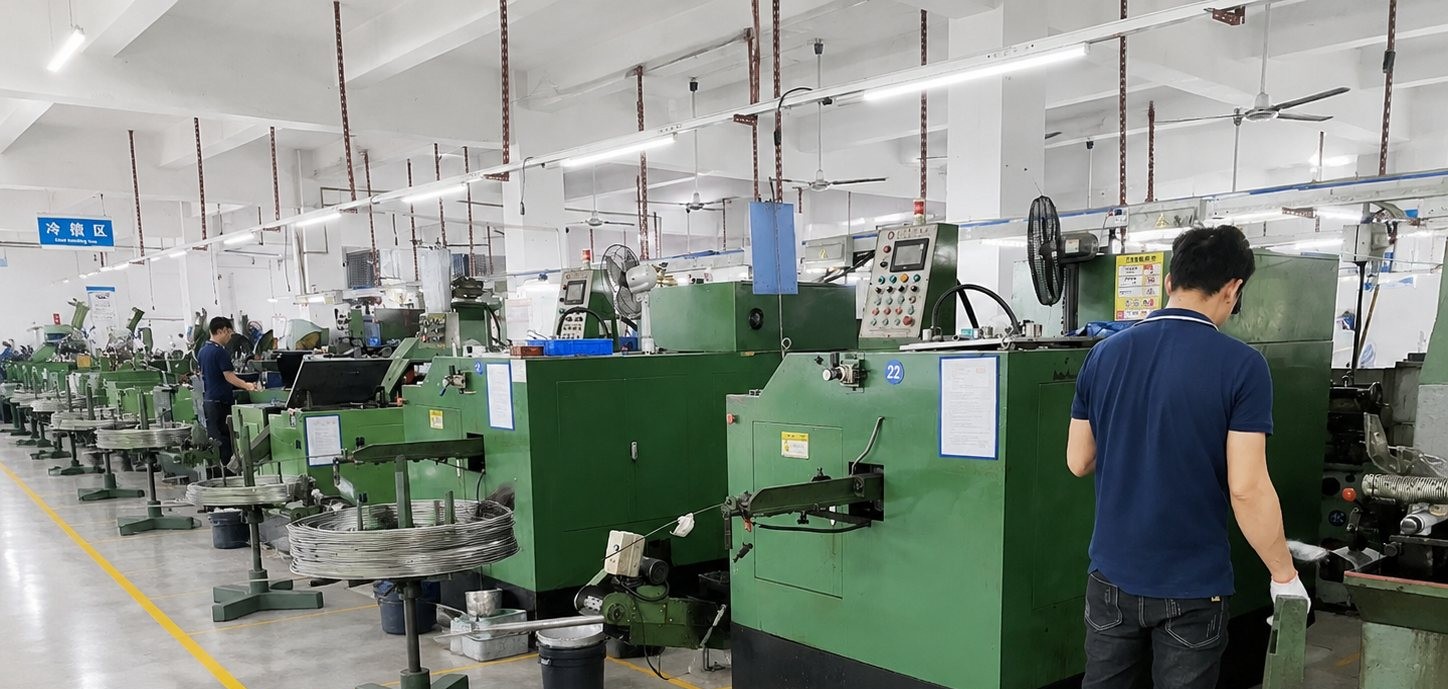
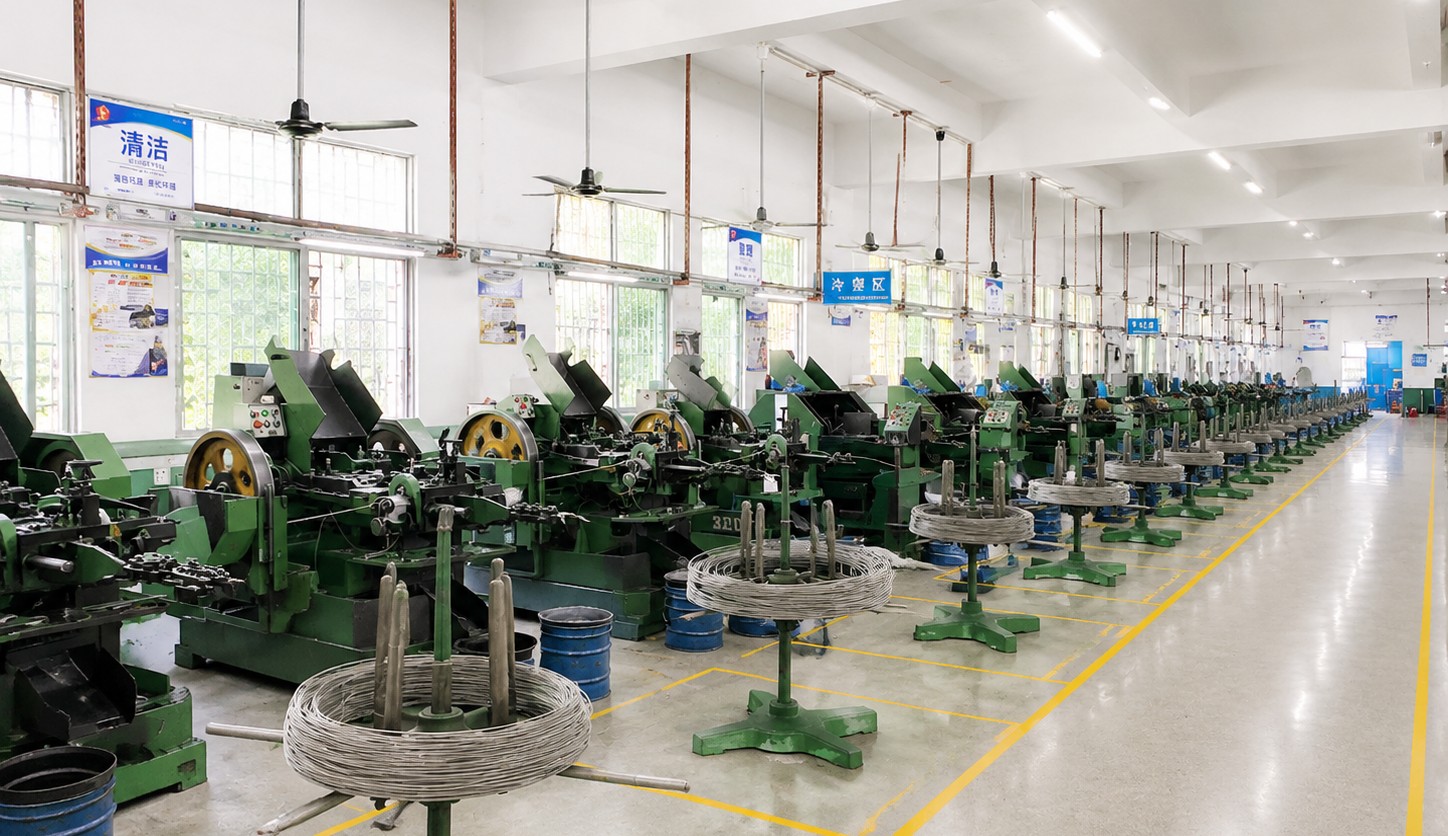
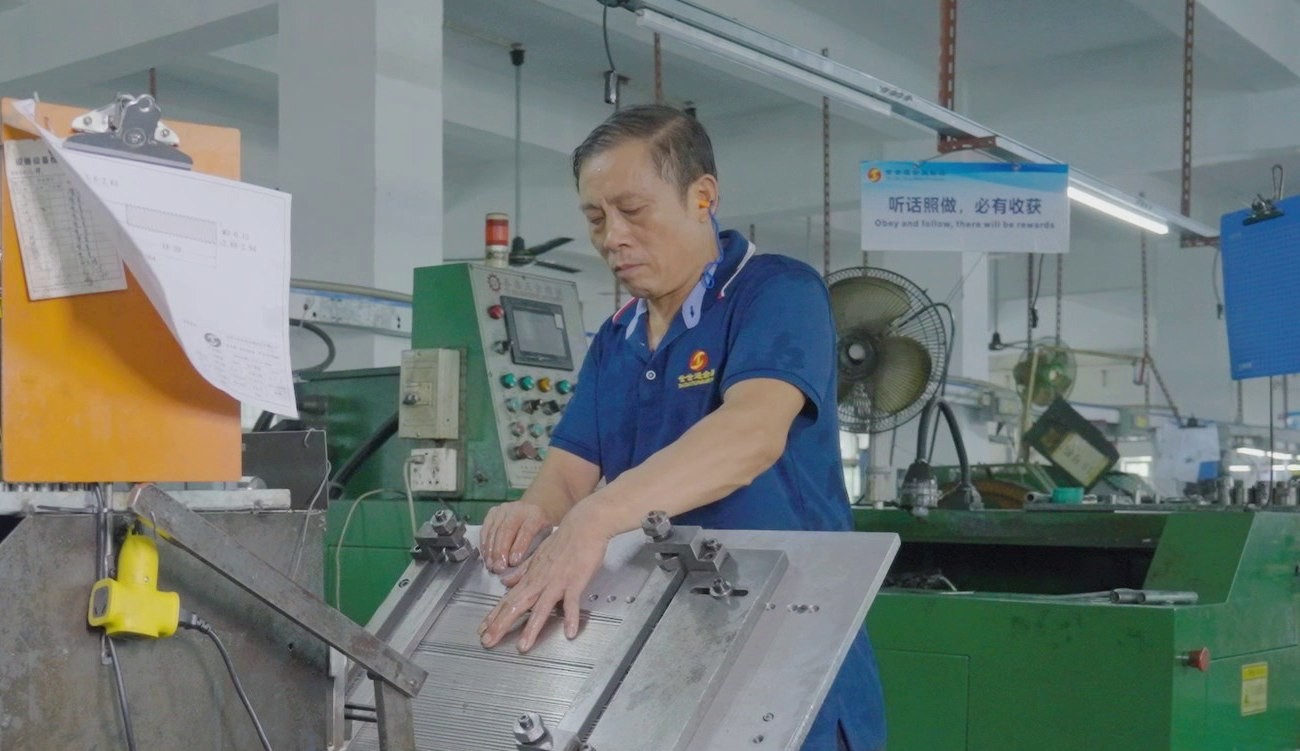
These screws are turned from titanium bar, with the pan head formed and faced, the cross recess cut and the thread cut; the parts are then anodised and inspected. The first piece of every run is measured on head diameter and height, recess depth and width, thread and length, and the film is checked for colour and coverage.
|
|
The anodising is controlled by time and voltage, so the colour and the film thickness are set together. That is why the process record matters as much as the colour check: two batches that look alike can have different film thicknesses, and the difference shows in the recess after a few uses.
The cross is cut with the film in mind. A recess cut to its minimum width will be tight once the oxide has grown on the walls, so the cutter is set for the finished part rather than for the bare one, and the finished recess is checked with the bit.
The thread is cut and the parts are cleaned before anodising. A sample is driven into a test block with the specified bit to confirm the recess engages over its full depth in the finished state.
What decides whether titanium machine screws pass is the head, the recess and the film. The inspection agreement covers those, and the criteria come from the drawing.
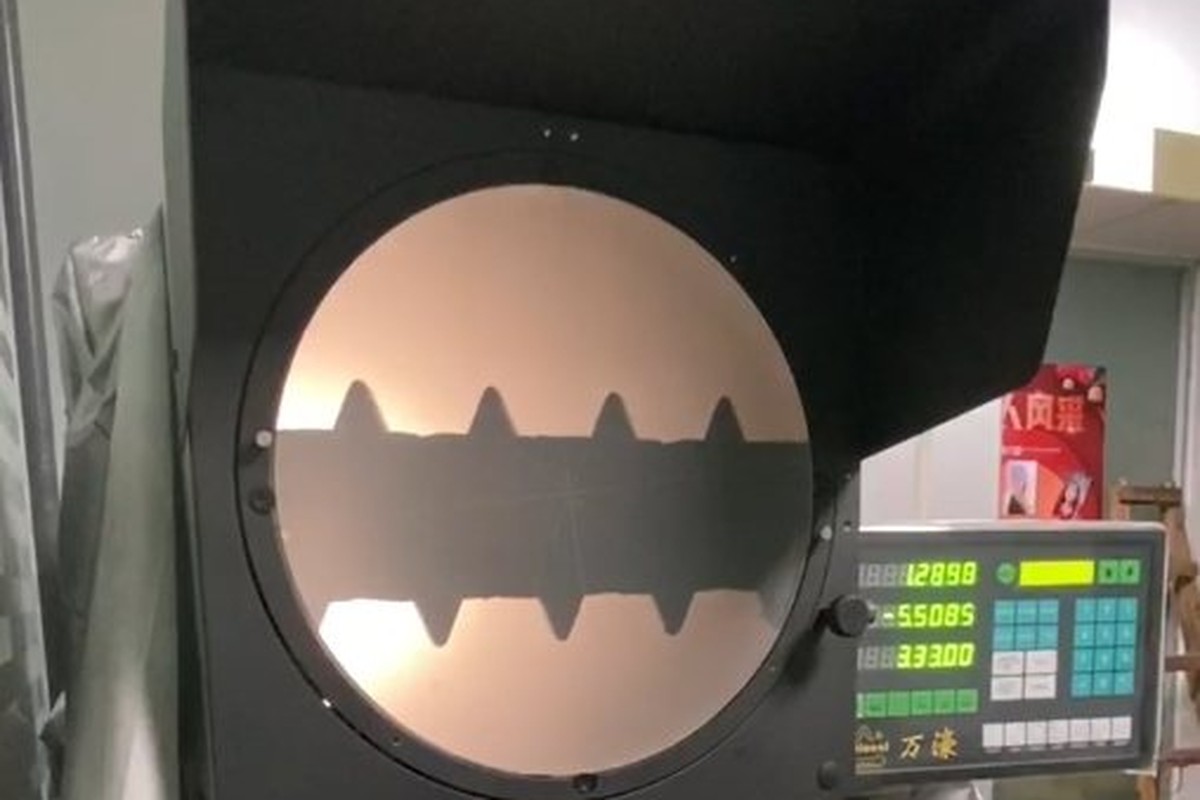
Head and recess on the projector |
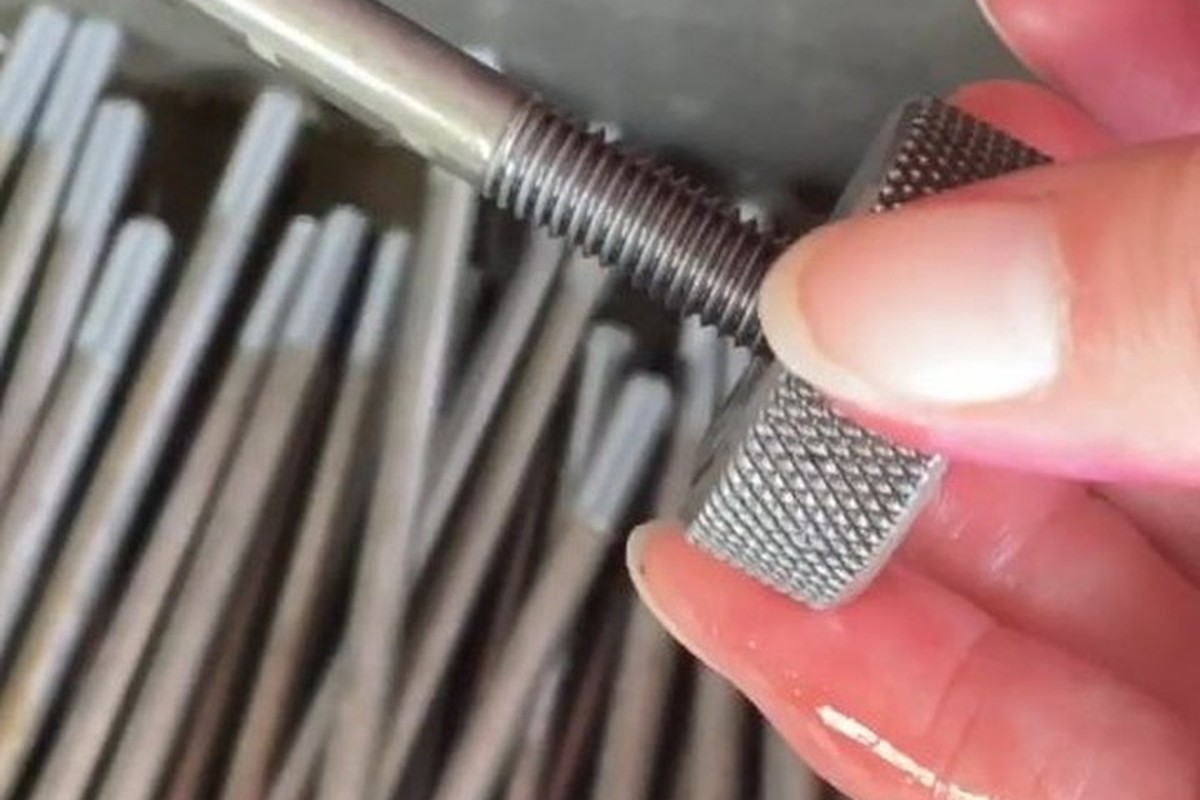
Thread and start checked |
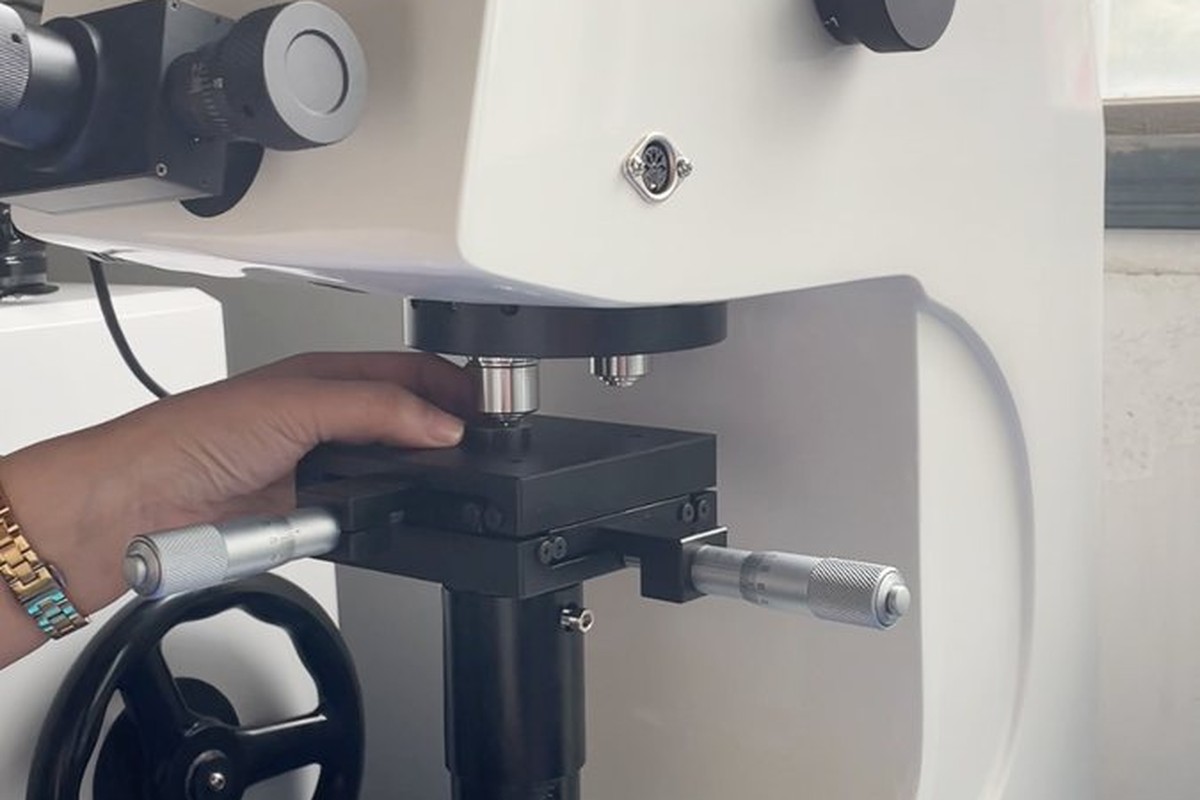
Material checked |
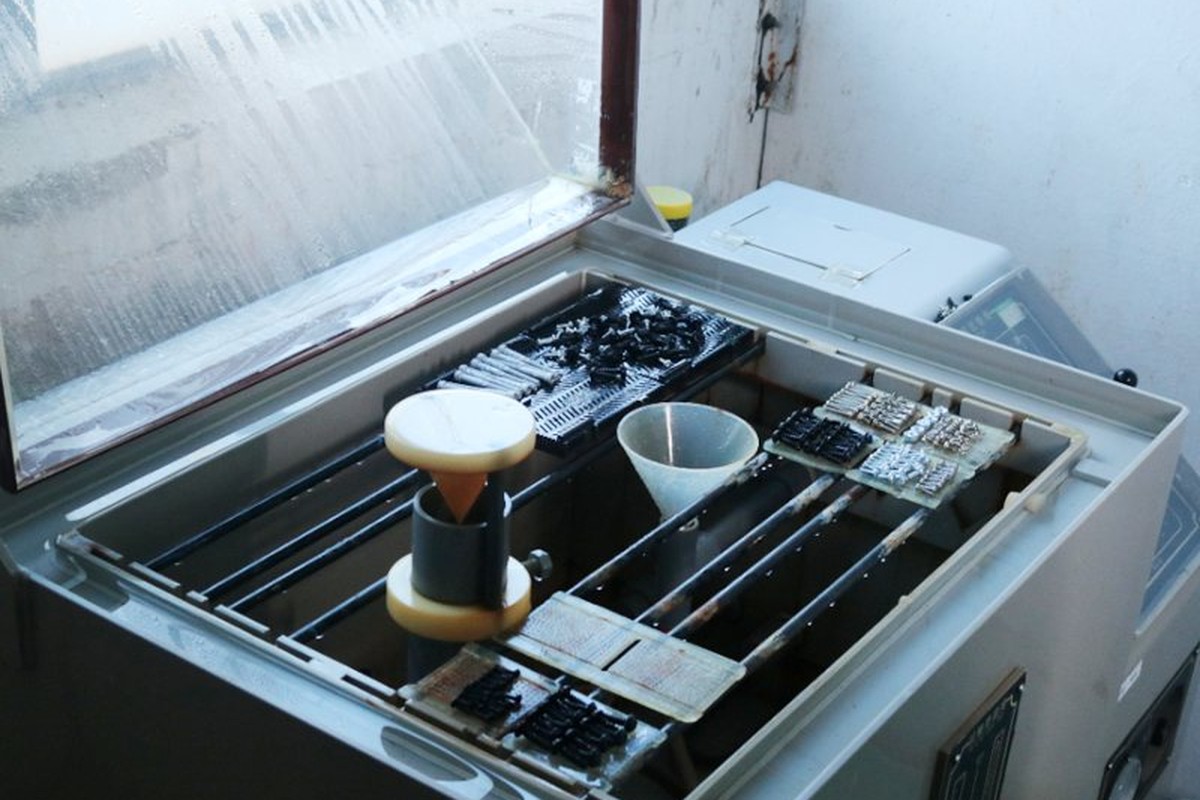
Salt-spray testing where a coating is used |
The recess is measured for depth and width and checked with the bit in the anodised state. A cross that measures right before anodising can be tight after it, and that is the defect that shows up as a bit that will not seat.
The film is checked for colour consistency and for coverage inside the cross. A film that is thin at a lobe is where the bit will wear through first, and it is difficult to see on a coloured face.
The head is measured for diameter and height and inspected for marks on the dome. On a visible screw the dome is the surface the customer sees, and a handling mark there is a defect even when the dimensions are correct.
Every batch of titanium machine screws is traceable to the bar it was made from and to the anodising lot that finished it. The grade, heat number and mechanical properties appear on the material certificate supplied with the parts, and the anodising record carries the process and the lot number.
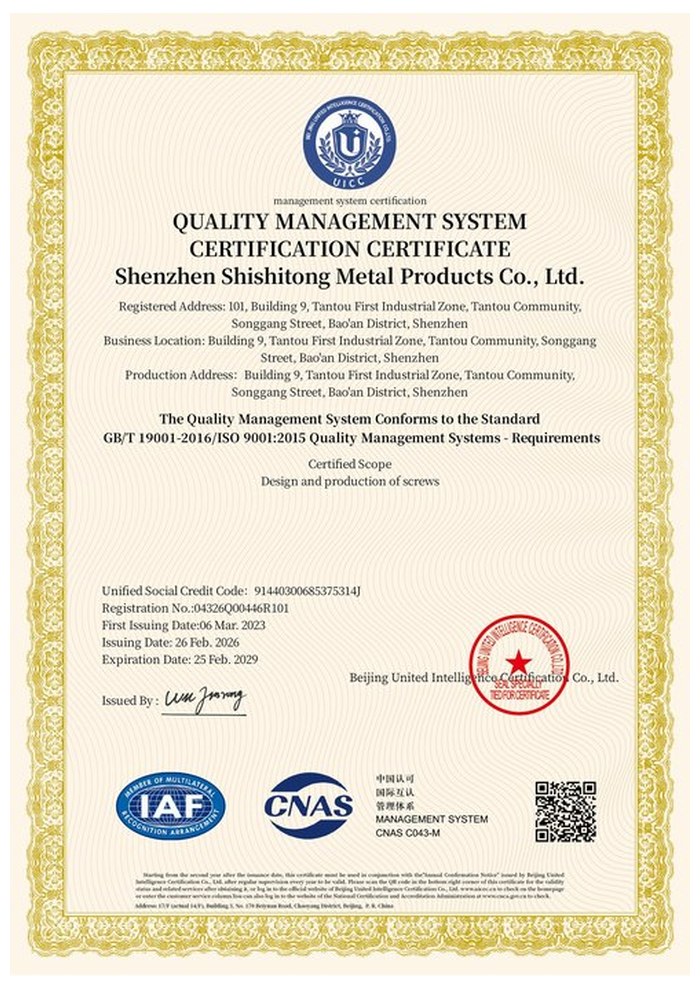
ISO 9001:2015 |
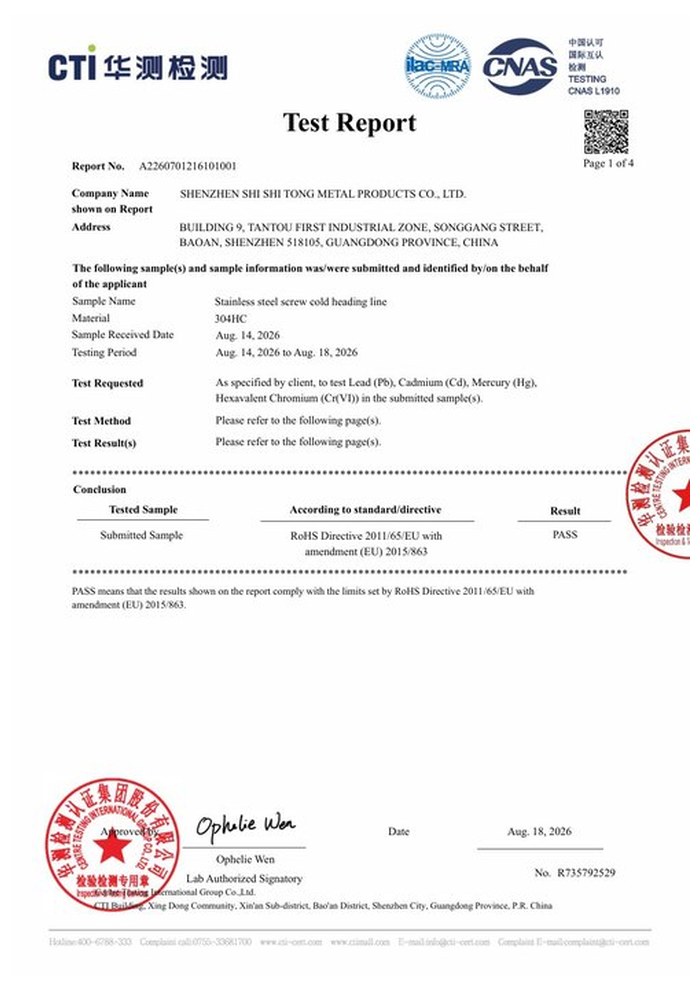
RoHS test report |
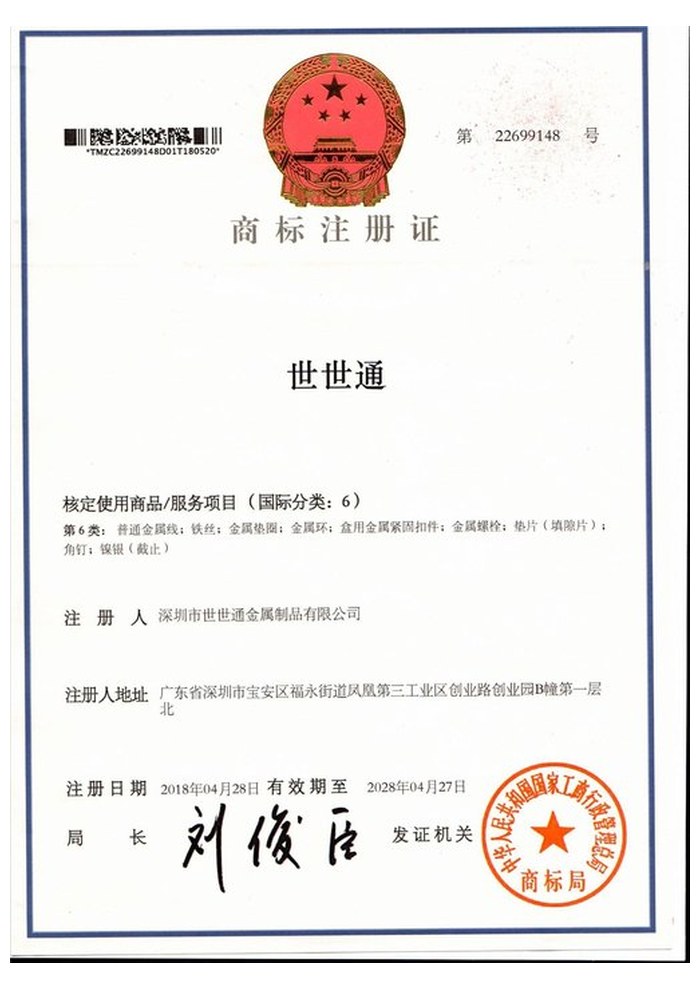
Registered trademark |
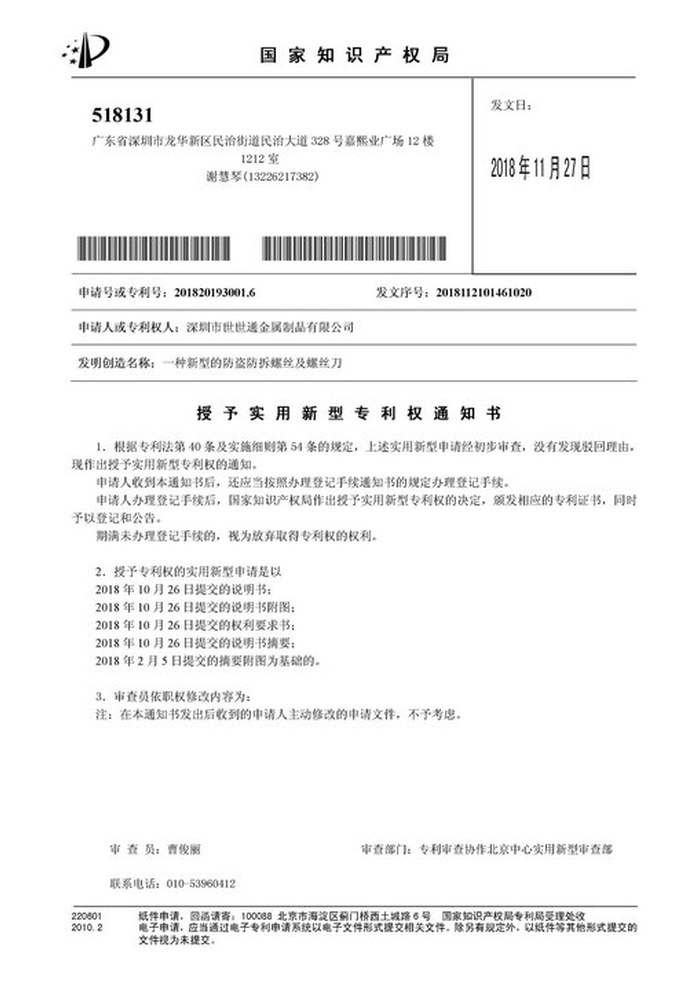
Patent: security screw and driver |
With each shipment we supply the material certificate, the inspection record for the dimensions on the drawing, including the recess, and the anodising record. The records carry the drawing revision and the batch number, so a repeat order of titanium machine screws matches the first.
More than 8,678 customers in 89 countries and regions have ordered from Shi Shi Tong; 87% of orders come from repeat customers and 56% through referrals. Most projects follow the same route: drawing review, first-article approval, then batches checked against that sample. On an anodised part the first article is driven with the customer bit, because the film inside the cross only shows in use. Buyers visit during the process to review samples.
|
8,678+
customers served
|
87%
of orders from repeat customers
|
56%
of orders through referrals
|
89
countries and regions shipped to
|
Buyers and quality engineers visit for sample review, process discussion and supplier audits; the visit is arranged around production so the machining cell and the anodising line can be seen on the day the parts run.
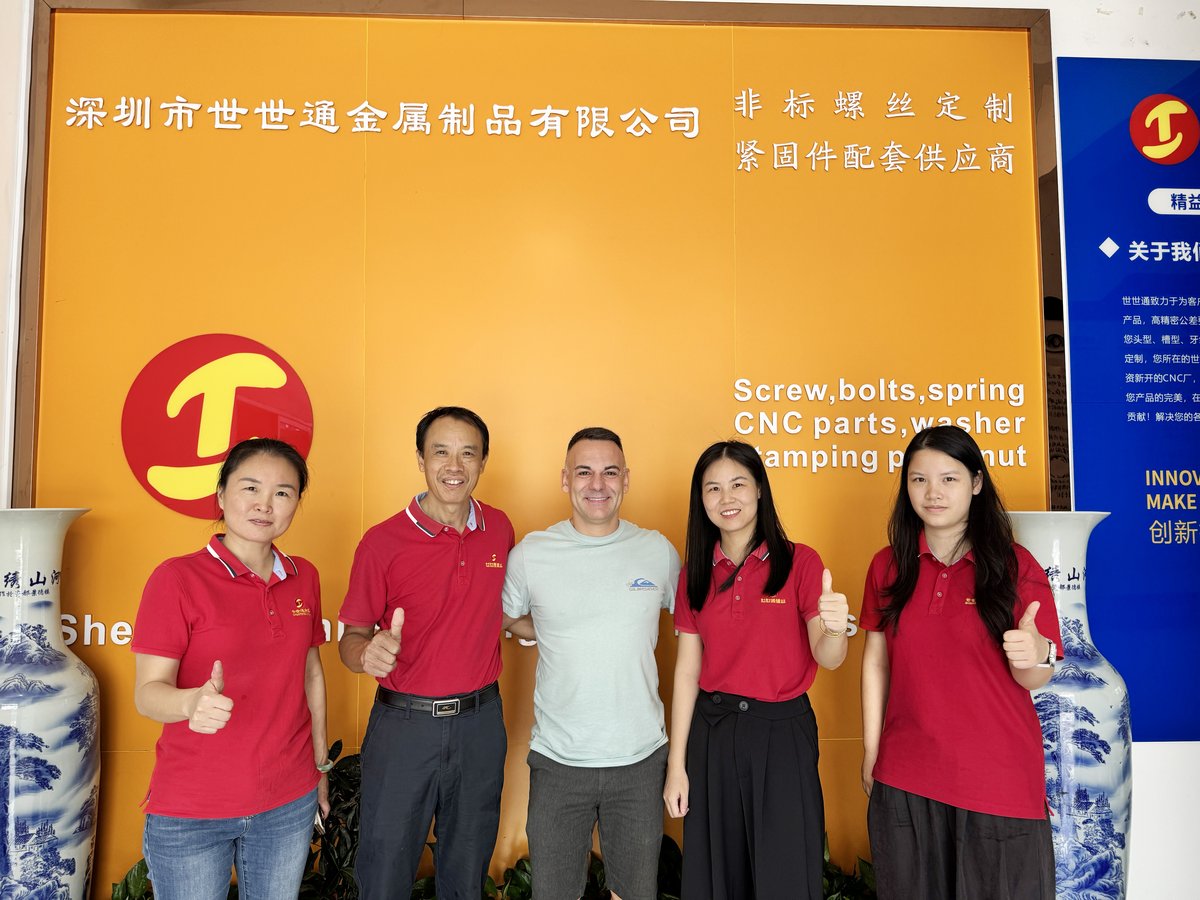
Customer group visit – sample review |

Customer group visit – process discussion |
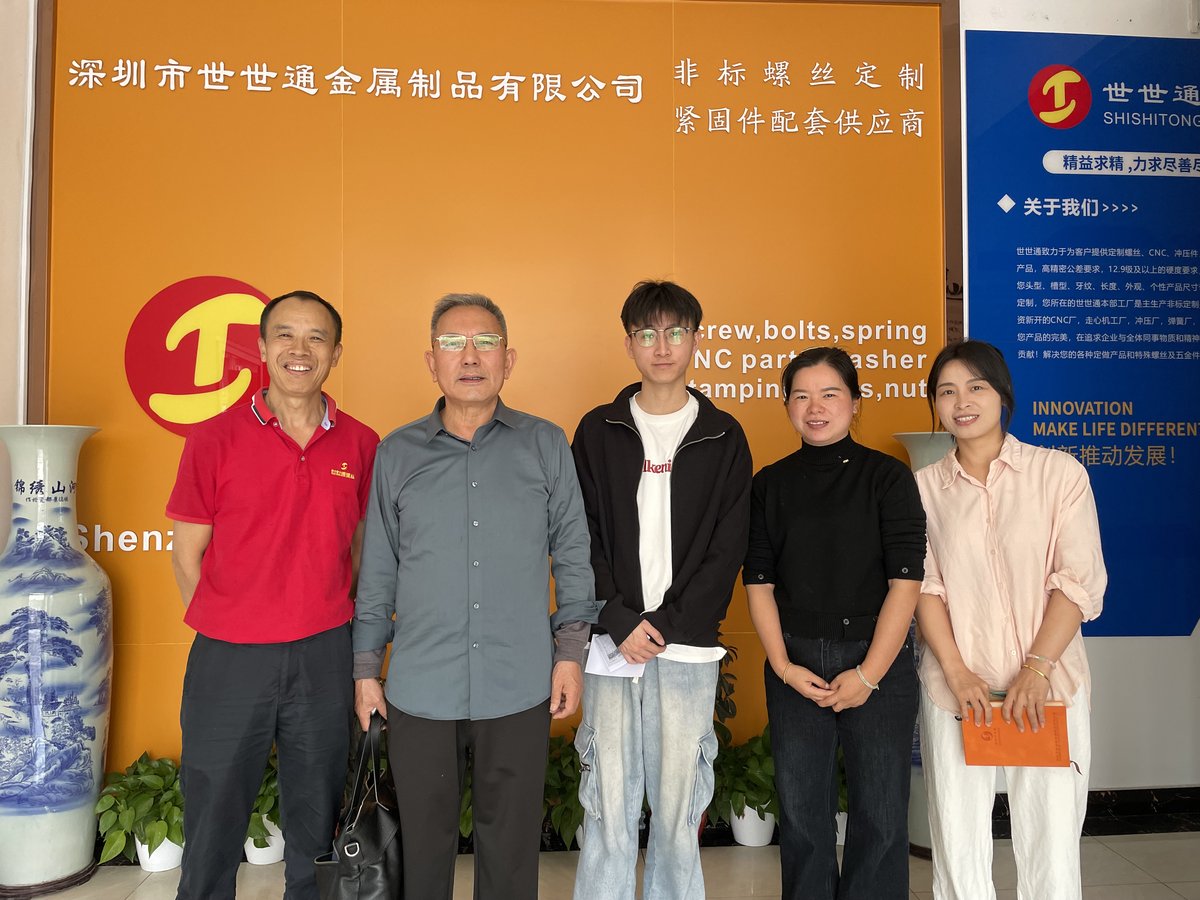
Customer group visit – factory tour |

Customer visit – project kick-off |

Danish customer – drawing review |
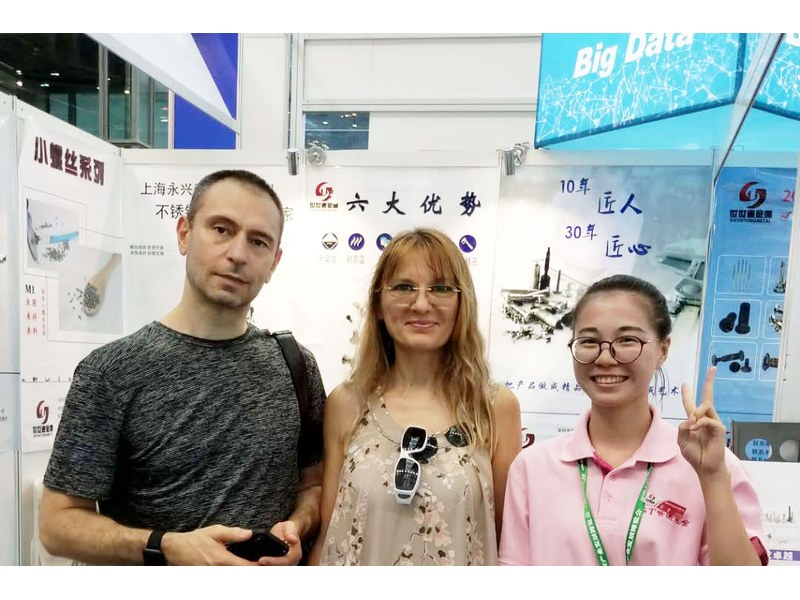
Industry exhibition – meeting customers |
It is the film thickness. A deeper colour is a thicker oxide, which wears better at the cross and chips sooner at its corners.
It depends on use. A screw driven once can take a deep colour; one that is serviced often is better with a lighter film.
It grows on the walls inside it, so the recess is checked with the bit in the finished state.
Weight and no magnetism. Stainless is the answer where weight is not the driver.
They can. A lubricant or a controlled thread fit is specified where the joint is serviced.
Grade, head diameter and height, recess size, anodising colour or thickness, thread and length.
How a titanium machine screw project runs from drawing to repeat delivery:
|
1
Send the drawing and the bit
|
→ |
2
Colour, head and recess agreed
|
→ |
3
First article driven with the bit
|
→ |
4
Batch production and repeat orders
|
Each step is confirmed with you before the next one starts; the drawing revision from the first article is what repeat orders are checked against.
For a quotation, send the drawing with the grade, head diameter and height, recess size, anodising colour or thickness, thread and length.
|
Grade
|
Head size
|
Recess
|
|
Anodising
|
Thread
|
Length
|
Sending a drawing? The form below does not take attachments. Email the PDF, DXF or STEP file to sst@szsst88.com with the part name and quantity in the subject line – the drawing is reviewed and a quotation follows.

 +86 13143444311
 sst@szsst88.com