Tel:
+86 13143444311
Email:sst@szsst88.com
Fax:+0086-755-27322278
Address:Building 9, First Industrial Zone, Tantou Industrial City, Songgang Street, Baoan District, Shenzhen 518105, Guangdong, China
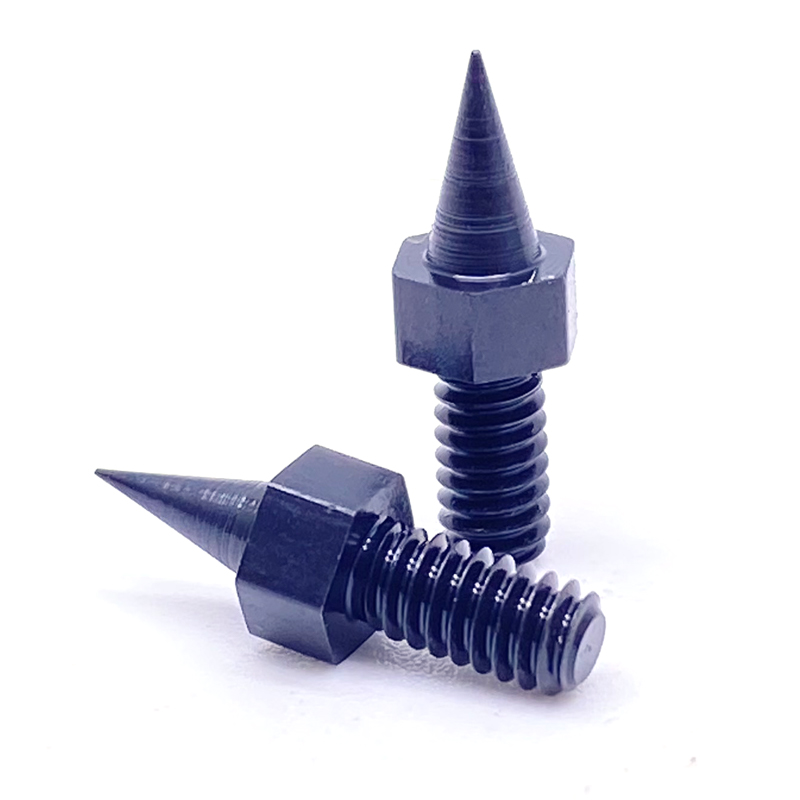
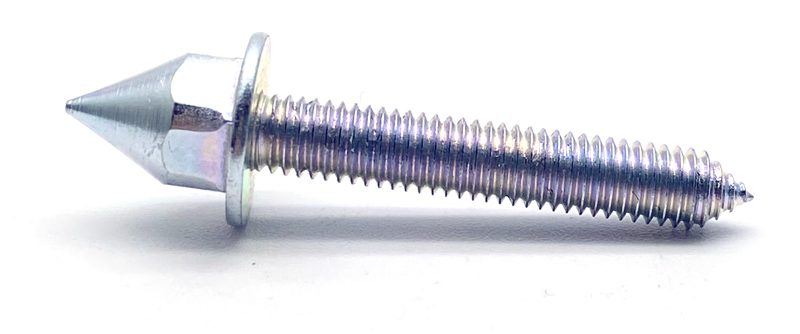
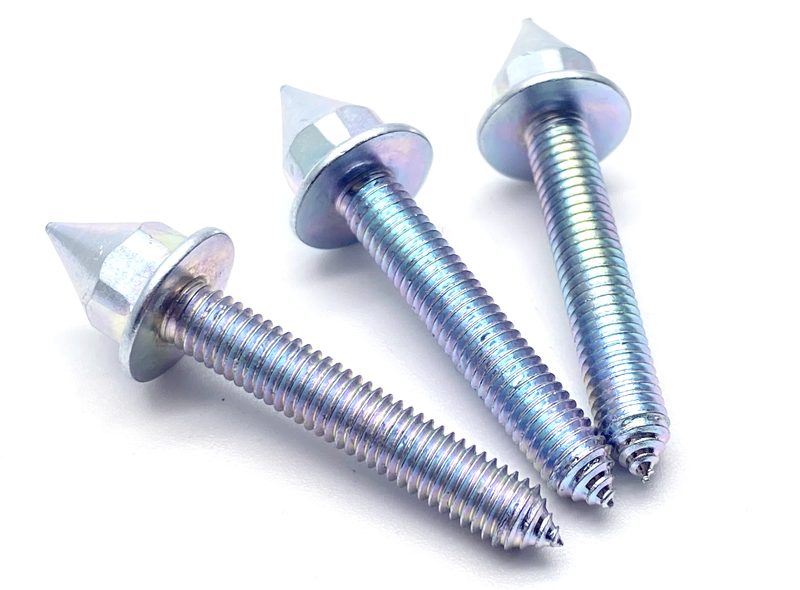
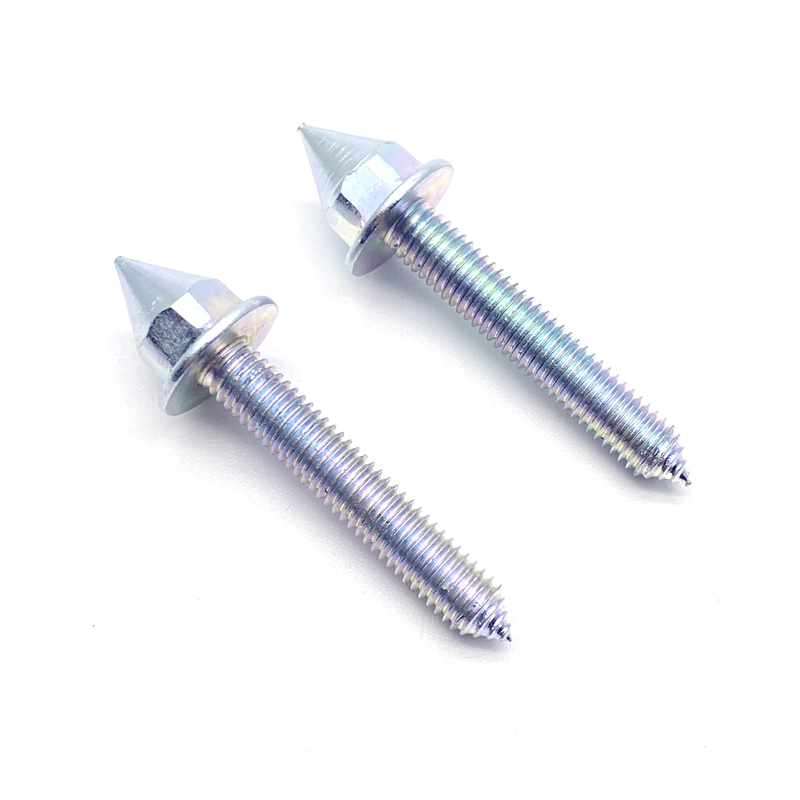
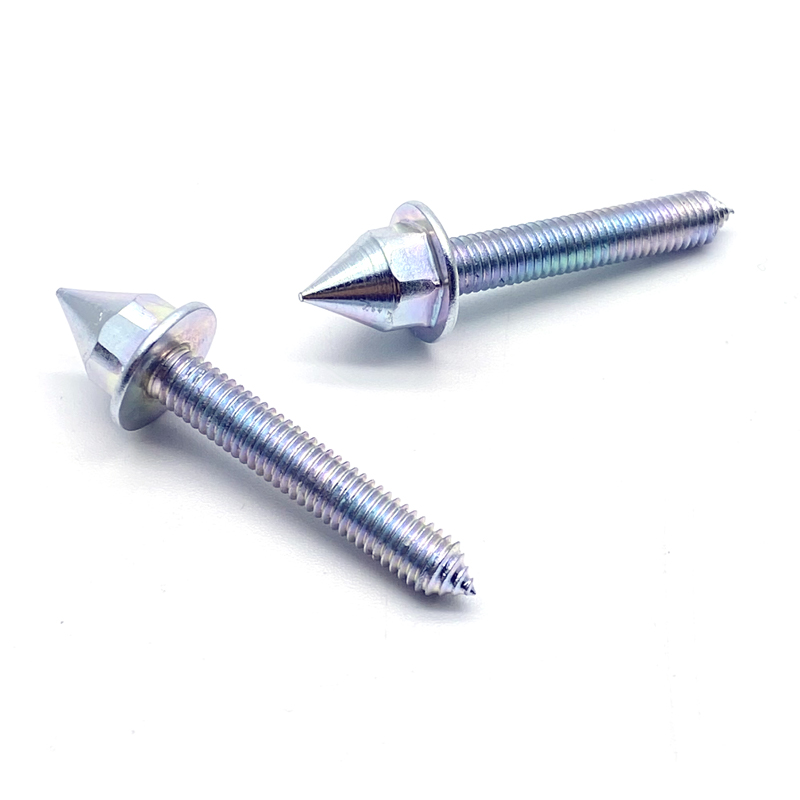
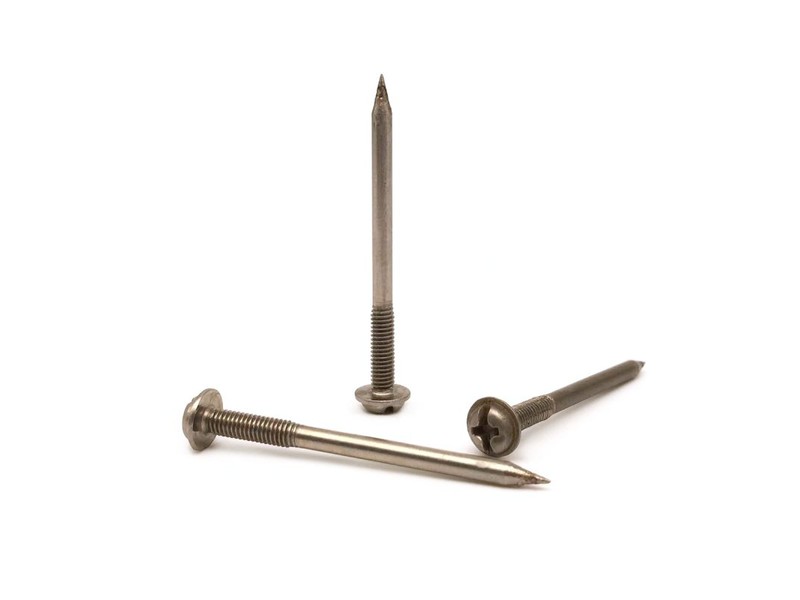
Type:Snow racing tire anti-skid stud
Materials:Carbon steel
Surface treatment:Electrophoresis black
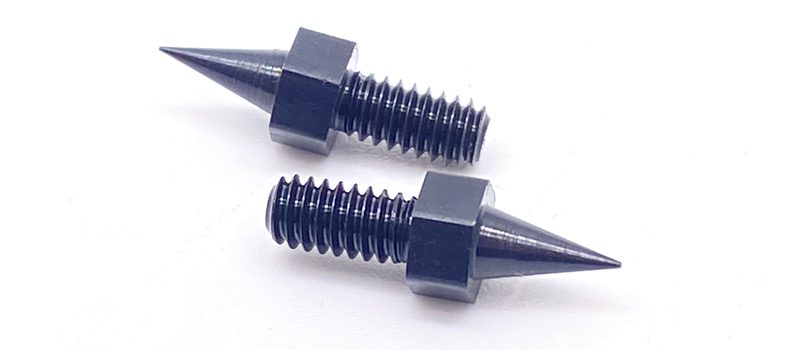
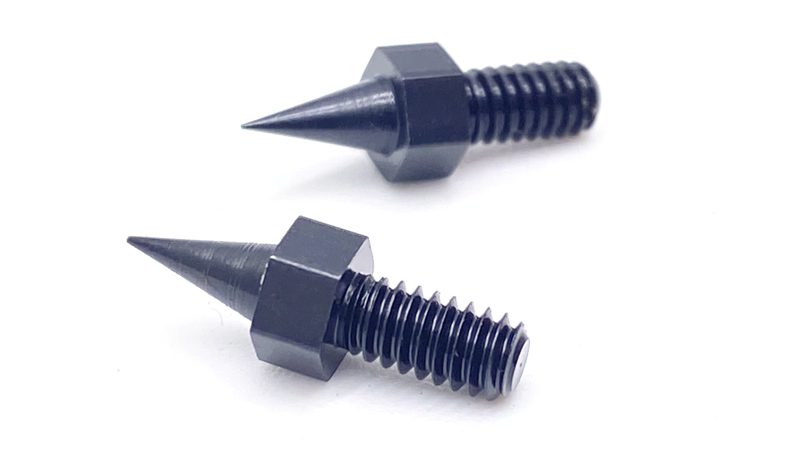
Head Type:Hex body with conical spike
Size:M1 M2 M3 M4 M5 M6 M7 M8 M9 M10
Thread:Machine thread for screw-in studs
Forming:CNC turning from bar with hardened spike
Number:1555
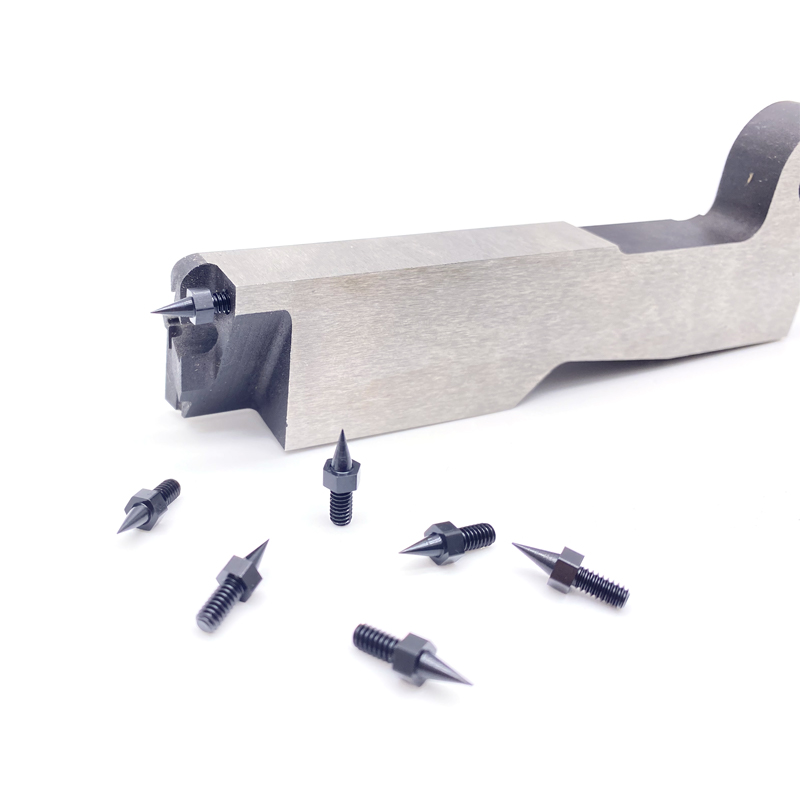
We manufacture snow and ice anti-skid studs turned from carbon steel, with a hex body, a hardened conical spike, a toothed washer and electrophoresis black or blue zinc. Body length, spike height and angle, washer and finish are checked on the first article against the tread sample.
Watch the factory video·Email sst@szsst88.com
ISO 9001:2015 · Manufacturing since 1998 · 8,678+ customers · 89 countries and regions
Made to order – there is no stock catalogue. Each part is produced to your drawing, and production starts after drawing review and first-article approval.
An anti-skid stud is a small hardened pin fitted into the tread of a winter or ice-racing tire, with a body that anchors in the rubber and a spike that stands proud to bite the surface. The one on this page is turned from carbon steel, with a hex body, a conical spike, a toothed washer and an electrophoresis black finish.
Body and anchor. The body is what holds the anti-skid stud in the tire. A hex body gives the fitting tool a face to turn, and the toothed washer under the head grips the rubber so the stud does not pull out under load.
Spike. On an anti-skid stud the spike is the working end: a hardened cone that stands above the tread and bites ice or packed snow. Its height and angle decide how much grip the stud gives and how quickly it wears.
Threaded or press fit. The recorded part carries a machine thread, so it is a screw-in stud; the thread pulls the body into the prepared hole and the washer seats against the tread. Press-fit studs use the same body without the thread.
Together these decide the stud: the body anchors, the washer seals and grips, and the spike gives the tire its bite on ice.
This anti-skid stud is turned from carbon steel bar, with the body, the hex flats and the spike produced on one route, then heat treated, finished and assembled with its washer. The grade comes from the drawing, and the bar heat number stays traceable to the material certificate.
The hex body is turned to the drawing, and the spike is formed at the tip. The transition between body and spike is the section that takes the load when the stud bites, so the radius and the hardness at that transition are part of the drawing rather than a detail.
The toothed washer sits under the head. Its teeth bite into the rubber and its bore fits the body; a washer that is too large will not seat in the tread, and one that is too small tears out. The washer is fitted as part of the stud, not as a separate item.
The finish is electrophoresis black, with blue zinc offered as an alternative. Both are thin coatings that protect the body without filling the thread or the hex, and both are checked before the studs are packed.
Anti-skid studs are quoted against the drawing rather than a single nominal size: body diameter, body length, spike height and angle, washer diameter and thread are the dimensions that matter. The recorded size field lists M1 to M10; a stud order is confirmed part by part with those dimensions.
| Item | How it is defined | What we control |
|---|---|---|
| Body diameter | The body that anchors in the tread | Measured with micrometers on the first article |
| Body length | How deep the stud sits in the tire | Measured from the washer face |
| Spike height and angle | The hardened cone above the tread | Checked on the projector |
| Hex across flats | The face the fitting tool turns | Checked with the tool and on the projector |
| Thread | Machine thread for screw-in studs | Gauged per batch |
| Washer | Diameter, teeth and bore | Checked against the tread sample |
Each anti-skid stud is quoted against the tire it goes into. The tread thickness, the hole size and the body length are reviewed together, because a stud that is too long breaks through the carcass and one that is too short sits below the tread and does nothing.
Body length is measured from the washer face and the spike height from the tread line. The batch is checked on the features the process can drift on: body diameter, spike height and thread class.
The hex body is the installation feature. A stud tool engages the flats and turns or presses the stud into the prepared hole, and the hex also gives the stud a positive seat against rotation once it is in. The across-flats and the body length are checked together, because a short hex gives the tool too little to hold.
The spike is the performance feature. A conical point with a defined angle and a hardened tip bites ice instead of skidding over it. The height above the tread is the number that matters most: too little and the stud does not reach the surface, too much and it wears fast or damages the road.
The toothed washer is the retention feature. Its teeth deform into the rubber and spread the load, and its bore centres the stud in the hole. The washer is checked against a tread sample, because a washer that seats on one tire may not seat on another.
On an anti-skid stud the three features work as one part. A good spike on a body that pulls out is useless, and a body that holds with a spike that is too short gives no grip. The drawing fixes all three, and the first article is checked as an assembly.
This anti-skid stud is electrophoresis black. The coating is deposited from a bath and cured, so it covers the body, the hex and the spike evenly, and it is thin enough not to fill the thread or blunt the teeth of the washer. Blue zinc is offered as an alternative where a brighter finish is wanted.
| Finish | How it protects | Effect on thread and hex | Typical use |
|---|---|---|---|
| Electrophoresis black | Even deposited coating, cured | Thin; thread and hex re-checked | Racing and winter studs |
| Blue zinc | Zinc layer with blue passivation | Build-up in thread; gauged after | General winter studs |
| Zinc-nickel | Zinc alloy layer, higher corrosion resistance | Build-up; thread checked after | Road-salt exposure |
| Black oxide | Conversion coating, minimal thickness | No measurable build-up | Indoor or short-season use |
| No finish on the spike (ground) | Bare hardened tip | Spike geometry unchanged | Where bite matters more than corrosion |
Salt-spray exposure is agreed per project and written on the drawing, and the studs are tested in the condition they ship in. On this part the spike and the thread are the faces that matter: a coating that rounds the tip or fills the thread changes the stud’s behaviour.
Packing protects the spikes. Anti-skid studs are packed in trays with the spikes clear of each other, and the label carries the batch, the material heat and the finish reference.
Three uses where anti-skid studs are fitted for grip on ice, and what the stud has to do instead:
| Where it sits | The studs are fitted into the tread blocks of a road tire so the tire grips on ice and packed snow. |
| When it goes wrong | A stud that sits too low does nothing, and one that stands too high wears fast and damages the road surface. |
| Why it happens | The tire is used on public roads in season, the tread is moulded for studs, and the studs are fitted to the drawing. |
| What we control | Body length and spike height checked, washer sized to the tread, and the finish agreed for road salt. |
| Where it sits | The studs are fitted to a competition tire where every millimetre of spike height is part of the set-up. |
| When it goes wrong | A spike that is too long is outside the class rules, and a body that pulls out ends a run. |
| Why it happens | The tire is used on ice, the studs are changed between runs, and the set-up is measured. |
| What we control | Spike height and angle checked, body and washer checked, and the batch recorded. |
| Where it sits | The studs are fitted to a tire used on ice roads, logging tracks or frozen ground. |
| When it goes wrong | A washer that tears out leaves a hole in the tread, and a soft spike rounds off in a few kilometres. |
| Why it happens | The vehicle works in cold conditions, the tires are re-studded, and the studs are replaced in sets. |
| What we control | Body, washer and spike checked, and the hardness of the spike confirmed on the first article. |
Four reasons that matter on an anti-skid stud, each tied to what the drawing has to prove:
|
Body and spike reviewed together
The body length, the spike height and the washer are reviewed before the bar is cut, so a stud that would sit too low or pull out is raised first. Basis: Body, spike and washer reviewed before turning. |
Turned and hardened in one route
The body, hex and spike are turned on one route and the tip is hardened to the drawing, so the geometry and the hardness come from the same part. Basis: One route for body, hex and spike. |
|
Spike and body measured on the part
The body diameter, spike height and angle and the hex are measured on the projector and with micrometers on the first article, and the thread is gauged per batch. Basis: Spike and body checked on the first article. |
First article to repeat production
The first article fixes the drawing revision, bar heat, heat treatment and finish; repeat orders are compared against that record. Basis: First article signed off before the batch is released. |
Shi Shi Tong turns these anti-skid studs from carbon steel bar: the body and hex are turned, the spike is formed, the tip is hardened to the drawing, the thread is produced and the stud is finished and fitted with its washer. The first part of every run is measured on the body and the spike, gauged on the thread and tried with the fitting tool before the batch continues.
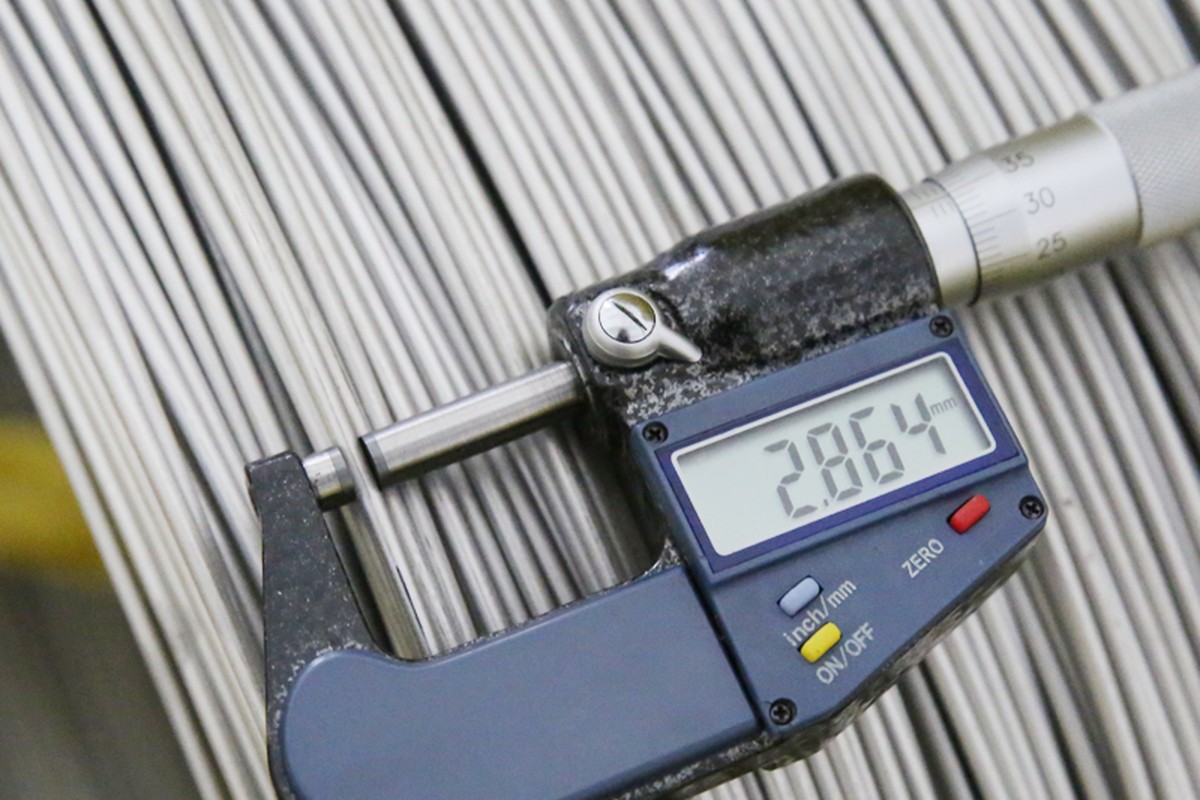
Bar checked before the first cut |
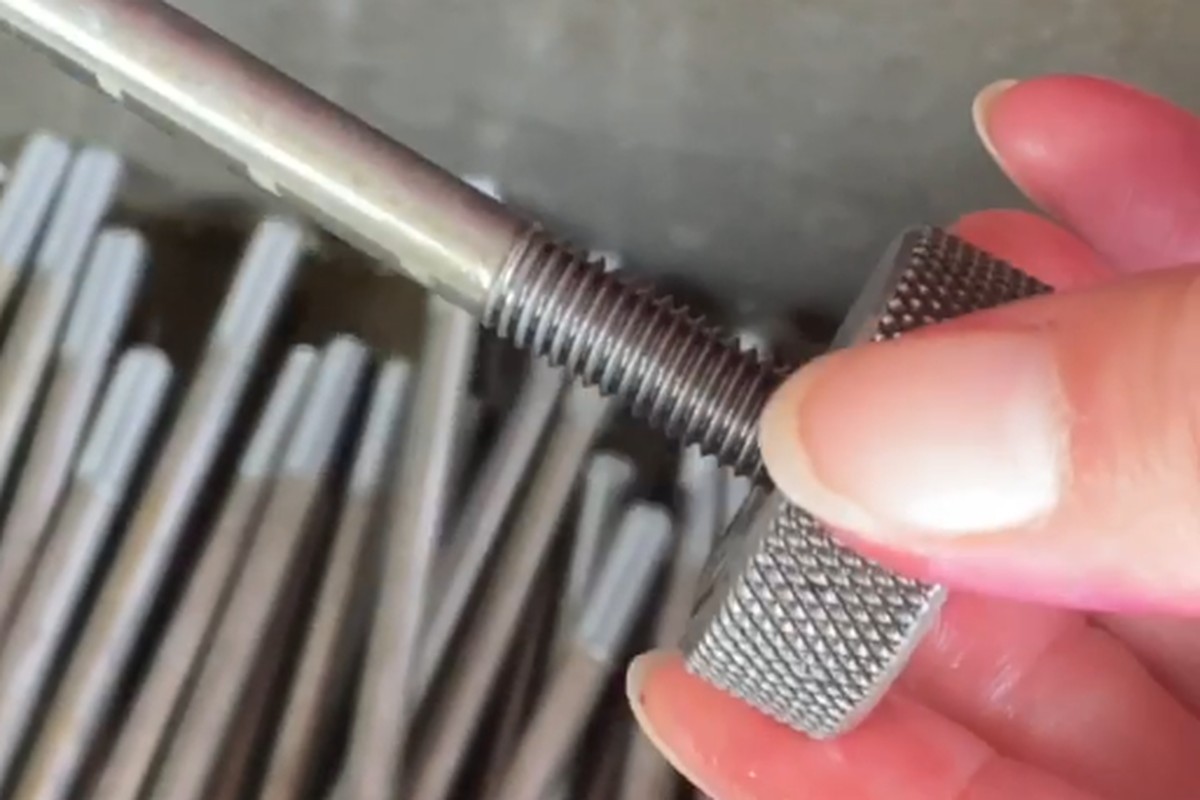
Body and thread measured on the first article |
Between runs the lathe is set to the drawing body and spike, and the heat treatment is recorded with the batch; the first part goes to the projector and the gauges before the run continues. Anti-skid studs are packed in trays with the spikes clear, so the tips are not dulled in transit.
What decides whether an anti-skid stud passes is not the colour of the coating: it is the body diameter and length, the spike height and angle, the hex and the washer. The inspection agreement covers those, and the criteria come from the drawing and the tread sample.

Body, spike and hex on the projector |

Thread gauging on the stud body |

Hardness testing of the spike |

Salt-spray testing of the coated stud |
Each batch is recorded against the drawing revision: body and spike from the first article, the fitting tool tried, and the thread gauged per batch. If a gauge or the spike check fails, the studs back to the last good setting are held and re-checked.
Third-party test reports, when the drawing specifies them, are raised with the batch and filed against the same batch number as the dimensional record.
Every anti-skid stud shipment is traceable to the bar it was made from. The grade, heat number and standard are recorded on the material certificate supplied with the parts, and the inspection records follow the criteria agreed on the drawing.

ISO 9001:2015 |

RoHS test report |

Registered trademark |

Patent: security screw and driver |
With each batch we supply the material certificate, the inspection record for the criteria on the drawing and, where it is listed, the third-party report for the material or the finish. The documents carry the drawing revision and the batch number, so the paperwork can be matched to the parts.
More than 8,678 customers in 89 countries and regions have ordered from Shi Shi Tong; 87% of orders come from repeat customers and 56% through referrals. Most projects follow the same route: drawing review, first-article approval, then batches checked against that sample. Anti-skid studs are approved with the tread sample, so the body and washer are signed off together. Buyers visit during the process to review samples and to see how the studs are turned.
|
8,678+
customers served
|
87%
of orders from repeat customers
|
56%
of orders through referrals
|
89
countries and regions shipped to
|
Buyers and quality engineers visit for sample review, process discussion and supplier audits; the visit is arranged around production so the turning cells and the finishing line can be seen on the day the parts run.

Customer group visit – sample review |

Customer group visit – process discussion |

Customer group visit – factory tour |

Customer visit – project kick-off |

Danish customer – drawing review |

Industry exhibition – meeting customers |
It is a small hardened pin fitted into a tire tread, with a body that anchors in the rubber and a spike that stands proud to bite ice or packed snow.
By the body and the toothed washer. The washer grips the rubber and spreads the load, and a threaded body pulls into the prepared hole. The washer is checked against the tread sample.
It sets how far the spike reaches above the tread. Too little and the stud does not touch the surface; too much and it wears fast or damages the road. The height is on the drawing and checked on the first article.
Studs are quoted against the drawing: body diameter, body length, spike height and angle, washer and thread. The recorded size field lists M1 to M10, and an order is confirmed part by part with those dimensions.
Electrophoresis black as recorded, with blue zinc as an alternative. Both are thin enough not to fill the thread or round the spike, and both are checked before packing.
Body diameter and length, spike height and angle, hex across flats, thread, washer diameter and teeth, hardness of the spike, finish and the tread it is fitted to.
How an anti-skid stud project runs from drawing to repeat delivery:
|
1
Send the drawing or tread sample
|
→ |
2
Body and spike review
|
→ |
3
First article approval
|
→ |
4
Batch production and repeat orders
|
Each step is confirmed with you before the next one starts; the drawing revision from the first article is what repeat orders are checked against.
For an anti-skid stud quotation, send the drawing with the body diameter and length, spike height and angle, hex across flats, thread, washer diameter and teeth, the hardness of the spike, the finish and the tread the stud is fitted to.
|
Body diameter and length
|
Spike height and angle
|
Hex across flats
|
|
Thread
|
Washer and hardness
|
Finish and tread
|
Sending a drawing? The form below does not take attachments. Email the PDF, DXF or STEP file to sst@szsst88.com with the part name and quantity in the subject line – the drawing is reviewed and a quotation follows.

 +86 13143444311
 sst@szsst88.com