Tel:
+86 13143444311
Email:sst@szsst88.com
Fax:+0086-755-27322278
Address:Building 9, First Industrial Zone, Tantou Industrial City, Songgang Street, Baoan District, Shenzhen 518105, Guangdong, China
Type:Sems Screw Manufacturer, Screw Company
Materials:Stainless Steel
Surface treatment:Plain
Head Type:Pan Head
Drive:Six-lobe star recess (Torx)
Thread:Machine thread
Point:Plain, chamfered
Forming:Single Die Heading
Washer:Pre-assembled flat washer
Size:M1 M2 M3 M4 M5 M6 M7 M8 M9 M10
Number:SStong
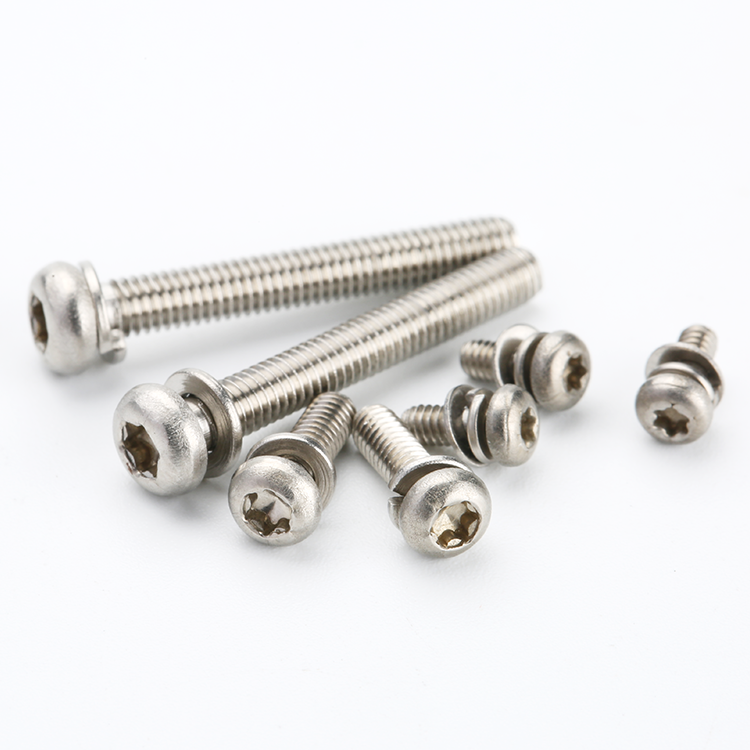
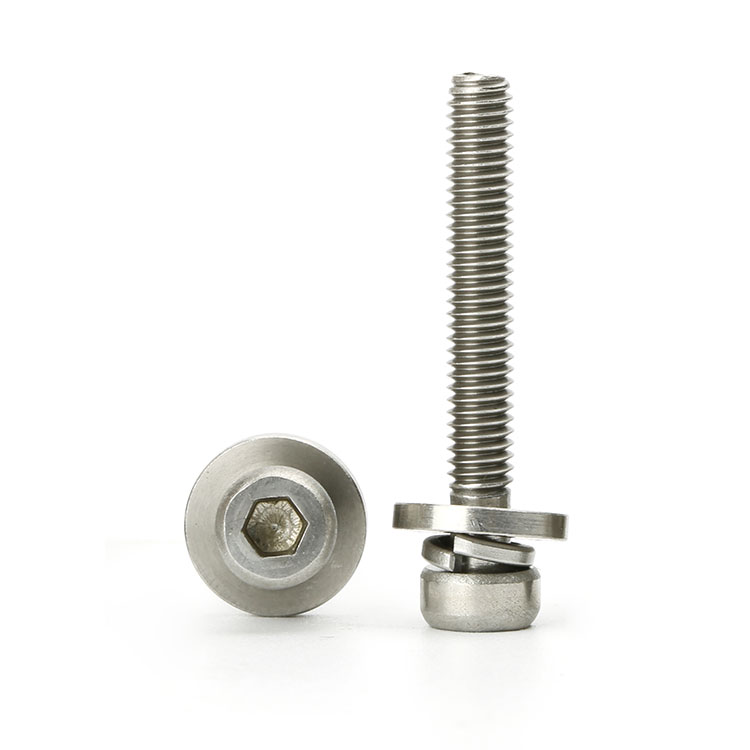
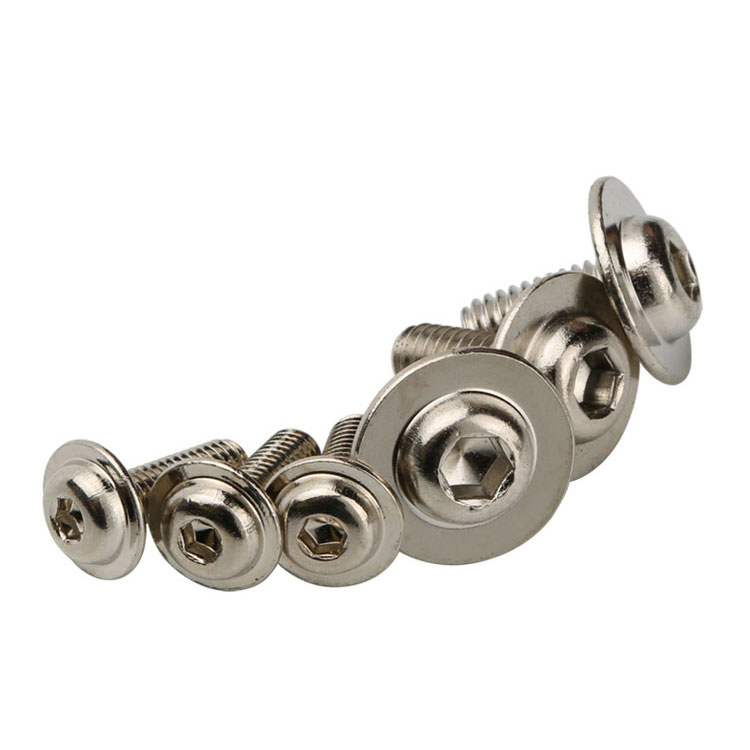
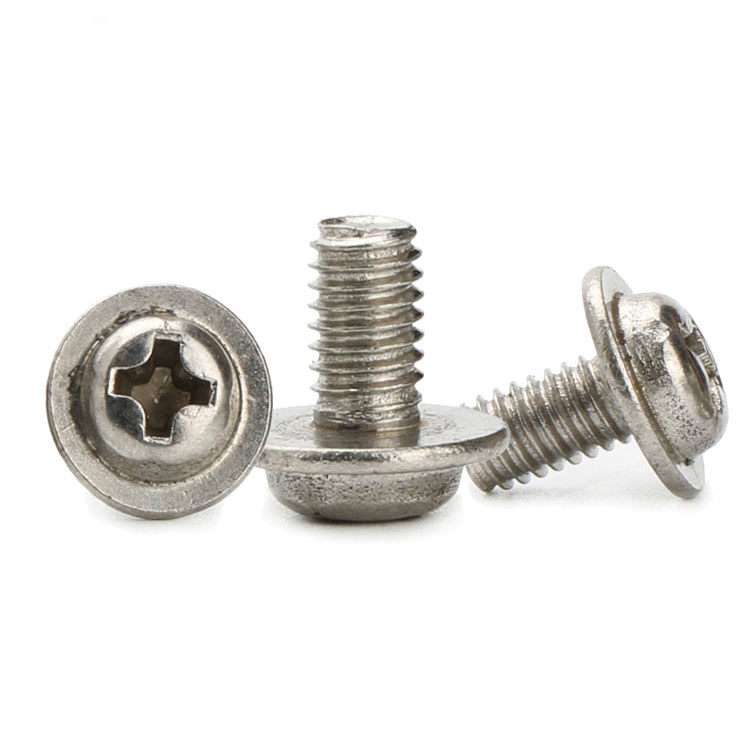
We make sems screws in plain A2 stainless with a pan head, a Torx recess and a captive flat washer, quoting them from M1 to M10. Head and washer dimensions, the retaining shoulder, thread and length datum come from your drawing, and the first article is run in your feeder.
Watch the factory video·Email sst@szsst88.com
ISO 9001:2015 · Manufacturing since 1998 · 8,678+ customers · 89 countries and regions
Made to order – there is no stock catalogue. Each part is produced to your drawing, and production starts after drawing review and first-article approval.
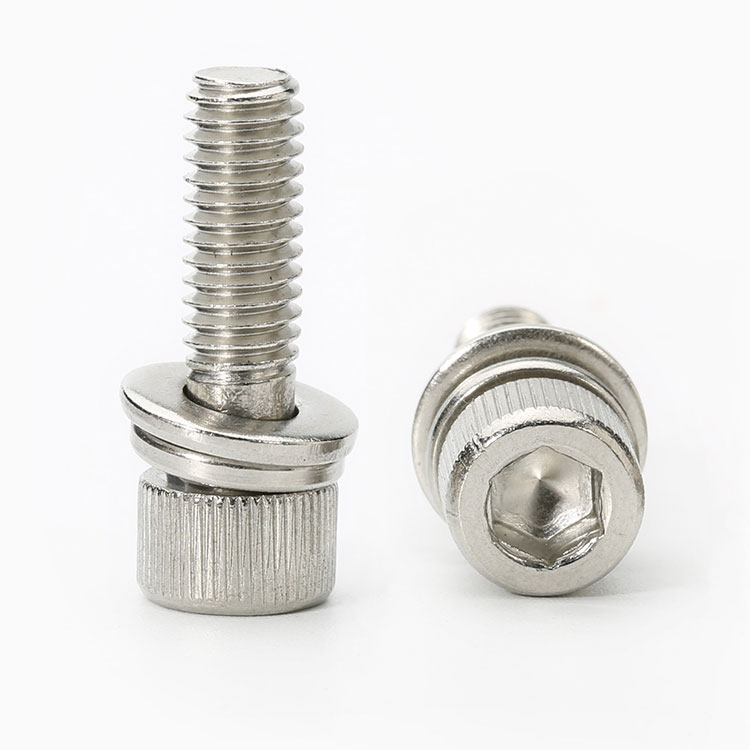
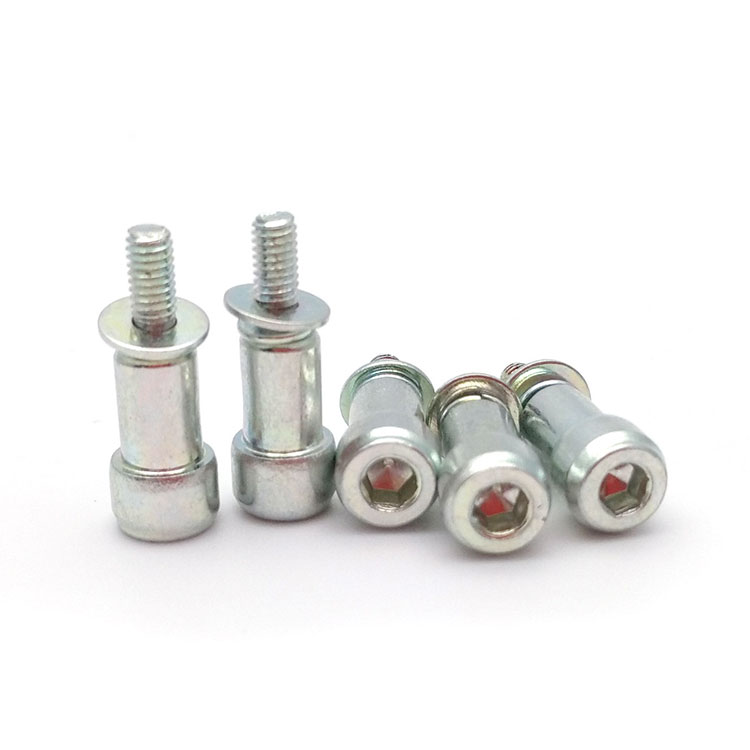
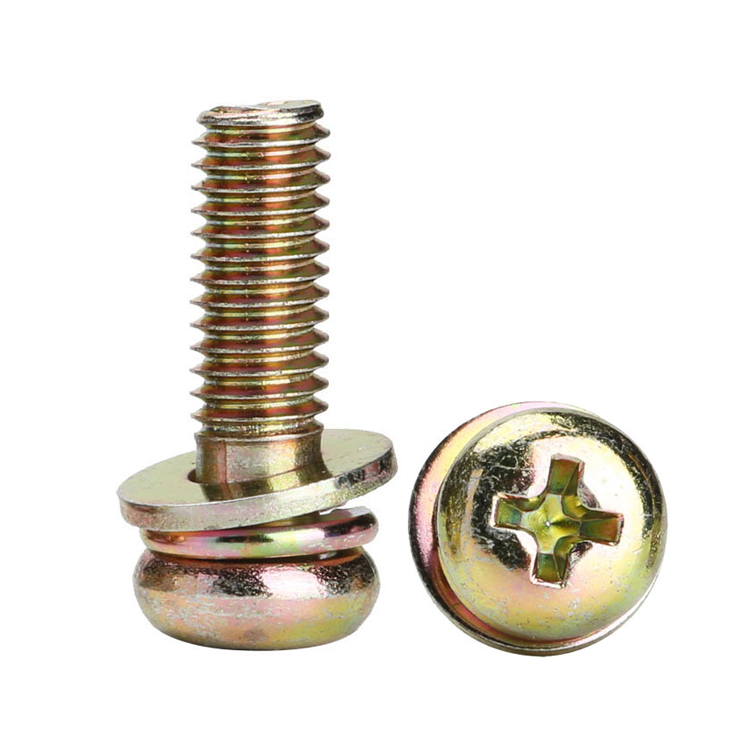
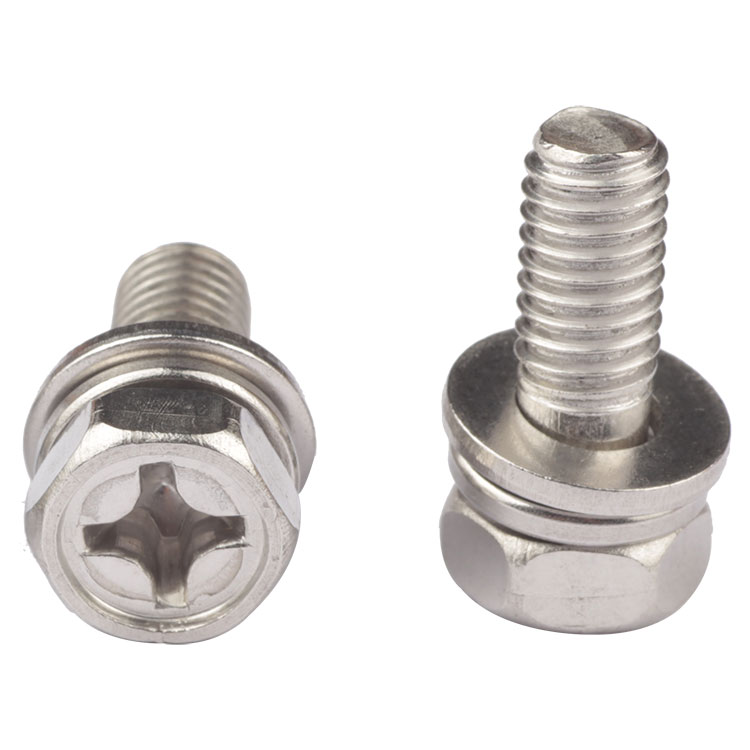
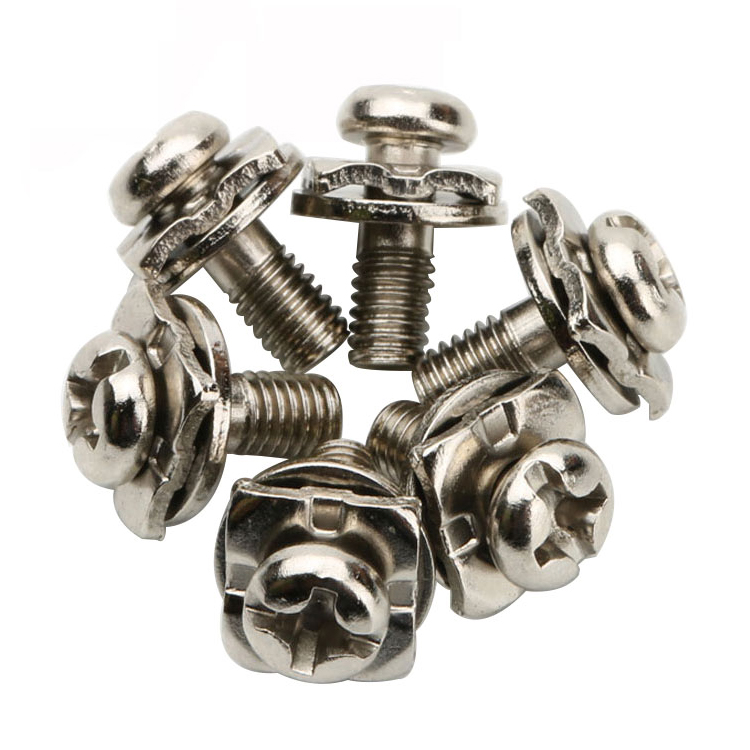
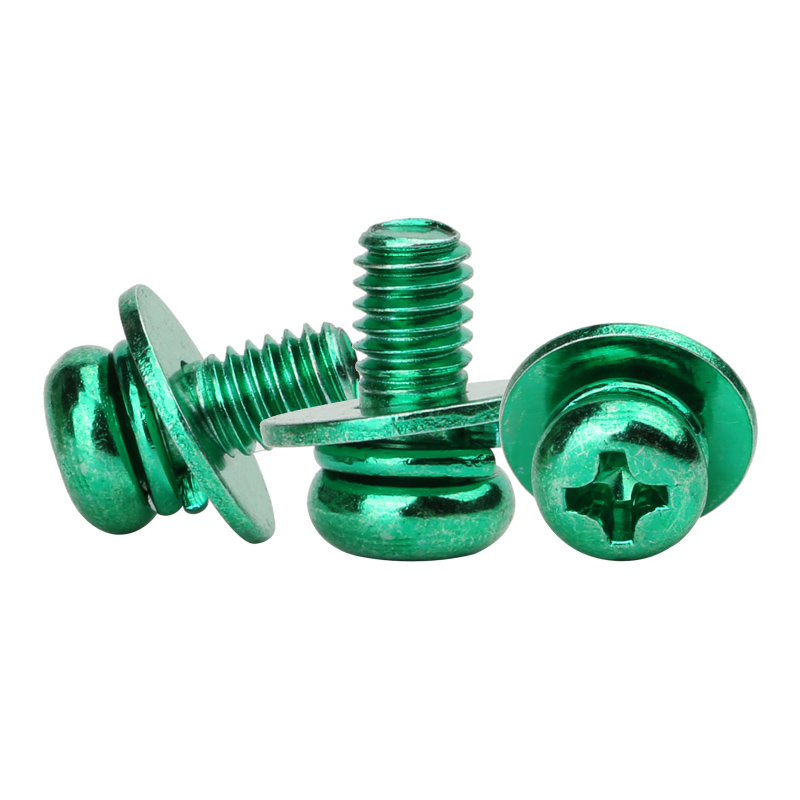
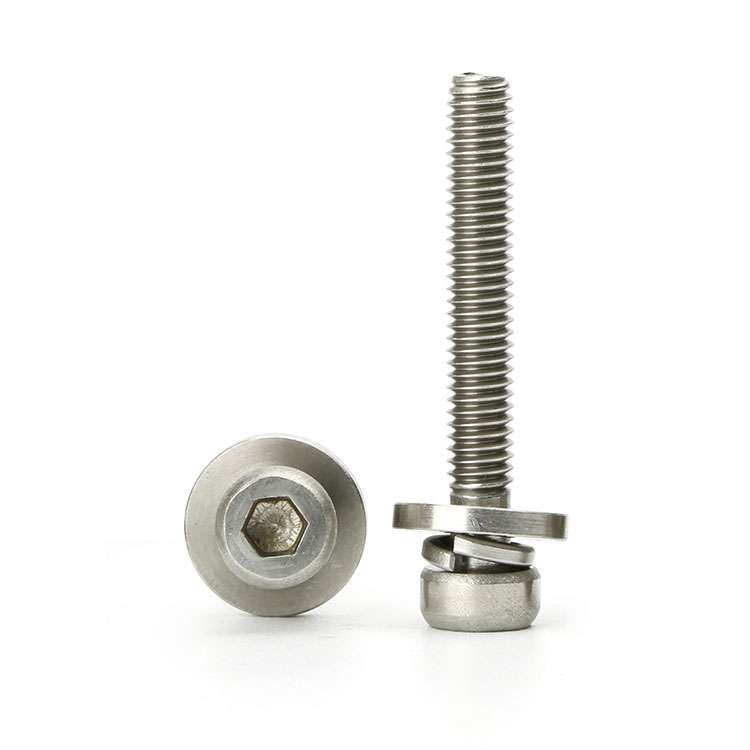
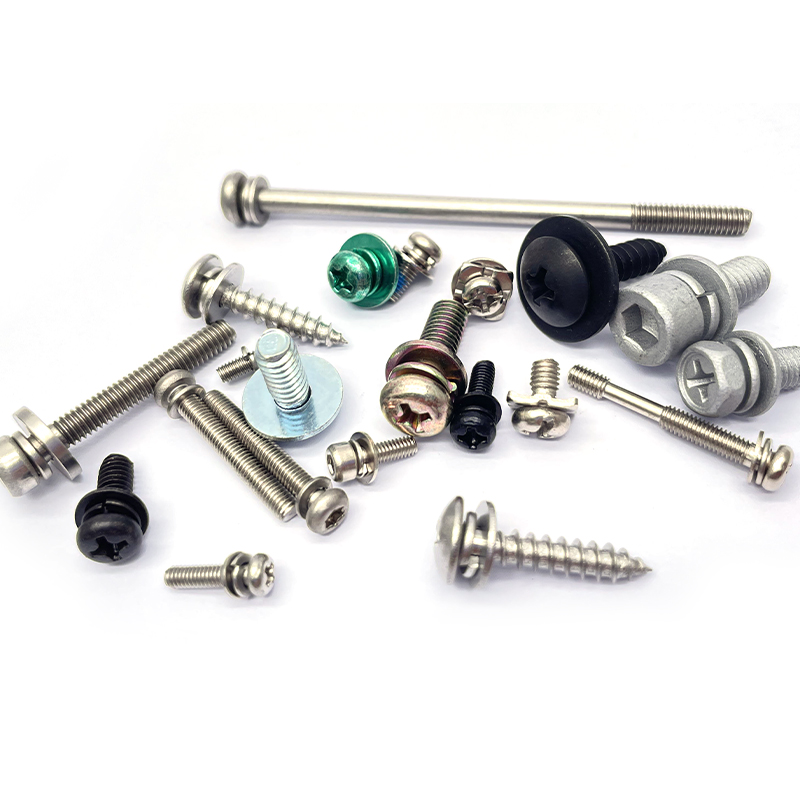
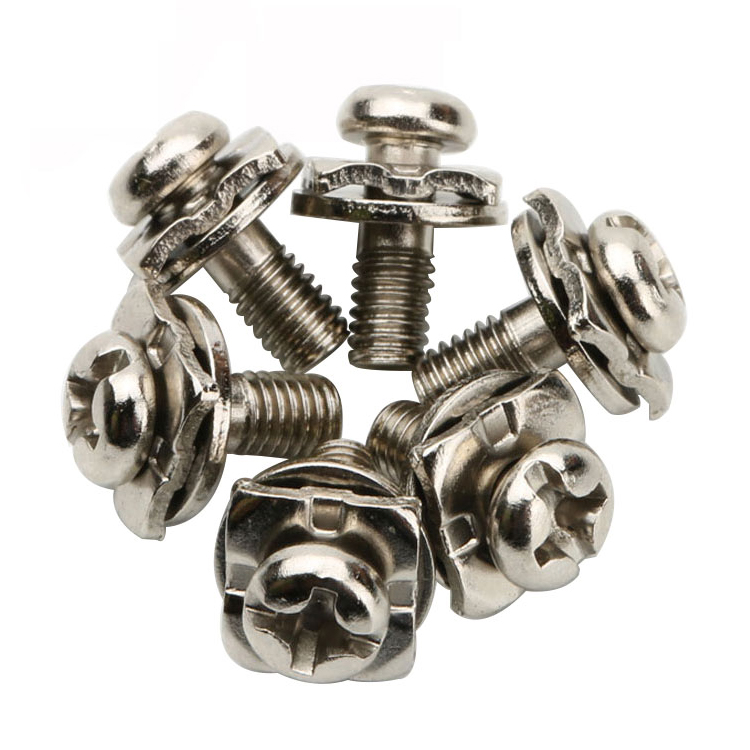
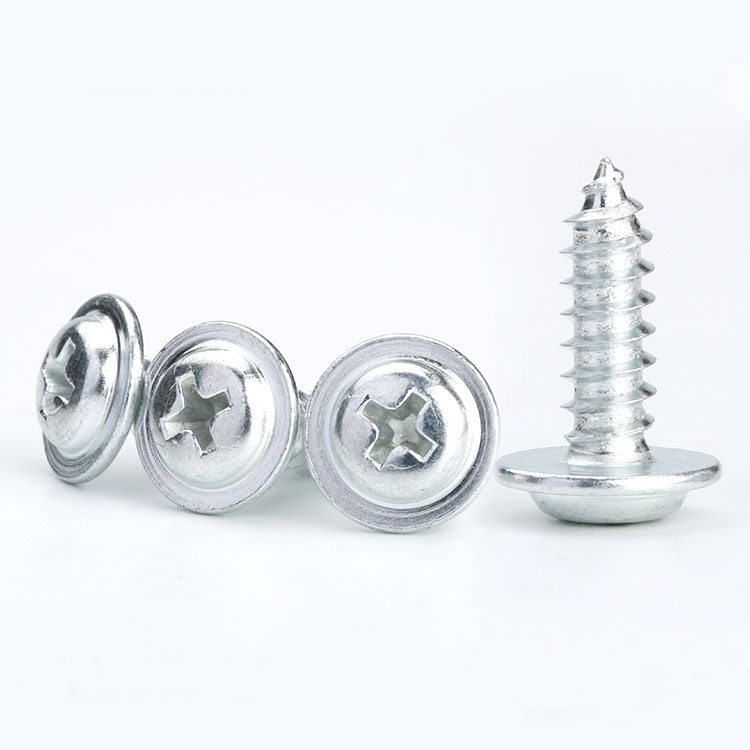
Sems screws are screws with a washer already assembled under the head, held there so it cannot come off in handling. The part recorded here is a stainless steel machine screw with a pan head, a Torx recess and a captive flat washer, quoted from M1 to M10 with Number SStong.
Captive washer. A flat washer assembled under the head and swaged onto a small shoulder so it stays with the screw.
Pan head. A rounded head with a wide bearing face, which the washer extends further still.
Torx recess. A six-lobe star drive that takes the torque without lifting the key out of the head.
Machine thread. A uniform thread for a tapped hole or a nut.
Plain stainless. A2 grade, passivated, with no coating on the screw or the washer.
Sems screws exist for assembly lines. A screw and a loose washer are two parts to pick, two parts to count and one part to lose; a sems screw is one part that arrives with its washer in place and goes in with one motion. They are used in appliances, electronics, cabinets and automotive trim, wherever the joint needs a washer and the line cannot afford to handle it separately.
The washer is held by geometry, not by friction. Under the head there is a short plain shoulder slightly larger than the washer bore, and the head diameter is larger than the washer’s outside diameter; the washer is pushed over the shoulder and the material above it is deformed so the washer cannot climb back over. That is the whole mechanism, and everything about a sems screw depends on it being right.
A washer that comes off in the feeder is worse than no washer at all. It jams the escapement, the line stops, and the loose washers end up in the assembly. That is why the retention is tested by handling rather than by measurement: the part is dropped, vibrated and run through the feeder, and the washer is checked afterwards.
The washer also changes how the head behaves on the joint. A pan head alone spreads its clamp over the head diameter; with a washer the bearing ring is larger and softer, so the joint is less likely to mark a painted or plastic face and more tolerant of a slightly rough seat. The trade is that the washer can rotate freely, and a rotating washer wears paint on the first tightening.
Screw and washer are two parts with two tolerances. The washer bore has to clear the shoulder and still be retained, its thickness adds to the stack under the head, and on a counterbored joint the washer diameter has to fit the counterbore. A sems screw is convenient, but it is not a free item in the design.
Stainless then decides how the pair behaves in service. A passivated screw and washer do not rust together, which matters because a sems screw is usually removed and refitted whole. Where the joint is wet, the washer is often a bonded sealing washer instead of plain metal, and that is a different part with a different retention shoulder.
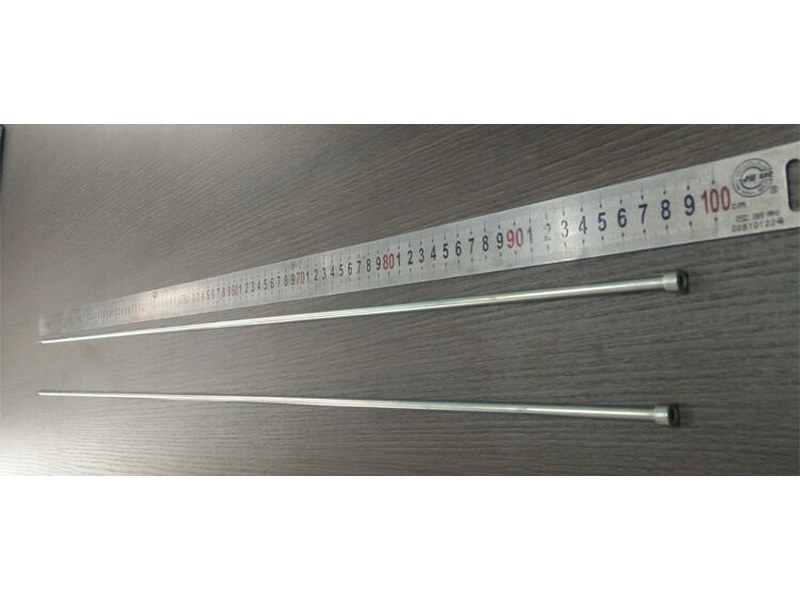
The recorded range is M1 to M10, with lengths made to the drawing. Custom lengths up to 2,000 mm are subject to DFM review after drawing submission. For sems screws the quotation carries head diameter and height, the washer outside diameter, bore and thickness, the shoulder diameter, the Torx size and depth, thread and length.
| Item | How it is defined | What we control |
|---|---|---|
| Head | Pan, rounded top | Diameter, height and underside |
| Washer | Pre-assembled flat washer | Outside diameter, bore and thickness |
| Shoulder | Retaining step under the head | Diameter and height of the swaged step |
| Recess | Six-lobe star | Torx size, depth and floor thickness |
| Thread | Machine thread | Pitch, length and start position |
| Length | Under the head | Length tolerance and thread start |
| Material | A2 stainless | Grade and heat number on the certificate |
Washer outside diameter is quoted with the head diameter, not separately. The washer has to be narrower than the head so it cannot climb over, and wide enough to do the job it was added for; that pair of numbers is the design.
Length is measured under the washer, which is another convention to state. A sems screw quoted under the head and one quoted under the washer differ by the washer thickness, and on a thin panel that is the difference between a flush head and a proud one.
Four features define sems screws, and each one is a trade:
| Feature | What it gives | What it costs |
|---|---|---|
| Captive washer | One part to handle instead of two | A second part and an assembly step |
| Wide bearing ring | Less marking on painted or soft faces | Washer can rotate and wear the finish |
| Retention shoulder | Washer stays on through handling | Small feature with tight tolerances |
| Machine thread | Repeatable joint in a tapped hole | Needs a thread behind the panel |
| Plain stainless | No coating to wear or flake | Washer and screw must both be stainless |
The value is entirely in the handling. Where a line assembles thousands of joints a day, removing one pick-and-place motion per joint pays for the washer assembly very quickly; on a short run with hand assembly, a loose washer is often cheaper.
The cost shows up when the washer does not fit the design. A washer that is wider than the counterbore, or thick enough to change the stack, turns a convenient part into a rework item, and the retention shoulder is not something that can be adjusted on the line.
The recorded finish is passivation on A2 stainless for both the screw and the washer. That matters for a sems part more than for a plain screw: if the two are mixed materials or one is coated, the pair can seize or rust at the contact, and the joint is usually opened as a unit so the washer comes with it.
| Option | How it protects | Effect on the washer | Typical use |
|---|---|---|---|
| A2 stainless, passivated | Passive chromium oxide film | Same material; no couple | Appliances and electronics |
| A4 stainless, passivated | Passive film with molybdenum | Same material; no couple | Washdown and marine |
| Steel, zinc plated | Sacrificial zinc | Both plated; wear shows as grey | Indoor general assembly |
| Steel, black oxide | Conversion film, oiled | Dry contact; oil carries | Dark instrument covers |
| Stainless with bonded seal | Passive film plus elastomer | Sealing washer, different retention | Leak-tight covers |
Where the joint has to seal, the washer becomes a bonded sealing washer and the retention shoulder changes to suit its thickness. That is a different part rather than an option, and the drawing should say so.
Where the joint is dry and indoors, a zinc plated sems screw works for less. The wear pattern is different: the plating on the washer rim goes first, and the grey ring under the head is the first sign that the joint has been tightened more than once.
Three assemblies where the captive washer pays for itself:
| Where it sits | The screw fixes a bracket or a panel where the operator has to pick one part and drive it in a fixed cycle time. |
| When it goes wrong | A loose washer is dropped into the appliance and found by the customer. |
| Why it happens | The line is fast, the washer is required, and loose parts are a defect. |
| What we control | Washer retention checked by handling; first article run through the feeder. |
| Where it sits | The screw closes a lid where a washer protects the paint and the joint is opened for service. |
| When it goes wrong | The washer comes off in the service kit and the lid is refitted without it. |
| Why it happens | The joint is serviced, the washer matters, and the screw is reused. |
| What we control | Retention checked after assembly and release; first article opened and refitted. |
| Where it sits | The screw joins a panel where the washer spreads the clamp and the head must stay visible and flush. |
| When it goes wrong | The washer is wider than the counterbore and the head stands proud. |
| Why it happens | The joint is thin, the washer is wide, and the seat is shallow. |
| What we control | Washer diameter and thickness checked against the counterbore; first article fitted. |
Four reasons that matter on a two-part fastener, each tied to something the drawing has to prove:
|
Washer and shoulder agreed
Washer diameter, bore, thickness and the retaining shoulder are agreed as a set, because retention is a geometry problem rather than a force one. Basis: Washer and shoulder agreed. |
Headed, threaded and assembled in one route
The head and recess are formed, the thread rolled, and the washer assembled and swaged before passivation. Basis: One route from wire to assembled part. |
|
Retention tested by handling
A sample is dropped, vibrated and run through a feeder, and the washer must still be on the screw afterwards. Basis: Retention tested by handling. |
First article in your feeder
The first article is run in the customer feeder, because a washer that stays on in a box can still jam an escapement. Basis: First article run in the feeder. |
Sems screws are headed and threaded like any machine screw, and then the washer is assembled: it is pushed over the retaining shoulder under the head and the shoulder is swaged so the washer cannot come off. The assembled part is passivated as a batch, and the first part of every run is measured on head, recess, washer, thread and retention.


|

|
The swaging step is the one that decides whether the part is usable. The shoulder has to be large enough to hold the washer and small enough that the washer still turns freely; a shoulder swaged too hard deforms the washer and it will not lie flat, and one swaged too lightly lets the washer lift off at the first vibration.
Passivating an assembled part is not the same as passivating a screw. The washer traps liquid against the head, so the rinsing has to reach into the gap, and a batch that is not rinsed properly shows staining at the washer line rather than on the screw. That is checked visually on the batch rather than on a sample.
What decides whether sems screws pass is the washer, the retaining shoulder, the recess and the thread. The inspection agreement covers those four, and the criteria come from the drawing.

Head, washer and shoulder |

Thread and start checked |

Core hardness checked |

Salt-spray testing of the grade |
The washer is checked for outside diameter, bore and thickness, and for flatness after assembly, because a washer that has been deformed by swaging will not seat. The shoulder is measured in section at the start of a run, since it cannot be seen once the washer is on.
Retention is proved by handling: a sample is dropped, shaken and run through a feeder, and the washer must still be captive and free to rotate. That test is the one that predicts whether the customer’s line will run, and it is done on every batch rather than once at approval.
Every batch is traceable to the wire used for the screw, the lot used for the washer, and the passivation batch that finished the assembly. The grade and heat number appear on the material certificate supplied with the parts, and the inspection records follow the criteria agreed on the drawing.

ISO 9001:2015 |

RoHS test report |

Registered trademark |

Patent: security screw and driver |
With each shipment we supply the material certificate, the inspection record for the dimensions on the drawing and, where the grade is listed, the third-party report. The documents carry the drawing revision and the batch number, so a repeat order keeps the same washer and the same retention.
More than 8,678 customers in 89 countries and regions have ordered from Shi Shi Tong; 87% of orders come from repeat customers and 56% through referrals. Most projects follow the same route: drawing review, first-article approval, then batches checked against that sample. On sems screws the first article is run through the customer feeder, because a washer that stays on in a box can still jam an escapement. Buyers visit during the process to review samples.
|
8,678+
customers served
|
87%
of orders from repeat customers
|
56%
of orders through referrals
|
89
countries and regions shipped to
|
Buyers and quality engineers visit for sample review, process discussion and supplier audits; the visit is arranged around production so the headers and the passivation line can be seen on the day the parts run.

Customer group visit – sample review |

Customer group visit – process discussion |

Customer group visit – factory tour |

Customer visit – project kick-off |

Danish customer – drawing review |

Industry exhibition – meeting customers |
By a shoulder under the head that is swaged over the washer bore. The head is wider than the washer, so it cannot climb off.
It should not. Retention is tested by dropping, shaking and running a sample through a feeder, and a washer that fails there is a reject.
Yes, normally. A free washer spreads the clamp evenly; a fixed one can mar the surface as it turns with the screw.
Under the washer on most drawings. State the datum, because under the head and under the washer differ by the washer thickness.
Yes, with a bonded elastomer. That changes the retention shoulder and the washer thickness, so it is a different part rather than an option.
Head diameter and height, washer diameter, bore and thickness, Torx size, thread pitch and length with its datum.
How a sems screw project runs from drawing to repeat delivery:
|
1
Send the drawing and the washer
|
→ |
2
Head, washer and shoulder agreed
|
→ |
3
First article run in your feeder
|
→ |
4
Batch production and repeat orders
|
Each step is confirmed with you before the next one starts; the drawing revision from the first article is what repeat orders are checked against.
For a quotation, send the drawing with the head diameter and height, the washer diameter, bore and thickness, Torx size, thread pitch and length with its datum.
|
Head size
|
Washer OD
|
Washer bore
|
|
Washer thickness
|
Torx size
|
Length datum
|
Sending a drawing? The form below does not take attachments. Email the PDF, DXF or STEP file to sst@szsst88.com with the part name and quantity in the subject line – the drawing is reviewed and a quotation follows.

 +86 13143444311
 sst@szsst88.com