Tel:
+86 13143444311
Email:sst@szsst88.com
Fax:+0086-755-27322278
Address:Building 9, First Industrial Zone, Tantou Industrial City, Songgang Street, Baoan District, Shenzhen 518105, Guangdong, China
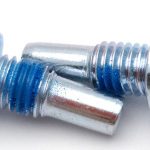
Type:Sems screw and washer assemblies
Materials:Customized
Surface treatment:Customized
Head Type:Customized
Size:M1 M2 M3 M4 M5 M6 M7 M8 M9 M10
Drive:Per drawing; Phillips cross recess, hex socket or slot as specified
Thread:Machine thread, rolled after the washer is placed
Forming:Cold heading with captive washer and rolled thread
We manufacture sems screw and washer assemblies with the washer placed after heading and retained by the rolled thread, in custom materials, washer types and finishes. Washer bore, thread crest, free play and retention are checked as an assembly before the batch ships.
Watch the factory video·Email sst@szsst88.com
ISO 9001:2015 · Manufacturing since 1998 · 8,678+ customers · 89 countries and regions
Made to order – there is no stock catalogue. Each part is produced to your drawing, and production starts after drawing review and first-article approval.
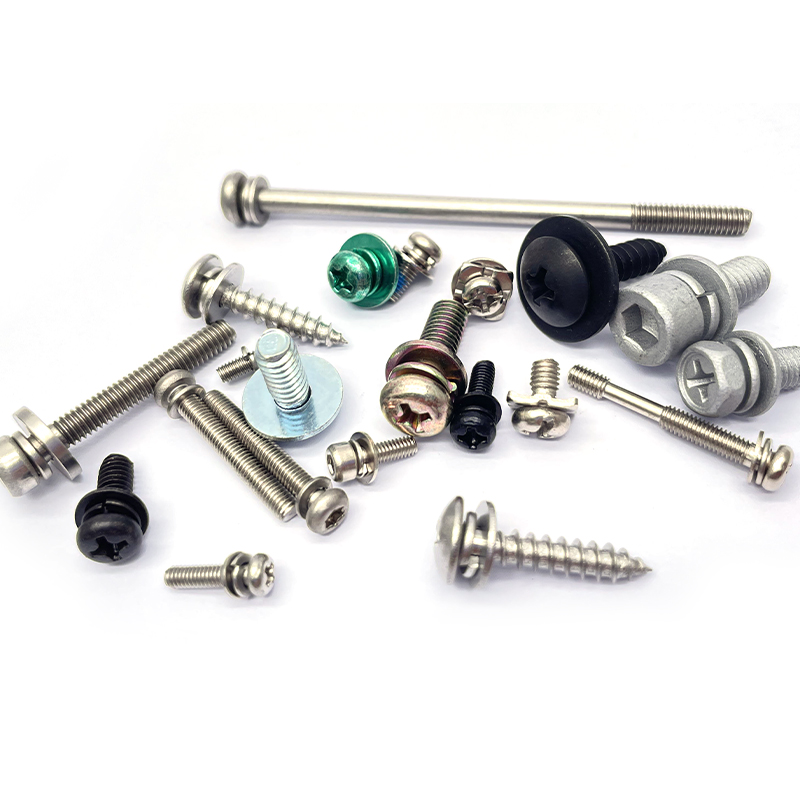
A sems screw and washer assembly is a screw with its washer already on the shank, held there so the two parts travel as one. The washer is slipped over the shank after heading, and the thread is then rolled so the thread crest is larger than the washer bore and the washer cannot come off.
One part in the feeder. The point of the assembly is the line: the feeder picks one item, not a screw and a washer that may or may not meet. That removes the missing-washer defect and the loose washer on the floor, and it shortens the assembly time per joint.
Washer held by the thread. The retention is mechanical. The rolled thread forms a crest above the washer bore, so the washer spins freely under the head but cannot pass over the thread. It is not glued and it is not staked.
Washer type to the drawing. Flat, split lock, external tooth or bonded sealing washers each solve a different problem: bearing area, vibration loosening, electrical bonding or sealing. The type and the free diameter are set on the drawing.
Together these decide the joint: the washer stays on the screw, it spins free under the head, and it does the job it was chosen for when the screw is driven.
A flat washer spreads the clamp load over a larger area than the head alone. On a sems screw and washer assembly it also protects a painted or soft surface from the head rotating on it, which is why flat-washer assemblies are common on appliance panels and plastic housings.
A split lock washer adds spring load and bites into the joint as it is tightened. It is used where vibration would work a plain screw loose, and on a sems assembly it stays with the screw when the joint is opened, so the lock washer is not lost.
An external tooth washer bites into the surface for electrical bonding. The teeth cut through paint or oxide to make a conductive path, and the washer has to be hard enough to bite without flattening. The tooth pattern and the hardness are on the drawing.
A bonded sealing washer carries a rubber or fibre insert that seals against the panel. It is used on covers that see water or dust, and the seal has to sit flat under the head without being crushed by the thread roll. The insert material and the sealing diameter are set on the drawing.
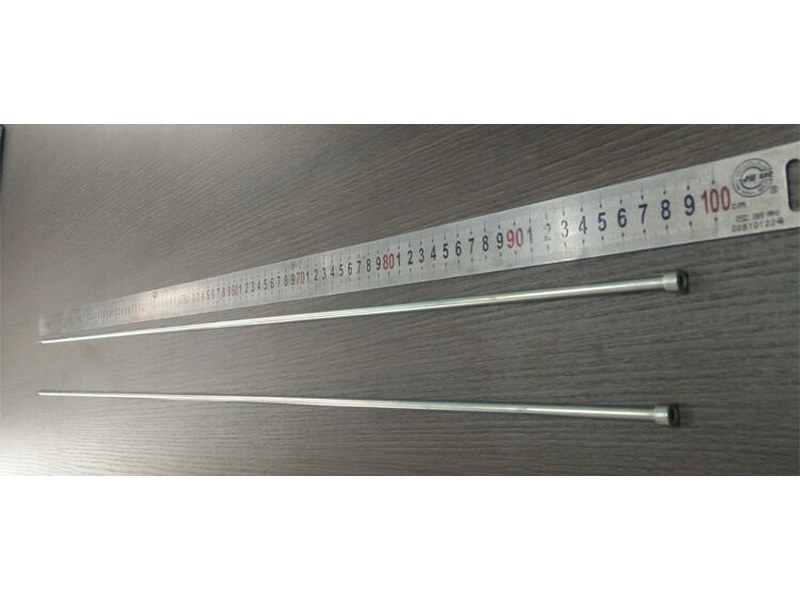
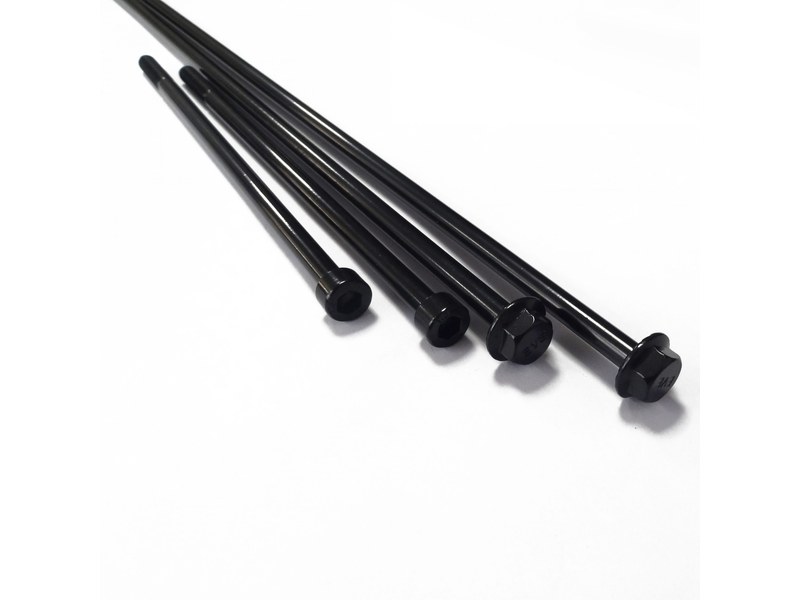
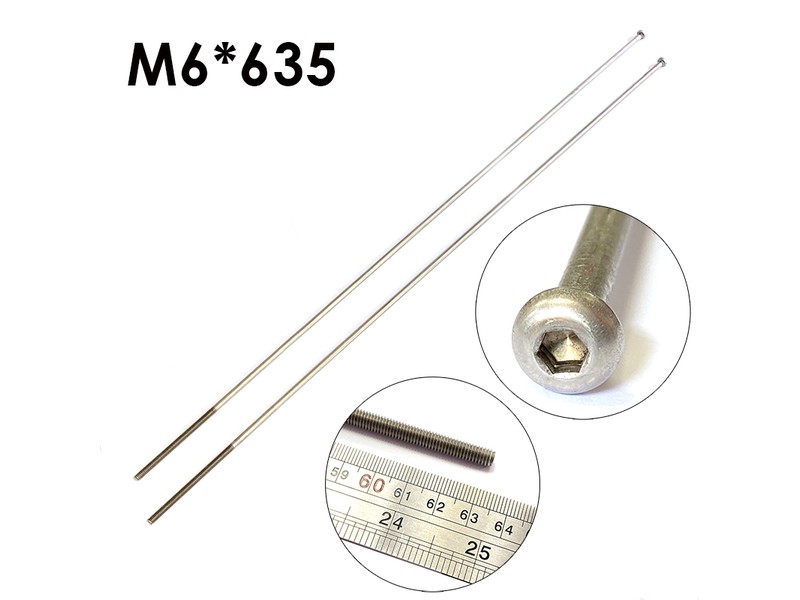
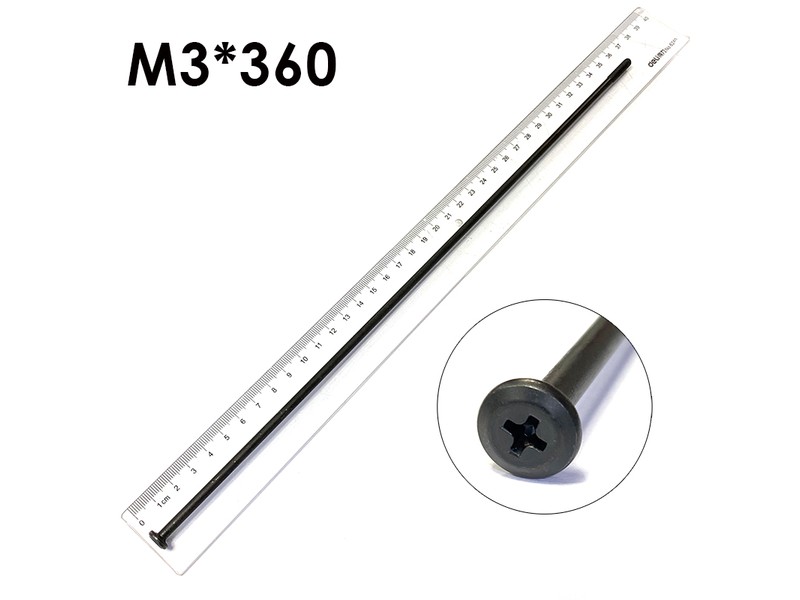
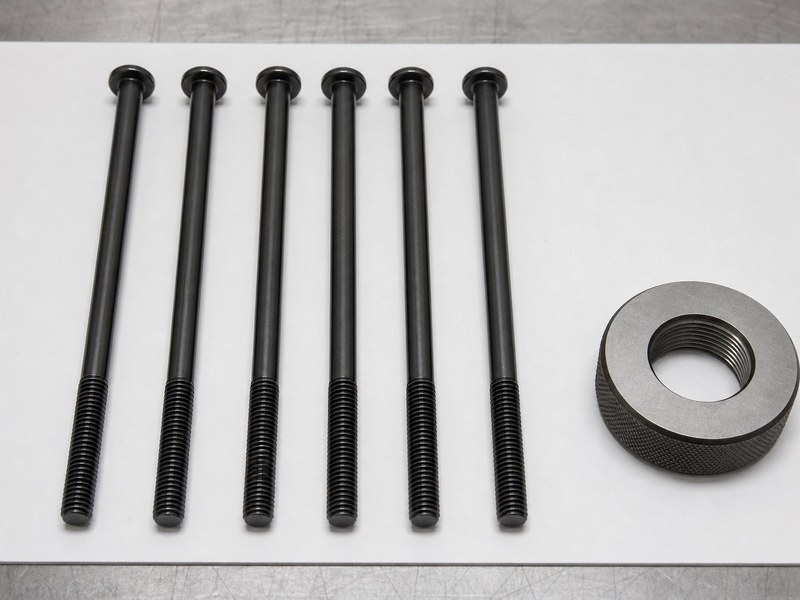
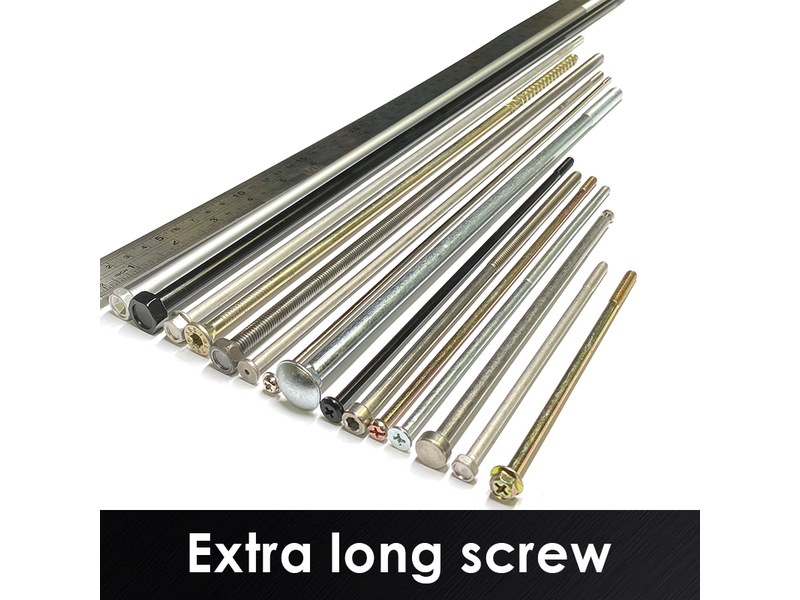
Assemblies of this type are quoted from M1 to M10 and in lengths to suit the drawing, with the head, the washer and the thread measured on the projector and with gauges. Where a long version is required, custom lengths up to 2,000 mm are subject to DFM review after drawing submission.
| Item | How it is defined | What we control |
|---|---|---|
| Head diameter and height | The head that clamps through the washer | Checked on the projector on the first article |
| Washer type and size | Flat, lock, tooth or sealing | Checked against the drawing and the sample |
| Washer free play | It must spin but not come off | Checked by hand and on the first article |
| Thread size and length | Machine thread rolled after the washer | Gauged per batch |
| Thread crest above the washer | What retains the washer | Measured on the first article |
| Total length | From the top of the head to the tip | Datum stated on the drawing; measured on the shop plate |
Each size is quoted against the joint it closes. The washer outside diameter has to clear the counterbore or the boss, and the washer bore has to sit under the thread crest, so both are reviewed with the panel rather than picked from a table.
Head height is measured from the washer face and the total length from the top of the head. The batch is checked on the features the process can drift on: washer free play, thread class and head diameter.
The retention on a sems screw and washer assembly is created by the order of operations. The screw is headed first, the washer is dropped over the shank, and the thread is rolled afterwards. The rolling pushes material outward above the washer bore, and that crest is what keeps the washer on.
That order also means the washer cannot be added later. If a washer is slipped onto a finished screw, it will pass over the thread and fall off; if it is forced, the thread is damaged. A sems screw and washer assembly is made as an assembly, not converted into one.
Free play is the quality point. The washer has to turn freely under the head so it does not bind and spin the screw as it is driven, and it has to sit close enough that it does not rattle or fall out of position in the feeder. The first article is checked by hand, and the free play is measured.
On a sealing washer the insert changes the check. The seal has to sit flat, the washer has to spin without tearing the insert, and the thread roll must not crush the seal against the head. The first article is assembled on a panel sample before the batch is released.
The finish on a sems screw and washer assembly is decided by the pair, not by the screw alone. The washer and the screw are usually finished together so the colour matches, and a coating that builds on the thread is gauged after plating. Where the washer is a different material, the drawing states the finish for each part.
| Finish | How it protects | Effect on thread and washer | Typical use |
|---|---|---|---|
| Zinc plated | Sacrificial zinc layer | Build-up on thread; gauged after | Appliance and general assembly |
| Stainless (screw and washer) | Alloy resists corrosion | No coating build-up | Wash-down and damp areas |
| Black oxide | Conversion coating, minimal thickness | No measurable build-up | Indoor equipment and fixtures |
| Dacromet flake | Zinc-aluminium flake layer | Thin film; thread checked over coating | Outdoor and wet joints |
| Zinc-nickel | Zinc alloy layer with higher corrosion resistance | Build-up on thread; gauged after | Automotive and under-hood parts |
Salt-spray exposure is agreed per project and written on the drawing. On an assembly the washer edge and the thread crest are the exposed faces, so both are checked on the sample rather than only the head.
Packing keeps the assemblies together. Because the washer is retained, the parts can be bulk packed and fed, but the packing still protects the heads and the sealing washers from being crushed.
Three production lines where sems screw and washer assemblies are chosen so the washer arrives with the screw, and what the assembly has to do instead:
| Where it sits | The screw closes a panel or a bracket on a line that runs at speed, with a flat or sealing washer under the head. |
| When it goes wrong | A washer that comes off in the feeder stops the line, and a sealing washer that is crushed leaks at the cover. |
| Why it happens | The line feeds screws automatically, the panels are coated, and the joint is driven by machine. |
| What we control | Washer free play and retention checked, and the sealing washer assembled on a panel sample. |
| Where it sits | The screw grounds a board or a panel, with a tooth washer that bites through the coating. |
| When it goes wrong | A tooth washer that is too soft flattens without biting, and a loose washer in the box shorts a board. |
| Why it happens | The joint needs electrical bonding, the coating is painted, and the screws are small. |
| What we control | Tooth pattern and hardness checked, and the washer retention verified per batch. |
| Where it sits | The screw holds a bracket that vibrates, with a split lock washer held under the head. |
| When it goes wrong | A lock washer that is missing from the screw leaves the joint loose, and a plated thread that is too tight seizes in the nut. |
| Why it happens | The joint vibrates, the line feeds automatically, and the parts are plated. |
| What we control | Lock washer type and free play checked, and the thread gauged after plating. |
Four reasons that matter on a sems screw and washer assembly, each tied to what the drawing has to prove:
|
Washer and thread reviewed together
The washer bore, the thread crest above it and the free play are reviewed before the die is cut, so an assembly that would lose its washer or bind is raised first. Basis: Washer bore and thread crest reviewed before tooling. |
Headed, washered and rolled in one flow
The screw is headed, the washer is placed and the thread is rolled afterwards, so the retention is formed by the process rather than added. Basis: Washer placed before the thread is rolled. |
|
Free play and retention checked by hand
The washer is spun by hand and checked for free play and retention on the first article and per batch, so the part that passes is the part the feeder handles. Basis: Free play and retention checked on the first article. |
First article to repeat production
The first article fixes the drawing revision, wire heat, washer lot and thread roll; repeat orders are compared against that record. Basis: First article signed off before the batch is released. |
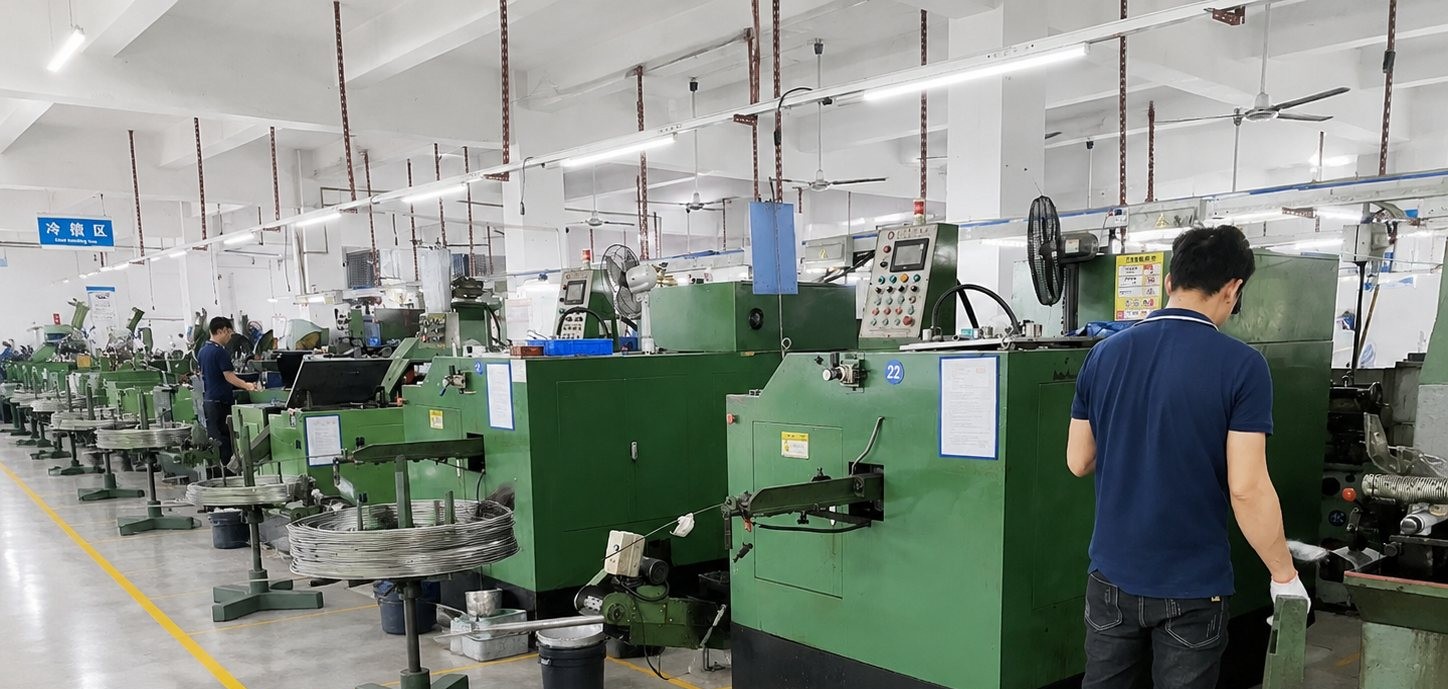
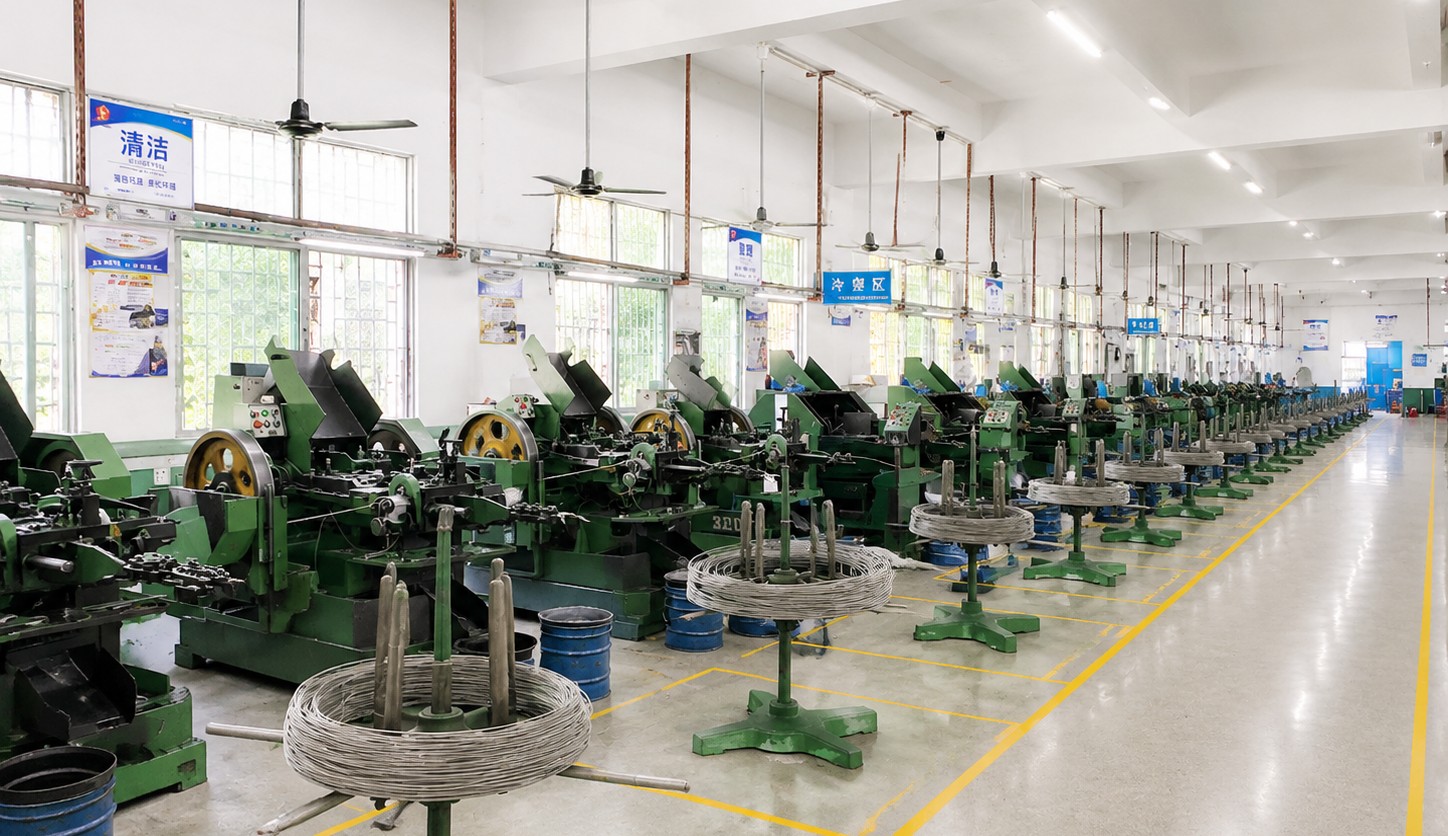
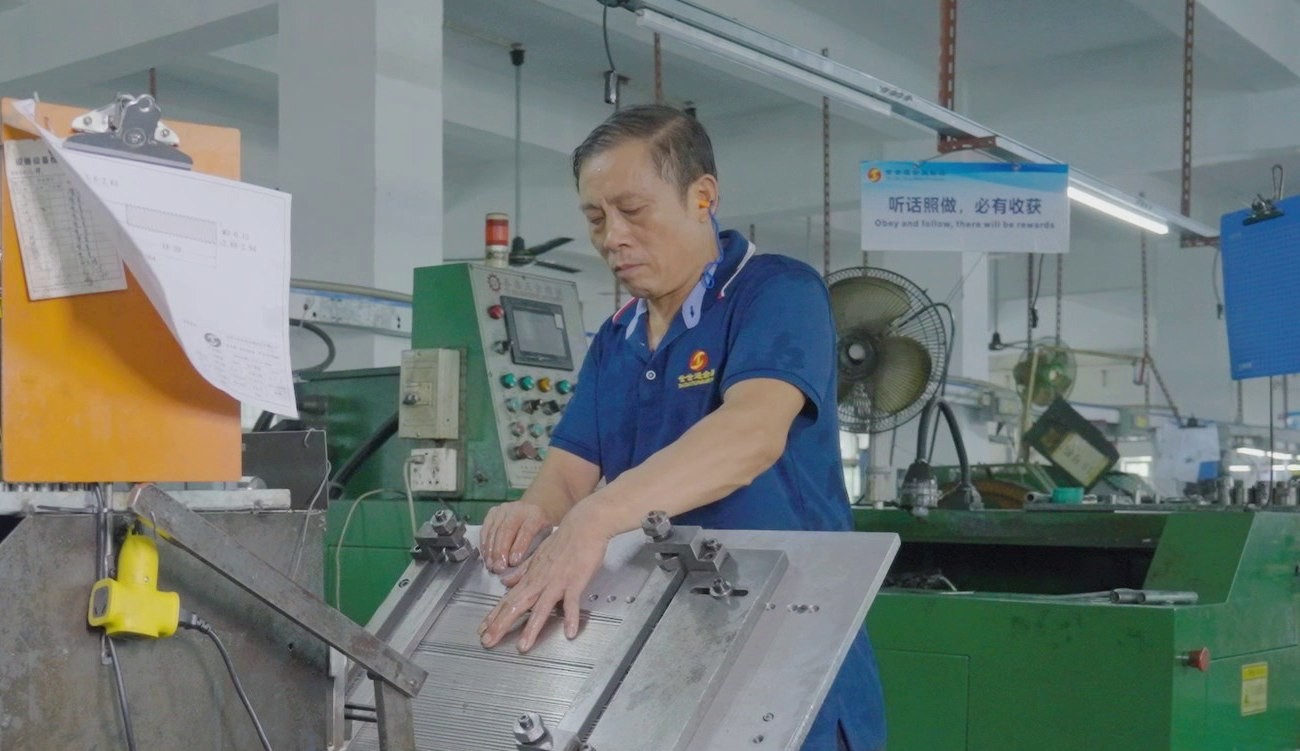
Shi Shi Tong makes these assemblies in one flow: the screw is headed, the washer is placed over the shank, the thread is rolled so the crest retains the washer, and the assembly is finished and packed as a unit. The first assembly of every run is checked for free play, retention and thread before the batch continues.
|
|
Between runs the die insert is changed to the drawing head and the thread rolls to the size; the washer lot is recorded with the batch, and the first assembly goes to the gauges and the hand check before the run continues. Sealing washers are checked on a panel sample before the batch is released.
What decides whether a sems screw and washer assembly passes is not only the thread: it is the head, the washer type, the free play and the retention that the thread crest gives. The inspection agreement covers those, and the criteria come from the drawing and the feeder the parts run in.
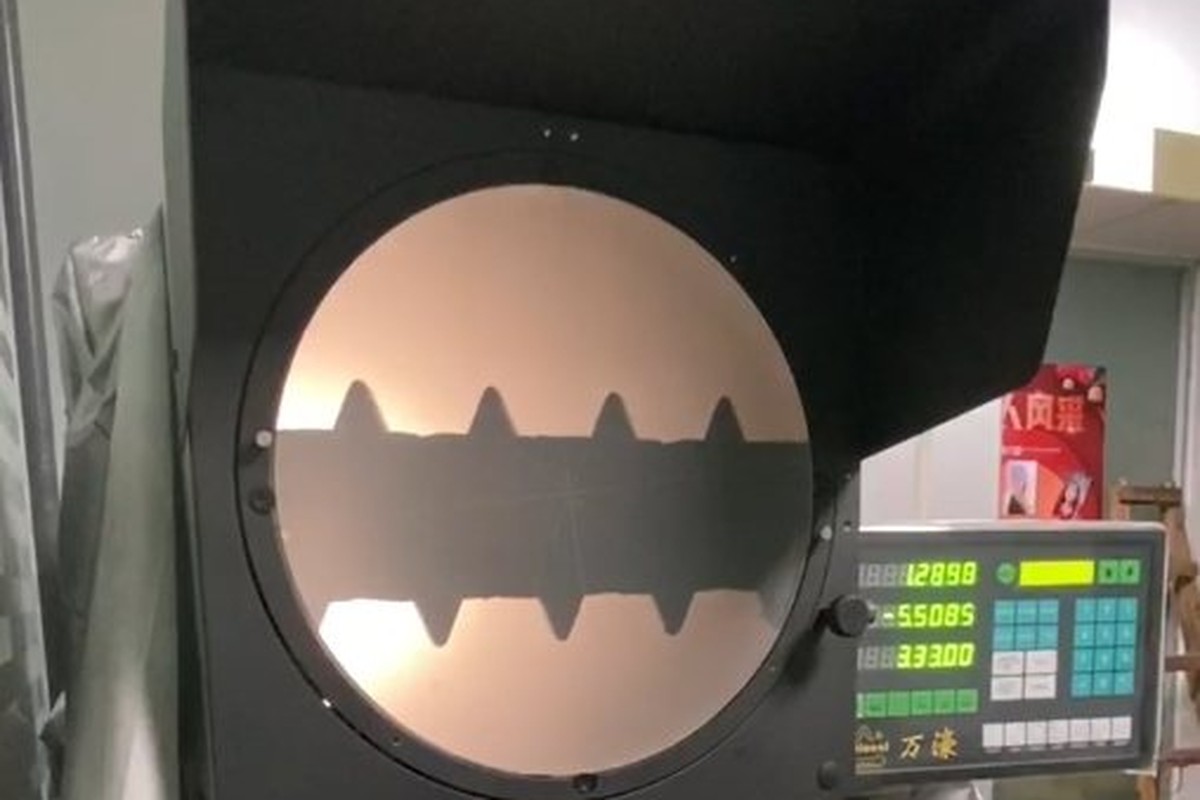
Head and washer profile on the projector |
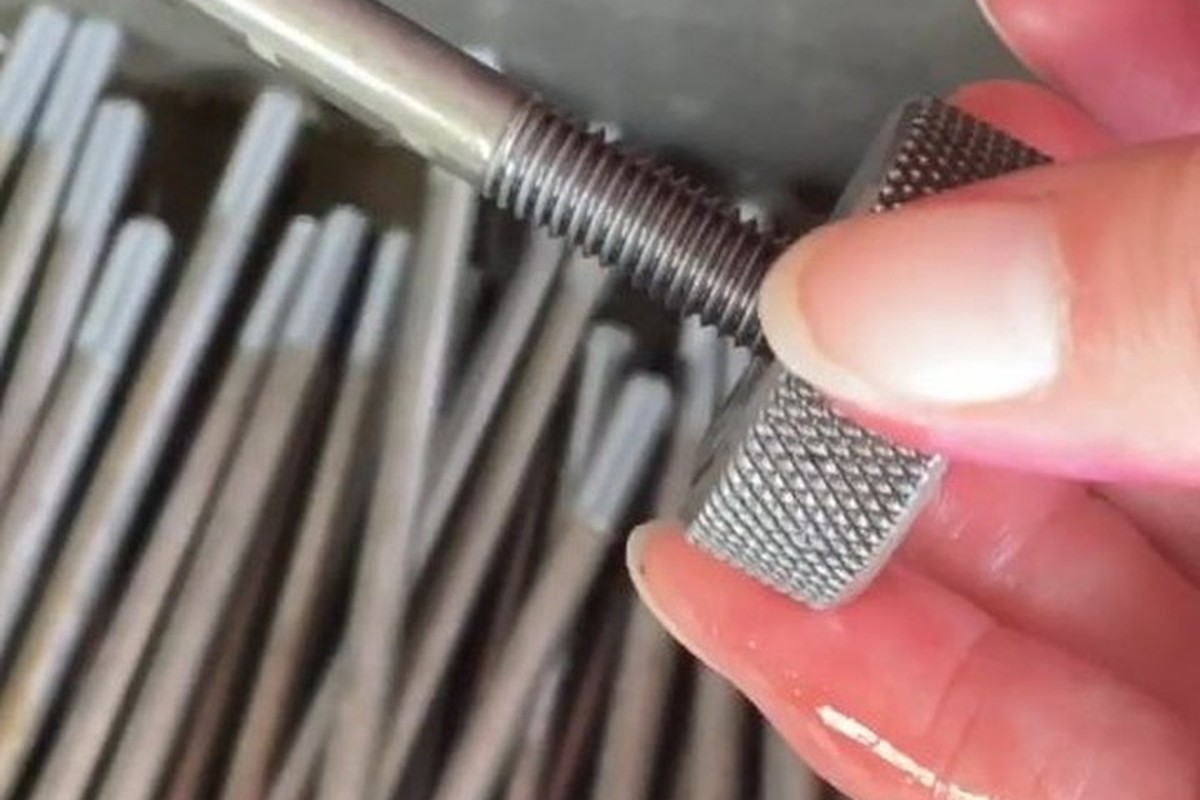
Thread gauged with the washer in place |
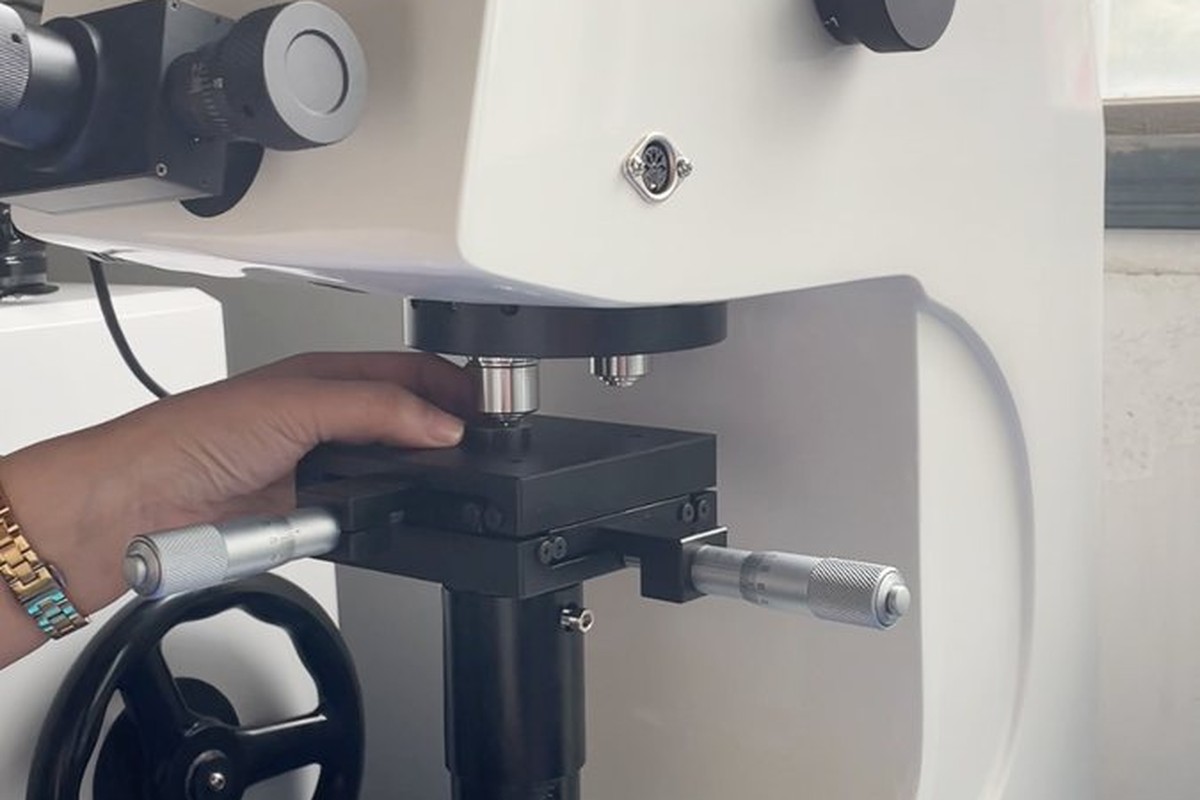
Hardness testing of tooth washers where required |
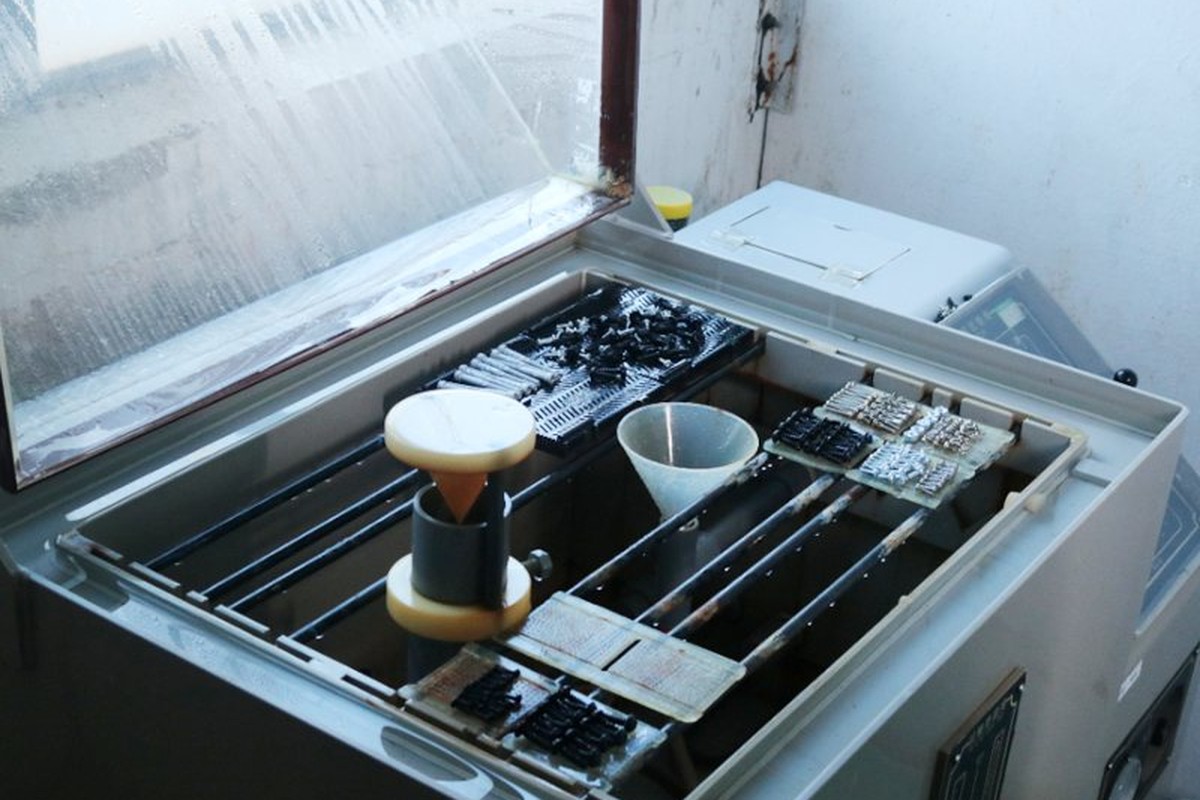
Salt-spray testing of the plated assembly |
Each batch is recorded against the drawing revision: head and washer from the first article, the free play checked by hand, the retention checked, and the thread gauged. If a gauge or the retention check fails, the assemblies back to the last good setting are held and re-checked.
If the material or finish needs an outside test, the request is set at the drawing stage, and the report ships with the parts under the batch number.
Every shipment is traceable to the wire and the washer lot it was made from. The grade, heat number and washer specification are recorded on the material certificate supplied with the parts, and the inspection records follow the criteria agreed on the drawing.
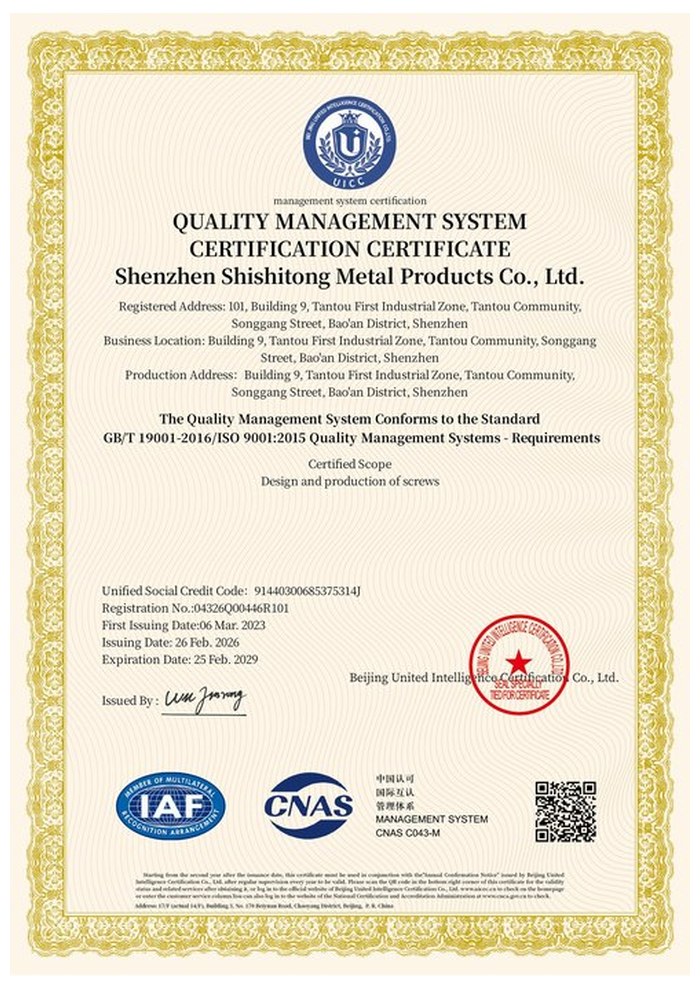
ISO 9001:2015 |
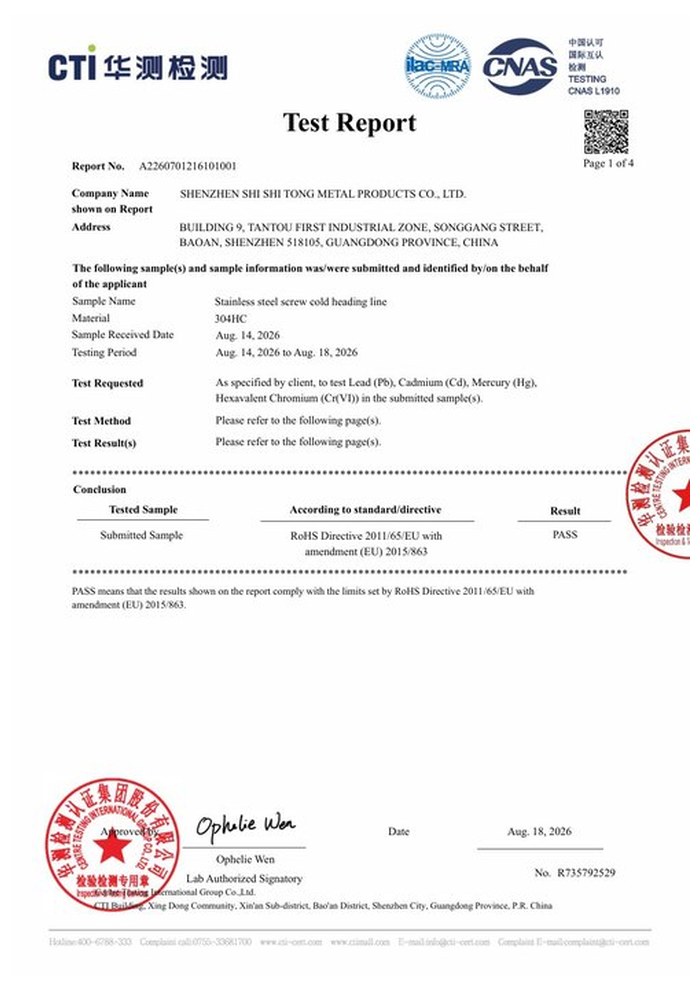
RoHS test report |
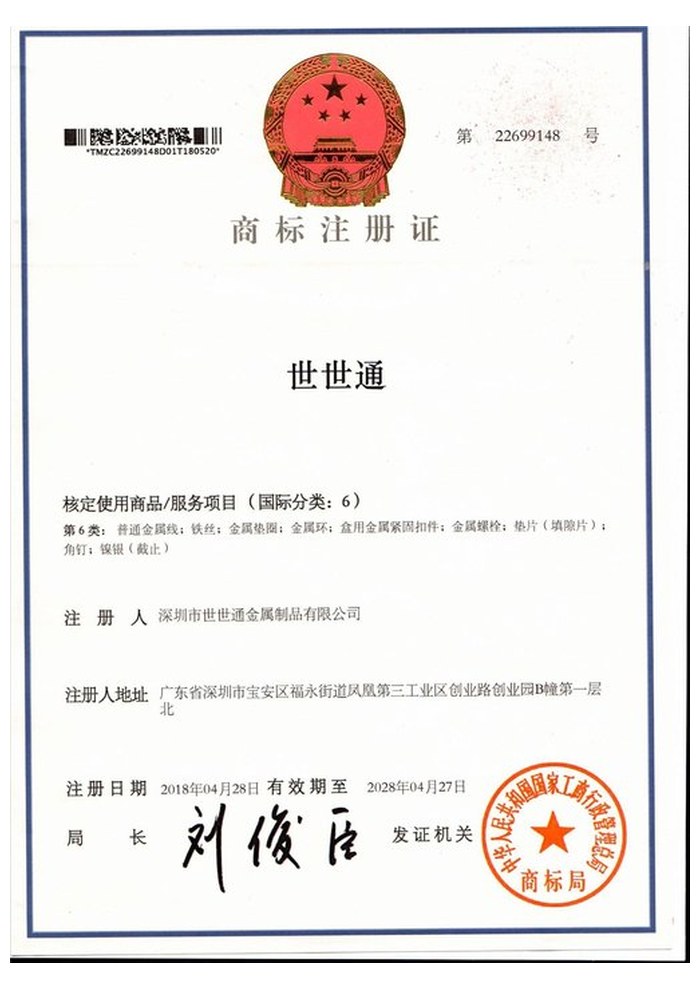
Registered trademark |
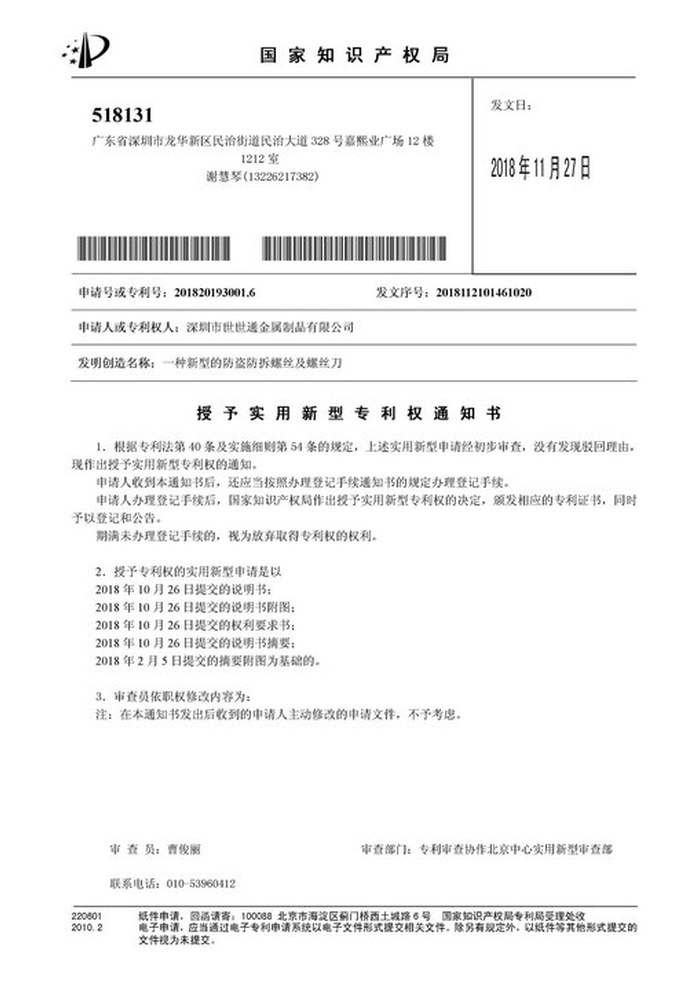
Patent: security screw and driver |
With each batch we supply the material certificate, the inspection record for the criteria on the drawing and, where it is listed, the third-party report for the material or the finish. The documents carry the drawing revision and the batch number, so the paperwork can be matched to the parts.
More than 8,678 customers in 89 countries and regions have ordered from Shi Shi Tong; 87% of orders come from repeat customers and 56% through referrals. Most projects follow the same route: drawing review, first-article approval, then batches checked against that sample. Sems assemblies are approved with the feeder in mind, so the free play and the retention are signed off against the way the parts will be handled. Buyers visit during the process to review samples and to see how the assemblies are made.
|
8,678+
customers served
|
87%
of orders from repeat customers
|
56%
of orders through referrals
|
89
countries and regions shipped to
|
Buyers and quality engineers visit for sample review, process discussion and supplier audits; the visit is arranged around production so the header, the washer station and the plating line can be seen on the day the parts run.

Customer group visit – sample review |

Customer group visit – process discussion |
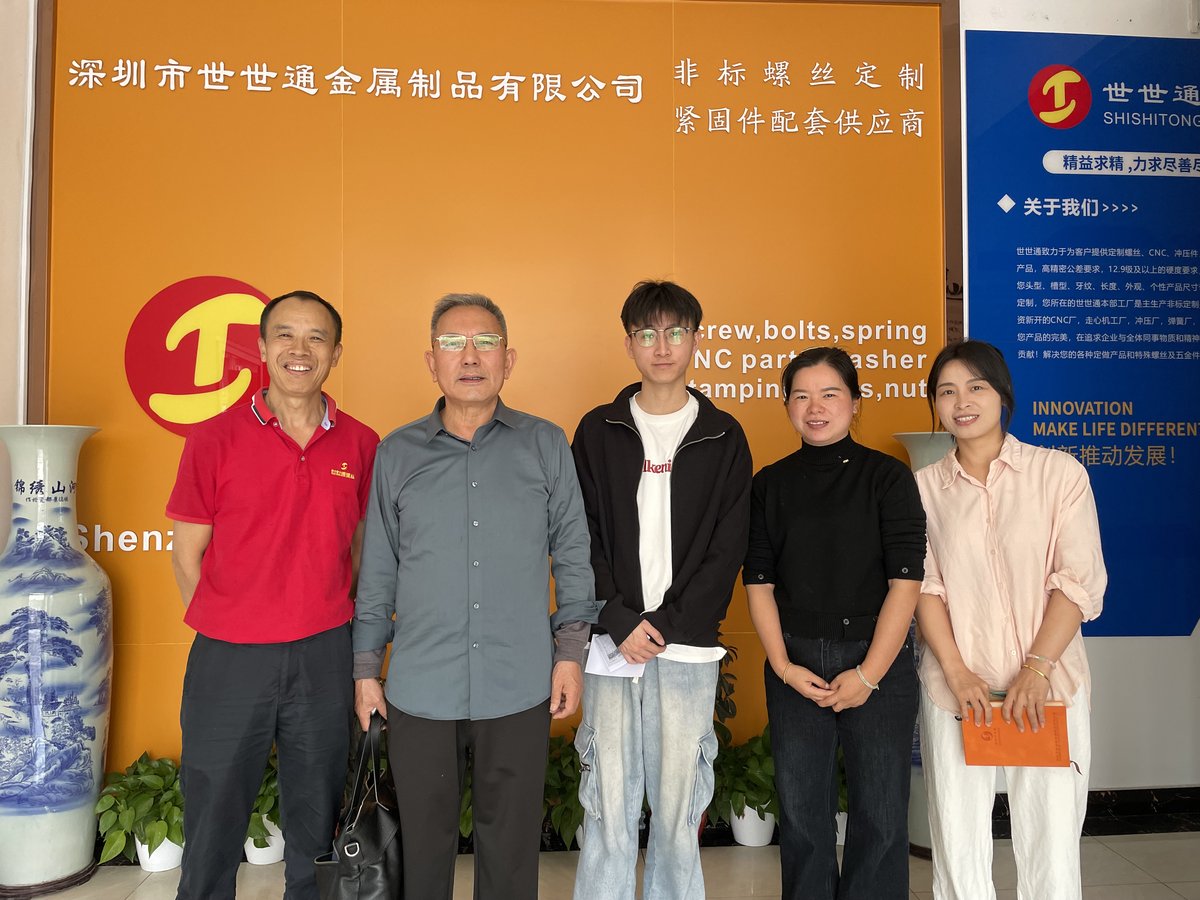
Customer group visit – factory tour |

Customer visit – project kick-off |
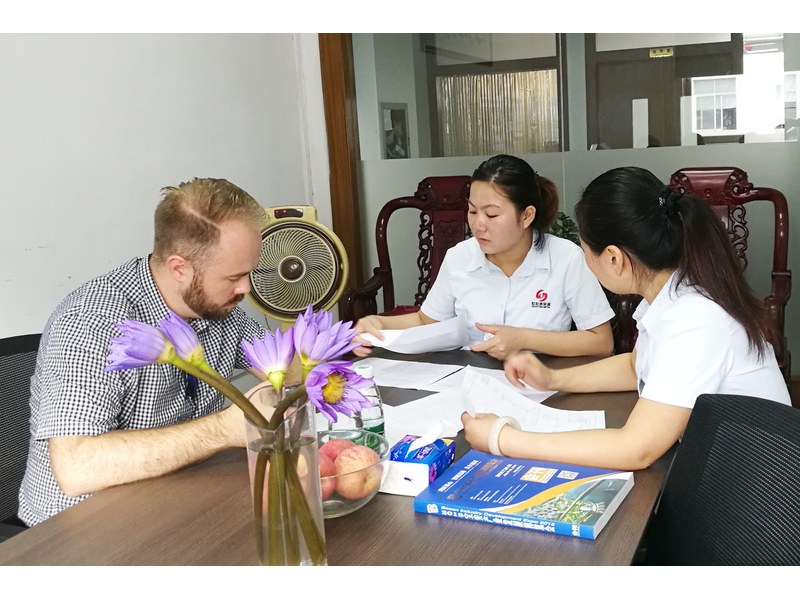
Danish customer – drawing review |
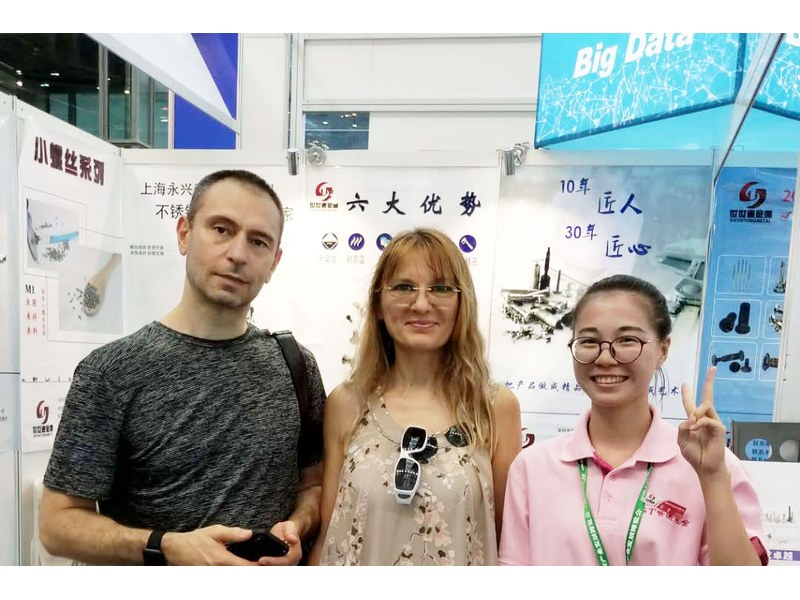
Industry exhibition – meeting customers |
It is a screw with its washer already on the shank, held by the thread so the two parts travel as one. It goes into the feeder as a single item, which removes the missing-washer defect.
By the thread roll. The washer is placed over the shank after heading, then the thread is rolled so the crest is larger than the washer bore. The washer spins freely but cannot pass over the thread.
Flat, split lock, external tooth and bonded sealing washers. Each solves a different problem: bearing area, vibration, electrical bonding or sealing. The type and free diameter are on the drawing.
Assemblies of this type are quoted from M1 to M10 and in lengths to suit the drawing. Where a long version is required, custom lengths up to 2,000 mm are subject to DFM review after drawing submission.
No. A washer slipped onto a finished screw passes over the thread and falls off; forcing it damages the thread. The assembly has to be made in the order: head, washer, then thread roll.
Head diameter and height, washer type and dimensions, the thread crest above the washer, thread size and length, total length and datum, material, finish and the panel or feeder the part runs in.
How a sems screw and washer assembly project runs from drawing to repeat delivery:
|
1
Send the drawing or sample
|
→ |
2
Washer and thread review
|
→ |
3
First article approval
|
→ |
4
Batch production and repeat orders
|
Each step is confirmed with you before the next one starts; the drawing revision from the first article is what repeat orders are checked against.
For a sems screw and washer assembly quotation, send the drawing with the head diameter and height, the washer type and dimensions, the thread size and length, total length and datum, material, finish and the panel or feeder the part runs in.
|
Head diameter and height
|
Washer type and size
|
Thread size and length
|
|
Total length and datum
|
Material and finish
|
Panel and feeder
|
Sending a drawing? The form below does not take attachments. Email the PDF, DXF or STEP file to sst@szsst88.com with the part name and quantity in the subject line – the drawing is reviewed and a quotation follows.

 +86 13143444311
 sst@szsst88.com