Tel:
+86 13143444311
Email:sst@szsst88.com
Fax:+0086-755-27322278
Address:Building 9, First Industrial Zone, Tantou Industrial City, Songgang Street, Baoan District, Shenzhen 518105, Guangdong, China
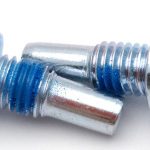
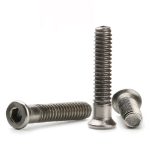
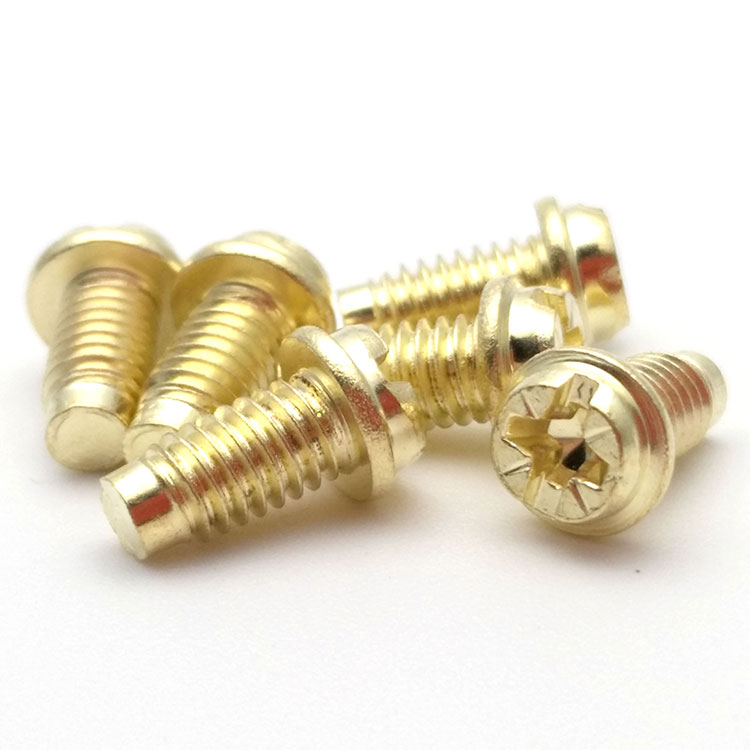
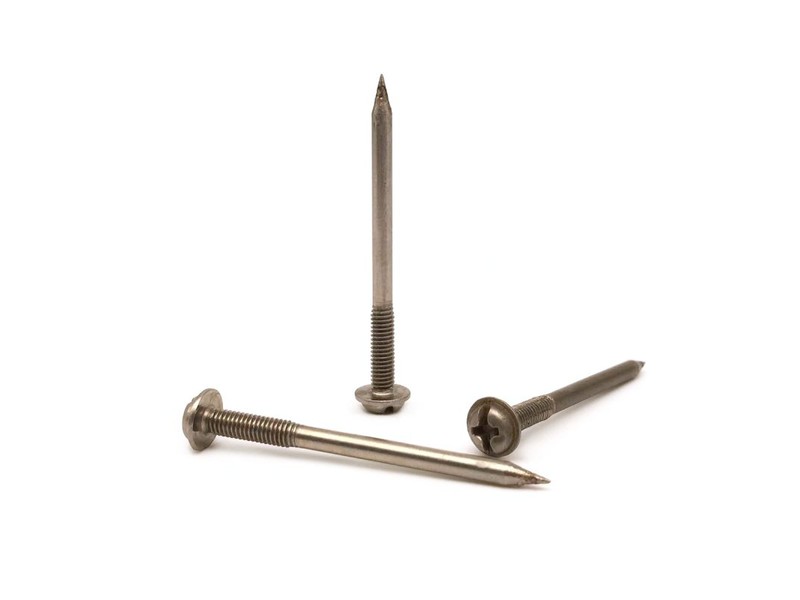
Type:Pozi drive machine screw with dog point
Materials:Carbon Steel
Surface treatment:Copper Plated
Head Type:Pan Washer Head (integral flange, one piece with the head)
Drive type:Combination recess - Pozidriv cross plus straight slot across the full head
Thread:Machine thread, rolled, full to the flange bearing face
Point:Cylindrical dog point below the minor diameter, flat chamfered end, no taper, no slot
Process:Single-die heading, thread rolling, copper plating, sorting
Size:M1 M2 M3 M4 M5 M6 M7 M8 M9 M10 M14
Number:212
We manufacture pozi drive machine screws in carbon steel with an integral flange, a combination Pozidriv and slot recess, a dog point and a copper plated finish, quoted from M1 to M14. Flange, recess, nose, thread and finish are taken from your drawing.
Watch the factory video·Email sst@szsst88.com
ISO 9001:2015 · Manufacturing since 1998 · 8,678+ customers · 89 countries and regions
Made to order – there is no stock catalogue. Each part is produced to your drawing, and production starts after drawing review and first-article approval.
A pozi drive machine screw is driven by a Pozidriv bit, and this one adds three features that change how it is used: an integral flange under the head, a copper plated finish and a cylindrical dog point instead of a threaded end. The recorded item is carbon steel, quoted from M1 to M14 with Number 212.
Pozidriv with a slot. The recess is a cross with four extra ribs, plus a straight slot across the head. The ribs spread the torque and resist cam-out, and the slot lets a flat blade drive the same screw.
Integral flange. The washer face is formed with the head, so the bearing area is wider and there is no separate washer to lose. The thread runs full to that flange face.
Dog point. A plain cylindrical nose below the minor diameter, flat and chamfered. It enters the hole first and centres the screw before the thread engages, which is what keeps a blind joint from cross-threading.
Copper plating. A copper deposit over the steel. It gives the part a warm tone and a conductive surface, and it is used where the screw is part of an electrical contact rather than only a fixing.
Together these decide the joint: the flange spreads the load, the Pozi recess takes the torque, the dog point starts the thread square, and the copper gives the surface the joint needs. That is why a pozi drive machine screw of this type is specified by head, recess, point and finish together.
The body of this pozi drive machine screw is carbon steel wire, with the grade and heat number kept with the batch record. The property class is fixed on the drawing, because it sets the torque the recess can take and whether the plated part needs a bake.
The pan head and the integral flange are upset in one heading stroke. Forming them together is what keeps the flange concentric with the thread; a separate washer would sit off centre and load one side of the panel.
The combination recess is formed in the same stroke: a Pozidriv cross with ribs, plus a slot across the whole head. Both are checked with their own tools, because a Pozi bit and a flat blade engage the head differently and a head that suits one may not suit the other.
The dog point is formed after the thread is rolled, leaving a plain cylindrical nose below the minor diameter. Its diameter is matched to the hole it pilots into, and the chamfer at the end is what guides the thread in rather than letting it catch.
The copper plating is applied after the thread and the point are formed. It is a thin deposit that follows the recess and the thread, and because copper is soft it is prone to marking, so the parts are handled and packed accordingly.
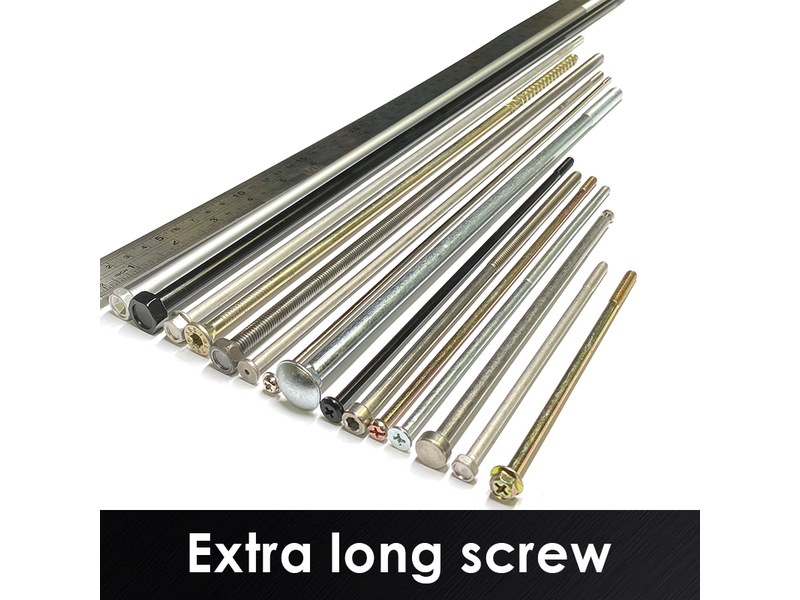
Pozi drive machine screws of this type are quoted from M1 to M14; the recorded configuration covers that range in carbon steel with a copper finish, an integral flange, a combination recess and a dog point. Custom lengths up to 2,000 mm are subject to DFM review after drawing submission.
| Item | How it is defined | What we control |
|---|---|---|
| Flange diameter | The bearing area on the panel | Checked on the projector on the first article |
| Recess | Pozi cross plus straight slot | Checked with a PZ bit and a flat blade |
| Nose diameter | The pilot that centres the screw | Measured against the hole on the drawing |
| Nose length | How far the plain nose stands ahead of the thread | Measured from the thread start to the tip |
| Thread size and pitch | The fit in the tapped hole | Gauged after plating |
| Length | From under the flange to the tip | Measured on the shop plate |
Each size is quoted against the hole it pilots into. The nose diameter, the hole and the thread are reviewed together, because a nose that is too large will not enter and one that is too small gives no centring at all.
Length is measured from under the flange, and the thread length from the first full thread to the nose. A drawing that gives only the overall length leaves the usable thread undefined, which on a dog point screw is a real difference.
The three non-standard features each answer a different problem, and they are worth reading together because a part like this is usually specified for one particular assembly rather than invented for its own sake.
| Feature | What it does | What goes wrong without it | What we control |
|---|---|---|---|
| Copper plating | Conductive surface, warm tone | Contact resistance rises on a bare or oxidised steel thread | Coating checked on the sample |
| Flange | Bearing area without a washer | A plain head pulls into soft material | Flange diameter checked on the first article |
| Dog point | Centres the screw before the thread starts | Cross-threading in a blind hole | Nose diameter and length measured |
| Pozi plus slot | Two ways to drive the same head | A single drive strips under torque | Both drives checked on one article |
Copper as a finish is a decision about the joint, not about appearance alone. Copper conducts, so a copper plated thread lowers contact resistance at an earth or terminal joint; it also tarnishes, so where the appearance matters the drawing should say whether the finish is meant to stay bright.
The dog point and the flange work as a pair on a blind joint. The nose finds the hole and holds the screw square, and the flange seats on the face at the end of the travel — so the joint is located by the nose and clamped by the flange rather than by the thread bottoming.
The combination recess is the practical part. On a screw that is likely to be serviced, having both a Pozi and a slot means the fitter can open it with whatever is at hand, and the Pozi engagement keeps the head from deforming when the proper bit is used.
This pozi drive machine screw is supplied copper plated. The deposit is thin and conductive, and it covers the flange face, the recess, the thread and the nose. Copper is soft, so the finish marks easily and the packing has to protect it.
| Finish | How it protects | Effect on recess and thread | Typical use |
|---|---|---|---|
| Copper plated | Conductive deposit, warm tone | Thin; recess and thread gauged after | Electrical contacts and copper-toned hardware |
| Nickel plated | Hard bright barrier layer | A few microns; recess re-checked | Visible general assembly |
| Zinc plated | Sacrificial zinc layer | A few microns; gauged after | Indoor assemblies |
| Zinc nickel | Alloy layer, higher corrosion resistance | Thicker; thread re-checked | Wet or mildly corrosive service |
| Stainless (equivalent part) | Alloy provides protection | No coating | Wash-down and outdoor work |
Copper on steel needs a note about tarnish. The deposit oxidises to a darker brown over time, which is acceptable on decorative work and irrelevant inside a terminal, but a customer expecting a bright copper finish should be told, and the drawing should say whether a top coat is required.
Packing protects the copper and the recess. The parts are bagged in counted quantities, labelled with the batch, the material heat and the drive type, and packed so the flange faces and heads cannot rub.
Three assemblies where a conductive finish and a self-centring point matter:
| Where it sits | The screw clamps a tag or an earth strap where the joint has to conduct and the screw is part of the current path. |
| When it goes wrong | A bare steel thread oxidises and the contact resistance climbs, and a loose joint heats under load. |
| Why it happens | The joint is electrical, the parts are small, and the assembly is checked for continuity. |
| What we control | Copper coverage checked on the sample, and both drives and the thread checked on the first article. |
| Where it sits | The screw fixes a bracket or a board where the head sits on a thin panel and the joint is opened for calibration. |
| When it goes wrong | A screw that cross-threads in a blind hole damages the insert, and a head that dishes the panel changes the stack height. |
| Why it happens | The panel is thin, the joint is serviced, and the parts are small. |
| What we control | Flange and dog point checked against the panel and hole, and the thread gauged per batch. |
| Where it sits | The screw holds a fitting or a trim piece where the copper tone is part of the finished appearance. |
| When it goes wrong | A scratched copper deposit shows a bright mark, and a coating applied over it fills the recess. |
| Why it happens | The parts are visible, the joint is assembled by hand, and the finish is inspected. |
| What we control | Coating checked on the head and flange, and packing verified so the parts do not rub. |
Four reasons that matter on a multi-feature screw, each tied to what the drawing has to prove:
|
Four features reviewed together
The flange, recess, dog point and copper finish are reviewed before tooling, so a screw that cannot be driven or will not pilot is raised first. Basis: Flange, recess, point and finish reviewed before tooling. |
Head, point and coating in one route
The flange head and the recess are formed together, the dog point is formed after rolling, and the copper is applied last. Basis: One route from wire to plated screw. |
|
Both drives, nose and thread checked
The recess is checked with a PZ bit and a blade, the nose against the hole and the thread with gauges, on the first article. Basis: First article checked with both tools. |
First article to repeat production
The first article fixes the drawing revision, wire heat, die set and plating batch; repeat orders are compared against that record. Basis: First article signed off before the batch is released. |
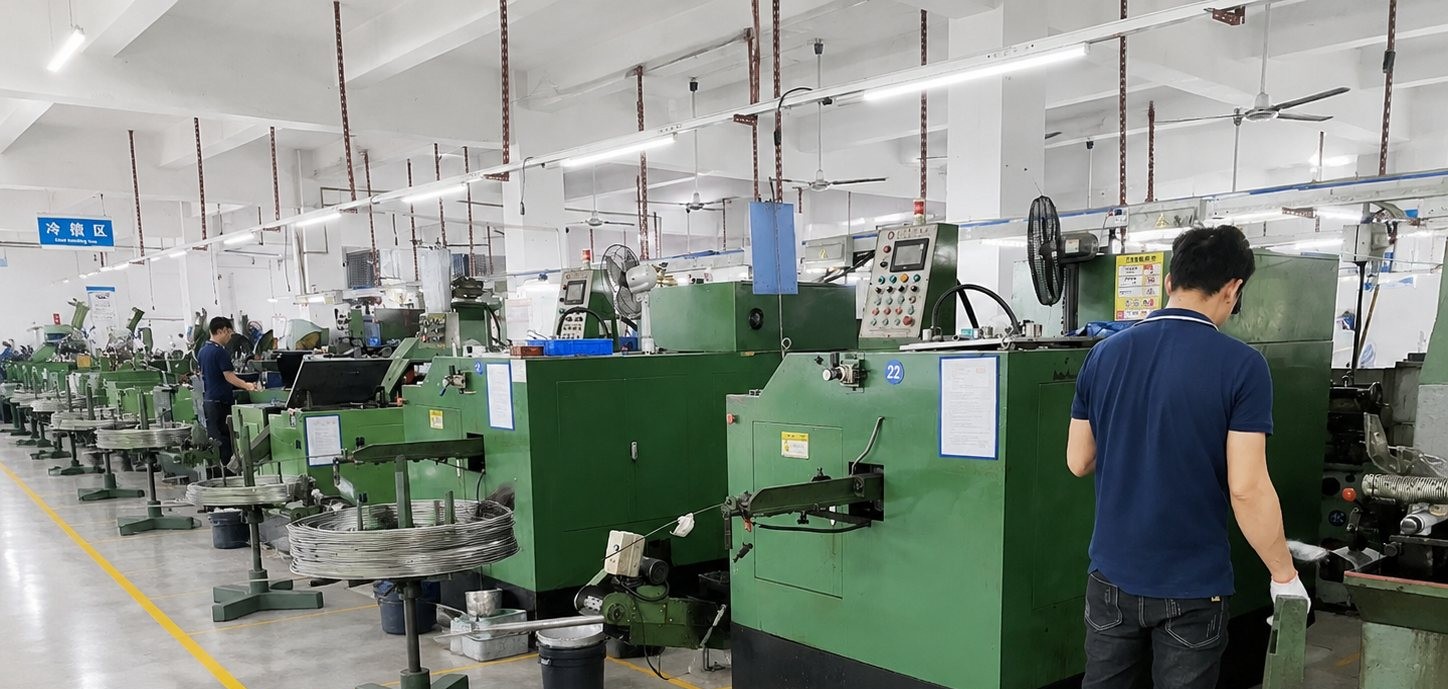
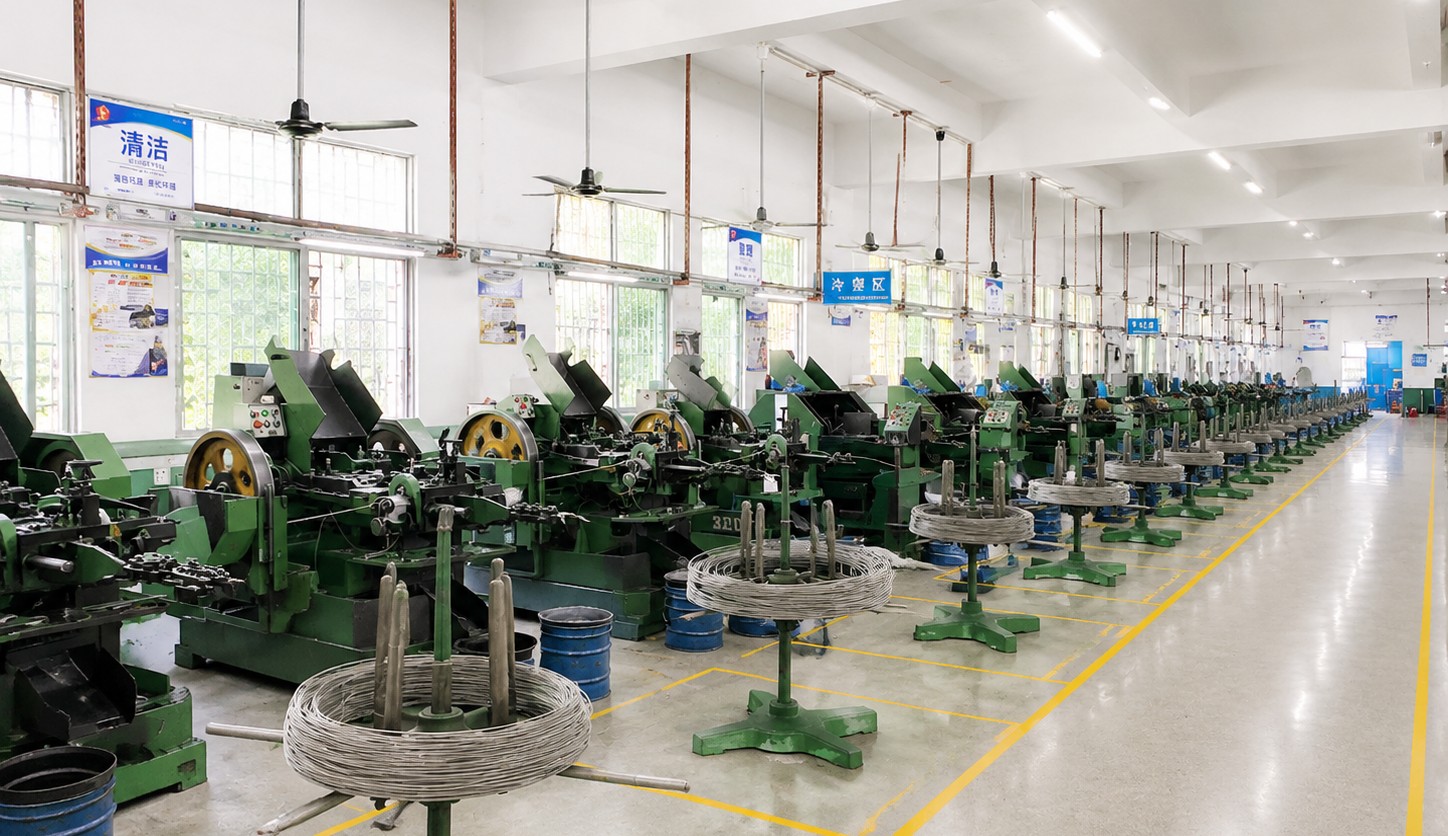
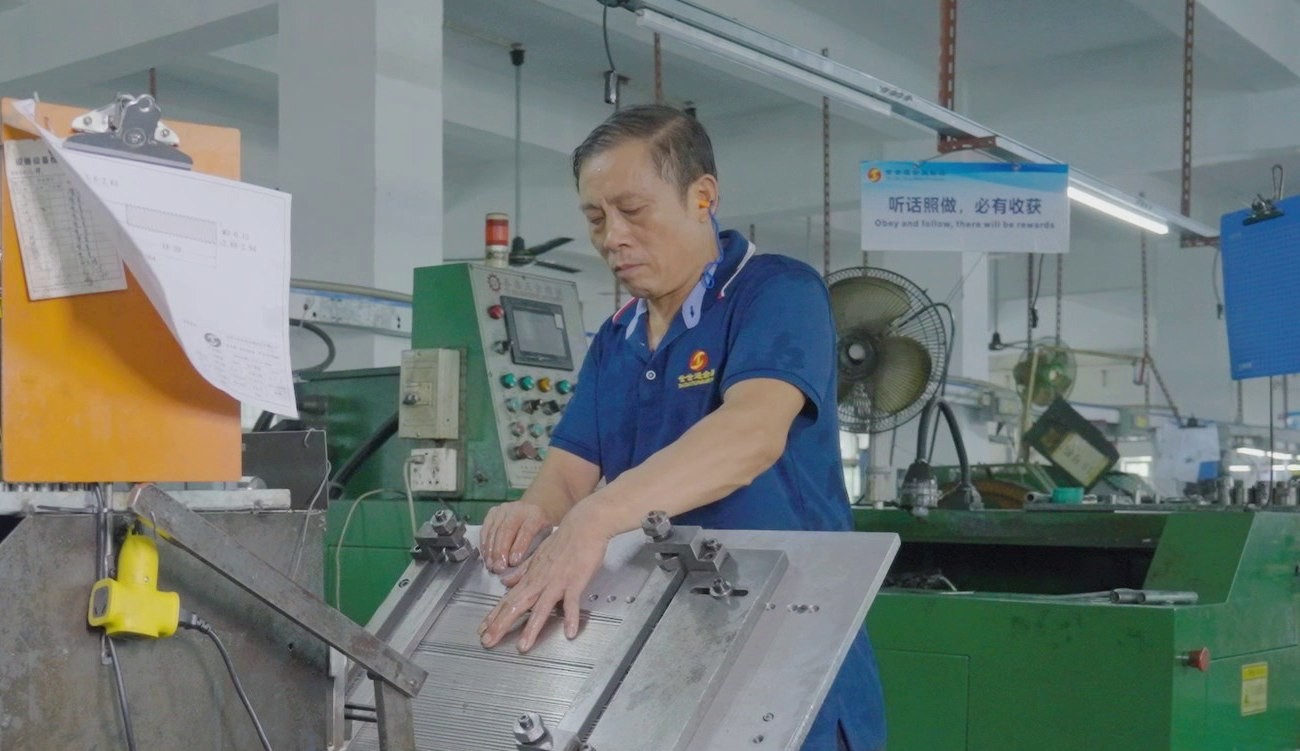
Shi Shi Tong forms these pozi drive machine screws on a single-die header that upsets the pan head and its integral flange and forms the combination recess in one stroke, then rolls the machine thread, forms the dog point and applies the copper plating. The first part of every run is measured on the flange and the nose, driven with both tools and gauged on the thread before the batch continues.
|
|
The dog point is the feature that cannot be corrected after the thread is rolled, so it is checked on the first part rather than at the end of the run. Between runs the insert is changed to the drawing flange and recess, and the rolls to the pitch; the first part goes to the projector, to both drivers and to the gauges.
What decides whether a pozi drive machine screw passes is the flange diameter, the recess in both configurations, the nose diameter and length, the thread class after plating and the copper coverage. The inspection agreement covers those, and the criteria come from the drawing.
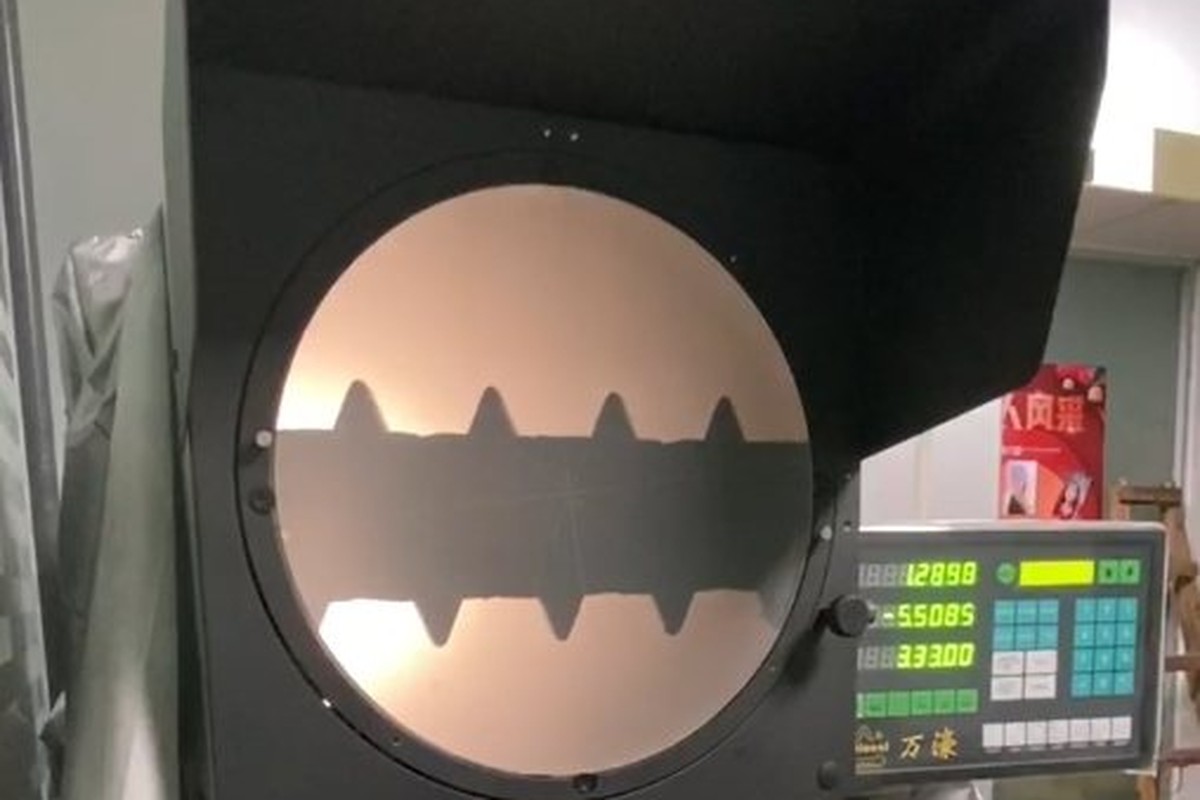
Flange and nose on the projector |
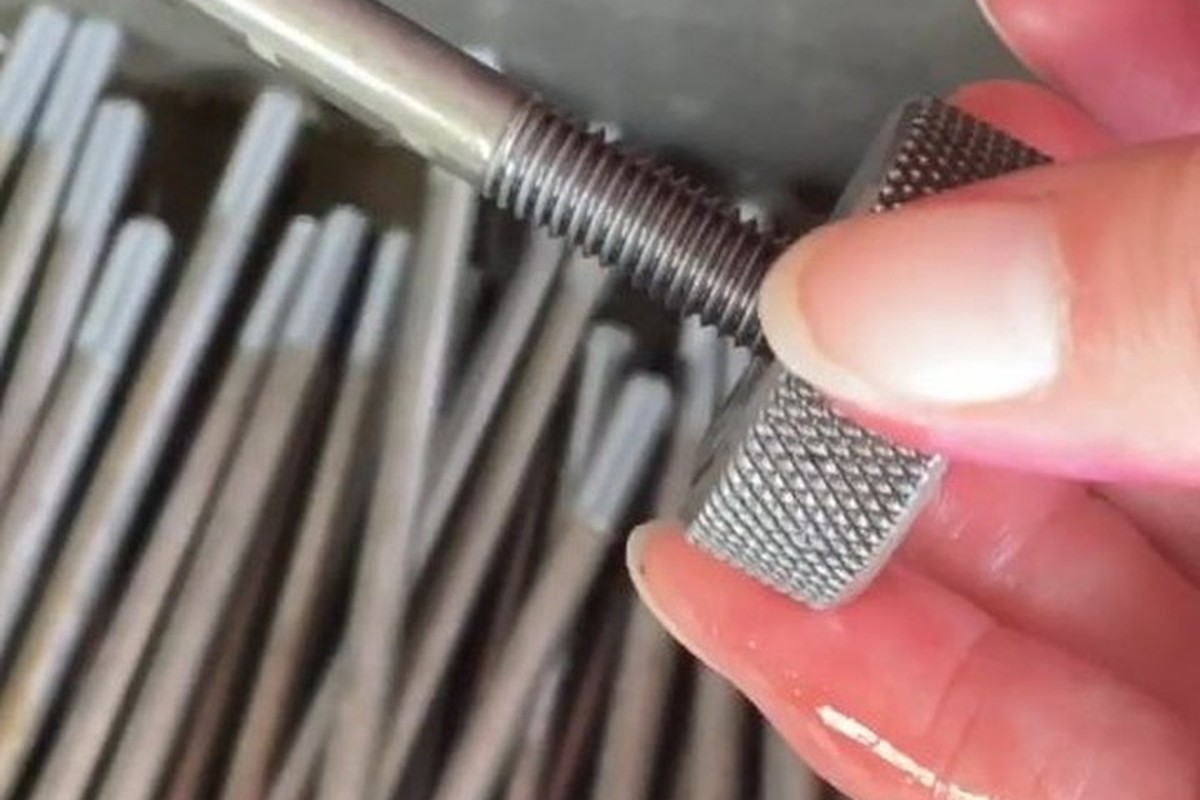
Thread gauged after plating |
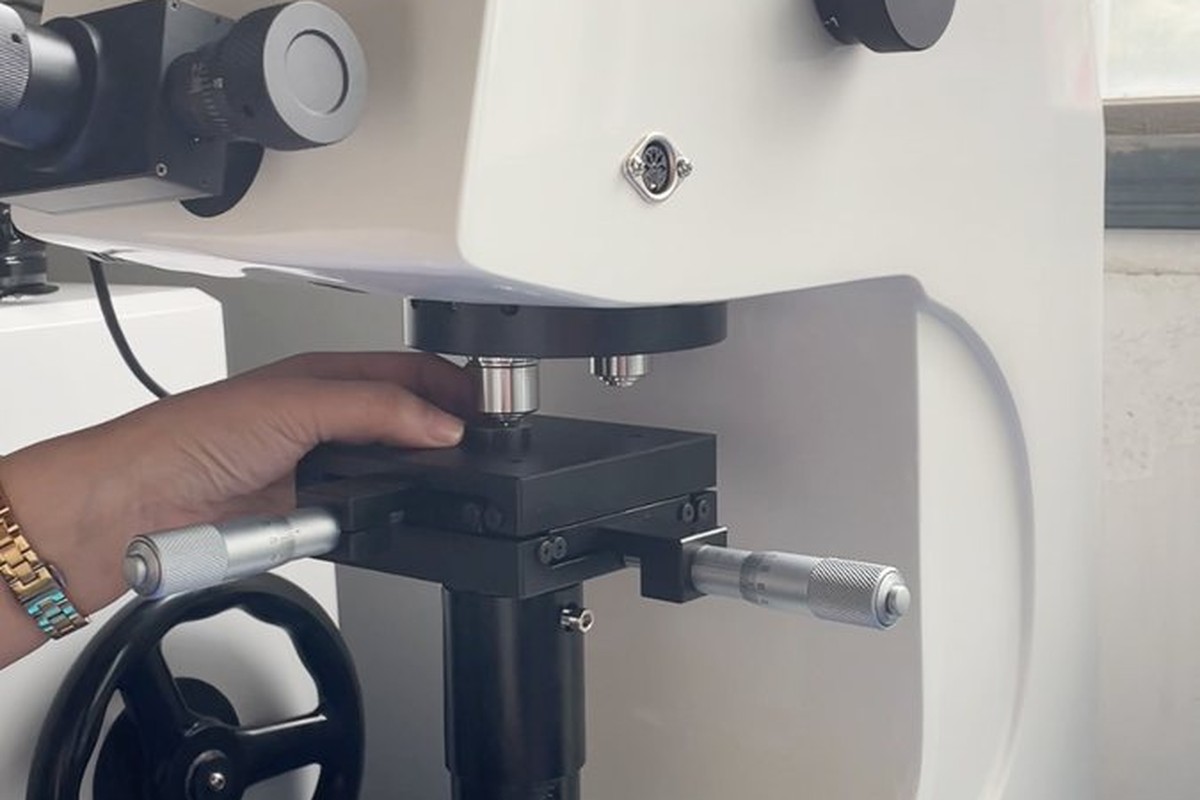
Hardness testing against the property class |
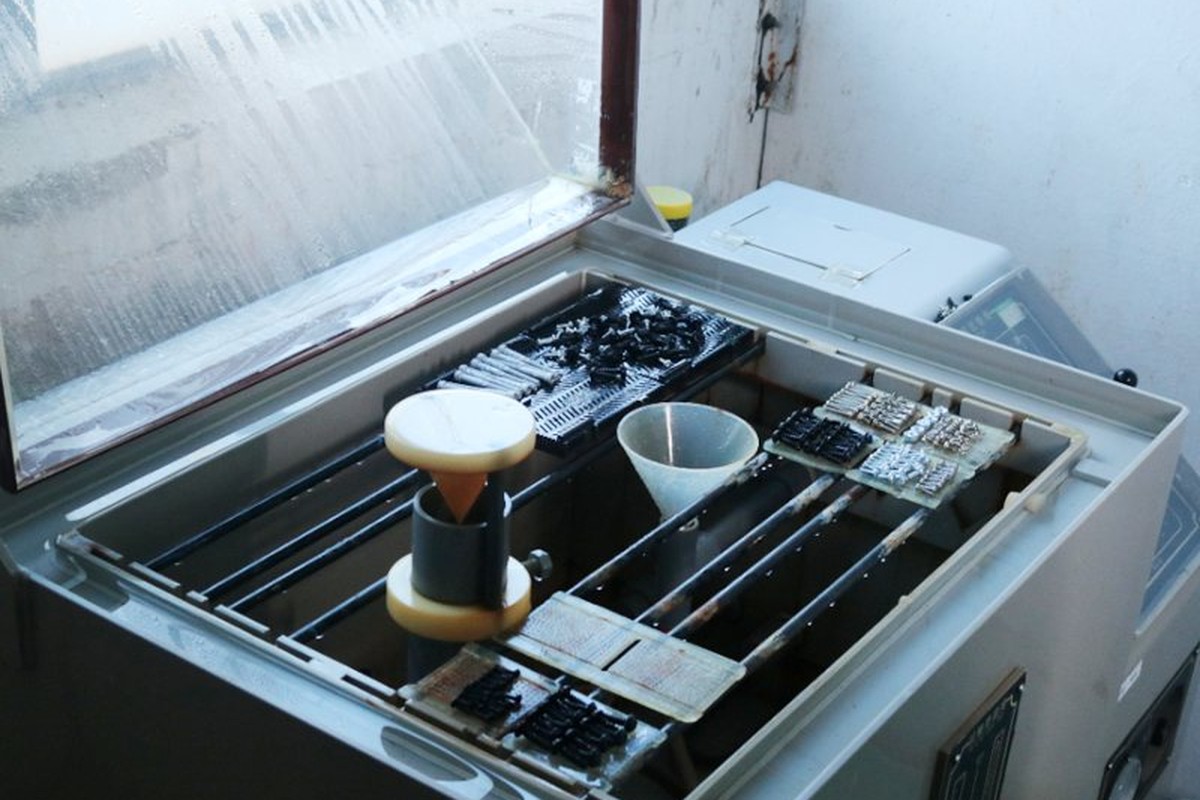
Salt-spray testing of the plated part |
Each batch is recorded against the drawing revision: flange, recess and nose from the first article, the thread gauged after plating, and the coating batch carried on the label. If either drive or the nose check fails, the parts back to the last good setting are held and re-checked.
Third-party test reports, when the drawing specifies them, are raised with the batch and filed against the same batch number as the dimensional record.
Every shipment of pozi drive machine screws is traceable to the wire it was made from. The grade, heat number and property class are recorded on the material certificate supplied with the parts, and the inspection records follow the criteria agreed on the drawing.
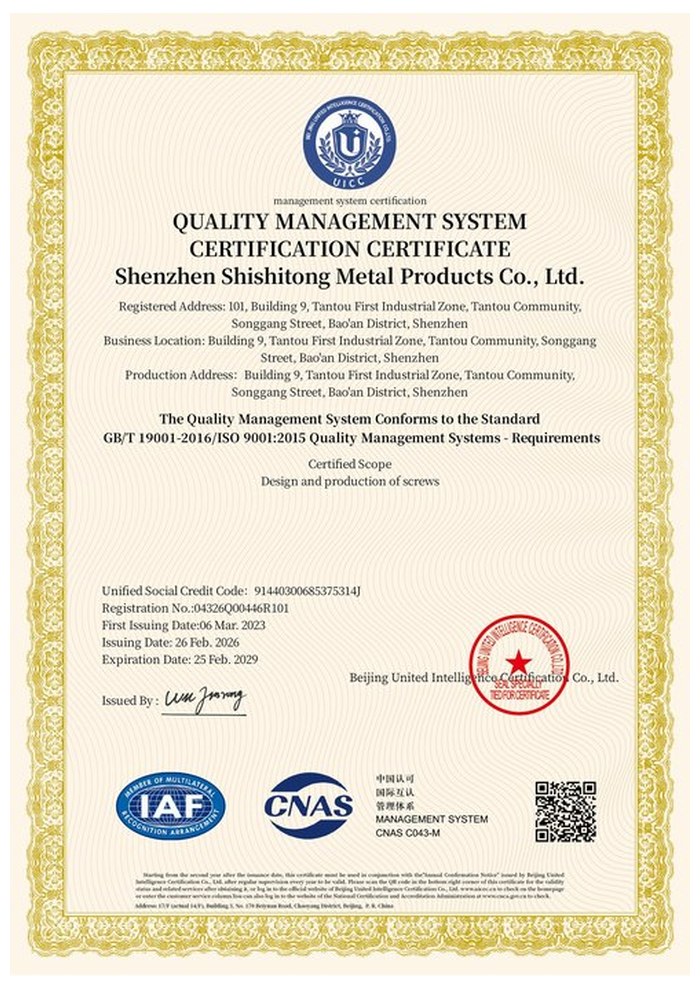
ISO 9001:2015 |
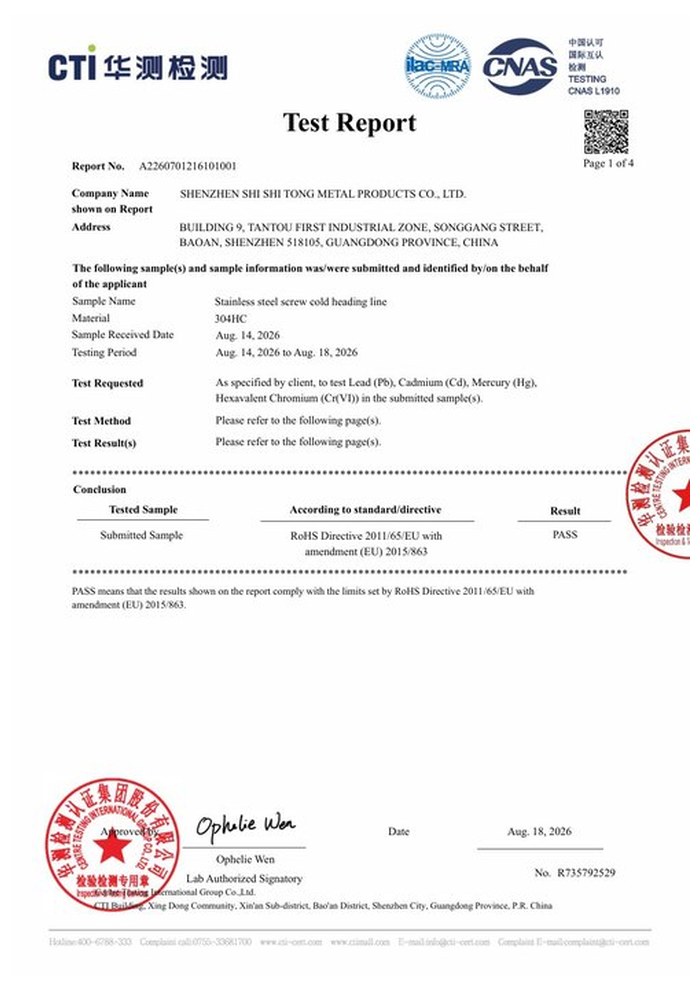
RoHS test report |
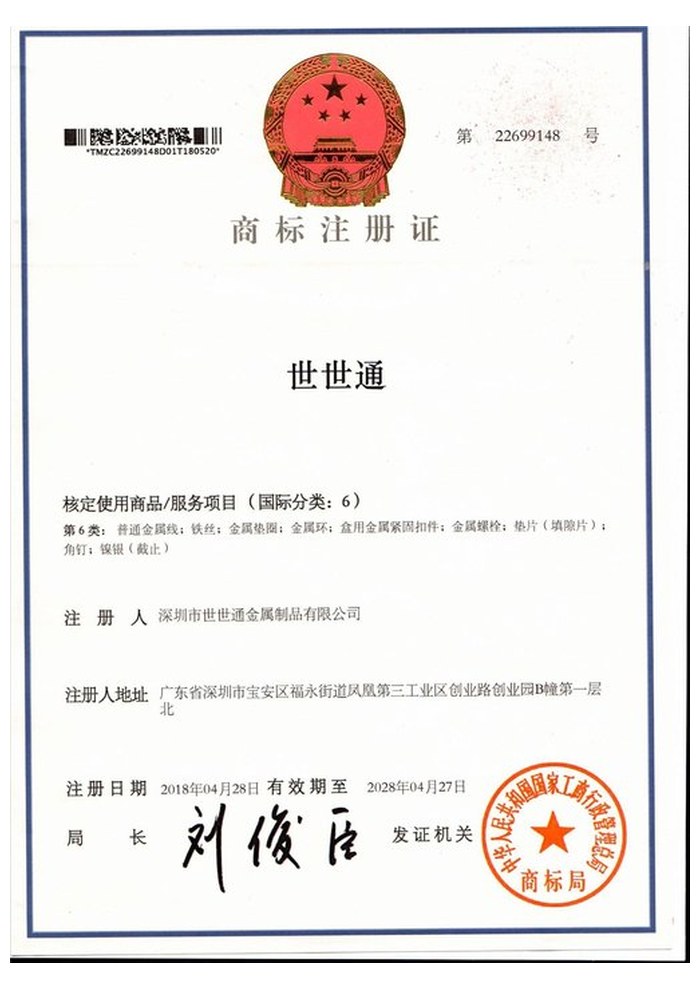
Registered trademark |
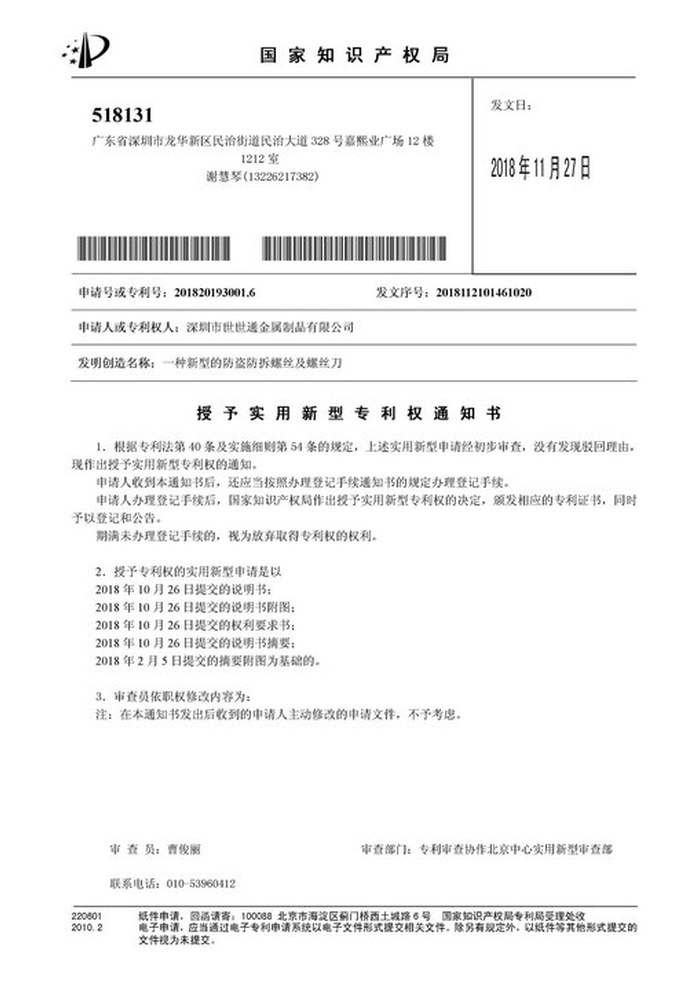
Patent: security screw and driver |
With each batch we supply the material certificate, the inspection record for the criteria on the drawing and, where it is listed, the third-party report for the material or the finish. The documents carry the drawing revision and the batch number, so the paperwork can be matched to the parts.
More than 8,678 customers in 89 countries and regions have ordered from Shi Shi Tong; 87% of orders come from repeat customers and 56% through referrals. Most projects follow the same route: drawing review, first-article approval, then batches checked against that sample. On a dog point screw the first article is driven into the customer’s hole, so the nose is signed off in the joint it has to find. Buyers visit during the process to review samples and to see how the heads and points are formed.
|
8,678+
customers served
|
87%
of orders from repeat customers
|
56%
of orders through referrals
|
89
countries and regions shipped to
|
Buyers and quality engineers visit for sample review, process discussion and supplier audits; the visit is arranged around production so the header and the plating line can be seen on the day the parts run.

Customer group visit – sample review |

Customer group visit – process discussion |

Customer group visit – factory tour |

Customer visit – project kick-off |

Danish customer – drawing review |
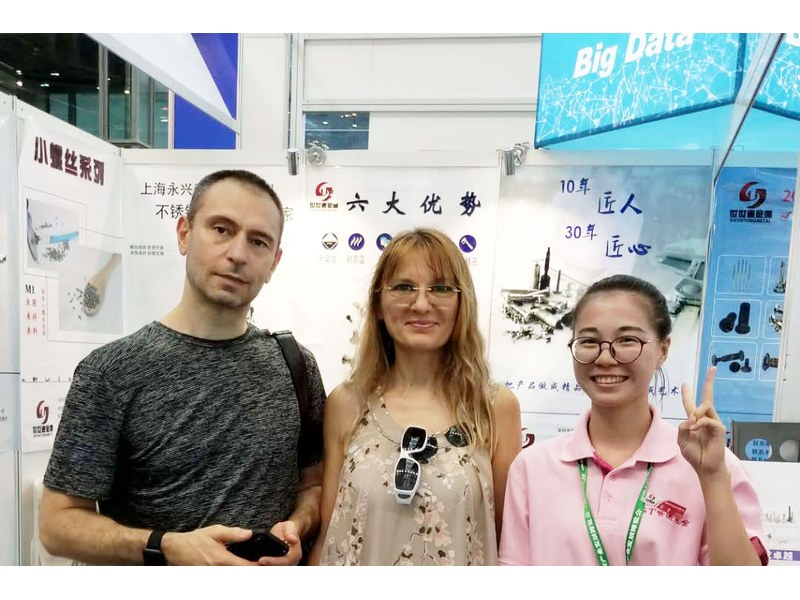
Industry exhibition – meeting customers |
It is a machine screw driven by a Pozidriv bit. This one also has an integral flange, a combination recess with a slot, a copper plated finish and a dog point instead of a threaded end.
It enters the hole first and centres the screw before the thread engages, which prevents cross-threading in a blind hole or a deep stack. The usable thread is the overall length minus the nose.
Copper conducts, so a copper plated thread lowers contact resistance at an earth or terminal joint. It also gives a warm tone, but it tarnishes, so appearance expectations should be stated on the drawing.
No. It is formed with the head in one piece, so it stays concentric and there is nothing to drop during assembly.
Yes — the combination recess includes a straight slot across the head. The Pozidriv cross is the primary drive; the slot is the second option.
Flange and head diameter, recess type, nose diameter and length, thread size and pitch, length and datum, material and property class, finish, and the hole the nose pilots into.
How a pozi drive machine screw project runs from drawing to repeat delivery:
|
1
Send the drawing or sample
|
→ |
2
Flange, recess and point review
|
→ |
3
First article in the joint
|
→ |
4
Batch production and repeat orders
|
Each step is confirmed with you before the next one starts; the drawing revision from the first article is what repeat orders are checked against.
For a quotation, send the drawing with the flange and head diameter, recess type, nose diameter and length, thread size and pitch, length and its datum, material and property class, finish, and the hole the nose pilots into.
|
Flange and head diameter
|
Recess type
|
Nose diameter and length
|
|
Thread size and pitch
|
Length and datum
|
Material and finish
|
Sending a drawing? The form below does not take attachments. Email the PDF, DXF or STEP file to sst@szsst88.com with the part name and quantity in the subject line – the drawing is reviewed and a quotation follows.

 +86 13143444311
 sst@szsst88.com