
Tel:
+86 13143444311
Email:sst@szsst88.com
Fax:+0086-755-27322278
Address:Building 9, First Industrial Zone, Tantou Industrial City, Songgang Street, Baoan District, Shenzhen 518105, Guangdong, China
Type:Custom copper screws
Materials:Copper grade specified on the approved drawing
Surface treatment:Surface condition or coating to be specified for the application
Head Type:Custom head and drive geometry, subject to drawing review
Thread:Per drawing - rolled or cut to suit the geometry
Forming:Per drawing - cold heading or CNC turning
Number:Assigned to the approved custom drawing
Shi Shi Tong is a copper screw manufacturer producing custom copper and brass screws to drawing: cold headed or CNC turned, with rolled threads and a finish that suits the conductive joint — natural, cleaned and sealed, or plated. Grade, contact face, thread and finish are made to your drawing.
Watch the factory video·Email sst@szsst88.com
ISO 9001:2015 · Manufacturing since 1998 · 8,678+ customers · 89 countries and regions
Made to order – there is no stock catalogue. Each part is produced to your drawing, and production starts after drawing review and first-article approval.
A copper screw manufacturer produces fasteners in copper and copper alloys for joints where electrical or thermal conductivity matters, or where a non-magnetic, corrosion-resistant part is needed. Copper is soft, conductive and takes a patina, so the screw is designed around conductivity and contact resistance rather than around pure strength.
Conductivity as the reason. On a copper screw manufacturer’s drawing, the material is chosen because current or heat has to pass through the joint. That makes the contact area, the surface condition and the plating decision part of the specification — a tarnished copper face has a different contact resistance from a clean one.
Soft material, different limits. Copper and its alloys are softer than steel, so threads strip earlier, recesses round more easily and torque has to be controlled. A copper screw manufacturer plans the drive, the thread and the torque together; the same geometry that works in steel can fail in copper.
Patina and plating. Copper oxidises to a brown-green patina outdoors and tarnishes indoors. The drawing can leave the metal natural, specify a cleaned and sealed finish, or plate the screw (nickel, tin) to hold a stable surface — each choice changes the contact resistance and the look.
Together these decide whether the screw is right for the joint: it carries the current or the heat, it resists the environment, and it can be tightened without stripping its soft thread.
The grade is the first line on the drawing. Pure copper (T2, C11000) gives the highest conductivity and is used for current-carrying parts. Brass (H62, C28000) machines freely and is the usual choice for screws that carry current and need a clean thread. Bronze and copper-nickel alloys trade some conductivity for strength and seawater resistance.
For a copper screw manufacturer, the grade changes the route as well as the properties. Pure copper is gummy and builds up on tools, so a copper screw manufacturer uses sharp tools, lower speeds and more attention to thread quality. Brass machines cleanly but is prone to dezincification in some environments, so the alloy and the plating are chosen together.
The grade also decides how the screw can be finished. Copper that will stay bare needs a cleaning and sealing step; a part that will be plated needs the plating to be compatible with the mating contact. A drawing that names “copper” without the grade leaves both the conductivity and the process open.
Custom copper screws are quoted from M2 to M10 and up to 100 mm, with length usually held to +/-0.1 mm on the drawing. Where a long copper screw is required, custom lengths up to 2,000 mm are subject to DFM review after drawing submission.
| Item | How it is defined | What we control |
|---|---|---|
| Diameter and thread | M2 to M10, metric or per drawing | Thread gauged per batch; class per drawing |
| Length | Overall and thread length from a stated datum | Datum agreed on the drawing; checked on the first article |
| Head and drive | Custom geometry reviewed against the drawing | Recess checked with the matching driver |
| Contact face | The surface that carries current or heat | Flatness and cleanliness checked on the first article |
| Finish | Natural, cleaned, sealed or plated | Finish checked against the accepted sample |
Every diameter and length combination is checked against the drawing before a quotation is issued. That is also how a copper screw manufacturer prices the part: grade and route first, then the size. A copper screw manufacturer also reviews the contact face, because on a conductive joint the flatness and cleanliness of that face matter as much as the thread.
Length and thread position are measured from the same datum, and the recess is checked with the matching driver after finishing. The first article is measured on every dimension before the batch continues.
Copper screws are produced by cold heading or CNC turning, depending on the geometry and the quantity. Heading suits small screws and high volumes; turning suits larger diameters, custom heads and small batches. A copper screw manufacturer chooses the route by the drawing, not by the machine that happens to be free.
Copper behaves differently in both routes. It galls on tooling and builds up on punches, so tool condition is checked more often; it is soft enough that a recess can be formed cleanly but also damaged easily in handling; and the thread is usually rolled rather than cut, because rolling leaves a denser thread in a soft material.
The torque limit is part of the process, not a note for the customer. Copper threads strip earlier than steel, so the drawing states the assembly torque and the screw is designed to survive it; a copper screw manufacturer who ignores that hands over a part that strips on the first run.
A copper screw can be supplied natural, cleaned and sealed, or plated. Natural copper keeps the highest conductivity and gains a patina; a sealed finish slows tarnish but must be compatible with the contact; plating such as nickel or tin gives a stable surface and a solderable or wear-resistant face, at the cost of some contact resistance.
| Finish | How it protects | Effect on contact and thread | Typical use |
|---|---|---|---|
| Natural, cleaned | No coating; surface cleaned of oxides | Highest conductivity; tarnishes in service | Internal current-carrying joints |
| Cleaned and sealed | Thin sealing film | Slower tarnish; film resistance considered | Visible or stored copper parts |
| Nickel plated | Hard plated layer | Stable surface; higher contact resistance than bare copper | Parts that must stay bright and wear-resistant |
| Tin plated | Soft, solderable layer | Solderable; low oxide growth | Terminals and solder joints |
| Silver plated | High-conductivity noble layer | Low contact resistance; tarnish-resistant | High-current and RF contacts |
The finish is chosen with the joint in mind. On a copper screw the plated or sealed surface is the contact surface, so the drawing states whether the part is measured bare, after plating or after sealing, and the first article confirms it.
Packing protects the soft head and the thread. Screws are packed so they do not rub and the plated or sealed face is not marked, and the label carries the batch and the material grade.
Three joints where a copper screw manufacturer is asked for conductivity or a stable contact — and where the same copper screw manufacturer has to prove the contact face — with what the screw has to do instead:
Electrical panels and terminals
|
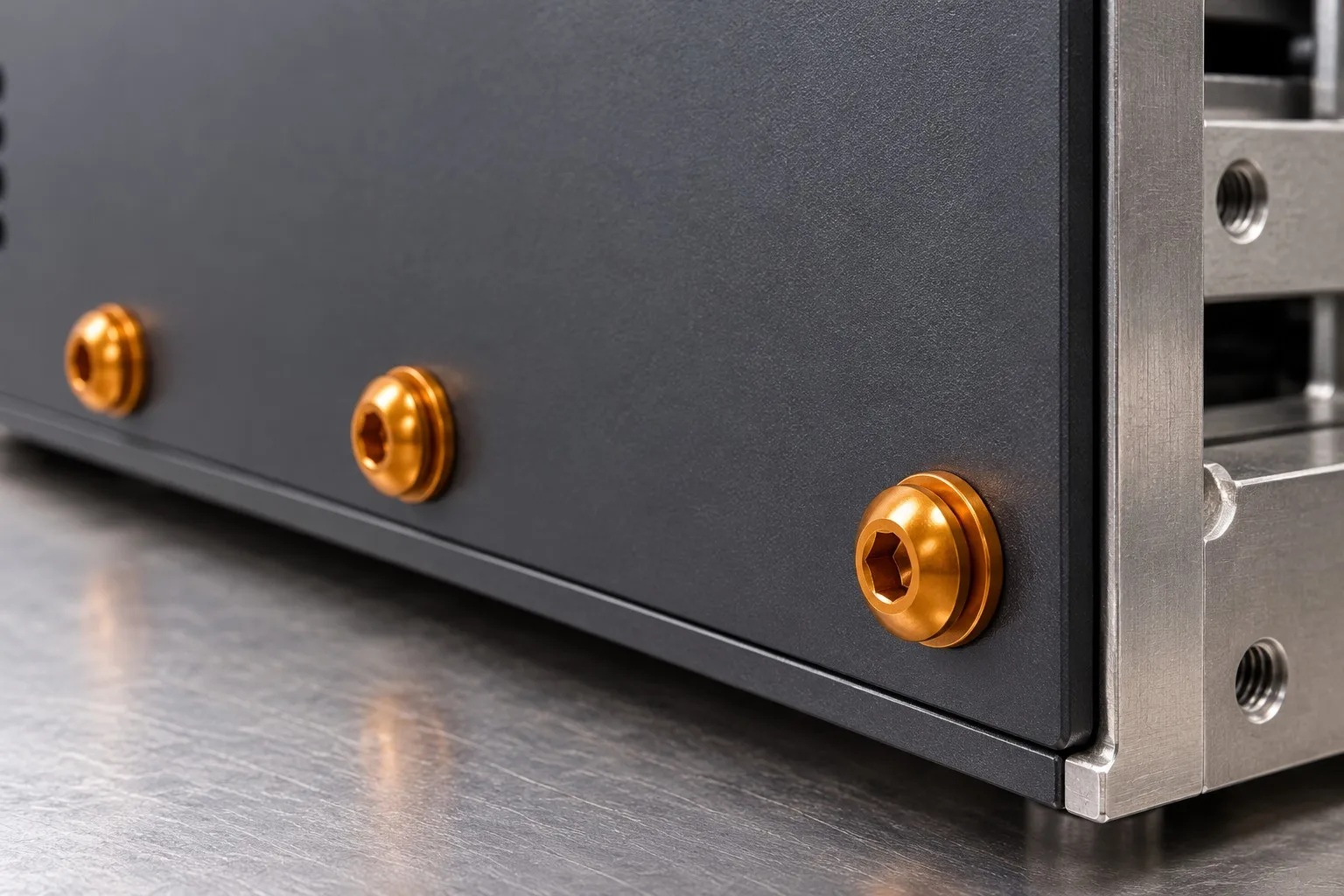
Electrical panels – conductive joints |
PCB and electronic assemblies
|
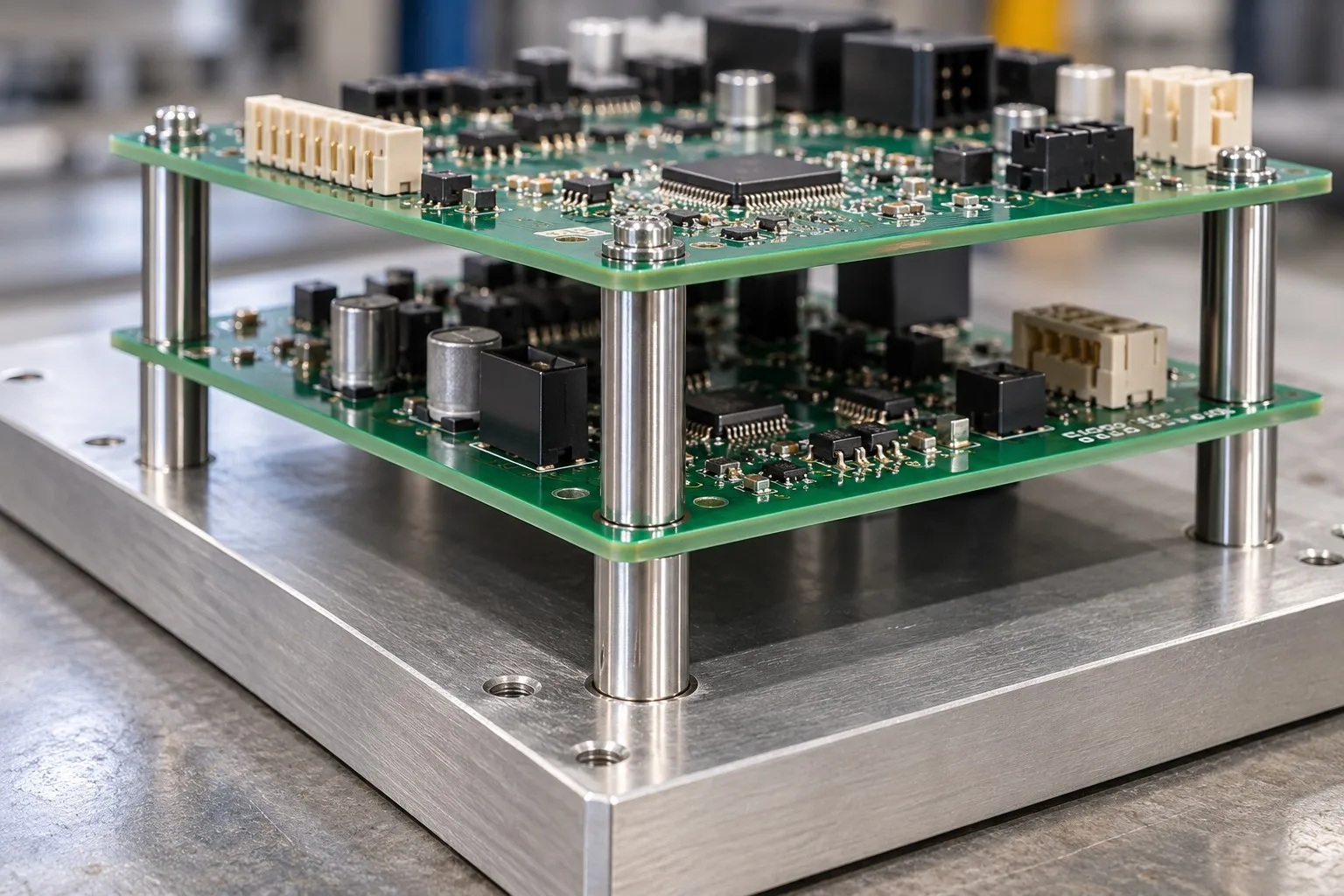
Electronics – conductive small hardware |
RF, microwave and test equipment
|

RF equipment – conductive enclosure hardware |
Four reasons that matter when you choose a copper screw manufacturer, each tied to what the drawing has to prove:
|
Grade and joint reviewed first
The grade, the contact face and the assembly torque are reviewed together before tooling, so a part that would strip or overheat is raised before the first bar is cut. Basis: Drawing, grade and joint reviewed before machining. |
Soft-metal speeds and rolled threads
Copper is headed or turned at speeds set for galling and tool build-up, and threads are rolled where the geometry allows so the soft material gets a denser thread. Basis: Soft-metal tooling and thread routes. |
|
Threads and contact face checked
The thread is gauged after finishing and the contact face checked for flatness and cleanliness, so the joint that conducts is the joint that was approved. Basis: Thread and contact face checked on the first article. |
First article to repeat production
The first article fixes the drawing revision, grade and heat, set-up and finish reference; repeat orders are compared against that record. Basis: First article and finish reference signed off before the batch. |
As a copper screw manufacturer, Shi Shi Tong produces these parts by cold heading or turning, then rolls the thread where the geometry allows and finishes the part to the drawing. The grade, the route and the finish are recorded with the first article, and the first part of every run is checked against the drawing and the driver before the batch continues.
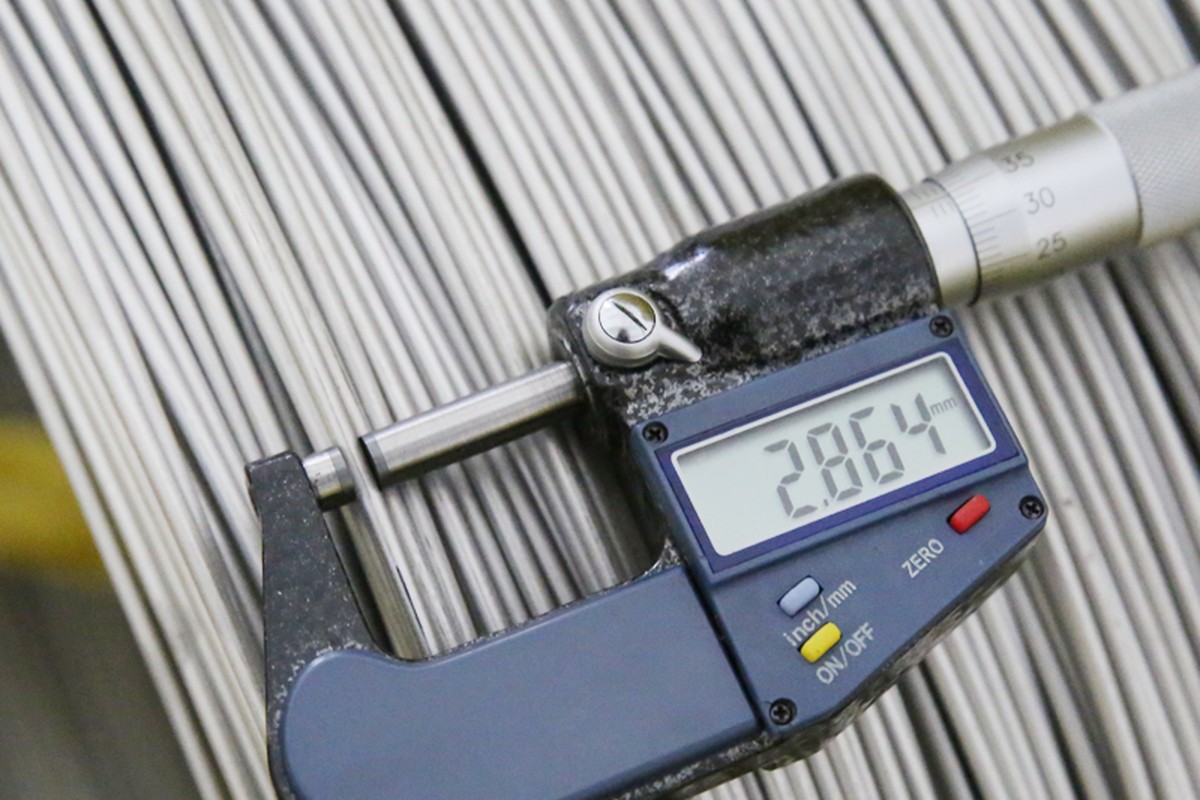
Material checked before the bar is cut |
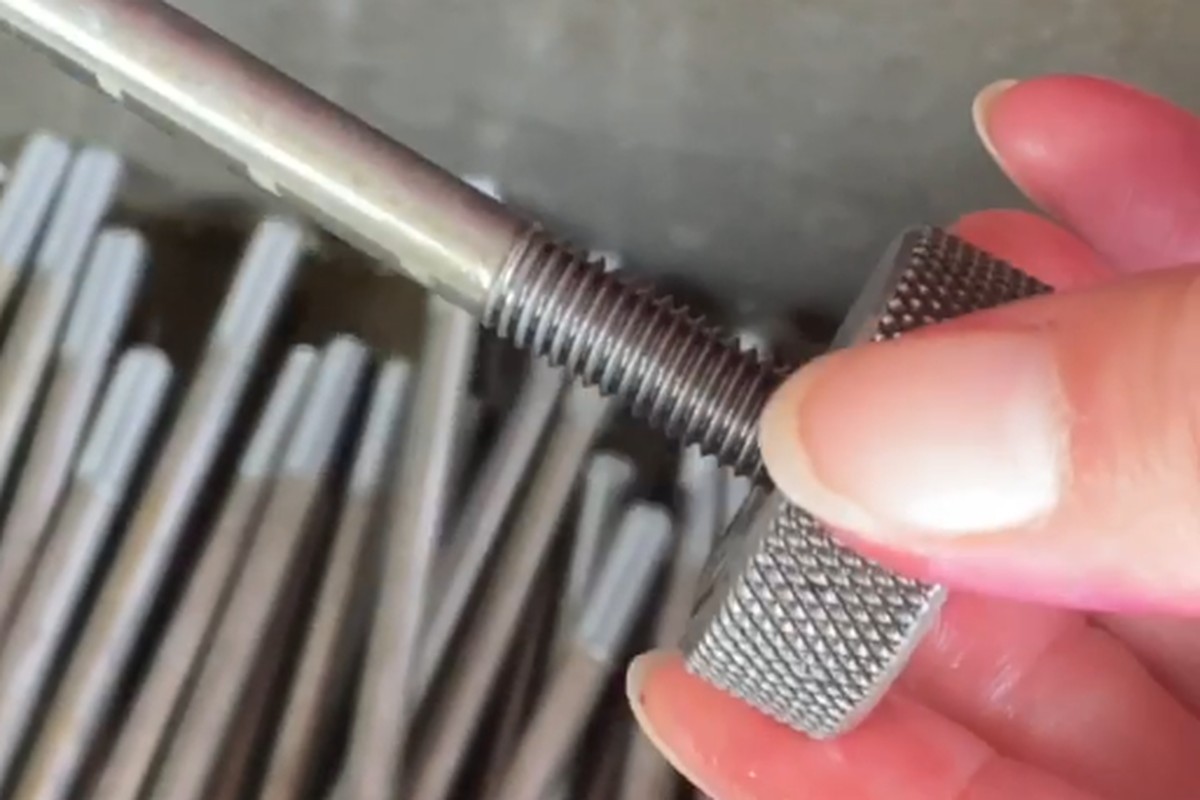
Threads gauged after finishing |
Between runs the tooling is changed to the drawing geometry; the set-up is recorded with the first article, which is how a copper screw manufacturer keeps a repeat order identical to the sample. Finished parts are checked again after plating or sealing, so the record covers both the machined and the finished condition, and a repeat order can be compared with what was approved.
What decides whether a copper screw passes is not its colour: it is the thread class, the contact face, the recess fit and the finish in the condition it ships. The inspection agreement covers those, and the criteria are the ones written on the drawing.

Thread gauging after finishing |

Head and recess profile on the projector |

Hardness testing where the grade requires it |

Corrosion testing of the agreed finish |
Each batch is recorded against the drawing revision: thread and head from the first article, the recess checked with the driver, and the finish and contact face checked against the sample. If a gauge or the finish check fails, the parts back to the last good setting are held and re-checked before anything ships.
Where a third-party certificate is needed for the material or the finish, it is written into the drawing and filed with the batch record.
Every copper screw shipment from this copper screw manufacturer is traceable to the bar or wire it was made from. The grade, heat number and standard are recorded on the material certificate supplied with the parts, and the inspection records follow the criteria agreed on the drawing.

ISO 9001:2015 |

RoHS test report |

Registered trademark |

Patent: security screw and driver |
With each batch we supply the material certificate, the inspection record for the criteria on the drawing and, where it is listed, the third-party report for the material or the finish. The documents carry the drawing revision and the batch number, so the paperwork can be matched to the parts.
More than 8,678 customers in 89 countries and regions have ordered from Shi Shi Tong; 87% of orders come from repeat customers and 56% through referrals. Most projects follow the same route: drawing and grade review, first-article approval, then batches checked against that sample. As a copper screw manufacturer we invite buyers during the process to review samples and to see the heading or turning and finishing steps their parts will go through.
|
8,678+
customers served
|
87%
of orders from repeat customers
|
56%
of orders through referrals
|
89
countries and regions shipped to
|
Buyers and quality engineers visit for sample review, process discussion and supplier audits; the visit is arranged around production so the heading floor, the turning cells and the finishing line can be seen on the day the parts run.

Customer group visit – sample review |

Customer group visit – process discussion |

Customer group visit – factory tour |

Customer visit – project kick-off |

Danish customer – drawing review |

Industry exhibition – meeting customers |
The grade comes from the drawing: pure copper (T2 / C11000) for the highest conductivity, brass (H62 / C28000) for machinability, and bronze or copper-nickel where strength or seawater resistance is needed.
Not always. Bare copper is cleaned and can be sealed; plating such as nickel, tin or silver gives a stable or solderable surface at the cost of some contact resistance. The drawing decides, because the finish is the contact surface.
Copper and brass are softer than steel, so threads strip earlier and recesses round more easily. The drawing states the assembly torque and the screw is designed and gauged to survive it.
Custom copper screws are quoted from M2 to M10 and up to 100 mm, usually held to +/-0.1 mm. Where a long screw is required, custom lengths up to 2,000 mm are subject to DFM review after drawing submission.
Copper oxidises to a patina outdoors and tarnishes indoors. A cleaned and sealed finish slows it; plating prevents it; bare copper accepts it as part of the look and the conductivity.
Grade, thread size and class, length and datum, head and drive geometry, contact-face requirement, finish and plating, and the assembly torque.
How a copper screw manufacturer takes your drawing to repeat delivery:
|
1
Send the drawing or sample
|
→ |
2
Grade and DFM review
|
→ |
3
First article approval
|
→ |
4
Batch production and repeat orders
|
Each step is confirmed with you before the next one starts; the drawing revision from the first article is what repeat orders are checked against.
For a custom copper screw quotation, send the drawing with the grade, thread size and class, length and datum, head and drive geometry, contact-face requirement, finish or plating, and the assembly torque. Grade and finish are confirmed with you before production.
|
Copper grade
|
Thread size and class
|
Length and datum
|
|
Head and drive geometry
|
Contact face
|
Finish, torque and quantity
|
Sending a drawing? The form below does not take attachments. Email the PDF, DXF or STEP file to sst@szsst88.com with the part name and quantity in the subject line – the drawing is reviewed and a quotation follows.

 +86 13143444311
 sst@szsst88.com













