Tel:
+86 13143444311
Email:sst@szsst88.com
Fax:+0086-755-27322278
Address:Building 9, First Industrial Zone, Tantou Industrial City, Songgang Street, Baoan District, Shenzhen 518105, Guangdong, China
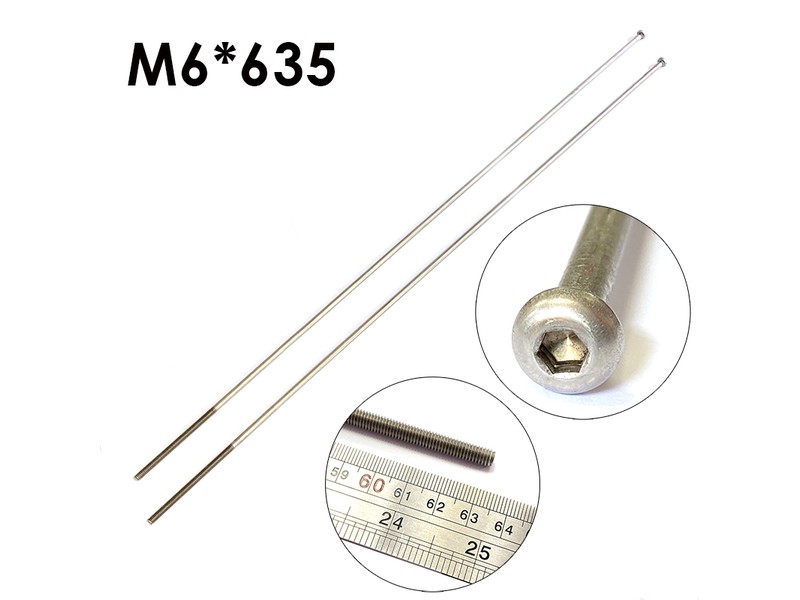
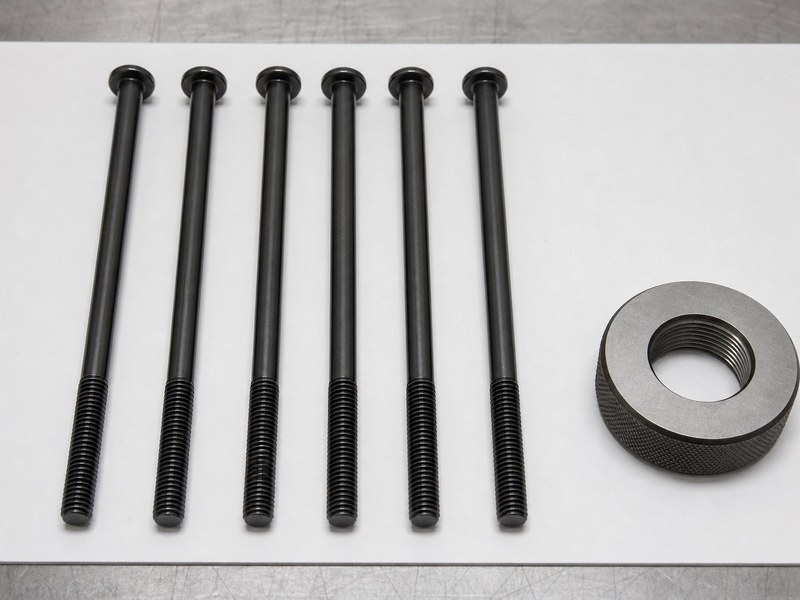
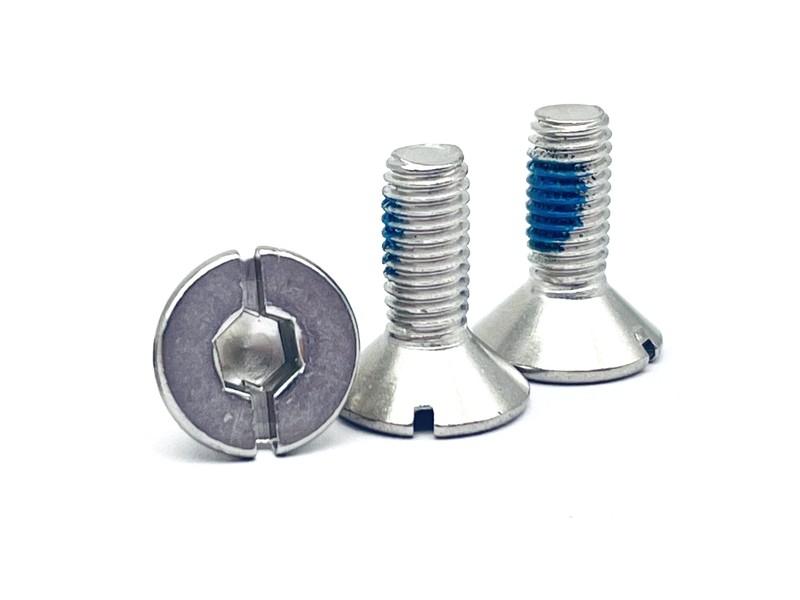
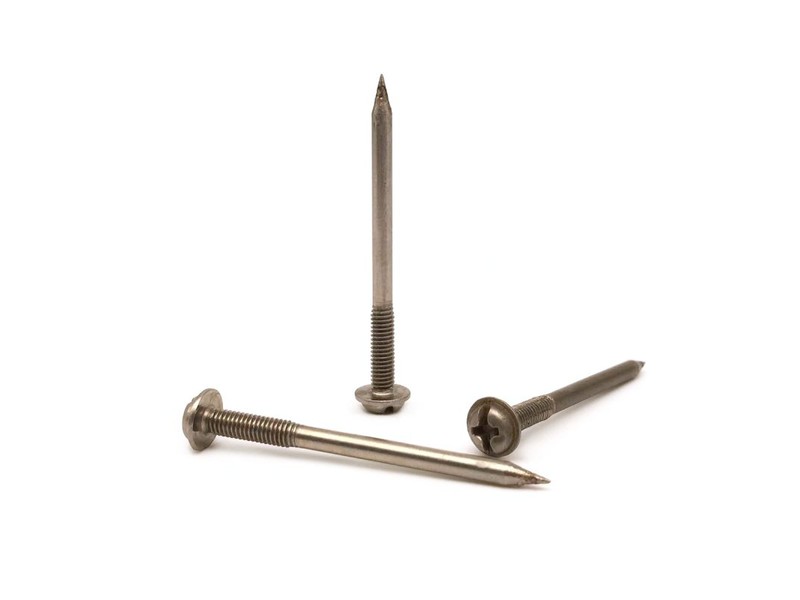
Type:Custom stainless steel CNC machined parts
Materials:Stainless Steel
Surface treatment:Plain
Thread:Internal and external threads per drawing
Forming:CNC machining from bar
Number:1834
We machine custom stainless steel parts from bar to drawing: turning, U-slots, cross-holes and threads in one route, passivated after machining, with dimensions to +/-0.02 mm on typical turned features. Grade, tolerance chain, thread class and passivation are agreed before the first bar is cut.
Watch the factory video·Email sst@szsst88.com
ISO 9001:2015 · Manufacturing since 1998 · 8,678+ customers · 89 countries and regions
Made to order – there is no stock catalogue. Each part is produced to your drawing, and production starts after drawing review and first-article approval.
Custom stainless steel CNC machined parts are turned, slotted, drilled and threaded components made from stainless bar to a drawing. They are the small functional parts inside equipment: terminals, sleeves, threaded fittings, spacers, pins and housings that have to resist corrosion and still hold a tolerance.
Machined, not formed. A custom stainless steel CNC machined part is cut from bar rather than headed or cast, so the features on the drawing — a U-slot, a cross-hole, a shoulder, an internal thread — are produced by removing material. That makes low and medium quantities practical without a die, and it keeps the part geometry exactly as drawn.
Stainless changes the process. Stainless work-hardens, conducts heat poorly and galls against itself, so feeds, speeds and tooling differ from carbon steel. A slot that is milled in one pass in mild steel may need two in 316, and a thread that is rolled in steel may be cut in stainless to hold the class.
Finish and cleanliness. Stainless parts are usually passivated after machining to restore the passive film and remove free iron from tooling. Where the part goes into food, laboratory or marine equipment, passivation and cleanliness are part of the specification, not a cosmetic step.
Together these decide what the service delivers: a stainless part with the slot, thread and fit on the drawing, a surface that resists the environment it is going into, and paperwork that ties the part to its heat and its inspection record.
Custom stainless steel CNC machined parts start with the grade on the drawing. 303 machines freely and is used where corrosion resistance is moderate and the part has a lot of turning; 304 is the general-purpose grade; 316 adds molybdenum and is chosen where chlorides or washdown are present; 17-4 PH is used where strength matters more than machinability.
The grade and the mill certificate are checked before the bar is cut. Heat number, diameter and condition are recorded, because a stainless part that fails a salt-spray test months later is traced back to the bar, and a bar without a certificate breaks that chain.
Machinability is part of the quotation. A custom stainless steel CNC machined part in 303 will run faster and cheaper than the same part in 316, and the drawing has to say which is required rather than leaving the shop to choose. Where the finish matters, the grade also fixes how the part anodizes, polishes or passivates.
Custom stainless steel CNC machined parts are quoted against the drawing’s tolerance band. Typical turned diameters and bores run to +/-0.02 mm, with tighter bands reviewed part by part. Threads are gauged to the class on the drawing, and the slot or cross-hole position is checked from the stated datum.
| Item | How it is defined | What we control |
|---|---|---|
| Diameter and bore | Turned features held to the drawing band | Measured with micrometers and bore gauges on the first article |
| Slot and cross-hole | Width, depth and position from a datum | Position checked on the projector and the CMM |
| Thread | Class and depth on the drawing | GO/NO-GO gauges on the first article and per batch |
| Surface roughness | Ra value on the drawing | Checked with a roughness tester after machining |
| Passivation | Clean surface, free iron removed | Visual and salt-spray checks per the drawing |
Each part is quoted against its own tolerance chain, because a thin-wall sleeve and a solid housing carry different risk. The chain is reviewed before a quotation, and any feature that the process cannot hold — a very thin wall, a deep narrow slot, a thread close to a shoulder — is raised with the customer rather than discovered at first article.
Inspection follows the drawing: the first article is measured on every dimension, and the batch is checked on the features the process can drift on. Thread class, slot width and passivation are recorded with the batch, so the parts that ship can be compared with the parts that were approved.
Custom stainless steel CNC machined parts are produced on turning and milling equipment. Bar is cut and faced, the outside and bore are turned, the U-slot or cross-hole is milled, and the thread is cut or rolled to the drawing. Parts that need several operations are machined in one route so the datum does not change.
Stainless makes the secondary work matter more. Burrs at a slot edge or a thread start will stop the part seating, and stainless burrs are tougher than steel ones. Deburring is a process step with its own check, and the passivation that follows removes the free iron the tooling leaves behind.
For a repeat order the same bar size, the same set-up and the same tool path are used, and the first part is compared with the approved sample. That is how a custom stainless steel CNC machined part stays the same part across batches, rather than a similar one.
Stainless doesn’t need a coating, but it does need the right surface treatment. Passivation removes free iron and restores the chromium oxide film; electropolishing levels the surface and brightens it; glass bead blasting gives a uniform matte finish. Each is specified on the drawing and checked on the part.
| Finish | How it protects | Effect on dimensions | Typical use |
|---|---|---|---|
| Passivated | Free iron removed, passive film restored | No dimensional change | General stainless parts after machining |
| Electropolished | Surface levelled, chromium enriched | Removes a few microns; threads re-checked | Hygienic, laboratory and visible parts |
| Bead blasted | Uniform matte surface | No dimensional change | Parts that must not show tool marks |
| Passivated + oil | Passive film plus a temporary barrier | No dimensional change | Parts stored before assembly |
| Plated (where specified) | Added corrosion layer | Build-up on thread; gauged after plating | Stainless parts needing a specific colour |
For custom stainless steel CNC machined parts the finish is part of the fit decision. Electropolishing removes a few microns from every surface, so a thread that has to assemble freely is gauged after polishing, and a bore that takes a bearing is checked again before the batch is released.
Packing protects the finished surface. Parts are packed so they do not rub, bores and threads are protected, and the label carries the batch, grade and heat number so the part that arrives matches the inspection record.
Three environments where custom stainless steel CNC machined parts are chosen for what the metal resists, and what the part has to do instead:
Food processing and packaging equipment
|
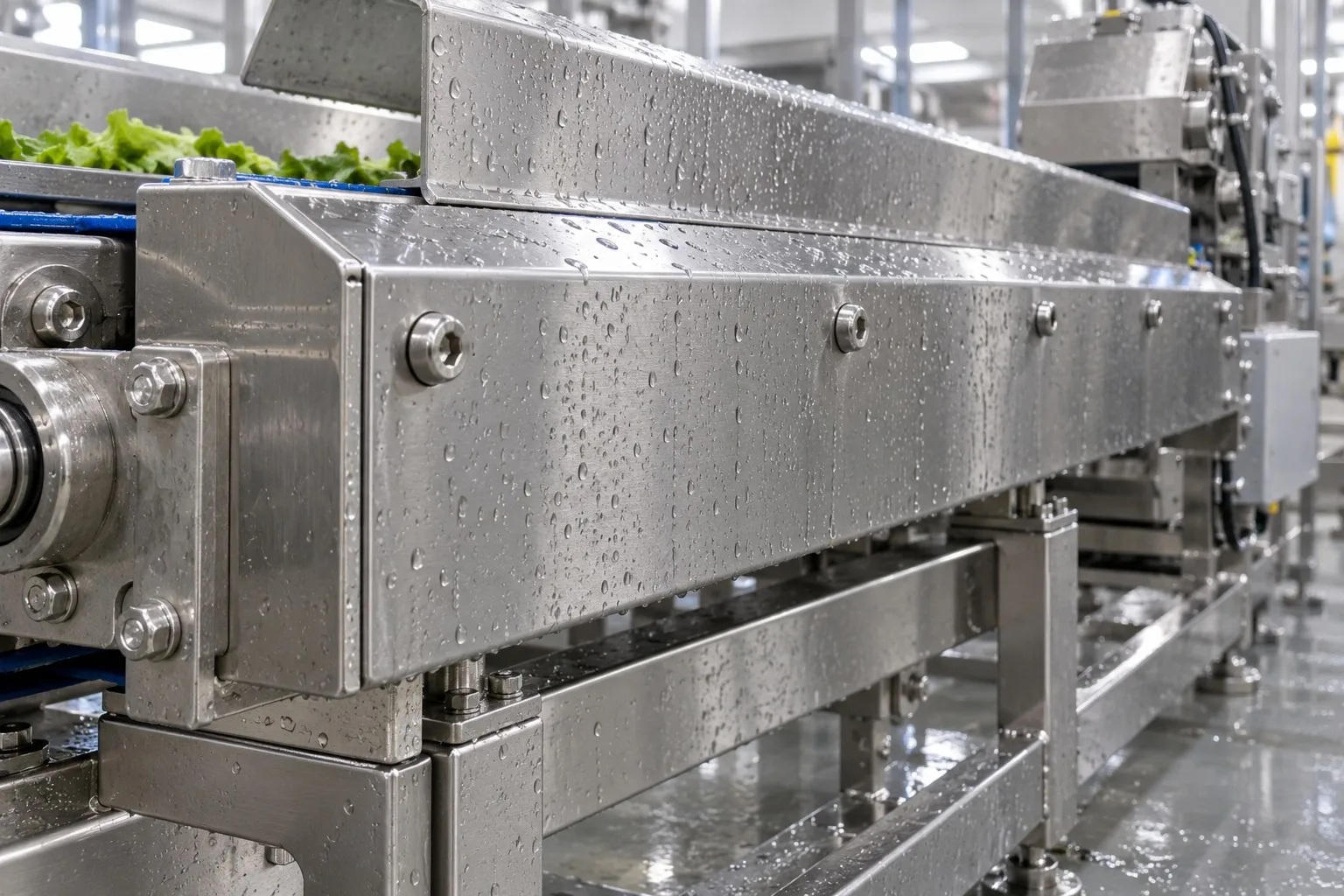
Food equipment – machined stainless parts under washdown |
Laboratory and analytical instruments
|
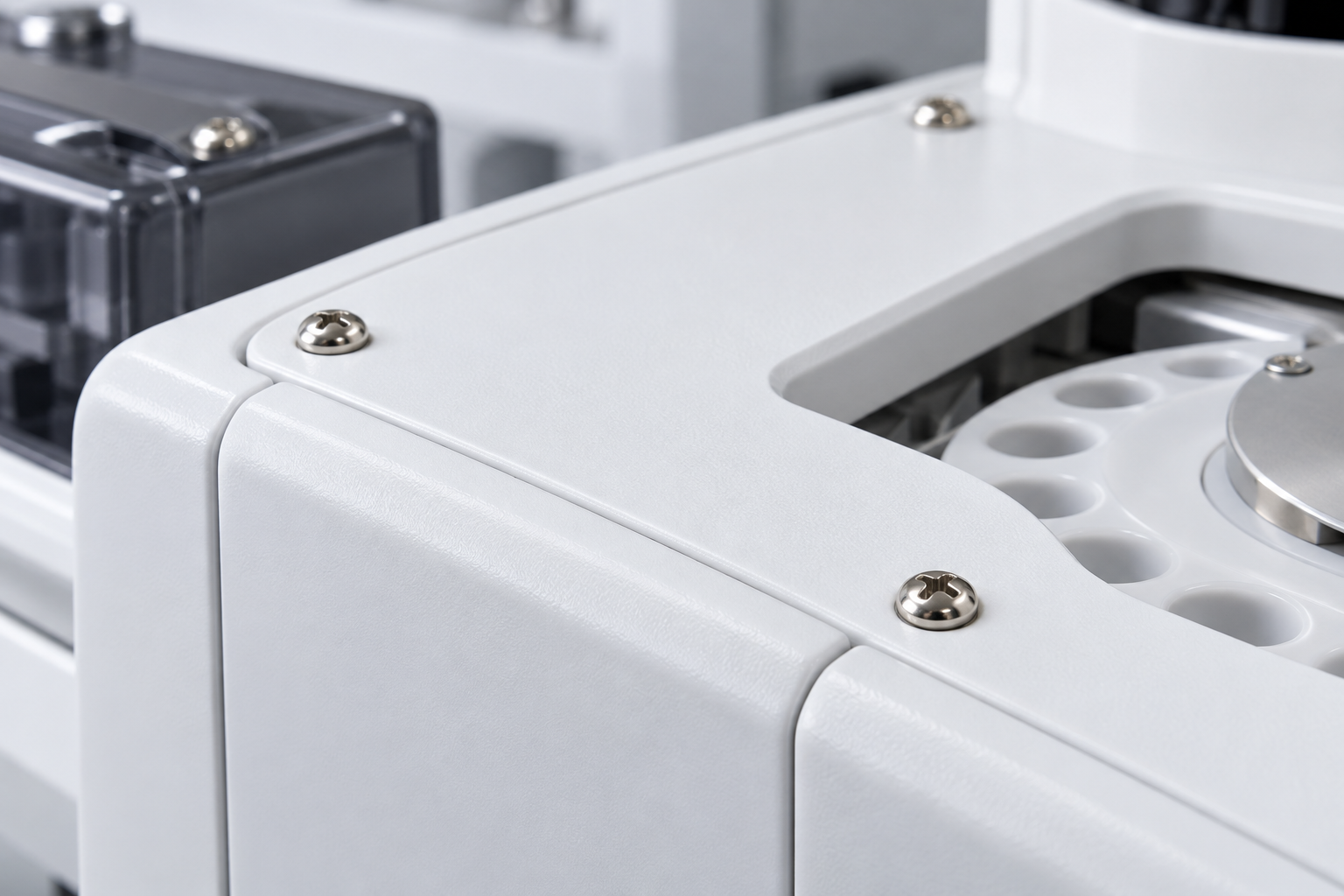
Laboratory instruments – machined fittings in a fluid path |
Marine and offshore equipment
|

Offshore equipment – machined stainless parts in salt air |
Four reasons that matter specifically on custom stainless steel CNC machined parts, each tied to what the drawing has to prove:
|
Drawing review before the bar is cut
Tolerance chain, grade, thread class and finish are reviewed before the first bar is cut, so features that cannot be held are raised with you rather than found at first article. Basis: Drawing and tolerance chain reviewed before machining. |
Turning and milling in one route
Parts that need slots, cross-holes and threads are machined in one route, so the datum does not change and the features stay where the drawing puts them. Basis: One route for turned, slotted and threaded features. |
|
Threads and slots gauged on the part
Threads are checked with GO/NO-GO gauges and slots on the projector, so the part that passes inspection is the part that assembles. Basis: Thread and slot dimensions gauged on the first article. |
First article to repeat production
The first article fixes the drawing revision, material heat, set-up and finish batch; repeat orders are compared against that record. Basis: First article and finish reference signed off before the batch. |
Custom stainless steel CNC machined parts run from bar to finished part. The bar is checked against the certificate, cut and turned, slotted and drilled, threaded, deburred, passivated and inspected. The first part of every run is measured on every dimension before the batch continues. The set-up sheet records the bar size, the chuck and the tool path, so the run can be repeated exactly.
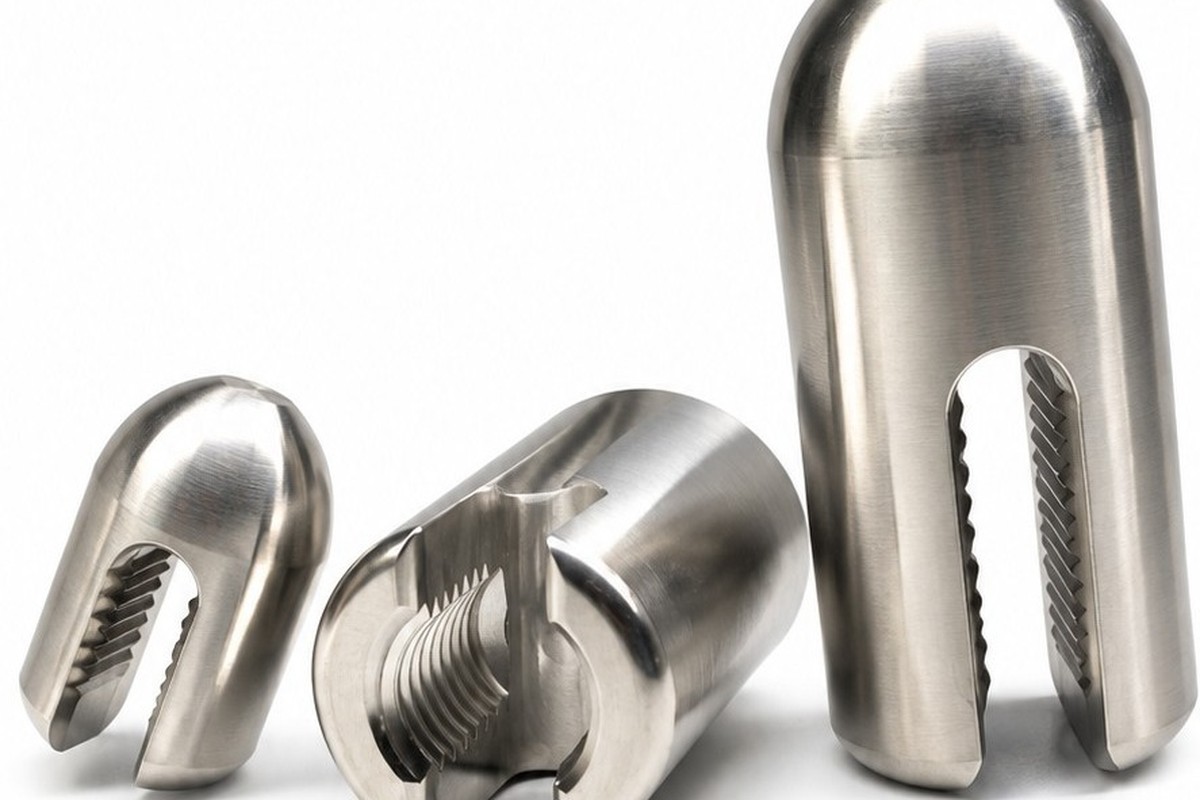
Between runs the machine is set to the drawing and the set-up is recorded with the first article. Finished parts are checked again after passivation or polishing, so the record covers both the machined and the finished condition, and a repeat order can be compared with the approved sample.
What decides whether a custom stainless steel CNC machined part passes is not how it looks: it is the bore and thread on the drawing, the slot width and position, the surface roughness, and the passivated condition. The inspection agreement covers those, and the criteria are the ones written on the drawing.

Thread gauging on the first article |

Slot width and profile on the projector |

Hardness testing where the drawing requires it |

Salt-spray testing where the drawing requires it |
Each batch is recorded against the drawing revision: first-article dimensions on every feature, thread gauging per batch, the slot checked on the projector, and the grade and heat on the certificate. If a gauge or the surface check fails, the parts back to the last good setting are held and re-checked before anything ships.
Where a third-party report is required for the material or the passivation, it is listed on the drawing so the paperwork ships with the parts, and the batch number on the label matches the record used for inspection.
Every custom stainless steel CNC machined part shipment is traceable to the bar it was made from. The grade, heat number and standard are recorded on the material certificate supplied with the parts, and the inspection records follow the criteria agreed on the drawing.

ISO 9001:2015 |

RoHS test report |

Registered trademark |

Patent: security screw and driver |
With each batch we supply the material certificate, the inspection record for the criteria on the drawing and, where it is listed, the third-party report for the material or the finish. The documents carry the drawing revision and the batch number, so the paperwork can be matched to the parts.
More than 8,678 customers in 89 countries and regions have ordered from Shi Shi Tong; 87% of orders come from repeat customers and 56% through referrals. Most projects follow the same route: drawing review, first-article approval, then batches checked against that sample. Buyers visit during the process to review samples and to see the machining and passivation steps their parts will go through.
|
8,678+
customers served
|
87%
of orders from repeat customers
|
56%
of orders through referrals
|
89
countries and regions shipped to
|
Buyers and quality engineers visit for sample review, process discussion and supplier audits; the visit is arranged around production so the turning and milling cells and the passivation line can be seen on the day the parts run.

Customer group visit – sample review |

Customer group visit – process discussion |

Customer group visit – factory tour |

Customer visit – project kick-off |

Danish customer – drawing review |

Industry exhibition – meeting customers |
Turned and milled components to drawing: terminals, sleeves, threaded fittings, spacers, pins, small housings and brackets. Slots, cross-holes, shoulders and internal or external threads are produced on the same route.
The grade comes from the drawing. 303 machines freely, 304 is general purpose, 316 is chosen for chlorides and washdown, and 17-4 PH where strength matters. Grade and heat number are recorded on the certificate.
Typical turned diameters and bores run to +/-0.02 mm, with tighter bands reviewed part by part. Threads are gauged to the class on the drawing, and slots and cross-holes are checked from the stated datum.
Yes. Stainless parts are passivated after machining to remove free iron and restore the passive film, and the passivated condition is checked against the criteria on the drawing.
A sample can be measured and drawn for review, but the quotation and the inspection are based on the drawing both sides approve. The first article then fixes the revision.
Grade and condition, dimensions with datums, tolerance band, thread class, slot and cross-hole positions, surface roughness, passivation or polish, and quantity.
How a custom stainless steel CNC machined parts project runs from drawing to repeat delivery:
|
1
Send the drawing or sample
|
→ |
2
DFM review and quotation
|
→ |
3
First article approval
|
→ |
4
Batch production and repeat orders
|
Each step is confirmed with you before the next one starts; the drawing revision from the first article is what repeat orders are checked against.
For a custom stainless steel CNC machined parts quotation, send the drawing with grade and condition, dimensions and datums, tolerance band, thread class, slot and cross-hole positions, surface finish and passivation. The tolerance chain and the grade are reviewed with you before production.
|
Grade and condition
|
Dimensions and datums
|
Tolerance band
|
|
Thread class
|
Slot and cross-hole positions
|
Finish and quantity
|
Sending a drawing? The form below does not take attachments. Email the PDF, DXF or STEP file to sst@szsst88.com with the part name and quantity in the subject line – the drawing is reviewed and a quotation follows.

 +86 13143444311
 sst@szsst88.com