Tel:
+86 13143444311
Email:sst@szsst88.com
Fax:+0086-755-27322278
Address:Building 9, First Industrial Zone, Tantou Industrial City, Songgang Street, Baoan District, Shenzhen 518105, Guangdong, China
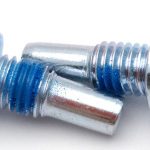
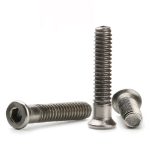
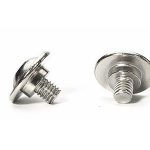
Type:Anti Theft Screws, Clutch Head Screws, One Way Screw
Materials:Carbon Steel
Surface treatment:Nickel Plated + Teflon Paste
Head Type:Low Profile Head
Drive:One-way S slot
Thread:Machine thread
Coat:Dry Teflon film on thread
Point:Plain, chamfered
Forming:Multi-station formed
Size:M1 M2 M3 M4 M5 M6 M7 M8 M9 M10 M14
Number:210
We make anti theft screws with a one-way S slot, a low flat head and a dry film on the thread, quoting them from M1 to M14 in nickel plated carbon steel. Head and slot form, thread, hardness and length come from your drawing, and the first article is driven at your joint torque.
Watch the factory video·Email sst@szsst88.com
ISO 9001:2015 · Manufacturing since 1998 · 8,678+ customers · 89 countries and regions
Made to order – there is no stock catalogue. Each part is produced to your drawing, and production starts after drawing review and first-article approval.
Anti theft screws are fasteners whose drive is shaped so that an ordinary tool cannot turn them backwards. The part recorded here is a one-way screw: a low flat head with an S-shaped slot that engages in one direction and slips in the other, in carbon steel with a nickel plate and a dry film on the thread, quoted from M1 to M14 with Number 210.
One-way recess. An S-shaped slot with slanted walls, which drives clockwise and cams the tool out anticlockwise.
Low profile head. A flat, shallow head that offers little to grip once it is seated.
Machine thread. A uniform thread for a tapped hole or a nut.
Nickel plate. A hard bright finish that resists wear at the slot edges and keeps the head looking clean.
Dry film. A thin coating on the thread that evens out friction so the one shot at assembly seats predictably.
Anti theft screws are used on public signage, access covers, electrical enclosures, vending and ticketing hardware, street furniture and any joint that is supposed to be closed once and not reopened by the person standing next to it.
A one-way drive works on geometry rather than on secrecy. The slot has walls that slant in the direction of tightening, so a flat blade bears on them and drives the screw in; turned the other way, the same blade slides up the slant and out of the slot without transmitting torque. There is no bit to lose, because there is no bit: any flat blade will tighten it.
That is what makes anti theft screws useful in public places, and also what limits them. Because the drive relies on a shape that anyone can see, a determined person with a dedicated extraction tool, or simply a drill, can still remove the screw. What the part does is raise the effort from a pocket knife to a workshop, which is enough against casual interference and not enough against a planned one.
The consequence for the joint is that assembly is a single event. A one-way screw can be tightened and cannot be backed off; if it is cross-threaded, over-driven, or seated on the wrong part, the correction is destructive. That is why the thread carries a dry film that evens out friction: the one attempt has to go in smoothly and reach the intended torque the first time.
The low profile head supports the same logic. A short flat head gives almost nothing to grip with pliers once the slot has been driven over, and it sits close enough to the panel that a saw or a chisel cannot get underneath. On a countersunk version the head would finish flush, which is neater but leaves even less material for a removal attempt.
Hardness is the last part of the design. The head has to be hard enough that a drill or a chisel does not simply deform it, and the thread has to be tough enough to take the driving torque in one pass. Carbon steel with a specified heat treatment gives more room for both than a stainless version, which is why this part is recorded in carbon steel with a nickel plate rather than in A2.
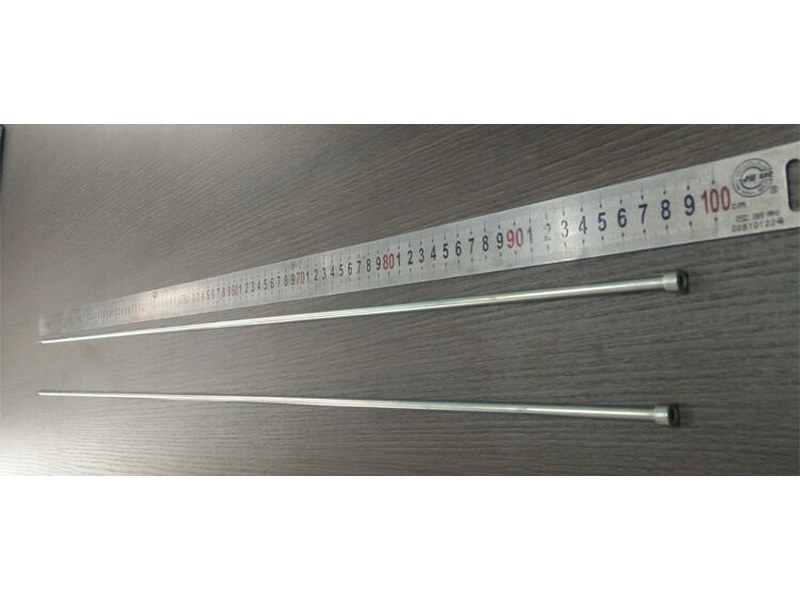
The recorded range is M1 to M14, with lengths made to the drawing. Custom lengths up to 2,000 mm are subject to DFM review after drawing submission. For anti theft screws the quotation carries head diameter and height, the slot form and depth, thread, the coating and the overall length.
| Item | How it is defined | What we control |
|---|---|---|
| Head | Low profile, flat top | Diameter, height and top edge |
| Slot | One-way S slot | Slant angle, depth and floor thickness |
| Thread | Machine thread | Pitch, length and start position |
| Coating | Dry film on the thread | Coverage band and film weight |
| Length | Overall, head included | Length tolerance and thread start |
| Material | Carbon steel 10B21 | Grade, heat treatment and hardness |
The slot angle is the number that decides whether the part works. Too shallow and the blade slips even when tightening; too steep and the screw can be backed off with a blade held at an angle. It is a small feature measured in degrees and tenths of a millimetre, and it is the one thing that separates a working one-way screw from a screw with a strange slot.
Height and head diameter are quoted together. A low head is the point, but there has to be enough material for the slot floor; the two numbers define a window rather than a preference.
Four features define anti theft screws, and each one is a trade:
| Feature | What it gives | What it costs |
|---|---|---|
| One-way slot | Tightens and will not release | Cannot be adjusted after assembly |
| Low profile head | Nothing to grip or lever | Harder to remove even for service |
| Dry film on thread | Predictable friction in one pass | Wears off if the screw is disturbed |
| Nickel plate | Hard, bright, wear resistant | No protection at a deep scratch |
| Hardened head | Resists a drill or a chisel | Less forgiving of a worn blade |
The value is deterrence at the right level. A member of the public with a screwdriver cannot open the joint; a technician with the right tool still can, which is what a maintenance regime needs. Used this way, anti theft screws are a practical part rather than a trick.
The cost is that the joint becomes single-use. Every one of these screws is destroyed or damaged when it is removed, so the specification has to accept that a service visit replaces the fasteners as well as the part.
The recorded finish is a nickel plate on the screw with a dry film on the thread. Nickel is hard and thin, so the slot keeps its edge and the head keeps its brightness without the coating filling the recess; the dry film is applied only to the thread, where it changes how the one pass seats.
| Option | How it protects | Effect on slot and thread | Typical use |
|---|---|---|---|
| Nickel plated, dry film | Hard bright barrier plus friction control | Slot as formed; thread coated | Public signage and covers |
| Black oxide | Conversion film, oiled | No measurable build | Dark hardware |
| Zinc plated | Sacrificial zinc | Build in slot; re-checked | Indoor general work |
| Zinc nickel | Alloy coating, higher salt resistance | Build noticeable; both gauged | Outdoor and coastal |
| Stainless, passivated | Passive film | Slot and thread as formed | Wet and marine |
Where the joint is outdoors and permanent, a heavier coating or a stainless version matters more than on an ordinary screw, because the screw will stay there for years and there is no way to clean or replace it quietly. A nickel plate on carbon steel is a good indoor finish and a poor coastal one.
The dry film is not a lubricant that survives assembly. It is there to make the single pass predictable; after that the joint either holds or it does not, and there is no second attempt to improve it.
Three assemblies where a one-way drive is the right level of protection:
| Where it sits | The screw holds a sign or a cover that the public can reach, where the joint only needs to resist casual removal. |
| When it goes wrong | The head is drilled out on site and the sign removed in minutes by someone determined. |
| Why it happens | The joint is exposed to the public, the fixing is visible, and the owner accepts that level of risk. |
| What we control | Slot angle and head hardness checked; first article driven and inspected. |
| Where it sits | The screw closes a cover on equipment that the public should not open but a technician must service. |
| When it goes wrong | The cover cannot be reopened without destroying the screws, and the service visit takes longer than planned. |
| Why it happens | The joint is public-facing, the contents are hazardous, and service is occasional. |
| What we control | Slot and thread checked; first article assembled and a removal method agreed. |
| Where it sits | The screw fixes a bezel or a panel on equipment that handles money or data and sits unattended. |
| When it goes wrong | The screws are replaced with ordinary ones during a repair and the protection is lost. |
| Why it happens | The joint is unattended, the panel is accessible, and the fasteners are the first line of defence. |
| What we control | Coating and slot checked; first article fitted with the service protocol agreed. |
Four reasons that matter on a one-way driven screw, each tied to something the drawing has to prove:
|
Slot angle and floor agreed
Slot slant, depth and head height are agreed as a set, because the one-way behaviour lives in the geometry of a very small feature. Basis: Slot angle and floor agreed. |
Formed, slotted and plated in one route
The low head and the slot are formed, the thread is rolled and the dry film is applied to the thread band before packing. Basis: One route from wire to coated screw. |
|
Slot proved with a blade
The slot is checked with a flat blade: it must drive one way and slip the other, which is a functional test rather than a dimension. Basis: Slot proved with a blade both ways. |
First article driven at your torque
The first article is driven at the customer torque on the real joint, because there is no second attempt in service. Basis: First article driven at joint torque. |
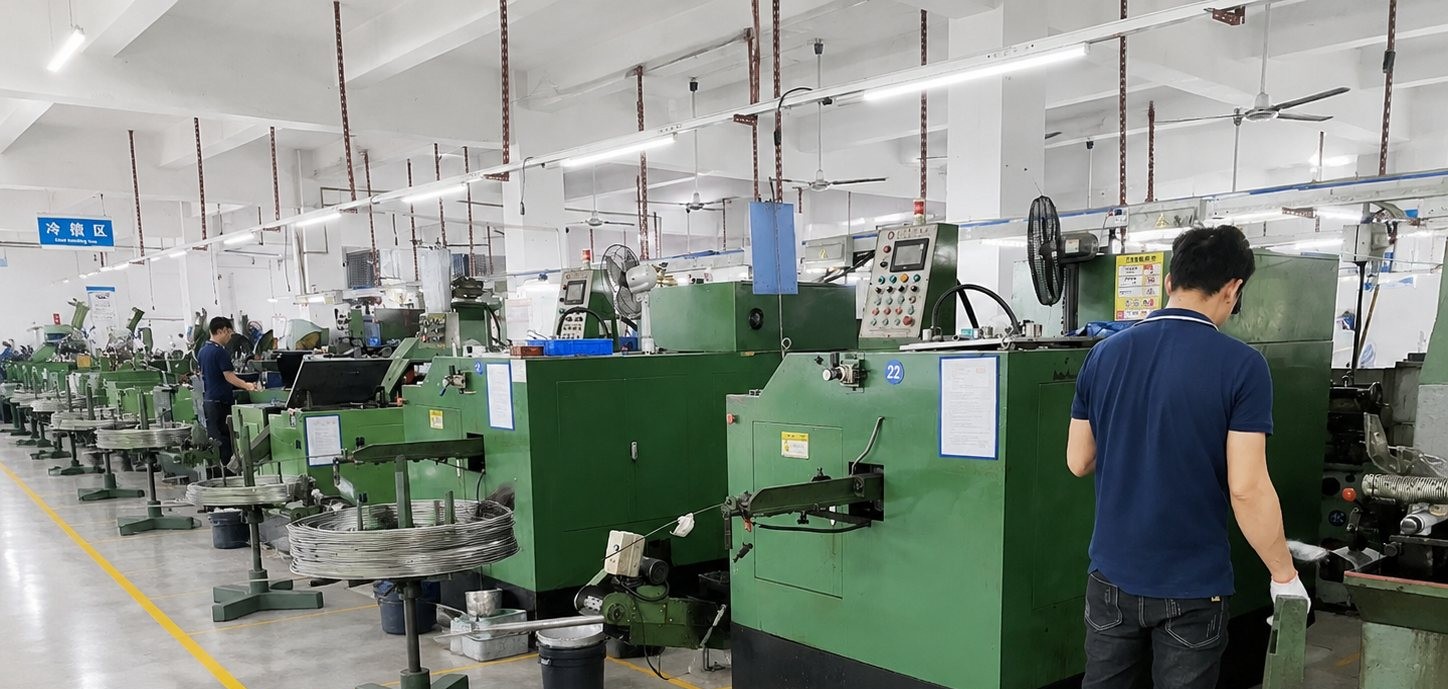
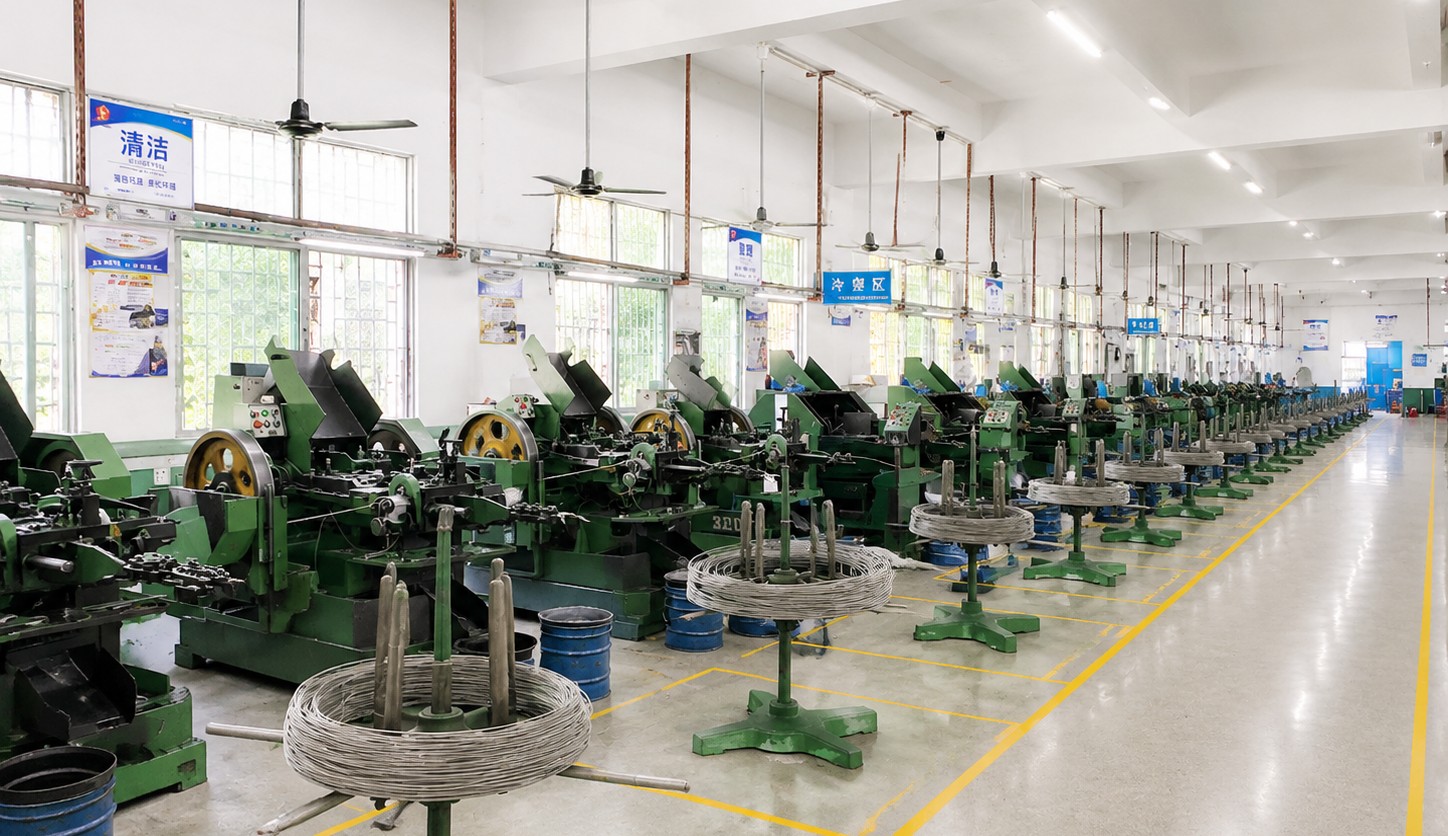
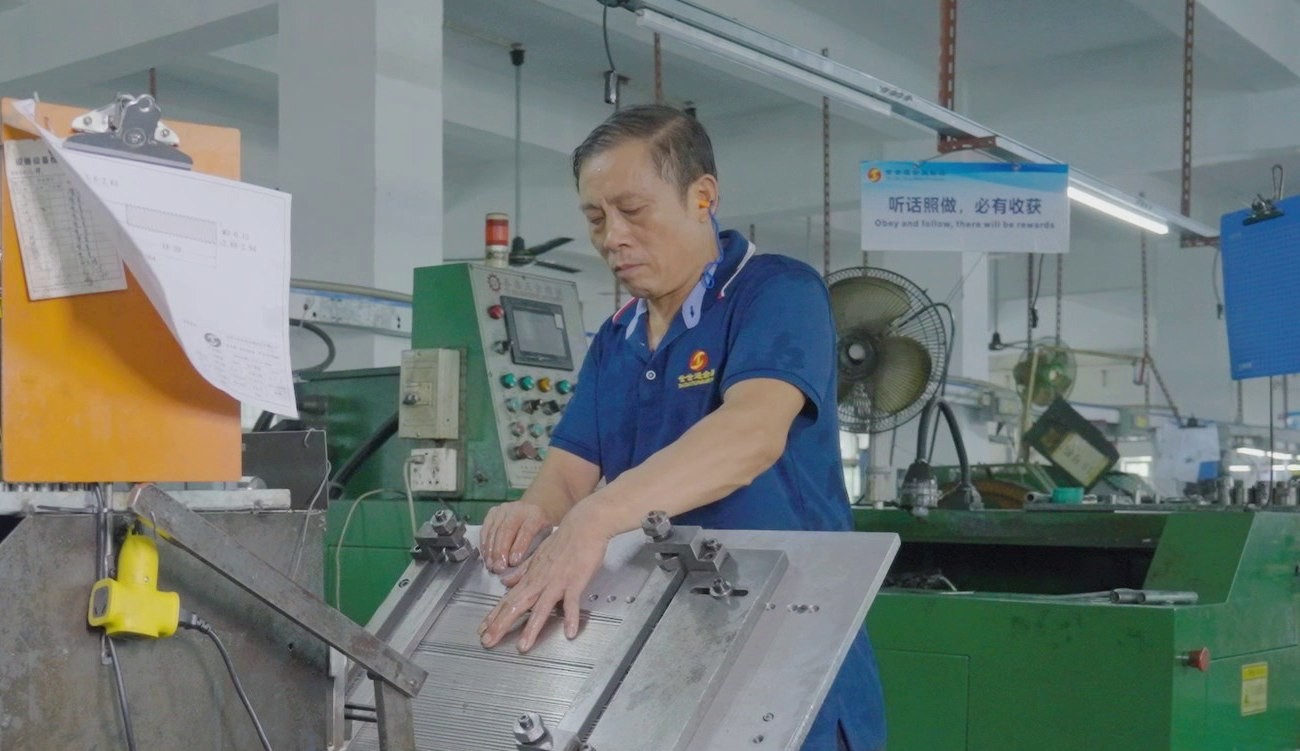
These screws are made on multi-station machines: the low head is formed, the one-way slot is cut, the thread is rolled and the part is heat treated and plated before the dry film is applied to the thread band. The first part of every run is measured on head, slot, thread, hardness and length, and the slot is also tested by hand with a blade.
|
|
Cutting the S slot is the step that defines the part. The tool has to leave one wall that a blade can drive against and one that it climbs, in a head only a few tenths thick; a cutter that has worn produces a slot that drives both ways, which passes every dimensional check and has no security value at all.
Heat treatment has to give the head enough hardness to resist a chisel and the thread enough toughness to be driven once without shearing. That balance is why the part is specified in a boron steel rather than in a plain mild steel, and why hardness is checked on a sample from each batch.
What decides whether anti theft screws pass is the slot, the head, the thread and the hardness. The inspection agreement covers those, and the criteria come from the drawing.
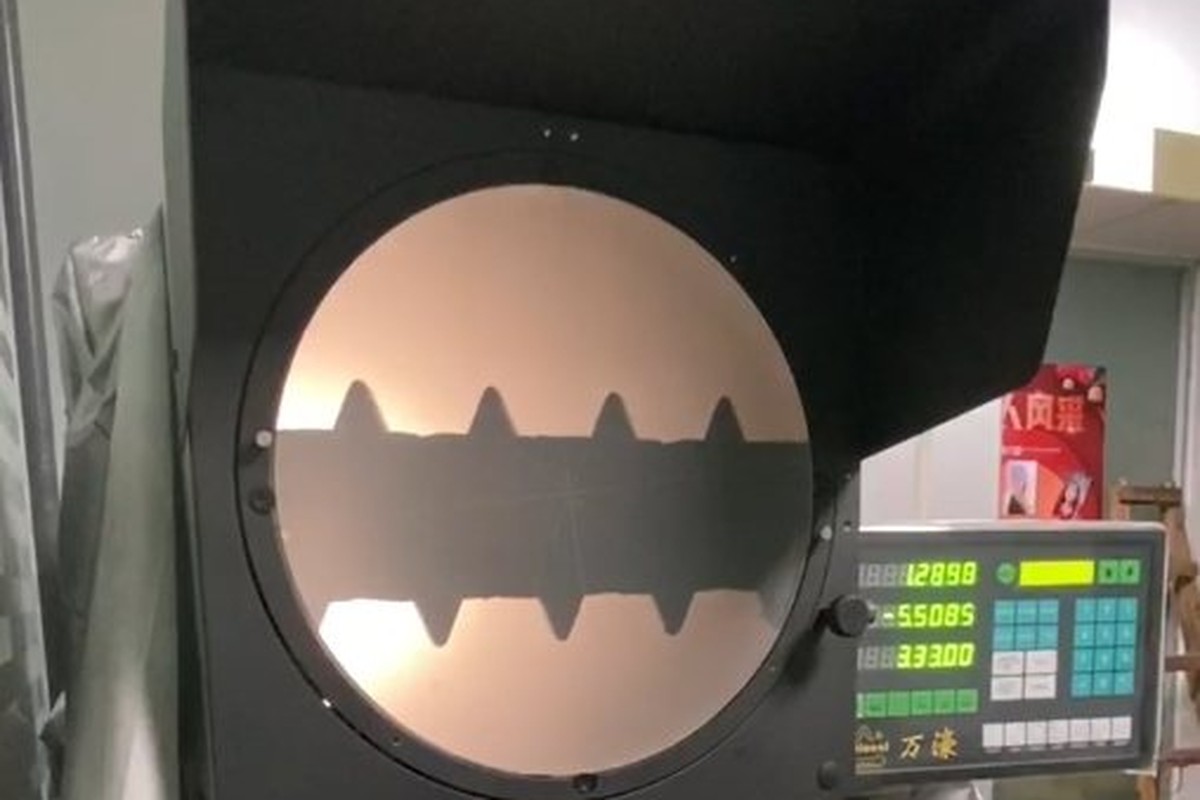
Head and slot on the projector |
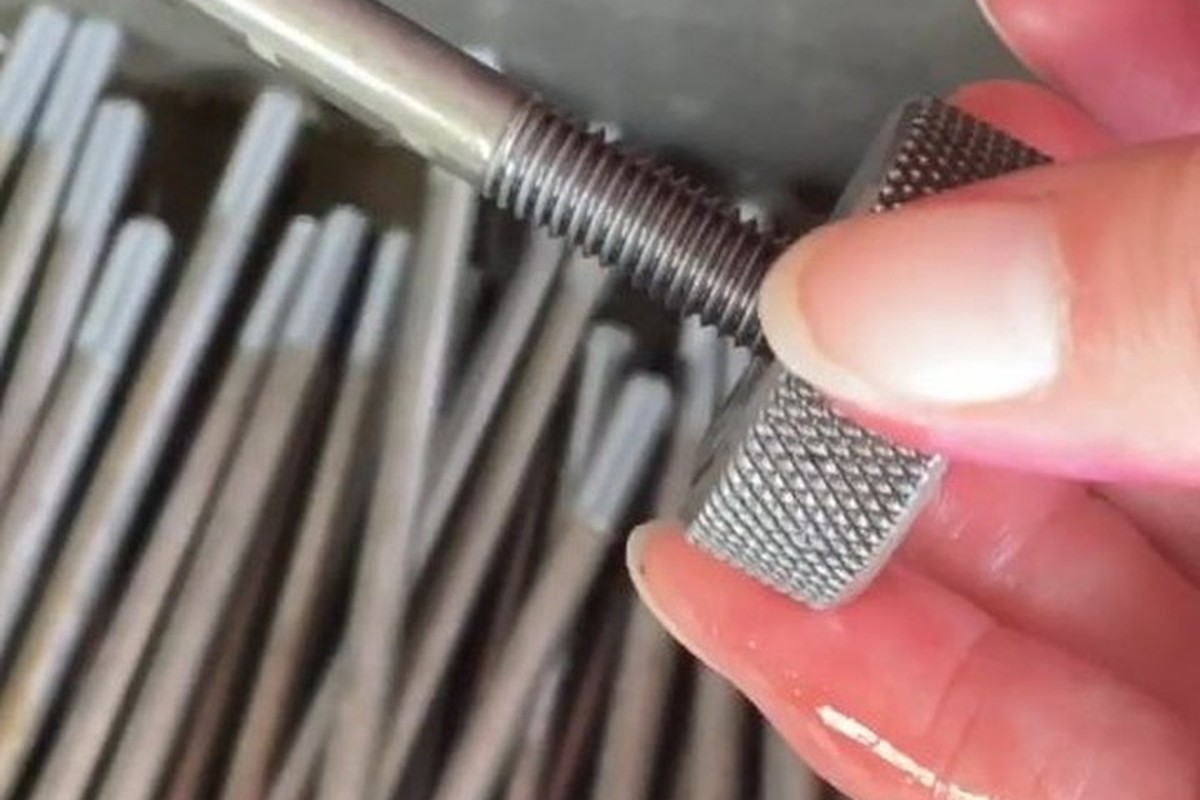
Thread and start checked |
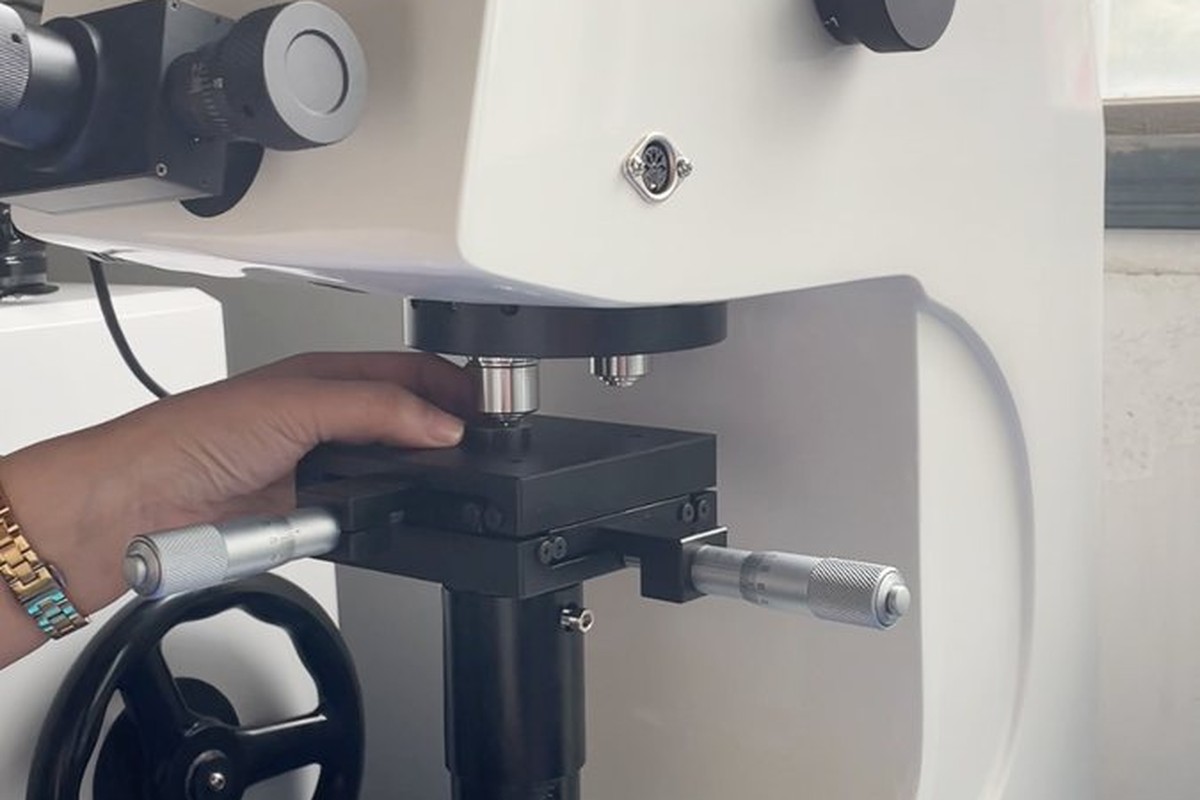
Head and core hardness |
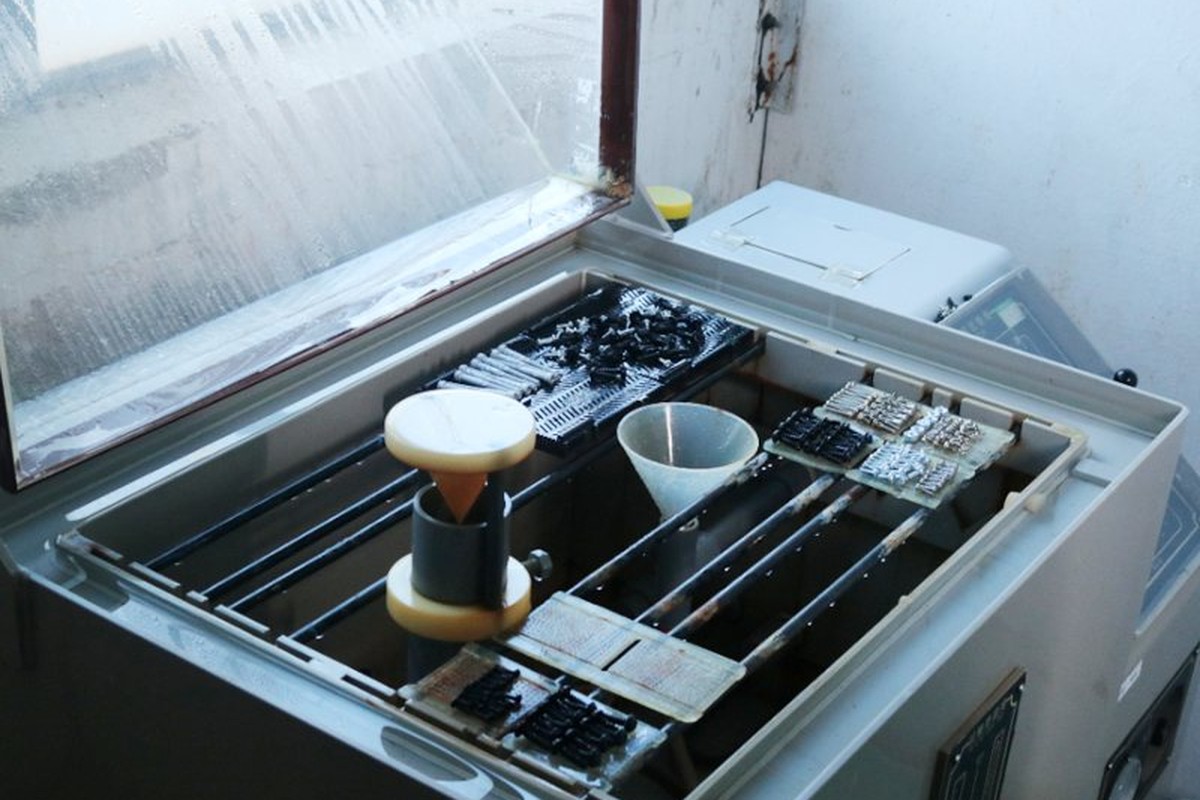
Salt-spray testing of the plating |
The slot is measured for slant, depth and floor thickness on a projector, and then tested by hand: a blade must drive the screw in and slip when turned back. That functional check is done on a sample from every batch, because the slot can pass every dimension and still drive both ways.
Hardness is checked on the head and on the core, and a sample is driven into the customer’s tapped part at the joint torque to confirm that the thread takes the single pass without shearing or stripping.
Every batch is traceable to the wire it was made from, the heat treatment lot and the plating lot. The grade and heat number appear on the material certificate supplied with the parts, and the inspection records follow the criteria agreed on the drawing.
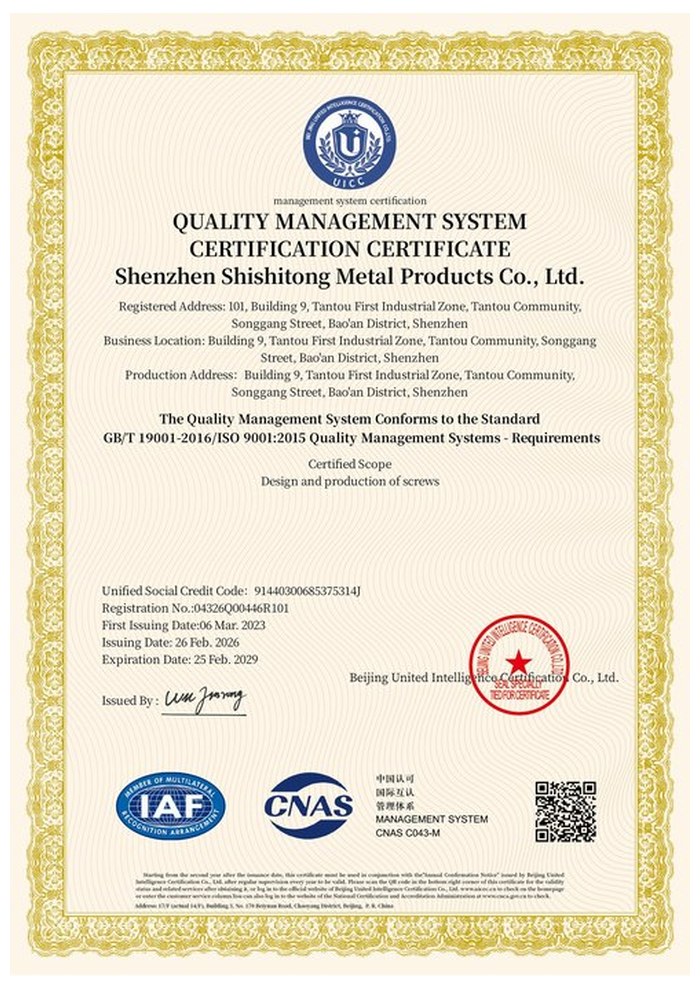
ISO 9001:2015 |
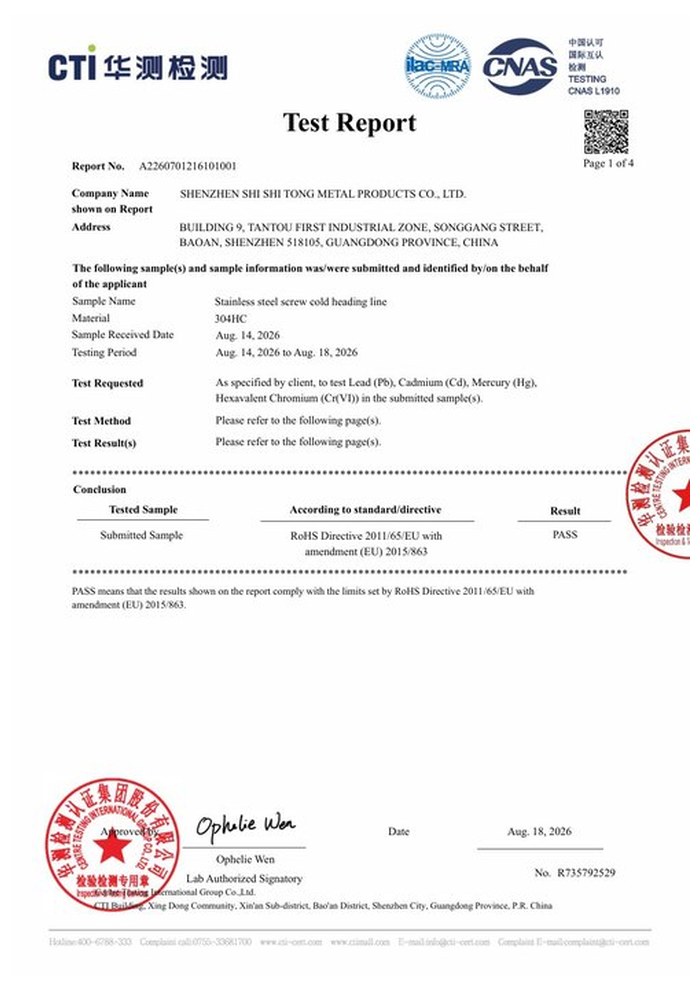
RoHS test report |
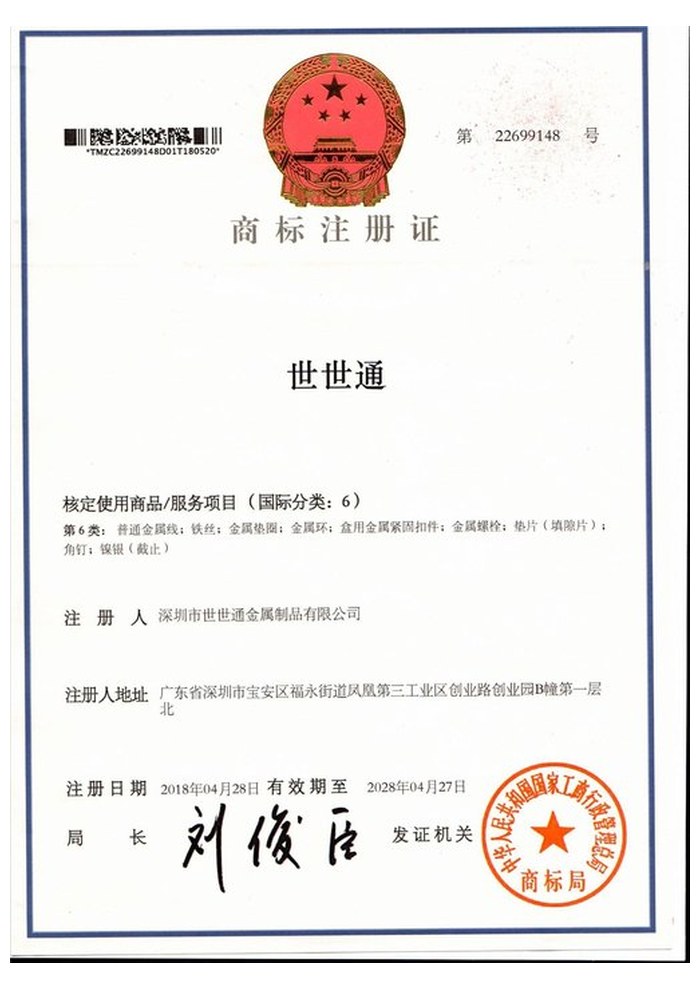
Registered trademark |
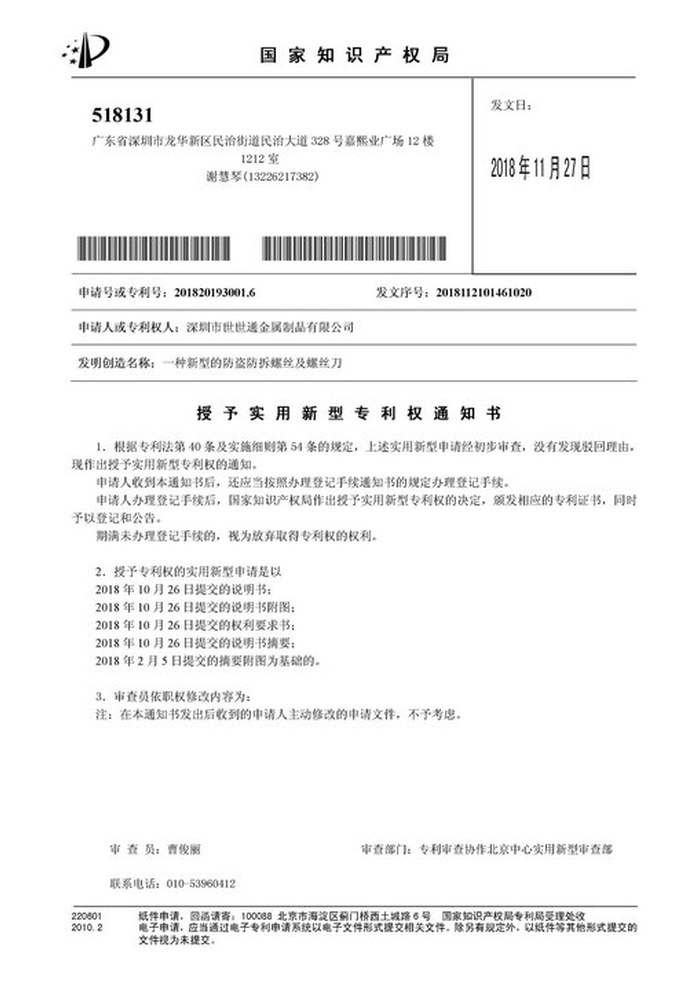
Patent: security screw and driver |
With each shipment we supply the material certificate, the inspection record for the dimensions on the drawing, the hardness record and, where the plating is specified, its thickness report. The documents carry the drawing revision and the batch number, so a repeat order keeps the same slot and the same hardness.
More than 8,678 customers in 89 countries and regions have ordered from Shi Shi Tong; 87% of orders come from repeat customers and 56% through referrals. Most projects follow the same route: drawing review, first-article approval, then batches checked against that sample. On anti theft screws the first article is driven at the joint torque, because the one-way drive gives no second attempt. Buyers visit during the process to review samples.
|
8,678+
customers served
|
87%
of orders from repeat customers
|
56%
of orders through referrals
|
89
countries and regions shipped to
|
Buyers and quality engineers visit for sample review, process discussion and supplier audits; the visit is arranged around production so the multi-station machines and the plating line can be seen on the day the parts run.

Customer group visit – sample review |

Customer group visit – process discussion |

Customer group visit – factory tour |

Customer visit – project kick-off |

Danish customer – drawing review |
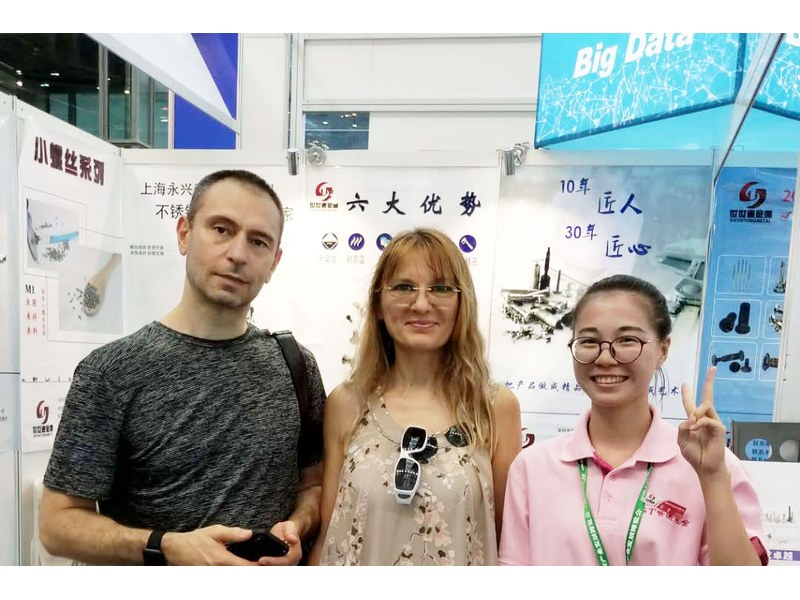
Industry exhibition – meeting customers |
The slot walls slant in the tightening direction, so a blade drives the screw in and slips out when turned back.
By drilling or with a dedicated extractor, and the screw is destroyed in the process. It deters casual removal, not a determined one.
Not in the thread. The head is hardened so it resists a chisel, but the joint strength is the same as any machine screw of the size.
To even out friction so the single assembly pass reaches the intended torque. There is no second attempt.
No. Once driven, the slot and the seat are set, and removal damages the head.
Head diameter and height, slot form and depth, thread pitch, length, material and hardness.
How an anti theft screw project runs from drawing to repeat delivery:
|
1
Send the drawing and the joint
|
→ |
2
Slot form and torque agreed
|
→ |
3
First article driven at joint torque
|
→ |
4
Batch production and repeat orders
|
Each step is confirmed with you before the next one starts; the drawing revision from the first article is what repeat orders are checked against.
For a quotation, send the drawing with the head diameter and height, the one-way slot form and depth, thread pitch, length, material and hardness.
|
Head size
|
Slot form
|
Slot depth
|
|
Thread pitch
|
Length
|
Hardness
|
Sending a drawing? The form below does not take attachments. Email the PDF, DXF or STEP file to sst@szsst88.com with the part name and quantity in the subject line – the drawing is reviewed and a quotation follows.

 +86 13143444311
 sst@szsst88.com