Tel:
+86 13143444311
Email:sst@szsst88.com
Fax:+0086-755-27322278
Address:Building 9, First Industrial Zone, Tantou Industrial City, Songgang Street, Baoan District, Shenzhen 518105, Guangdong, China
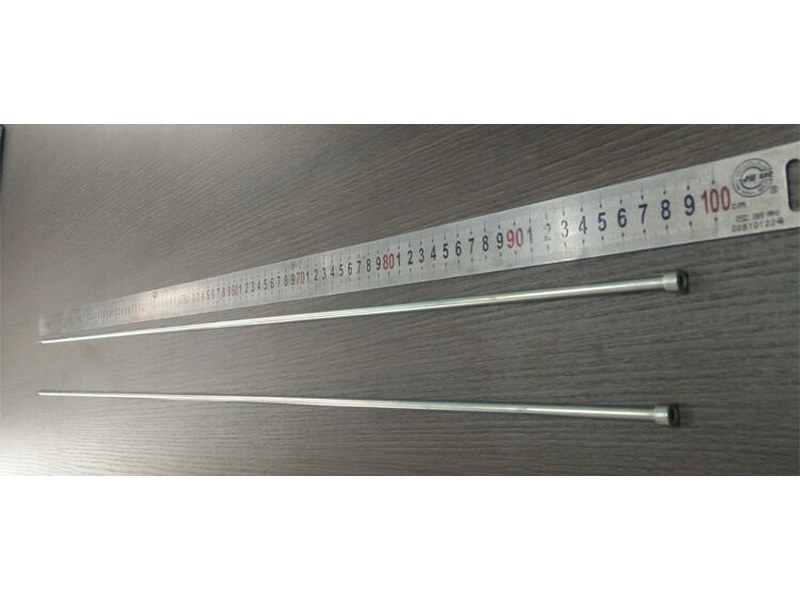
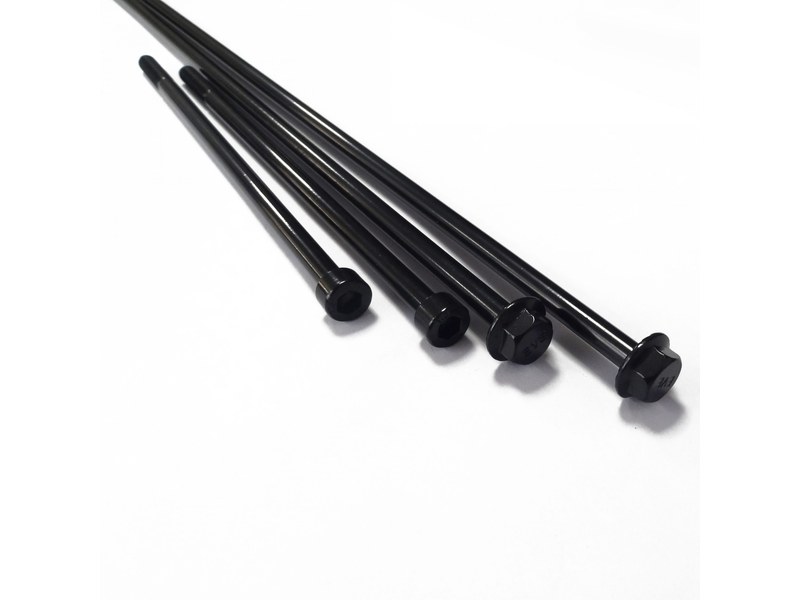
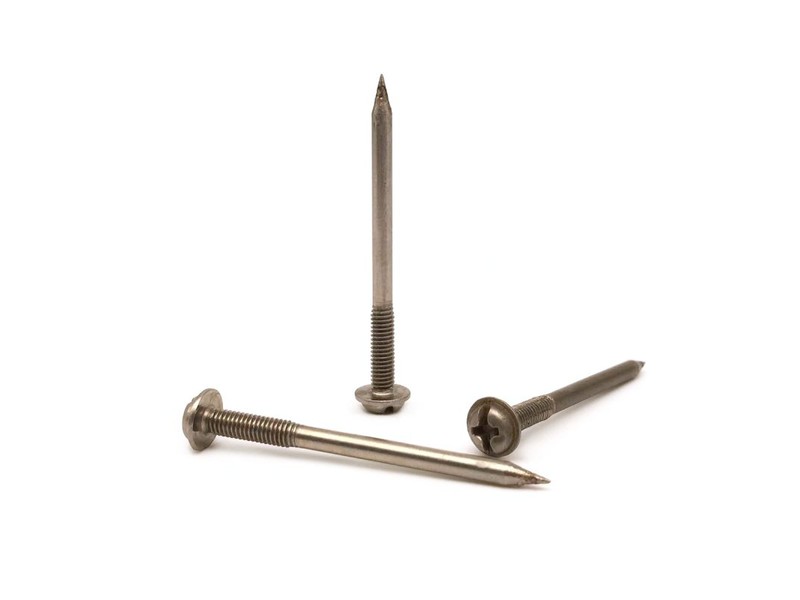
Type:5 Inch Long Screws Flange Hex Washer Head
Materials:Steel
Surface treatment:Color Zinc Plated
Head Type:Hex Washer Head
Drive:Phillips cross and external hex
Thread:Machine thread, half thread
Point:Blunt
Forming:Two-die heading
Size:M1 M2 M3 M4 M5 M6 M7 M8 M9 M10 M14
Number:240
We make 5 inch long screws with a serrated hex washer flange head, a Phillips recess and a half thread in colour zinc plated steel, quoted from M1 to M14. Flange, tooth form, lengths and finish come from your drawing, and the first article is fitted and checked for marks on your surface.
Watch the factory video·Email sst@szsst88.com
ISO 9001:2015 · Manufacturing since 1998 · 8,678+ customers · 89 countries and regions
Made to order – there is no stock catalogue. Each part is produced to your drawing, and production starts after drawing review and first-article approval.
These are long screws with a serrated flange under a hex head, a Phillips recess in the top of the hex and a half thread, in colour zinc plated steel, quoted from M1 to M14 with Number 240. A five inch long screw is about 127 mm, one of the longer common sizes in the family.
Serrated flange. A hex washer head whose bearing face carries small radial teeth that bite into the surface under the head.
Phillips recess in the hex. The head can be driven with a screwdriver or gripped with a wrench.
Half thread. The plain shank passes the joint and the thread engages only at the far end.
Colour zinc. A yellow-tinted zinc chromate over carbon steel, warmer and slightly more protective than white zinc in damp air.
A serrated flange is the head of choice where a long joint has to stay tight without extra parts: the flange spreads the clamp, the teeth lock it, and the two drives let the same screw be run down fast and finished hard. The question is always whether the surface can take the mark.
A serrated flange is three parts in one piece of metal: the flange spreads the clamp, the hex gives a wrench surface, and the teeth under the flange do the locking. When the screw is tightened the teeth bite into the surface and the joint resists loosening by vibration without a washer, a patch or a compound.
That is why a serrated flange part is filed as a self-locking fastener: the lock comes from the geometry. The teeth are small and radial, so they bite in whichever direction the surface is hardest, and they hold the screw against the small rotations that vibration produces. On a long screw the lock is worth more than on a short one, because a long shank has more spring in it and a loosening turn is easier to start.
The cost of a serrated flange is the mark. Teeth that bite into a surface leave marks: on painted panels a ring of small dents, on soft metals a set of scratches, on machined faces a texture that was not there before. Where the surface is visible or sealed, a plain flange is the right head and a serrated one is the wrong choice, even though they look the same from above.
The head also carries two drives, which is unusual and useful. The Phillips recess in the top of the hex lets an assembly station run the screw down with a driver; the hex lets the joint be finished with a wrench. On a long screw that combination matters, because the driver is fast and the wrench is what takes the final torque without the shank springing.
Colour zinc is the finish that goes with a serrated flange. It is a yellow chromate over a zinc deposit, applied to the whole part including the teeth, and it is thin enough that the teeth still bite. On a serrated flange it wears fastest exactly where the teeth contact, which is expected and is why the ring under the head dulls first on a used screw.
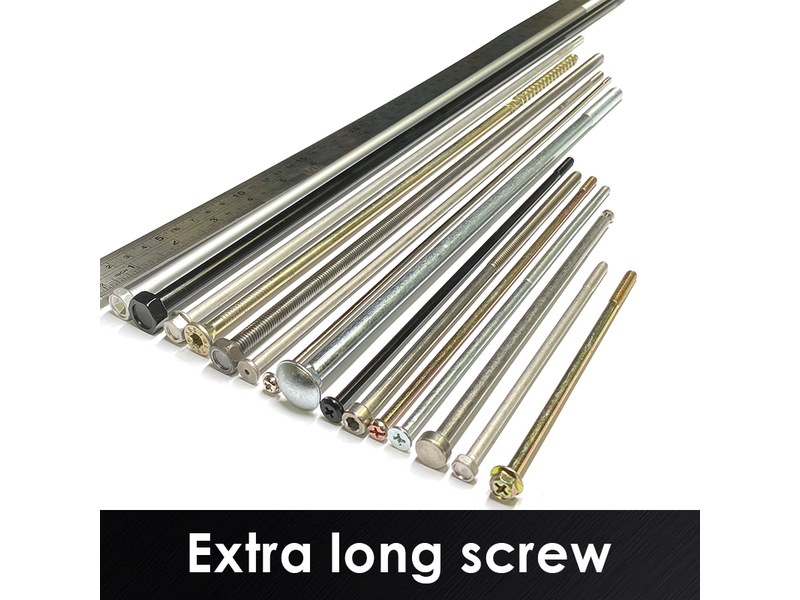
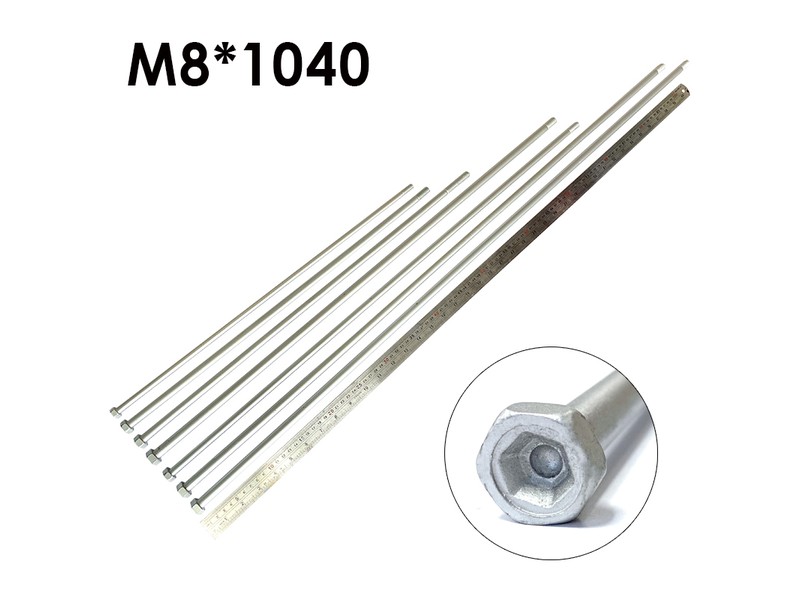
The recorded range is M1 to M14, with lengths made to the drawing; five inches is about 127 mm. Custom lengths up to 2,000 mm are subject to DFM review after drawing submission. For these long screws the quotation carries across flats, flange diameter and tooth form, head height, overall length, thread length and the finish.
| Item | How it is defined | What we control |
|---|---|---|
| Head | Hex washer head | Across flats, height and flange diameter |
| Flange | Serrated bearing face | Tooth height, pitch and sharpness |
| Recess | Phillips in the hex top | Recess size and depth |
| Shank | Plain section through the joint | Diameter and length |
| Thread | Machine thread, half thread | Pitch, length and gauging |
| Finish | Colour zinc plated | Thickness, colour and coverage on the teeth |
On a serrated flange the tooth form is what decides whether the lock works and whether the mark is acceptable. Coarse teeth bite deeper and hold better; fine teeth mark less and hold less. That trade belongs on the drawing rather than being left to the standard.
Thread length is quoted from the tip and plain length from the head. On a five inch screw the plain section is most of the part, and it is what passes through the clearance holes of the joint.
Three features define a serrated flange part: the teeth under the flange, the double drive and the length. The first locks, the second lets the same screw be driven fast and finished hard, and the third gives the reach.
| Feature | What it gives | What it costs |
|---|---|---|
| Serrated flange | Vibration lock without extra parts | Marks the surface it bites |
| Phillips in hex | Driver or wrench on the same head | Shallow recess, limited driver torque |
| Long shank | Reaches through a spacer or frame | Twists under driving torque |
| Half thread | Front part stays unthreaded | Both lengths must be specified |
| Colour zinc | Warm tone, better damp-air life | Cosmetic variation between batches |
The lock is the reason a serrated flange is specified over a plain flanged head. Where a joint is subject to vibration and cannot take a thread compound or a nylon patch, teeth that bite into the surface are the simplest mechanical answer.
The double drive of a serrated flange is the reason it is practical on a line. The recess runs the screw down, the wrench takes the final torque against the sprung shank, and the same head does both without a tool change on the part.
The recorded finish is colour zinc plating over carbon steel: a zinc deposit with a yellow-olive chromate. It is sacrificial, it gives slightly better protection than white zinc in damp air, and the colour is warmer, which suits the kind of machinery and furniture these screws are used on.
| Option | How it protects | Effect on teeth and thread | Typical use |
|---|---|---|---|
| Colour zinc plated | Zinc plus yellow chromate | Thin; teeth still bite | Furniture and general machinery |
| White zinc plated | Zinc plus clear chromate | Thin; teeth still bite | Indoor assemblies |
| Black zinc plated | Zinc plus dark chromate | Thin; wear visible | Dark housings |
| Dacromet | Inorganic zinc-aluminium layer | Thick; can blunt the teeth | Wet outdoor assemblies |
| Stainless alternative | Passive film, no build | Teeth as formed | Wet and food service |
Where a serrated flange works in a wet joint, a thick coating works against the teeth: Dacromet is a heavy layer and can blunt the bite that the head was chosen for. A stainless serrated flange has no coating to blunt and is the better specification for a damp joint that still needs locking.
On a serrated flange the colour of the plating has to be controlled where the part is visible. Colour zinc varies slightly between batches, and a set of screws from two batches on the same panel will show it; one batch and one passivation run is the way to keep them matched.
Three assemblies where a serrated flange long screw is the fixing:
| Where it sits | The screw joins a frame member at a distance where the fixing must not work loose with use and the head is visible. |
| When it goes wrong | The teeth mark a lacquered surface, or a plain flange lets the joint loosen. |
| Why it happens | The joint is long, it is handled, and vibration is present. |
| What we control | Tooth form checked against the surface; first article fitted and inspected for marks. |
| Where it sits | The screw holds a bracket or a guard on equipment that vibrates, where a locking compound cannot be applied on the line. |
| When it goes wrong | A plain head loosens and the guard rattles within a few days. |
| Why it happens | The joint vibrates, it is assembled dry, and the head is accessible. |
| What we control | Teeth and torque checked; first article run on the machine. |
| Where it sits | The screw spans a gap and clamps a coated panel where the flange spreads the load and the teeth supply the lock. |
| When it goes wrong | The teeth cut through the coating and start corrosion at the ring. |
| Why it happens | The panel is coated, the joint vibrates, and the lock is needed. |
| What we control | Tooth form and coating checked; witness marks reviewed on the first article. |
Four reasons that matter on a serrated flange part, each tied to what the drawing has to prove:
|
Tooth form and flange agreed
Flange diameter, tooth height and pitch, across flats and socket are agreed as a set, because the teeth have to lock without marking more than the surface allows. Basis: Tooth form and flange agreed. |
Headed, threaded, plated in one route
The hex, flange and teeth are formed in one strike, the half thread rolled and the parts colour zinc plated within one route. Basis: One route from wire to plated screw. |
|
Teeth and flange checked
The teeth are checked for height and sharpness and the flange for flatness, because a blunt tooth looks the same and locks nothing. Basis: Teeth and flange checked. |
Colour and teeth recorded
The plating colour and the tooth form are recorded from the first article, so a repeat order matches both the lock and the look. Basis: Colour and teeth recorded. |
Shi Shi Tong makes these long screws on two-die headers that form the hex and the serrated flange in one strike, then draw the long shank, roll the half thread and colour zinc plate the parts. The first part of every run is measured on across flats, flange diameter, tooth height, overall length and thread before the batch continues.


|

|
On a serrated flange the teeth are where the head is decided. They are formed by a punch that presses them into the flange face, and a punch that is slightly worn leaves teeth that are rounded at the crest; the head still looks serrated, and it locks less than half as well.
What decides whether these long screws pass is the teeth, the flange, the head and the thread. The inspection agreement covers those, and the criteria come from the drawing.

Flange and teeth on the projector |

Thread gauged after plating |

Hardness checked on the wire |

Coating proved by salt spray |
On a serrated flange the teeth are checked for height and sharpness under magnification, the flange for diameter and flatness, and the hex for across flats and height. The thread is gauged after plating, and the coating is checked for thickness and colour against the sample.
The first article is tightened onto a sample of the customer’s surface, then released and examined for the mark. That is the check that decides whether the tooth form is acceptable: a serrated flange that locks and also scars the panel is a part the customer will reject, and only the trial shows it.
Every shipment of these long screws is traceable to the wire it was made from and to the plating batch. The grade and heat number are recorded on the material certificate supplied with the parts, and the inspection records follow the criteria agreed on the drawing.

ISO 9001:2015 |

RoHS test report |

Registered trademark |

Patent: security screw and driver |
With each batch we supply the material certificate, the inspection record for the criteria on the drawing and, where it is listed, the third-party report for the coating. The documents carry the drawing revision and the batch number, so a repeat order keeps the same teeth and the same colour.
More than 8,678 customers in 89 countries and regions have ordered from Shi Shi Tong; 87% of orders come from repeat customers and 56% through referrals. Most projects follow the same route: drawing review, first-article approval, then batches checked against that sample. On a serrated flange screw the first article is tightened onto the customer’s own surface and inspected for the mark, because the lock and the scar come from the same teeth. Buyers visit during the process to review samples.
|
8,678+
customers served
|
87%
of orders from repeat customers
|
56%
of orders through referrals
|
89
countries and regions shipped to
|
Buyers and quality engineers visit for sample review, process discussion and supplier audits; the visit is arranged around production so the two-die headers and the plating line can be seen on the day the parts run.

Customer group visit – sample review |

Customer group visit – process discussion |

Customer group visit – factory tour |

Customer visit – project kick-off |

Danish customer – drawing review |

Industry exhibition – meeting customers |
They bite into the surface under the flange and resist the small rotations that vibration produces, so the joint locks without a washer or a compound.
Yes. A serrated flange leaves a ring of small dents or scratches. On a visible or coated surface a plain flange is the better choice.
The Phillips runs the screw down quickly; the hex takes the final torque with a wrench, which matters on a long sprung shank.
About 127 mm. The thread sizes in this family are metric, from M1 to M14.
Colour zinc is thin and sacrificial. It wears first at the teeth, which is where the contact is, and the zinc beside it still protects.
Across flats and head height, flange diameter, tooth height and pitch, recess, overall length, thread length and the finish.
How a serrated flange long screw project runs from drawing to repeat delivery:
|
1
Send the drawing and the surface it bites
|
→ |
2
Tooth form, flange and lengths agreed
|
→ |
3
First article fitted and checked for marks
|
→ |
4
Batch production and repeat orders
|
Each step is confirmed with you before the next one starts; the drawing revision from the first article is what repeat orders are checked against.
For a quotation, send the drawing with the across flats and head height, flange diameter, tooth height and pitch, recess, overall length, thread length and the finish.
|
Head A/F
|
Flange diameter
|
Tooth form
|
|
Overall length
|
Thread length
|
Finish
|
Sending a drawing? The form below does not take attachments. Email the PDF, DXF or STEP file to sst@szsst88.com with the part name and quantity in the subject line – the drawing is reviewed and a quotation follows.

 +86 13143444311
 sst@szsst88.com