Tel:
+86 13143444311
Email:sst@szsst88.com
Fax:+0086-755-27322278
Address:Building 9, First Industrial Zone, Tantou Industrial City, Songgang Street, Baoan District, Shenzhen 518105, Guangdong, China
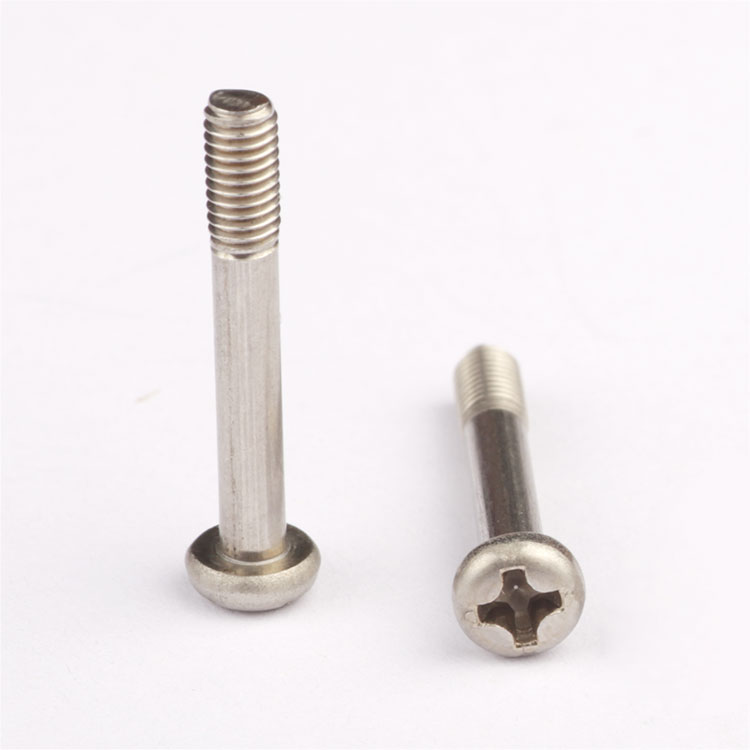
Type:Stainless Steel Bolts
Materials:Stainless Steel
Surface treatment:Plain
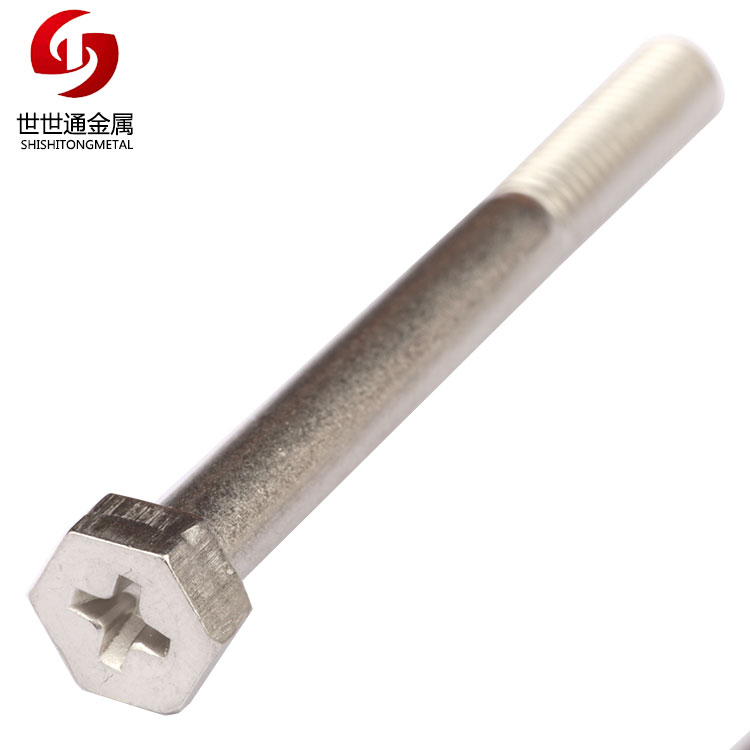
Head Type:Hexagon head with recess
Drive:External hex and Phillips cross
Thread:Machine thread
Point:Plain, chamfered
Forming:Formed and turned; recess cut
Size:M1 M2 M3 M4 M5 M6 M7 M8 M9 M10
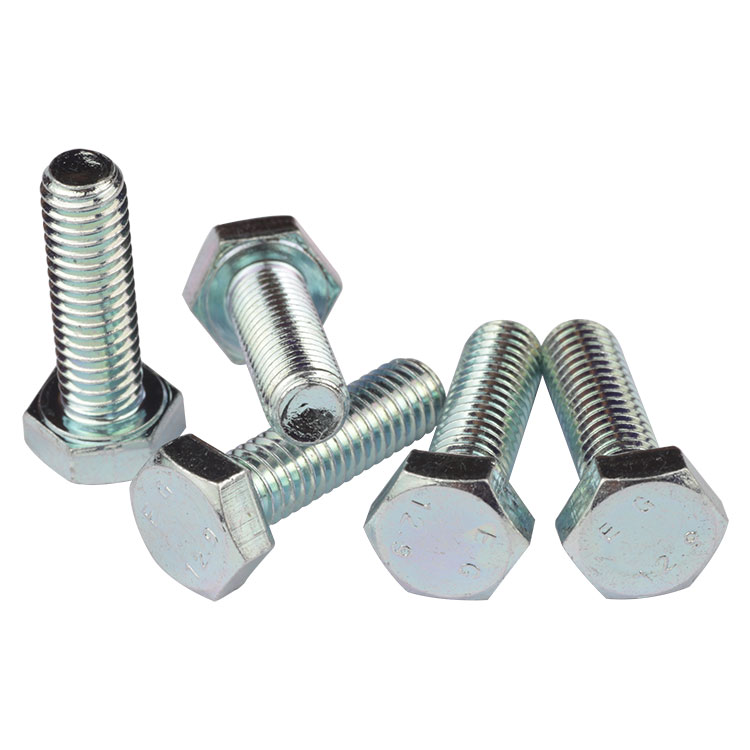
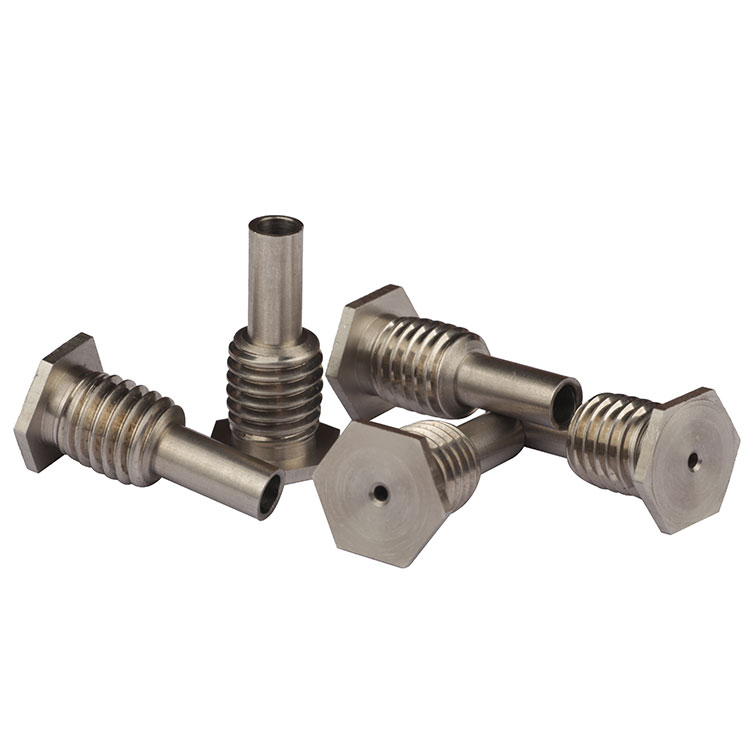
We make stainless steel bolts with a hexagon head that also carries a Phillips recess, quoting head, recess and thread to the drawing. The cross runs the bolt down where a wrench cannot swing and the hex takes the final torque, so the head and recess are agreed together.
Watch the factory video·Email sst@szsst88.com
ISO 9001:2015 · Manufacturing since 1998 · 8,678+ customers · 89 countries and regions
Made to order – there is no stock catalogue. Each part is produced to your drawing, and production starts after drawing review and first-article approval.
Stainless steel bolts are threaded fasteners in a stainless grade, used where a joint has to be tightened hard and stay free of rust. The part recorded here is stainless steel left plain, with a hexagon head that also carries a Phillips recess, quoted in metric sizes from M1 upward.
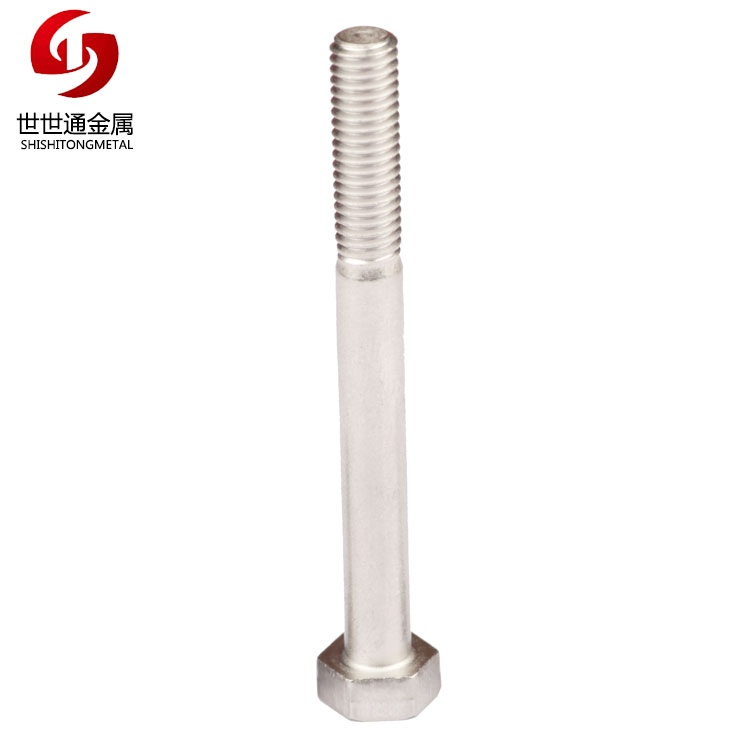
Hexagon head. Six flats for a wrench or a socket, which is where the final torque is applied.
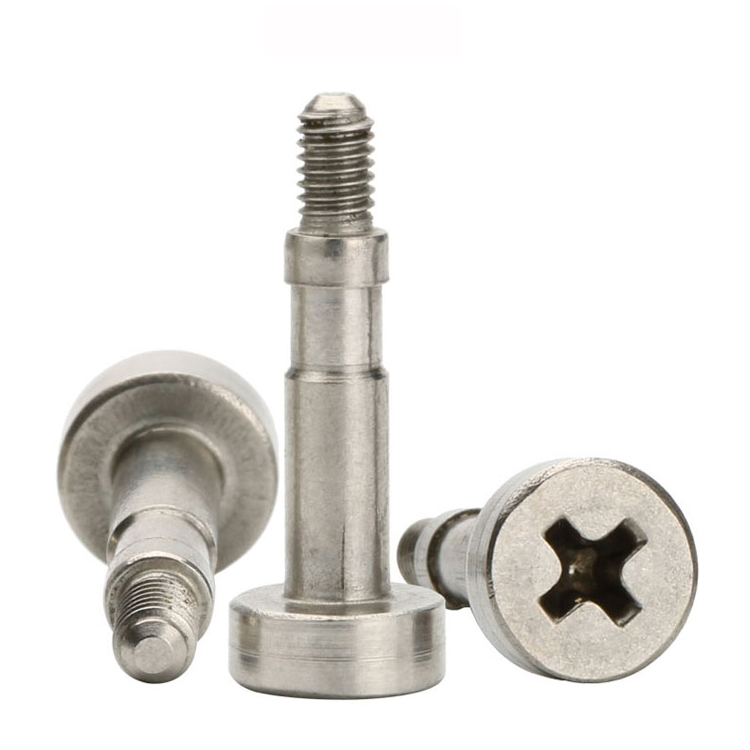
Phillips recess. A cross in the top of the head, so a screwdriver can drive the bolt where a wrench cannot swing.
Machine thread. A thread engaged by a nut or a tapped hole, with the joint developed across the parts.
They are used where access is awkward on one side of a joint and where the fastener has to look consistent on stainless hardware, and where the head will stay exposed for years with the recess still working after years of exposure and handling.
A hexagon head with a cross in its top is a compromise that solves an access problem. The hexagon needs room for a wrench to swing, and on a recessed or crowded joint there is often no room. The cross needs only a driver coming down the axis, so the same bolt can be started and run down in places where a socket cannot be applied, and then finished with a wrench where there is room.
That is the practical case for the dual drive. It is not about strength; it is about getting the fastener into position in an assembly where the approach is blocked. On a bracket close to a wall, or a bolt sunk in a recess, the cross is the only drive that reaches.
The compromise has costs. A recess cut into a hexagon head removes material from the centre of the head, which is the section that resists the bending that a misaligned wrench applies. And the recess is a pocket: on outdoor or wash-down equipment it holds water and debris, which is exactly where stainless is most likely to pit.
There is also a sequence question. If the cross is used for the final torque it will round out long before the bolt is tight; if it is used only to run the bolt down and the hex is used for torque, the recess lasts. The drawing should say which, because the two are not interchangeable in use.
The material and finish complete the part. Stainless needs no coating, so the recess stays at its cut size and there is no plate to wear away in it; the head keeps its appearance, and the recess is the only place where geometry can change with use.
The part is quoted to the drawing with the head, the recess and the thread stated separately. Custom lengths up to 2,000 mm, subject to DFM review after drawing submission. The quotation for stainless steel bolts carries the head across flats and height, the recess size and depth, the thread, the length and the clearance around the head.
| Item | How it is defined | What we control |
|---|---|---|
| Head | Hexagon head | Across flats, height and bearing face |
| Recess | Phillips in the top | Size, depth and edge |
| Thread | Machine thread | Size, pitch and coverage |
| Length | Under the head | Length and cut end |
| Clearance | Around the head | Wrench swing agreed |
| Mating part | Nut or tapped hole | Grade and pitch agreed |
On stainless steel bolts the head across flats sets the wrench and the torque available; the recess size is chosen so that the driver fits without thinning the head walls. The two dimensions have to be agreed together because the recess is cut out of the head, not added to it.
The recess depth is limited by the head height. On a standard hexagon head there is enough material for a usable cross, but the depth is set so the remaining section still carries the wrench torque.
The thread and the mating part are agreed as a pair. On a bolted joint the clamp is developed across the parts, so the nut and the engagement are part of the specification.
Four properties decide stainless steel bolts of this form, and each one carries a cost:
| Property | What it gives | What it costs |
|---|---|---|
| Hexagon head | Wrench torque | Needs swing clearance |
| Phillips recess | Access where a wrench cannot reach | Removes material and traps debris |
| Stainless body | No rust without a coating | Galling on stainless threads |
| Machine thread | A defined clamp | Needs a nut or tapped hole |
The value of a stainless steel bolt of this form is a fixing that can be installed where the approach is blocked on one side, and still finished with a wrench where there is room, on hardware that will not rust.
The cost is the pocket. Any recess in an exposed head is a place for water and dirt, and the section removed from the head is the section that resists wrench bending, so the head has to be specified with both in mind.
The recorded finish is plain stainless steel. On a hexagon head that keeps the flats at their size and the recess at its depth, and it avoids a plate that would have to be kept out of a cross cut into a head.
| Option | How it protects | Effect on head and recess | Typical use |
|---|---|---|---|
| Plain, passivated | Passive film, no coating | Flats and recess as cut | Exposed stainless joints |
| Passivated 316 | Higher alloy passive layer | No build; better in chlorides | Coastal and wash-down |
| Dry film lubricant | Low-friction film | Thin; reduces galling | Serviced joints |
| Nickel plated steel | Hard bright barrier | Build; recess re-gauged | Cost-driven indoor work |
| Black oxide | Conversion film, oiled | No measurable build | Dark mechanisms |
On stainless steel bolts the finish question is about what collects in the recess. A plain stainless head has no coating to break down, so the recess stays clean and the driver still fits after exposure; a plated head can lose its plate inside the cross and then pit there.
Where the joint is serviced, a dry film lubricant on the thread is more useful than a coating on the head, because galling at the nut is what stops a stainless joint reaching its clamp.
Three assemblies where the approach is blocked on one side:
| Where it sits | The bolt sits in a recess where a socket cannot be fitted squarely, and the joint still has to be tightened. |
| When it goes wrong | The recess rounds out, or the bolt is left slack because the wrench could not reach. |
| Why it happens | The cross was used for final torque instead of only for running the bolt down. |
| What we control | Recess proved with the driver; first article installed in the recess. |
| Where it sits | The bolt holds a fitting that is exposed to rain where a plated head would rust in the cross. |
| When it goes wrong | Rust or pitting appears in the recess, or the joint seizes. |
| Why it happens | The grade is not suitable for the exposure, and the recess holds water. |
| What we control | Grade confirmed on the certificate; first article exposed and inspected. |
| Where it sits | The bolt holds guards that are removed during maintenance, often with one hand and one tool. |
| When it goes wrong | The guard is hard to remove, or the heads round. |
| Why it happens | The recess is worn, and the wrench cannot swing. |
| What we control | Head and recess checked; first article fitted and removed with the customer tools. |
Four reasons that matter on a head that carries two drives, each tied to something the drawing or the first article proves. All four show in the sample.
|
Head and recess agreed together
The drawing states the across flats and the recess size together, because the recess is cut out of the head rather than added to it. Basis: Head and recess dimensioned. |
Recess cut in a finished head
The recess is cut after the head is formed, so its depth is measured from the surface the driver meets. Basis: Recess depth controlled. |
|
Both drives used
The first article is run down with the cross and finished with the wrench, because the sequence is part of the joint. Basis: Both drives proved. |
Same recess on repeat runs
Head, recess and grade are recorded with the drawing revision, so a repeat batch drives the same way. Basis: Same limits across orders. |
These bolts are formed and turned from stainless bar, with the hexagon head formed, the bearing face machined, the recess cut and the thread cut; the parts are cleaned, passivated and inspected. The first piece of every run is measured on head across flats and height, recess size and depth, thread and length.


|

|
On stainless steel bolts the recess is the operation that decides whether the dual drive works. It is cut after the head is formed, and its depth is set from the head height so the remaining section still carries the wrench torque. A recess that is too deep leaves a head that distorts under a socket; one that is too shallow stops the driver from engaging.
The head is measured across flats and the bearing face machined square to the thread, because the face carries the clamp. On a part that will be tightened with a wrench, that face has to be flat rather than close to flat.
The thread is cut, and the parts are passivated. Every batch is checked with the driver and the wrench, since the joint depends on both fitting.
What decides whether stainless steel bolts pass is the head, the recess and the thread. The inspection agreement covers those, and the criteria come from the drawing.

Head and recess on the projector |

Thread and start checked |

Material checked |

Salt-spray testing where a coating is used |
The head is measured across flats and for height, and the corners are checked for a burr. A burr at a corner stops the socket seating fully, and the wrench then rounds the head instead of turning the bolt.
The recess is measured for depth and width and checked with the matching driver. On a hexagon head the recess takes material from the centre, so a recess that is too deep shows as a head that distorts under a socket test.
On stainless steel bolts the thread is gauged and a sample is assembled with the mating nut and tightened with the wrench. That test shows whether both drives can be used in sequence, which is the property the part was chosen for.
Every batch of stainless steel bolts is traceable to the bar it was made from and to the passivation lot that finished it. The grade and heat number appear on the material certificate supplied with the parts, and the dimensional results are recorded against the drawing revision.

ISO 9001:2015 |

RoHS test report |

Registered trademark |

Patent: security screw and driver |
With each shipment we supply the material certificate, the inspection record for the dimensions on the drawing, including the recess and head, and the passivation record. The records carry the drawing revision and the batch number, so a repeat order of stainless steel bolts drives and tightens the same way.
More than 8,678 customers in 89 countries and regions have ordered from Shi Shi Tong; 87% of orders come from repeat customers and 56% through referrals. Most projects follow the same route: drawing review, first-article approval, then batches checked against that sample. On a dual-drive part the first article is installed in the customer’s joint with both tools. Buyers visit during the process to review samples.
|
8,678+
customers served
|
87%
of orders from repeat customers
|
56%
of orders through referrals
|
89
countries and regions shipped to
|
Repeat orders of stainless steel bolts are checked against the same first article, so a recess proved once is reproduced. Buyers and quality engineers visit for sample review, process discussion and supplier audits; the visit is arranged around production so the machining cell and the inspection bench can be seen on the day the parts run.

Customer group visit – sample review |

Customer group visit – process discussion |

Customer group visit – factory tour |

Customer visit – project kick-off |

Danish customer – drawing review |

Industry exhibition – meeting customers |
So the bolt can be run down where a wrench cannot swing. The hex is used for the final torque.
No. It rounds out long before the joint is tight. The sequence is cross to run down, wrench to tighten.
It removes material from the centre, so the depth is limited to keep the section that resists wrench bending.
It can collect water and debris. Plain stainless avoids a coating breaking down inside the cross.
No coating to wear out of the recess and no rust on a visible head, on hardware that is handled.
Across flats and head height, recess size and depth, thread and length, grade, and the mating nut.
How a stainless steel bolt project runs from drawing to repeat delivery:
|
1
Send the drawing and the clearance
|
→ |
2
Head, recess and thread agreed
|
→ |
3
First article installed with both tools
|
→ |
4
Batch production and repeat orders
|
Each step is confirmed with you before the next one starts; the drawing revision from the first article is what repeat orders are checked against.
For a quotation, send the drawing with the head across flats and height, recess size and depth, thread and length, grade, and the clearance around the head.
|
Head AF
|
Head height
|
Recess
|
|
Thread
|
Length
|
Clearance
|
Sending a drawing? The form below does not take attachments. Email the PDF, DXF or STEP file to sst@szsst88.com with the part name and quantity in the subject line – the drawing is reviewed and a quotation follows.

 +86 13143444311
 sst@szsst88.com