Tel:
+86 13143444311
Email:sst@szsst88.com
Fax:+0086-755-27322278
Address:Building 9, First Industrial Zone, Tantou Industrial City, Songgang Street, Baoan District, Shenzhen 518105, Guangdong, China
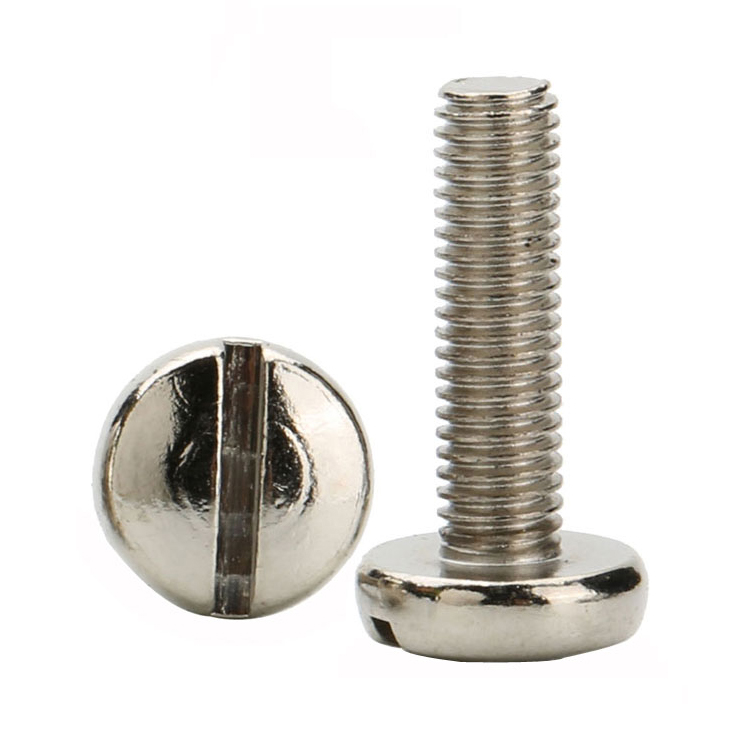
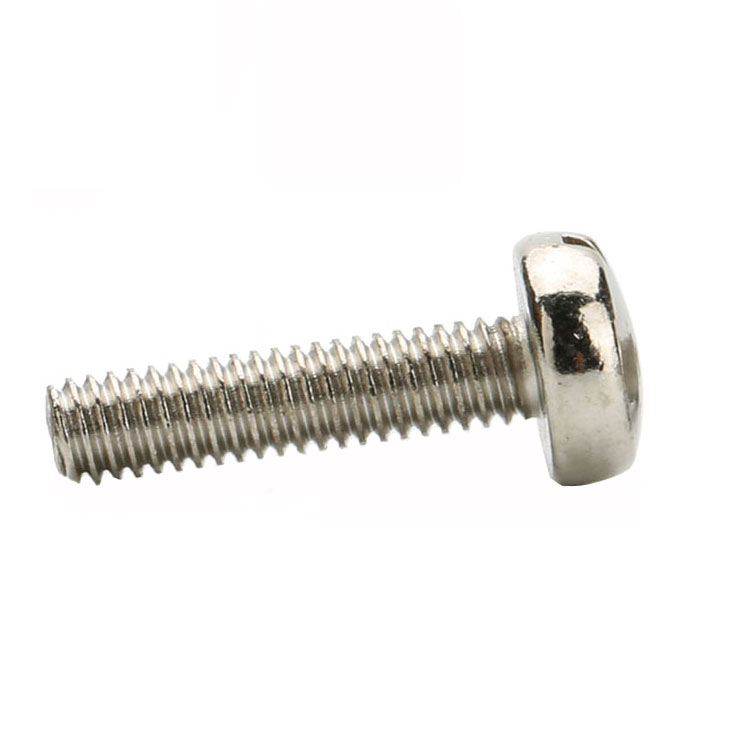
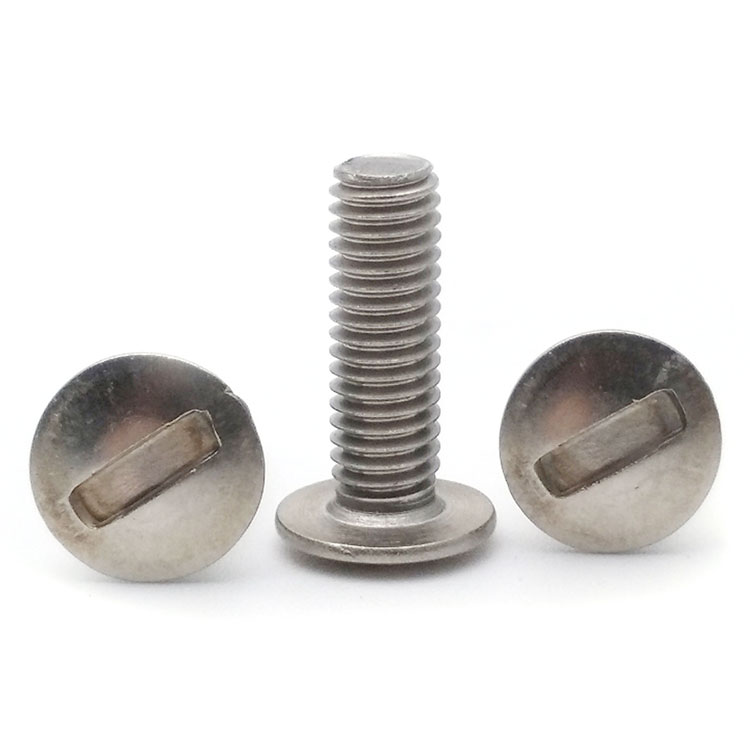
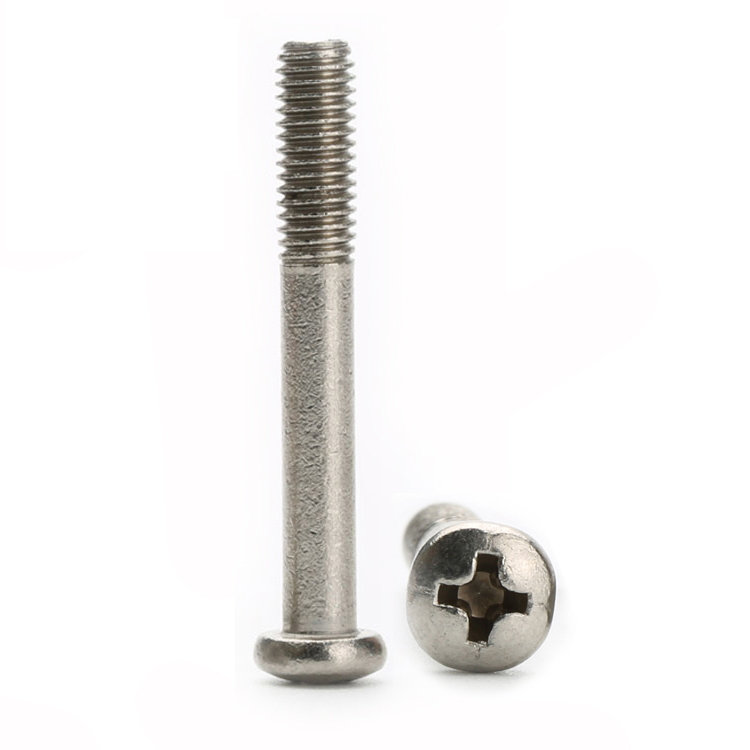
Type:Slotted Head Screw, Binding Head Screw
Materials:Carbon Steel
Surface treatment:Nickel Plated
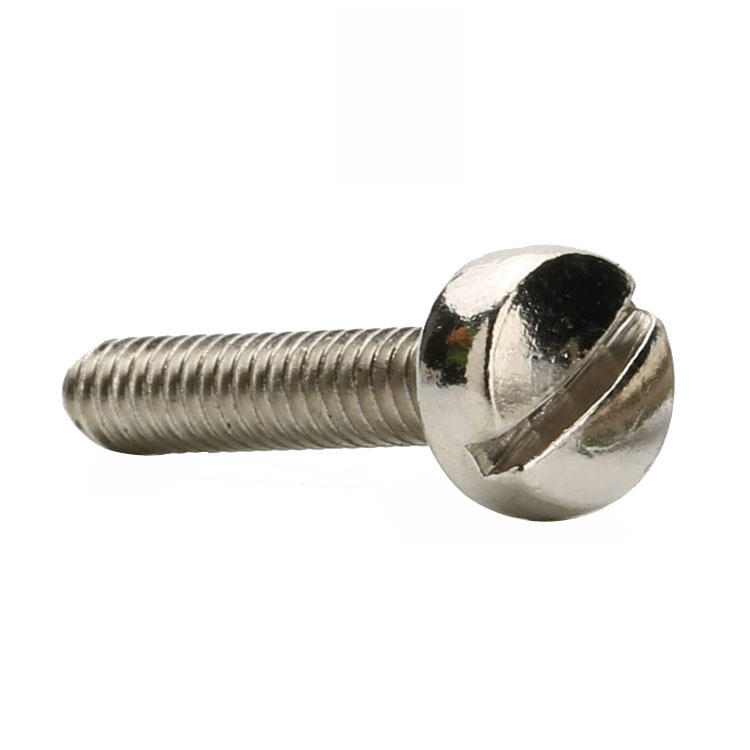
Head Type:Pan Head (binding)
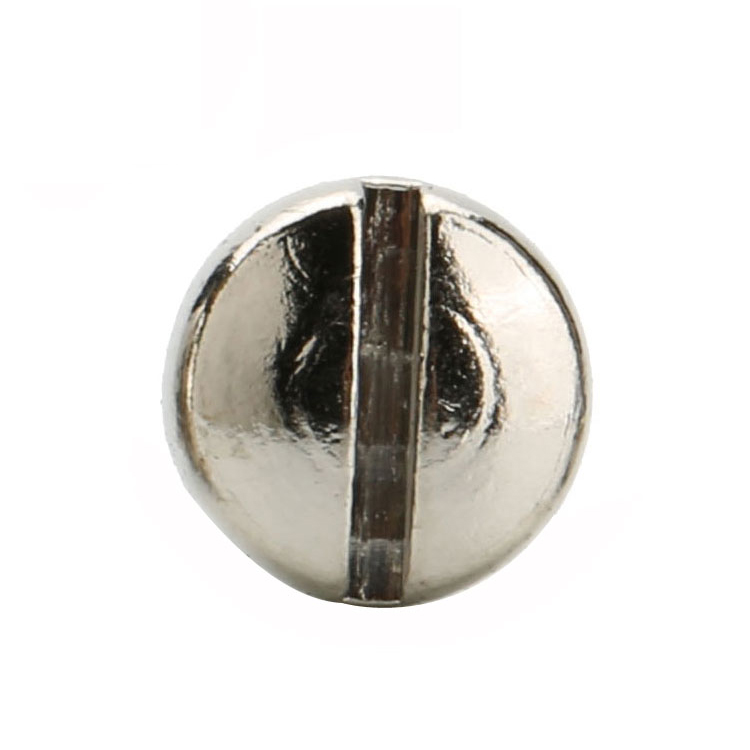
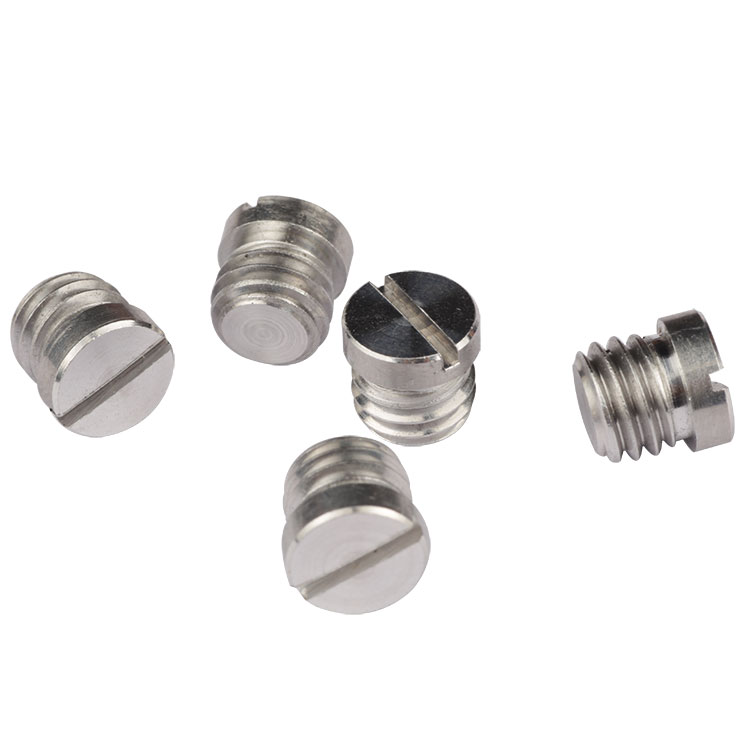
Drive:Single slot
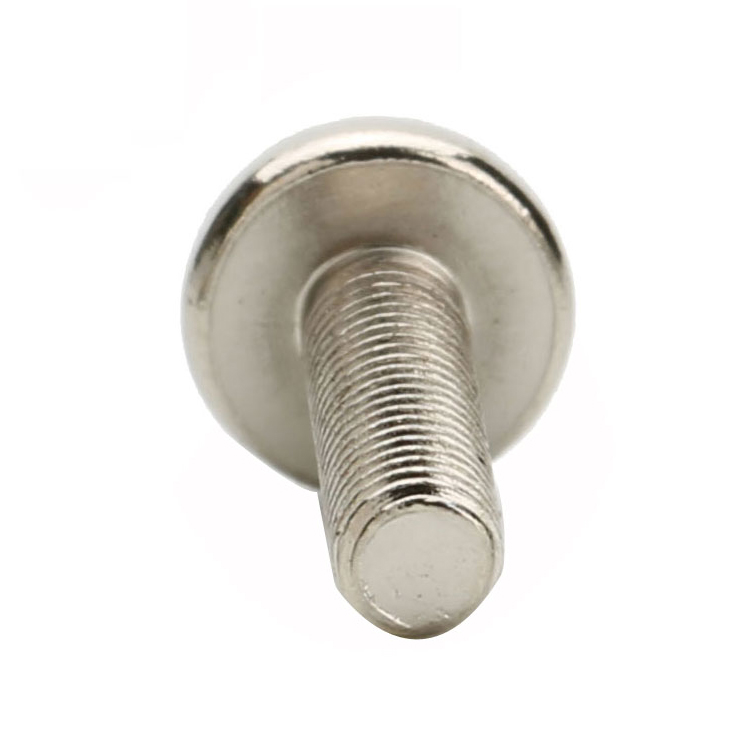
Thread:Machine thread
Point:Plain, chamfered
Forming:Single Die Heading
Size:M1 M2 M3 M4 M5 M6 M7 M8 M9 M10
Number:830
We make binding head screws in carbon steel with a nickel plate: a high-crowned head, an undercut neck and a single slot, quoted from M1 to M10. Head and crown, undercut, slot and thread come from your drawing, and the first article is wired into your terminal.
Watch the factory video·Email sst@szsst88.com
ISO 9001:2015 · Manufacturing since 1998 · 8,678+ customers · 89 countries and regions
Made to order – there is no stock catalogue. Each part is produced to your drawing, and production starts after drawing review and first-article approval.
Binding head screws are machine screws with a high-crowned head and a small undercut below it, driven by a single slot. The part recorded here is carbon steel with a nickel plate, quoted from M1 to M10 with Number 830.
Binding head. A domed head with a taller crown and a relieved neck underneath, so the head can pull down onto a wire or a tag without crushing it.
Single slot. One straight slot driven with a flat blade, which is the traditional drive for electrical and instrument work.
Machine thread. A uniform thread for a tapped hole, a nut or a threaded post.
Nickel plate. A thin, hard, bright deposit that keeps the slot edges crisp and gives an even colour.
Binding head screws are used in electrical accessories, instruments, relays, terminal blocks and old equipment where a wire or a cable lug is clamped under the head and the joint is opened for maintenance.
A binding head looks like a tall pan head, and the difference is what sits under it. The crown is higher, so the head has material to take a slot without thinning the top, and the neck is relieved just above the thread, so the head can seat on a wire or a terminal tag without the last thread interfering with the clamp.
That relief is the feature that made the form useful in electrical work. A wire clamped under a flat head is squeezed between two flat surfaces; under a binding head it is gathered into the crown and held by the shoulder of the undercut, which is why the joint survives being loosened and retightened several times without the strand spreading.
The single slot is a deliberate part of the same tradition. An electrician carries a flat blade, the slot can be driven with a coin or a screwdriver tip if needed, and a slotted head can be turned with less axial pressure than a recess needs. The cost is that the blade loads two narrow edges, so in a soft or thin head the slot rounds before the thread gives up.
Nickel plating then protects the head rather than the joint. It is hard and thin, so the slot keeps its edges through repeated use and the colour stays even; it does not, however, protect a scratch the way zinc does, and on a carbon steel body a deep score will rust in a damp room.
Together the parts give a fastener for the inside of equipment: a head that can clamp a wire, a thread that holds in a terminal post, and a finish that keeps a bright appearance in a dry cabinet. It is not a structural screw, and it is not meant for a joint that is torqued to a figure.
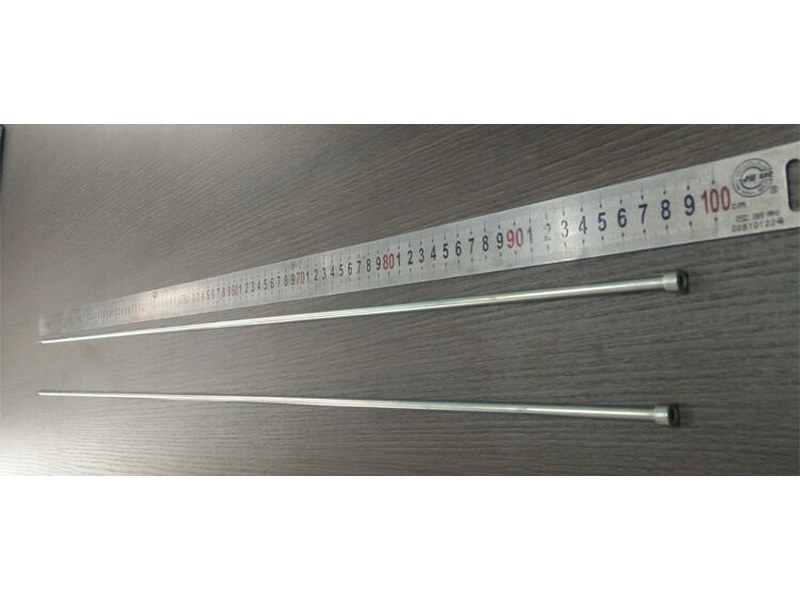
The recorded range is M1 to M10, with lengths made to the drawing. Custom lengths up to 2,000 mm are subject to DFM review after drawing submission. For binding head screws the quotation carries head diameter and height, the slot width and depth, the undercut diameter, thread pitch and overall length.
| Item | How it is defined | What we control |
|---|---|---|
| Head | Binding, high crown | Diameter, crown height and rim |
| Undercut | Relief under the head | Diameter and height of the neck |
| Slot | Single straight slot | Width, depth and alignment |
| Thread | Machine thread | Pitch, length and start position |
| Length | Overall, head included | Length tolerance and thread start |
| Finish | Nickel plated | Thickness and slot re-gauged |
Crown height and slot depth are quoted together, because the slot is cut into the crown and a tall head with a shallow slot wastes the material it was given. On a binding head there is more room than on a pan head, and the drawing should use it.
The undercut is the number that is most often left off. It decides whether the head can clamp a wire or a tag without bottoming on the thread, and a part made without it looks right and clamps nothing.
Four features define binding head screws, and each one is a trade:
| Feature | What it gives | What it costs |
|---|---|---|
| High crown | Material for a deep slot | Stands above the surface |
| Undercut neck | Clamps a wire without crushing it | Extra feature to control |
| Single slot | Any flat blade works | Edges round in a soft head |
| Machine thread | Repeatable joint in a post | Needs a tapped hole or a nut |
| Nickel plate | Hard, bright, crisp slot | No sacrificial protection at a scratch |
The value is in electrical assembly. A binding head holds a wire under the crown, keeps the strands gathered, and can be loosened and retightened while the terminal is being wired, which is exactly what a service electrician needs.
The cost is mechanical. A slotted head is the weakest drive for a given head size, and a binding head is usually small, so the joint is closed by feel and not by torque. Where the joint carries current and vibration, a washer or a locking feature is doing as much work as the screw.
The recorded finish is nickel over carbon steel. It is hard, bright and thin, and on a binding head it keeps the slot edges sharp through repeated use, which is the feature that matters on a terminal that is loosened every time the equipment is serviced.
| Option | How it protects | Effect on slot and head | Typical use |
|---|---|---|---|
| Nickel plated | Hard bright barrier | Thin build; slot stays crisp | Electrical and instruments |
| Zinc plated | Sacrificial zinc | Slight build; slot re-checked | General indoor work |
| Black oxide | Conversion film, oiled | No measurable build | Dark equipment |
| Brass, plain | None needed indoors | Softer; slot wears faster | Decorative terminals |
| Stainless, passivated | Passive film, no coating | Slot and crown as formed | Wet and hygienic |
Where the equipment is damp or washed, the answer is stainless rather than a thicker plate, because the failure of a nickel-plated screw starts at a scratch and grows. Where it is a dry cabinet, nickel is the right balance of appearance and cost.
Where a coated screw is specified, the slot is gauged after plating. A nickel layer is thin enough to leave a slot usable, but a heavy zinc layer on a small binding head will close it enough to change which blade fits.
Three assemblies where a binding head is the traditional fixing:
| Where it sits | The screw clamps a wire or a lug onto a terminal post where the connection is wired, checked and rewired in service. |
| When it goes wrong | The wire spreads under the head and strands break at the edge of the clamp. |
| Why it happens | The joint is electrical, the wire is clamped under the head, and the joint is reopened. |
| What we control | Undercut and crown checked; first article wired and rewired. |
| Where it sits | The screw fixes a plate or a terminal where the head is visible on a panel and the drive is a flat blade. |
| When it goes wrong | The slot rounds after a few adjustments and the plate cannot be retightened. |
| Why it happens | The joint is adjusted, the head is seen, and the drive is a blade. |
| What we control | Slot width and depth checked; first article adjusted and locked. |
| Where it sits | The screw replaces an original fixing where the head form and the drive have to look period-correct. |
| When it goes wrong | A modern recess is used and the restoration is visibly wrong. |
| Why it happens | The part is judged visually, the original was slotted, and the joint is assembled once. |
| What we control | Crown and slot checked against the original; first article fitted. |
Four reasons that matter on a crowned slotted head, each tied to something the drawing has to prove:
|
Crown, slot and undercut agreed
Crown height, slot depth and undercut are agreed as a set, because on a binding head each one decides what the other can do. Basis: Crown, slot and undercut agreed. |
Formed, slotted and plated in one route
The crown and undercut are formed, the slot cut, the thread rolled and the parts nickel plated as a batch. Basis: One route from wire to plated screw. |
|
Slot and undercut measured
Slot width and depth are measured and proved with a blade, and the undercut is measured in section, because neither shows from outside. Basis: Slot and undercut measured. |
First article wired into the terminal
The first article is wired into the customer terminal, because the clamp depends on the wire and the post together. Basis: First article wired into the terminal. |
These screws are headed on single-die machines that form the crowned head and the undercut, cut the slot and roll the thread, before nickel plating as a batch. The first part of every run is measured on head diameter and crown height, undercut, slot, thread and length.


|

|
Forming the undercut is the step that defines the part. The relief has to sit just above the thread and below the crown, deep enough that a wire can be gathered under the head and shallow enough that the neck still carries the clamp; a neck that is too deep turns a binding screw into a screw that bends, and one that is too shallow clamps nothing.
Cutting the slot comes next, and on a crowned head it can be deeper than on a pan head, which is the whole point of the crown. A slot that is cut shallow in a tall head leaves the blade riding on the head instead of in the slot, and the driver slips across a visible face.
What decides whether binding head screws pass is the crown, the undercut, the slot and the thread. The inspection agreement covers those, and the criteria come from the drawing.

Crown and slot on the projector |

Thread and start checked |

Core hardness checked |

Salt-spray testing of the nickel layer |
Head diameter, crown height and the slot are measured on a projector, and the slot is proved with a blade of the stated width. The undercut is measured in section at the start of a run, because it cannot be seen once the part is plated and packaged.
A sample from every batch is wired into the customer terminal and tightened. That check shows whether the undercut gathers the wire or crushes it, and it is the only one that predicts what an electrician will find.
Every batch is traceable to the wire it was made from and to the plating lot that finished it. The grade and heat number appear on the material certificate supplied with the parts, and the inspection records follow the criteria agreed on the drawing.

ISO 9001:2015 |

RoHS test report |

Registered trademark |

Patent: security screw and driver |
With each shipment we supply the material certificate, the inspection record for the dimensions on the drawing and the plating thickness report. The documents carry the drawing revision and the batch number, so a repeat order keeps the same crown and the same undercut.
More than 8,678 customers in 89 countries and regions have ordered from Shi Shi Tong; 87% of orders come from repeat customers and 56% through referrals. Most projects follow the same route: drawing review, first-article approval, then batches checked against that sample. On binding head screws the first article is wired into the terminal, because the clamp depends on the wire and the post together. Buyers visit during the process to review samples.
|
8,678+
customers served
|
87%
of orders from repeat customers
|
56%
of orders through referrals
|
89
countries and regions shipped to
|
Buyers and quality engineers visit for sample review, process discussion and supplier audits; the visit is arranged around production so the headers and the plating line can be seen on the day the parts run.

Customer group visit – sample review |

Customer group visit – process discussion |

Customer group visit – factory tour |

Customer visit – project kick-off |

Danish customer – drawing review |

Industry exhibition – meeting customers |
A crowned head with an undercut neck, so it can clamp a wire or a tag without the last thread interfering.
It is the traditional electrical drive, works with any flat blade, and needs little axial pressure.
In a soft head, yes. Nickel plating keeps the edges crisper than plain steel, and the right blade width matters.
Not to a figure. A binding head is closed by feel onto the wire, with a washer or a locking feature doing the rest.
No. Nickel is a barrier, not a sacrificial coating; a deep score will rust in damp conditions.
Head diameter and crown height, undercut size, slot width and depth, thread pitch and length.
How a binding head screw project runs from drawing to repeat delivery:
|
1
Send the drawing and the terminal
|
→ |
2
Crown, slot and undercut agreed
|
→ |
3
First article wired into your terminal
|
→ |
4
Batch production and repeat orders
|
Each step is confirmed with you before the next one starts; the drawing revision from the first article is what repeat orders are checked against.
For a quotation, send the drawing with the head diameter and crown height, the undercut size, slot width and depth, thread pitch and overall length.
|
Head size
|
Crown height
|
Undercut
|
|
Slot width
|
Thread pitch
|
Length
|
Sending a drawing? The form below does not take attachments. Email the PDF, DXF or STEP file to sst@szsst88.com with the part name and quantity in the subject line – the drawing is reviewed and a quotation follows.

 +86 13143444311
 sst@szsst88.com