Tel:
+86 13143444311
Email:sst@szsst88.com
Fax:+0086-755-27322278
Address:Building 9, First Industrial Zone, Tantou Industrial City, Songgang Street, Baoan District, Shenzhen 518105, Guangdong, China
Type:round screw
Materials:Stainless Steel
Surface treatment:Plain
Head Type:Round Head
Drive:Single slot
Thread:Machine thread, half thread
Point:Plain, chamfered
Forming:Single Die Heading
Size:M1 M2 M3 M4 M5 M6 M7 M8 M9 M10
Number:559
We make round head screws in plain A2 stainless with a domed head, a single slot and a half machine thread, quoting them from M1 to M10. Head and slot size, thread start and length come from your drawing, and the first article is fitted in your own part.
Watch the factory video·Email sst@szsst88.com
ISO 9001:2015 · Manufacturing since 1998 · 8,678+ customers · 89 countries and regions
Made to order – there is no stock catalogue. Each part is produced to your drawing, and production starts after drawing review and first-article approval.
Round head screws have a domed head with a small bearing face and a single slot, and in this form they carry a half machine thread. The part recorded here is stainless steel, plain and passivated, quoted from M1 to M10 with Number 559.
Round head. A near-hemispherical dome, taller than a pan head and narrower at the bearing face, with no flat top to speak of.
Single slot. One straight slot cut across the crown, driven with a flat blade.
Half thread. The thread covers the end portion, with a plain shank under the head.
Plain stainless. A2 grade, passivated, with the dome and the slot as formed.
Round head screws appear on electrical accessories, instruments, meters, clocks and older equipment, where the head form is part of the product’s look and the fixing is meant to read as a screw rather than disappear.
The domed head carries a single slot, so the fixing can be opened with the blade in any tool kit.
The round head is the most traditional of the small heads, and its geometry is simple: a dome that rises above the surface and contacts the panel only near its rim. That means the bearing area is small compared with a pan or truss head of the same diameter, so the same clamp is carried on a narrower ring and the pressure under it is higher.
The consequence shows up on soft or thin material. A round head on a painted panel marks or cracks the paint around the contact circle sooner than a pan head would, and on a plastic face it can bed in. Where the joint has to protect the surface, the answer is a wider head or a washer, not a tighter screw.
The slot is the drive, and on a small round head it is short. A blade bears on two narrow edges at the top of the dome, so the torque is limited by how much material is above the cone; a worn or oversize blade rounds those edges quickly, and once they are gone the head has nothing else to offer.
The half thread is a deliberate part of the design here. On these small screws the plain shank under the head passes through the cover and the thread engages in a nut or a post, so the clamp is carried by the shank and the visible dome is not crushed into the surface. It also means the engaged length is short, which suits a small screw.
Stainless then decides how the part ages. There is no coating to wear off the dome or to fill the slot, and the screw can be used where the joint is washed; the trade is galling in aluminium and a head that shows every tool slip, because an uncoated dome catches the light.
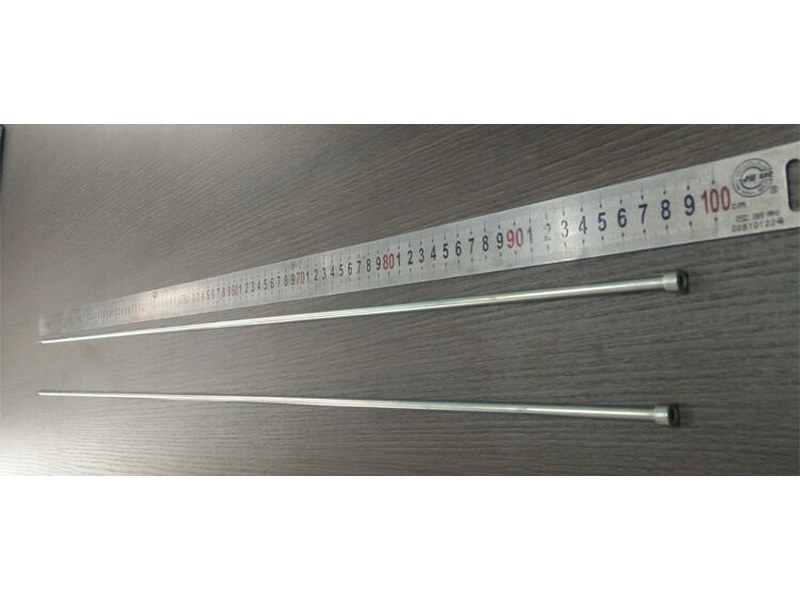
The recorded range is M1 to M10, with lengths made to the drawing. Custom lengths up to 2,000 mm are subject to DFM review after drawing submission. For round head screws the quotation carries head diameter and height, slot width and depth, thread length and start, and overall length.
| Item | How it is defined | What we control |
|---|---|---|
| Head | Round, domed | Diameter, height and rim condition |
| Slot | Single straight slot | Width, depth and alignment |
| Thread | Machine thread, half thread | Pitch, length and start position |
| Length | Overall, head included | Length tolerance and thread start |
| Material | A2 stainless | Grade and heat number on the certificate |
| Finish | Passivated, plain | Surface condition and slot edges |
Slot width is a dimension, not a choice at assembly. On a round head the slot is cut into a curved crown, so a blade that is too wide chips the edges and a blade that is too narrow cannot transmit the torque without rocking; the width belongs on the drawing and the same blade type on the line.
Thread length and start decide where the plain shank sits. On a half-thread screw used through a cover, the shank is what carries the clamp, so a thread that starts early pulls the dome into the cover and a thread that starts late leaves too little engaged length.
Four features define round head screws, and each one is a trade:
| Feature | What it gives | What it costs |
|---|---|---|
| Round dome | Traditional look; nothing to catch | Small bearing face; higher pressure |
| Single slot | Any flat blade works | Edges round in a small head |
| Half thread | Plain shank carries the clamp | Thread start is critical |
| Machine thread | Repeatable joint in a post | Needs a tapped hole or a nut |
| Plain stainless | Dome and slot as formed | Galls in aluminium; marks show |
The value is appearance and simplicity. A round head reads as a screw on a meter face or a switch plate, it has no recess to collect dust and no flat top to catch on a cloth, and it can be driven with the simplest tool in the box.
The cost is capacity. A small bearing face limits the clamp on thin material and a short slot limits the torque, so these screws belong on light joints that are closed once and adjusted rarely.
The recorded finish is passivation on A2 stainless with no coating. On a round head that keeps the dome bright and the slot at the size it was cut, which matters because the slot is the only drive the part has.
| Option | How it protects | Effect on dome and slot | Typical use |
|---|---|---|---|
| A2 stainless, passivated | Passive chromium oxide film | Dome and slot as formed | Electrical and instruments |
| A4 stainless, passivated | Passive film with molybdenum | Dome and slot as formed | Marine and medical |
| Stainless, electropolished | Thicker passive film, bright | Edges rounded; slot checked | Visible hardware |
| Brass, plain | None needed indoors | Softer; slot wears faster | Decorative fittings |
| Steel, nickel plated | Hard bright barrier | Thin build; slot stays crisp | Indoor visible panels |
Where the head is decorative, brass or nickel plate gives the period look without the stainless coldness, at the cost of a softer slot. Where the joint is washed or exposed, stainless is the only practical choice and the appearance follows the metal.
Electropolishing is worth it on a visible round head: it brightens the dome and removes the burr at the slot edge that a blade would catch, which is why the slot is checked after the process.
Three assemblies where the round head is the traditional fixing:
| Where it sits | The screw fixes a plate or a switch where the head is visible and the joint is wired and rewired in service. |
| When it goes wrong | The slot rounds and the plate cannot be retightened. |
| Why it happens | The joint is serviced, the head is seen, and the drive is a blade. |
| What we control | Slot width and depth checked; first article assembled and reopened. |
| Where it sits | The screw closes a case or fixes a bezel where the dome is part of the instrument’s look. |
| When it goes wrong | The blade slips and marks the dome next to the slot. |
| Why it happens | The face is visible, the head is domed, and the joint is opened rarely. |
| What we control | Dome and slot checked; first article fitted to a finished case. |
| Where it sits | The screw replaces an original fixing where the head form and the drive have to look period-correct. |
| When it goes wrong | A modern recess is used and the restoration is visibly wrong. |
| Why it happens | The part is judged visually, the original was slotted, and the joint is assembled once. |
| What we control | Dome and slot checked against the original; first article fitted. |
Four reasons that matter on a domed slotted head, each tied to something the drawing has to prove:
|
Dome and slot agreed
Head diameter and height, slot width and depth are agreed as a set, because the slot is cut into the crown and both come out of the same material. Basis: Dome and slot agreed. |
Formed, slotted and passivated in one route
The dome is formed in one stroke, the slot cut, the thread rolled, and the parts passivated as a batch. Basis: One route from wire to passivated screw. |
|
Slot proved with a blade
The slot is measured and proved with a blade of the stated width, because a slot that measures correctly can still chip on the first turn. Basis: Slot proved with a blade. |
First article in your fitting
The first article is fitted in the customer part, because the small bearing face only proves itself against the material it presses on. Basis: First article fitted in the part. |
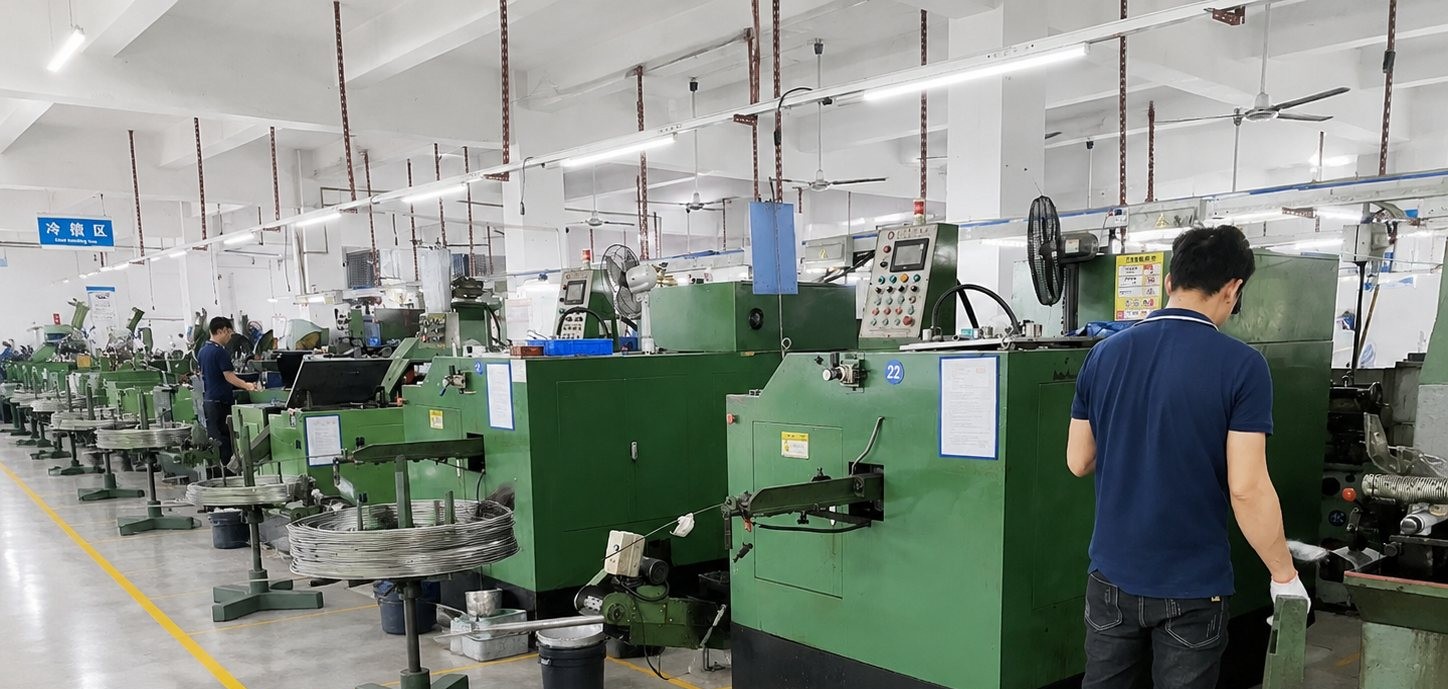
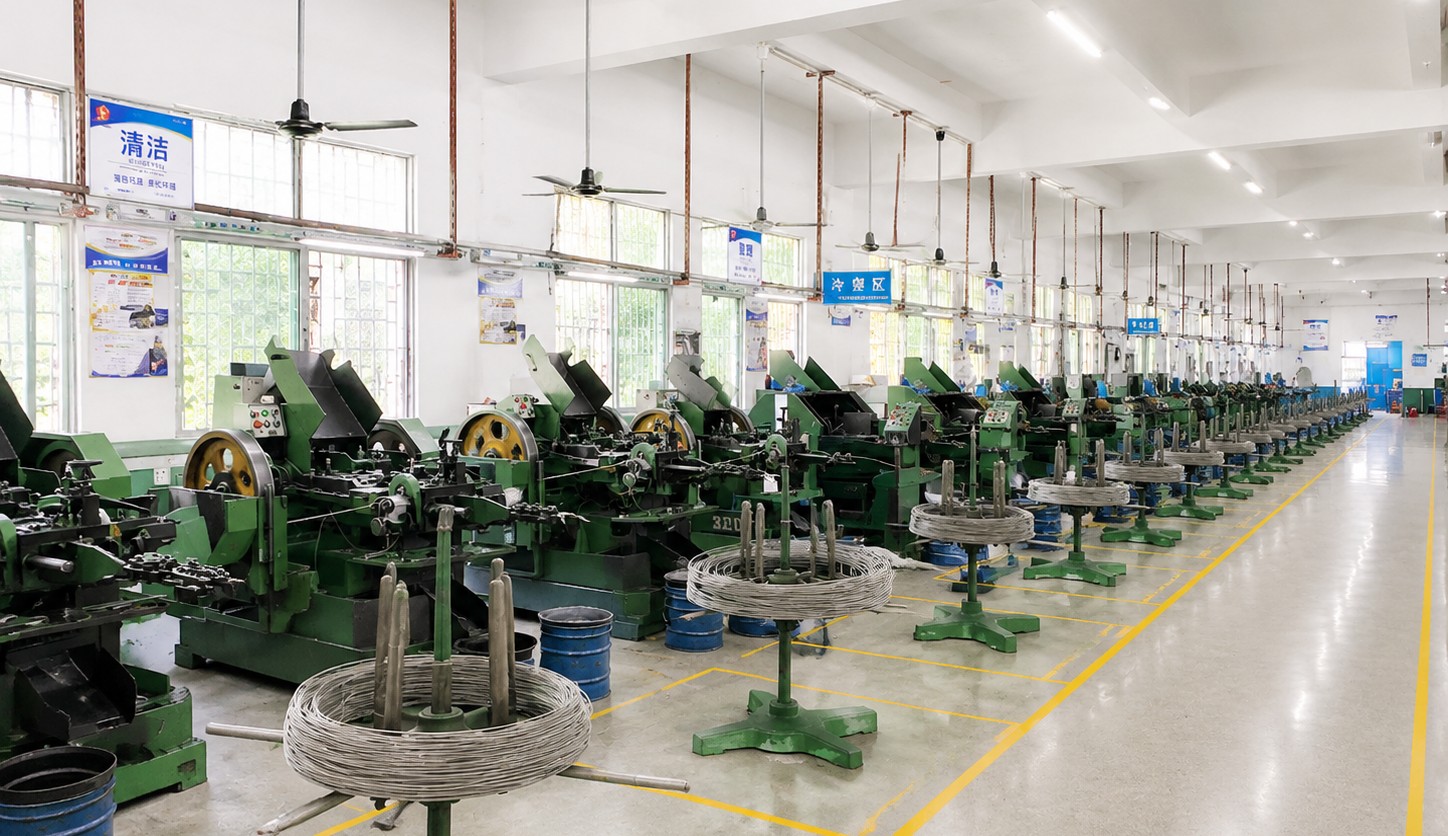
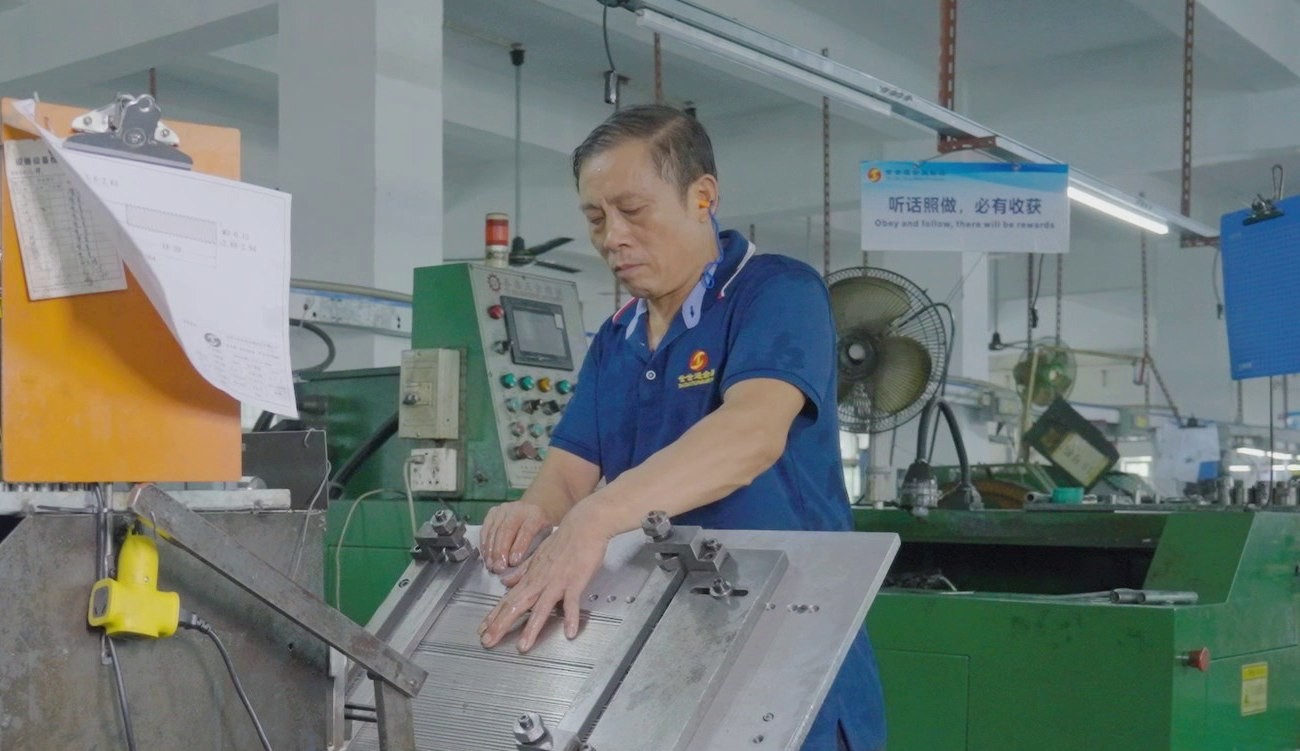
These screws are headed on single-die machines that form the dome, cut the slot and roll the half thread in sequence, and are passivated as a batch. The first part of every run is measured on dome diameter and height, slot, thread length and start, and overall length.
|
|
Cutting a slot through a dome is harder than cutting one through a flat head. The blade of the cutter has to follow the crown, and the material at the ends of the slot is thinner than at the centre; a cutter that has worn leaves slot ends that look square and chip on the first turn of a blade.
The half thread is rolled after the slot and checked for position, not only for size. A thread that runs into the dome removes the material the dome needs and the head deforms under load; a thread that stops early leaves too little engaged length for the joint.
What decides whether round head screws pass is the dome, the slot, the thread and the grade. The inspection agreement covers those, and the criteria come from the drawing.

Dome and slot on the projector |

Thread and start checked |

Core hardness checked |

Salt-spray testing of the grade |
Dome diameter and height are measured on a projector, the slot is measured and proved with a blade of the stated width, and the thread is gauged after passivation. Length is measured over the head so the datum matches the drawing.
A sample from every batch is driven into the customer’s fitting and removed. That cycle shows a slot that chips and a thread that neglects to hold, and neither is visible on a part that has only been measured.
Every batch is traceable to the wire it was made from and to the passivation batch that finished it. The grade and heat number appear on the material certificate supplied with the parts, and the inspection records follow the criteria agreed on the drawing.

ISO 9001:2015 |

RoHS test report |

Registered trademark |

Patent: security screw and driver |
With each shipment we supply the material certificate, the inspection record for the dimensions on the drawing and, where the grade is listed, the third-party report that covers it. The documents carry the drawing revision and the batch number, so a repeat order keeps the same dome and the same slot.
More than 8,678 customers in 89 countries and regions have ordered from Shi Shi Tong; 87% of orders come from repeat customers and 56% through referrals. Most projects follow the same route: drawing review, first-article approval, then batches checked against that sample. On round head screws the first article is fitted in the customer part, because the small bearing face only proves itself against the material it presses. Buyers visit during the process to review samples.
|
8,678+
customers served
|
87%
of orders from repeat customers
|
56%
of orders through referrals
|
89
countries and regions shipped to
|
Buyers and quality engineers visit for sample review, process discussion and supplier audits; the visit is arranged around production so the headers and the passivation line can be seen on the day the parts run.

Customer group visit – sample review |

Customer group visit – process discussion |

Customer group visit – factory tour |

Customer visit – project kick-off |

Danish customer – drawing review |

Industry exhibition – meeting customers |
For appearance. The dome reads as a screw on a visible face; the pan head spreads the clamp over a wider area.
Easier than a pan head, because the bearing face is smaller. Use a washer where the surface matters.
A single slot loads two narrow edges, and a small round head has little material above the cone.
The plain shank passes through the cover and the thread engages at the far end, so the dome is not crushed into the surface.
A2 covers rain, A4 covers chlorides. With no coating, the dome and slot stay as formed.
Head diameter and height, slot width and depth, thread length and start, and overall length.
How a round head screw project runs from drawing to repeat delivery:
|
1
Send the drawing and the fitting
|
→ |
2
Dome, slot and thread agreed
|
→ |
3
First article fitted in your part
|
→ |
4
Batch production and repeat orders
|
Each step is confirmed with you before the next one starts; the drawing revision from the first article is what repeat orders are checked against.
For a quotation, send the drawing with the head diameter and height, slot width and depth, thread length and start, and overall length.
|
Head diameter
|
Head height
|
Slot width
|
|
Thread start
|
Length
|
Grade
|
Sending a drawing? The form below does not take attachments. Email the PDF, DXF or STEP file to sst@szsst88.com with the part name and quantity in the subject line – the drawing is reviewed and a quotation follows.

 +86 13143444311
 sst@szsst88.com