Tel:
+86 13143444311
Email:sst@szsst88.com
Fax:+0086-755-27322278
Address:Building 9, First Industrial Zone, Tantou Industrial City, Songgang Street, Baoan District, Shenzhen 518105, Guangdong, China
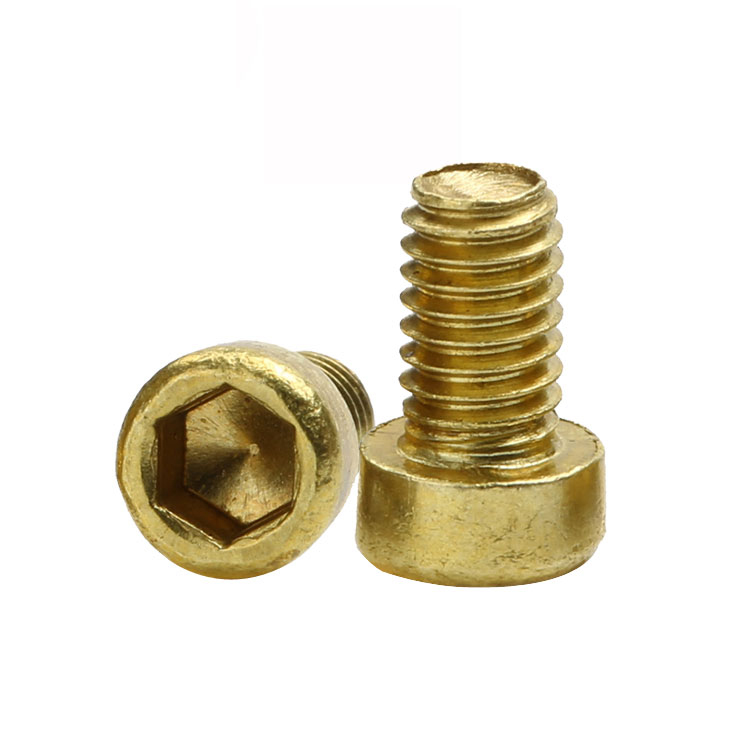
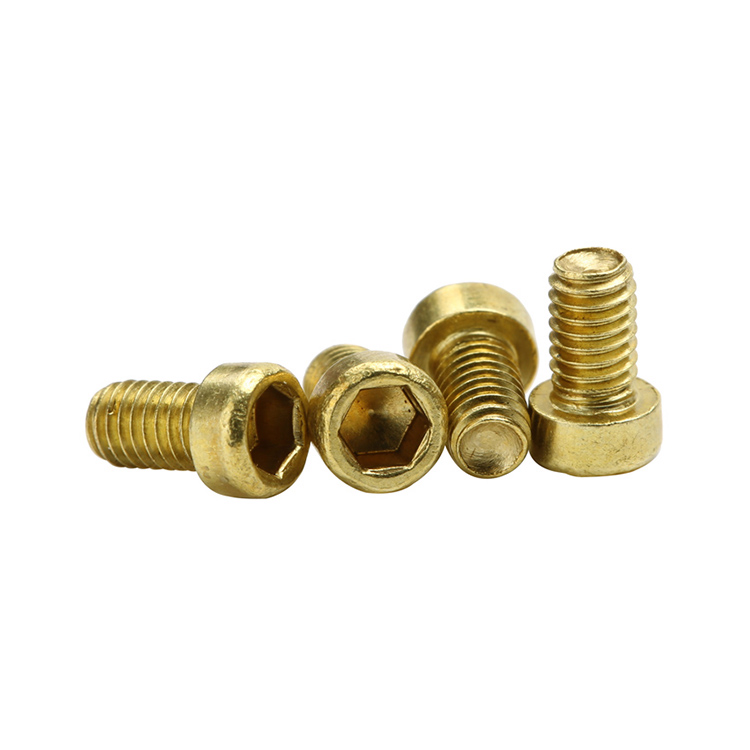
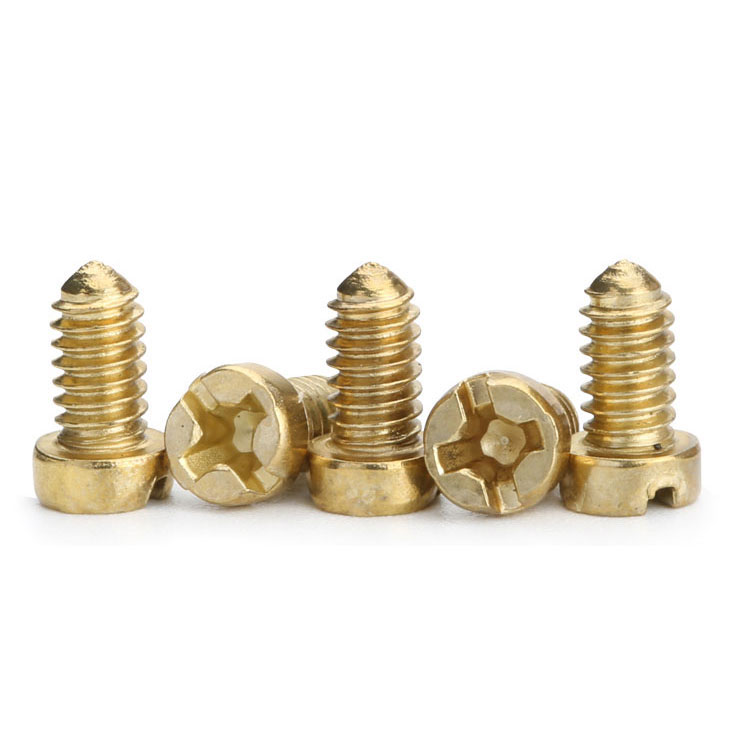
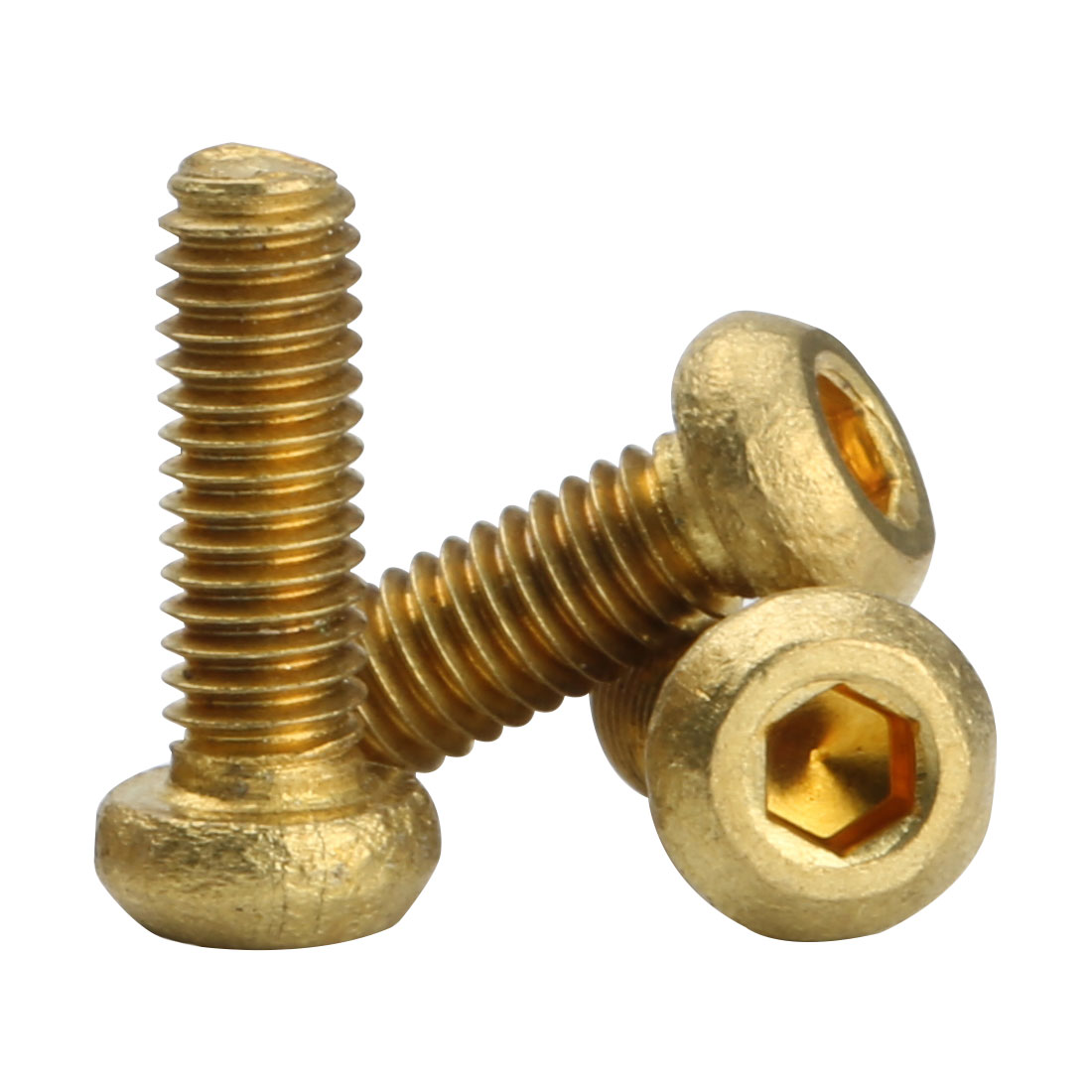
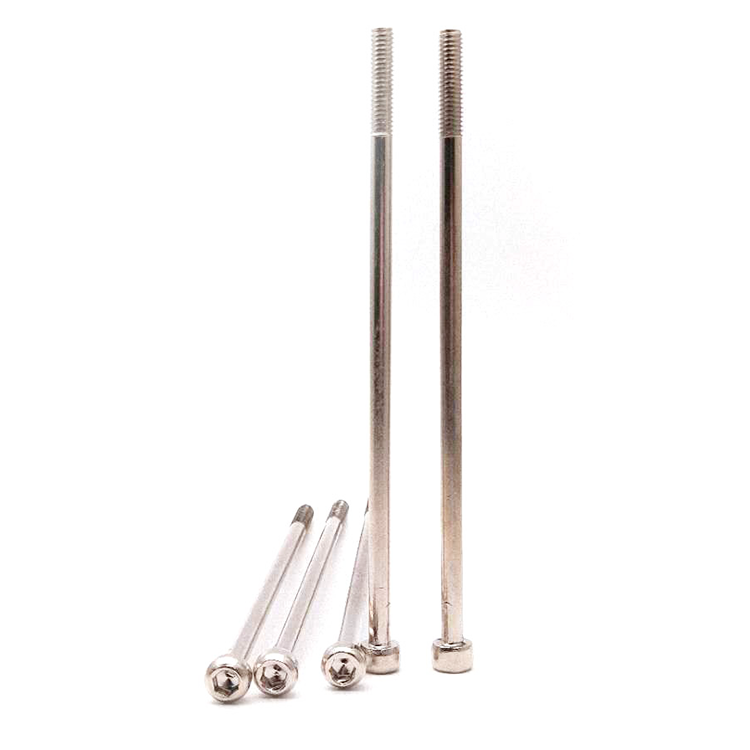
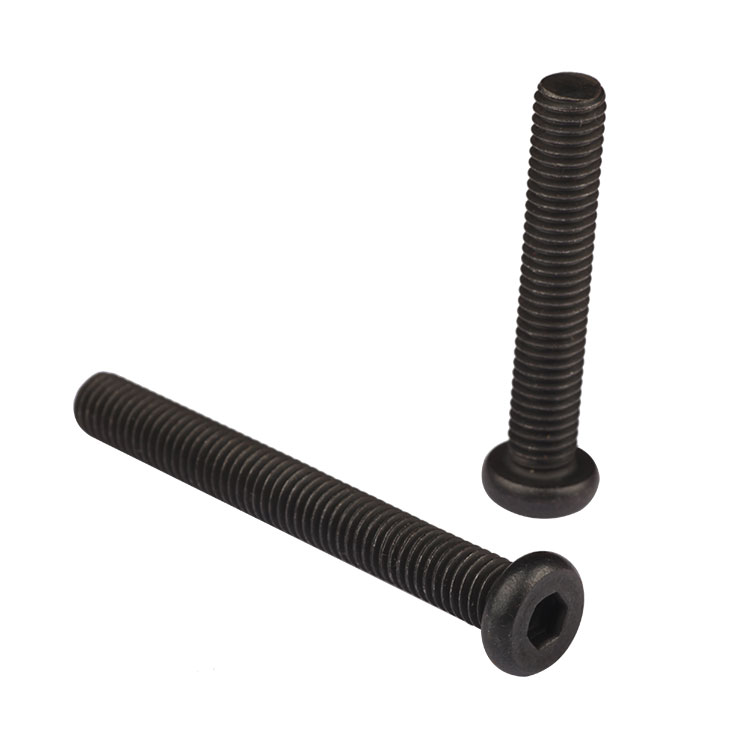
Type:Metric Socket Head Cap Screw
Materials:Copper
Surface treatment:Plain
Head Type:Cap head (socket)
Drive:Hexagon socket (Allen)
Thread:Metric machine thread
Point:Plain, chamfered
Forming:CNC turning; socketed and threaded
Size:M1 M2 M3 M4 M5 M6 M7 M8 M9 M10
We make metric socket head cap screws in copper with a plain finish, quoting them from M1 to M10 with lengths made to the drawing. The copper grade and the assembly torque are agreed together, and the first article is assembled and measured across the joint.
Watch the factory video·Email sst@szsst88.com
ISO 9001:2015 · Manufacturing since 1998 · 8,678+ customers · 89 countries and regions
Made to order – there is no stock catalogue. Each part is produced to your drawing, and production starts after drawing review and first-article approval.
A metric socket head cap screw is a machine screw with a cylindrical head and an internal hexagon, made to the metric thread system. The part recorded here is copper with a plain finish, quoted from M1 to M10 with the small sizes in the same range.
Metric thread. A 60 degree thread defined by a nominal diameter and a pitch, with a coarse pitch that is standard for each size.
Cap head. A cylindrical head with a flat bearing face and a deep socket, the form that takes the most torque for its diameter.
Hexagon socket. An internal hexagon driven with a key, engaged on six flats rather than on four arms.
Copper body. Nearly pure copper: conductive, thermally efficient, non-magnetic, and soft enough that the socket is the first feature to deform.
They are used on busbars, test fixtures, thermal assemblies and earth bonding points, where the fixing is part of the current or heat path and the head has to be driven from inside a small space.
A hexagon socket is the most efficient drive for a given head diameter: six flats, a key that seats to the floor, and no cam-out ramp. On steel or stainless that makes the socket stronger than the thread, so the joint is limited by the screw’s strength rather than by its drive.
Copper changes the order of failure. The metal is soft, so the corners of the hexagon yield before the thread strips, and the yield is concentrated exactly where the key bears. That means the practical torque limit on a metric socket head cap screw in copper is set by the socket, not by the diameter of the thread or the strength of the material in tension.
The head height then becomes the constraint on the constraint. A cap head has more height than a button or a countersunk head, which is why the socket can be deep; but copper’s lower stiffness means the head deflects a little more under the same clamp, and the wall around the hexagon takes more of that movement. On the small sizes the margin narrows quickly, which is why these parts are usually specified at a modest torque and used where the load is carried by the joint rather than by the screw alone.
Galling is the second behaviour to plan for. Copper seizes against itself and against many metals when the surfaces are clean and dry, and the seizure happens during assembly rather than in service. A joint that will be opened more than once needs an agreed practice: a lubricant, a different material for the mating nut, or a torque and speed that do not generate heat.
What copper gives in exchange is the reason it is used at all. It conducts better than brass, transfers heat better than any steel, and does not respond to a magnet. Where the fixing is part of the circuit or the thermal path, those properties are the specification, and the softness is the price.
The recorded range is M1 to M10, with the small sizes quoted in the same envelope and lengths made to the drawing. Custom lengths up to 2,000 mm are subject to the drawing submission and DFM review. The quotation for a metric socket head cap screw carries the diameter and pitch, the head diameter and height, the socket size and depth, the length and the copper grade.
| Item | How it is defined | What we control |
|---|---|---|
| Thread | Metric machine thread | Pitch, class and start |
| Head | Cap head, cylindrical | Diameter, height and bearing face |
| Socket | Hexagon per diameter | Depth and wall thickness |
| Grade | Copper, per the drawing | Grade on the certificate |
| Length | Overall, head included | Length tolerance and thread start |
| Finish | Plain copper | Surface condition stated |
The grade is the first line because the properties being bought depend on it. A drawing that says copper without a grade leaves the choice to the supplier, and the difference shows on a certificate rather than in the hand.
Socket depth is measured against the head height, and on copper it is worth keeping as deep as the head allows. A shallow socket in a soft metal is a socket that will mark on the first serviced joint.
Length is measured over the head. On a busbar or a terminal the usable thread length is the overall length minus the stack, and on copper that engagement is what limits the joint rather than the screw’s strength.
Four properties decide metric socket head cap screws in copper, and each one carries a cost:
| Property | What it gives | What it costs |
|---|---|---|
| Cap head socket | Six flats, key seats to the floor | Copper corners yield before the thread |
| Copper body | Conductivity and heat transfer | Soft; low torque and galling |
| Plain finish | No barrier in the joint | Surface darkens and marks in handling |
| Metric thread | A joint specified to a known system | Pitch must be stated |
The value is a fixing that is part of the electrical or thermal path rather than an insulator in the middle of it, driven with a key that fits inside a head no larger than the thread requires.
The cost is that the drive, not the thread, limits the joint. The torque has to be set for the socket and the alloy, and that means it is written on the drawing rather than judged at the bench.
The recorded finish is plain, so the alloy is the surface. On a part chosen for conductivity that is the right default: a coating at a conducting joint adds resistance, and on a copper thread it also changes the fit in a tapped hole.
| Option | What it does | Effect on socket and thread | Typical use |
|---|---|---|---|
| Plain, bright | Bare copper, cleaned | No barrier at the joint | Conducting and thermal joints |
| Plain, as machined | Bare with normal handling | Tone varies; joint unaffected | General electrical work |
| Tinned | Thin tin layer | Protects surface; slight resistance | Where oxidation is a problem |
| Nickel plated | Hard barrier | Build in socket; re-gauged | Where wear resistance is wanted |
| Anti-oxidation coated | Conversion film | Thin; helps storage | Long-stored parts |
Tinning is the usual compromise on electrical parts: it keeps the copper from oxidising in storage while adding a layer thin enough that the joint still conducts. Where a coating is used, the socket is gauged after plating, because the copper underneath has less margin than steel would.
Plain copper darkens quickly in air and faster in a hand. That is not a defect, but it means the finish is described as a condition rather than a colour, and the customer’s sample is the reference.
Three settings where conductivity and a compact drive matter together:
| Where it sits | The screw clamps a connection where the fixing is part of the current path and the head must stay small. |
| When it goes wrong | A steel screw is substituted and the joint runs hotter than the design assumed. |
| Why it happens | The joint carries current, the space is tight, and the connection is inspected. |
| What we control | Grade confirmed; torque set for copper; first article cycled. |
| Where it sits | The screw holds a contact where the fixing must not add resistance and must not respond to a magnet. |
| When it goes wrong | A magnetic or resistive fixing shifts the measurement or adds loss at the joint. |
| Why it happens | The assembly is sensitive, the fixing is small, and the joint is adjusted. |
| What we control | Grade and surface confirmed; first article measured before and after assembly. |
| Where it sits | The screw fixes a component where heat has to pass through the joint rather than around it. |
| When it goes wrong | A stainless screw insulates the joint and the component runs warmer. |
| Why it happens | The joint is thermal, the parts are copper, and the assembly is compact. |
| What we control | Grade confirmed; first article assembled and checked. |
Four reasons that matter on a soft-metal part driven by a socket, each tied to something the drawing or the certificate has to show:
|
Grade and torque stated
The copper grade and the assembly torque are agreed before quoting, because the conductivity depends on the grade and the joint depends on a torque set for copper rather than for steel. Basis: Grade and torque stated. |
Turned, socketed, threaded and left plain
The head and hexagon are machined in one setup, the thread cut behind, and the parts left plain so nothing sits between the joint faces. Basis: One setup, no barrier at the joint. |
|
Socket proved with the key
The socket is driven with the production key at the joint torque and inspected under magnification, because in copper the corners yield before the thread strips. Basis: Key proved, corners checked. |
Same grade, same surface
The grade and the surface condition are recorded with the drawing revision, so a repeat order conducts and assembles the same way. Basis: Same grade across orders. |
These screws are turned from copper bar, with the cap head and the hexagon machined in the same setup and the thread cut behind it; the parts are then left plain or finished as specified. The first piece of every run is measured on head diameter and height, socket size and depth, thread, grade and length.


|

|
Machining the hexagon in the same setup as the head is what keeps the socket on the head axis. In copper the cut is easy; the difficulty is tool sharpness, because a dull tool smears the metal instead of cutting it, and a smeared wall in a hexagon is a wall that grips the key unevenly and marks early.
Threading copper needs the same attention. A cut thread is predictable and leaves a clean flank; a rough one holds swarf and galls on the first assembly. The tool condition and the cutting parameters are recorded with the job rather than adjusted at the machine.
Because the parts are left plain, handling is part of the process. Copper tarnishes where it is touched, so the screws are handled with gloves at final inspection and packed so they do not rub bright spots into each other.
What decides whether metric socket head cap screws pass is the grade, the socket, the thread and the surface. The inspection agreement covers those, and the criteria come from the drawing.

Socket depth and walls on the projector |

Thread and start checked |

Hardness against the copper grade |

Humidity exposure on the plain surface |
The grade is confirmed on the material certificate for every heat, because it is what the part was bought for. Head diameter, height and socket depth are measured together on the projector, and the socket is then proved with the production key.
The functional check is a drive at the torque the joint uses, followed by removal and inspection of the hexagon corners under magnification. In copper that cycle shows the start of corner yield before it becomes visible on the outside of the head.
Where the screw is part of a current path, a sample is also checked for contact resistance across the joint before and after the assembly cycle, since a face that is not flat shows as a resistance that changes.
Every batch is traceable to the copper stock it was made from. The grade and heat number appear on the material certificate supplied with the parts, and the inspection record carries the measured head and socket against the drawing.

ISO 9001:2015 |

RoHS test report |

Registered trademark |

Patent: security screw and driver |
With each shipment we supply the material certificate, the inspection record for the dimensions on the drawing, and the RoHS report for the grade. The documents carry the drawing revision and the batch number, so a repeat order of metric socket head cap screws matches the electrical behaviour of the original.
More than 8,678 customers in 89 countries and regions have ordered from Shi Shi Tong; 87% of orders come from repeat customers and 56% through referrals. Most projects follow the same route: drawing review, first-article approval, then batches checked against that sample. On a copper part the first article is assembled at the agreed torque and checked for seizure. Buyers visit during the process to review samples.
|
8,678+
customers served
|
87%
of orders from repeat customers
|
56%
of orders through referrals
|
89
countries and regions shipped to
|
Buyers and quality engineers visit for sample review, process discussion and supplier audits; the visit is arranged around production so the turning cell and the inspection bench can be seen on the day the parts run.

Customer group visit – sample review |

Customer group visit – process discussion |

Customer group visit – factory tour |

Customer visit – project kick-off |

Danish customer – drawing review |

Industry exhibition – meeting customers |
Copper is soft. The corners of the hexagon yield before the thread strips, so the socket is the limit on torque rather than the thread.
Less than for a steel screw of the same size. The value is set from the socket and the alloy and written on the drawing.
No. Brass is copper alloyed with zinc and is stiffer. Copper conducts and transfers heat better and is softer.
It can gall against itself or a mating metal when dry. A lubricant or a defined assembly procedure is agreed with the drawing.
Usually not for conductivity, and a coating adds resistance. Tinning is the common compromise where storage life matters.
The copper grade, thread and pitch, head diameter and height, socket size and depth, length and the assembly torque.
How a copper socket screw project runs from drawing to repeat delivery:
|
1
Send the drawing and the grade
|
→ |
2
Grade and torque agreed
|
→ |
3
First article assembled and measured
|
→ |
4
Batch production and repeat orders
|
Each step is confirmed with you before the next one starts; the drawing revision from the first article is what repeat orders are checked against.
For a quotation, send the drawing with the copper grade, thread and pitch, head diameter and height, socket size and depth, length and the assembly torque.
|
Copper grade
|
Thread
|
Head diameter
|
|
Socket size
|
Length
|
Torque
|
Sending a drawing? The form below does not take attachments. Email the PDF, DXF or STEP file to sst@szsst88.com with the part name and quantity in the subject line – the drawing is reviewed and a quotation follows.

 +86 13143444311
 sst@szsst88.com