Tel:
+86 13143444311
Email:sst@szsst88.com
Fax:+0086-755-27322278
Address:Building 9, First Industrial Zone, Tantou Industrial City, Songgang Street, Baoan District, Shenzhen 518105, Guangdong, China
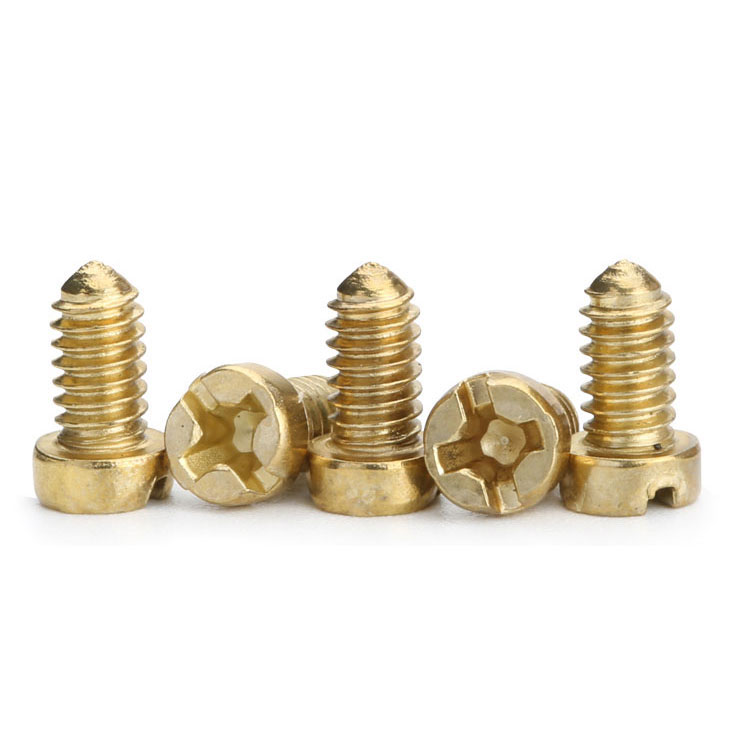
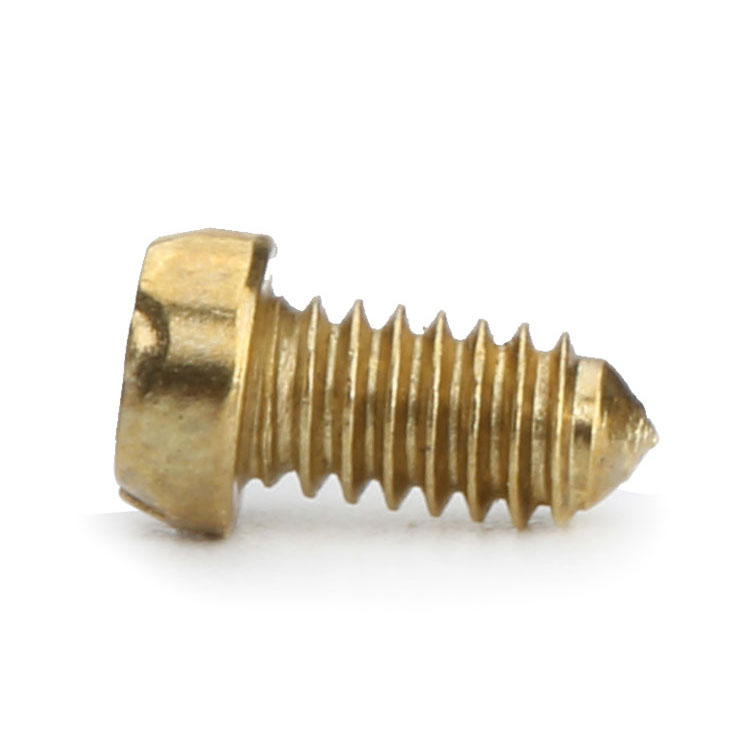
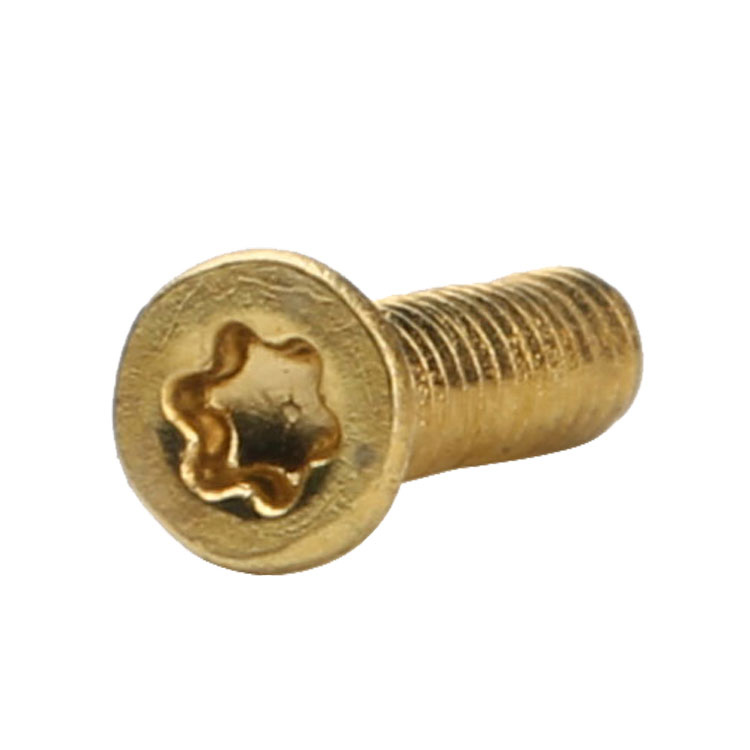
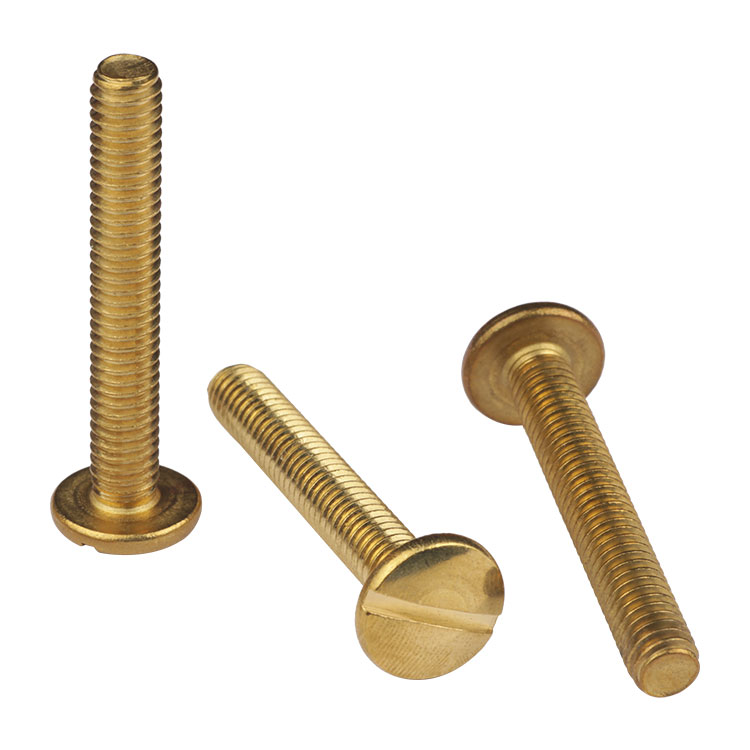
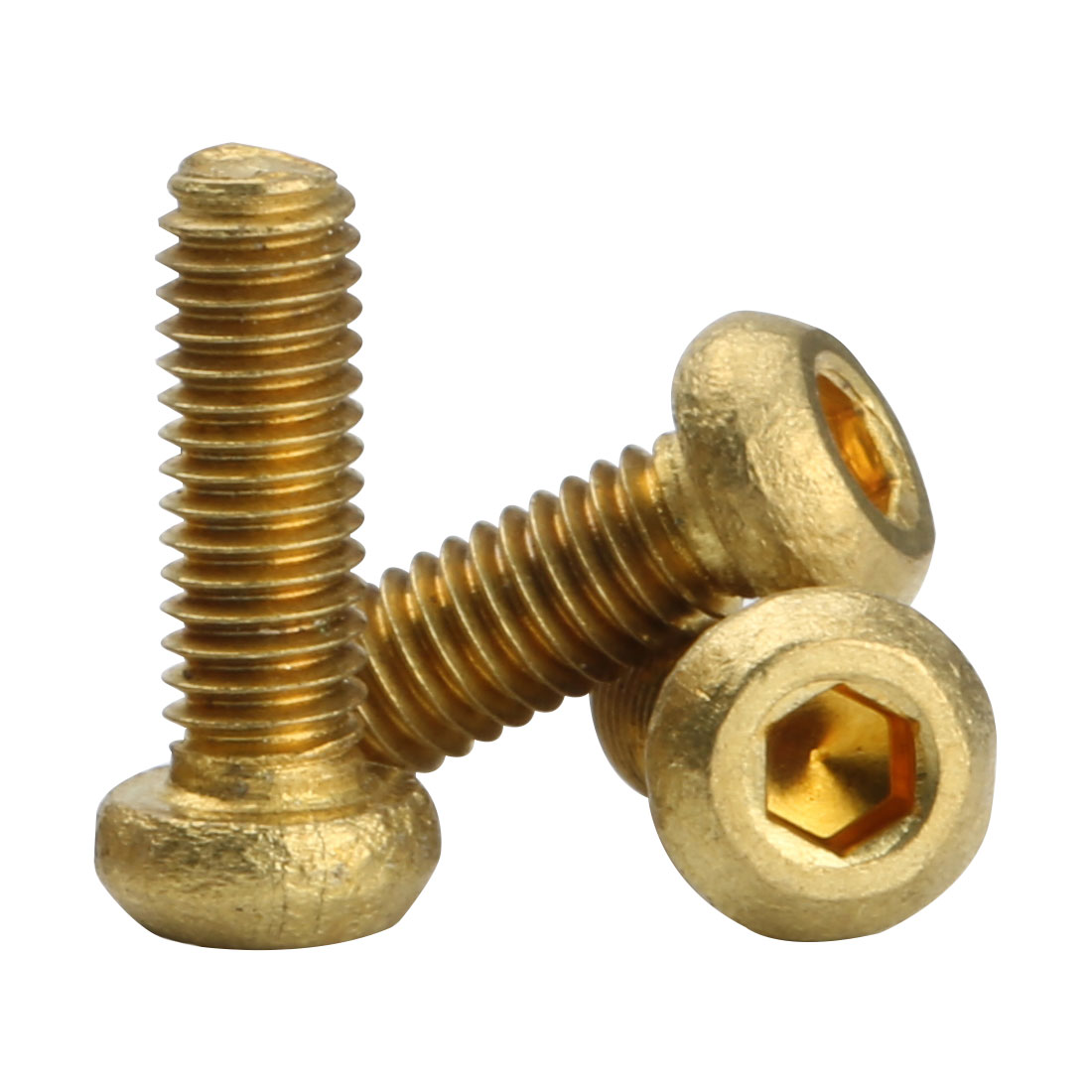
Type:Copper Machine Screws Manufacturers
Materials:Copper
Surface treatment:Plain
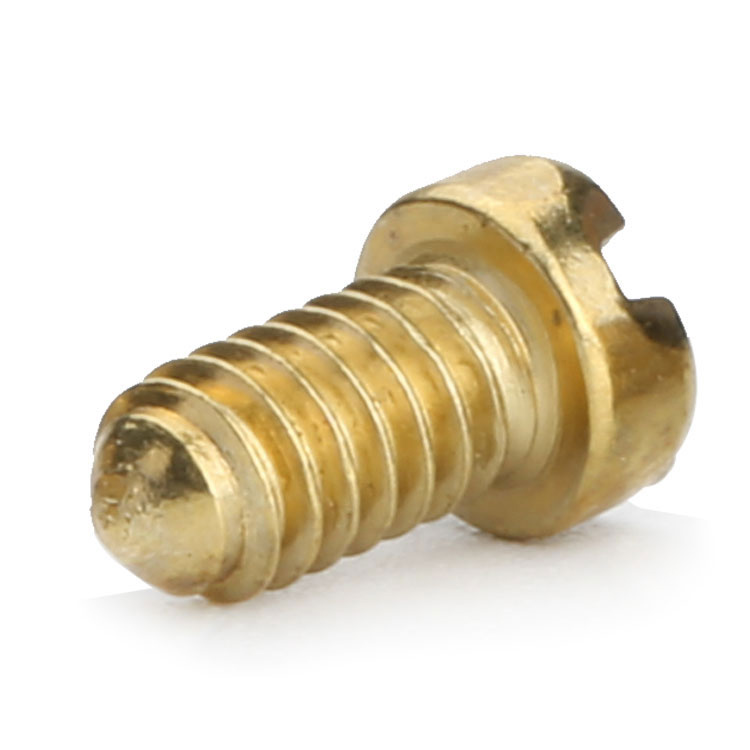
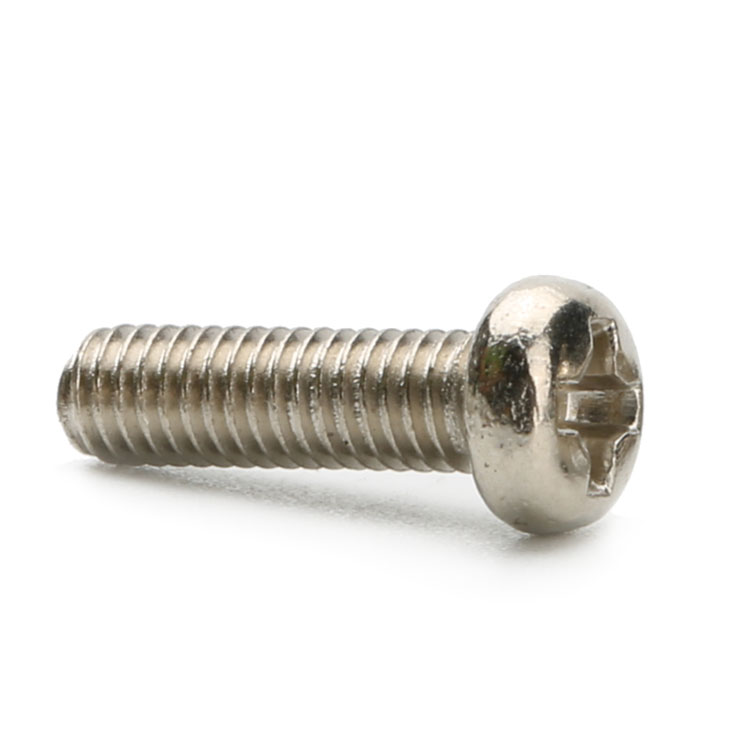
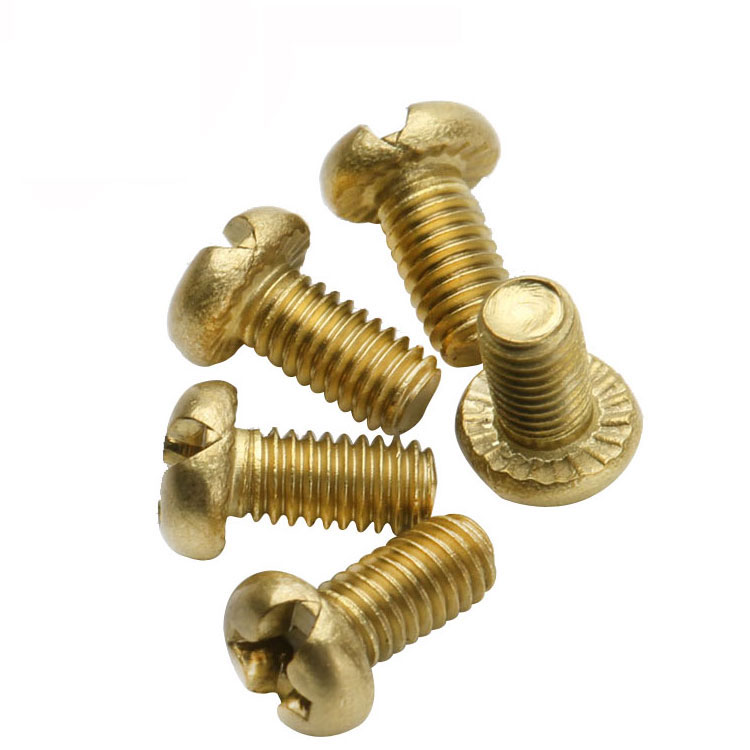
Head Type:Pan head
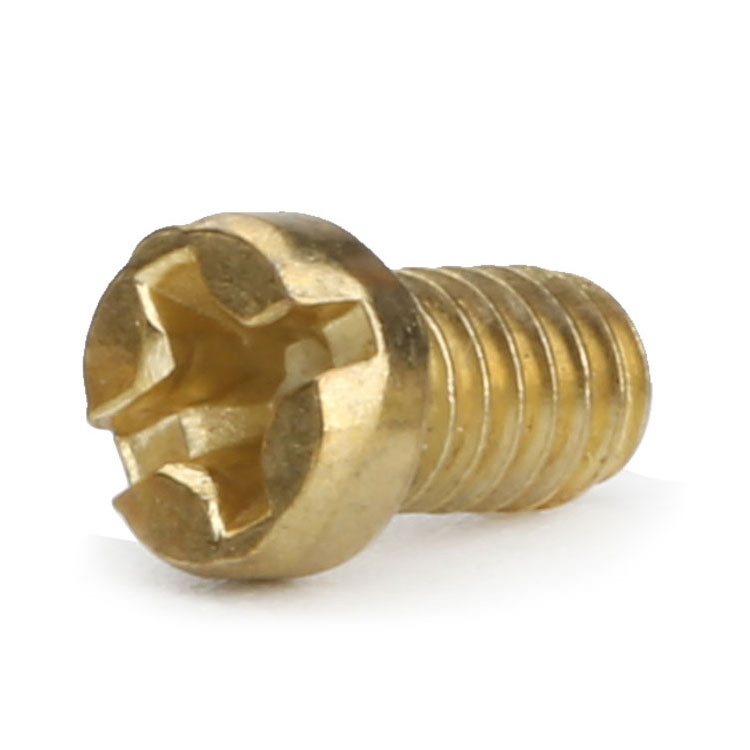
Drive:Cross recess (Phillips)
Thread:Machine thread
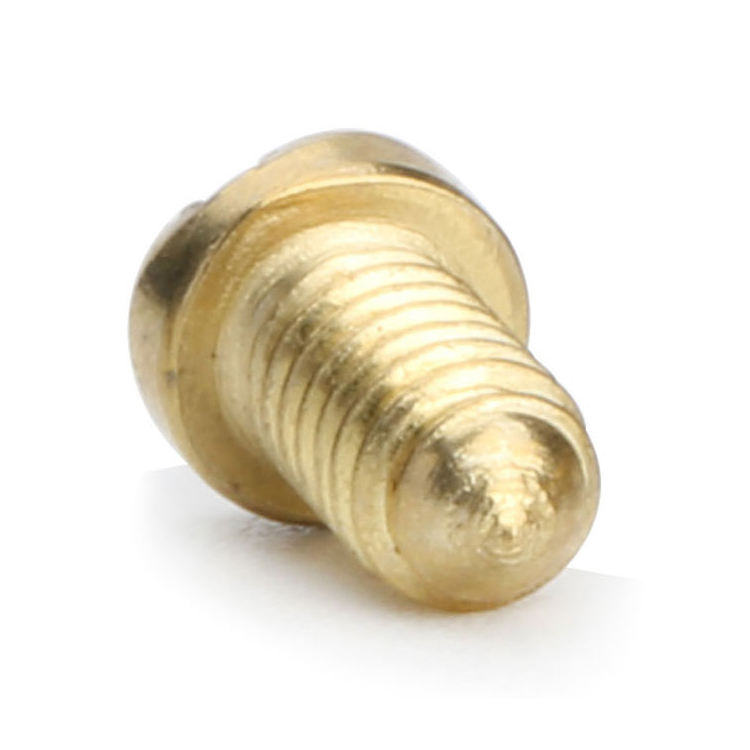
Point:Plain, chamfered
Forming:Single Die Heading
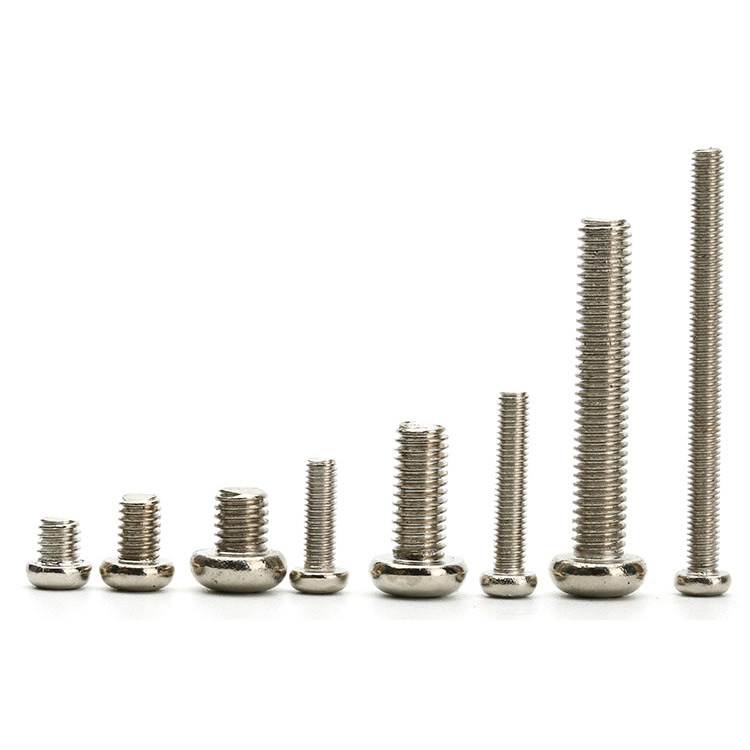
Size:M1 M2 M3 M4 M5 M6 M7 M8 M9 M10
We make copper machine screws in the plain pan head form with a cross recess, quoting them from M1 to M10 with lengths made to the drawing. The copper grade and the assembly torque are agreed on the drawing, and the first article is assembled and checked for seizure.
Watch the factory video·Email sst@szsst88.com
ISO 9001:2015 · Manufacturing since 1998 · 8,678+ customers · 89 countries and regions
Made to order – there is no stock catalogue. Each part is produced to your drawing, and production starts after drawing review and first-article approval.
Copper machine screws are machine screws made from copper rather than brass, with a uniform thread for a tapped hole or a nut. The part recorded here is a plain pan head with a cross recess, quoted from M1 to M10 with lengths made to the drawing.
Copper body. Almost pure copper, chosen for conductivity and thermal transfer rather than for appearance.
Pan head. A rounded head with a wide bearing face that sits on the surface and spreads the clamp.
Cross recess. Four tapered arms driven by a matching bit, in a metal soft enough to mark on the first slip.
Plain finish. Bare copper, which darkens in air and has to be specified as a condition rather than a colour.
They are used in busbars and terminals, heat sinks and thermal assemblies, RF and electrical test fixtures, and any joint where the fixing has to carry current or heat as well as clamp.
The two metals are related and behave differently in a joint. Brass is copper alloyed with zinc: it machines beautifully, holds a thread well and is stiff enough to make a decent fastener. Copper is nearly pure: it conducts better, transfers heat better, and is considerably softer and more ductile, which changes what happens at the thread and at the recess.
The thread is the first casualty. A copper thread deforms under load instead of resisting, so the same torque that seats a brass screw will begin to flatten the copper one. That is why copper machine screws are usually specified with a lower torque and a coarser engagement, and why the joint is designed so the screw does not have to be re-tightened repeatedly.
The second issue is galling. Copper seizes against itself and against many other metals when the surfaces are clean and dry, and the seizure happens at the moment of assembly rather than in service. A screw that galls in a copper terminal cannot be removed without damage, which is why an assembly lubricant or a defined procedure belongs in the drawing.
The recess follows from the softness. A cross recess in copper marks at a lower torque than in brass, and the arms take a set rather than shearing. The practical answer is the same as elsewhere: the recess is cut as deep as the head allows and the driver has to reach the floor, because a bit that bears on the top of the arms will damage a copper head on the first turn.
What copper buys is the reason it is used at all: better conductivity than brass and much better thermal transfer. Where the fixing is part of an electrical or thermal path, that is worth the softness. Where it is only holding a part, brass does the same job more cheaply and more robustly.
The recorded range is M1 to M10, with lengths made to the drawing. Custom lengths up to 2,000 mm are subject to the drawing submission and DFM review. The quotation for copper machine screws carries the copper grade, the head diameter and height, the PH size and recess depth, the thread pitch and the overall length.
| Item | How it is defined | What we control |
|---|---|---|
| Grade | Copper, not a brass alloy | Grade stated on the certificate |
| Head | Pan head, on the surface | Diameter, height and bearing face |
| Recess | Cross, PH size per diameter | Depth and floor thickness |
| Thread | Machine thread in copper | Pitch, length and start position |
| Length | Overall, head included | Length tolerance and thread start |
| Finish | Plain copper | Surface condition stated |
The grade is the first thing to state, because copper covers a range of purities and the conductivity a customer is buying depends on it. A drawing that says copper without a grade leaves the choice to the supplier, and the difference shows up in a measurement rather than in appearance.
Recess depth is bounded by the head, and in copper the recess has to be as deep as the head allows. A shallow cross in a soft metal is a cross that will be marked on the first assembly.
Length is measured over the head. In a terminal joint the usable thread length is the overall length minus the terminal thickness, and copper’s lower strength makes that engagement the limiting factor.
Four properties decide copper machine screws, and each one carries a cost:
| Property | What it gives | What it costs |
|---|---|---|
| Copper body | High electrical and thermal conductivity | Soft; thread and recess deform early |
| Plain finish | No coating between the parts | Surface darkens; condition must be agreed |
| Pan head | Wide bearing face | Stands above the surface |
| Machine thread | Repeatable joint | Needs a tapped hole and a lower torque |
The value of copper machine screws is a fixing that is part of the circuit or the heat path rather than an insulator in the middle of it. On a busbar or a heat sink, a steel or stainless screw adds resistance exactly where the joint is meant to conduct.
The cost is everything that comes with a soft metal: the torque is lower, the thread strips sooner, the recess marks early, and the joint has to be designed by someone who knows that.
The recorded finish is plain copper. There is no plating between the parts, which is often the point: a coating at a conducting joint adds resistance and can oxidise differently from the copper on either side.
| Option | What it does | Effect on joint and recess | Typical use |
|---|---|---|---|
| Plain, bright | Bare copper, cleaned | No barrier at the joint | Conducting and thermal joints |
| Plain, as machined | Bare with normal handling | Tone varies; joint unaffected | General electrical work |
| Tinned | Thin tin layer | Protects surface; slight resistance | Where oxidation is a problem |
| Nickel plated | Hard barrier | Build in recess; re-gauged | Where wear resistance is wanted |
| Anti-oxidation coated | Conversion film | Thin; helps storage | Long-stored parts |
Tinning is the compromise most often used on electrical parts: it keeps the copper from oxidising in storage while adding a layer thin enough that the joint still conducts. Where a coating is used, the recess is gauged after plating because the copper underneath has less margin than steel would.
Plain copper darkens quickly in air and faster in a hand. That is not a defect, but it means the finish has to be described as a condition rather than a colour, and the customer’s sample is the reference.
Three settings where conductivity or heat transfer is the reason for the material:
| Where it sits | The screw clamps a connection where the fixing is part of the current path and its resistance matters. |
| When it goes wrong | A steel screw is used and the joint runs hotter than the design assumed. |
| Why it happens | The joint carries current, the parts are copper, and the connection is inspected. |
| What we control | Grade confirmed on the certificate; torque set for copper; first article cycled. |
| Where it sits | The screw holds a thermal part where heat has to pass through the joint rather than around it. |
| When it goes wrong | A stainless screw insulates the joint and the component runs warmer. |
| Why it happens | The joint is thermal, the parts are copper, and the assembly is small. |
| What we control | Grade confirmed; surface condition agreed; first article assembled and checked. |
| Where it sits | The screw fixes a fixture where a magnetic or resistive fixing would disturb the measurement. |
| When it goes wrong | A steel screw shifts a reading or adds loss at the joint. |
| Why it happens | The assembly is sensitive, the fixing is close to the signal path, and the joint is repeated. |
| What we control | Grade and surface confirmed; first article measured before and after assembly. |
Four reasons that matter on a part that is chosen for its conductivity, each tied to something the drawing or the certificate has to show:
|
Grade and torque written down
The copper grade and the assembly torque are agreed before quoting, because the conductivity the customer is buying depends on the grade and the joint depends on the torque. Basis: Grade and torque stated. |
Headed or turned, threaded, left plain
The pan head and cross are formed, the thread cut or rolled to suit copper, and the parts left plain so nothing sits between the joint faces. Basis: One route, no barrier at the joint. |
|
Recess and thread measured
The recess depth and the thread are measured and the drive proved with the production bit, because copper marks earlier than any harder metal. Basis: Drive and thread proved. |
Same grade, same surface
The grade and the surface condition are recorded with the drawing revision, so a repeat order conducts and assembles the same way. Basis: Same grade across orders. |
Copper machine screws are headed on single-die machines where the grade allows, and turned from bar stock where the geometry or the small quantity suits it better; the thread is then cut or rolled to suit the material, and the parts are left plain. The first part of every run is measured on head diameter and height, recess depth, thread and length.


|

|
Copper is softer and stickier than steel under a tool, so the process for copper machine screws is chosen for the part rather than for the volume. Heading works well for small screws in quantity, where the head is formed in one stroke and the material flows without tearing. Turning is used where the geometry is not a standard head, or where the order is small enough that a die is not worth making.
Threading needs care in both routes. A cut thread in copper is clean and predictable; a rolled thread work-hardens the crest, which raises strength but also makes the thread more prone to galling against a mating copper part. The choice is recorded with the job rather than left to the machine.
Because the parts are left plain, the surface is part of the specification. Copper tarnishes in air and marks when handled, so the parts are kept dry, handled with gloves at final inspection, and packed so that they do not rub bright spots into each other.
What decides whether copper machine screws pass is the grade, the recess, the thread and the surface. The inspection agreement covers those, and the criteria come from the drawing.

Recess and head on the projector |

Thread and start checked |

Hardness against the copper grade |

Humidity exposure on the plain surface |
Grade and conductivity are confirmed for every heat, because that is what the part is bought for. Head diameter, height and recess depth are measured on the projector, and the thread is gauged after forming.
The functional check is a drive with the production bit at the lower torque copper requires, then a removal. Copper marks before it deforms visibly, so the recess is inspected under magnification after that cycle rather than only after manufacture.
Surface condition is checked against the agreed sample. Plain copper changes in the days after packing, which is why the condition is recorded at the time of inspection rather than at the time of delivery.
Every batch is traceable to the copper stock it was made from. The grade and heat number appear on the material certificate supplied with the parts, and the inspection records follow the criteria agreed on the drawing.

ISO 9001:2015 |

RoHS test report |

Registered trademark |

Patent: security screw and driver |
With each shipment we supply the material certificate, the inspection record for the dimensions on the drawing, and the RoHS report for the grade. Where a customer audits the process, the conductivity test records for copper machine screws are available for review on the visit. The documents carry the drawing revision and the batch number, so a repeat order of copper machine screws matches the electrical behaviour of the original.
More than 8,678 customers in 89 countries and regions have ordered from Shi Shi Tong; 87% of orders come from repeat customers and 56% through referrals. Most projects follow the same route: drawing review, first-article approval, then batches checked against that sample. On copper parts the first article is assembled at the lower torque and checked for seizure before the batch runs. Buyers visit during the process to review samples.
|
8,678+
customers served
|
87%
of orders from repeat customers
|
56%
of orders through referrals
|
89
countries and regions shipped to
|
Buyers and quality engineers visit for sample review, process discussion and supplier audits; the visit is arranged around production so the headers, the turning area and the inspection bench can be seen on the day the parts run.

Customer group visit – sample review |

Customer group visit – process discussion |

Customer group visit – factory tour |

Customer visit – project kick-off |

Danish customer – drawing review |

Industry exhibition – meeting customers |
No. Brass is copper alloyed with zinc and is stiffer and easier to machine. Copper is nearly pure, conducts and transfers heat better, and is softer.
Where the fixing is part of an electrical or thermal path. If it is only holding a part, brass is the better choice.
A copper thread deforms instead of resisting, so the torque that seats a brass screw would flatten the copper one.
It can gall against itself or a mating metal, especially clean and dry. An assembly lubricant or a defined procedure is agreed with the drawing.
Usually not for conductivity, and a coating adds resistance. Tinning is the common compromise where storage life matters.
The copper grade, head diameter and height, PH size and recess depth, thread pitch, overall length and the assembly torque.
How a copper screw project runs from drawing to repeat delivery:
|
1
Send the drawing and the grade
|
→ |
2
Grade and torque agreed
|
→ |
3
First article assembled and checked
|
→ |
4
Batch production and repeat orders
|
Each step is confirmed with you before the next one starts; the drawing revision from the first article is what repeat orders are checked against.
For a quotation, send the drawing with the copper grade, head diameter and height, PH size and recess depth, thread pitch, overall length and the assembly torque.
|
Copper grade
|
Head diameter
|
PH size
|
|
Thread pitch
|
Length
|
Torque
|
Sending a drawing? The form below does not take attachments. Email the PDF, DXF or STEP file to sst@szsst88.com with the part name and quantity in the subject line – the drawing is reviewed and a quotation follows.

 +86 13143444311
 sst@szsst88.com