Tel:
+86 13143444311
Email:sst@szsst88.com
Fax:+0086-755-27322278
Address:Building 9, First Industrial Zone, Tantou Industrial City, Songgang Street, Baoan District, Shenzhen 518105, Guangdong, China
Type:Longest Screw Size
Materials:Stainless Steel
Surface treatment:Plain
Length range:Custom, to drawing
Head Type:Multiple heads per drawing
Drive:Phillips or hex socket
Thread:Machine thread, partial
Forming:Single Die Heading
Size:M1 M2 M3 M4 M5 M6 M7 M8 M9 M10
The longest screw size is not one figure: it follows from the diameter, the head, the thread and the material, and from the joint the part has to span. We work in the long range from M1 to M10, with custom lengths up to 2,000 mm subject to DFM review after drawing submission.
Watch the factory video·Email sst@szsst88.com
ISO 9001:2015 · Manufacturing since 1998 · 8,678+ customers · 89 countries and regions
Made to order – there is no stock catalogue. Each part is produced to your drawing, and production starts after drawing review and first-article approval.
The longest screw size is not one number. It is the length that can be made for a given diameter, head, material and thread, and the answer changes as soon as any of those changes. This page explains what decides it and what has to be on the drawing before a length can be quoted.
Length. Measured under the head, over the whole part, and quoted against the stack the screw has to reach through.
Diameter. A thin shank over a long length behaves differently from a thick one, and the drawing has to set both.
Head and thread. The head form and the threaded length decide how the length is used, not only how big the part is.
Handling. A long part has to be made, plated and packed without being bent, which is part of what makes a length practical.
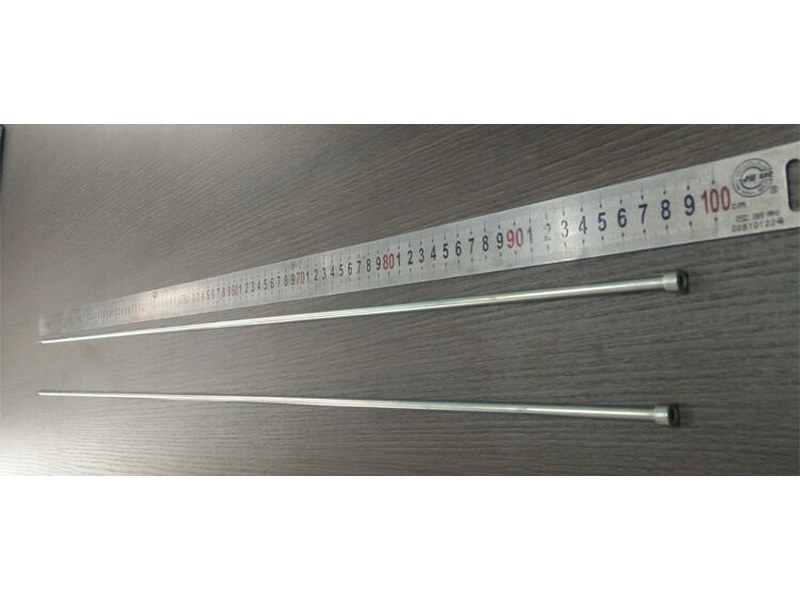
The parts shown here cover the longest screw size we quote, in stainless steel with a plain finish, from M1 to M10. Custom lengths up to 2,000 mm are subject to the drawing submission and DFM review.
Customers usually ask about the longest screw size as if it were a catalogue entry. The honest answer is that a length is a joint dimension, and the joint decides it: how deep the stack is, how much thread has to engage at the far end, and how the screw is going to be driven and supported while it goes in.
Diameter changes the longest screw size directly. A long thin screw of the same nominal length is a different manufacturing problem from a thick one: the blank has to be straightened and handled more carefully, the thread rolling runs over more of the part, and the risk in packing and shipping rises. That is why a length that is routine at M6 is not routine at M2.
Head form changes the longest screw size too. A cap head concentrates the drive in a socket and needs a deeper socket than a pan head; a countersunk head spends its height on the cone, so the socket or recess is shallower and the part is harder to drive at length. The same length in two head forms is two different jobs.
The thread then decides how the longest screw size is used. A partially threaded long screw puts plain shank through the clearance bores and thread only at the far end, which is what most long joints want. A fully threaded long screw is used where the joint needs thread along its whole length, and that changes both the manufacturing route and the driving effort.
So the answer to the longest screw size is a procedure rather than a figure: send the stack, the diameter, the head and the thread, and the length follows. What the shop can state with confidence is the range it works in and the review that every long drawing goes through before a quotation.
A drawing for the longest screw size is reviewed against four things before a length is offered. The first for the longest screw size is the overall length and its datum, measured under the head. The second is the threaded length and where the boundary falls on the longest screw size you need. The third is the head and its drive. The fourth is the material and finish, because both affect how the part is handled at length.
| Item | How it is defined | What we control |
|---|---|---|
| Overall length | Under the head to the point | Length and its datum |
| Threaded length | Thread from the point upward | Where the thread ends |
| Diameter | Nominal thread size | Thread and shank |
| Head and drive | Per the drawing | Head form and recess depth |
| Material | Stainless grade or steel | Grade and coating |
| Handling | Length and packing | Straight delivery in trays |
On a question of the longest screw size, the thread boundary is the item most often left off, and on a long screw it is the one that decides whether the joint works. A boundary that lands in the gap leaves thread acting as ridges through the span; a boundary that lands inside the clamped part gives the joint a plain shank to bear on.
When asking about the longest screw size, the datum is the second most common omission. On a long screw the difference between measuring from the top of the head and from under it is the head height, and on a joint designed to a tight stack that difference is enough to leave the screw short.
Material and finish belong in the review even though they do not change the length. A long part is handled more, packed more carefully and inspected more than a short one, and the finish has to survive that handling without being marked before it reaches the customer.
Four properties decide how far the long range is practical, and each one carries a cost:
| Property | What it gives | What it costs |
|---|---|---|
| Long range | One fixing across a deep stack | Handling and packing become part of the process |
| Choice of heads | The right head for the joint | Each head form has its own length limits |
| Choice of thread length | Plain shank where the joint needs it | Boundary must be specified |
| Stainless or steel | Corrosion or cost | Both change the driving and the finish |
The value of working to the longest screw size your joint needs is a deep joint closed with one part instead of a stud and nut, from one side, with a head that suits the space. On machinery and structural work that is often the difference between assembling in place and dismantling to reach.
The cost is that length makes everything else less forgiving. A part that is a few tenths out is a nuisance at 20 mm and a joint that will not close at 500 mm, and the handling required grows with every step the part takes.
The recorded finish on these parts is plain stainless. On a long screw that is the simplest finish to keep straight, because there is no deposit to build unevenly along a metre of thread and no coating to be marked by the handling the part needs.
| Option | How it protects | Effect on long thread and shank | Typical use |
|---|---|---|---|
| Passivated, plain | Removes free iron; rebuilds oxide | No build; thread as rolled | Stainless long parts |
| Nickel plated | Hard barrier deposit | Build along the thread; friction rises | Visible dry machinery |
| Clear or colour zinc | Sacrificial zinc | Thin build; re-checked | Indoor steel long parts |
| Zinc flake | Lamellar coating | Low build; covers edges | Steel parts needing corrosion |
| Black oxide | Conversion film, oiled | Almost no build | Dark dry assemblies |
Where a steel part is plated, the longest screw size you can drive is limited by the deposit felt along the whole engaged length rather than at one point, which is why a long plated screw needs a pilot or tapping that accounts for it. Where the part is stainless, that variable disappears and the joint depends on the thread and the shank alone.
For a part this long, the finish also has to survive inspection and packing. A bright zinc that marks on contact with another part is a poor choice for a part that will be handled several times before it ships.
Three settings where the question of the longest practical screw comes up:
| Where it sits | The screw passes through spacer blocks and plates before it threads into the last component. |
| When it goes wrong | The thread boundary lands in the gap and the clamp is carried by threads in mid span. |
| Why it happens | The stack is deep, the joint is dismantled, and flatness matters. |
| What we control | Stack, boundary and datum agreed; first article assembled and checked. |
| Where it sits | The screw spans a gap between two members with access only from one side. |
| When it goes wrong | The part arrives bent from handling and will not start straight in the pilot. |
| Why it happens | The span is long, the site is exposed, and the fixing is repeated. |
| What we control | Length and packing agreed; first article driven with the production socket. |
| Where it sits | A one-off joint needs a length no catalogue covers, and the drawing comes from the assembly rather than from a standard. |
| When it goes wrong | The drawing leaves the datum or the thread length open and the part arrives unusable. |
| Why it happens | The quantity is small, the joint is unusual, and the review is the whole process. |
| What we control | Every dimension agreed at review; first article measured and fitted. |
Four reasons that matter when the answer to “how long” depends on the drawing rather than on a table, each tied to something the review has to settle:
|
Reviewed against the stack, not a catalogue
Every long drawing is reviewed against the joint it serves, because the length follows from the stack, the thread boundary and the head rather than from a stock list. Basis: Reviewed against your stack. |
Made and handled as a long part
The part is headed, threaded over the agreed length and moved in trays rather than loose, because a bent long part cannot be recovered later. Basis: Handled straight from press to packing. |
|
Datum, length and boundary measured
The overall length is measured under the head and the thread boundary separately, because those two numbers define what the joint does. Basis: Datum and boundary measured. |
Same length across orders
The tooling and the thread boundary setting are recorded with the drawing revision, so a repeat order spans the same stack the same way. Basis: Same length across orders. |
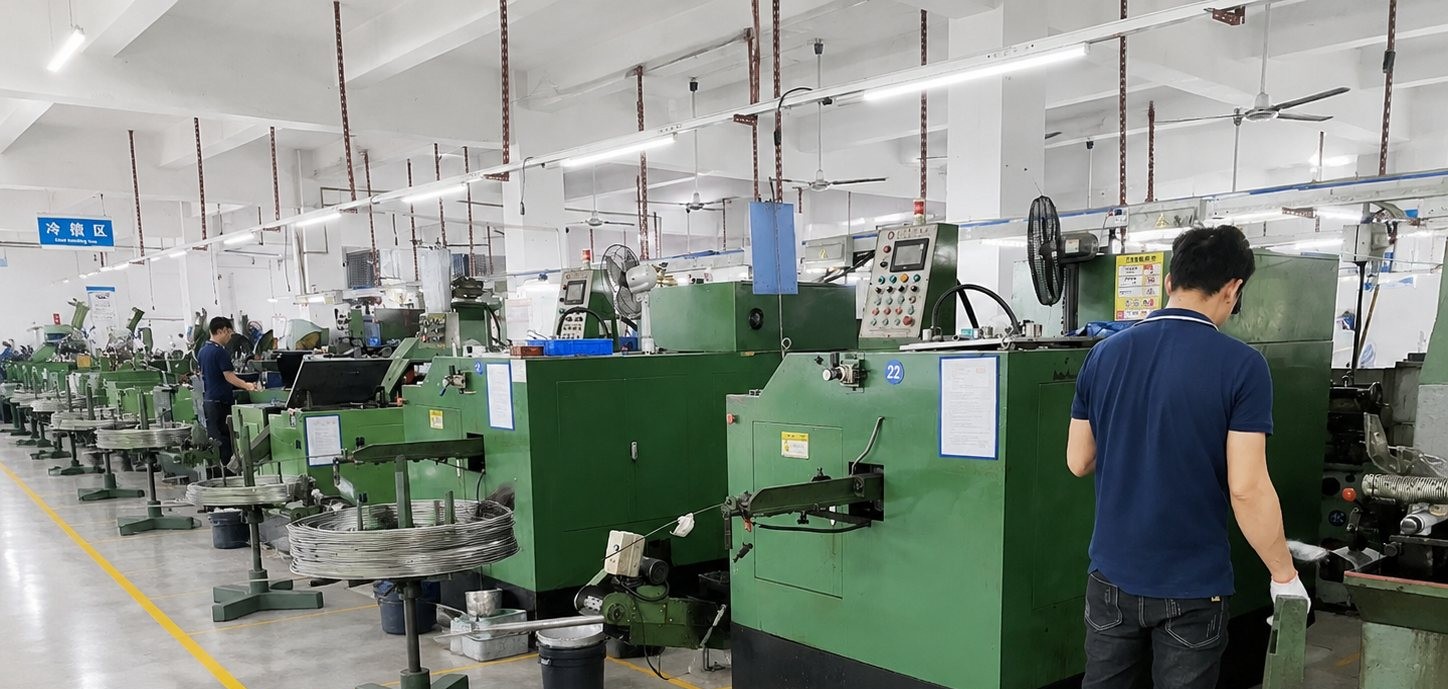
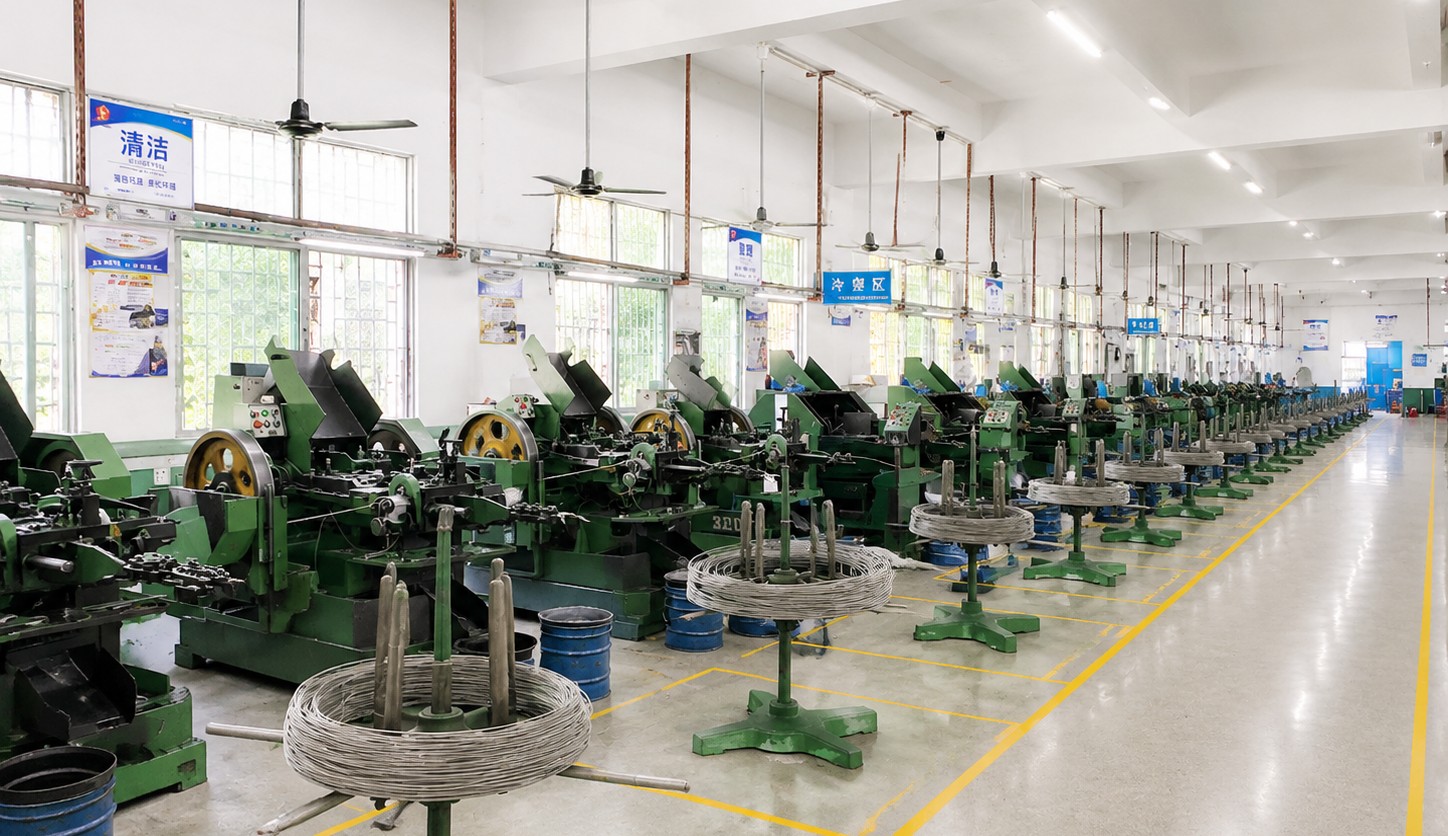
Long parts are headed on single-die machines that form the head in one stroke, threaded by rolling over the agreed length and finished as specified. The first part of every job is measured on head dimensions, thread, overall length and threaded length, and the part is handled in trays from the press onwards.
|
|
Rolling the thread over a long length is where the longest screw size is decided in production. The dies run the whole threaded section in one pass, and the boundary between thread and shank is set by where the rolls start rather than by a later operation. A drift in that setting moves the boundary, which no visual check catches and every assembly feels.
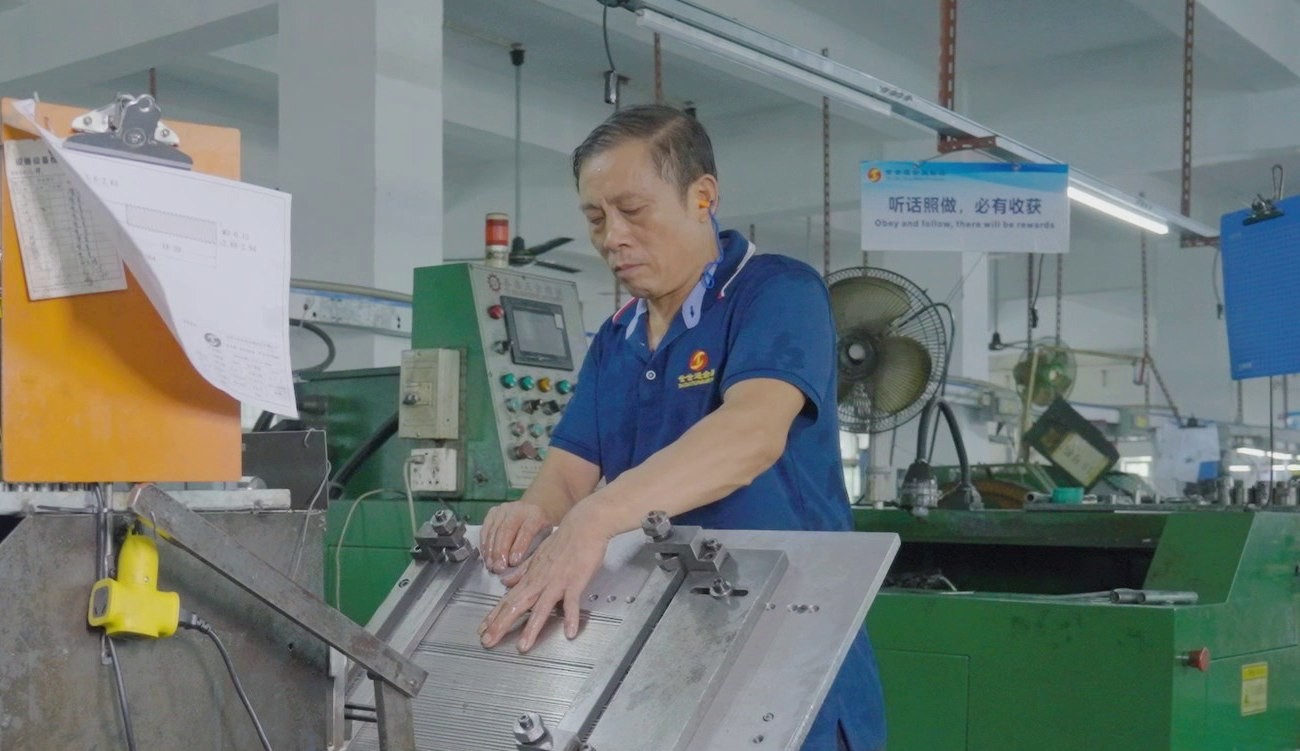
Handling is a process step when the longest screw size grows, not a courtesy. The screws are moved in straight trays, never loose in a bin, and they are inspected before packing in the same orientation they were made. A long thin part that has been dropped or laid across other parts takes a set, and a part with a set will not start in a pilot.
Finishing and inspection follow the same principle: the part is checked in the state it ships, at the datum the drawing uses, with the length and the thread boundary recorded against the batch.
What decides whether a long part passes is the overall length at its datum, the thread boundary, the thread itself and the condition of the part after handling. The inspection agreement covers those, and the criteria come from the drawing.

Boundary on the projector |

Thread and start checked |

Hardness against the grade |

Salt-spray testing of the plain surface |
For any longest screw size, overall length is measured under the head and threaded length from the point. Both are recorded, because a batch that is right in one and wrong in the other is a batch that will not clamp the joint it was made for.
The thread is gauged along its length rather than at one point, since a long run is where pitch drift shows. The head and its drive are checked with the key, and the shank is inspected for handling marks rather than as a measured feature.
A sample from each batch is assembled into the customer stack. That is the check that turns the two length numbers into a joint, and it is the one the customer repeats on receipt.
Every batch is traceable to the heat of material it was made from. The grade and heat number appear on the material certificate supplied with the parts, and the inspection record carries the measured overall length and threaded length against the drawing.

ISO 9001:2015 |

RoHS test report |

Registered trademark |

Patent: security screw and driver |
With each shipment we supply the material certificate, the inspection record for the dimensions on the drawing including the thread boundary, and the surface records for the batch. The documents carry the drawing revision and the batch number, so a repeat order of long screws spans the same stack.
More than 8,678 customers in 89 countries and regions have ordered from Shi Shi Tong; 87% of orders come from repeat customers and 56% through referrals. Most projects follow the same route: drawing review, first-article approval, then batches checked against that sample. On a long part the first article is assembled into the customer stack, because the length and the boundary only matter there. Buyers visit during the process to review samples.
|
8,678+
customers served
|
87%
of orders from repeat customers
|
56%
of orders through referrals
|
89
countries and regions shipped to
|
Buyers and quality engineers visit for sample review, process discussion and supplier audits; the visit is arranged around production so the headers, the thread rolling station and the packing bench can be seen on the day the parts run.

Customer group visit – sample review |

Customer group visit – process discussion |

Customer group visit – factory tour |

Customer visit – project kick-off |

Danish customer – drawing review |

Industry exhibition – meeting customers |
The longest screw size depends on the diameter, the head, the thread and the material, so it is set by the drawing rather than by a single figure. Custom lengths up to 2,000 mm are reviewed against the drawing.
Because the longest screw size that is routine at M6 is a different problem at M2, and a countersunk head has less height to work with than a cap head at the same length.
The overall length under the head, the threaded length, the diameter, the head and drive, and the material and finish.
It has to fall inside the clamped part. In the gap, the thread acts as ridges and the plain shank never bears.
That is why long parts are handled in trays and inspected in their made orientation. A part with a set will not start in a pilot.
No. The review starts with the stack and the joint, and the length is confirmed from those before a quotation is issued.
How a long part is specified and confirmed when the length is the open question:
|
1
Send the stack and the joint section
|
→ |
2
Datum, length and boundary agreed
|
→ |
3
First article assembled in your stack
|
→ |
4
Batch production and repeat orders
|
Each step is confirmed with you before the next one starts; the drawing revision from the first article is what repeat orders are checked against.
For a quotation, send the drawing with the overall length under the head, the threaded length, the diameter, the head and drive, and the material and finish.
|
Overall length
|
Threaded length
|
Diameter
|
|
Head and drive
|
Material
|
Finish
|
Sending a drawing? The form below does not take attachments. Email the PDF, DXF or STEP file to sst@szsst88.com with the part name and quantity in the subject line – the drawing is reviewed and a quotation follows.

 +86 13143444311
 sst@szsst88.com