Tel:
+86 13143444311
Email:sst@szsst88.com
Fax:+0086-755-27322278
Address:Building 9, First Industrial Zone, Tantou Industrial City, Songgang Street, Baoan District, Shenzhen 518105, Guangdong, China
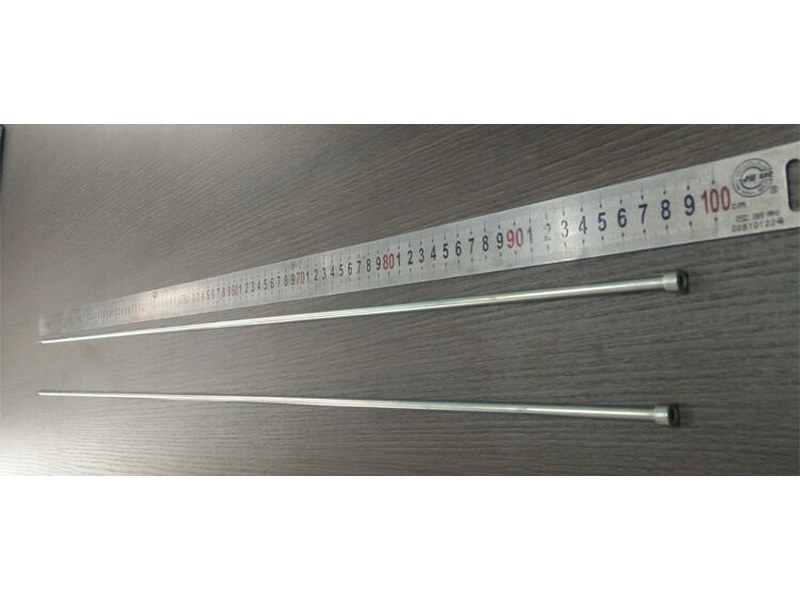
Type:100mm Electrical Screws
Materials:Steel
Surface treatment:Galvanized
Head Type:Pan head
Drive:Phillips cross recess
Thread:Machine thread
Point:Plain, chamfered
Forming:Single Die Heading
Size:M1 M2 M3 M4 M5 M6 M7 M8 M9 M10
We make 100mm electrical screws in steel with a galvanised finish, pan head and cross recess, with M3 in the same range and other lengths to the drawing. The length datum and thread length are agreed against your box stack, and the thread is gauged after coating.
Watch the factory video·Email sst@szsst88.com
ISO 9001:2015 · Manufacturing since 1998 · 8,678+ customers · 89 countries and regions
Made to order – there is no stock catalogue. Each part is produced to your drawing, and production starts after drawing review and first-article approval.
100mm electrical screws are long machine screws used in electrical assemblies to reach through a box, a terminal block or a bracket. The part recorded here is steel with a galvanised finish, pan head and cross recess, quoted in the 100 mm length with M3 in the same range.
100 mm length. A reach length, chosen so the screw can pass through a housing and still thread into what is behind it.
Pan head, cross recess. A wide bearing face and a drive that suits a hand driver or a low-torque powered one.
Steel, galvanised. A zinc coating applied by dipping, thicker than plating and continuous over edges.
Machine thread. A uniform thread for a tapped insert, a nut or a terminal body.
They are used on switch and junction boxes, cable tray supports, lighting fittings, control panels and earth bonding points, where the fixing has to reach past one component to hold another.
On 100mm electrical screws reach matters more than strength. The screw passes through a housing wall, a gasket, a terminal block and sometimes a standoff before it threads, and nothing in that stack is thick. The result is a long, thin screw carrying a small clamp load, which is a very different design point from a structural long screw.
That changes what matters on 100mm electrical screws. Buckling under the driver is a real risk on a thin shank over a long free length, so the drive has to be steady and the pilot or clearance hole has to guide the screw rather than let it wander. A long M3 pan head screw driven freehand into a box will bend before it seats, and a bent fixing in a terminal is a connection that never sits right.
On 100mm electrical screws the coating then becomes part of the electrical question. Galvanising is a dipped zinc layer, thicker and more continuous than electroplating, and it protects cut edges and threads better in damp service. It also adds measurable thickness to the thread, which on a small screw changes the fit in a nut or a tapped insert and increases the driving effort over the length.
Where the screw is also part of a bonding path, the continuity of that coating matters in the opposite direction: a thick zinc layer is not a good conductor compared with bare metal, and a bonded joint normally relies on the thread and the contact faces rather than on the plating. That is a joint design question, and it belongs in the electrical drawing rather than in the fastener drawing.
The head form closes the practical picture. A pan head spreads the clamp on a plastic or sheet housing, and a cross recess lets an installer work with the driver that is already in the bag. Neither is a high-torque feature, and neither needs to be: the load is small and the reach is the point.
The recorded product is a 100 mm screw, with other lengths made to the drawing and M3 in the same range. Custom lengths up to 2,000 mm, subject to DFM review after drawing submission. The quotation for 100mm electrical screws carries the overall length, the thread size and length, the head dimensions, the recess size and the coating specification.
| Item | How it is defined | What we control |
|---|---|---|
| Length | Overall, under the head | 100 mm as standard, others to drawing |
| Thread | Machine thread | Size, pitch, length and start |
| Head | Pan head, cross recess | Diameter, height and recess depth |
| Coating | Galvanised | Thickness and continuity |
| Fit | Thread after coating | Gauged after galvanising |
| Length datum | Under the head | Stated so the stack adds up |
Thread length is quoted separately from the overall length because on a long screw the plain portion is what passes through the housing. Where the thread runs the full length, the thread rubs in the clearance hole; where it is partial, the plain shank guides.
The coating line is not cosmetic on a galvanised part. A dipped zinc layer changes the thread fit, so the thread is gauged after coating rather than before, and the nut or insert that the customer uses is part of the first-article check.
Length is measured under the head, and that datum is worth stating explicitly on electrical work, because a stack of housing, gasket and terminal is added up by whoever designs the box and an error of one head height is enough to leave the screw short.
Four properties decide 100mm electrical screws, and each one carries a cost:
| Property | What it gives | What it costs |
|---|---|---|
| 100 mm reach | Passes through a stack of parts | Thin shank can buckle if driven freehand |
| Galvanised coating | Thick, continuous zinc | Thread fit and drive effort change |
| Pan head | Clamp spread on plastic and sheet | Stands above the housing |
| Cross recess | Standard driver, quick assembly | Low torque before cam-out |
The value of 100mm electrical screws is a fixing that reaches. In a box with a terminal block standing off the back, a long screw is the difference between assembling from the front and dismantling the box.
The cost is that the part is flexible and lightly clamped, so the assembly method matters as much as the screw: guided start, low torque, and a check that the joint is seated rather than forced.
The recorded finish is galvanised. On an electrical fixing that is chosen for durability in damp or industrial surroundings, and the table below shows what changes when it is replaced by another finish.
| Option | How it protects | Effect on thread and recess | Typical use |
|---|---|---|---|
| Galvanised | Dipped zinc, thick and continuous | Builds on thread; re-gauged | Damp and industrial boxes |
| Clear zinc plated | Thin electroplated zinc | Minimal build; thread unchanged | Indoor panel work |
| Zinc flake | Lamellar coating | Low build; edges covered | Where galvanising is too thick |
| Sheradised | Diffused zinc layer | Thin and even; no build at edges | Small parts needing corrosion life |
| Stainless, passivated | Passive film, no coating | No build at all | Wet and coastal installations |
Where the coating is too thick for the thread fit the customer wants, zinc flake is the usual answer: it protects edges well without the same build. Where the installation is wet or coastal, stainless removes the coating question entirely.
For a bonding joint, the finish has to be agreed with the electrical requirement rather than with the corrosion requirement alone. A joint designed to conduct relies on metal-to-metal contact at defined points, and a coating that covers those points changes the reading.
Three electrical settings where a fixing has to reach:
| Where it sits | The screw passes through a lid or a plate and threads into a standoff or an insert behind it. |
| When it goes wrong | The screw is short and only engages a couple of turns, or it bends on the way in. |
| Why it happens | The box is deep, the fixing is long, and the assembly is done in a confined space. |
| What we control | Length and thread length agreed; first article assembled in the box. |
| Where it sits | The screw reaches through a DIN rail component into a mounting plate or a busbar. |
| When it goes wrong | A galvanised thread is tight in the insert and the terminal does not pull down. |
| Why it happens | The run is long, the terminal is small, and the joint is inspected. |
| What we control | Thread gauged after coating; first article screwed into the customer insert. |
| Where it sits | The screw holds a support where the fixing has to span a gap between the tray and the structure. |
| When it goes wrong | A thin shank buckles while being driven and the support sits crooked. |
| Why it happens | The span is long, the access is awkward, and the fixing is repeated. |
| What we control | Shank and coating checked; first article driven with the production driver. |
Four reasons that matter on a long thin fixing whose coating changes its fit, each tied to something the drawing or the first article has to prove:
|
Length datum and thread length stated
The overall length is measured under the head and the thread length is given separately, because the electrical stack is added up by someone else and both numbers have to agree with it. Basis: Length datum and thread length. |
Headed, threaded and galvanised
The pan head and recess are formed, the thread rolled, and the batch galvanised with the thread gauged again afterwards. Basis: Thread gauged after coating. |
|
Fit proved in your insert
The thread is proved by screwing into the customer nut or insert after galvanising, because that is the fit the coating has changed. Basis: Screwed into your insert. |
Same fit, same reach
The rolling dies and the coating thickness are recorded with the drawing revision, so a repeat order reaches and fits the same way. Basis: Same reach across orders. |
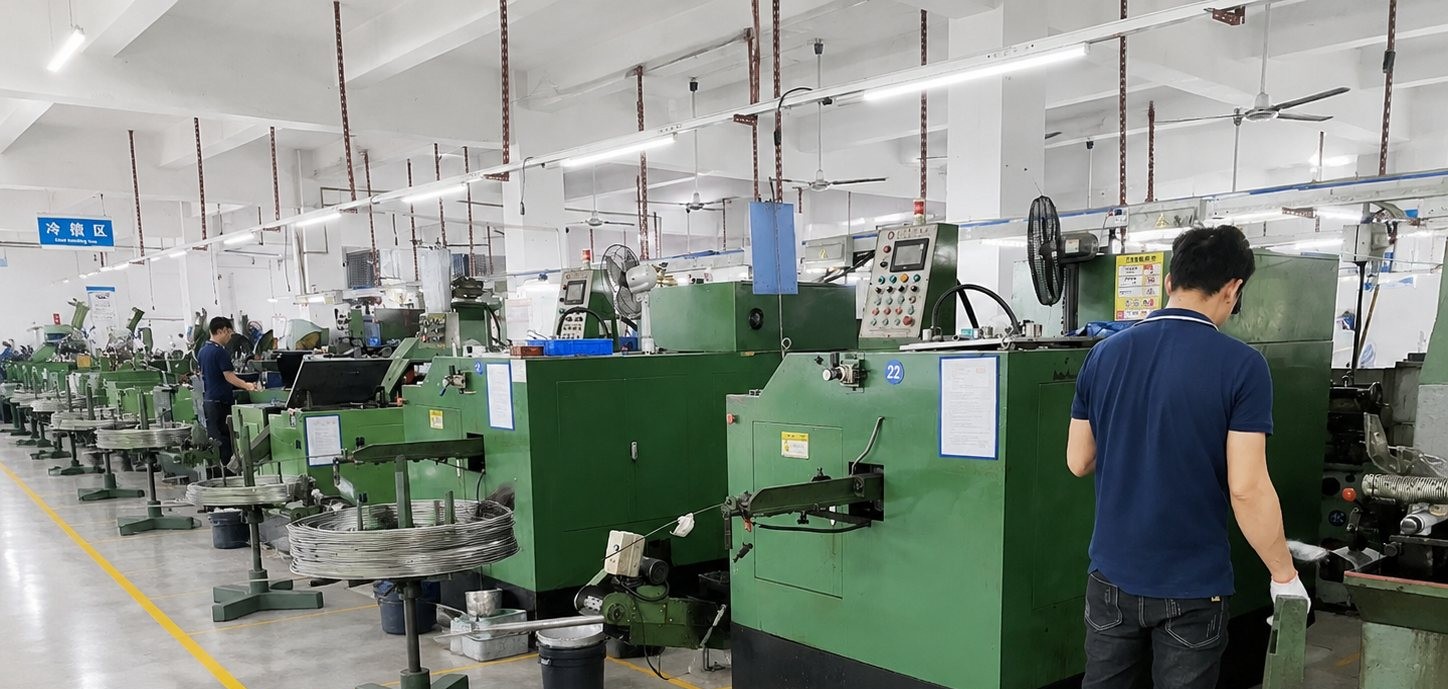
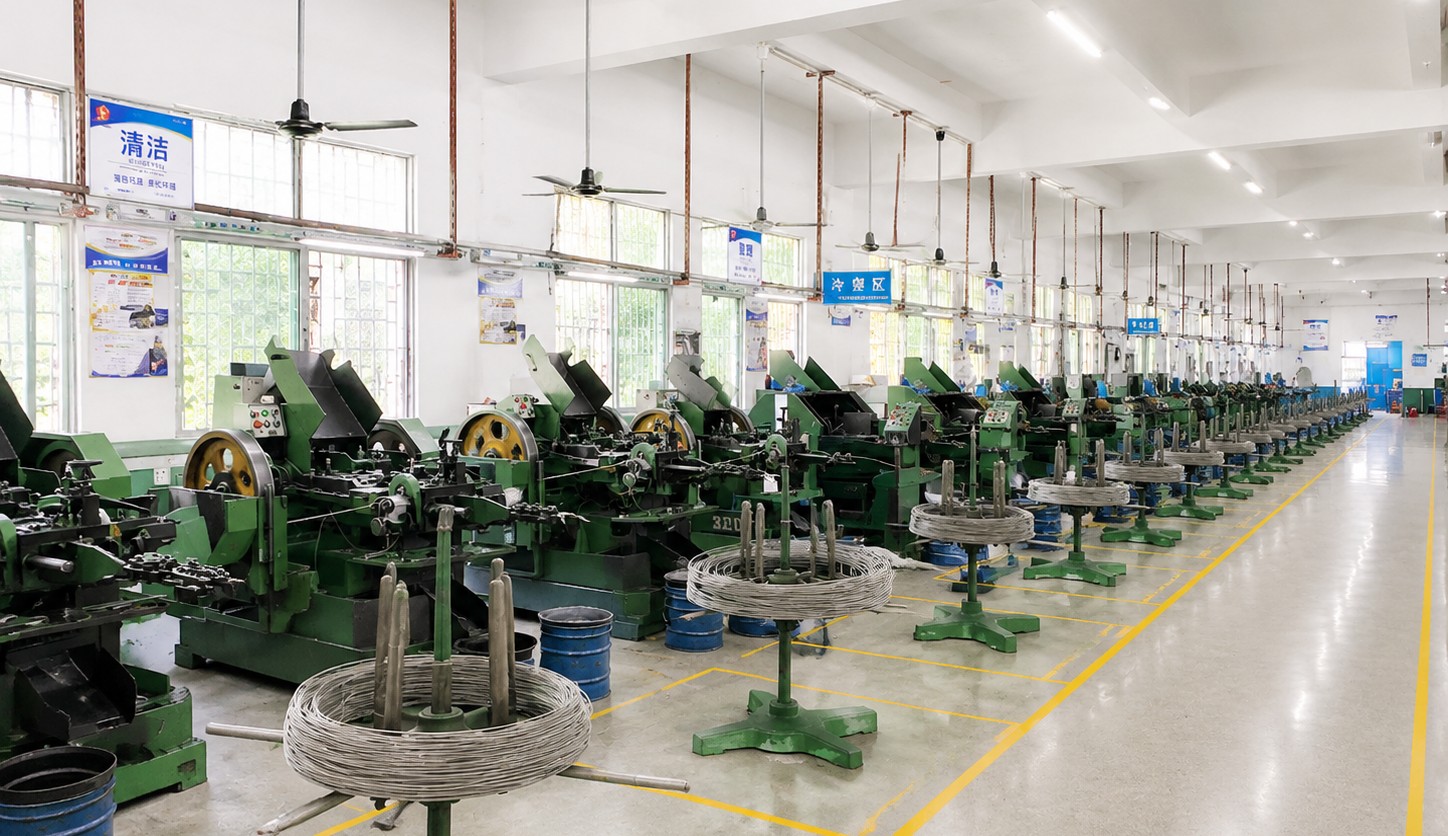
These screws are headed on single-die machines that form the pan head, cut with the cross recess, thread rolled over the agreed length and then galvanised. The first part of every run is measured on head diameter and height, recess depth, thread and overall length, and the thread is gauged again after coating.
|

|
On 100mm electrical screws the rolling operation is gentler than on a short part: the same thread over a hundred millimetres of small shank needs the rolls set so the blank is displaced evenly, and a thread rolled too tight leaves a shank that is slightly waisted and more likely to buckle during assembly.
Galvanising follows and is where the fit is decided. The zinc is applied by dipping, so the layer is thicker than a plated one and follows the thread form as a coat rather than a film. The thread is gauged afterwards and a sample is screwed into the customer’s nut or insert, which is the check that describes the fit the installer will meet.
On 100mm electrical screws the head and the recess are inspected after coating as well, since the same layer fills the cross slightly and changes which driver seats. That is a small effect on a pan head and a decisive one on a shallow recess.
What decides whether 100mm electrical screws pass is the length, the thread, the head and the coating. The inspection agreement covers those, and the criteria come from the drawing.

Head and recess after coating |

Thread re-checked after coating |

Core hardness checked |

Salt-spray testing of the zinc layer |
Overall length is measured under the head and the thread length separately, because the electrical stack depends on both. Head diameter, height and recess depth are read after coating, since the layer is thick enough to matter.
The thread is gauged with go and no-go rings after galvanising, and a sample is screwed into the customer nut or insert by hand. That hand check catches a thread that passes a gauge and still binds in the actual mating part.
Coating thickness is measured on a sample from each lot, and the head and the thread root are inspected for continuity. Those are the places where a thin patch shows first, and on a damp installation they are where corrosion starts.
Every batch is traceable to the wire it was made from and to the galvanising lot that finished it. The grade and heat number appear on the material certificate supplied with the parts, and the coating thickness is recorded for the batch.

ISO 9001:2015 |

RoHS test report |

Registered trademark |

Patent: security screw and driver |
With each shipment we supply the material certificate, the inspection record for the dimensions on the drawing including the post-coating thread, and the coating and RoHS reports. The documents carry the drawing revision and the batch number, so a repeat order of 100mm electrical screws reaches and fits the same way.
More than 8,678 customers in 89 countries and regions have ordered from Shi Shi Tong; 87% of orders come from repeat customers and 56% through referrals. Most projects follow the same route: drawing review, first-article approval, then batches checked against that sample. On a galvanised part the first article is screwed into the customer insert, because that is the fit the coating has changed. Buyers visit during the process to review samples.
|
8,678+
customers served
|
87%
of orders from repeat customers
|
56%
of orders through referrals
|
89
countries and regions shipped to
|
Buyers and quality engineers visit for sample review, process discussion and supplier audits; the visit is arranged around production so the headers and the galvanising line can be seen on the day the parts run.

Customer group visit – sample review |

Customer group visit – process discussion |

Customer group visit – factory tour |

Customer visit – project kick-off |

Danish customer – drawing review |

Industry exhibition – meeting customers |
To reach. The screw passes through a housing, a gasket and a terminal before it threads, and nothing in that stack is thick.
The dipped zinc layer is thicker than plating and adds to the thread. The thread is gauged after coating for that reason.
Yes. A bonded joint relies on metal contact at defined points, so the finish is agreed with the electrical requirement, not only the corrosion one.
Guided and steady, at low torque. Freehand driving on a long thin shank buckles the screw before it seats.
Usually partial, so a plain shank passes through the clearance hole. Full thread is used where the housing itself is threaded.
Overall length under the head, thread size and length, head dimensions, recess size and the coating specification.
How a long electrical fixing project runs from drawing to repeat delivery:
|
1
Send the drawing and the box stack
|
→ |
2
Length, thread and coating agreed
|
→ |
3
First article screwed into your insert
|
→ |
4
Batch production and repeat orders
|
Each step is confirmed with you before the next one starts; the drawing revision from the first article is what repeat orders are checked against.
For a quotation, send the drawing with the overall length under the head, thread size and length, head dimensions, recess size and coating specification.
|
Overall length
|
Thread size
|
Thread length
|
|
Head diameter
|
Recess size
|
Coating
|
Sending a drawing? The form below does not take attachments. Email the PDF, DXF or STEP file to sst@szsst88.com with the part name and quantity in the subject line – the drawing is reviewed and a quotation follows.

 +86 13143444311
 sst@szsst88.com