Tel:
+86 13143444311
Email:sst@szsst88.com
Fax:+0086-755-27322278
Address:Building 9, First Industrial Zone, Tantou Industrial City, Songgang Street, Baoan District, Shenzhen 518105, Guangdong, China
Place of Rorigin:Guangdong, China (Mainland)
Brand name:OEM
Model number:sst 8
Materials:Carbon steel
Surface treatment:Eco black zinc plated
Head Type:Small round head
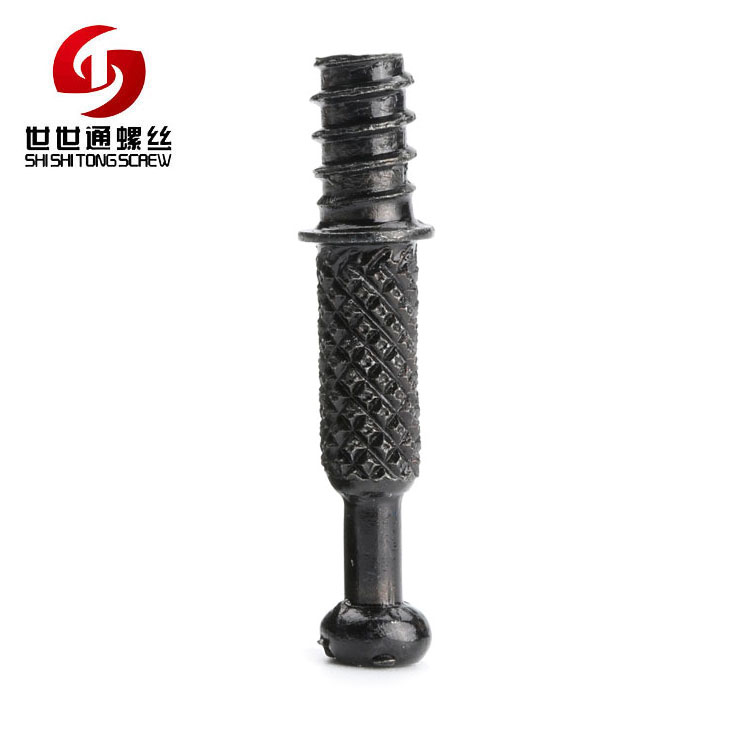
Knurl:Diamond pattern on the shank, crest and root to the drawing
Drive:Phillips and slot combination
Thread:Self tapping thread
Point:Chamfered point
Forming:Cold heading or turning; knurl formed; thread rolled
Size:M6*9.5
Available materials:titanium, aluminum, copper, stainless steel, carbon steel
process:Multi-station
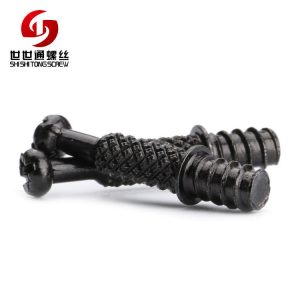
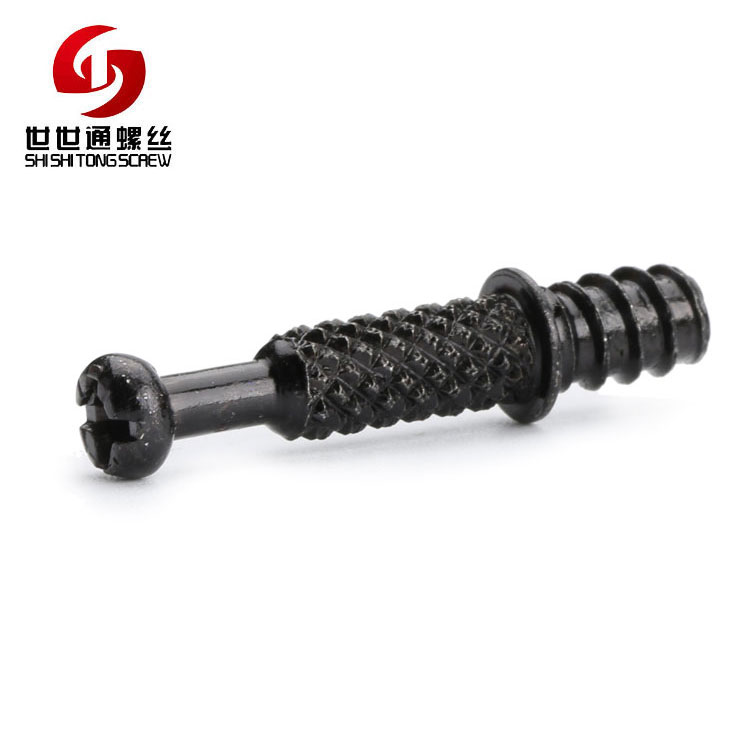
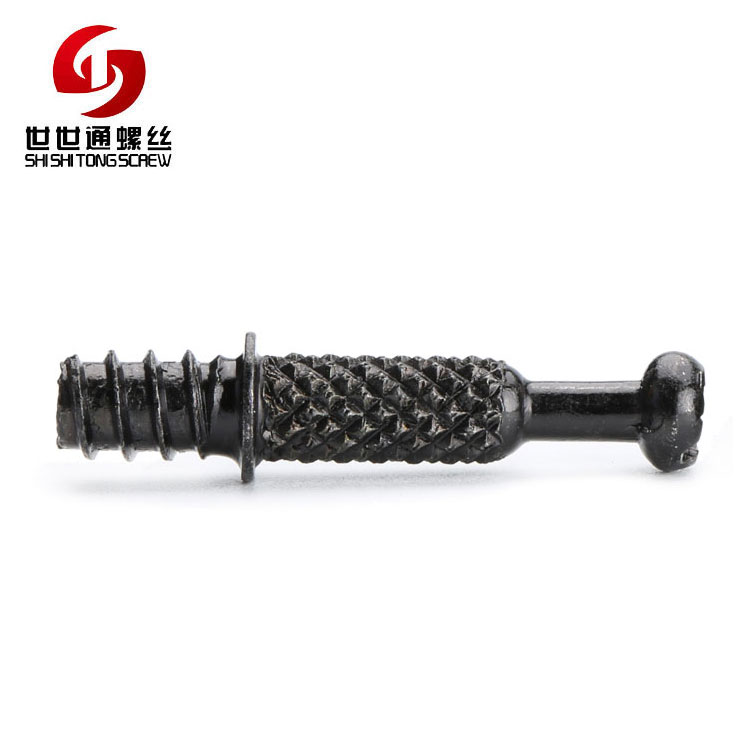
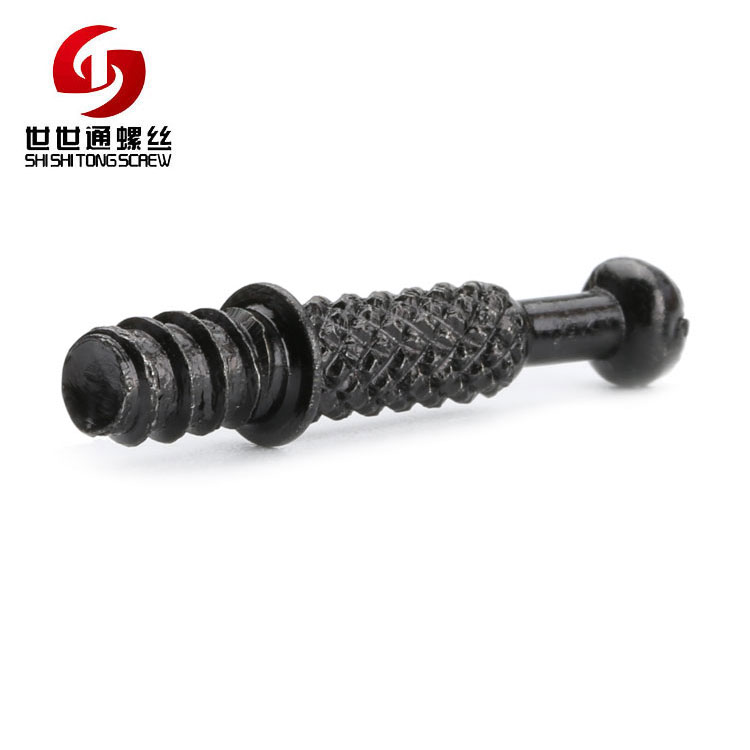
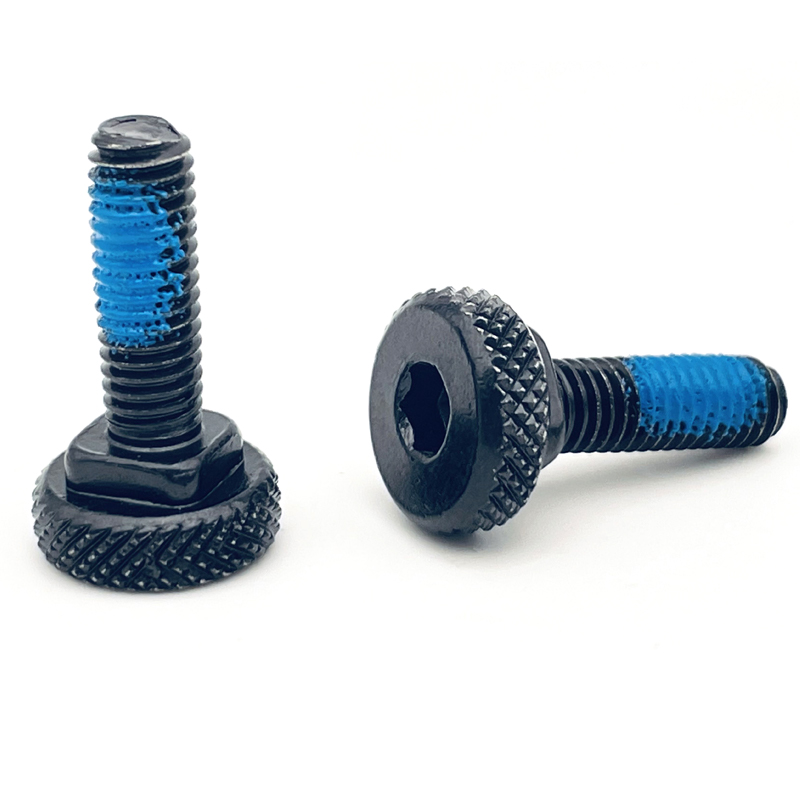
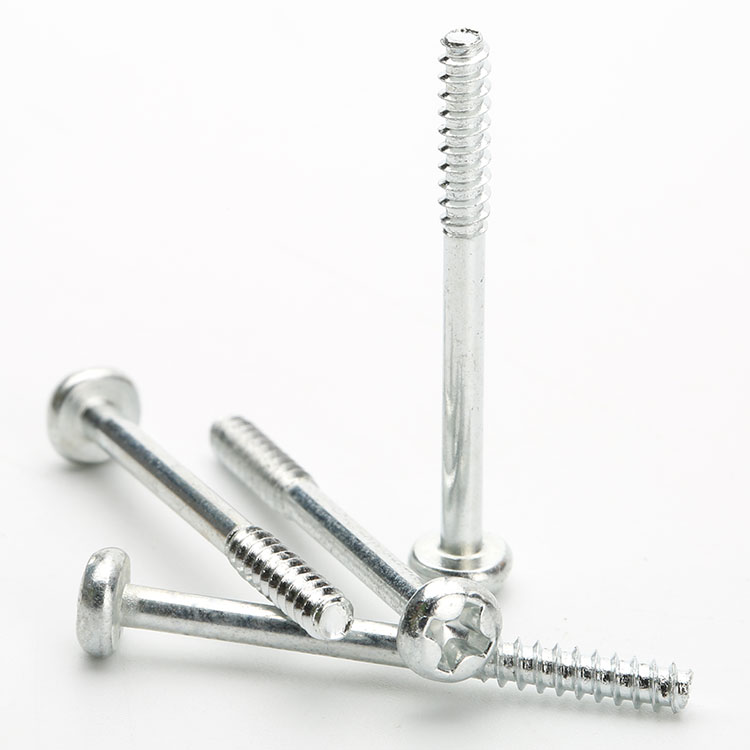
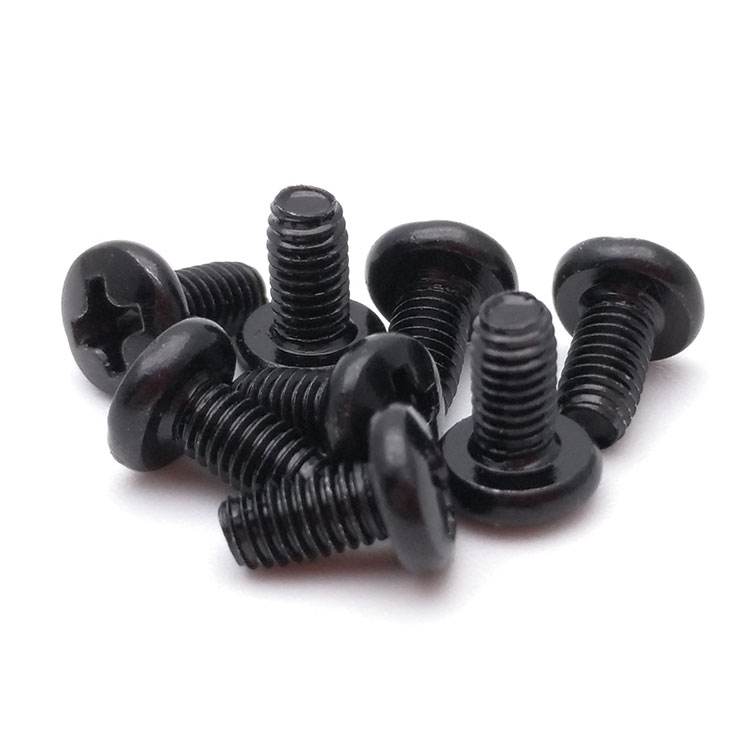
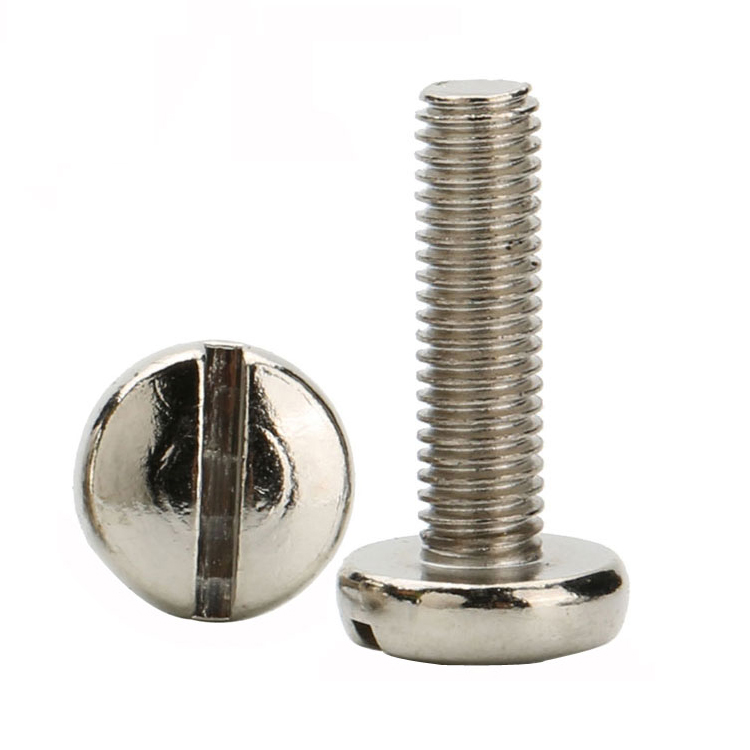
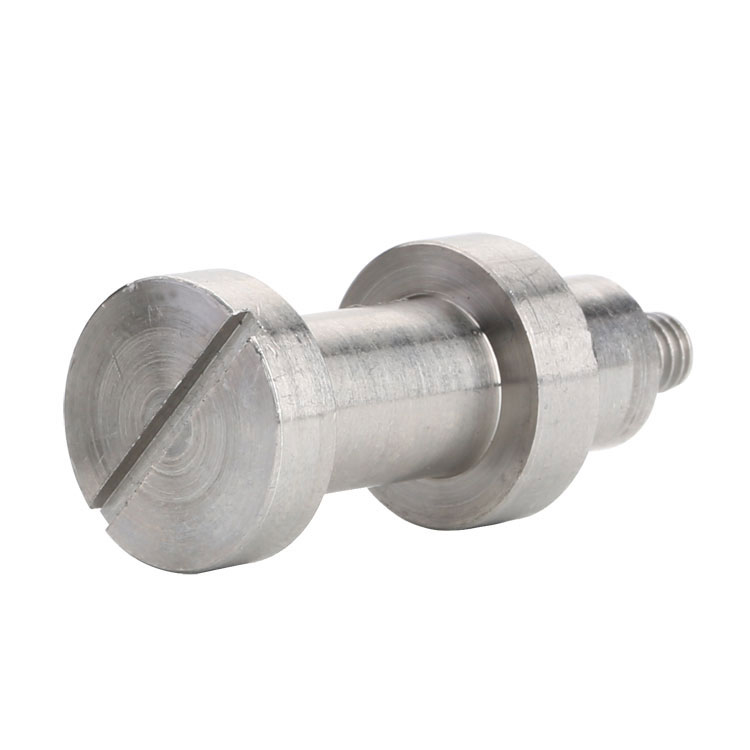
We make knurled screws in carbon steel with the pattern cut into the shank, a small round head with cross and slot, and a black zinc finish. The knurl is a retention feature rather than a grip: its crests press into the boss and stop the screw turning, so the interference has to match the hole.
Watch the factory video·Email sst@szsst88.com
ISO 9001:2015 · Manufacturing since 1998 · 8,678+ customers · 89 countries and regions
Made to order – there is no stock catalogue. Each part is produced to your drawing, and production starts after drawing review and first-article approval.
A knurled screw has a patterned grip cut into its body, and this one carries the pattern on the shank rather than the head. It is carbon steel, black zinc plated, with a small round head that takes a Phillips bit or a blade, and is quoted in M6 by 9.5 with the knurl and length made to the drawing.
Knurled shank. A diamond or straight pattern cut into the body, which bites into the material around it.
Round head. A small domed head with a Phillips cross and a slot, for a light driver or a blade.
Self tapping thread. A coarse thread at the end that cuts its own path into plastic or soft material.
Black zinc. A thin sacrificial coating with a dark dye, uniform and inexpensive.
They are used where a screw has to stay put in a plastic part: knobs, handles, brackets and housings, where vibration or repeated operation would otherwise let the fixing turn in its boss.
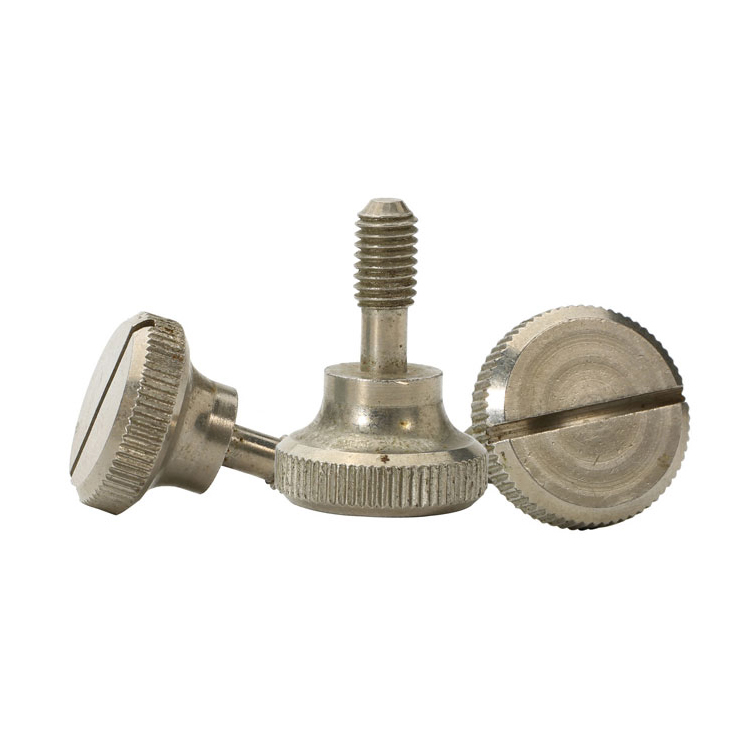
On a thumb screw the knurl of a knurled screw is on the head, so fingers can turn it. On this part the pattern is on the shank, below the head and above the thread, and it has a different job: it presses into the material and stops the screw turning. The distinction matters, because the two knurls are specified differently and read differently on a photo.
On a knurled screw the mechanism is interference. The knurled diameter is slightly larger than the hole it enters, and when the screw is driven the crests displace material and lock against it. In a plastic boss that is a permanent interference fit, and the screw no longer rotates under the torque of whatever is attached to it.
On a knurled screw that is why the pattern has to be cut, not pressed in by the assembler. A screw with a smooth shank relies on friction, and friction in plastic relaxes; a knurled shank has mechanical interlock, which survives relaxation because it is not a friction fit at all.
On a knurled screw the head has a smaller job than it looks. It turns the screw during assembly and stops it at the seat, but it does not carry the anti-rotation duty: that belongs to the shank. A part with the knurl omitted would look almost the same in a bin and fail the first time the knob was turned.
The black zinc finish on a knurled screw is part of the same picture. The knurl is the feature that wears in handling, and a thin coating that comes off the crests first shows the pattern losing its edge long before anything else on the screw changes.
So a knurled screw carries the knurl as a working dimension: pattern type, crest diameter, root diameter and length of the knurled band. Those four decide whether the screw locks, and the thread decides only how it holds.
Knurled screws are quoted by knurl type and band length, crest and root diameter, shank diameter, head diameter and height, recess, thread size and pitch, and finish. Custom lengths up to 2,000 mm, subject to DFM review after drawing submission. The quotation carries the material, the knurl, the head, the thread and the plating.
| Item | How it is defined | What we control |
|---|---|---|
| Body | Carbon steel | Grade and hardness |
| Knurl | Diamond or straight pattern | Crest and root diameter, band length |
| Head | Small round head | Diameter, height and recess |
| Thread | Self tapping | Size, pitch and length |
| Shank | Plain or knurled section | Diameter and length |
| Finish | Black zinc | Thickness and coverage |
On a knurled screw the crest diameter is the dimension that makes the fit. It is usually a few hundredths larger than the hole, and it is checked on the finished part, because the plating adds a little to the crest and changes how hard the screw presses into the boss.
On a knurled screw the band length is written with the material it enters. A band that is too short interlock on too little material and the screw works loose; too long and the band reaches the thread, where it interferes with the joint.
The head is written for the drive and the seat, not for grip. On this part it is small, with a cross and a slot, which is enough for assembly and light service.
Four properties decide this part, and each carries a cost:
| Property | What it gives | What it costs |
|---|---|---|
| Knurled shank | Mechanical interlock against rotation | A fit that has to match the boss |
| Small round head | A low profile and a light drive | Little torque, and no grip for fingers |
| Self tapping thread | Fixing without a tapped hole | Limited re-use in plastic |
| Black zinc | A dark finish at low cost | Wears first at the knurl crests |
The value of a knurled screw is that it stays locked in a plastic part under torque and under vibration, and needs no insert, no thread locker and no second operation on the line at all.
The cost of a knurled screw is that the lock depends on the fit: a knurl a few hundredths under size does nothing, and one that is too far over splits the boss.
The recorded finish is eco black zinc. On a knurled part the coating has two jobs: it protects the steel, and it must not round the crests enough to change the interference fit. A thin film does neither harm; a heavy one blunts the pattern and the screw presses less.
| Option | How it protects | Effect on the knurl | Typical use |
|---|---|---|---|
| Eco black zinc | Sacrificial zinc plus dye | Thin; crests stay sharp | Dark plastic assemblies |
| White zinc | Sacrificial zinc | Thin; bright crests | Light assemblies |
| Nickel | Hard barrier layer | Builds; crests re-checked | Handled knobs |
| Black oxide | Conversion layer | Nearest to zero build | Dry indoor parts |
| Zinc flake | Lamellar barrier | Thicker; fit re-checked | Damp or outdoor service |
On a part where the knurl is the function, the finish is chosen for how little it changes the crest. That is why thin coatings are usual and thick ones are tested on a boss before they are approved.
On a knurled screw the crest is also where the coating wears first, so a black knurled screw shows bright tips after handling. On a visible knob that is the first sign of use, and it should be judged against the sample rather than against a new part.
Three products where a screw has to stay locked in plastic:
| Where it sits | The screw fixes a knob to a shaft where turning the knob would otherwise spin the screw. |
| When it goes wrong | The knob rotates on the screw, or the screw works out over time. |
| Why it happens | The shank is smooth, and friction in the plastic relaxes. |
| What we control | Knurl crest and band length set from the knob bore; sample fitted and turned. |
| Where it sits | The screw holds a bracket in a plastic boss inside a housing. |
| When it goes wrong | The boss splits, or the screw loses its grip after a few assemblies. |
| Why it happens | The knurl is too large for the boss, or the band is too short. |
| What we control | Crest diameter agreed with the boss; first article driven and inspected. |
| Where it sits | The screw fixes a cover that is opened with a light driver and closed again. |
| When it goes wrong | The head rounds, or the screw turns while the cover is being fitted. |
| Why it happens | A small head was driven at high torque, and the knurl was relied on for nothing. |
| What we control | Drive specified for a light tool; sample assembled and re-driven. |
Four points that decide whether a knurled screw locks in its boss and stays serviceable:
|
Knurl written as a dimension
The drawing gives crest and root diameter and band length, because the interference is what does the locking. Basis: Interference controlled. |
Knurl cut, then plated
The pattern is cut to size and checked after plating, so the film on the crest is part of the fit. Basis: Crest proven on the plated part. |
|
Driven into the real boss
The first article is driven into a sample of the customer boss and checked for rotation and for splitting. Basis: Lock proved in the boss. |
Same crest every lot
Crest diameter, band length and plating are recorded with the drawing revision, so a repeat lot presses the same. Basis: Same fit across lots. |
A knurled screw that is a little under size looks identical and holds nothing. These four points are what turns the interference into something measured rather than hoped for.
These screws are cold headed or turned from carbon steel, with the knurl formed on the shank, the head formed with its cross and slot, the thread rolled, and the parts black zinc plated. The first piece of every run is measured on knurl crest and root, band length, head, thread and overall length.


|

|
The knurl is the feature that needs the most attention, because it is a form that has to be consistent along its band. A pattern that fades at one end grips on one side of the boss only, and the screw then rocks rather than locks.
The band length is set at the same station. It has to stop short of the thread, or the crests interfere with the joint and the screw cannot be driven home; and it has to be long enough to cross the wall of the boss it locks into.
Plating follows the knurl and adds to the crest. The parts are checked for crest diameter after plating, and the sample is driven into a boss, because a knurl that measures right and presses too hard will split a moulded part.
What decides whether a batch of knurled screws passes is the knurl that interlocks, the head that drives and the thread that clamps. The inspection agreement covers all three.

Knurl and head on the projector |

Thread checked with gauges |

Material checked |

Salt-spray testing of the coating |
The knurl is measured for crest and root diameter and the band for length and position. A band that has drifted toward the thread is a reject even when both diameters are correct, because it changes where the screw grips.
The head is measured for diameter and height and the recess driven with the bit. On a small head the cross is shallow, and a worn bit will round it before the joint is tight.
The thread is gauged and the screw driven into a sample boss, where it is checked for rotation and for splitting. That test is the one that matches the joint, and it is recorded on the sample lot.
Every batch of knurled screws is traceable to the wire, the heading lot and the plating lot. The material certificate states the grade, the heat number and the mechanical properties; the plating record carries the coating thickness and the lot.

ISO 9001:2015 |

RoHS test report |

Registered trademark |

Patent: security screw and driver |
With each shipment we supply the material certificate, the inspection record for the knurl, head and thread, and the plating record. The records carry the batch number, so a repeat order can be compared with the first on the crest diameter that decides the lock.
The material certificate and the inspection record are issued together with each shipment.
More than 8,678 customers in 89 countries and regions have ordered from Shi Shi Tong; 87% of orders come from repeat customers and 56% through referrals. Most projects follow the same route: drawing review, first-article approval, then batches checked against that sample. On a knurled screw the first article is driven into the customer’s boss, because the interference is a property of the pair. Buyers visit during the process to review samples.
|
8,678+
customers served
|
87%
of orders from repeat customers
|
56%
of orders through referrals
|
89
countries and regions shipped to
|
Buyers and quality engineers visit for sample review, process discussion and supplier audits; the visit is arranged around production so the heading cells and the plating line can be seen on the day the parts run.

Customer group visit – sample review |

Customer group visit – process discussion |

Customer group visit – factory tour |

Customer visit – project kick-off |

Danish customer – drawing review |

Industry exhibition – meeting customers |
To stop the screw rotating. The crests press into the boss and lock mechanically, so the screw does not turn under load.
No. The knurl is on the shank, not the head. It is a retention feature, and the head is turned with a driver.
A few hundredths over the hole, agreed with the boss. Too small does nothing; too large splits the material.
A self tapping knurled joint is not designed for repeated removal. The second fit is looser than the first.
The crest is the highest point and takes the wear first. It is a sign of handling, not of a defect.
Knurl type, crest and root diameter, band length and position, head, thread and finish.
How a knurled screw project runs from drawing to repeat delivery:
|
1
Send the drawing and a boss sample
|
→ |
2
Knurl, head and thread agreed
|
→ |
3
First article driven into the boss
|
→ |
4
Batch production and repeat orders
|
Each step is confirmed with you before the next one starts; the drawing revision used for the first article is what repeat orders are checked against.
For a quotation, send the drawing with the knurl type, crest and root diameter, band length and position, head size, thread and length, and the boss the screw locks into.
|
Knurl
|
Crest dia
|
Band length
|
|
Head
|
Thread
|
Finish
|
Sending a drawing? The form below does not take attachments. Email the PDF, DXF or STEP file to sst@szsst88.com with the part name and quantity in the subject line – the drawing is reviewed and a quotation follows.

 +86 13143444311
 sst@szsst88.com