Tel:
+86 13143444311
Email:sst@szsst88.com
Fax:+0086-755-27322278
Address:Building 9, First Industrial Zone, Tantou Industrial City, Songgang Street, Baoan District, Shenzhen 518105, Guangdong, China
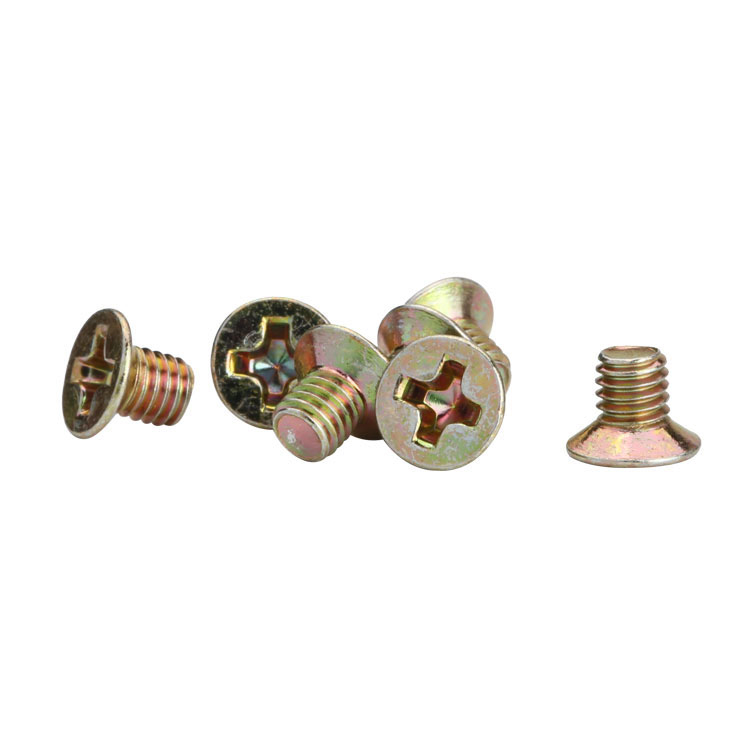
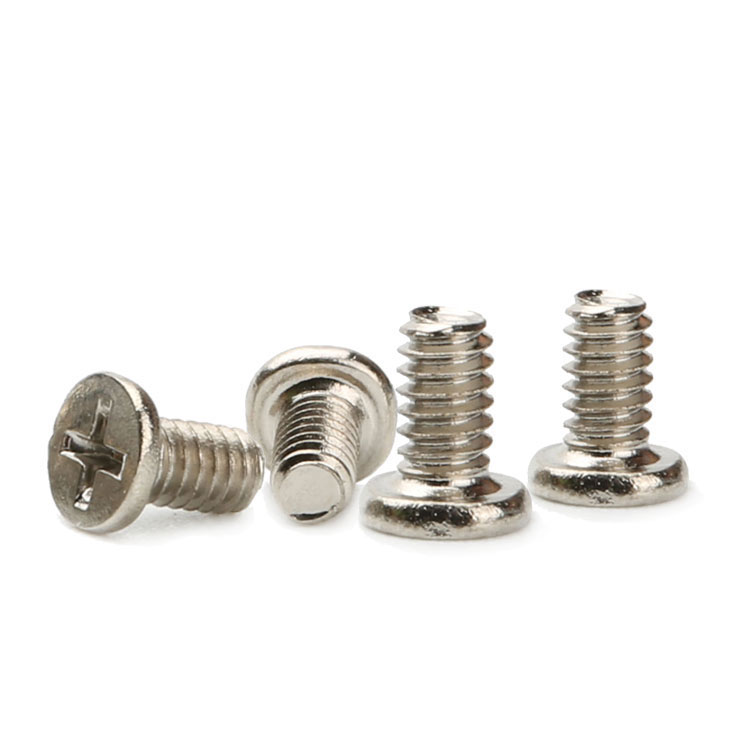
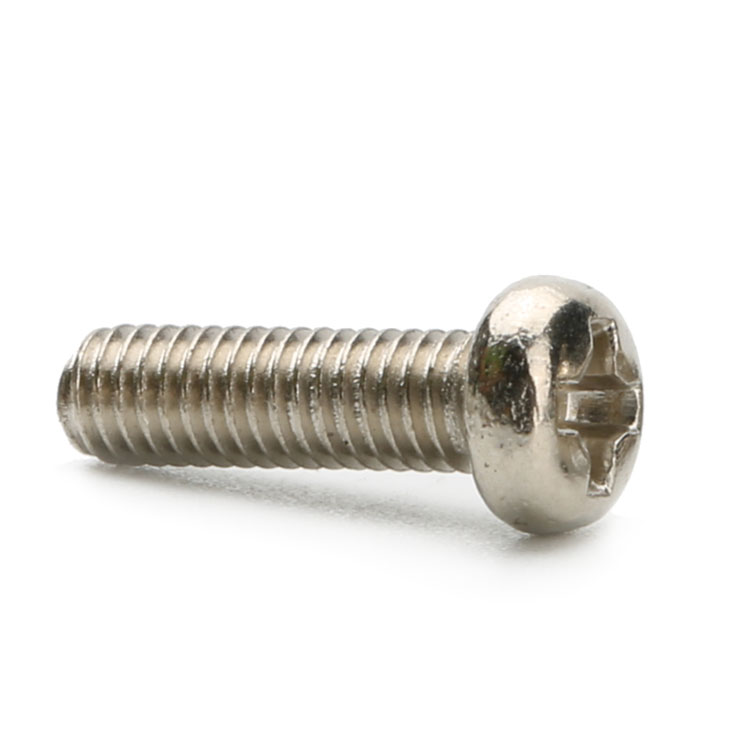
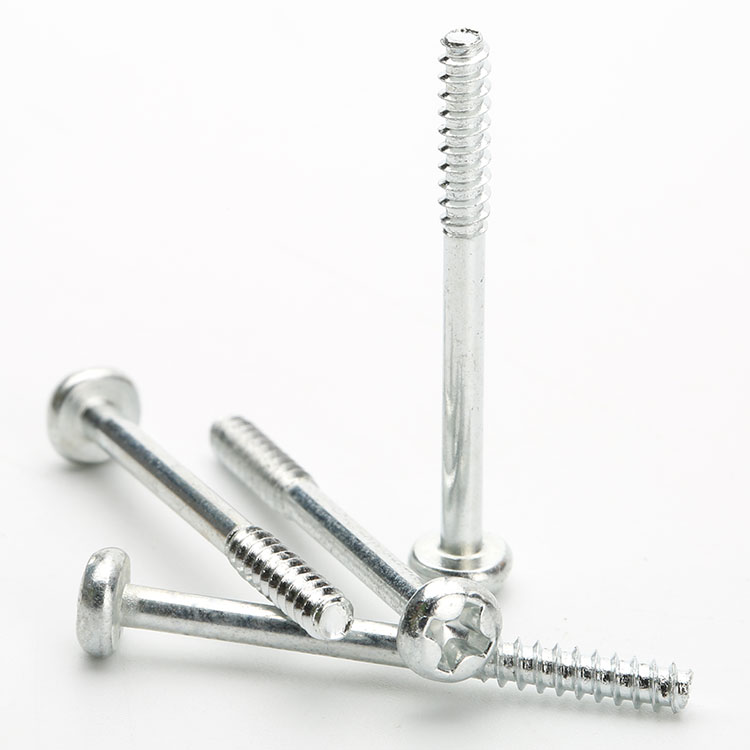
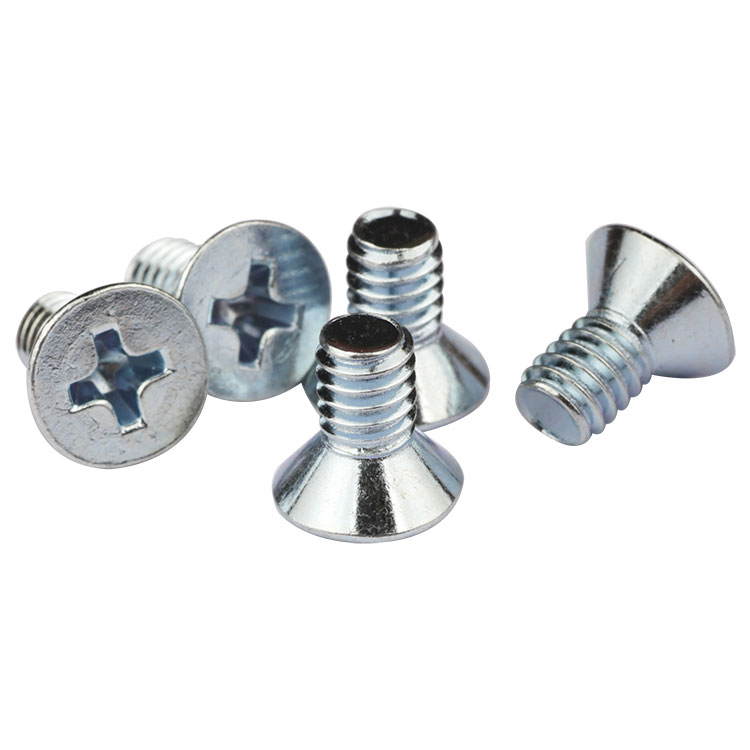
Type:Small Screw For Sunglasses
Materials:Carbon Steel
Surface treatment:Galvanized
Head Type:Flat (countersunk)
Drive:Phillips cross recess
Thread:Machine thread
Point:Plain, chamfered
Forming:Single Die Heading
Size:M1 M2 M3 M4 M5 M6 M7 M8 M9 M10
We make small screws for sunglasses in carbon steel with a galvanised finish, countersunk and cross recessed, in the M1 to M3 range with lengths to the drawing. The recess is matched to your driver and gauged after coating, and the first article is driven with it.
Watch the factory video·Email sst@szsst88.com
ISO 9001:2015 · Manufacturing since 1998 · 8,678+ customers · 89 countries and regions
Made to order – there is no stock catalogue. Each part is produced to your drawing, and production starts after drawing review and first-article approval.
A small screw for sunglasses is a miniature machine screw used in an eyewear hinge, a rim lock or a temple joint. The part recorded here is carbon steel with a galvanised finish, countersunk and cross recessed, quoted in the M1 to M3 range with lengths made to the drawing.
Miniature size. Diameters around M1 to M1.6, where the thread height and the recess depth are fractions of a millimetre.
Countersunk head. A small cone that seats into the hinge or the rim so nothing stands proud of the frame.
Cross recess. A drive matched to the jeweller’s screwdriver supplied with most frames.
Galvanised carbon steel. A zinc coating on a steel body: higher strength and lower cost than stainless, with corrosion that depends entirely on the coating.
They are used on sunglasses and optical frames, small cameras, watches and miniature instruments, where the fixing is a consumable that has to be available in volume and cheap enough to replace without thinking.
On a screw this small a zinc layer of a few micrometres is not a surface treatment, it is a dimension. On a screw for sunglasses it is a measurable fraction of the features that matter: the recess depth and the thread height are both small enough that the same film changes which driver seats and how the thread enters the tapped hole.
That has a practical consequence for the specification. The thread and the recess are gauged after coating rather than before, because the part the customer receives is the coated part. A supplier that measures in the white state and ships plated is measuring a different screw, and on this size that difference is felt at the optician’s bench.
The second consequence for small screws for sunglasses is corrosion. Galvanised carbon steel protects by sacrificial action: the zinc corrodes first, so a scratch does not immediately rust. But the coating on a micro screw is thin, and an eyewear joint is a hostile place for thin coatings: sweat, sunscreen and cleaning fluid, plus the abrasion of a hinge that opens and closes constantly. Once the coating is breached at a hinge knuckle, the steel underneath rusts quickly and stains the frame.
That is the honest trade against stainless. Carbon steel is stronger and cheaper, and for a screw that is replaced during a hinge adjustment it is often the right choice. Stainless costs more per part but removes the coating question entirely, which matters on frames that are worn daily for years.
Whichever material is chosen, the geometry has to survive being driven twice. An eyewear hinge is opened and closed many times, and the screw is removed for a lens change or a temple repair; a recess that is a fraction shallow marks on the first of those and is unusable by the third.
The recorded range is M1 to M3, with the other sizes in the same series and lengths made to the drawing. Custom lengths up to 2,000 mm, subject to DFM review after drawing submission. The quotation for a small screw for sunglasses carries the diameter, the head diameter and cone angle, the recess size and depth, the thread pitch, the length and the finish.
| Item | How it is defined | What we control |
|---|---|---|
| Diameter | M1 to M3 miniature thread | Major and minor diameter |
| Head | Countersunk cone | Diameter, angle and height |
| Recess | Cross, matched to the driver | Depth and floor thickness |
| Thread | Fine machine thread | Pitch, length and start |
| Finish | Galvanised | Thickness and coverage in the recess |
| Length | Overall, head included | Length tolerance |
The recess decides the service life of the joint. It is matched to the driver supplied with the frame rather than chosen from a table, because a driver that does not reach the floor marks the arms on the first turn.
Head height is a fraction of a millimetre at these sizes, and the recess is cut into it. A head that is a few hundredths low has lost part of the depth the driver needs, and that loss is permanent.
Length is measured over the head, and on an eyewear hinge the tolerance matters: a screw that is a tenth long will bottom out and stop the hinge closing, and one that is short leaves the temple loose.
Four properties decide small screws for sunglasses, and each one carries a cost:
| Property | What it gives | What it costs |
|---|---|---|
| Carbon steel body | Strength and low cost | Rusts if the coating is breached |
| Galvanised finish | Sacrificial protection | Thin on a micro part; a dimension in the recess |
| Countersunk head | Flush in the hinge | Very little height for the recess |
| Miniature size | Fits the frame geometry | Tolerances are a fraction of the feature |
The value of small screws for sunglasses is a consumable fixing at a price that lets a frame be repaired rather than replaced, available in the sizes an optician actually keeps in stock.
The cost is that both the drive and the corrosion protection are marginal at this scale, so the specification has to be tighter than the size suggests.
The trade is a miniature thread that holds a hinge without marking the frame around it.
The recorded finish is galvanised. On small screws for sunglasses it is the cost-driven option, and the table below compares it with the finishes that actually compete on eyewear.
| Option | How it protects | Effect on thread and recess | Typical use |
|---|---|---|---|
| Galvanised steel | Sacrificial zinc | Film in recess; re-gauged after coating | Volume eyewear repair |
| Nickel plated steel | Hard bright barrier | Build in recess; gauged after | Visible frame hinges |
| Black oxide on steel | Conversion film, oiled | Almost no build | Dark frames, dry use |
| Stainless, passivated | Passive film, no coating | No build at all | Frames worn daily |
| Stainless, black coated | Passive film plus colour | Thin colour film | Dark frames needing life |
Where small screws for sunglasses go into a frame worn daily, exposed to sweat and sun cream, stainless is the finish that removes the question rather than delaying it. The part costs more and is less strong, but it does not rust into the hinge after a season.
Where the screw is a service item replaced during a repair, a galvanised steel part does the job at a fraction of the cost, provided the coating is even in the recess and the thread is gauged after plating.
Three settings where a miniature screw is a service part:
| Where it sits | The screw holds a hinge where the temple swings and the fixing is adjusted during fitting. |
| When it goes wrong | The recess rounds after a few adjustments and the hinge can no longer be tightened. |
| Why it happens | The part is tiny, it is serviced at a bench, and it is adjusted by the wearer. |
| What we control | Recess depth proved with the frame driver; first article assembled and adjusted. |
| Where it sits | The screw closes a rim or holds a lens where the head must not stand proud of the frame front. |
| When it goes wrong | A head that is slightly proud touches the lens or shows through the rim. |
| Why it happens | The frame is thin, the fixing is visible, and the part is replaced rarely. |
| What we control | Head height and cone checked; first article fitted in the frame. |
| Where it sits | The screw closes a cover where the thread is small and the surrounding parts are delicate. |
| When it goes wrong | A thread that is rough damages the tapped hole in the housing. |
| Why it happens | The assembly is small, the housing is soft, and the joint is opened for service. |
| What we control | Thread gauged after coating; first article screwed into the housing. |
Four reasons that matter at a scale where the coating is a dimension, each tied to something the drawing or the first article has to prove:
|
Recess matched to the driver
The recess size and depth are agreed against the driver the customer supplies, because at this scale a recess that does not fit the tool is a recess that will be marked. Basis: Recess matched to your driver. |
Headed, recessed, threaded and coated
The head and recess are formed, the fine thread rolled, and the batch coated with the recess gauged again in the coated state. Basis: Gauged after coating. |
|
Height and depth measured
Head height and recess depth are measured on the projector on every first article, because at these sizes each is a fraction of the feature it defines. Basis: Fractions of a millimetre measured. |
Same fit across batches
The heading and recess tools and the coating lot are recorded with the drawing revision, so a replacement screw works with the same driver. Basis: Same fit for replacements. |
These screws are headed on single-die machines that form the countersunk head and cut the cross recess, thread rolled with a fine pitch and galvanised. The first part of every run is measured on head diameter and height, recess size and depth, thread and length, and the recess is re-checked after coating.


|

|
At this size the tooling is the product. A punch a few thousandths worn gives a recess that still looks correct and no longer takes the driver to its floor, and on a galvanised part the same punch also leaves a floor the coating bridges. Both are checked on the first article and again after any tool change.
Coating is where the fit is finally decided. The film is thin in absolute terms and thick relative to a micro recess, so the recess is gauged and proved with the frame driver after plating. A part that passed in the white state can still fail the driver test once coated.
Handling is part of the process at this scale. The screws are counted rather than weighed, kept away from swarf, and packed so a single length in a bag is one length: mixed lengths are the defect a repair shop notices first.
What decides whether small screws for sunglasses pass is the recess, the head, the thread and the coating. The inspection agreement covers those, and the criteria come from the drawing.

Recess and head on the projector |

Thread re-checked after coating |

Core hardness checked |

Salt-spray testing of the zinc layer |
Head diameter, cone angle, head height and recess depth are measured as one set on the projector, because at this scale each one is defined relative to the others. The thread is gauged with go and no-go rings after coating, and the length is measured over the head.
The functional check is a drive with the customer’s own driver. A sample from every batch is driven into a test plate at the intended torque and removed twice, and the recess is inspected under magnification after each cycle.
A length check on a sample confirms the batch is one length. Mixed lengths in a bag at this size are a common defect and a common cause of a repair that does not close.
Every batch is traceable to the wire it was made from and to the coating lot that finished it. The grade and heat number appear on the material certificate supplied with the parts, and the coating thickness is recorded for the batch.

ISO 9001:2015 |

RoHS test report |

Registered trademark |

Patent: security screw and driver |
With each shipment we supply the material certificate, the inspection record for the dimensions on the drawing including the post-coating recess, and the coating and RoHS reports. The documents carry the drawing revision and the batch number, so a replacement screw matches the frame it goes into.
More than 8,678 customers in 89 countries and regions have ordered from Shi Shi Tong; 87% of orders come from repeat customers and 56% through referrals. Most projects follow the same route: drawing review, first-article approval, then batches checked against that sample. On a micro screw the first article is driven with the customer’s own driver, because the recess is smaller than the tool tolerance. Buyers visit during the process to review samples.
|
8,678+
customers served
|
87%
of orders from repeat customers
|
56%
of orders through referrals
|
89
countries and regions shipped to
|
Buyers and quality engineers visit for sample review, process discussion and supplier audits; the visit is arranged around production so the headers and the inspection bench can be seen on the day the parts run.

Customer group visit – sample review |

Customer group visit – process discussion |

Customer group visit – factory tour |

Customer visit – project kick-off |

Danish customer – drawing review |

Industry exhibition – meeting customers |
A miniature machine screw, typically around M1 to M1.4, with a countersunk head. The length is set by the hinge knuckle, not by the thread alone.
At this size the film is a measurable part of the recess depth and the thread height, so a coated part is a different fit from a bare one.
The zinc protects sacrificially, but a micro coating is thin. Sweat and cleaning fluids breach it at the hinge, and the steel underneath rusts quickly.
For a frame worn daily, yes: it removes the coating question. For a service screw replaced during a repair, galvanised steel is cheaper and strong enough.
The driver has to reach the floor of the recess. A shallow recess or a worn driver marks the arms, and in a soft coating that damage is permanent.
Diameter, head diameter and cone angle, head height, recess size and depth, thread pitch, length, finish and the driver used.
How a miniature screw project runs from drawing to repeat delivery:
|
1
Send the drawing and the driver
|
→ |
2
Recess and head height agreed
|
→ |
3
First article driven with your tool
|
→ |
4
Batch production and repeat orders
|
Each step is confirmed with you before the next one starts; the drawing revision from the first article is what repeat orders are checked against.
For a quotation, send the drawing with the diameter, head diameter and cone angle, head height, recess size and depth, thread pitch and length.
|
Diameter
|
Head diameter
|
Cone angle
|
|
Recess size
|
Thread pitch
|
Length
|
Sending a drawing? The form below does not take attachments. Email the PDF, DXF or STEP file to sst@szsst88.com with the part name and quantity in the subject line – the drawing is reviewed and a quotation follows.

 +86 13143444311
 sst@szsst88.com