Tel:
+86 13143444311
Email:sst@szsst88.com
Fax:+0086-755-27322278
Address:Building 9, First Industrial Zone, Tantou Industrial City, Songgang Street, Baoan District, Shenzhen 518105, Guangdong, China
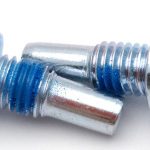
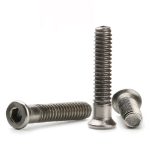
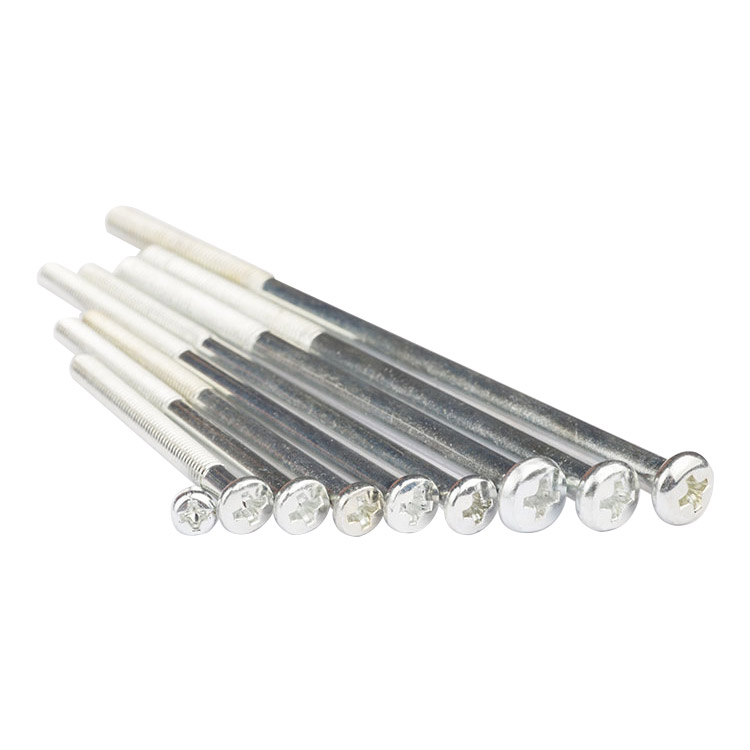
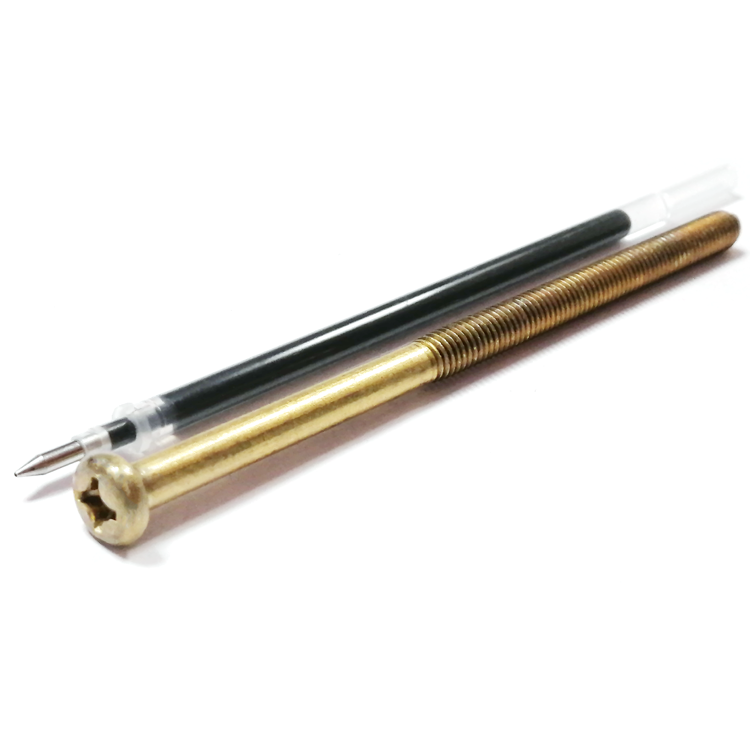
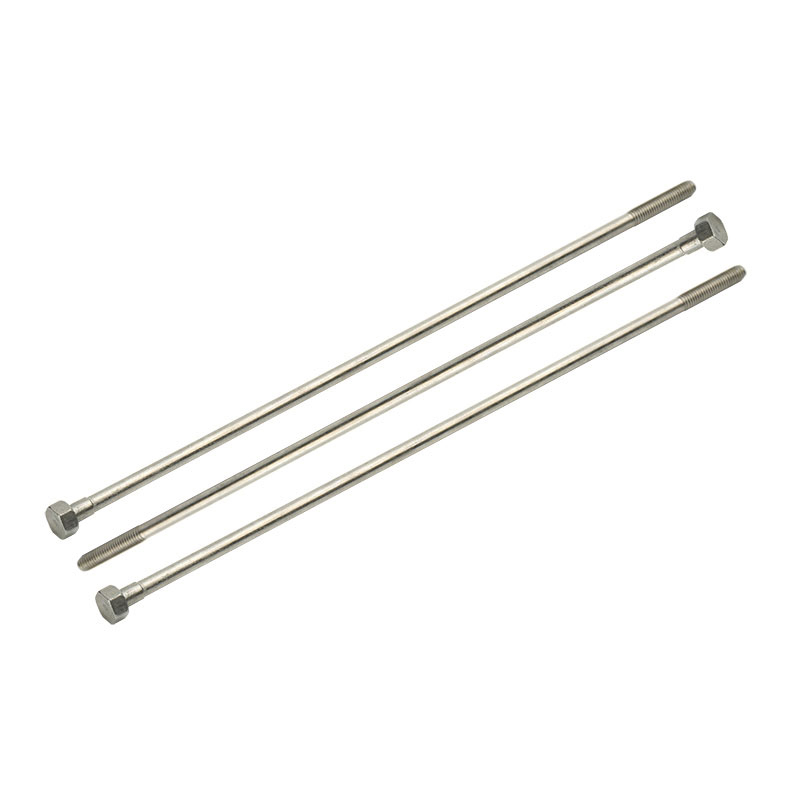
Type:Long Pan Head Screws
Materials:Carbon Steel
Surface treatment:Galvanized
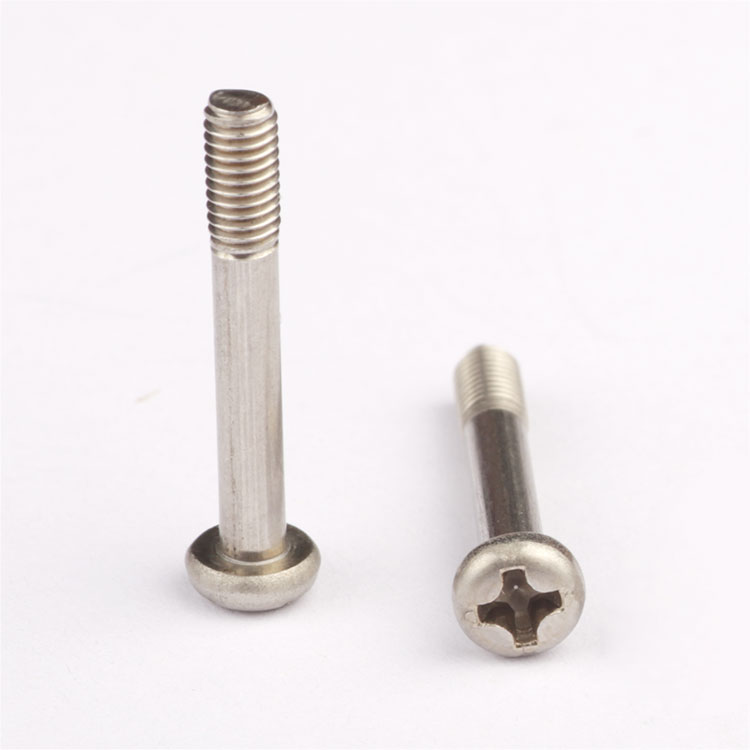
Head Type:Pan head
Drive:Phillips cross recess
Thread:Machine thread, coverage per drawing
Point:Plain, chamfered
Forming:Formed and threaded; coating applied last
Size:M1 M2 M3 M4 M5 M6 M7 M8 M9 M10
We make long pan head screws in carbon steel with a galvanised finish and a Phillips recess, quoted with length and thread coverage to the drawing. The cross slips before the far thread strips, so a long blind joint is protected, and the first article is driven with your bit through your parts.
Watch the factory video·Email sst@szsst88.com
ISO 9001:2015 · Manufacturing since 1998 · 8,678+ customers · 89 countries and regions
Made to order – there is no stock catalogue. Each part is produced to your drawing, and production starts after drawing review and first-article approval.
Long pan head screws are pan head screws made in lengths beyond the standard range, with a Phillips recess and a body that reaches through a frame or a stack. The part recorded here is carbon steel with a galvanised finish, quoted with the length made to the drawing.
Pan head. A shallow dome with a flat bearing face underneath and enough height for a full-depth cross.
Phillips recess. A cross recess that slips out at a defined torque, which on a long part does a second job.
Long body. A screw that reaches through the assembly before its thread engages at the far end.
They are used in appliances, frames and furniture hardware, where a long screw is driven with a power tool and the joint has to survive that. The head is the only part the operator can see, so its recess and its bearing face carry the assembly method as much as the thread does.
On a short screw, the cross recess is just a drive. On a long pan head screw it does a second job, because of the way a Phillips bit behaves: when the torque reaches a certain point for that bit and recess size, the bit climbs out of the cross rather than turning further. That is normally described as a disadvantage. On a long part driven by a power tool, it is often the only thing standing between the joint and a stripped thread at the far end.
The reason is that a long screw is driven blind at the working end. The head is where the force is applied, and the thread may be half a metre away, inside a frame where the operator cannot see whether it has seated. If the driver kept transmitting torque after the nut seated, the thread at the far end would be pulled until it strips, and the failure would be invisible until the joint is loaded. With a cross recess, the bit slips first: the recess acts as a crude torque limit at the head.
That protection has a cost. Every cam-out event wears the recess a little, and a worn bit wears it faster. A long screw that is driven repeatedly to the slip point ends up with a rounded cross, and then it cannot be removed. The driver matters as much as the screw: a matching bit of good condition makes the slip repeatable, and a worn one makes it happen early and repeatedly.
The pan head contributes in its own way. Its flat underside gives a defined bearing face, and its height gives the recess the depth it needs to transmit torque without bottoming. On a long part, where the head is often the only accessible feature, that combination is what makes the screw usable with a standard driver rather than a special tool.
The galvanised finish completes the part. It protects a carbon steel screw over a large area, and it is applied after the thread is formed, so the thread is gauged afterwards and the head face is checked for the film that sits between it and the panel.
The part is quoted to the drawing with the length, the thread coverage and the head stated separately. Custom lengths up to 2,000 mm, subject to DFM review after drawing submission. The quotation for long pan head screws carries the length under the head, the threaded length, the head and recess, the finish, and the parts the screw passes through.
| Item | How it is defined | What we control |
|---|---|---|
| Length | Under the head | Length and cut end |
| Thread | Coverage along the body | Threaded length and start |
| Head | Pan head | Diameter, height and bearing face |
| Recess | Phillips | Depth and width |
| Finish | Galvanised | Coverage and thread gauge |
| Pass-through | Customer parts | Hole sizes agreed |
The length under the head is the dimension the assembly needs, and it is checked with a length gauge on a sample from each batch. On a long part it is a distance, and the cut end is part of that dimension.
The thread coverage is stated because it decides where the nut can sit. A long pan head screw with a partial thread is a pass-through fastener; with a full thread it is an adjustable one.
The recess size is written as a Phillips number, because the cam-out behaviour the part relies on is a property of that number and the bit that matches it.
Four properties decide long pan head screws, and each one carries a cost:
| Property | What it gives | What it costs |
|---|---|---|
| Long body | Reach through a frame or stack | Handling and packing become part of the job |
| Cross recess | Cam-out limits torque at the far end | The recess wears with each slip |
| Pan head | A flat bearing face and a full-depth cross | Stands above the surface |
| Galvanised | Protection over a long area | Build on thread; gauged after coating |
The value is a long fixing that a power driver can install without a torque setting. The head protects the far thread by slipping, and the flat face under the head gives the joint a defined seat.
The cost is wear at the head: the same feature that protects the thread shortens the life of the recess, so the screw is usually not intended to be driven many times.
The recorded finish is galvanised, a zinc coating on a carbon steel screw. On a long part that gives sacrificial protection over a large area, and it suits appliance and frame hardware where the screw is seen and the joint is dry.
| Option | How it protects | Effect on head and thread | Typical use |
|---|---|---|---|
| Galvanised | Sacrificial zinc, heavier | Build on thread; re-gauged | Frames and appliance hardware |
| Clear zinc | Sacrificial zinc, thinner | Less build; thread closer to size | Indoor assemblies |
| Zinc nickel | Higher corrosion resistance | Build; thread gauged after | Damp and industrial |
| Black oxide | Conversion film, oiled | No measurable build | Dark mechanisms |
| Stainless, passivated | Passive film, no coating | No build; different strength | Wet and food areas |
A galvanised thread is gauged after coating, because the nut has to travel along it. On a long screw that travel is the practical test: a nut that binds halfway along a galvanised thread makes the part useless even though every dimension is right.
The head face is the other place the coating matters. A film under the pan head changes how the joint seats, and on a long screw that is the surface that carries the clamp while the far end does the holding.
Three assemblies where a long screw is driven with a power tool:
| Where it sits | The screw joins a panel or a bracket through a deep internal gap where a short screw cannot reach. |
| When it goes wrong | The recess rounds out before the joint seats, or the far thread strips. |
| Why it happens | The bit is worn, and cam-out happens early and repeatedly. |
| What we control | Recess proved with the customer bit; first article driven at the stated setting. |
| Where it sits | The screw passes through a frame and holds a bracket or a fitting at the far side. |
| When it goes wrong | The screw binds on the way through, or the joint loosens. |
| Why it happens | The body is oversized for a hole, and the recess cannot carry the drive without slipping. |
| What we control | Body matched to the holes; first article assembled through the frame. |
| Where it sits | The screw holds a component at a distance from a base where standard lengths stop short. |
| When it goes wrong | The joint is left partly seated because the driver slipped. |
| Why it happens | The cross slips before the joint is tight, and the operator stops there. |
| What we control | Recess and head face checked; first article driven and checked for seat. |
Four reasons that matter on a part whose head is also its torque limit, each tied to something the drawing or the first article proves. All four show in the sample.
|
Length and thread stated
The drawing states the length under the head and the thread coverage, because on a long part those two define where the nut can sit. Basis: Length and thread agreed. |
Recess cut to depth
The recess is cut to its depth after the head is faced, so the bit engages over its full length and the slip point is predictable. Basis: Recess depth controlled. |
|
Driven with your bit
The first article is driven with the customer bit and driver, because cam-out is a property of the pair, not of the screw alone. Basis: Bit and driver proved. |
Same seat on repeat runs
Length, thread coverage, recess and finish are recorded with the drawing revision, so a repeat batch drives the same way. Basis: Same limits across orders. |
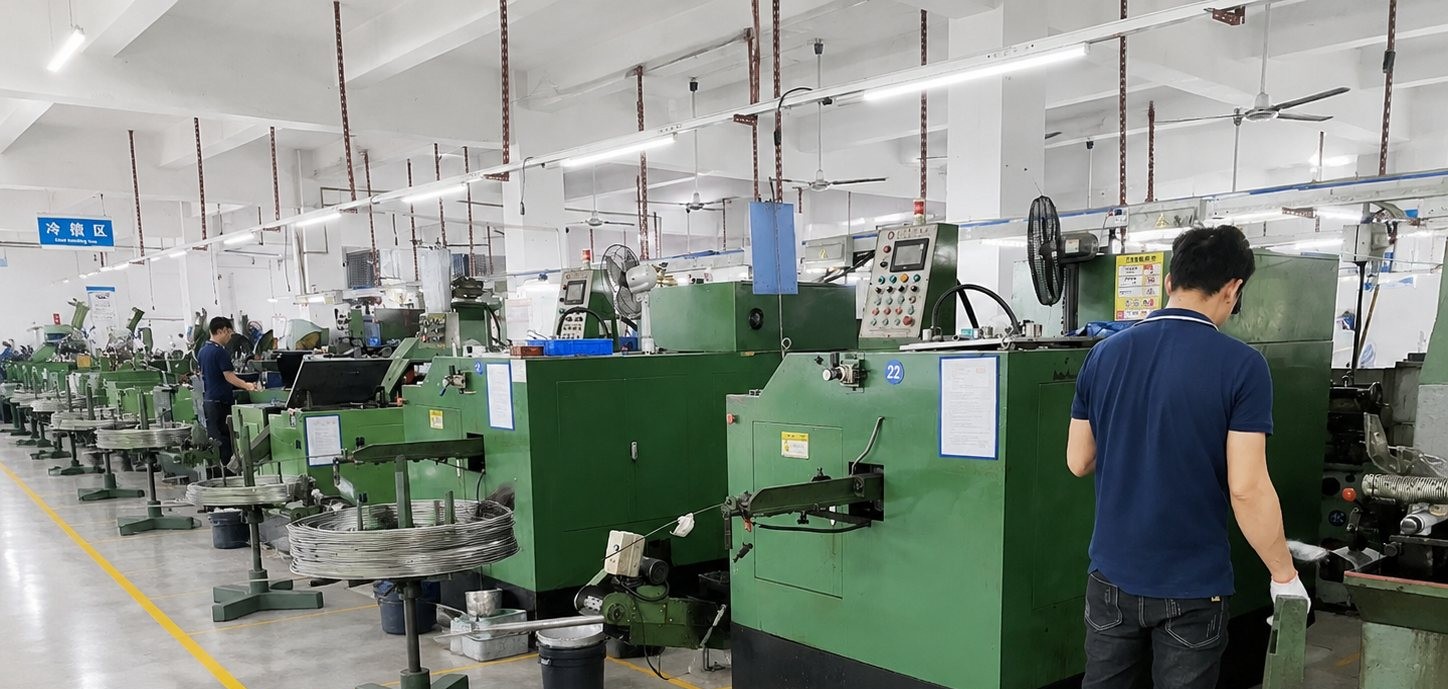
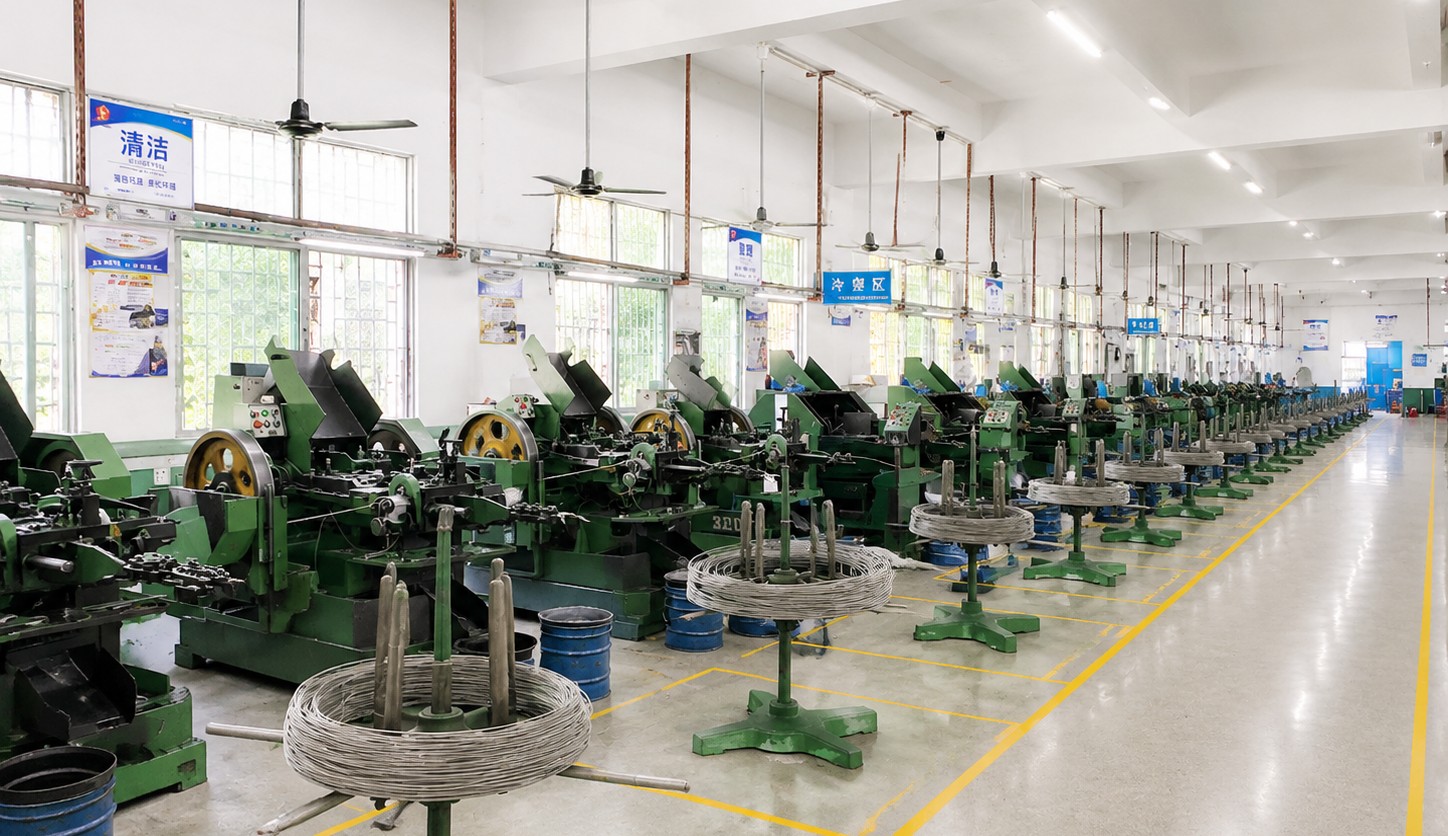
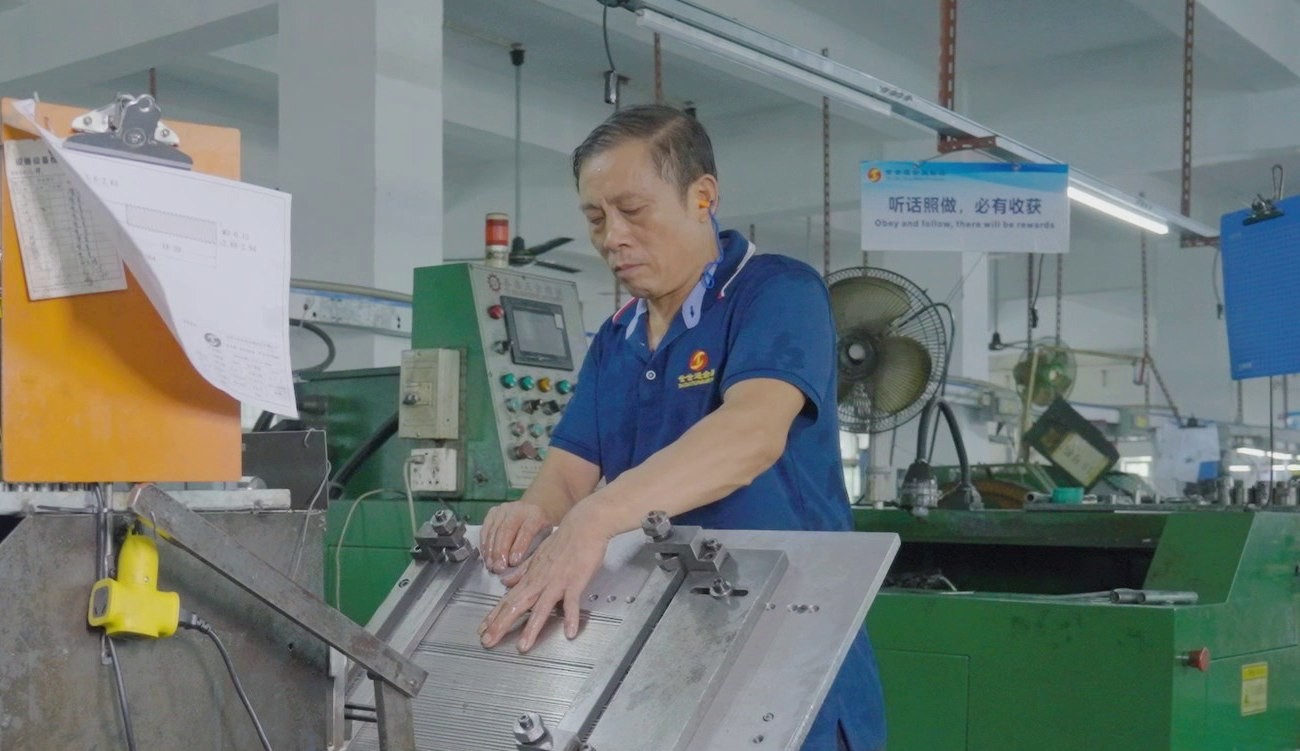
These screws are formed and threaded from carbon steel wire and bar, with the pan head formed and faced, the cross recess cut and the thread produced to the length on the drawing; the parts are then galvanised. The first piece of every run is checked on length under the head, threaded length, head diameter and height, recess depth and thread.
|
|
The recess is the feature that sets the slip point, and it is cut after the head is faced so its depth is taken from a finished surface. A recess cut too deep leaves a thin section under it; one cut too shallow makes the bit stand out of the head, and the slip happens earlier than the driver would otherwise give.
A long part is made in more than one pass with the body supported, so the cutting force does not push the part away from the tool. The head is formed first so the part can be held by it for threading, which keeps the thread concentric with the recess.
Galvanising comes last, followed by gauging the thread and checking the head face. A nut is run along the threaded length on a sample from each batch, because on a long screw the nut travel is what the customer actually does with the part.
What decides whether long pan head screws pass is the length, the recess and the thread. The inspection agreement covers those, and the criteria come from the drawing.
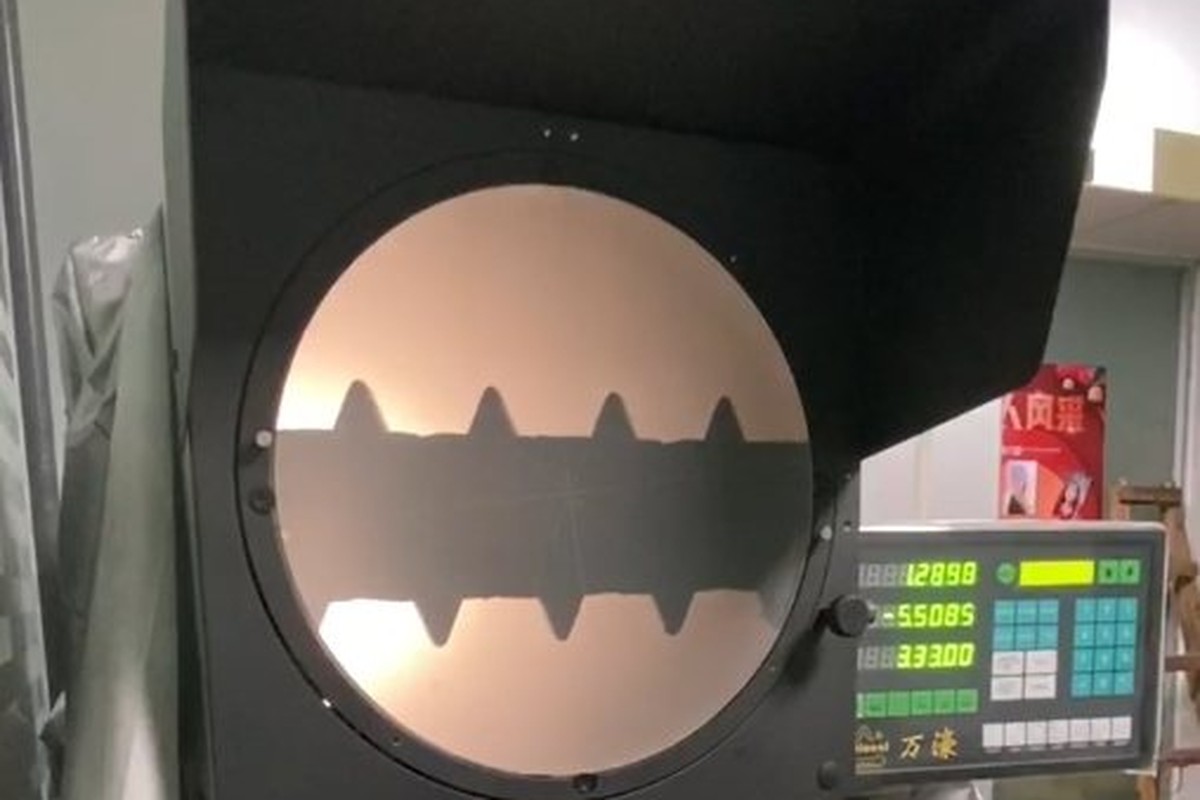
Head and recess on the projector |
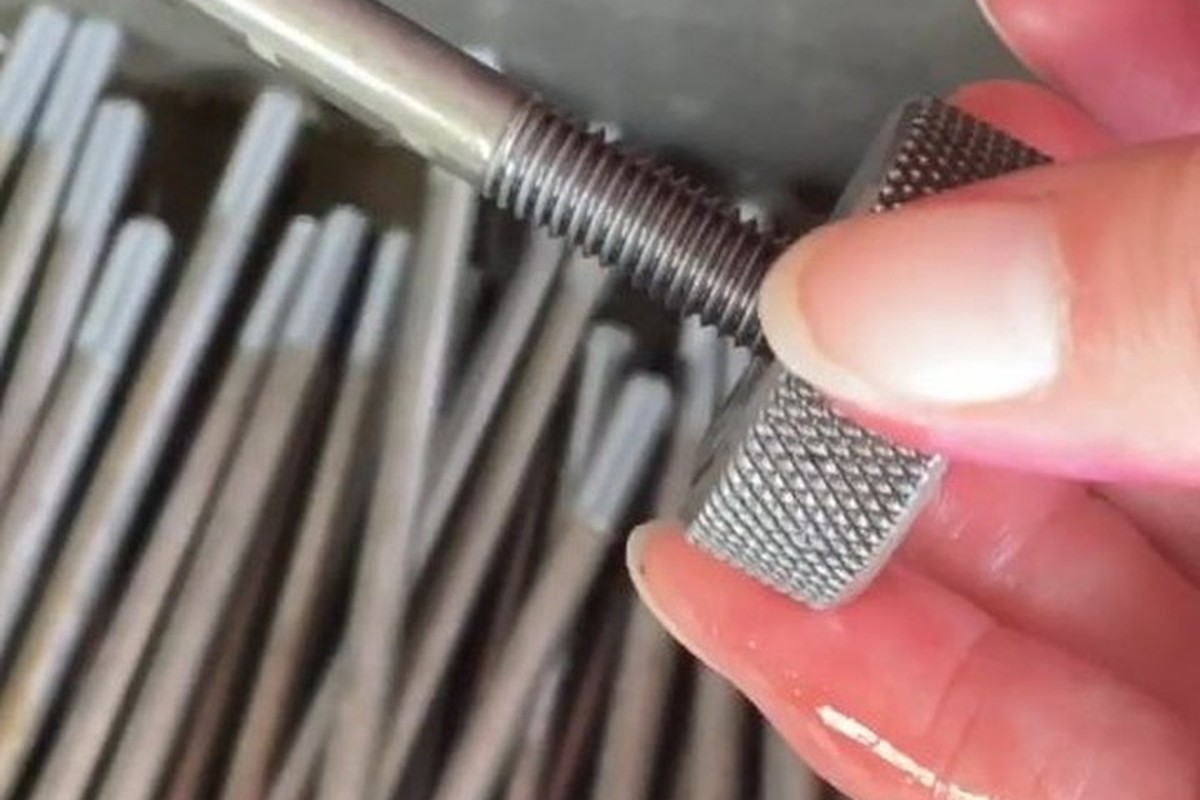
Thread gauged |
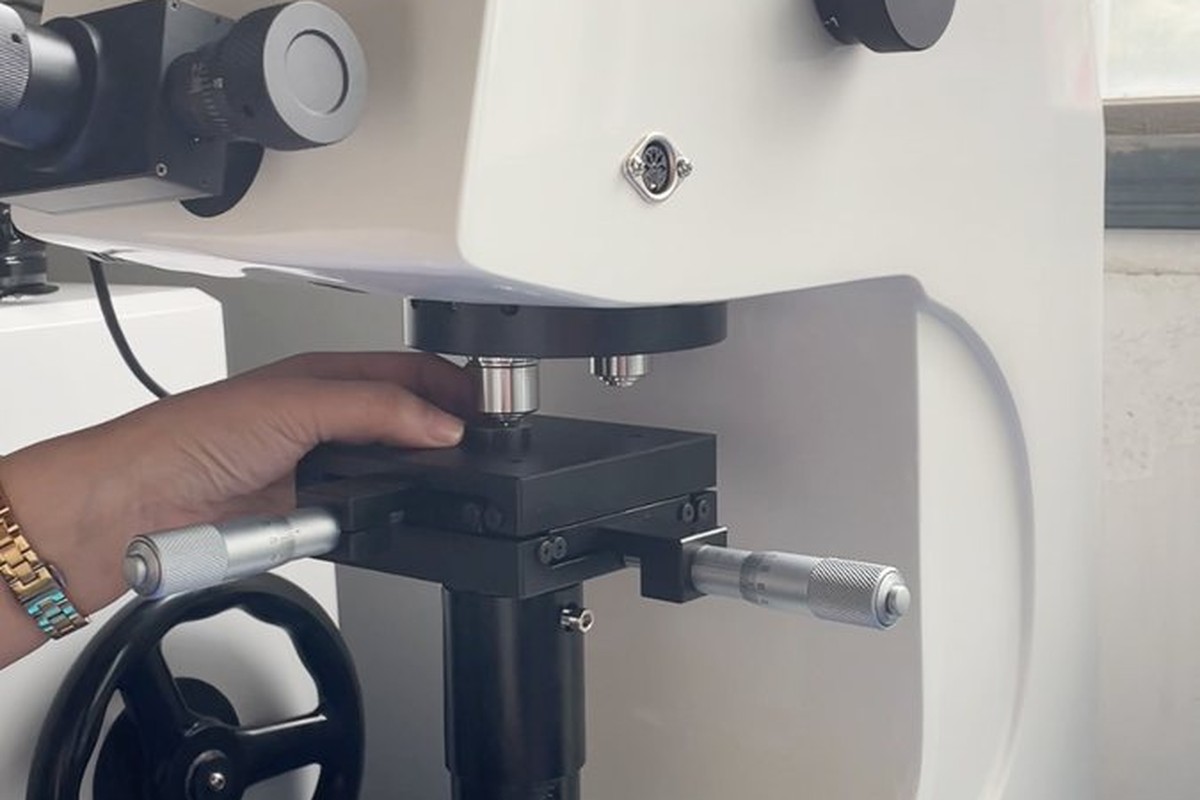
Material checked |
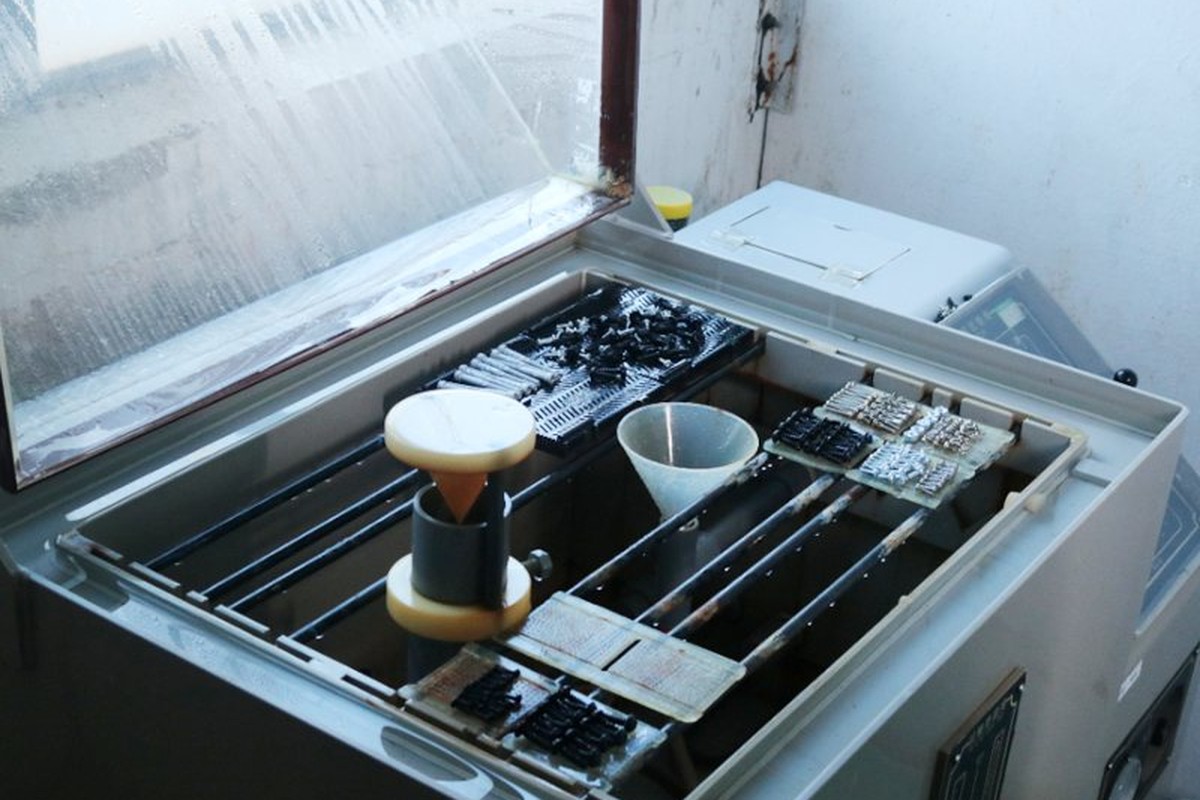
Salt-spray testing of the coating |
The recess is measured for depth and width, and checked with the matching bit on a sample from each batch. A recess that measures right but slips too early is usually too shallow, and one that will not hold the bit at all is usually a burr on a wall.
The length under the head and the threaded length are checked separately, and the head face is checked for flatness. On a pan head the face is the bearing surface, so a dished face leaves the joint tight at the rim and loose in between.
The thread is gauged after coating, and a nut is run along the threaded length. A sample is assembled through the customer’s parts to confirm that the screw reaches and that the joint can be tightened without the recess slipping before it seats.
Every batch of long pan head screws is traceable to the wire or bar it was made from and to the coating lot that finished it. The grade and heat number appear on the material certificate supplied with the parts, and the coating report carries the layer thickness and the lot number.
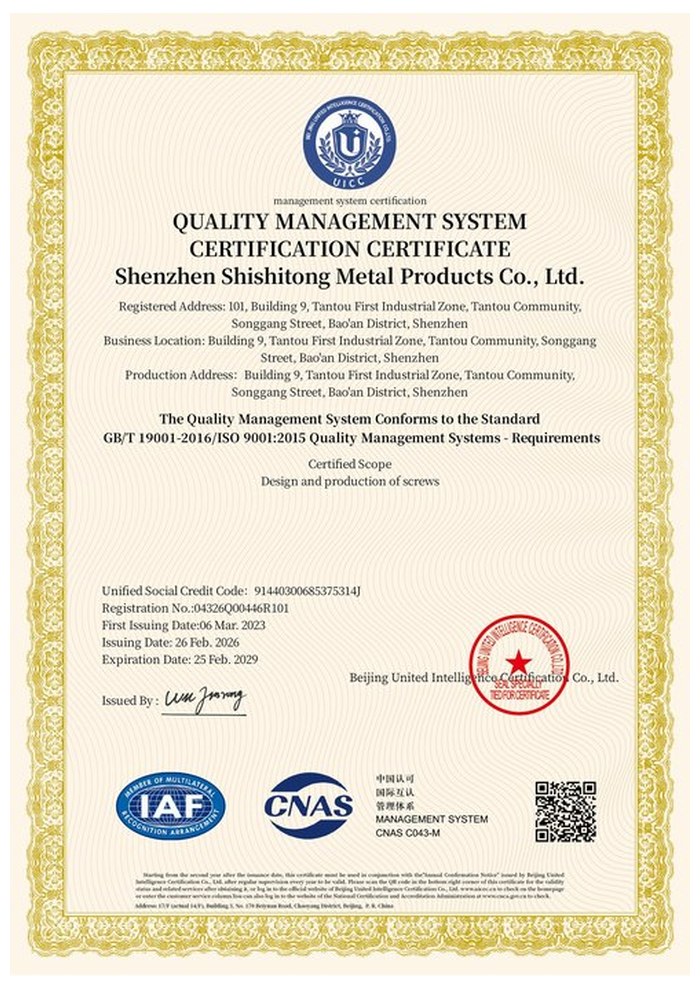
ISO 9001:2015 |
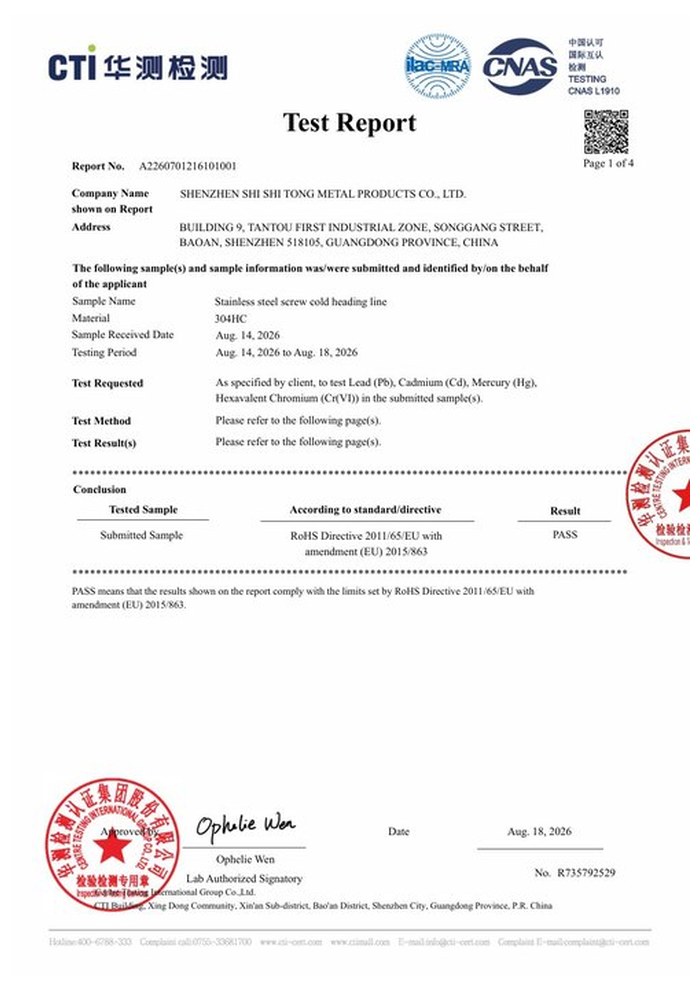
RoHS test report |
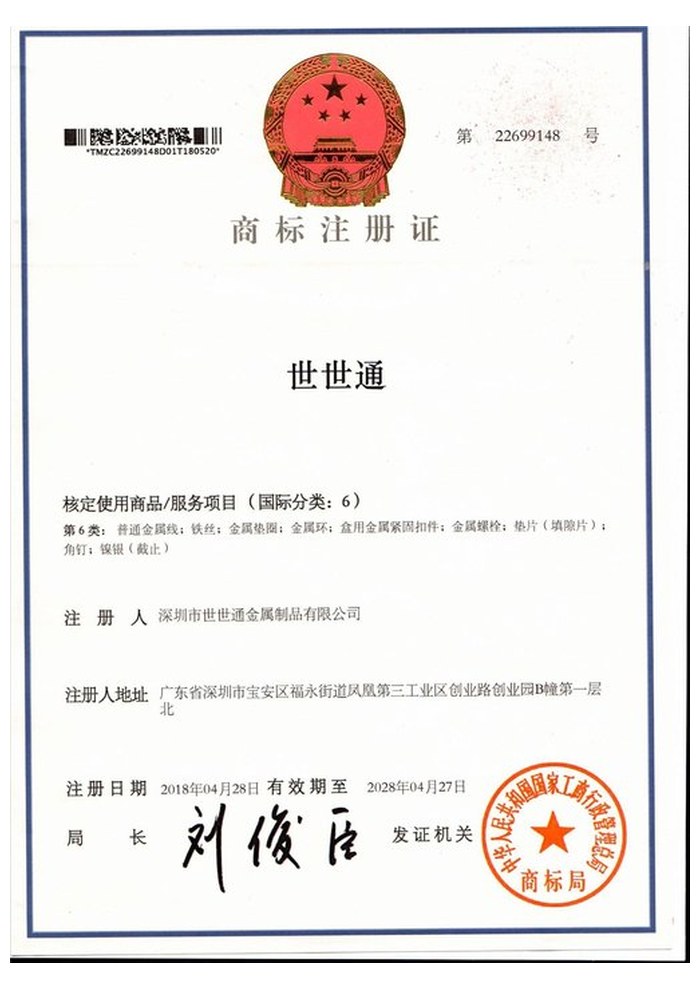
Registered trademark |
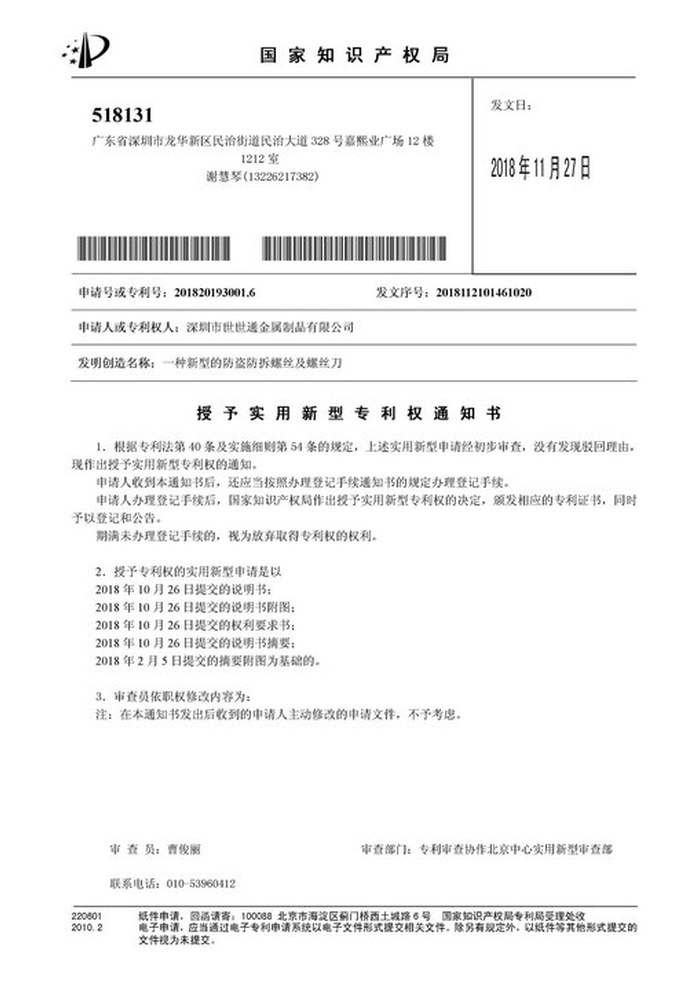
Patent: security screw and driver |
With each shipment we supply the material certificate, the inspection record for the dimensions on the drawing, including both lengths and the recess, and the coating report. The records carry the drawing revision and the batch number, so a repeat order of long pan head screws drives the same way.
More than 8,678 customers in 89 countries and regions have ordered from Shi Shi Tong; 87% of orders come from repeat customers and 56% through referrals. Most projects follow the same route: drawing review, first-article approval, then batches checked against that sample. On a long part the first article is driven with the customer’s bit and driver through the customer’s parts. Buyers visit during the process to review samples.
|
8,678+
customers served
|
87%
of orders from repeat customers
|
56%
of orders through referrals
|
89
countries and regions shipped to
|
Buyers and quality engineers visit for sample review, process discussion and supplier audits; the visit is arranged around production so the heading cell and the coating line can be seen on the day the parts run.

Customer group visit – sample review |

Customer group visit – process discussion |

Customer group visit – factory tour |

Customer visit – project kick-off |

Danish customer – drawing review |
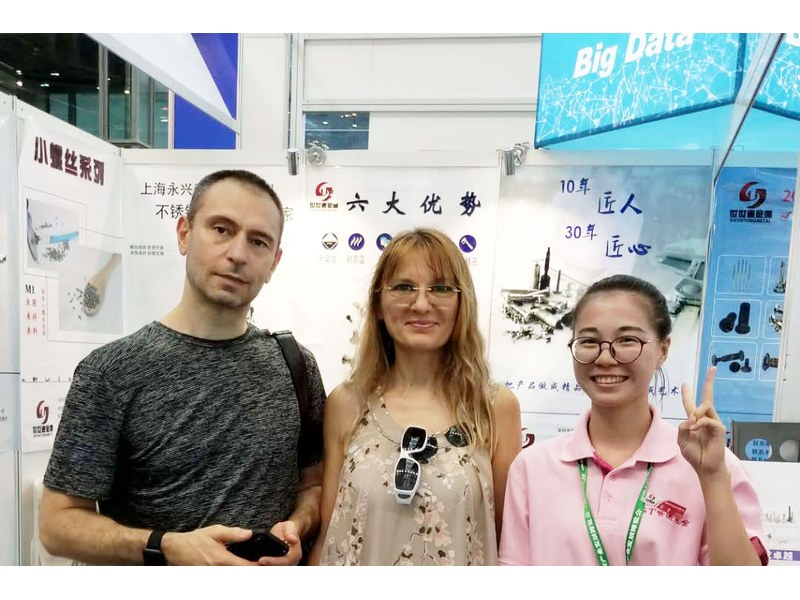
Industry exhibition – meeting customers |
A cross slips at a defined torque, which protects the thread at the far end when the screw is driven with a power tool and the joint cannot be seen.
On a long blind joint it often is: it stops the far thread stripping. It also wears the recess, so the screw is not meant for repeated driving.
Everything. A worn bit slips earlier and rounds the recess faster, so the bit is part of the assembly method.
Full thread lets a nut sit anywhere along the body; partial keeps a clean pass-through body. The drawing states which.
A galvanised layer sits where the nut runs. On a long screw a tight thread means a slow, binding assembly.
Length under the head, thread coverage, head and recess size, finish, and the holes the screw passes through.
How a long pan head screw project runs from drawing to repeat delivery:
|
1
Send the drawing, the stack and the bit
|
→ |
2
Length, thread and recess agreed
|
→ |
3
First article driven through your parts
|
→ |
4
Batch production and repeat orders
|
Each step is confirmed with you before the next one starts; the drawing revision from the first article is what repeat orders are checked against.
For a quotation, send the drawing with the length under the head, the thread coverage, the head diameter and recess size, the finish, and the holes the screw passes through.
|
Length
|
Thread coverage
|
Head size
|
|
Recess
|
Finish
|
Pass-through holes
|
Sending a drawing? The form below does not take attachments. Email the PDF, DXF or STEP file to sst@szsst88.com with the part name and quantity in the subject line – the drawing is reviewed and a quotation follows.

 +86 13143444311
 sst@szsst88.com