Tel:
+86 13143444311
Email:sst@szsst88.com
Fax:+0086-755-27322278
Address:Building 9, First Industrial Zone, Tantou Industrial City, Songgang Street, Baoan District, Shenzhen 518105, Guangdong, China
Place of Rorigin:Guangdong, China (Mainland)
Brand name:OEM
Model number:sst 9
Materials:Carbon steel
Surface treatment:Eco colour zinc plated, Teflon patch
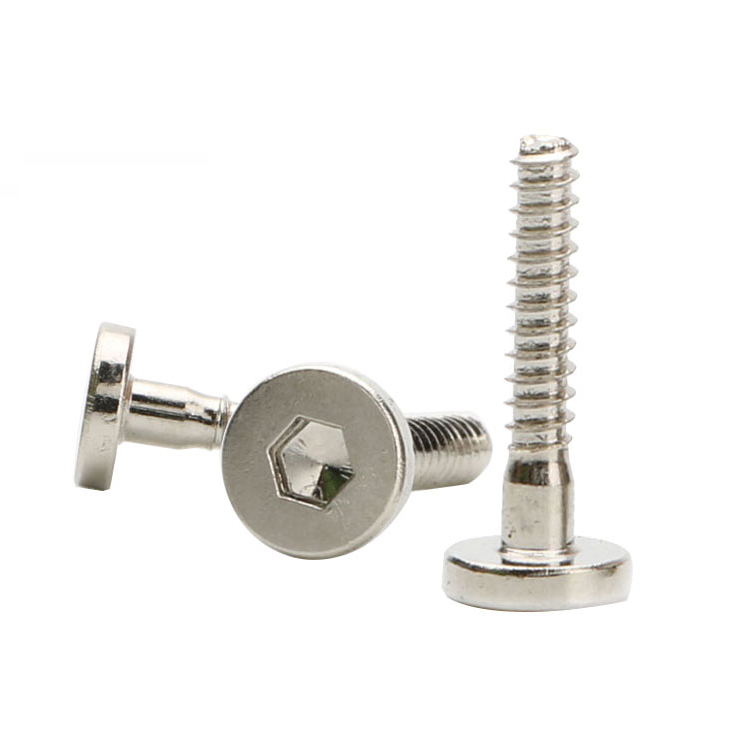
Head Type:Button head, ISO 7380
Drive:Hexagon socket
Thread:Machine thread
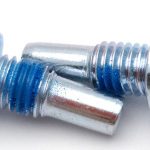
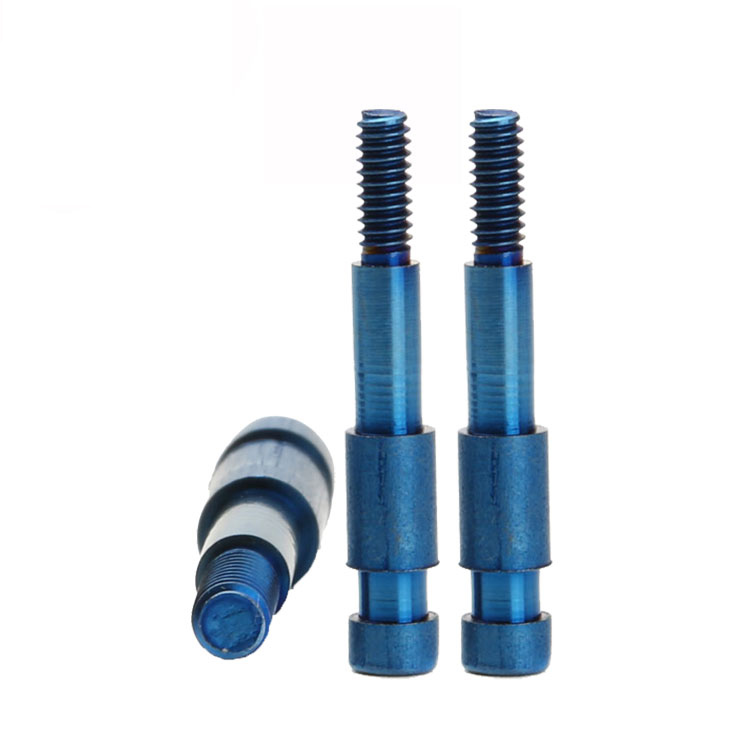
Patch band:Blue Teflon band, position and torque to the drawing
Point:Plain, chamfered
Forming:Cold heading; socket struck; thread rolled; patched
Size:M6*11
Available materials:titanium, aluminum, copper, stainless steel, carbon steel
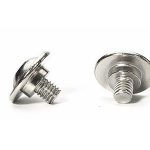
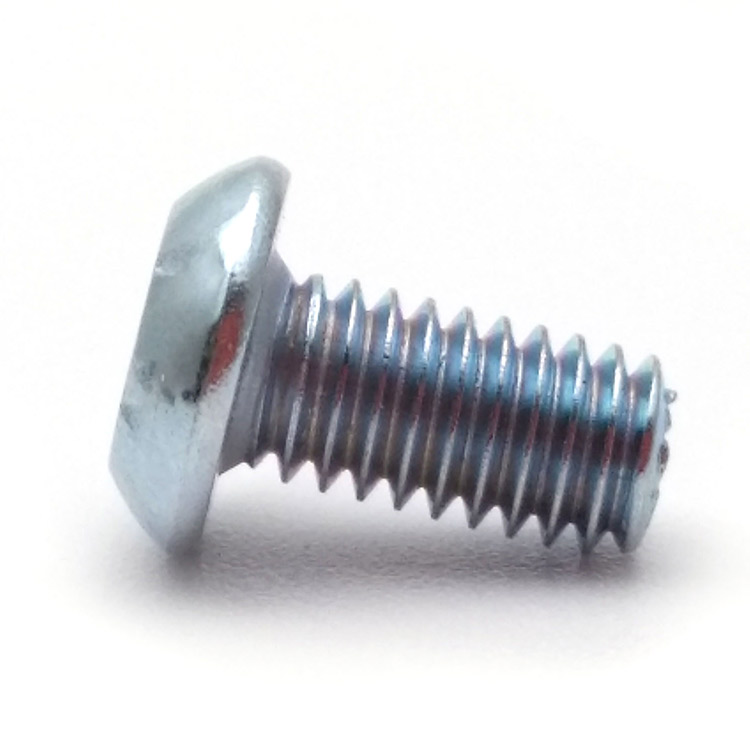
We cold head button head screws to the ISO 7380 form with a hexagon socket, colour zinc plated and supplied with a blue Teflon patch on the thread. The rounded underside meets a flat panel on a line rather than a ring, so the head suits smooth, well-supported joints and light torque rather than heavy clamps.
Watch the factory video·Email sst@szsst88.com
ISO 9001:2015 · Manufacturing since 1998 · 8,678+ customers · 89 countries and regions
Made to order – there is no stock catalogue. Each part is produced to your drawing, and production starts after drawing review and first-article approval.
A button head screw has a low, rounded head with a hexagon socket, made to the ISO 7380 form. This part is carbon steel with a colour zinc finish and a blue Teflon patch on the thread, M6 by 11 in the sample, and is quoted with the head and length made to the drawing so the dome and the socket stay in proportion.
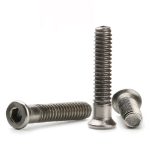
Button head. A shallow dome with a rounded underside, lower and wider-looking than a cap head.
Hexagon socket. Six flats in the dome, for a standard Allen key.
Colour zinc. A thin plated layer in a range of colours, with a dark tint on this part.
Teflon patch. A blue locking band on the thread, applied before packing.
Button head screws are used on covers, guards, equipment panels and machine surfaces where a smooth, rounded head is wanted and the joint is tightened from one side only.
The defining feature of a button head screw is not the dome on top but the curve underneath. A cap head bears on a flat ring; a button head has a rounded transition from the head into the shank, so its underside meets a flat panel along a line rather than across an area. That is the trade the smooth profile is bought with, and it explains where the head belongs.
Line contact means high pressure at the contact. On a hard, flat, well-machined part that is acceptable: the line is short and the load is modest. On a soft panel, a gasket or a painted face, the same line will mark the surface or start to cut into it, because all the clamp load passes through a narrow band.
The dome also takes material from the socket. A button head is lower than a cap head of the same thread, so the hexagon is shallower, and the torque it can take is lower. That is why button heads are usually specified for light duty, and why a joint that needs full preload uses a cap head instead.
What the button head gives in return is a profile that slides. Nothing on the head catches a hand, a hose or a moving part, and the rounded edge does not chip a coating the way a sharp cap head rim can. On guards, covers and equipment that is handled, that is worth more than the last few newton metres of torque.
The blue patch on the thread is a separate decision from the head shape. It gives the joint a prevailing torque so it does not loosen under vibration, which is common on the smooth panels these screws close, and it is why the part is supplied pre-coated rather than plain.
So a button head screw is specified as a light, smooth fixing: a rounded face for the surface it touches, a shallow socket for the torque the joint actually needs, and a patch where vibration is the risk rather than a heavy clamp.
Button head screws are quoted by thread size and pitch, length, head diameter and height, socket size and depth, the patch band, and finish. Custom lengths up to 2,000 mm, subject to DFM review after drawing submission. The quotation carries the material, the head, the socket, the patch, the thread and the plating.
| Item | How it is defined | What we control |
|---|---|---|
| Body | Carbon steel | Grade and property class |
| Head | Button head, ISO 7380 | Diameter, height and underside curve |
| Socket | Hexagon socket | Across-flats and depth |
| Thread | Machine thread | Size, pitch and length |
| Patch | Blue Teflon band | Start position, length and torque |
| Finish | Colour zinc | Thickness, colour and coverage |
The head height is written with the socket depth, because the dome is what limits both. A button head specified lower than the standard loses socket depth faster than it loses appearance.
The underside curve is written with the head diameter. It is the surface that meets the panel, and on a soft or coated panel it is the dimension that decides whether the joint marks the surface.
The patch band is written with its start position and its torque, in the same way as any other pre-applied lock. On a short thread the band has to sit where the nut lands, or it does nothing.
Four properties decide this part, and each carries a cost:
| Property | What it gives | What it costs |
|---|---|---|
| Rounded head | Nothing catches, nothing chips | Line contact on a flat panel |
| Shallow socket | A standard key fits | Lower torque than a cap head |
| Colour zinc | A range of tints at low cost | Thin film that wears at the edge |
| Teflon patch | Prevailing torque against vibration | A band that must sit where the nut lands |
The value of a button head screw is a smooth, low fixing that slides past whatever moves over it and treats the panel gently at its edge, and it arrives already locked.
The cost of a button head screw is that the rounded underside and the shallow socket both reduce what the head can take, so the part belongs on light joints with a surface flat enough to meet that curve.
The recorded finish is eco colour zinc, a thin plated layer with a coloured passivation, and the thread carries a blue Teflon patch. The two are independent: the plating protects the head, the patch locks the thread, and neither is a substitute for the other.
| Option | How it protects | Effect on the recess | Typical use |
|---|---|---|---|
| Colour zinc | Sacrificial zinc with dye | Thin; socket as cut | Coloured equipment panels |
| Black oxide | Conversion layer | Nearest to zero build | Dark machine parts |
| Nickel | Hard barrier layer | Builds; socket re-checked | Visible handled hardware |
| Stainless body | No coating needed | No build; stronger wall | Outdoor and wash-down |
| Zinc flake | Lamellar barrier | Builds; socket re-checked | Automotive and damp service |
A plated button head has less material around the socket than a cap head, so the film inside the hexagon matters more. The socket is checked with the key after plating rather than before.
Where the panel is cleaned or washed, a stainless button head avoids the colour-bleed that a dyed zinc can show after a few cycles, at the cost of a softer socket.
Three products where a smooth profile matters more than torque:
| Where it sits | The screw closes a guard that hands, hoses or clothing pass over. |
| When it goes wrong | A sharp head catches something, or the head chips the paint at its edge. |
| Why it happens | A cap head with a square rim was used on a surface that is handled. |
| What we control | Head form agreed with the clearance; first article fitted and checked. |
| Where it sits | The screw fixes a panel where the fixing is visible and the head should read as smooth. |
| When it goes wrong | The head marks the panel, or the socket rounds on a service visit. |
| Why it happens | Line contact on a soft panel, and a shallow socket driven too hard. |
| What we control | Head and socket depth set; sample driven at the joint torque. |
| Where it sits | The screw sits on a face that another part moves across. |
| When it goes wrong | The moving part rubs the head, or the screw works loose with vibration. |
| Why it happens | The head is too tall for the clearance, and the joint has no lock. |
| What we control | Head height and patch agreed; sample cycled and re-checked. |
Four points that decide whether a button head behaves on the surface it is fitted to:
|
Head and socket written together
The drawing gives the head height and the socket depth, because on a low dome the two compete. Basis: Socket depth controlled. |
Head formed, socket cut
The dome is formed and the hexagon cut, then checked with the key after plating. Basis: Key fits the finished part. |
|
Seated on the panel
The first article is driven into the customer panel, and the contact mark is inspected. Basis: Contact proved, not assumed. |
Same head every lot
Head height, socket depth and patch position are recorded with the drawing revision, so a repeat lot behaves the same. Basis: Same feel across lots. |
A button head is bought for how it looks and judged by how it marks the panel. These four points are what makes the difference visible on a sample rather than on a returned cover.
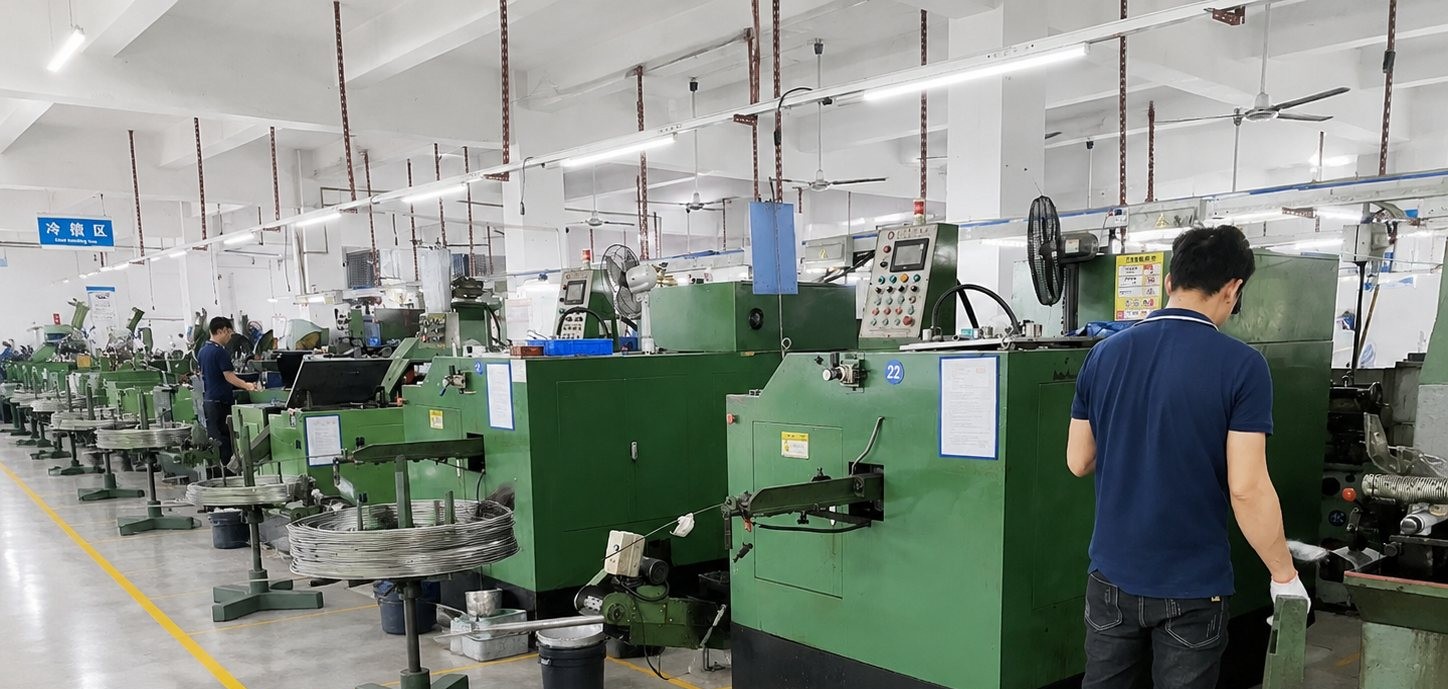
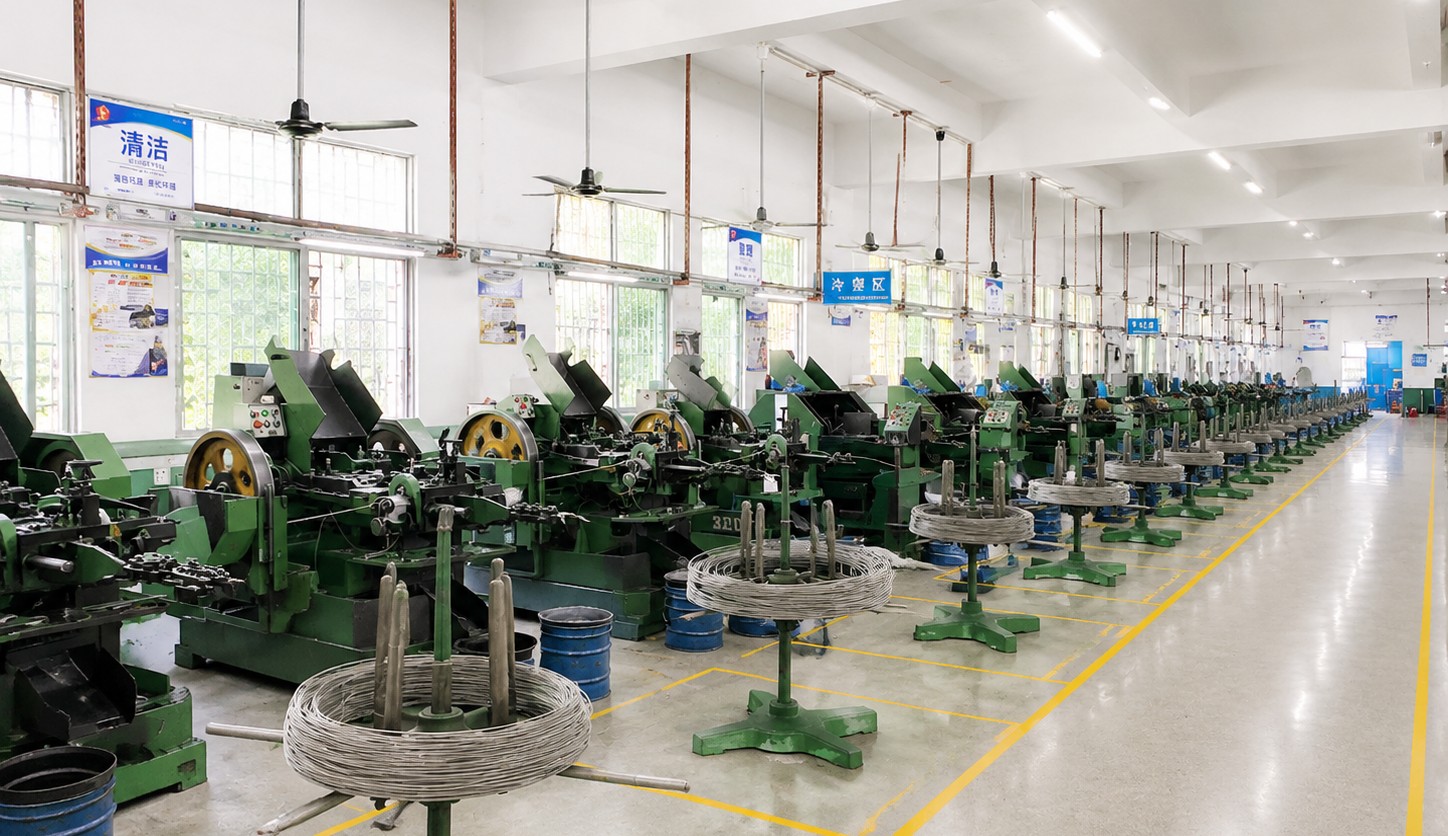
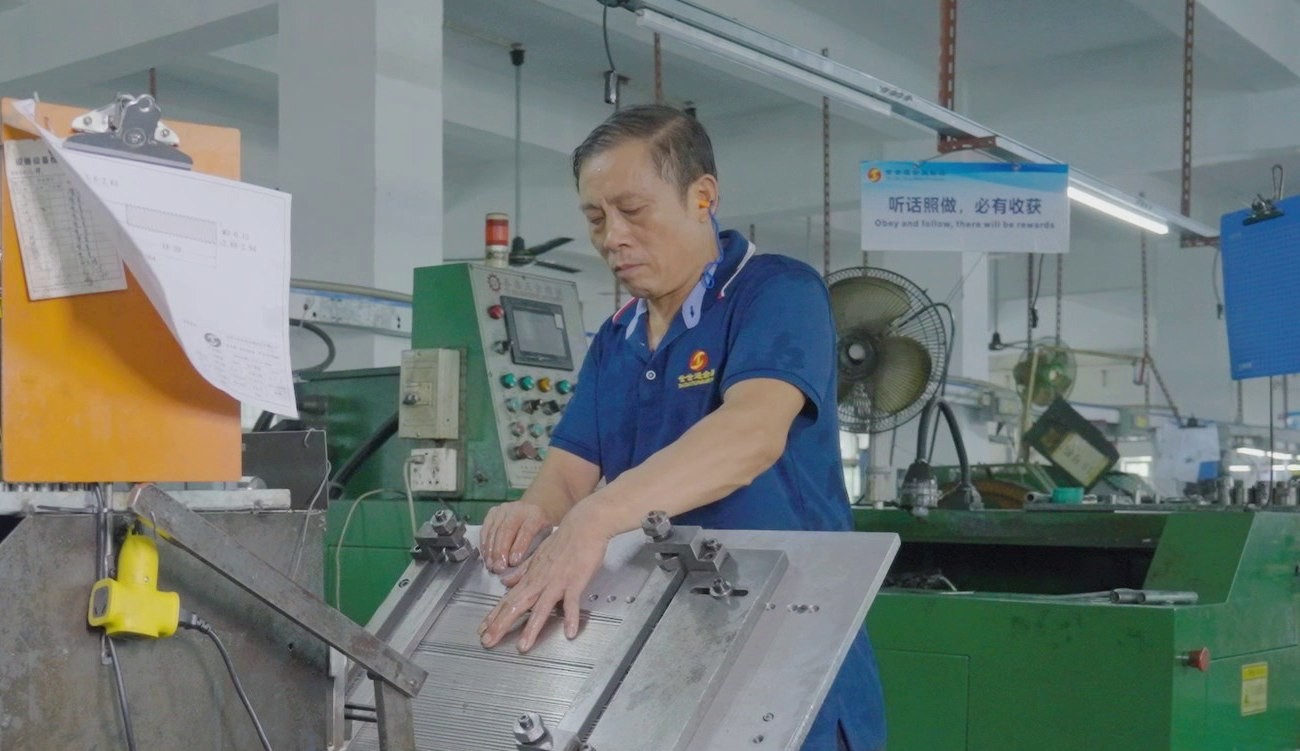
These screws are cold headed from carbon steel wire, with the dome and the rounded underside formed in one operation, the hexagon socket struck, the thread rolled, and the parts colour zinc plated with the Teflon patch applied. The first piece of every run is measured on head, socket, thread and length.
|
|
The underside curve is formed by the header tool, so it is consistent across the lot. That matters because the curve is the only part of the head that touches the panel; a tool that is worn leaves a flatter, sharper transition, and the head then bears on an edge instead of a curve.
The socket is struck with the dome and checked with the key after plating. On a low head the film inside the hexagon is enough to change the feel, and a key that is tight on the bench becomes a rounded socket on the line.
The patch is applied after plating and cured before packing. A band that is still soft smears along the shank, and a band that is applied in the wrong place locks nothing because the nut never reaches it.
What decides whether a batch of button head screws passes is the head that seats, the socket that drives and the patch that locks. The inspection agreement covers all three.
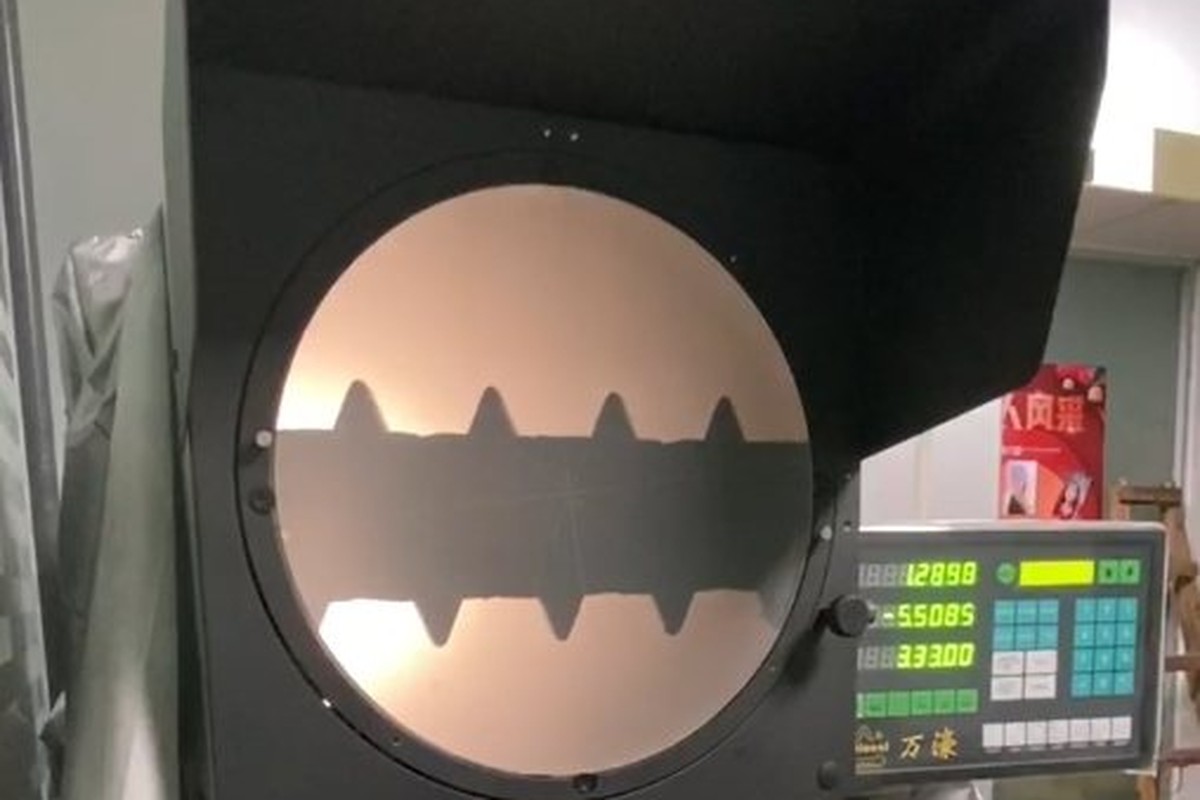
Head and socket on the projector |
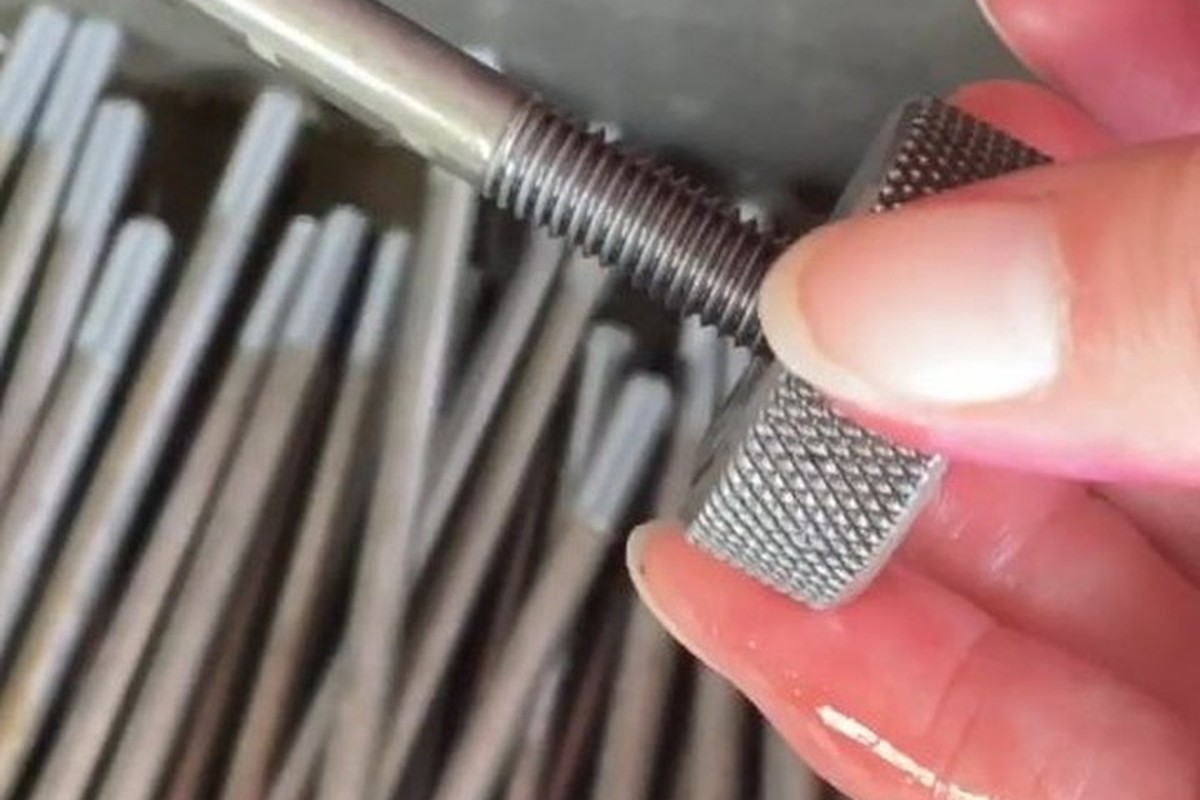
Thread and patch checked |
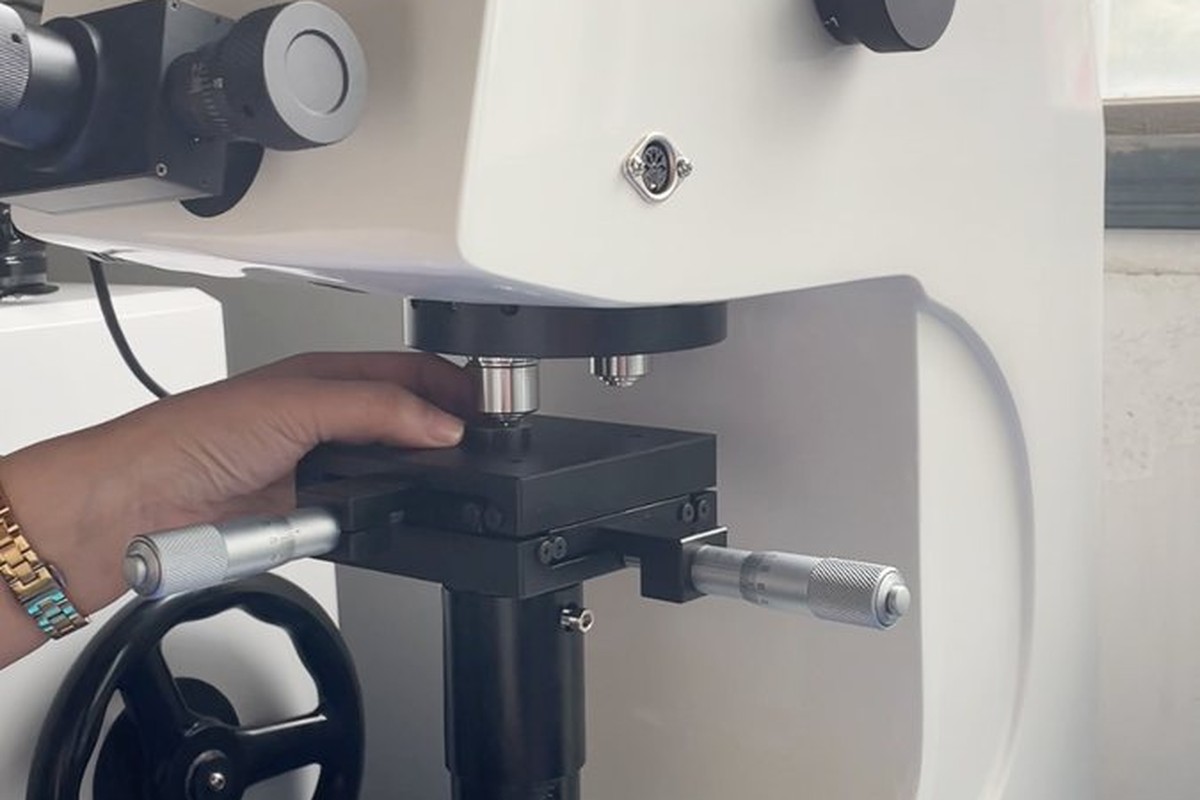
Material and class checked |
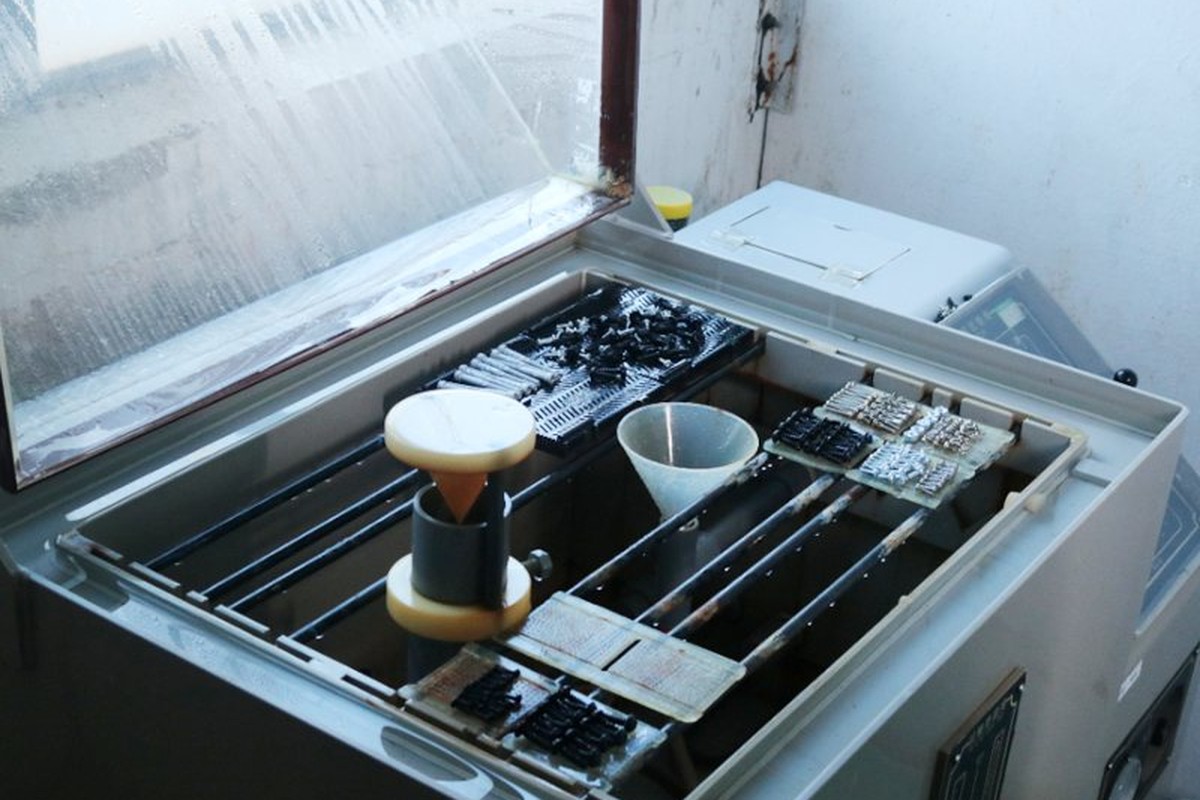
Salt-spray testing of the coating |
The head is measured for diameter and height and the underside inspected for a continuous curve. A head that is flat underneath is a cap head with a dome drawn on it, and it will bear on an edge on a soft panel.
The socket is measured for across-flats and depth and driven with the key at the joint torque. On a button head the socket is the limiting feature, so a rounded hexagon here is a sign that the joint asked for more than the head can give.
The patch is checked for position, length and colour, and the first-out torque is measured on a matching nut. A band that is in the wrong place passes every dimensional check and locks nothing.
Every batch of button head screws is traceable to the wire, the heading lot, the plating lot and the patch run. The material certificate states the grade, the heat number and the mechanical properties; the plating record carries the coating thickness and the lot.
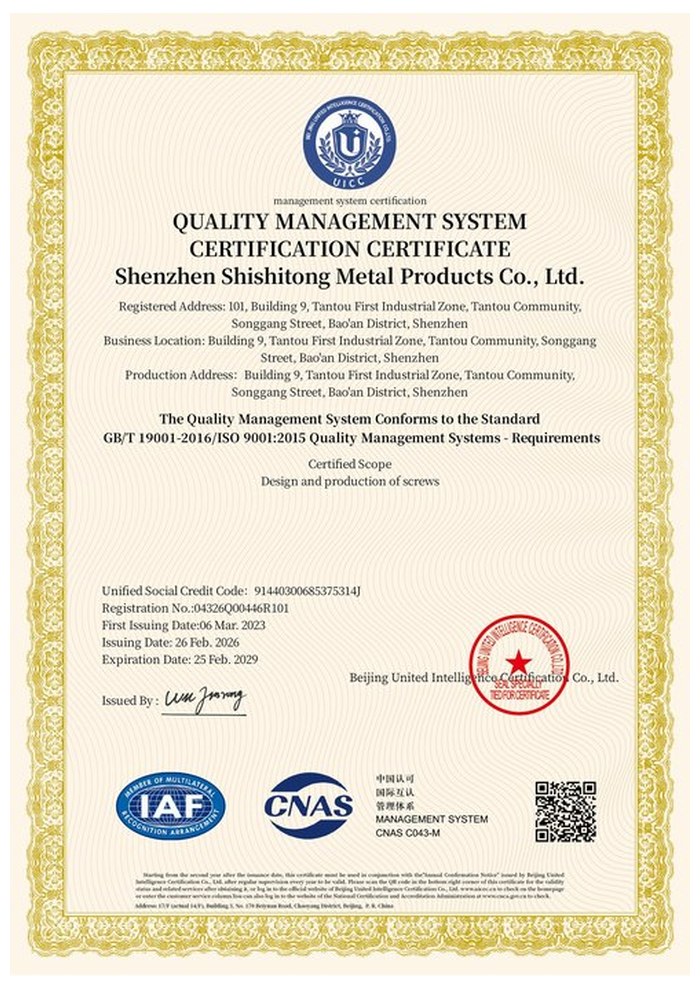
ISO 9001:2015 |
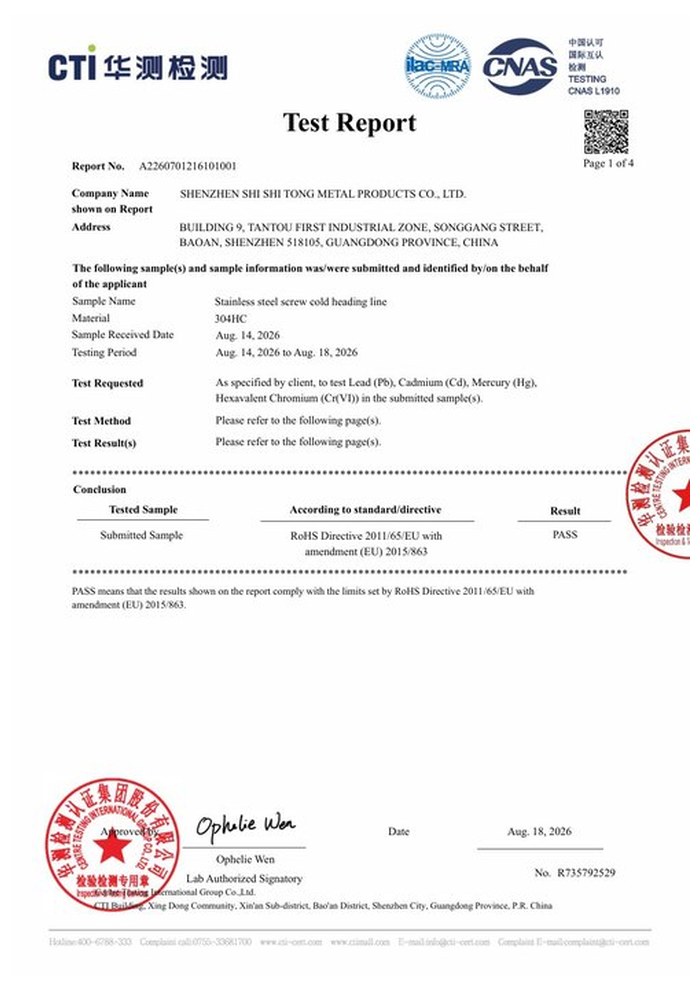
RoHS test report |
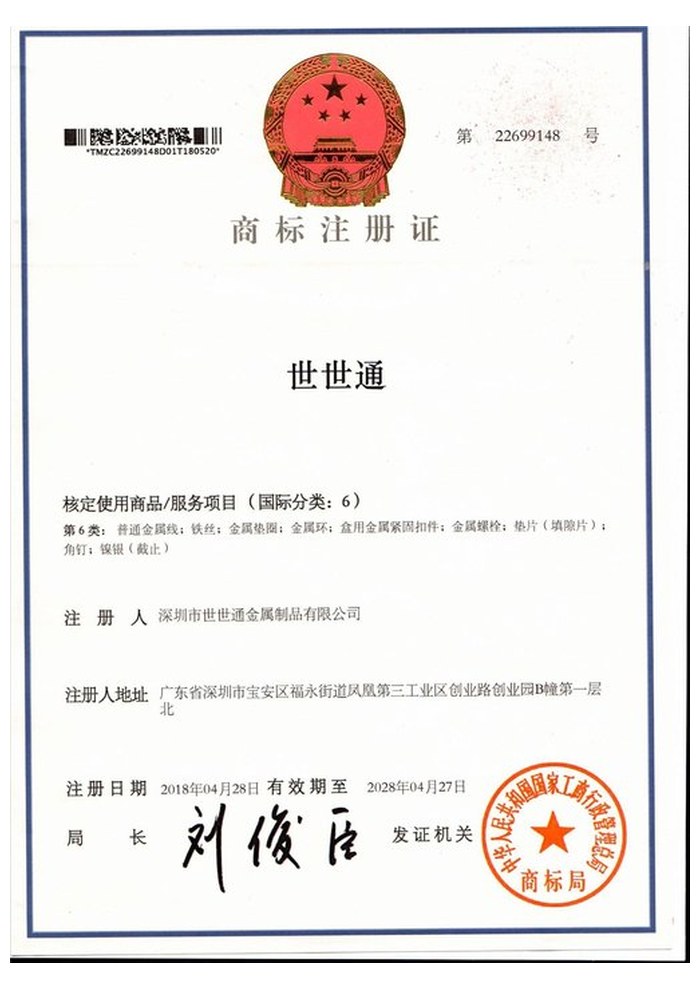
Registered trademark |
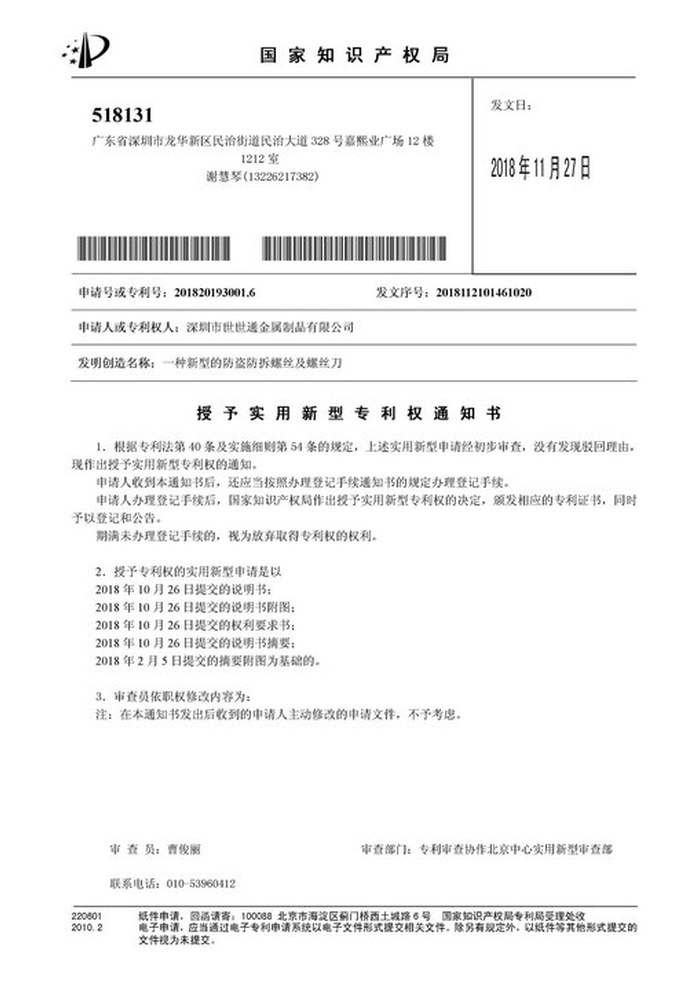
Patent: security screw and driver |
With each shipment we supply the material certificate, the inspection record for the head, socket and thread, and the plating and patch records. The records carry the batch number, so a repeat order can be compared with the first on the two features that decide the joint.
More than 8,678 customers in 89 countries and regions have ordered from Shi Shi Tong; 87% of orders come from repeat customers and 56% through referrals. Most projects follow the same route: drawing review, first-article approval, then batches checked against that sample. On a button head the first article is driven into the customer’s panel, because the contact mark is what the head was chosen to avoid. Buyers visit during the process to review samples.
|
8,678+
customers served
|
87%
of orders from repeat customers
|
56%
of orders through referrals
|
89
countries and regions shipped to
|
Buyers and quality engineers visit for sample review, process discussion and supplier audits; the visit is arranged around production so the heading cells and the plating line can be seen on the day the parts run.

Customer group visit – sample review |

Customer group visit – process discussion |
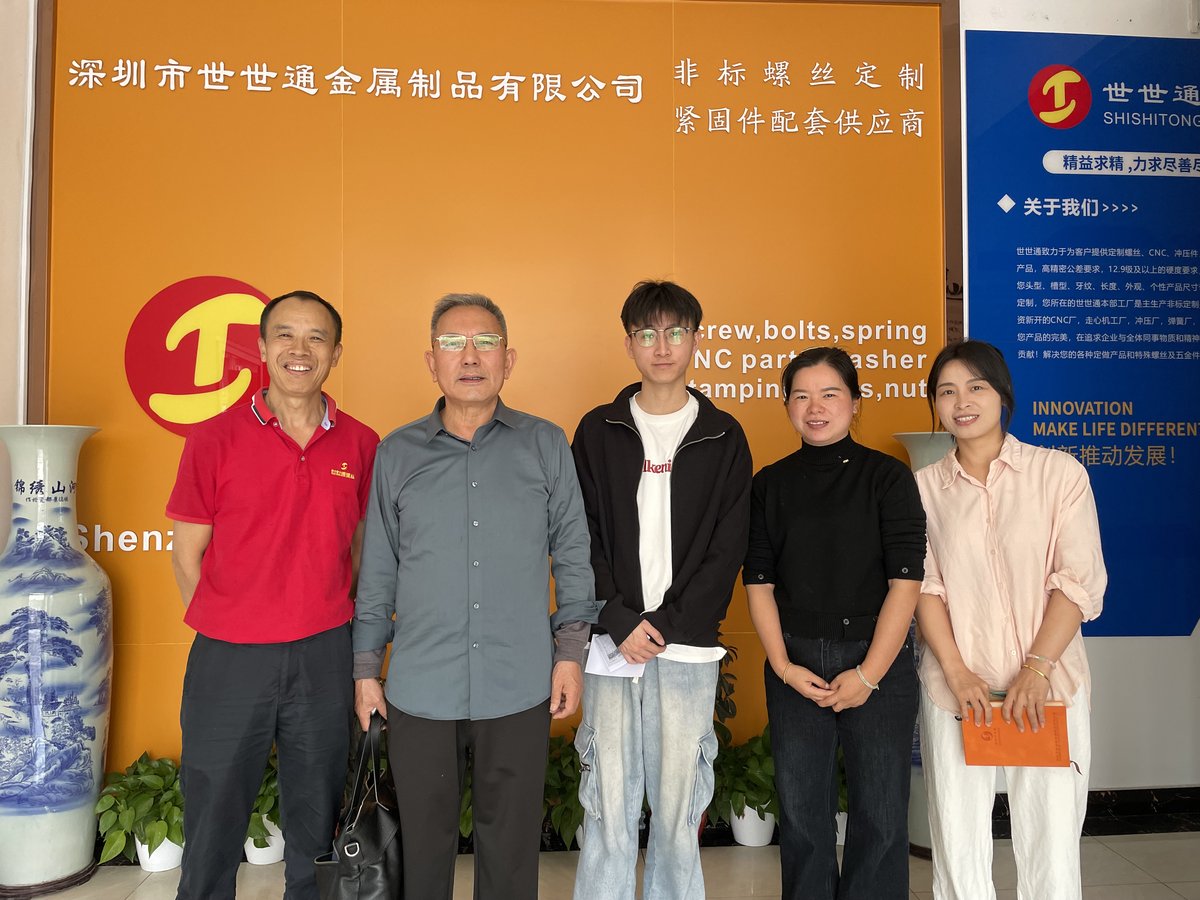
Customer group visit – factory tour |
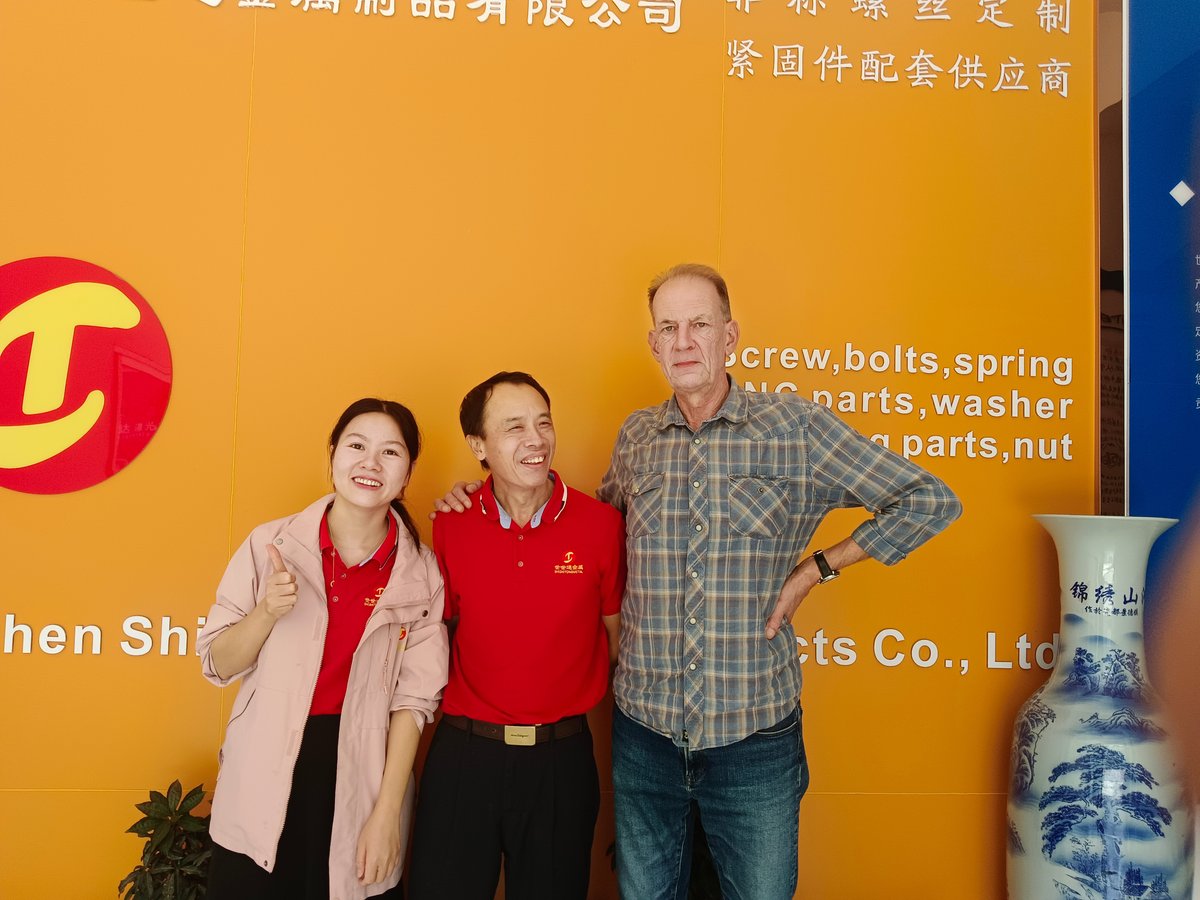
Customer visit – project kick-off |
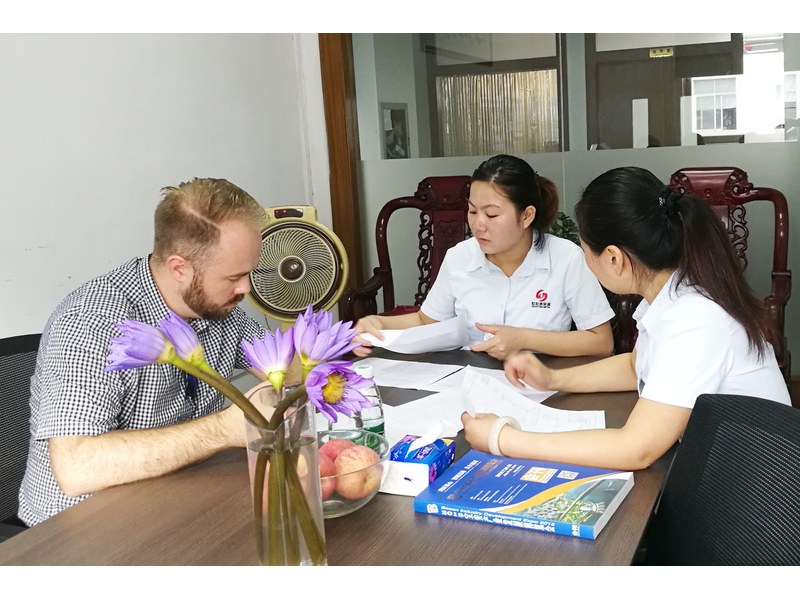
Danish customer – drawing review |
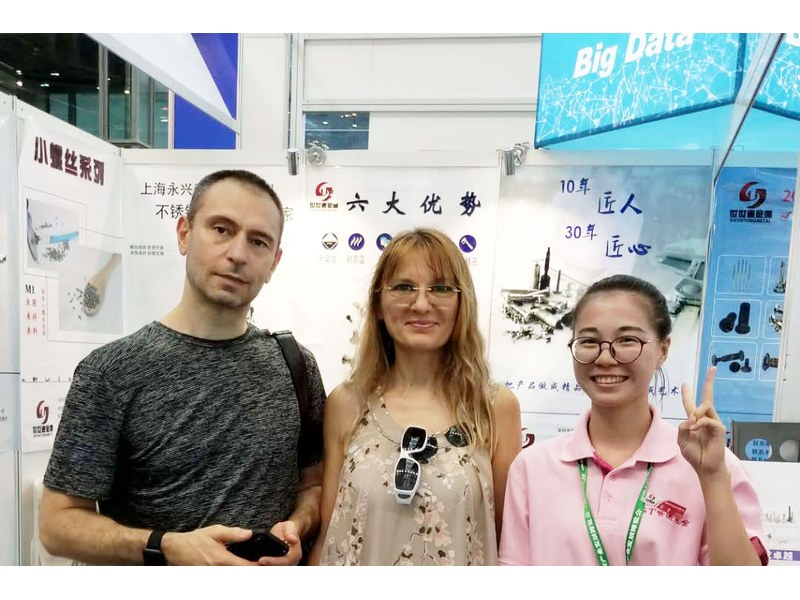
Industry exhibition – meeting customers |
It slides past whatever moves over it and does not present an edge to a hand, a hose or a coating.
The underside is curved, so it contacts a flat panel on a line rather than a ring. Use a cap head or a washer where the panel is soft.
Less than a cap head of the same thread, because the dome leaves a shallower socket.
A Teflon patch that gives the joint a prevailing torque, so it does not loosen under vibration.
The ISO 7380 button head form, which sets the dome and the socket proportions.
Head size, socket size and depth, thread, length, the patch band, the finish and the panel it bears on.
How a button head screw project runs from drawing to repeat delivery:
|
1
Send the drawing and a panel sample
|
→ |
2
Head, socket and patch agreed
|
→ |
3
First article driven and checked
|
→ |
4
Batch production and repeat orders
|
Each step is confirmed with you before the next one starts; the drawing revision used for the first article is what repeat orders are checked against.
For a quotation, send the drawing with the head diameter and height, socket size and depth, thread and length, the patch band, and the finish.
|
Head
|
Socket
|
Thread
|
|
Patch band
|
Length
|
Finish
|
Sending a drawing? The form below does not take attachments. Email the PDF, DXF or STEP file to sst@szsst88.com with the part name and quantity in the subject line – the drawing is reviewed and a quotation follows.

 +86 13143444311
 sst@szsst88.com