Tel:
+86 13143444311
Email:sst@szsst88.com
Fax:+0086-755-27322278
Address:Building 9, First Industrial Zone, Tantou Industrial City, Songgang Street, Baoan District, Shenzhen 518105, Guangdong, China
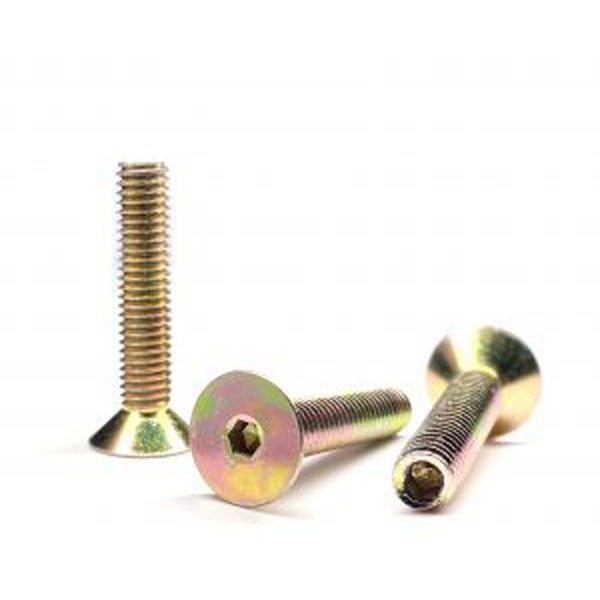
Type:Stainless Steel Flat Head Screw
Materials:Stainless Steel
Surface treatment:Cleaned and passivated
Head Type:Flat head, countersunk
Drive:Hexagon socket
Thread:Machine thread
Point:Plain, chamfered
Forming:Headed or turned; cone formed with the head; passivated
Size:M1-M16
We make stainless steel flat head screws with a hexagon socket, cleaned and passivated, quoted from M1 to M16 to the countersunk form on the drawing. The cone is the highest-pressure face on the part, and stainless galls against itself there, so the countersink and the lubricant decide whether it comes apart again.
Watch the factory video·Email sst@szsst88.com
ISO 9001:2015 · Manufacturing since 1998 · 8,678+ customers · 89 countries and regions
Made to order – there is no stock catalogue. Each part is produced to your drawing, and production starts after drawing review and first-article approval.
A stainless steel flat head screw with a hexagon socket is a countersunk machine screw driven with an Allen key. This part is stainless steel, cleaned and passivated, quoted from M1 to M16, and made to the countersunk socket screw form on the drawing, so the head and the socket are both defined by the customer’s countersink.
Stainless body. No coating, no rust, and no staining of the parts around it.
Countersunk head. A cone that seats in a countersink and finishes level with the surface.
Hexagon socket. Six flats that take more torque than a cross, in a head that has room for them.
Cleaned finish. Passivated, with no plating to add thickness to the cone.
They are used on stainless panels and equipment, in clean rooms, food lines, marine fittings and any assembly where a flush fixing has to resist corrosion without a coating, and where a painted or plated head would be a point of failure in a washdown.
A countersunk head carries the clamp load on a cone. Compared with a cap head of the same thread, the cone has less bearing area at the same diameter and the load lands on an inclined face rather than a flat ring, so the pressure under a stainless steel flat head screw is higher than under a socket cap head of the same size. That is the trade the flush finish is bought with.
Higher pressure matters most with stainless on stainless. The two surfaces are the same alloy, the oxide film that protects them is thin and brittle, and under pressure it breaks down locally and the clean metal underneath cold-welds. That is galling, and at the cone it is worse than in the thread because the contact pressure is higher and the relative movement during tightening is along the whole face.
A galled seat does not come apart cleanly. The head is welded to the countersink, the only thing left to turn is the hexagon socket, and a socket that has already been used once is not the place to apply extra torque. The result is usually a destroyed socket and a head that has to be cut out of the panel.
The seat is where to prevent it. A countersink cut to the same angle as the head gives full-face contact and keeps the pressure as low as the form allows; a countersink that is a degree off gives line contact at the rim and multiplies the pressure there. A dry film lubricant or an anti-seize compound on the cone is the other half of the answer, and it costs nothing on the drawing.
The socket is the second limit. On a countersunk head the hexagon can be deeper relative to the head than a cross, which is why this drive is used with a flush head at all, but it is still cut into a head that narrows toward the rim. The key has to be a good fit, and the torque has to respect the head rather than the thread.
So a stainless steel flat head screw is a joint designed around its seat: matched countersink, lubricated cone, moderate torque, and a key that is not worn. Get those right and the flush finish costs nothing in service.
Stainless steel flat head screws are quoted by thread size, length, head diameter and angle, head height, socket size and depth, grade and finish. Custom lengths up to 2,000 mm, subject to DFM review after drawing submission. The quotation carries the grade, the head, the socket, the thread and the passivation.
| Item | How it is defined | What we control |
|---|---|---|
| Grade | A2 or A4 stainless | Alloy and mechanical properties |
| Head | Countersunk, flat top | Diameter, angle and height |
| Socket | Hexagon socket | Across-flats and depth |
| Thread | Machine thread | Size, pitch and class |
| Length | Head top to point | Length and thread run |
| Finish | Cleaned, passivated | Surface condition and freedom from burrs |
The head angle is written with the countersink it is going into. On a stainless head there is no yielding to correct a mismatch, so an angle that is close is not close enough: the head bears on its rim and stands off at the centre.
The socket depth is written as a number. On a countersunk head the material around the socket narrows toward the rim, and a socket cut deeper than the drawing leaves thin walls where the key bears.
The grade matters for galling as well as for strength. A4 is more resistant in chlorides, but both grades gall against themselves, so the lubricant and the seat are specified regardless of grade.
Four properties decide this part, and each carries a cost:
| Property | What it gives | What it costs |
|---|---|---|
| Stainless body | No rust and no coating | Galls against stainless under pressure |
| Countersunk head | A fixing level with the surface | Higher pressure than a cap head |
| Hexagon socket | More torque than a cross | Socket walls thin toward the rim |
| Cleaned finish | No build on the cone | Nothing to protect a scratched seat |
The value is a flush fixing that will not rust or mark the panel, driven with a key rather than a cross, in a material that suits washdown and marine service.
The cost is a seat under high pressure in a material that welds to itself, so the joint depends on the countersink, the lubricant and a sound key as much as on the screw itself.
The trade is a cone that has to match the countersink before the head will sit flush.
The recorded finish is cleaned and passivated stainless. There is no plating to add thickness to the cone or to flake at the rim, so the head seats on the geometry that was machined and measured.
| Option | How it protects | Effect on the seat | Typical use |
|---|---|---|---|
| Passivated | Clean, thickened oxide | No build; cone as drawn | General stainless joints |
| Plain | Natural oxide | No build | Machined and deburred parts |
| Dry film lubricant | Low-friction film | Thin; reduces galling at the cone | Seats opened in service |
| Anti-seize paste | Applied lubricant | Only where the joint allows it | High-pressure stainless joints |
| Electropolished | Removes surface peaks | Small size change; checked | Cleanroom and food lines |
The passivation does something specific here: it removes the free iron left by machining, which is what turns into a rust spot at the cone of a stainless screw that was cut with carbon steel tooling.
A lubricant applied at assembly is the treatment that prevents galled seats. It is not a finish on the part, and it has to be written into the assembly instruction rather than assumed on the bench.
Three joints where a flush stainless fixing is the requirement:
| Where it sits | The screw closes a cover into a countersunk panel where the surface has to stay clean and flat. |
| When it goes wrong | The head galls in its seat and cannot be removed for service. |
| Why it happens | The countersink does not match, and no lubricant was specified. |
| What we control | Angle matched and lubricant specified; sample seated and broken away. |
| Where it sits | The screw holds a guard or a plate that is washed down and inspected for hygiene. |
| When it goes wrong | The head traps residue at a gap, or rust appears at the cone. |
| Why it happens | The head is not seated, and free iron was left on the surface. |
| What we control | Seat checked and passivation confirmed; sample washed and inspected. |
| Where it sits | The screw closes a fitting that sees salt water and must not corrode. |
| When it goes wrong | The thread seizes, or pitting starts at the countersink edge. |
| Why it happens | The grade is not suited to chlorides, and the seat is left dry. |
| What we control | Grade and seat treatment agreed; sample exposed and dismantled. |
Four points that decide whether a stainless flat head seats and comes apart again:
|
Angle matched to the countersink
The drawing states the head angle and diameter, and the countersink is cut to match, because pressure at a mismatched seat doubles. Basis: Seat designed, not assumed. |
Cone cut, socket cut, then passivated
The cone and socket are machined to size and passivated afterwards, so the seat measures what was drawn. Basis: No build on the cone. |
|
Seated in the plate
The first article is seated in the customer countersink and driven with the key at the joint torque. Basis: Flushness and drive proved. |
Same grade every lot
Grade and heat number are recorded with the drawing revision, so a repeat lot behaves the same in the seat. Basis: Same material across lots. |
A countersunk stainless screw is bought for a flush finish and lost at the seat. These four points are what keeps the seat from becoming a weld.
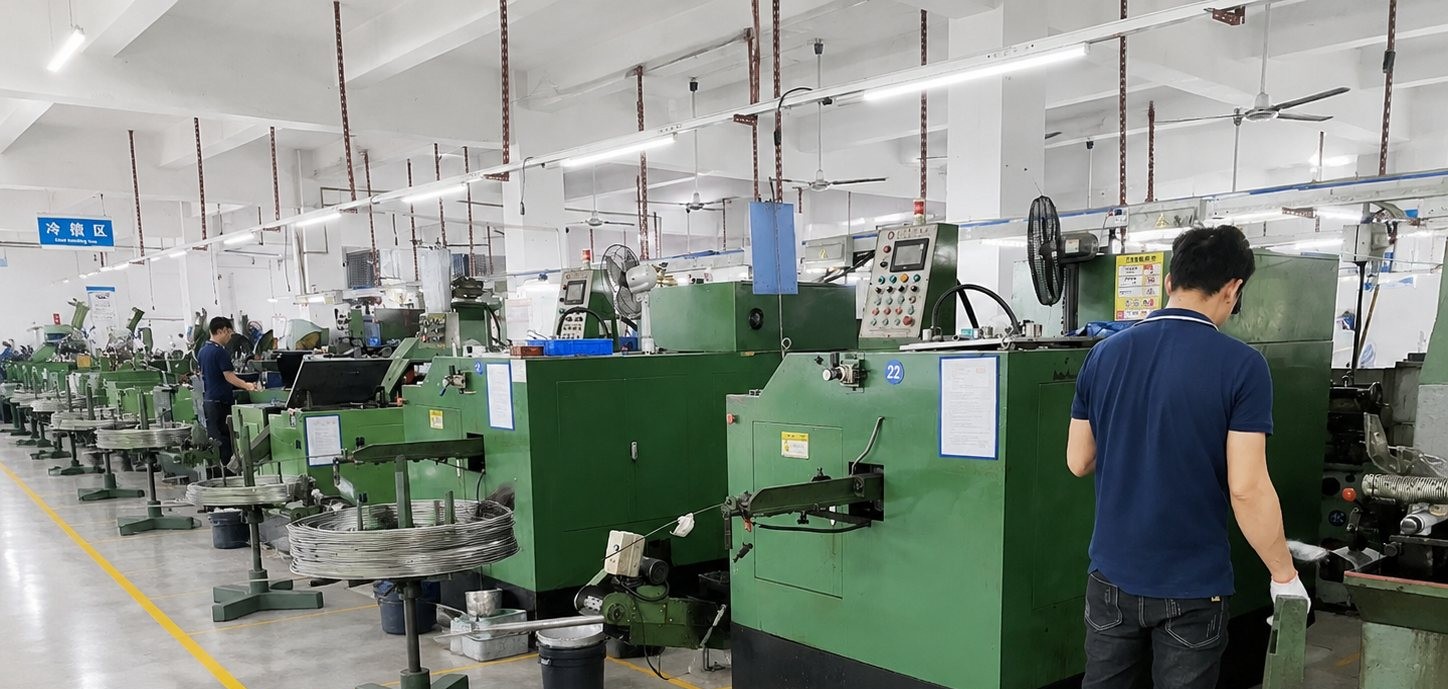
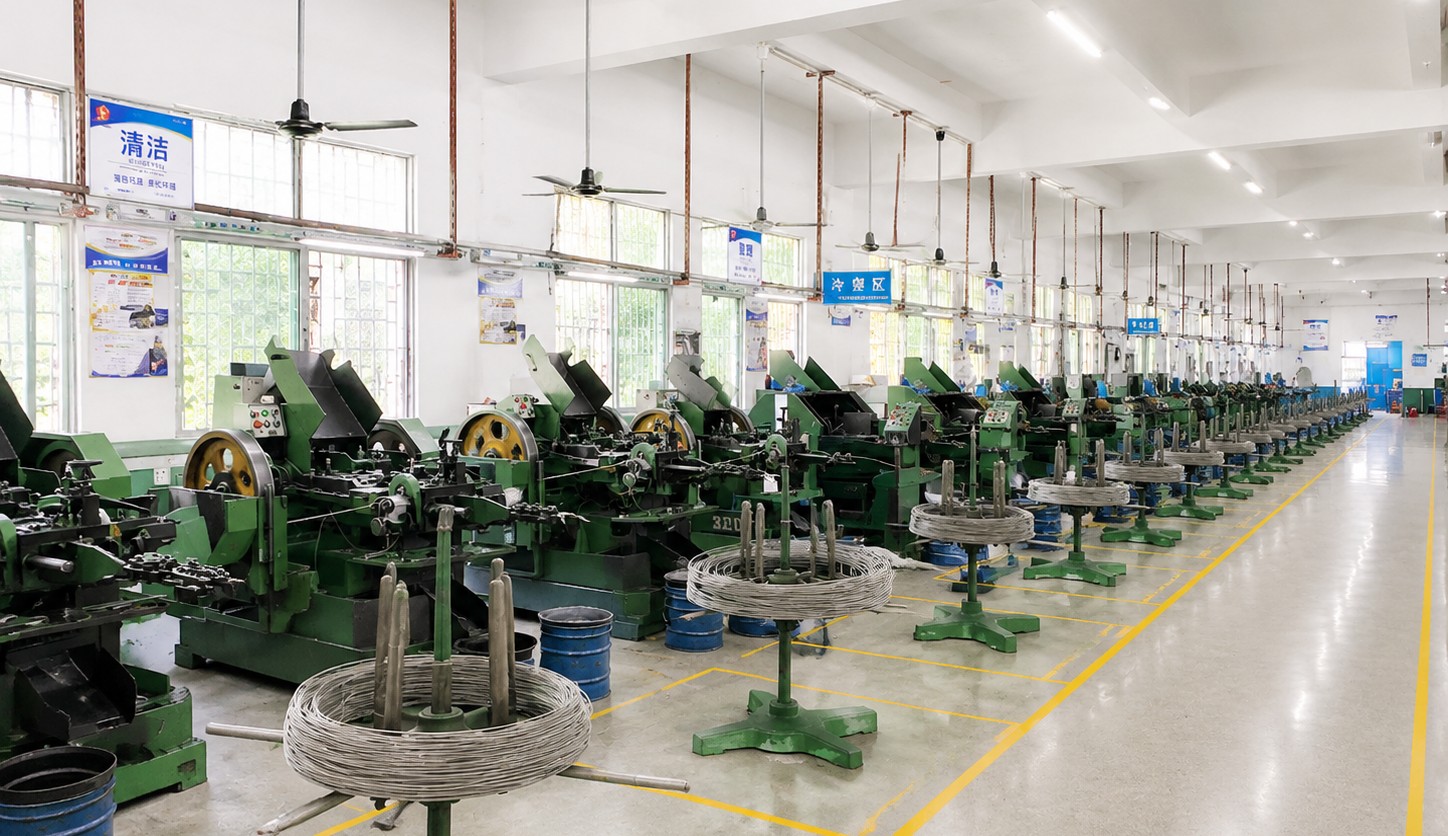
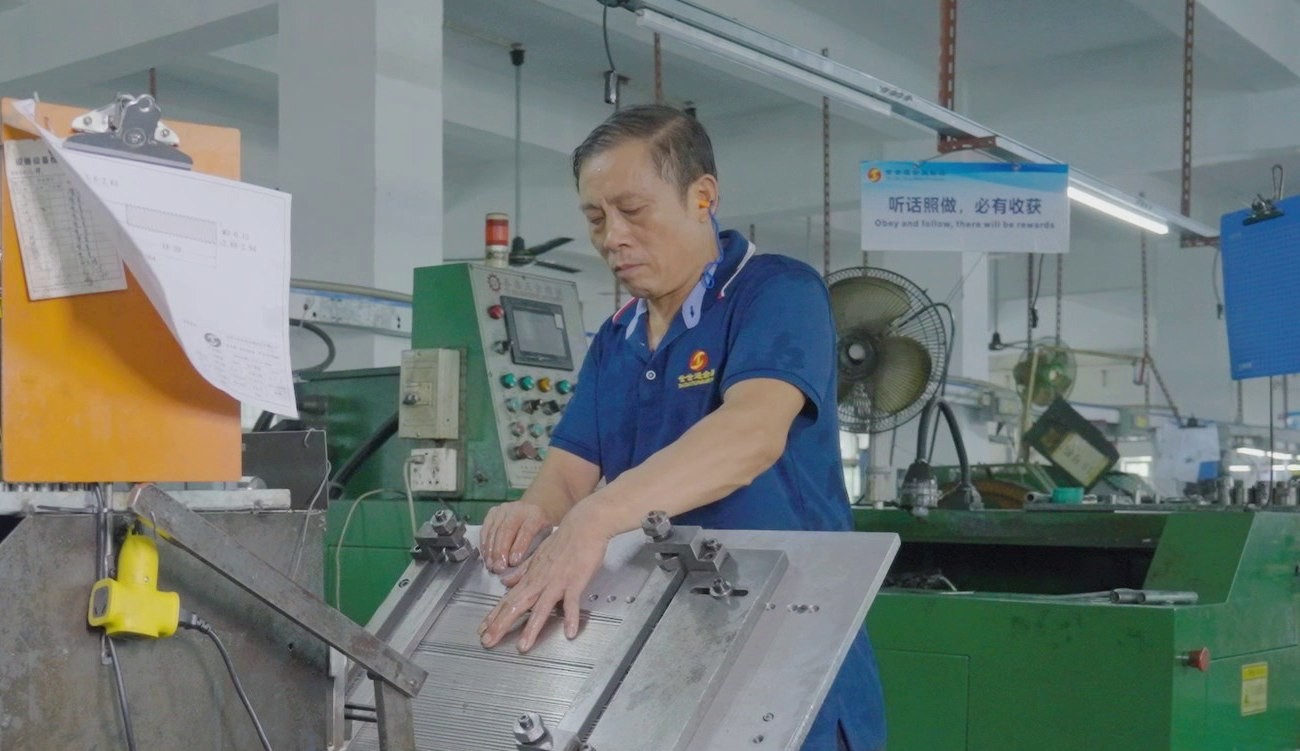
These screws are headed or turned in stainless, with the cone formed in the same operation as the head, the hexagon socket cut, the thread rolled or cut, and the parts cleaned and passivated. The first piece of every run is measured on head angle, diameter and height, socket, thread and length.
|
|
The cone is formed in one pass so the angle is true and the face has no step. A step in the cone is invisible from the top of the head and stops the plate from being drawn in at exactly the point where the pressure is highest.
The socket is cut after the cone so it is concentric with it. On a countersunk head the socket sits above the cone with little material between, and an off-centre socket tips the key and loads one side of the cone more than the other.
Passivation follows the machining and removes free iron from the cut surfaces. On a part that is seated under pressure in damp service, a spot of free iron at the cone is the first place corrosion starts.
What decides whether a batch of stainless steel flat head screws passes is the cone that seats, the socket that drives and the thread that clamps. The inspection agreement covers all three.

Head and cone on the projector |

Thread checked with gauges |

Material checked |

Salt-spray testing of the finish |
The cone is measured for angle and for continuity of face, and the sample is seated in a matching countersink. On a stainless part the seat is the whole joint, so a cone that is wavy or stepped is rejected even when the angle measures correctly at one point.
The socket is measured for across-flats and depth and driven with the key at the joint torque. On a countersunk head the walls thin toward the rim, and a socket that measures right can still be too close to the edge.
The thread is gauged over its length and run onto the mating nut. Stainless galls, so a thread that runs tight on the bench will gall in service; the run-down torque is recorded on the sample.
Every batch of stainless steel flat head screws is traceable to the wire or bar it was made from. The material certificate states the grade, the heat number, the chemistry and the mechanical properties, and the inspection record carries the head, socket and thread against the drawing.

ISO 9001:2015 |

RoHS test report |

Registered trademark |

Patent: security screw and driver |
With each shipment we supply the material certificate and the inspection record for the head, socket and thread. The records carry the batch number, so a repeat order can be compared with the first on the dimensions that decide the seat and the drive.
More than 8,678 customers in 89 countries and regions have ordered from Shi Shi Tong; 87% of orders come from repeat customers and 56% through referrals. Most projects follow the same route: drawing review, first-article approval, then batches checked against that sample. On a countersunk stainless screw the first article is seated in the customer countersink and driven, because the seat is where the joint is made and where it can seize. Buyers visit during the process to review samples.
|
8,678+
customers served
|
87%
of orders from repeat customers
|
56%
of orders through referrals
|
89
countries and regions shipped to
|
Buyers and quality engineers visit for sample review, process discussion and supplier audits; the visit is arranged around production so the heading cells and the passivation line can be seen on the day the parts run.

Customer group visit – sample review |

Customer group visit – process discussion |

Customer group visit – factory tour |

Customer visit – project kick-off |

Danish customer – drawing review |

Industry exhibition – meeting customers |
Stainless galls against stainless, and the cone is the highest-pressure face on the screw. Once it welds, only cutting removes it.
A countersink cut to the same angle as the head, and a dry film lubricant or anti-seize on the cone at assembly.
The countersink is shallower than the head, or its angle does not match, so the cone stops before the faces meet.
The countersunk head narrows toward the rim, so the walls around the socket are thinner and the torque ceiling is lower.
A2 for general use and A4 for chlorides. Both gall, so the seat treatment is the same.
Grade, head diameter and angle, head height, socket size and depth, thread, length and finish.
How a stainless flat head screw project runs from drawing to repeat delivery:
|
1
Send the drawing and a plate sample
|
→ |
2
Head angle and countersink agreed
|
→ |
3
First article seated and driven
|
→ |
4
Batch production and repeat orders
|
Each step is confirmed with you before the next one starts; the drawing revision used for the first article is what repeat orders are checked against.
For a quotation, send the drawing with the grade, head diameter and angle, head height, socket size and depth, thread and length, and the countersink it will sit in.
|
Grade
|
Head angle
|
Head height
|
|
Socket
|
Thread
|
Finish
|
Sending a drawing? The form below does not take attachments. Email the PDF, DXF or STEP file to sst@szsst88.com with the part name and quantity in the subject line – the drawing is reviewed and a quotation follows.

 +86 13143444311
 sst@szsst88.com