Tel:
+86 13143444311
Email:sst@szsst88.com
Fax:+0086-755-27322278
Address:Building 9, First Industrial Zone, Tantou Industrial City, Songgang Street, Baoan District, Shenzhen 518105, Guangdong, China
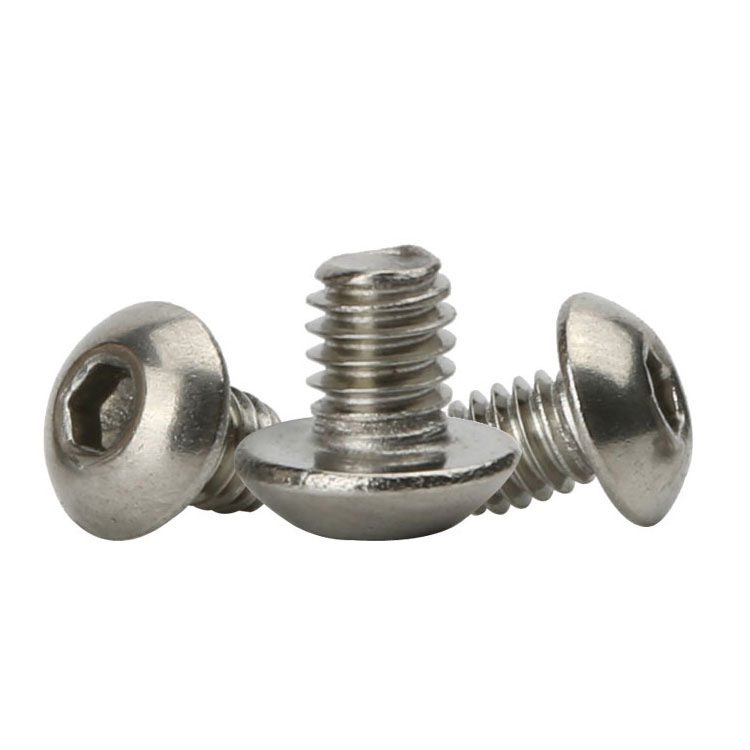
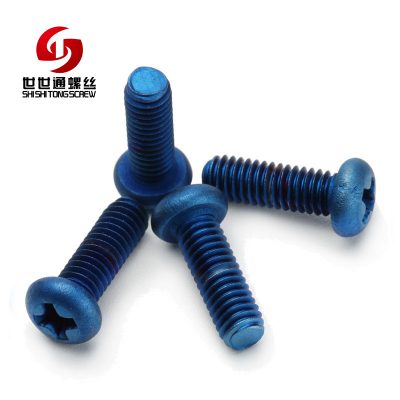
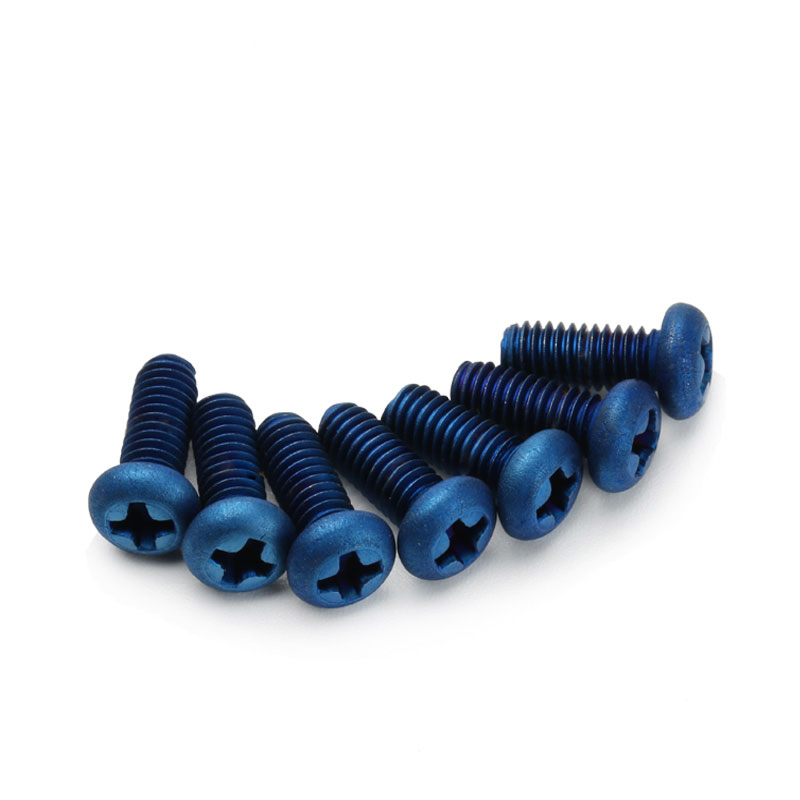
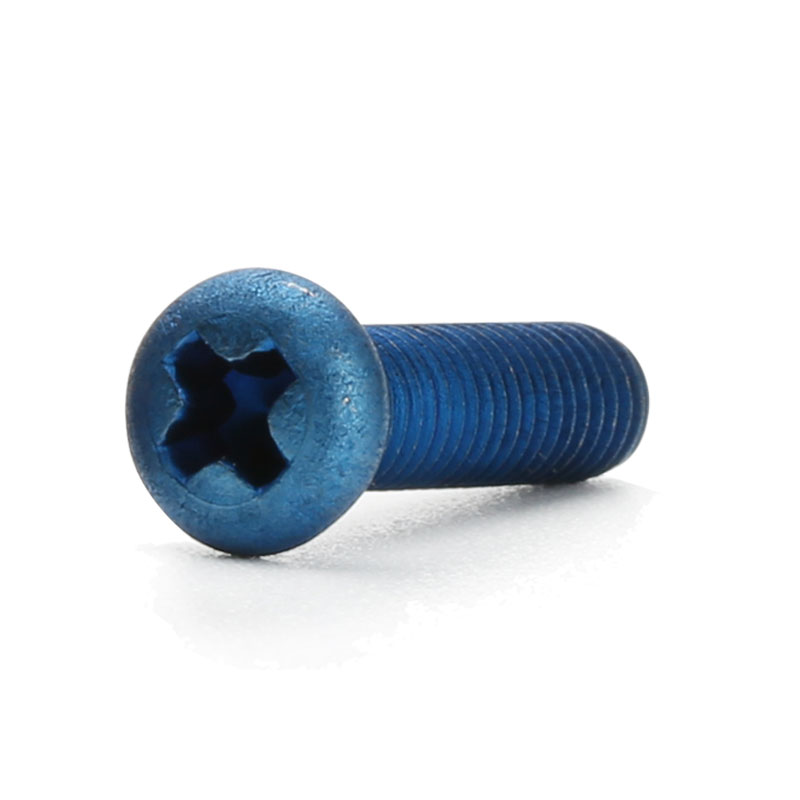
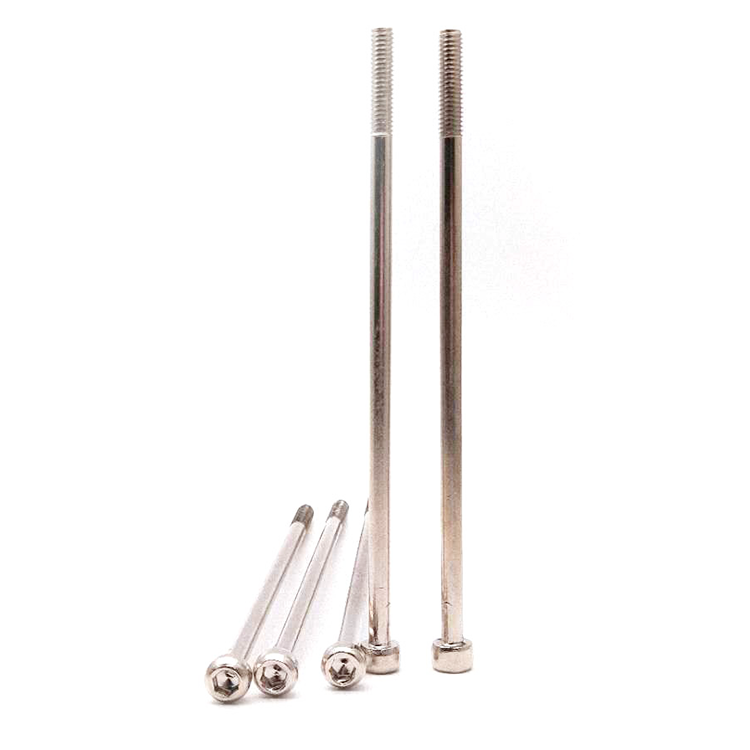
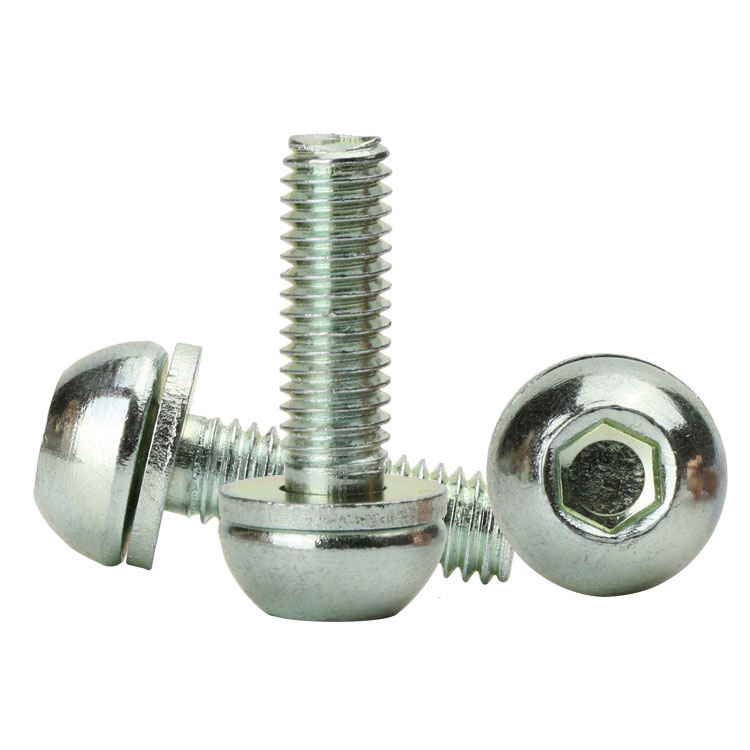
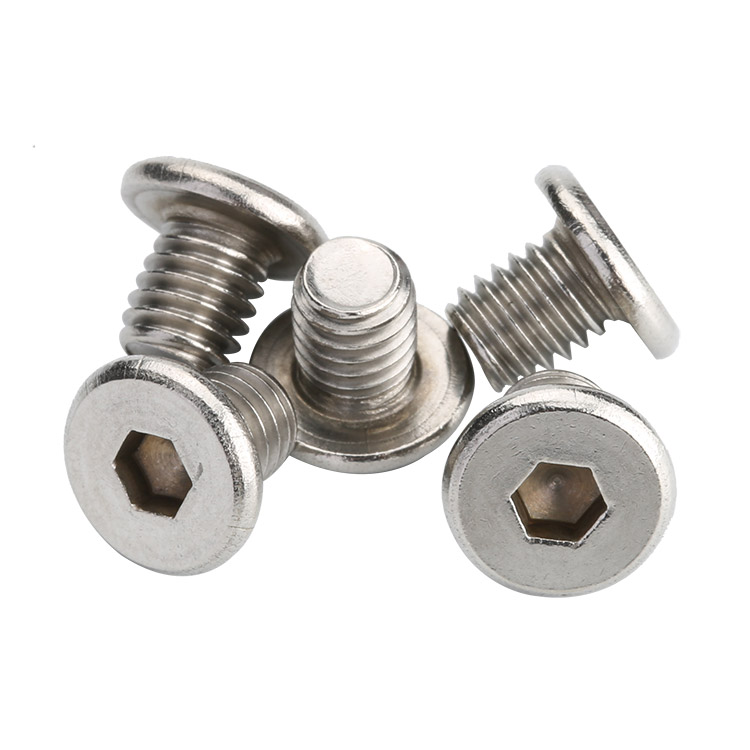
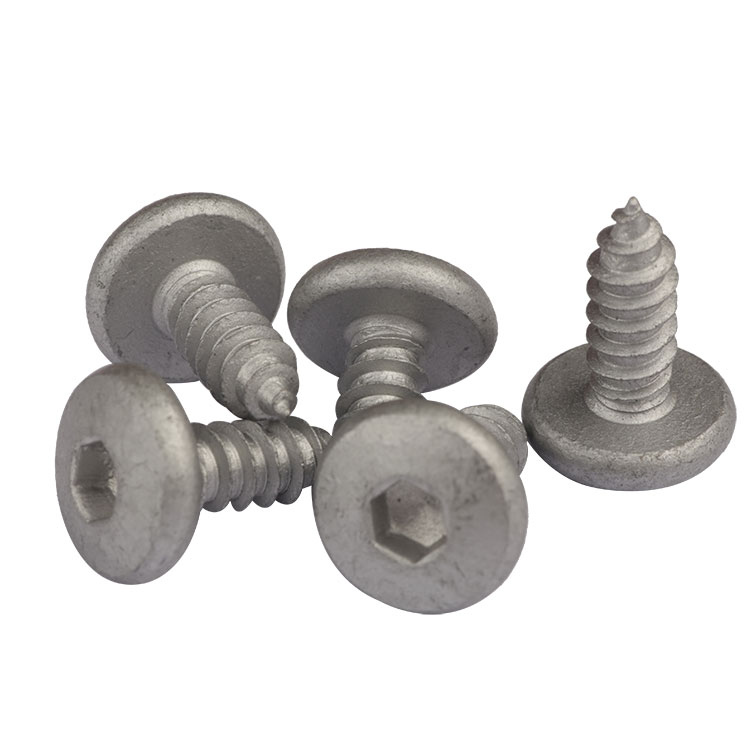
Type:Titanium Socket Cap Screws
Materials:Titanium
Surface treatment:Plain
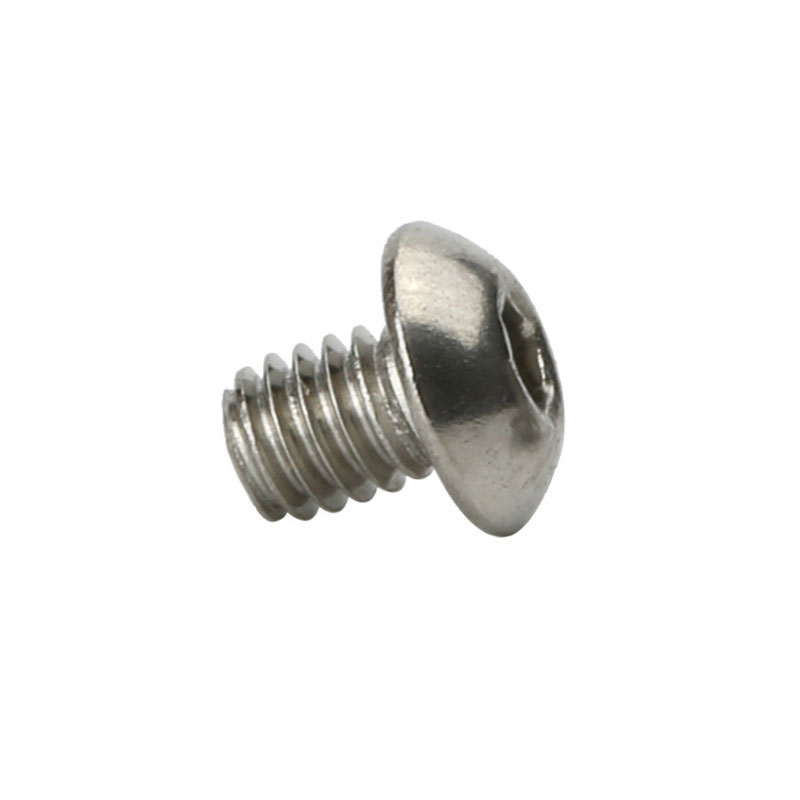
Head Type:Button head (socket)
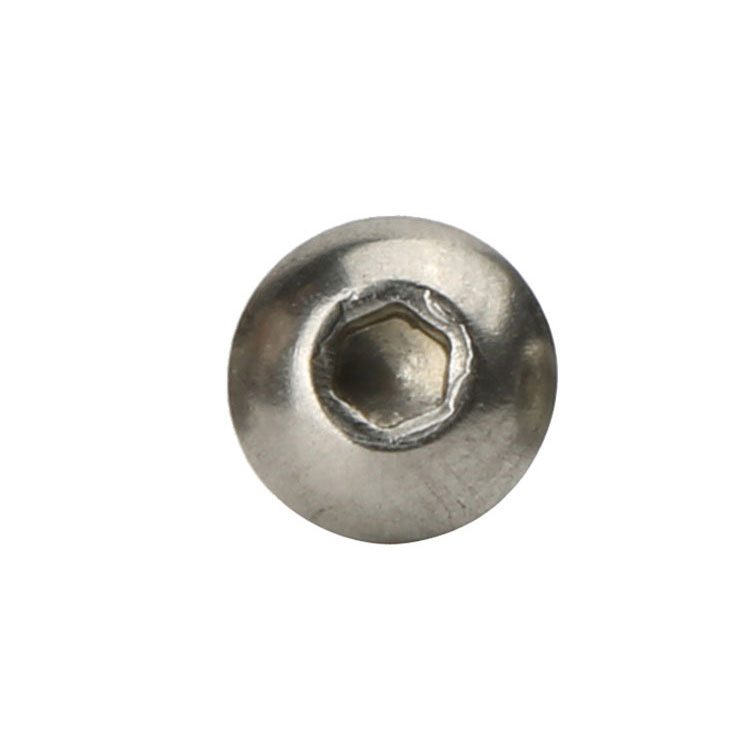
Drive:Hexagon socket (Allen)
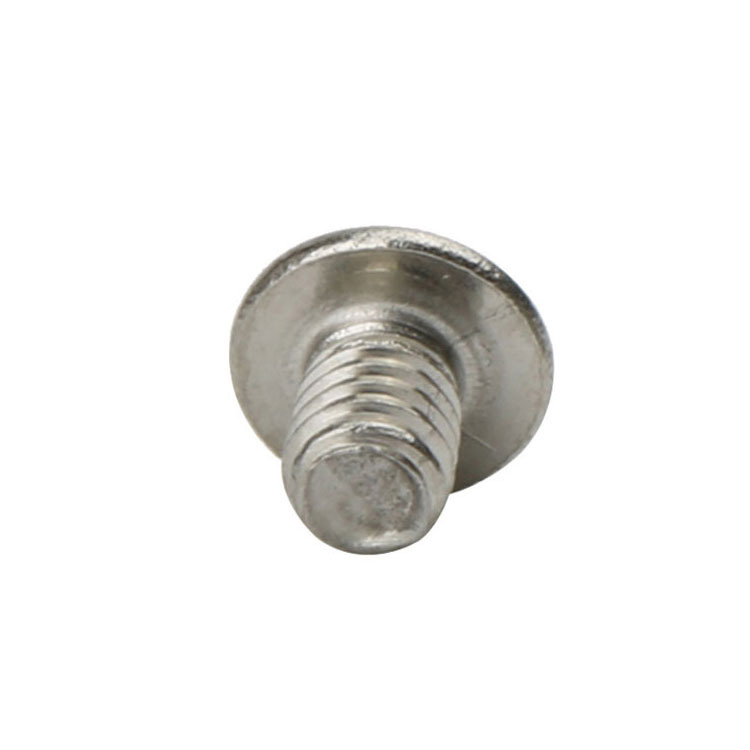
Thread:Machine thread
Point:Plain, chamfered
Forming:Single Die Heading
Size:M1 M2 M3 M4 M5 M6 M7 M8 M9 M10
We make titanium socket cap screws in the low domed head form, plain finish, quoting them from M1 to M10 with lengths made to the drawing. The head form and its height are written on the drawing, the socket is proved with your key, and the first article is assembled twice before the batch runs.
Watch the factory video·Email sst@szsst88.com
ISO 9001:2015 · Manufacturing since 1998 · 8,678+ customers · 89 countries and regions
Made to order – there is no stock catalogue. Each part is produced to your drawing, and production starts after drawing review and first-article approval.
Titanium socket cap screws are socket-driven screws made in titanium, in the low domed head form recorded on this page. The part is plain finish with a machine thread, quoted from M1 to M10 with lengths made to the drawing.
Socket drive. An internal hexagon driven from above, sized against the thread diameter.
Domed head. A low rounded head with a hexagon socket, the form the trade files under the socket cap family.
Titanium body. Light, corrosion resistant and non-magnetic, with low thermal conductivity and a tendency to gall.
Machine thread. A uniform thread for a tapped hole, a nut or an insert.
They are used where weight and corrosion matter together: sports and outdoor equipment, drone and model hardware, marine fittings, medical and laboratory assemblies, and any product where a steel fixing would be either too heavy or too visible when it corrodes.
Titanium is chosen here for weight and corrosion rather than for a higher clamp load.
Socket cap is a family name, not one head. Under it sit the tall cylindrical cap head with a deep socket, the low button head with a shallow one, and the low profile version that sits between them. The thread and the drive are shared; the head height is not, and the head height is what decides how much material the socket has to work with.
The part on this page is the low domed form. Its socket is shallower than the tall cap head of the same diameter, its bearing face is smaller and its rim is rounded. That combination is chosen for weight and appearance, and it costs drive depth and bearing area, which is exactly the trade that has to be understood before the drawing is written.
Calling all of them socket cap screws is not wrong; it is how catalogues group them. What goes wrong is specifying by the family name alone. Two parts in the same family and the same thread can differ in head height by nearly half, and a joint designed around one will not accept the other without a change in clearance and in torque.
Titanium adds its own set of behaviours. It conducts heat poorly, so the friction of driving stays at the contact surfaces and raises the risk of galling; it has a lower stiffness than steel, so the head deflects a little more under the same clamp; and it work-hardens, so a socket that has slipped once is smoother and more likely to slip again. None of that prevents the joint, but all of it means the torque belongs on the drawing rather than on the fitter’s judgement.
An anti-galling step is often part of the specification for titanium socket cap screws. It can be a dry film lubricant, a molybdenum-based compound, or simply a defined assembly procedure; the choice is agreed with the customer because it changes the surface and, in some industries, the documentation.
The recorded range is M1 to M10, with lengths made to the drawing. Custom lengths up to 2,000 mm are subject to the drawing submission and DFM review. The quotation for titanium socket cap screws carries the head form and height, head diameter, socket size and depth, the thread pitch and the overall length.
| Item | How it is defined | What we control |
|---|---|---|
| Head | Low dome with hexagon socket | Diameter, height and rim radius |
| Socket | Hexagon, key size per diameter | Depth and wall thickness |
| Bearing face | Flat annulus under the dome | Flatness and edge radius |
| Thread | Machine thread in titanium | Pitch, length and start position |
| Length | Overall, head included | Length tolerance and thread start |
| Finish | Plain, or anodised on request | No build; socket as cut |
Head height is the dimension to state explicitly, because the family name does not fix it. A drawing that says socket cap and gives a diameter but no height can be satisfied by more than one part, and the assembly may then find a head that fouls or a socket that is too shallow for the key.
Socket size follows the diameter, but the depth is bounded by the head. On a low dome there is less material than on a tall cap head, so the key has to reach the floor of the recess and the recess has to be deep enough to seat it. Both are measured on the first article.
On the small sizes the whole head is a thin shell. At M2 and M3 the walls between the hexagon and the rim are a fraction of a millimetre, and in titanium those walls are also the part that deforms if the key is used at an angle.
Four properties decide titanium socket cap screws, and each one carries a cost:
| Property | What it gives | What it costs |
|---|---|---|
| Titanium body | About half the weight of steel | Higher unit cost; lower stiffness |
| Socket drive | Compact, one-handed driving | Shallow socket on a low head |
| Domed head | Low profile and rounded rim | Small bearing face |
| Corrosion without coating | No layer to wear off | Galling during assembly |
The value is specific and measurable: a part that does the same structural job at roughly half the mass, does not rust, and does not disturb a magnetic field. On a product where weight is the design constraint, that is worth paying for.
The cost is in assembly rather than in service. Titanium galls, deforms more easily under a small head, and needs a torque that is set deliberately. A joint that is assembled by feel will show its problems on the second opening, not the first.
The recorded finish is plain. Titanium forms its own oxide layer, so the surface is not dependent on a coating, and the part can be left bright, polished or blasted without a plating step.
| Option | What it does | Effect on head and recess | Typical use |
|---|---|---|---|
| Plain, as formed | Native oxide layer | No build; socket as cut | Standard titanium parts |
| Polished | Mechanical smoothing | Edges softened; brighter | Visible hardware |
| Anodised | Coloured oxide growth | Thin build; colour inside socket | Sports and consumer products |
| Bead blasted | Uniform matte surface | Matte inside socket | Equipment and enclosures |
| Dry film lubricant | Anti-galling layer | Thin, even film | Where parts are repeatedly assembled |
Anodising is the finish that suits a visible titanium part because it colours the oxide rather than covering the metal. It changes the surface only by a few micrometres, so a Torx or hexagon recess keeps its fit, and the colour reaches into the drive where it can be seen.
A dry film lubricant is the opposite kind of finish: it exists for assembly, not for appearance. It reduces galling on repeated assembly and it is specified on parts that will be opened more than once, which is most of the joints that use titanium in the first place.
Three settings where weight and corrosion are both design constraints:
| Where it sits | The screw holds a component where every gram counts and the fixing is exposed to weather and sweat. |
| When it goes wrong | A steel fixing is substituted and the component gains weight or corrodes at the head. |
| Why it happens | The assembly is handled, often wet, and sometimes taken apart for service. |
| What we control | Alloy confirmed on the certificate; anti-galling step agreed; first article assembled twice. |
| Where it sits | The screw closes a frame where mass affects flight time and magnetic parts disturb sensors. |
| When it goes wrong | A magnetic steel screw interferes with a compass, or the head loosens under vibration. |
| Why it happens | The frame is light, the joint is small, and the fixing is repeated many times. |
| What we control | Non-magnetic grade confirmed; torque and thread locking agreed; first article checked on the frame. |
| Where it sits | The screw fixes hardware where chlorides or cleaning chemicals would attack a steel part. |
| When it goes wrong | A coated screw breaks down at the socket and corrosion starts where the key bears. |
| Why it happens | The joint is wet or chemically cleaned, and the fixing is visible. |
| What we control | Salt-spray sample checked; first article fitted in the fixture. |
Four reasons that matter on a light, galling-prone part, each tied to something the drawing has to prove:
|
Head form and height written out
The head form and its height are stated rather than left to the family name, because socket cap covers several head heights and the assembly only fits one of them. Basis: Head form and height stated. |
Headed, socket broached, thread rolled
The dome and hexagon are formed in one stroke, the thread rolled on the titanium, and the parts left plain unless a finish or a lubricant is specified. Basis: One route from bar to part. |
|
Socket proved with the key
The socket is driven with the key the customer uses, at the agreed torque, because on a low head the difference between seating and slipping is a fraction of a millimetre. Basis: Socket proved with your key. |
Assembly method recorded
The anti-galling step and the torque are recorded with the drawing revision, so a repeat order is assembled the same way and does not seize on the second opening. Basis: Assembly method held across orders. |
These screws are headed on single-die machines that form the low dome in one stroke, broached with a hexagonal punch, thread rolled on the titanium shank, and left plain. The first part of every run is measured on head diameter, head height, socket size and depth, thread and length, and driven with the production key.


|

|
Titanium is harder to head than steel at the same size. It resists flow, so the dome is formed with higher pressure and the punch wears faster, and a worn punch leaves a rim that is slightly uneven rather than a head that is the wrong size. The rim is inspected because it is the part that touches the customer’s part.
Broaching the hexagon is the operation that limits the head height. On a low dome there is little material to displace, so the walls come out thin if the punch is set a fraction too deep, and thick if it is set shallow. Both extremes pass a socket size check, and only a driving test separates them.
Thread rolling is done with clean rolls and a blank diameter that displaces rather than squeezes, because titanium work-hardens quickly and a squeezed thread has a hard, brittle crest that galls on the first assembly. The parts are kept separate before packing so they do not rub and mark each other.
What decides whether titanium socket cap screws pass is the head, the socket, the thread and the surface. The inspection agreement covers those, and the criteria come from the drawing.

Head height and socket on the projector |

Thread and start checked |

Hardness against the titanium spec |

Salt-spray testing of the plain surface |
Head height and socket depth are measured as a pair on the projector, together with head diameter and rim radius. The bearing face is checked for flatness on the same setup, since a face that is not flat loads the socket unevenly once the head is pulled down.
The socket is proved by driving with the production key at the agreed torque and inspecting the corners under magnification. On titanium the corners do not shear cleanly; they flatten, so the check looks at the shape of the wall rather than at a single dimension.
A sample from every batch is assembled into the customer part, opened and reassembled. That second cycle is the one that shows galling, and on a titanium part it is the check that predicts whether the joint survives its maintenance schedule.
Every batch is traceable to the titanium bar or wire it was made from. The grade and heat number appear on the material certificate supplied with the parts, and the inspection records follow the criteria agreed on the drawing.

ISO 9001:2015 |

RoHS test report |

Registered trademark |

Patent: security screw and driver |
With each shipment we supply the material certificate, the inspection record for the dimensions on the drawing including the head height and socket depth, and the surface records for the batch. The documents carry the drawing revision and the batch number, so a repeat order of titanium socket cap screws matches the original assembly.
More than 8,678 customers in 89 countries and regions have ordered from Shi Shi Tong; 87% of orders come from repeat customers and 56% through referrals. Most projects follow the same route: drawing review, first-article approval, then batches checked against that sample. On titanium parts the first article is assembled and opened twice, because galling appears on the second cycle. Buyers visit during the process to review samples.
|
8,678+
customers served
|
87%
of orders from repeat customers
|
56%
of orders through referrals
|
89
countries and regions shipped to
|
Buyers and quality engineers visit for sample review, process discussion and supplier audits; the visit is arranged around production so the headers and the broaching station can be seen on the day the parts run.

Customer group visit – sample review |

Customer group visit – process discussion |

Customer group visit – factory tour |

Customer visit – project kick-off |

Danish customer – drawing review |

Industry exhibition – meeting customers |
Socket cap is a family name. It includes the tall cap head and the low button head; the head height is the difference that matters.
The tall head gives a deeper socket and more bearing area; the low head saves height and weight. A joint designed for one does not accept the other.
Titanium galls when surfaces rub under pressure, especially dry. An anti-galling step or a specified lubricant is part of the assembly agreement.
Titanium is non-magnetic, which is one of the reasons it is chosen for instruments and imaging equipment.
A low head deforms more than a tall one at the same torque. The torque is set for the head and the material, not only for the thread.
Head form and height, head diameter, socket size and depth, thread pitch and overall length.
How a titanium socket screw project runs from drawing to repeat delivery:
|
1
Send the drawing and the head height
|
→ |
2
Head form and socket agreed
|
→ |
3
First article assembled and opened twice
|
→ |
4
Batch production and repeat orders
|
Each step is confirmed with you before the next one starts; the drawing revision from the first article is what repeat orders are checked against.
For a quotation, send the drawing with the head form and height, head diameter, socket size, thread pitch and overall length.
|
Head form
|
Head height
|
Head diameter
|
|
Socket size
|
Thread pitch
|
Length
|
Sending a drawing? The form below does not take attachments. Email the PDF, DXF or STEP file to sst@szsst88.com with the part name and quantity in the subject line – the drawing is reviewed and a quotation follows.

 +86 13143444311
 sst@szsst88.com