Tel:
+86 13143444311
Email:sst@szsst88.com
Fax:+0086-755-27322278
Address:Building 9, First Industrial Zone, Tantou Industrial City, Songgang Street, Baoan District, Shenzhen 518105, Guangdong, China
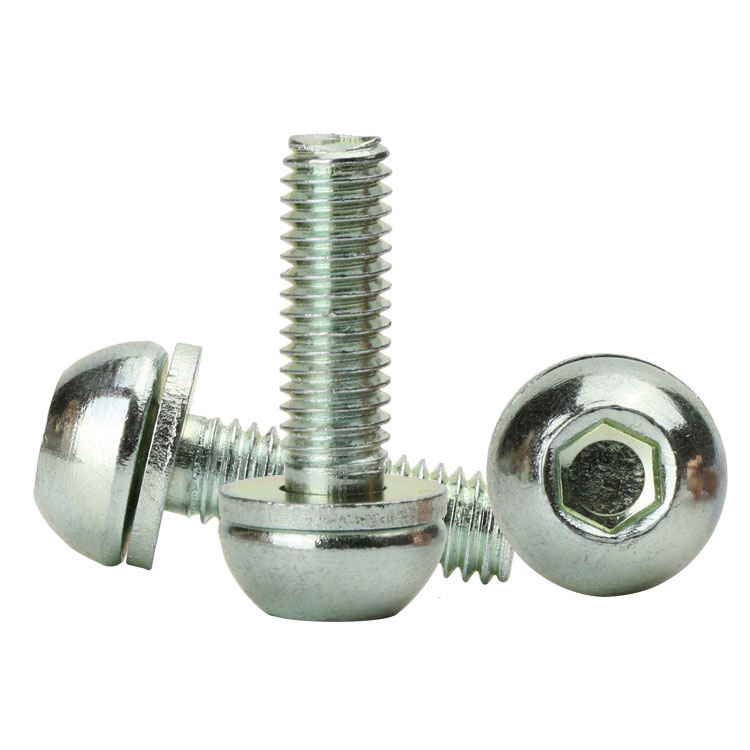
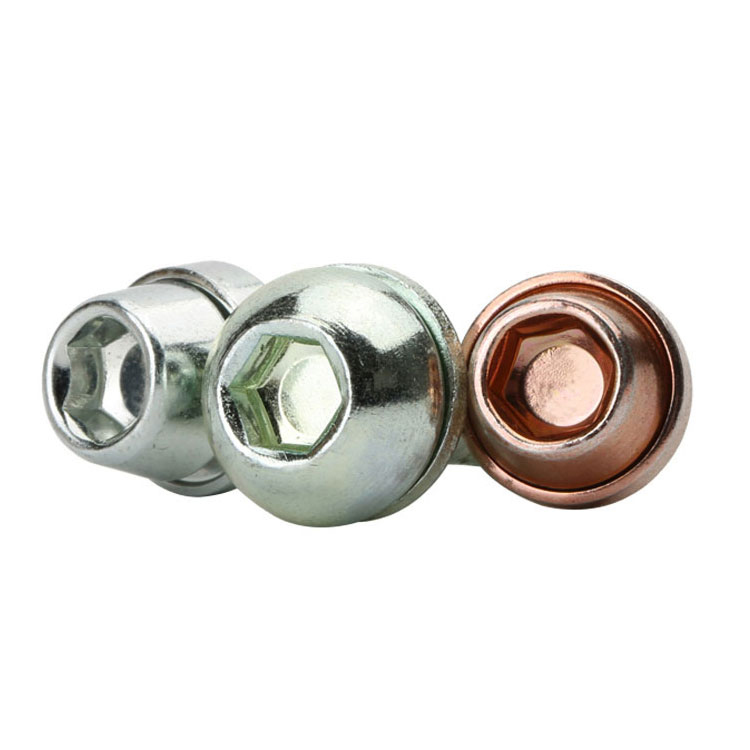
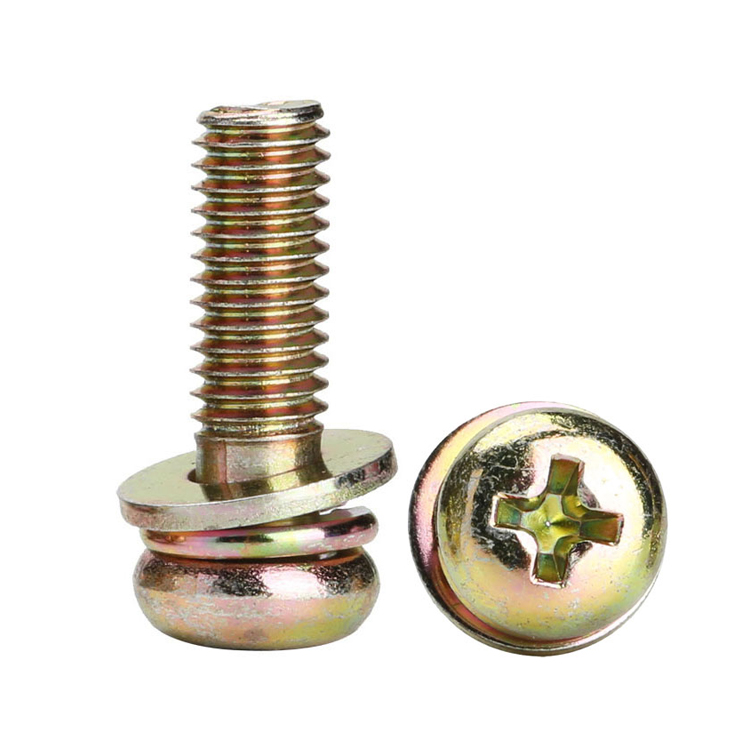
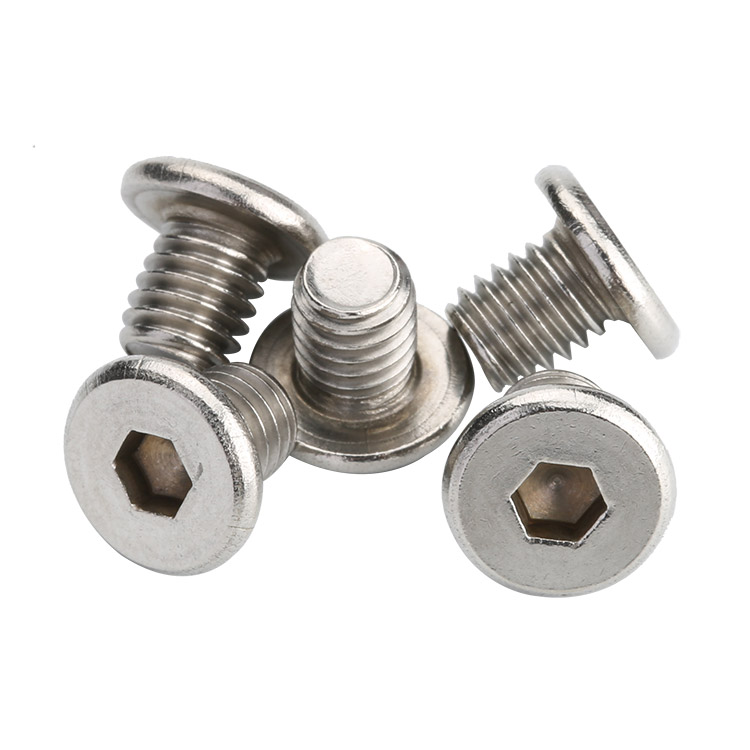
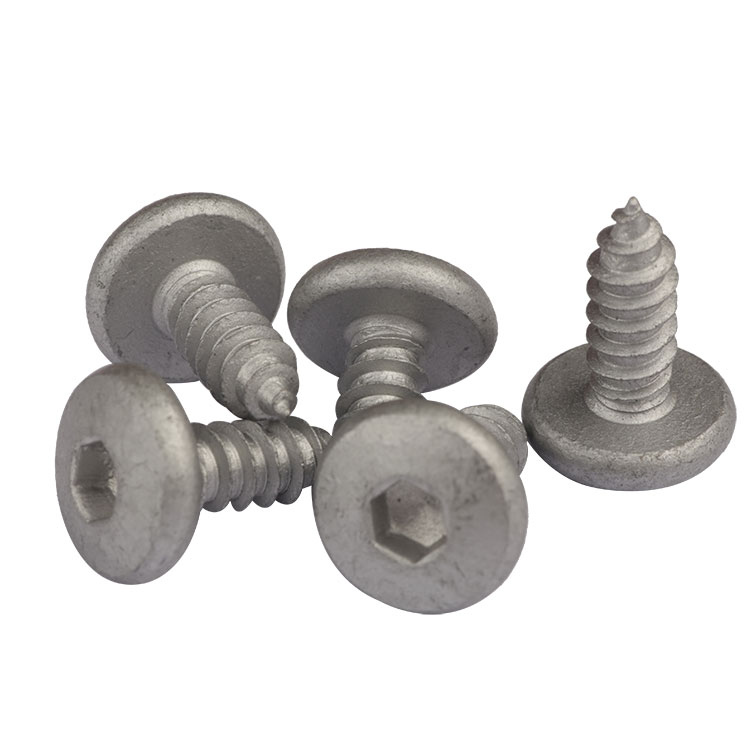
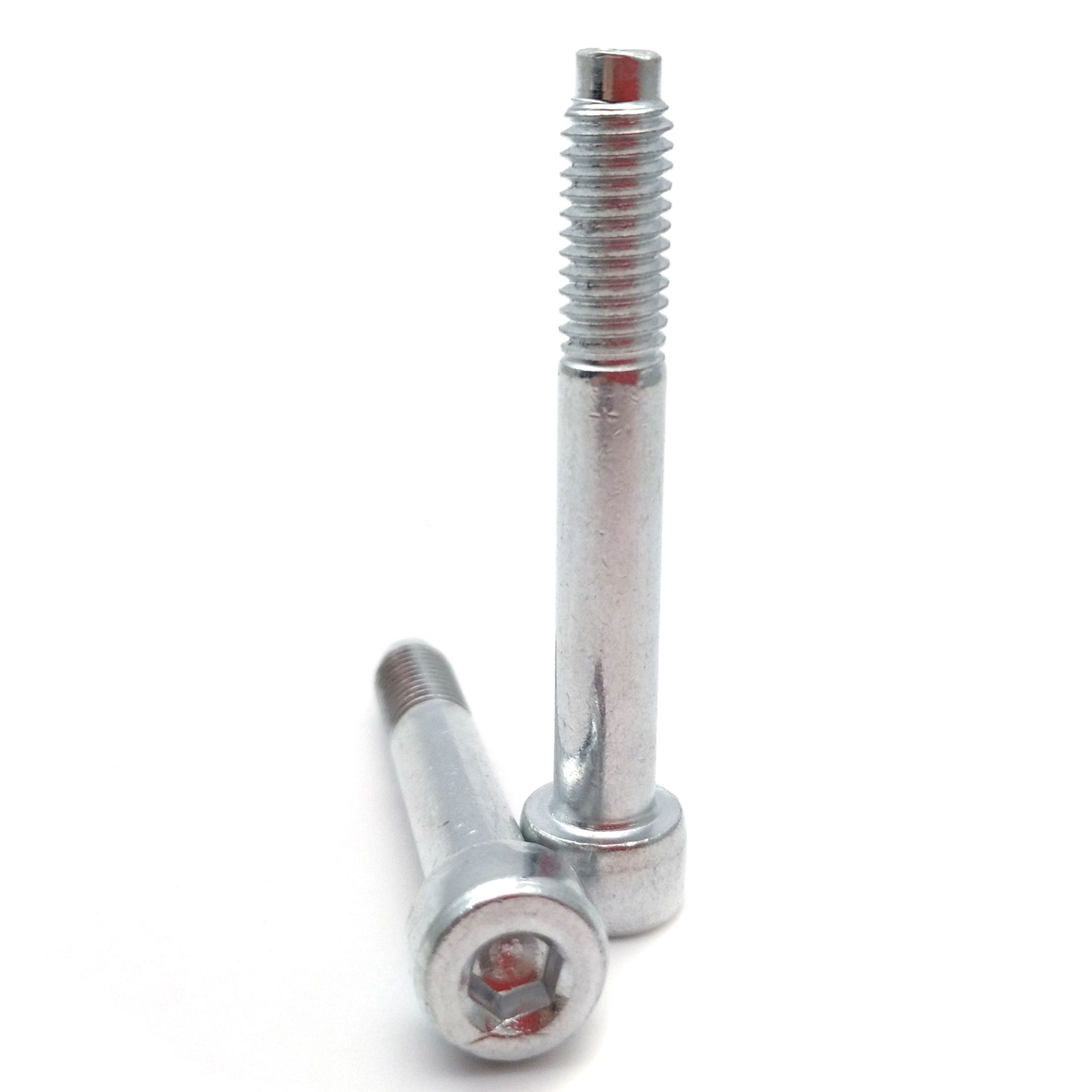
Type:Hex Socket Button Head Screw
Materials:Carbon Steel
Surface treatment:Eco Green Zinc Plated
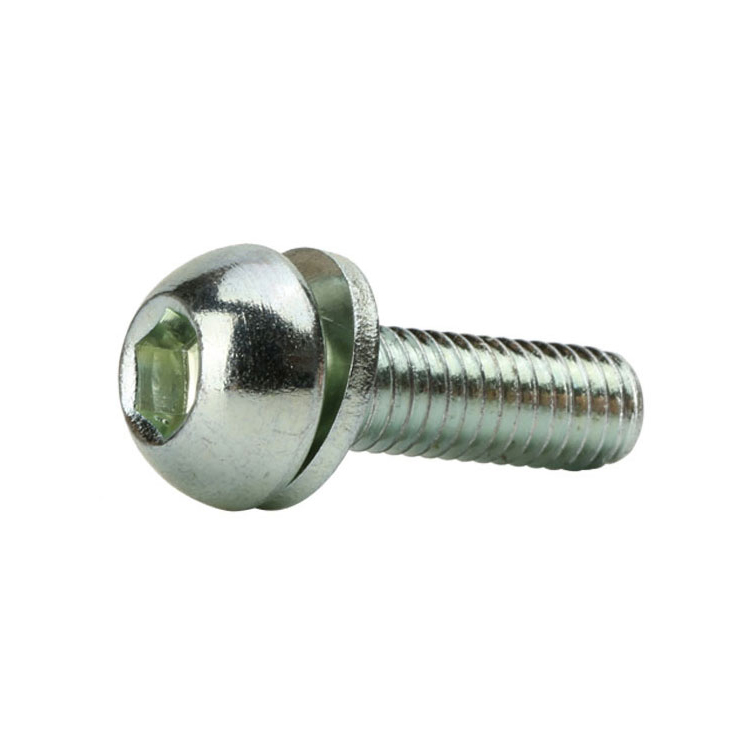
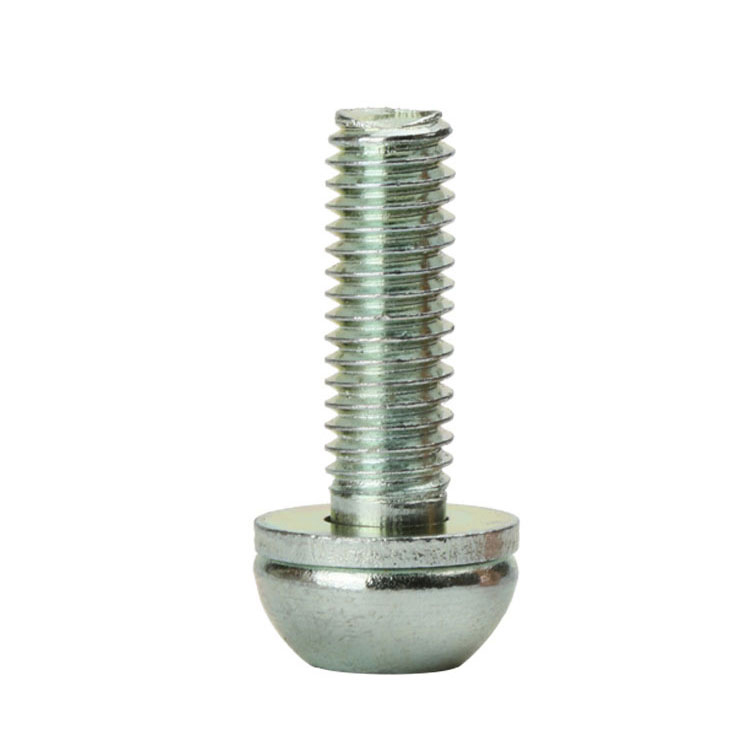
Head Type:Button head with captive washer
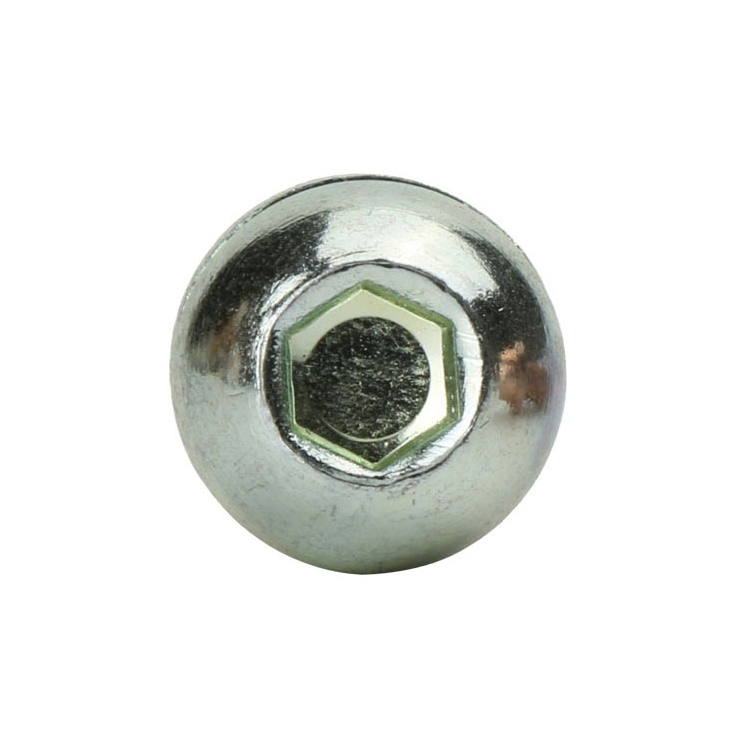
Drive:Hexagon socket (Allen)
Thread:Machine thread
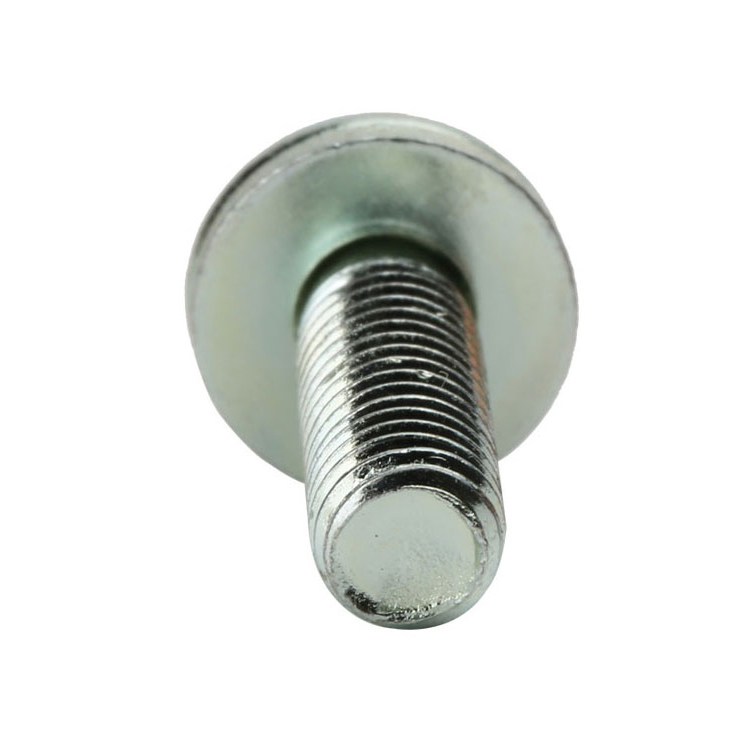
Point:Plain, chamfered
Forming:Single Die Heading; washer fitted
Size:M1 M2 M3 M4 M5 M6 M7 M8 M9 M10
We make hex socket button head screws with a captive washer, in carbon steel with an eco green zinc finish, quoting them from M1 to M10. Washer diameter, thickness and freedom to turn are agreed on the drawing, and the first article is fitted on your finished panel.
Watch the factory video·Email sst@szsst88.com
ISO 9001:2015 · Manufacturing since 1998 · 8,678+ customers · 89 countries and regions
Made to order – there is no stock catalogue. Each part is produced to your drawing, and production starts after drawing review and first-article approval.
Hex socket button head screws are screws with a low domed head, a hexagon socket drive and a captive flat washer held under the head. The part recorded here is carbon steel with an eco green zinc finish, quoted from M1 to M10 with lengths made to the drawing.
Button head. A low dome with a rounded rim, softer than a cap head and smaller in bearing area.
Captive washer. A flat washer that is loose enough to turn but too large to come off, so one part does the work of two.
Hexagon socket. An internal hexagon driven by an Allen key, with the depth that the domed head allows.
Eco green zinc. A trivalent zinc finish, free of hexavalent chromium, with a green-blue tone that varies slightly between batches.
These are the screws that end up on covers, guards, cycle components and equipment panels: the head is meant to look finished rather than industrial, the washer keeps the head from digging into paint, and the socket lets one hand drive it from above.
A button head has a rounded rim and a small flat area underneath. That is deliberate for appearance and for comfort, but it is poor at spreading load: the contact patch is narrow, and on a painted or soft panel the head marks the surface before the joint is tight. The captive washer fixes that by adding a flat bearing face without changing the head.
The washer has to be captive in a specific way. It must turn freely, so the head can rotate against it while the washer stays still and does not score the panel; it must not come off, so the assembly cannot lose it; and it must sit flat, so the load goes through the washer rather than through the rim. A washer that is pinched under the head looks correct and behaves like a solid flange.
The gap between the washer bore and the shank decides how it behaves. Too tight and the washer binds and turns with the screw, scoring the panel; too loose and it rattles, sits off-centre and loads one side of the head. On a small screw the difference is a few hundredths of a millimetre, which is why the washer is matched to the shank rather than selected by nominal size.
The finish then adds a complication. Zinc is deposited everywhere, including between the washer and the head, and a coating that bridges that gap welds the two together. That is why the parts are plated assembled and then worked, or plated before assembly with the washer free to move: the second approach costs a step and keeps the washer turning.
None of this makes the screw stronger. The button head still has a shallow socket and a small head; the washer only restores the bearing face that a cap head has by design. Which is the honest way to specify it: a button head screw with a washer is an appearance choice that has been made serviceable, not a high-strength fastener.
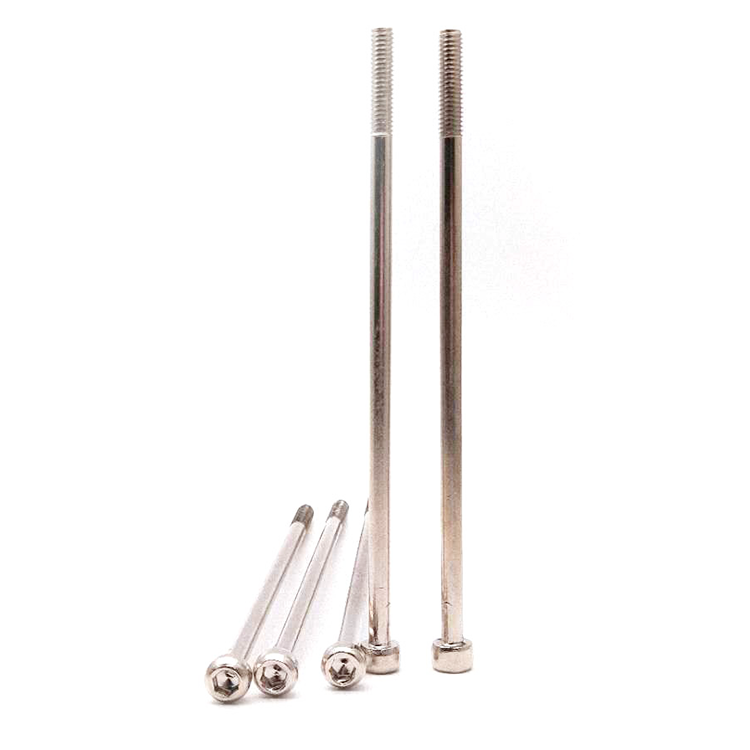
The recorded range is M1 to M10, with lengths made to the drawing. Custom lengths up to 2,000 mm are subject to the drawing submission and DFM review. The quotation for a hex socket button head screw carries the head diameter and height, the socket size and depth, the washer diameter and thickness, the thread pitch and the overall length.
| Item | How it is defined | What we control |
|---|---|---|
| Head | Button, low dome | Diameter, height and rim radius |
| Socket | Hexagon, key size per diameter | Depth and wall thickness |
| Washer | Captive flat washer | Diameter, thickness and freedom to turn |
| Thread | Machine thread in carbon steel | Pitch, length and start position |
| Length | Overall, head included | Length tolerance and thread start |
| Finish | Eco green zinc | Coverage under the washer |
Washer diameter is the dimension that decides whether the joint marks the panel, and it is usually specified as a multiple of the head diameter rather than as an absolute value. Thickness decides how much the washer can spread the load before it dishes, and on a thin washer that dishes the head goes through the middle of the deform.
Freedom to turn is the tolerance that never appears on a drawing and always matters in assembly. It is agreed as a behaviour rather than a dimension: the washer turns under light finger pressure and does not fall off when the screw is shaken. That is how it is checked on the first article.
Socket depth is limited by head height, as on any low head. On a button head the dome leaves a little more depth at the centre than the rim suggests, and the key has to reach the floor of the hexagon rather than the crown of the dome.
Four properties decide a hex socket button head screw, and each one carries a cost:
| Property | What it gives | What it costs |
|---|---|---|
| Button head | Low, rounded, finished look | Small bearing area; shallow socket |
| Captive washer | One part instead of two | A washer that must still turn |
| Zinc finish | Sacrificial protection at a scratch | Build between head and washer |
| Hexagon socket | Drive from above with one hand | Key must reach the socket floor |
The value is assembly speed and appearance together. A worker picks up one hex socket button head screw, drives it, and the washer is already there and in the right place. On a line that fits hundreds of covers a day, that is the saving that pays for the part.
The cost is that the washer becomes a quality item in its own right. If it binds, the screw scores the panel as it tightens; if it sits off-centre, the load is uneven; if the zinc bridges it, the assembly loses the benefit that was designed in.
The recorded finish is eco green zinc, a trivalent zinc passivate. It protects by sacrificial action, so a scratch in the coating does not start a rust ring, and it is free of hexavalent chromium, which is what makes it acceptable for export markets that restrict it.
| Option | How it protects | Effect on the washer | Typical use |
|---|---|---|---|
| Eco green zinc | Trivalent zinc passivate | Coverage checked at the gap | General indoor work |
| Clear zinc | Trivalent zinc, bright | Same; tone lighter | Visible fixings |
| Black zinc | Zinc with a dark passivate | Dark tone under the head | Equipment panels |
| Nickel plated | Hard bright barrier | Thicker build; washer re-checked | Appliance and furniture |
| Stainless, passivated | Passive film, no coating | No build; washer free by design | Wet and food areas |
On a SEMS part the finish has one extra requirement: it has to reach under the washer and it must not bond the washer to the head. The batch is worked after plating, and a sample from each lot is checked by hand for freedom of the washer before the parts are packed.
Colour is the other variable. A trivalent green passivate varies slightly with bath age and part geometry, and on a visible head the difference between two batches is noticeable when they are side by side on the same panel. Where a run is split across lots, the colour standard is kept with the inspection record.
Three settings where a low head and a captive washer are both wanted:
| Where it sits | The screw closes a painted cover where the head must not dig into the finish and the fixing is driven by one hand. |
| When it goes wrong | The head marks the paint and the cover reads as assembled twice. |
| Why it happens | The panel is painted, the joint is opened for service, and the head sits on the surface. |
| What we control | Washer diameter and thickness checked; first article fitted on finished paint. |
| Where it sits | The screw secures a component where the head is seen and the washer protects a soft or painted surface. |
| When it goes wrong | A loose washer rattles or is lost on the trail, or the head cuts into the finish. |
| Why it happens | The part is visible, the joint is maintained by the user, and the material is thin. |
| What we control | Washer freedom proved by hand; first article cycled on a finished part. |
| Where it sits | The screw holds a guard where the fastener must not catch on a sleeve or a cable and the washer spreads the load. |
| When it goes wrong | A proud head snags, or the guard is dented at the fixing points. |
| Why it happens | The panel is thin sheet, the fixing is repeated, and the joint is serviced. |
| What we control | Head height and washer face checked; first article fitted with the guard. |
Four reasons that matter on a washer-equipped part, each tied to something the drawing has to prove:
|
Washer specified as a behaviour
Washer diameter, thickness and freedom to turn are agreed before quoting, because a washer that binds turns with the screw and scores the panel it was fitted to protect. Basis: Washer size and freedom agreed. |
Headed, broached, threaded, plated, worked
The dome and socket are formed, the thread rolled, the parts zinc plated and then worked so the washer turns freely after the coating. Basis: Plated, then worked free. |
|
Washer checked by hand and by gauge
The washer is measured and turned by hand on a sample from every lot, because a coating that bridges the gap passes every dimensional check. Basis: Washer turned by hand. |
Same washer, same feel
The washer supplier and the working step are recorded with the drawing revision, so a repeat order arrives with the same freedom rather than a tighter one. Basis: Same washer across orders. |
These screws are headed on single-die machines that form the button head in one stroke, broached with a hexagonal punch, thread rolled, assembled with the captive washer, and zinc plated as a batch. The first part of every run is measured on head diameter and height, socket size and depth, washer diameter and thickness, thread and length.


|

|
Forming the dome and the washer seat is one operation. The punch has to leave a flat annulus under the dome that the washer can bear on, and a radius at the rim that reads as a button rather than a cap. If the annulus is too narrow the washer rocks; if the radius is too tight the rim chips when the head of a hex socket button head screw is polished or plated.
Fitting the washer is the step that decides whether the part works. The washer is pressed over the shank after the thread is rolled, and the head is formed slightly oversize so the washer cannot pass it. The press depth is set so the washer is free but not loose, and the setting is checked by shaking a sample rather than by measuring the gap.
Plating comes after assembly, and the batch is worked afterwards. Each part is turned under a soft pad so the washer moves against the head and the zinc that bridged the gap is broken, without removing the coating from the bearing face. It is a small step that is easy to skip and easy to see on the assembly line when it has been.
What decides whether hex socket button head screws pass is the head, the socket, the washer and the plating. The inspection agreement covers those, and the criteria come from the drawing.

Head height and socket on the projector |

Thread and start checked |

Core hardness checked |

Salt-spray testing of the zinc layer |
Head height is measured with the socket depth, because the dome and the hexagon come out of the same stroke. The washer is measured for diameter and thickness, and its freedom is checked by hand on a sample from every lot: it must turn under light pressure and must not come off.
Plating coverage is checked under the washer on a sample part that has been taken apart. That is the only way to see whether the zinc reached the annulus, and it is the check that predicts a washer that will rattle or bind in service.
A sample from every batch is driven into the customer panel at the line torque and removed. That cycle shows a washer that rotates with the screw and marks the paint, a head that sits proud, or a socket that has started to mark, and on a hex socket button head screw it is the check that predicts what the assembly line will see.
Every batch is traceable to the wire it was made from and to the plating lot that finished it. The grade and heat number appear on the material certificate supplied with the parts, and the inspection records follow the criteria agreed on the drawing.

ISO 9001:2015 |

RoHS test report |

Registered trademark |

Patent: security screw and driver |
With each shipment we supply the material certificate, the inspection record for the dimensions on the drawing including the washer, and the plating thickness and RoHS reports. The documents carry the drawing revision and the batch number, so a repeat order keeps the same finish and the same washer feel.
More than 8,678 customers in 89 countries and regions have ordered from Shi Shi Tong; 87% of orders come from repeat customers and 56% through referrals. Most projects follow the same route: drawing review, first-article approval, then batches checked against that sample. On a SEMS part the first article is fitted on the customer finished panel, because the washer only shows what it does in the surface it presses. Buyers visit during the process to review samples.
|
8,678+
customers served
|
87%
of orders from repeat customers
|
56%
of orders through referrals
|
89
countries and regions shipped to
|
Buyers and quality engineers visit for sample review, process discussion and supplier audits; the visit is arranged around production so the headers and the plating line can be seen on the day the parts run.

Customer group visit – sample review |

Customer group visit – process discussion |

Customer group visit – factory tour |

Customer visit – project kick-off |

Danish customer – drawing review |

Industry exhibition – meeting customers |
It is captive: free to turn under the head but too large to come off. That is what lets the screw rotate without scoring the panel.
The head is lower and rounder, which suits visible fixings and tight clearances. It is not as strong as a cap head at the same diameter.
Less than a plain button head, because the washer spreads the load. The washer diameter is the dimension that decides it.
A trivalent zinc passivate without hexavalent chromium. It protects sacrificially and the green tone varies slightly between plating lots.
It can, and it costs a step. Plating assembled and then working the washer is the usual route and gives the same freedom.
Head diameter and height, socket size and depth, washer diameter and thickness, thread pitch and overall length.
How a button head SEMS project runs from drawing to repeat delivery:
|
1
Send the drawing and the panel surface
|
→ |
2
Washer size and freedom agreed
|
→ |
3
First article fitted on finished paint
|
→ |
4
Batch production and repeat orders
|
Each step is confirmed with you before the next one starts; the drawing revision from the first article is what repeat orders are checked against.
For a quotation, send the drawing with the head diameter and height, socket size and depth, washer diameter and thickness, thread pitch and overall length.
|
Head diameter
|
Head height
|
Socket size
|
|
Washer diameter
|
Thread pitch
|
Length
|
Sending a drawing? The form below does not take attachments. Email the PDF, DXF or STEP file to sst@szsst88.com with the part name and quantity in the subject line – the drawing is reviewed and a quotation follows.

 +86 13143444311
 sst@szsst88.com