Tel:
+86 13143444311
Email:sst@szsst88.com
Fax:+0086-755-27322278
Address:Building 9, First Industrial Zone, Tantou Industrial City, Songgang Street, Baoan District, Shenzhen 518105, Guangdong, China
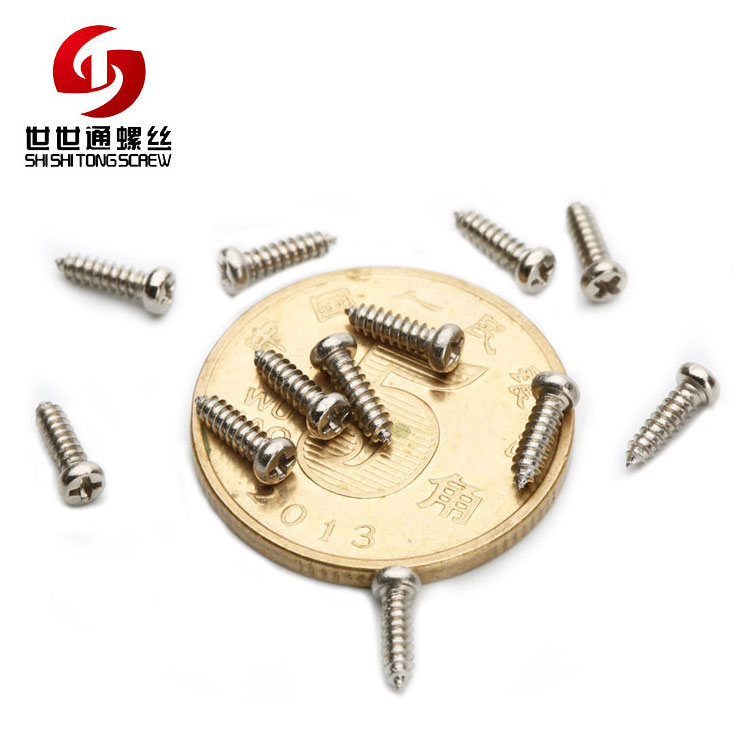
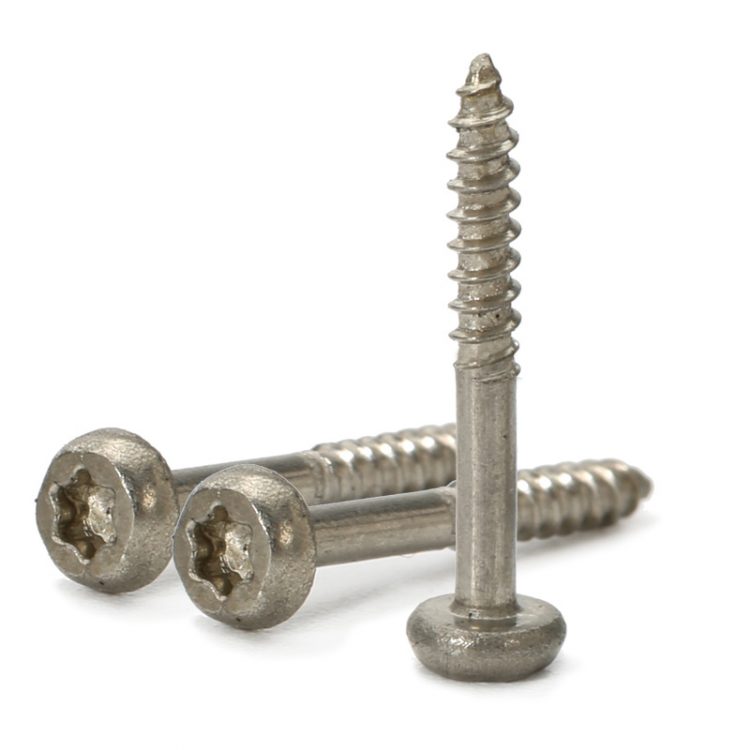
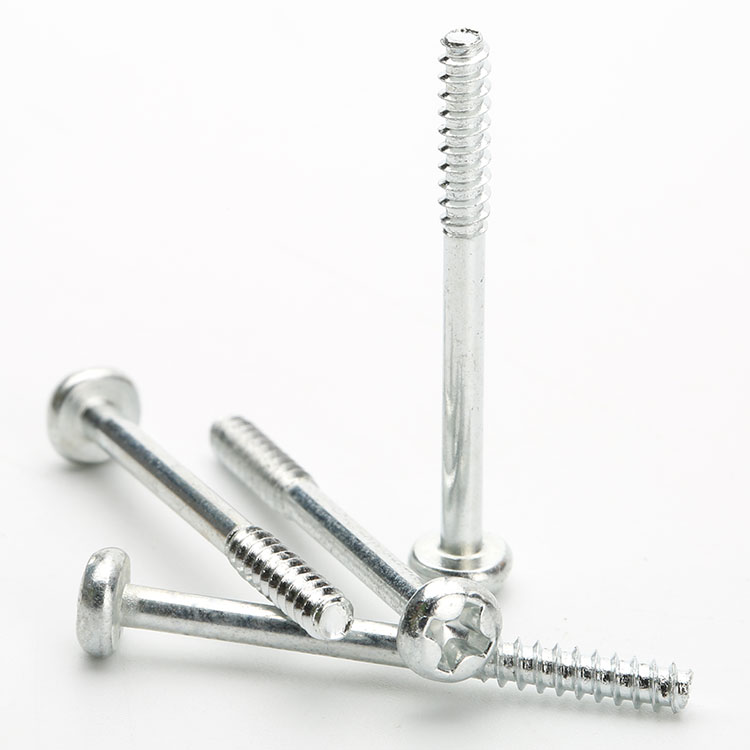
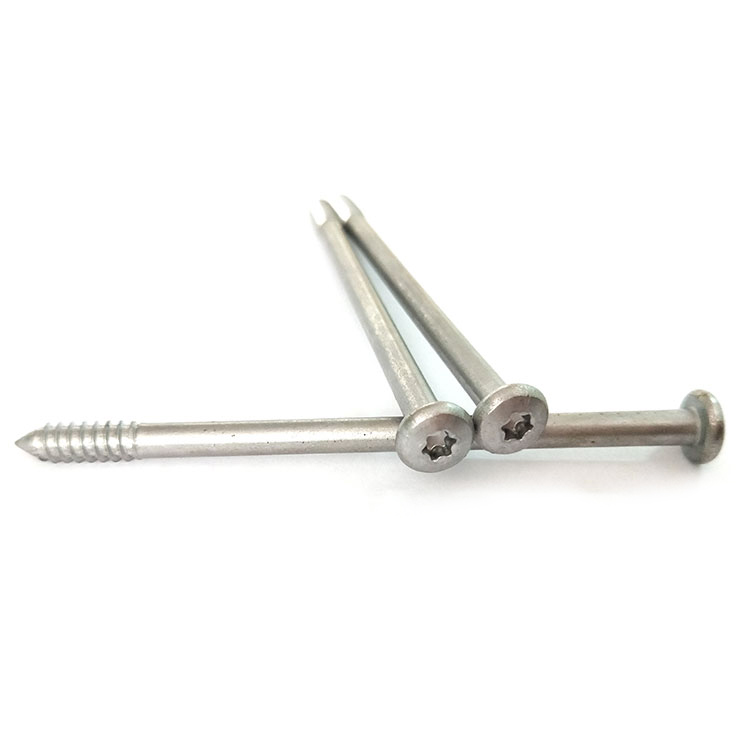
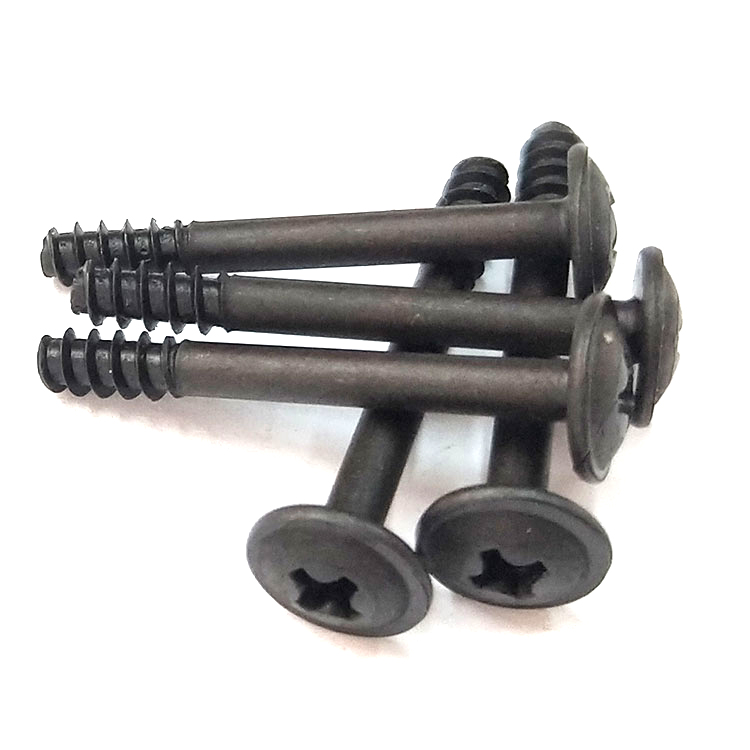
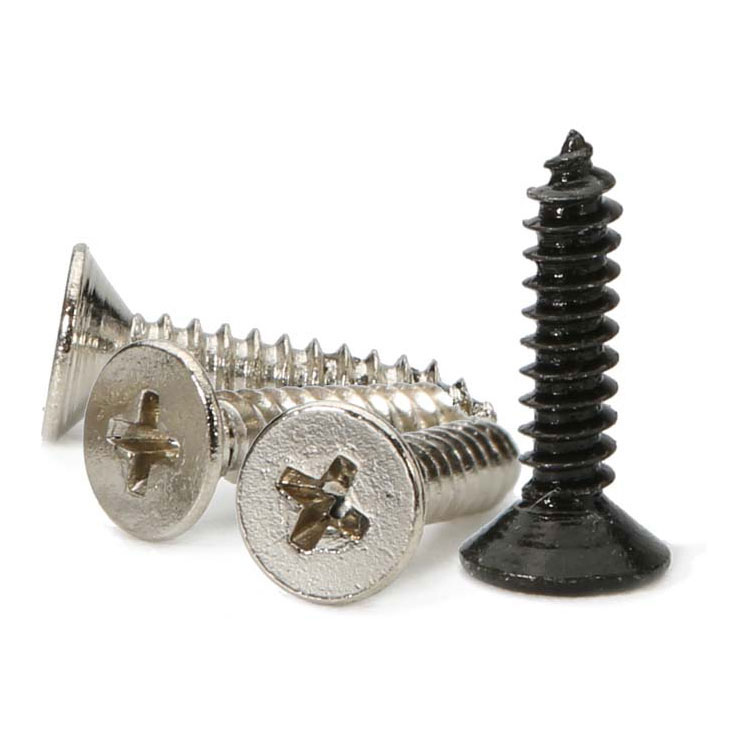
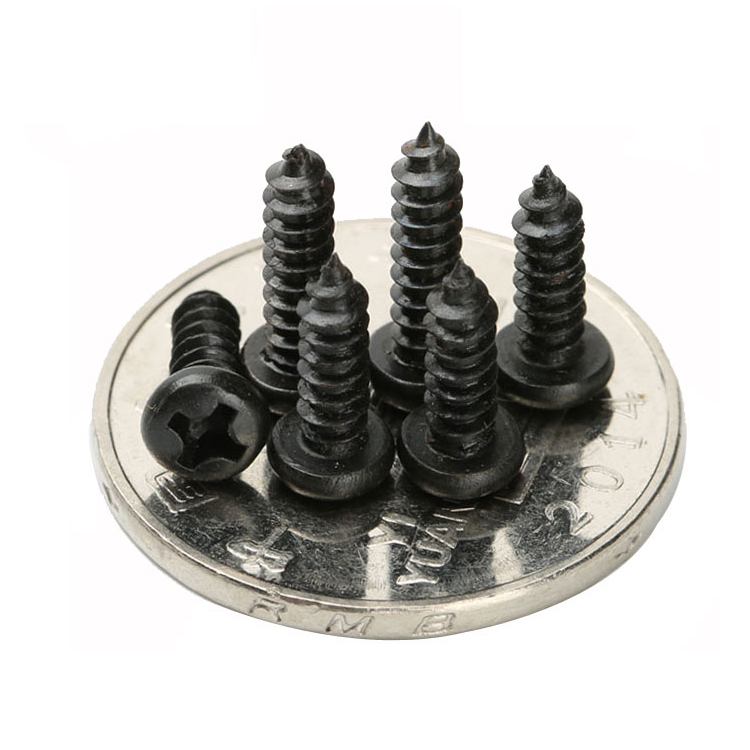
Type:Small Self Tapping Screws
Materials:Stainless Steel
Surface treatment:Plain
Head Type:Pan head
Drive:Phillips cross recess
Thread:Coarse self tapping thread
Point:Sharp or blunt, per drawing
Forming:Cold heading and thread rolling
Size:M1 M2 M3 M4 M5 M6 M7 M8 M9 M10
We make small self tapping screws in stainless steel with a pan head and cross recess, quoting pitch, point form and length to the drawing. The thread is matched to the boss wall and hole it enters, and the first article is driven into your part before production.
Watch the factory video·Email sst@szsst88.com
ISO 9001:2015 · Manufacturing since 1998 · 8,678+ customers · 89 countries and regions
Made to order – there is no stock catalogue. Each part is produced to your drawing, and production starts after drawing review and first-article approval.
Small self tapping screws are short screws with a coarse thread and a shaped point that cuts or forms a thread in the material they enter, usually a plastic boss or a thin metal sheet. The part recorded here is stainless steel left plain, with a pan head and a cross recess, quoted from M1 upward.
Coarse thread. A thread with a pitch wide enough to grip a soft material over a short engagement.
Pointed or blunt tip. A tip that starts the thread: sharp for sheet, blunt for plastic bosses.
Pan head. A low profile head with a cross recess, sized for a small assembly.
They are used where a thread cannot be cut into the part beforehand, and where the screw has to hold in a wall only a millimetre or two thick. The same screw is also used in thin metal sheet, where a sharp point starts the hole and the coarse thread pulls the material into the pitch.
On a small self tapping screw there is no separate nut or insert. The screw makes its own thread in the material, so the geometry of the screw and the geometry of the hole are one specification. Change one and the joint fails, even though the screw has not changed at all.
The pitch is the first part of that. A coarse pitch grips a soft material with few turns of engagement, which is what makes a short screw hold in a plastic boss. A fine pitch would need more turns and more material depth, and on a 2 mm boss there is neither. That is why small self tapping screws look coarse next to machine screws of the same diameter.
The point is the second. A sharp point cuts its way in, which suits thin sheet and hard plastics; a blunt point pushes material aside and forms a thread, which suits a ductile plastic boss because it displaces rather than removes. A sharp point used in a brittle boss concentrates stress at the tip and starts a crack; a blunt point used in thin sheet will not start at all.
The boss wall is the third and the one most often left off the drawing. The screw displaces or removes material as it enters, and the wall has to be thick enough to take that displacement without splitting. On a small part the wall may be a millimetre and a half; a screw whose thread depth plus displacement exceeds what the wall can give will crack the boss, usually along the seam where the mould joined it.
Driving torque ties the three together. A small screw is easy to over-drive: the head is small, the driver is small, and the material gives way quietly. That is why a screw this size is normally run down to a torque limit rather than to a feel, and why the shoulder or the head form has to allow the screw to stop cleanly.
The part is quoted to the drawing with the thread, the point and the head stated separately. Custom lengths up to 2,000 mm, subject to DFM review after drawing submission. The quotation for small self tapping screws carries the diameter and pitch, the point type, the head, the length, the material and the boss or sheet it goes into.
| Item | How it is defined | What we control |
|---|---|---|
| Thread | Coarse self tapping | Diameter, pitch and length |
| Point | Sharp or blunt | Tip form and start |
| Head | Pan head | Diameter, height and bearing face |
| Recess | Phillips | Depth and width |
| Boss | In the customer part | Agreed wall and hole size |
| Material | Stainless steel | Grade and finish |
The point type is written on the drawing rather than left to the supplier, because two screws with the same thread and different points are not interchangeable. One cuts, the other forms, and the hole size that suits them differs.
The head diameter and height are agreed together with the recess, since a small head has little room for depth. The bearing face under the head is what stops the screw against the part, so on a plastic cover it is also what prevents the head sinking into the surface.
The length is measured under the head, and on these screws it is normally the depth of the boss plus a couple of turns. A screw that is too long bottoms out in the boss and either strips the thread or splits the part from below.
Four properties decide small self tapping screws, and each one carries a cost:
| Property | What it gives | What it costs |
|---|---|---|
| Self tapping thread | No tapped hole or insert | Boss must suit the thread |
| Coarse pitch | Grip in short engagement | More material displaced |
| Pan head | A flat bearing face with a cross | Stands above the surface |
| Stainless | No rust from handling | Higher driving torque than steel |
The value is a joint that needs nothing behind it. No insert, no tapped hole and no nut; the screw goes into the part and holds, which on a thin walled product is the only way to make the fixing small enough to disappear.
The cost is that the part becomes part of the design. The boss, the hole and the screw have to be developed together, and a screw change means a boss change.
The recorded finish is plain stainless steel. On a small self tapping screw that suits the way it is driven: the thread meets the material as metal, not as a coating, so the driving torque is predictable from one batch to the next, and there is no plate to smear or flake where the thread cuts in.
| Option | How it protects | Effect on thread and head | Typical use |
|---|---|---|---|
| Plain, passivated | Passive film, no coating | Thread as formed; no smear | Plastic bosses and handles |
| Passivated 316 | Higher alloy passive layer | No build; better in chlorides | Marine and medical |
| Nickel plated | Hard bright barrier | Thin build; head re-gauged | Visible small fixings |
| Zinc plated | Sacrificial zinc | Soft plate can smear in the boss | Dry indoor joints |
| Black oxide | Conversion film, oiled | No measurable build | Dark mechanisms |
Where a coating is used, the plate is the first thing the material meets, and on a forming screw it can be scraped off into the joint. That is why plain stainless is common on small self tapping screws that go into plastics, and why a plated screw is usually specified for appearance rather than for driving.
The head is the part that is seen, so the finish is judged there. On a small pan head the plate has to cover the dome and the edge inside the recess; a plate that leaves the recess dull shows on every part.
Three assemblies where a screw has to make its own thread in a small space:
| Where it sits | The screw holds a cover or a board to a plastic boss inside a phone, a watch or a small device. |
| When it goes wrong | The boss cracks, or the screw strips before it seats. |
| Why it happens | The boss wall is thin, the pitch is coarse, and the driver is not torque limited. |
| What we control | Thread and boss agreed with the customer; first article driven into the real boss. |
| Where it sits | The screw holds a housing or an internal bracket where no tapped insert is possible. |
| When it goes wrong | The joint loosens, or the housing cracks at the boss. |
| Why it happens | The material is thin, and the screw is over-driven. |
| What we control | Point type and length checked; first article assembled in the housing. |
| Where it sits | The screw closes a small enclosure where the fixing has to be invisible from outside. |
| When it goes wrong | The head stands proud, or the thread fails after a few openings. |
| Why it happens | The head is too tall, or the screw is reused in a formed thread. |
| What we control | Head height and thread checked; first article opened and closed repeatedly. |
Four reasons that matter on a screw that becomes part of the part it holds, each tied to something the drawing or the first article proves. All four show in the sample.
|
Boss and screw asked for together
The quotation asks for the boss wall and the hole, because a small self tapping screw only works where the material can take it. Basis: Boss and hole agreed. |
Point and thread made for the job
The point form and the pitch are made to the drawing rather than taken from a catalogue, so the screw matches the material. Basis: Point and pitch as drawn. |
|
Driven into your boss
The first article is driven into the customer boss with a torque limited driver, because the failure mode only appears there. Basis: Driven in the real boss. |
Same torque on repeat runs
Thread, point and material are recorded with the drawing revision, so a repeat batch drives at the same torque. Basis: Same driving torque. |
These screws are formed and threaded from stainless wire, with the head formed, the point formed, and the thread rolled; the parts are passivated and inspected. The first piece of every run is measured on head diameter and height, thread diameter and pitch, point form and length, and recess depth.


|

|
The point is the feature that decides whether a small screw works. A sharp point has to be concentric with the thread or the screw wanders as it starts and cuts a thread that is off-axis; a blunt point has to be square, because a blunt tip that is not square pushes the screw sideways into the boss wall.
The thread is rolled on small self tapping screws, which keeps the grain continuous and leaves a clean crest to cut into the material. Rolling also allows a coarser pitch than cutting on a short screw, which is exactly what a plastic boss needs.
The head is formed before the recess is cut, so the recess depth is measured from a finished face. On a small pan head the recess is a large fraction of the head height, and a recess that is too deep leaves a thin section over the bearing face.
What decides whether small self tapping screws pass is the point, the thread and the head. The inspection agreement covers those, and the criteria come from the drawing.

Point and thread on the projector |

Thread gauged |

Material checked |

Salt-spray testing where plated |
The point is checked for form and for concentricity with the thread, since a point that is off-centre produces a screw that starts badly in every boss it meets. The thread is gauged and the pitch checked against the drawing.
The head is measured for diameter, height and flatness of the bearing face, and the recess for depth and width. On a plastic joint the bearing face is what stops the head from sinking into the cover, so flatness there is a functional dimension.
Driving torque is checked by driving a sample into a boss of the specified material and wall thickness. That test is what catches a thread that is within its dimensions but too aggressive for the material.
Every batch of small self tapping screws is traceable to the wire it was made from and to the passivation lot that finished it. The grade and heat number appear on the material certificate supplied with the parts, and the dimensional results are recorded against the drawing revision.

ISO 9001:2015 |

RoHS test report |

Registered trademark |

Patent: security screw and driver |
With each shipment we supply the material certificate, the inspection record for the dimensions on the drawing, including the point and the thread, and the passivation record. The records carry the drawing revision and the batch number, so a repeat order of small self tapping screws drives the same way.
More than 8,678 customers in 89 countries and regions have ordered from Shi Shi Tong; 87% of orders come from repeat customers and 56% through referrals. Most projects follow the same route: drawing review, first-article approval, then batches checked against that sample. On a self tapping part the first article is driven into the customer boss, because the joint only exists once the thread has been made there. Buyers visit during the process to review samples.
|
8,678+
customers served
|
87%
of orders from repeat customers
|
56%
of orders through referrals
|
89
countries and regions shipped to
|
Buyers and quality engineers visit for sample review, process discussion and supplier audits; the visit is arranged around production so the heading cell and the thread rolling setup can be seen on the day the parts run.

Customer group visit – sample review |

Customer group visit – process discussion |

Customer group visit – factory tour |

Customer visit – project kick-off |

Danish customer – drawing review |

Industry exhibition – meeting customers |
Because it grips a soft material over a short engagement. A fine pitch would need more material depth than a small boss has.
Sharp cuts into sheet and hard plastics; blunt forms into a ductile boss. The choice follows the material, not the size.
Usually the wall is too thin for the displacement the thread causes, or the screw is over-driven. Both are decided by the boss, not only the screw.
A few times at most in the same formed thread. Each re-drive removes more material from the boss.
It gives predictable driving torque and leaves no plate in the joint. A coating is usually chosen for appearance instead.
Diameter and pitch, point type, head and recess, length under the head, material, and the boss hole and wall thickness.
How a small self tapping screw project runs from drawing to repeat delivery:
|
1
Send the drawing and the boss
|
→ |
2
Thread, point and length agreed
|
→ |
3
First article driven into your boss
|
→ |
4
Batch production and repeat orders
|
Each step is confirmed with you before the next one starts; the drawing revision from the first article is what repeat orders are checked against.
For a quotation, send the drawing with the diameter and pitch, point type, head and recess, length under the head, material, and the boss hole and wall thickness.
|
Diameter
|
Pitch
|
Point type
|
|
Head size
|
Length
|
Boss wall
|
Sending a drawing? The form below does not take attachments. Email the PDF, DXF or STEP file to sst@szsst88.com with the part name and quantity in the subject line – the drawing is reviewed and a quotation follows.

 +86 13143444311
 sst@szsst88.com