Tel:
+86 13143444311
Email:sst@szsst88.com
Fax:+0086-755-27322278
Address:Building 9, First Industrial Zone, Tantou Industrial City, Songgang Street, Baoan District, Shenzhen 518105, Guangdong, China
Place of Rorigin:Guangdong, China (Mainland)
Brand name:SHI SHI TONG
Model number:sst 409
Materials:Stainless steel
Surface treatment:Cleaned and passivated
Head Type:Flat head, smooth rim
Recess:Two slots, bridge width to the drawing
Drive:H recess, two slots and a bridge
Thread:Machine thread
Point:Plain, chamfered
Forming:Turned or headed; slots cut; thread rolled
Size:M3*12
Available materials:titanium, aluminum, copper, stainless steel, carbon steel
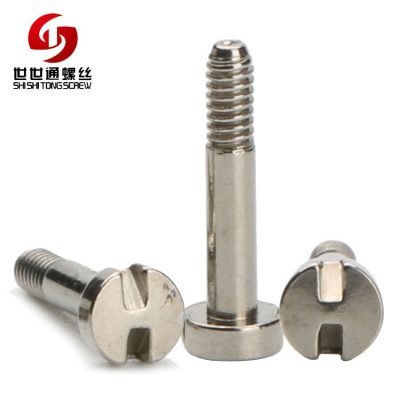
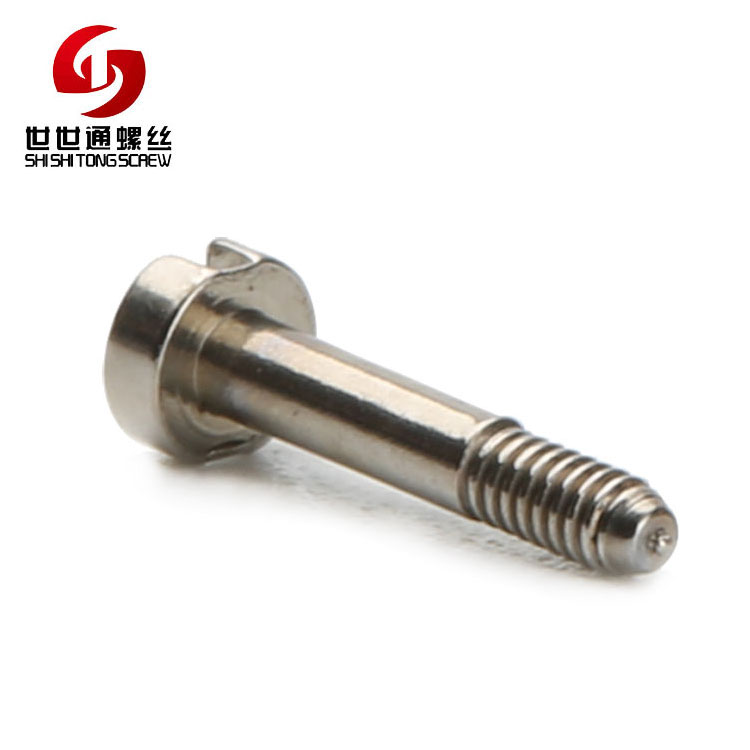
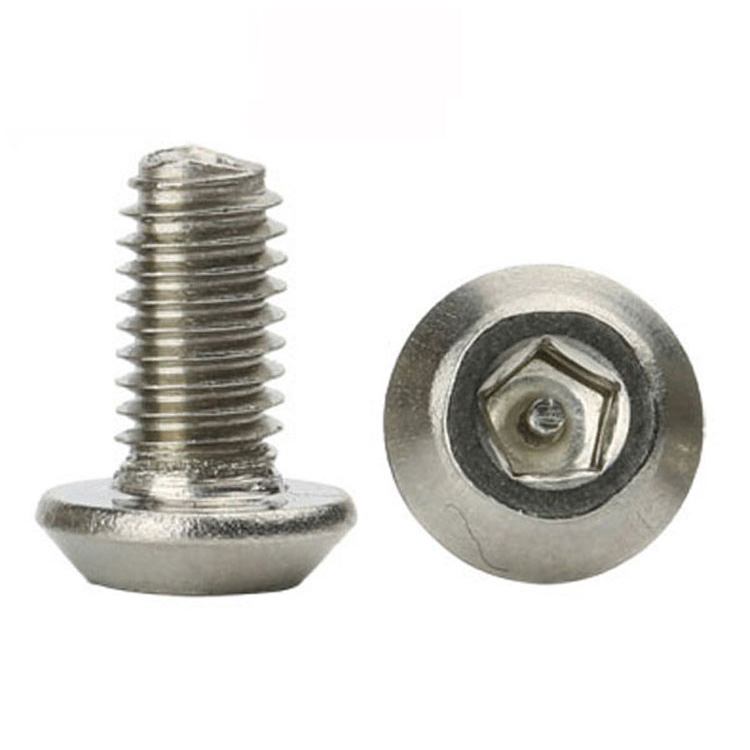
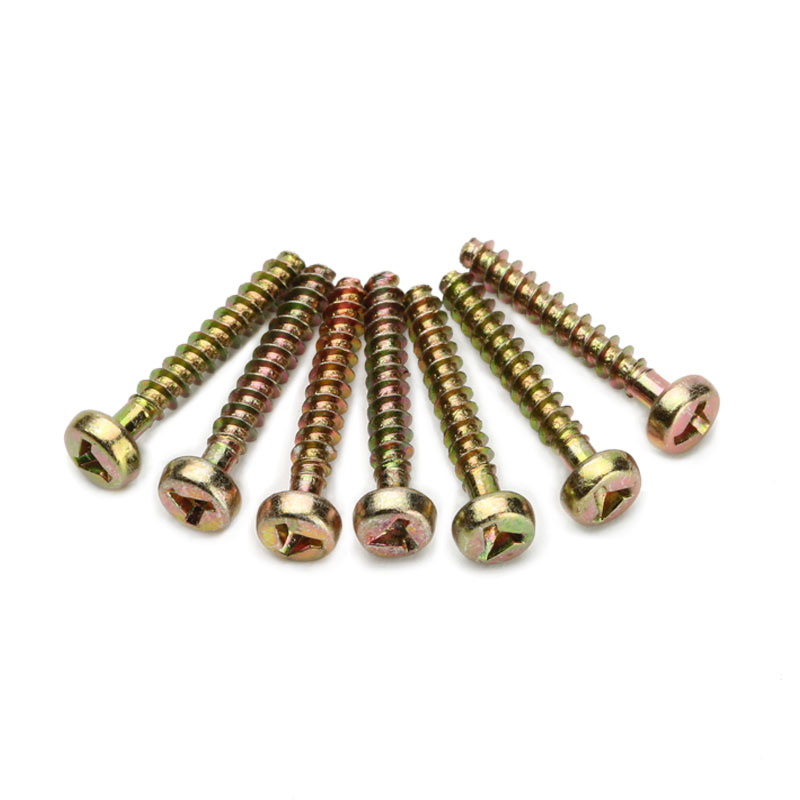
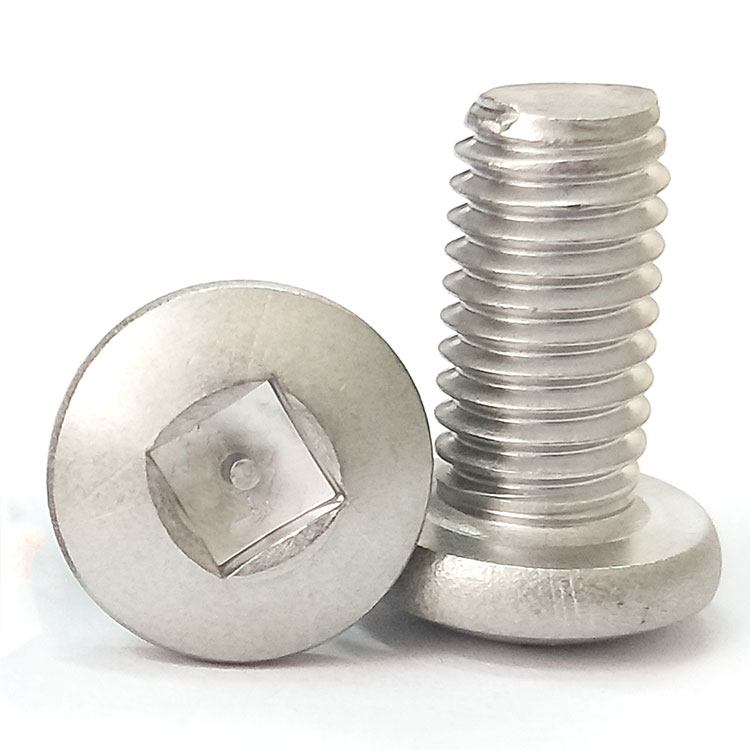
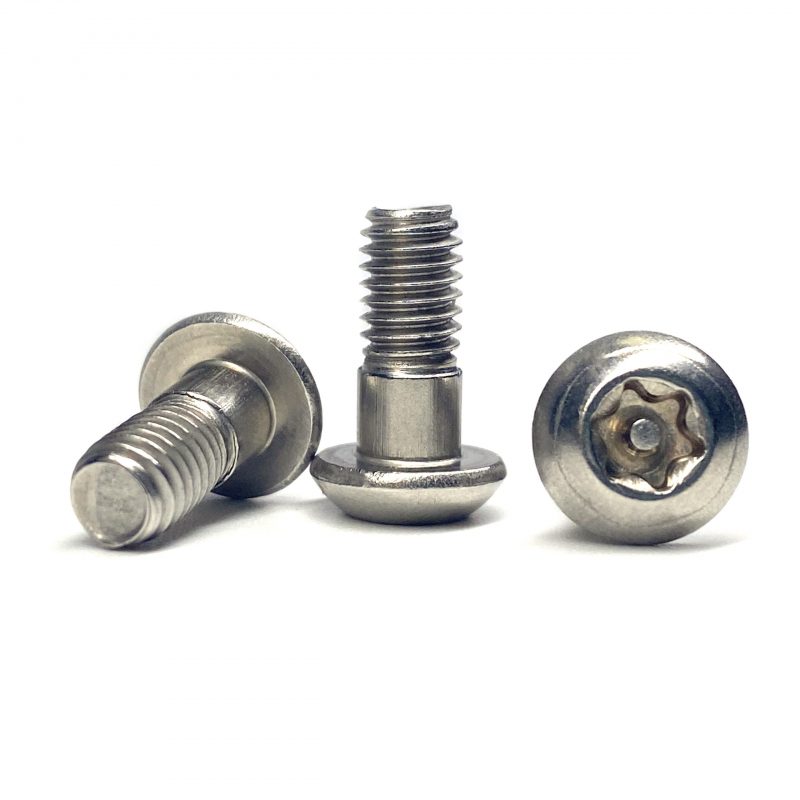
We make H-type anti-theft screws in stainless steel with two bridged slots in a flat smooth head, quoted with slot, bridge and thread to the drawing. The protection is the uncommon tool rather than the geometry: a standard blade rests on the bridge, so the head is only as secure as the absence of another way in.
Watch the factory video·Email sst@szsst88.com
ISO 9001:2015 · Manufacturing since 1998 · 8,678+ customers · 89 countries and regions
Made to order – there is no stock catalogue. Each part is produced to your drawing, and production starts after drawing review and first-article approval.
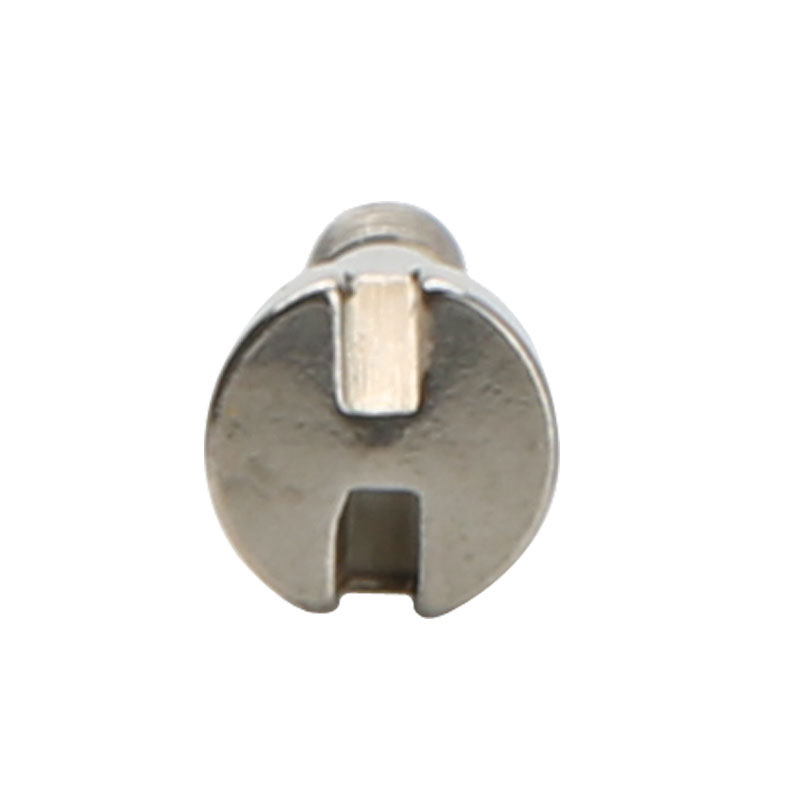
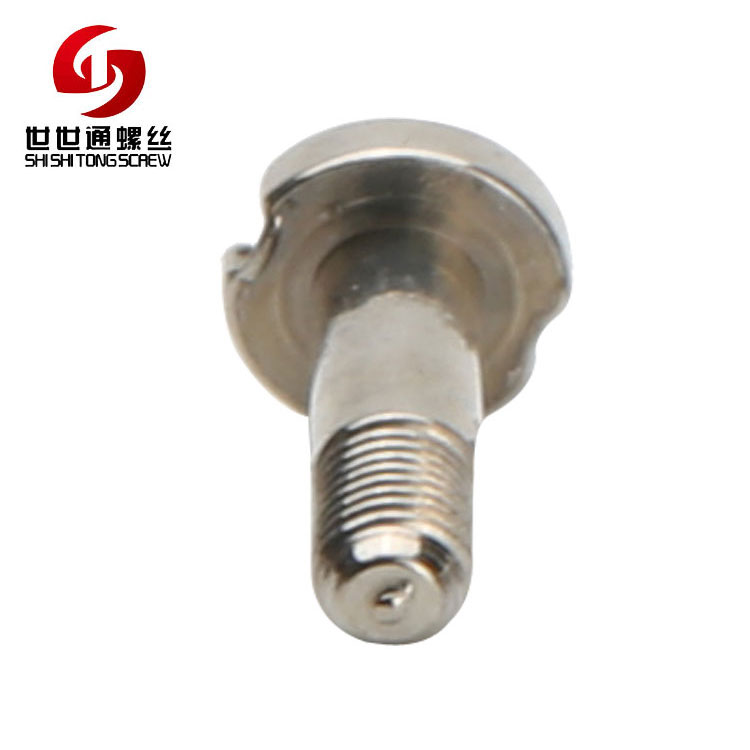
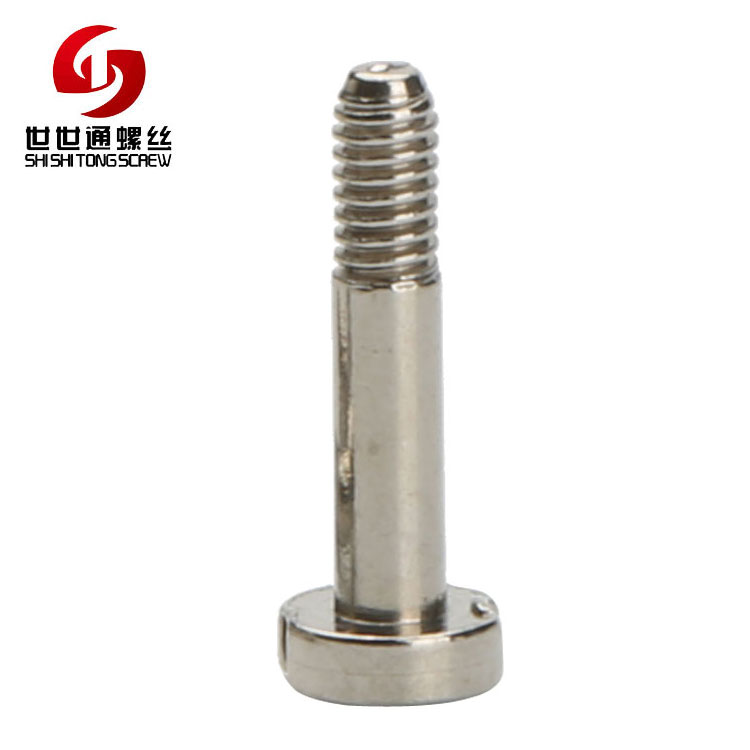
An H-type anti-theft screw has a recess formed as two parallel slots with a bridge left between them, so an ordinary flat blade lands on the bridge instead of in a slot. This part is stainless steel with a flat head and a machine thread, M3 by 12 in the sample, cleaned and passivated.
H recess. Two slots joined at the centre, driven only with the matching H bit.
Flat head. A plain disc with a smooth rim, and nothing for pliers to grip.
Stainless body. No coating to chip, and no rust at the recess in damp service.
Machine thread. A fine thread for a tapped hole or a nut, with a plain chamfered point.
H-type anti-theft screws are used on meter covers, vending panels, access plates and equipment in public places, where the fixing has to defeat a casual attempt but stay serviceable for the people who hold the driver.
An H recess works because a standard blade cannot sit in it. The two slots are separated by a bridge at the centre, so a flat screwdriver placed across the head rests on the bridge, turns nothing, and slips off. The matching H bit straddles the bridge and engages both slots, which is why the part is driven with a tool most people do not own.
On an H-type anti-theft screw that is deterrent-level security, and it is worth being clear about it. The recess is wide and shallow — it has to be, since two slots have to fit inside one head — so its torque capacity is modest compared with a cross or a star. The protection comes from the tool being uncommon, not from the drive being strong.
On an H-type anti-theft screw the head is the other half of the design. A flat disc with a smooth rim gives pliers and clamps nothing to hold, so the recess is the only way in. If the head had flats or a slot edge standing proud, the recess would stop being the only route and the security would drop to whatever the geometry allowed.
On an H-type anti-theft screw stainless suits because the recess has to work years later. A plated steel H screw that rusts in the two slots cannot be driven by its own bit either, and a security fixing that the maintenance team cannot open is a liability rather than a feature.
The machine thread on an H-type anti-theft screw fits the same logic. It assumes the far side is a nut or an insert inside a closed enclosure, so the only exposed face is the head; where the far side is reachable, the fixing is protecting nothing and a one-way part is the honest choice.
So an H-type anti-theft screw is specified by its tool and its enclosure: an H recess for a service team that carries the bit, a smooth head so there is no second route, and a note on the drawing about which face is exposed.
H-type anti-theft screws are quoted by thread size and pitch, length, head diameter and height, slot width and depth, bridge width, and finish. Custom lengths up to 2,000 mm, subject to DFM review after drawing submission. The quotation carries the material, the head, the recess, the thread and the finish.
| Item | How it is defined | What we control |
|---|---|---|
| Body | Stainless steel | Grade and condition |
| Head | Flat head, smooth rim | Diameter, height and face |
| Recess | Two slots and a bridge | Width, depth and bridge width |
| Thread | Machine thread | Size, pitch and length |
| Length | Under the head | Length and thread run |
| Finish | Cleaned, passivated | Surface condition and burr |
The bridge width is written as a dimension, because it is what makes the recess an H rather than two slots. A bridge that is too narrow lets a blade rock across it; one that is too wide shortens the slots and takes away the drive.
The slot depth is written with the head height. The slots are the working surfaces, and a shallow cut gives the bit less engagement, which on a low head is felt immediately.
The head is written with a smooth rim and no flats, because the rim is part of the security. A burr left on it is a purchase for a tool, so the head edge is inspected rather than merely measured.
Four properties decide this part, and each carries a cost:
| Property | What it gives | What it costs |
|---|---|---|
| H recess | A standard blade cannot turn it | The bit has to be carried and kept |
| Smooth head | No second route in with pliers | No grip for a hand either |
| Stainless body | The recess still works years later | Softer than a hardened screw |
| Machine thread | A clean clamp in an insert | The nut side is a by-pass if reachable |
The value of an H-type anti-theft screw is a fixing that stops the casual attempt and still opens, years later, for the team that carries the driver on its rounds.
The cost is a tool in the kit, a modest torque limit, and a security that depends entirely on the enclosure being closed at the back of the panel and on the service team keeping that bit.
The recorded finish is cleaned and passivated stainless. There is no plating to narrow the slots or to chip at the bridge, so the H keeps the dimensions it was cut to and the bit engages the same way years later.
| Option | How it protects | Effect on the recess | Typical use |
|---|---|---|---|
| Cleaned stainless | Natural oxide | No build; slots as cut | Meter and access panels |
| Passivated | Clean, thickened oxide | No build; free of free iron | Food and outdoor equipment |
| Black zinc | Sacrificial zinc plus dye | Thin; less conspicuous | Dark cabinets |
| Black oxide | Conversion layer | Thin, matte | Indoor dark panels |
| Dry film lubricant | Low-friction film | Thin; eases the drive | Panels serviced often |
A dark finish is common on public equipment because a bright head draws attention, which is the opposite of what the fixing is for.
Where the exposure is marine or coastal, the stainless body is doing most of the work; a plated head that corrodes in the slots stops being a security fixing and becomes a maintenance problem.
Three installations where the fixing has to resist a casual attempt:
| Where it sits | The screw closes a cover whose back is inside a sealed cabinet. |
| When it goes wrong | The cover is levered off, or the recess is chewed by an attempted removal. |
| Why it happens | The head has an edge to grip, or the recess was cut shallow. |
| What we control | Slots and bridge measured; sample driven with the H bit and tried with a blade. |
| Where it sits | The screw holds a panel reachable by the public, with the mechanism behind it locked away. |
| When it goes wrong | The panel is opened with a common tool, or the head marks the door. |
| Why it happens | A cross or slot drive was used instead of the H, and the head offered a purchase. |
| What we control | Recess and head form agreed; sample fitted to the door and tested. |
| Where it sits | The screw fixes a plate that the service team opens with a carried driver. |
| When it goes wrong | The plate cannot be opened because the slots rusted, or the bit no longer fits. |
| Why it happens | A plated part was used in damp service, and the recess filled with corrosion. |
| What we control | Stainless body and passivation confirmed; sample exposed and opened. |
Four points that decide whether an H-type fixing still works when the service team arrives:
|
Recess written with the bridge
The drawing gives slot width, depth and bridge width, because those three make the recess an H and not two slots. Basis: Recess defined, not approximated. |
Head smooth, recess cut
The head is finished with a smooth rim and no flats, so the recess stays the only way to turn it. Basis: No second route in. |
|
Driven with the H bit
The first article is driven with the customer bit, and a plain blade is tried to confirm it does not seat. Basis: Bit proved, blade blocked. |
Same recess every lot
Slot width, depth and bridge width are recorded with the drawing revision, so a repeat lot takes the same bit. Basis: Same fit across lots. |
A security fixing fails in two ways: it can be opened with the wrong tool, or it cannot be opened with the right one. These four points address both, on the part and on the sample.
These screws are turned or headed in stainless, with the flat head formed and faced, the two slots cut with the bridge left between them, the thread rolled, and the parts cleaned and passivated. The first piece of every run is measured on head, slots and bridge, thread and length.


|

|
The bridge is the feature that has to be right. It is the strip of metal left between the two slots, and it is what a wrong tool rests on; a bridge that is off-centre leaves one slot longer than the other, and the part then drives at an angle with its own bit.
The slots are cut before the head is finished, so the rim can be left clean and smooth afterwards. A burr on the rim is a grip for a tool, and on a security head that is not a cosmetic defect.
Stainless work-hardens, so the slots are cut in light passes and checked for a torn edge. A torn slot edge looks like wear on the first assembly, and it makes the bit feel slack even though the width measures correctly.
What decides whether a batch of H-type anti-theft screws passes is the slots and bridge that take the bit, and the head that offers no other way in. The inspection agreement covers both.

Head and slots on the projector |

Thread checked with gauges |

Material checked |

Salt-spray testing where required |
The slots are measured for width and depth and the bridge for width and position, then the sample is driven with the H bit. A bridge that is a few hundredths off shows up as a bit that drops in on one side and sits high on the other.
The head rim is inspected for burrs and for any flat that would give a tool a grip. That check is done by hand as much as by instrument, because it is the feature that keeps the recess the only route.
The thread is gauged and run onto the mating nut. On a stainless part a thread that runs tight is recorded, because the service team will meet the same feel with a driver in one hand.
Every batch of H-type anti-theft screws is traceable to the wire or bar it was made from. The material certificate states the grade, the heat number, the chemistry and the mechanical properties, and the inspection record carries the head, slots, bridge and thread.

ISO 9001:2015 |

RoHS test report |

Registered trademark |

Patent: security screw and driver |
With each shipment we supply the material certificate and the inspection record for the head, slots and thread. The records carry the batch number, so a repeat order can be compared with the first on the recess dimensions that decide whether the bit still seats.
More than 8,678 customers in 89 countries and regions have ordered from Shi Shi Tong; 87% of orders come from repeat customers and 56% through referrals. Most projects follow the same route: drawing review, first-article approval, then batches checked against that sample. On a security fixing the first article is driven with the customer bit, and a plain blade is tried in the same recess to confirm it does not seat. Buyers visit during the process to review samples.
|
8,678+
customers served
|
87%
of orders from repeat customers
|
56%
of orders through referrals
|
89
countries and regions shipped to
|
Buyers and quality engineers visit for sample review, process discussion and supplier audits; the visit is arranged around production so the turning cells and the passivation line can be seen on the day the parts run.

Customer group visit – sample review |

Customer group visit – process discussion |

Customer group visit – factory tour |

Customer visit – project kick-off |

Danish customer – drawing review |

Industry exhibition – meeting customers |
Two parallel slots with a bridge left between them, so a flat blade rests on the bridge instead of turning the screw.
Yes. The bit straddles the bridge and engages both slots; without it the recess is the only route and it is blocked.
No. The recess is wide and shallow, so its torque is modest. The security is the tool, not the geometry.
If the nut side is reachable, yes. The head is the only protected face.
So the slots still work years later. A rusted recess cannot be opened by its own bit.
Head size, slot width and depth, bridge width, thread, length, finish and the bit the service team carries.
How an H-type anti-theft screw project runs from drawing to repeat delivery:
|
1
Send the drawing and the bit you use
|
→ |
2
Recess, head and thread agreed
|
→ |
3
First article driven and blade-tested
|
→ |
4
Batch production and repeat orders
|
Each step is confirmed with you before the next one starts; the drawing revision used for the first article is what repeat orders are checked against.
For a quotation, send the drawing with the head diameter and height, slot width and depth, bridge width, thread and length, finish and the bit you will use.
|
Head
|
Slots
|
Bridge
|
|
Thread
|
Length
|
Finish
|
Sending a drawing? The form below does not take attachments. Email the PDF, DXF or STEP file to sst@szsst88.com with the part name and quantity in the subject line – the drawing is reviewed and a quotation follows.

 +86 13143444311
 sst@szsst88.com