Tel:
+86 13143444311
Email:sst@szsst88.com
Fax:+0086-755-27322278
Address:Building 9, First Industrial Zone, Tantou Industrial City, Songgang Street, Baoan District, Shenzhen 518105, Guangdong, China
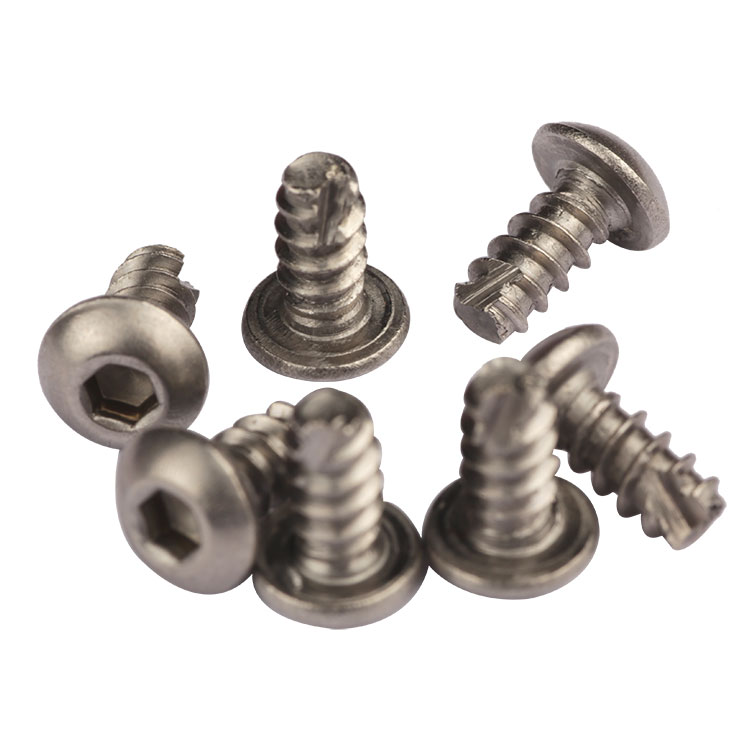
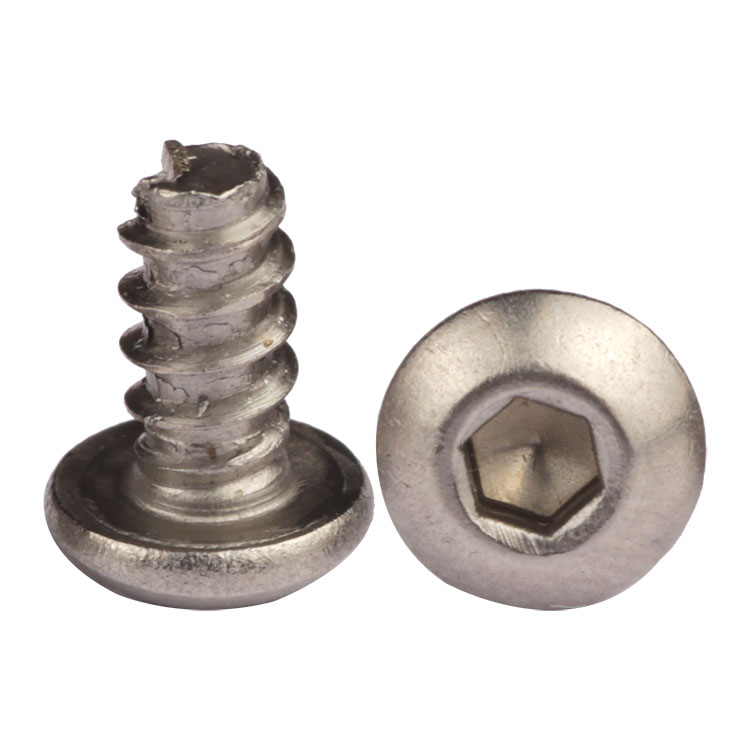
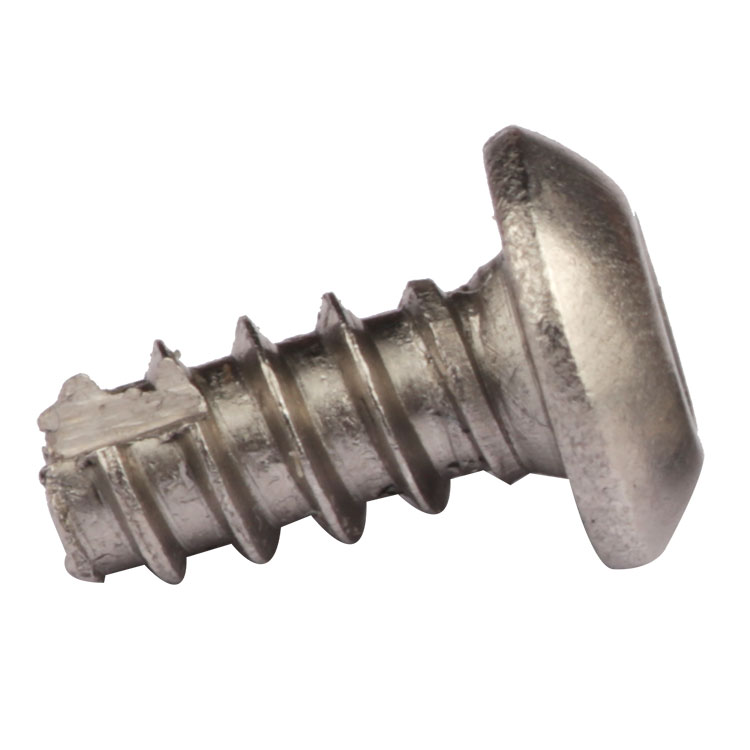
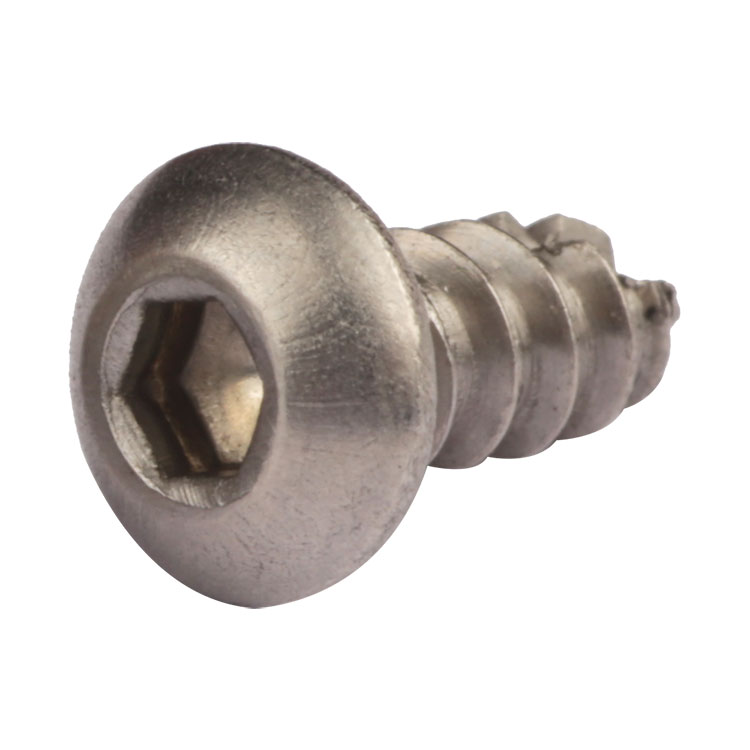
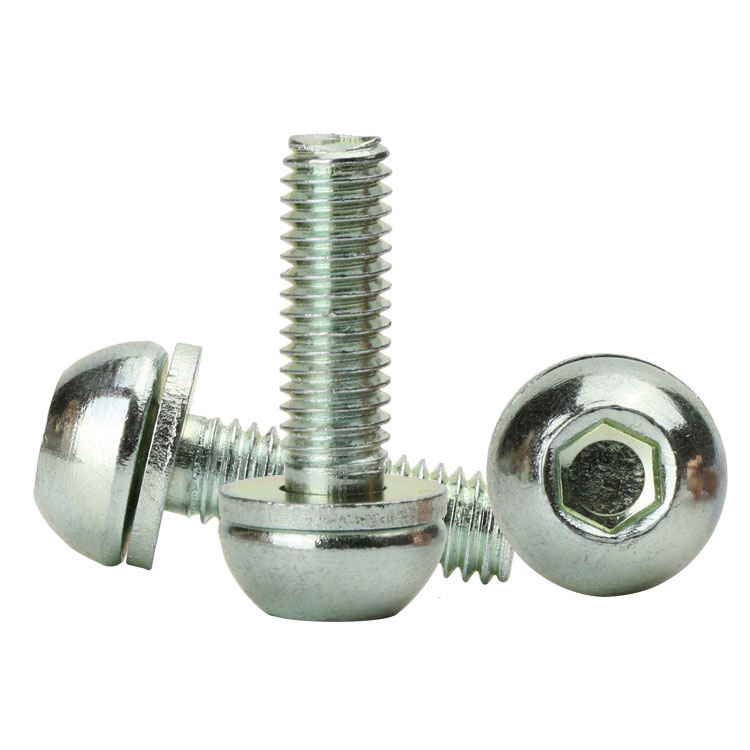
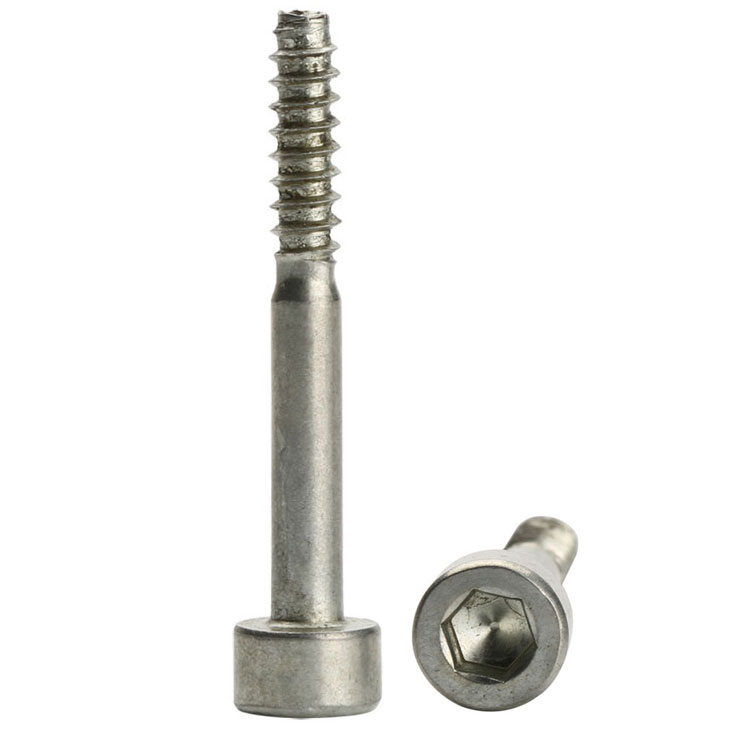
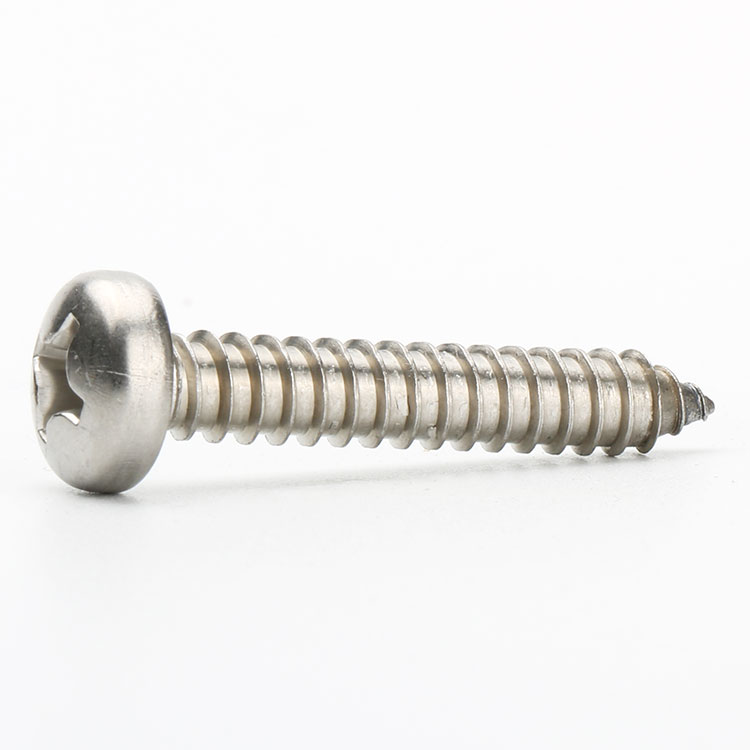
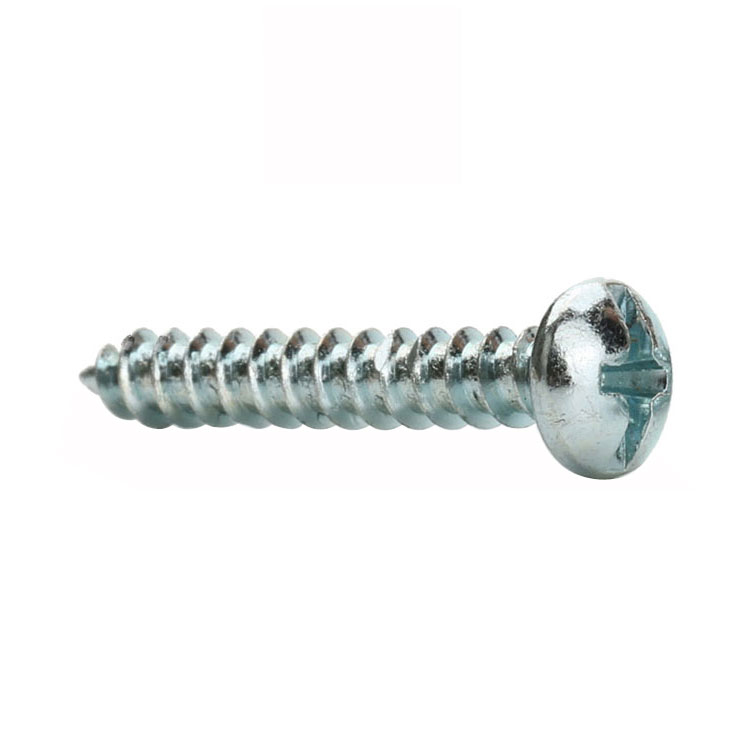
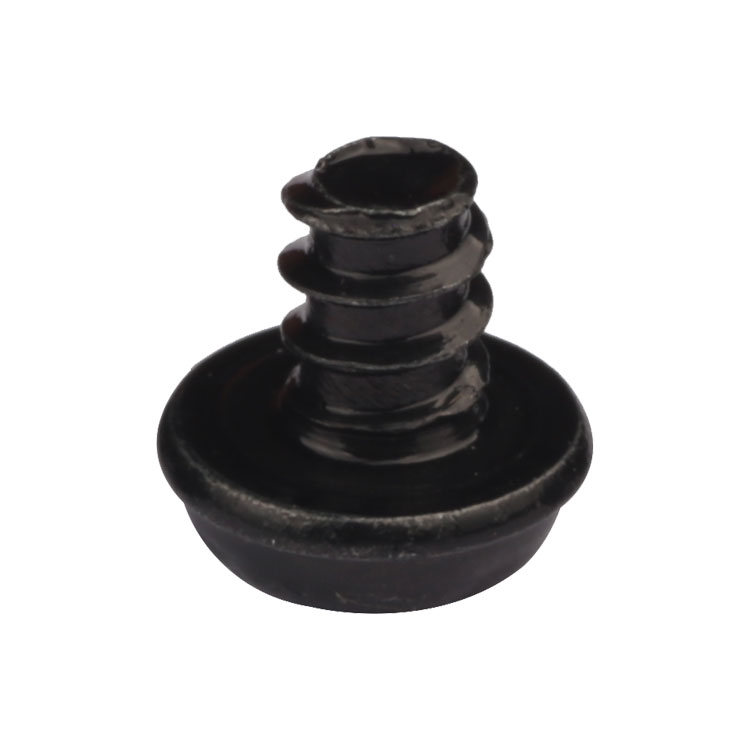
Type:Allen Head Self Tapping screws, Stainless Button Head Screws
Materials:304 Stainless Steel
Surface treatment:Plain
Head Type:Button head (socket)
Drive:Hexagon socket (Allen)
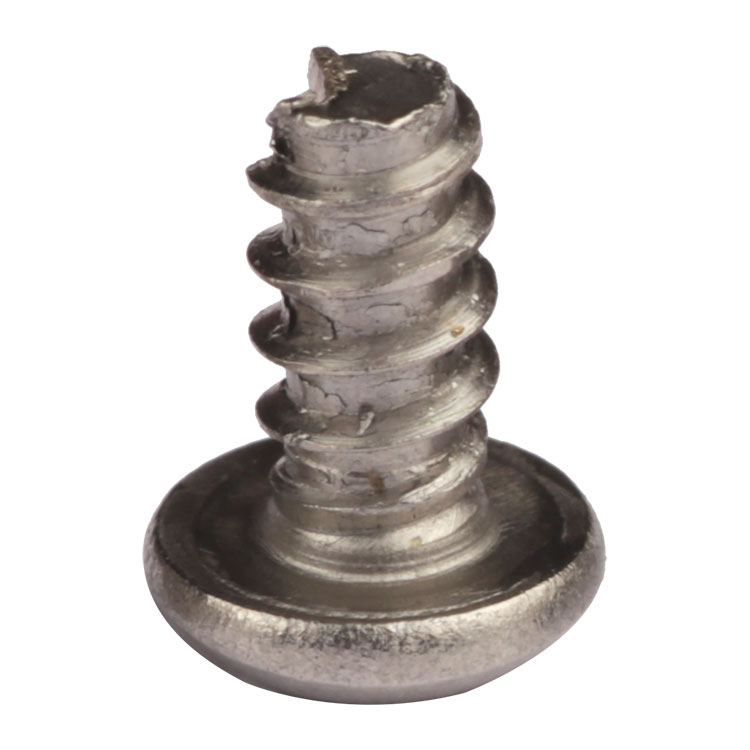
Thread:Self-tapping (spaced thread)
Point:Sharp, tapered
Forming:Single Die Heading
Size:M1 M2 M3 M4 M5 M6 M7 M8 M9 M10
We make allen head self tapping screws in 304 stainless steel, in a button head with a hexagon socket, quoting them from M1 to M10. The socket depth and the drive torque are agreed as one pair, and the first article is driven with your own key.
Watch the factory video·Email sst@szsst88.com
ISO 9001:2015 · Manufacturing since 1998 · 8,678+ customers · 89 countries and regions
Made to order – there is no stock catalogue. Each part is produced to your drawing, and production starts after drawing review and first-article approval.
Allen head self tapping screws are socket-driven screws with a spaced thread and a sharp point, driven with a hex key that fits inside the head. The part recorded here is 304 stainless steel in a button head form, quoted from M1 to M10 with lengths made to the drawing.
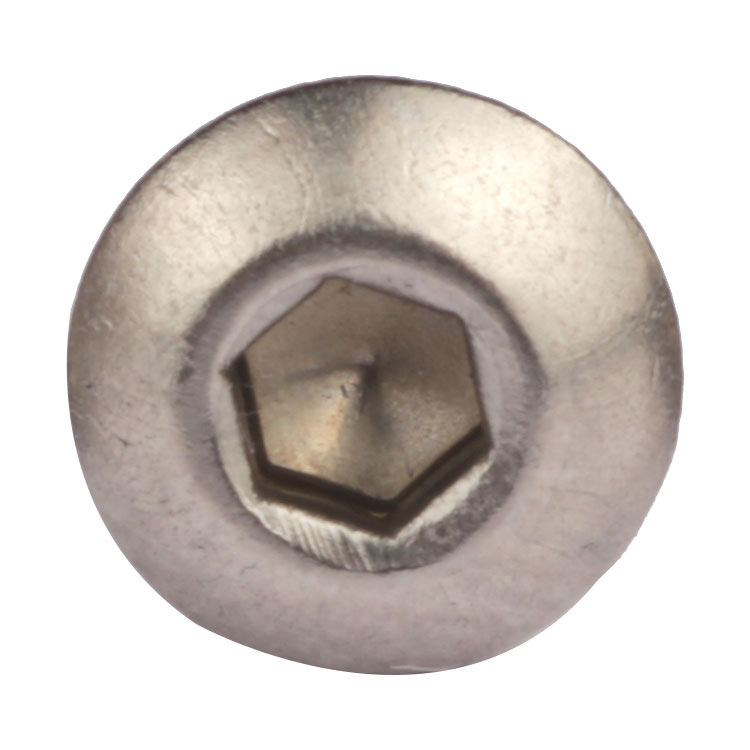
Allen drive. An internal hexagon, sized against the thread diameter and driven with a key rather than a bit.
Button head. A low domed head with a rounded rim and a small bearing face, holding a shallow socket.
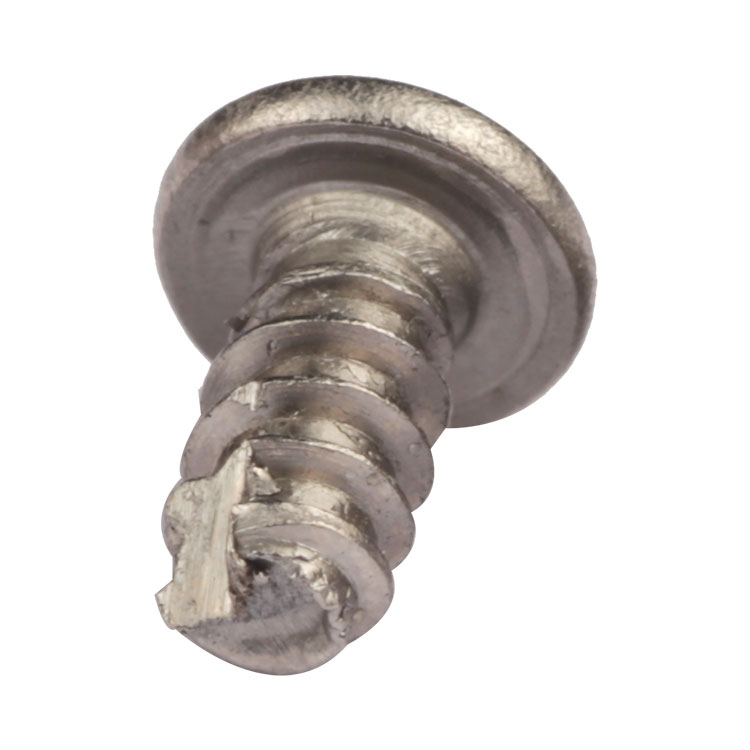
Self-tapping thread. A wide-pitched thread that cuts or forms its own path in sheet, plastic or a cored boss.
304 stainless. Corrosion resistance without a coating, and work-hardening when it is displaced.
They are used on covers, brackets, enclosures and equipment where the fixing must not rust and must be driven from above with a small tool, and where a cross recess would be damaged by the torque a tapping thread needs.
Each of the three features on this part is sensible on its own and the combination is the difficulty. A self-tapping thread needs a high driving torque, because it is cutting or forming material as it goes rather than following a tapped path. A button head offers a shallow socket and a small bearing face. And stainless steel work-hardens as it is displaced, so the thread that is cutting gets harder and the socket walls stiffen as they are loaded.
The result is that on allen head self tapping screws the drive torque arrives at the weakest feature. The key bears on six short arcs of a shallow hexagon while the thread is doing the hardest work of the whole assembly; if the key is a little worn or the socket a fraction shallow, the socket rounds before the thread has seated. On a carbon steel part the same conditions are more forgiving, because the material yields locally rather than work-hardening at the contact.
That is why the tool matters as much as the part on allen head self tapping screws. A key that reaches the floor of the socket, with corners that are still sharp, spreads the load over the whole of each flat. A key that is worn, or that has been ground down to fit a damaged socket, bears on the top of the arcs where the section is thinnest. The failure looks like a soft screw and is usually a soft tool.
The small bearing face is the second half of the problem. A tapping thread in thin sheet or plastic reaches its limit quickly, and the head has to spread the clamp that the thread can carry. A button head does that less well than a pan or a flanged head, so the joint is more sensitive to how far it is driven: too little and it loosens, too much and the panel dimples or the boss splits.
None of this makes the part wrong. It makes it a part that has to be specified with its tool and its torque, and checked in the material it will be driven into, rather than chosen from a catalogue by its head shape.
The recorded range is M1 to M10, with lengths made to the drawing. Custom lengths up to 2,000 mm are subject to the drawing submission and DFM review. The quotation for allen head self tapping screws carries the head diameter and height, the socket size and depth, the thread pitch and spacing, the point form and the overall length.
| Item | How it is defined | What we control |
|---|---|---|
| Head | Button, low dome | Diameter, height and rim radius |
| Socket | Hexagon, key size per diameter | Depth and wall thickness |
| Thread | Self-tapping, spaced | Pitch, spacing and length |
| Point | Sharp tapered or blunt | Point angle and length |
| Length | Overall, head included | Length tolerance and thread start |
| Finish | Plain, passivated | No build; socket as cut |
Socket depth is measured against the head rather than assumed from the key size. A button head has less height than a cap head, so the same key engages over a shorter length, and on a part whose thread asks for high torque that shorter engagement is the whole margin.
Thread pitch is chosen for the material. A coarse spacing displaces more material per turn, which suits thin sheet and plastic that can flow; a finer one cuts cleaner in a harder material. On stainless the choice is narrower, because the thread has to cut rather than smear to avoid galling the material it is driven into.
Point form follows the joint rather than the size. A sharp point starts a pilot hole in sheet; a blunt point is used in a moulded boss where the screw must not pierce the far side.
Four properties decide allen head self tapping screws of this form, and each one carries a cost:
| Property | What it gives | What it costs |
|---|---|---|
| Socket drive | Compact drive in a low head | Shallow engagement under high drive torque |
| Button head | Low, rounded appearance | Small bearing face for the clamp |
| Self-tapping thread | One step in sheet and plastic | Reaches its limit quickly |
| 304 stainless | Corrosion without a coating | Work-hardens while being driven |
The value is a joint that assembles in one motion with a small tool, does not rust, and looks finished. Where the alternative is a plated screw that corrodes in a damp enclosure, the stainless part is the one that keeps the assembly serviceable.
The cost is the narrow window between not tight enough and too tight. That window is set by the tool, the socket depth and the material, and none of them can be corrected after the fact on a part that has already been driven.
The recorded finish is plain over 304 stainless. The alloy carries the corrosion resistance and passivation restores the oxide layer after forming, and because there is no coating inside the hexagon, the key engagement is exactly the cut geometry.
| Option | How it protects | Effect on head and socket | Typical use |
|---|---|---|---|
| Passivated, plain | Removes free iron; rebuilds oxide | No build; socket as cut | Default for stainless |
| Electropolished | Levels the surface | Socket edges rounded slightly | Food, medical, cleanroom |
| Black oxide on stainless | Colours the surface | Thin film; key fit unchanged | Dark enclosures |
| Bead blasted | Uniform matte surface | Matte inside socket | Equipment housings |
| Nickel plated | Hard bright barrier | Build in socket; re-gauged | Where a bright finish is wanted |
The socket is where passivation matters most on this part. It is narrow and deep for its size, free iron collects in the corners during broaching, and a socket that rusts is a socket that will damage the next key used on it.
Where a coating is specified, the socket is gauged after plating. A film inside a shallow hexagon changes which key seats, and on a part driven at tapping torque that difference is felt immediately.
Three settings where a small socket drive and a self-tapping thread meet:
| Where it sits | The screw closes a cover where the fixing must not rust and the drive has to work from above in a confined space. |
| When it goes wrong | The socket rounds during assembly and the cover cannot be reopened. |
| Why it happens | The space is tight, the panel is thin, and the fixing is repeated. |
| What we control | Socket depth and drive torque proved; first article assembled at line torque. |
| Where it sits | The screw forms its own thread in a plastic or sheet part inside equipment that is washed or lives in damp air. |
| When it goes wrong | A plated screw corrodes at the socket and the fixing seizes. |
| Why it happens | The joint is damp, the material is thin, and the fixing is opened for service. |
| What we control | Passivation verified; first article fitted and opened twice. |
| Where it sits | The screw holds a panel where the head must be low and a small key is easier to carry than a driver. |
| When it goes wrong | A cross recess is damaged by the torque, or the panel dimples at the fixing. |
| Why it happens | The head is visible, the panel is thin, and the assembly is on site. |
| What we control | Head diameter and socket checked; first article fitted in the panel. |
Four reasons that matter on a drive that is smaller than the torque it has to carry, each tied to something the drawing has to prove:
|
Socket depth and torque agreed
The socket depth is confirmed against the key and the drive torque before quoting, because a button head has little height to give and a tapping thread asks for a lot. Basis: Socket and torque agreed. |
Headed, broached, threaded, passivated
The dome and hexagon are formed, the self-tapping thread rolled, and the batch passivated so the socket keeps its cut geometry. Basis: One route from wire to part. |
|
Socket proved with your key
The socket is driven with the key the customer uses, because a worn or short key is the most common reason these parts fail on a line. Basis: Driven with your key. |
Same socket across orders
The broaching punch and the thread rolls are recorded with the drawing revision, so a repeat order takes the same key with the same engagement. Basis: Same key fit across orders. |
These screws are headed on single-die machines that form the button head in one stroke, broached with a hexagonal punch, thread rolled with the self-tapping profile and the point formed, then passivated as a batch. The first part of every run is measured on head diameter and height, socket size and depth, thread and point, and length.


|

|
Broaching a hexagon into a button head is where allen head self tapping screws of this form are decided. The punch displaces material outward, and in a low dome there is little room for it to go, so a punch set a few hundredths too deep leaves thin walls at the corners and one set shallow leaves a socket that will not take the key to the floor. On stainless the punch also work-hardens the walls as it goes, so a slightly dull tool tears the corners rather than shearing them.
The self-tapping thread is rolled after the socket, with clean rolls and a blank diameter that displaces rather than squeezes. A smeared crest does not cut cleanly in plastic, and a thread that tears instead of forms leaves the joint loose from the first assembly.
Passivation closes the process and is checked inside the socket. That is the smallest, deepest feature on the part and the one where contamination stays, so a batch that is only checked on the head can pass and still rust where the key bears.
What decides whether allen head self tapping screws pass is the socket, the thread, the point and the surface. The inspection agreement covers those, and the criteria come from the drawing.

Head height and socket on the projector |

Thread and point checked |

Hardness against the 304 spec |

Salt-spray testing of the passivated socket |
Socket size and depth are measured on the projector with the head height, because the three come out of two operations that can each look correct on their own. The thread pitch, spacing and point angle are checked against the agreed profile, and the length is measured over the head.
The decisive check is a drive cycle in the customer material at the line torque, with the key the line uses. That cycle shows a socket that is too shallow, a thread that tears rather than cuts, and a head that dimples the panel before the thread seats.
A sample from every batch also goes into the salt-spray chamber, and the socket is examined for rust. On a stainless part that is where a passivation problem shows first, and it is invisible until the part is installed.
Every batch is traceable to the heat of stainless it was made from. The grade and heat number appear on the material certificate supplied with the parts, and the inspection records follow the criteria agreed on the drawing.

ISO 9001:2015 |

RoHS test report |

Registered trademark |

Patent: security screw and driver |
With each shipment we supply the material certificate, the inspection record for the dimensions on the drawing including the socket depth and point form, and the passivation records for the batch. The documents carry the drawing revision and the batch number, so a repeat order of allen head self tapping screws takes the same key.
More than 8,678 customers in 89 countries and regions have ordered from Shi Shi Tong; 87% of orders come from repeat customers and 56% through referrals. Most projects follow the same route: drawing review, first-article approval, then batches checked against that sample. On this combination the first article is driven with the customer key at the line torque, because the drive is the feature with the least margin. Buyers visit during the process to review samples.
|
8,678+
customers served
|
87%
of orders from repeat customers
|
56%
of orders through referrals
|
89
countries and regions shipped to
|
Buyers and quality engineers visit for sample review, process discussion and supplier audits; the visit is arranged around production so the headers, the broaching station and the passivation line can be seen on the day the parts run.

Customer group visit – sample review |

Customer group visit – process discussion |

Customer group visit – factory tour |

Customer visit – project kick-off |

Danish customer – drawing review |

Industry exhibition – meeting customers |
A self-tapping thread needs high drive torque and a button head gives a shallow socket. A worn or short key bears on the top of the arcs and the corners go first.
The one sized for the socket, reaching the floor of the recess with sharp corners. A key ground down to fit a damaged socket makes the damage worse.
It work-hardens as it is displaced, so the thread gets harder as it cuts and the socket walls stiffen as they are loaded.
Yes with a suitable pitch, but grip reduces a little with each removal, so the design assumes a limited number of cycles.
Where bearing area matters, a pan or flanged head spreads the load better and stands a little higher. That is the trade.
Head diameter and height, socket size and depth, thread pitch and spacing, point form and overall length.
How a socket-driven tapping screw project runs from drawing to repeat delivery:
|
1
Send the drawing and the key you use
|
→ |
2
Socket depth and thread agreed
|
→ |
3
First article driven at your line torque
|
→ |
4
Batch production and repeat orders
|
Each step is confirmed with you before the next one starts; the drawing revision from the first article is what repeat orders are checked against.
For a quotation, send the drawing with the head diameter and height, socket size and depth, thread pitch, point form and overall length.
|
Head diameter
|
Head height
|
Socket size
|
|
Thread pitch
|
Point form
|
Length
|
Sending a drawing? The form below does not take attachments. Email the PDF, DXF or STEP file to sst@szsst88.com with the part name and quantity in the subject line – the drawing is reviewed and a quotation follows.

 +86 13143444311
 sst@szsst88.com