Tel:
+86 13143444311
Email:sst@szsst88.com
Fax:+0086-755-27322278
Address:Building 9, First Industrial Zone, Tantou Industrial City, Songgang Street, Baoan District, Shenzhen 518105, Guangdong, China
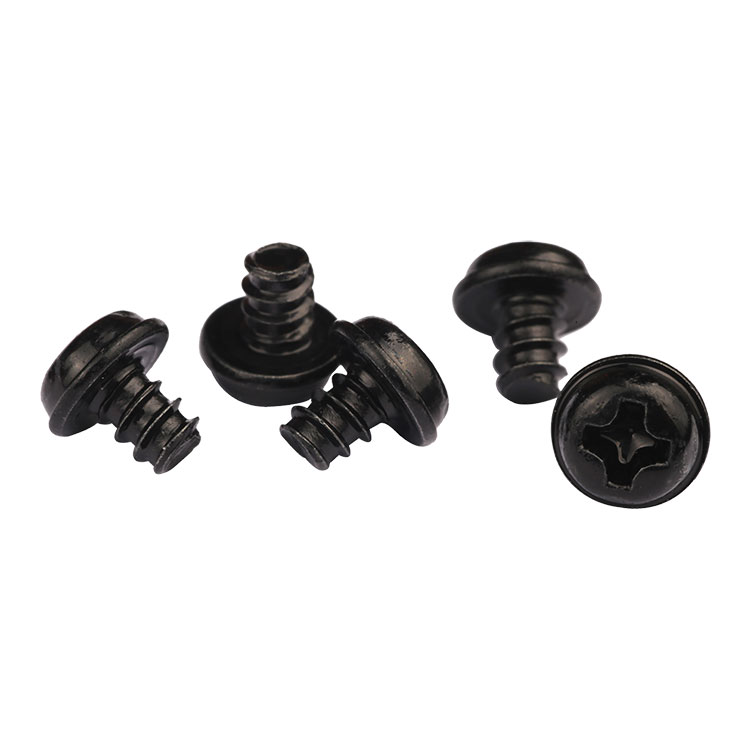
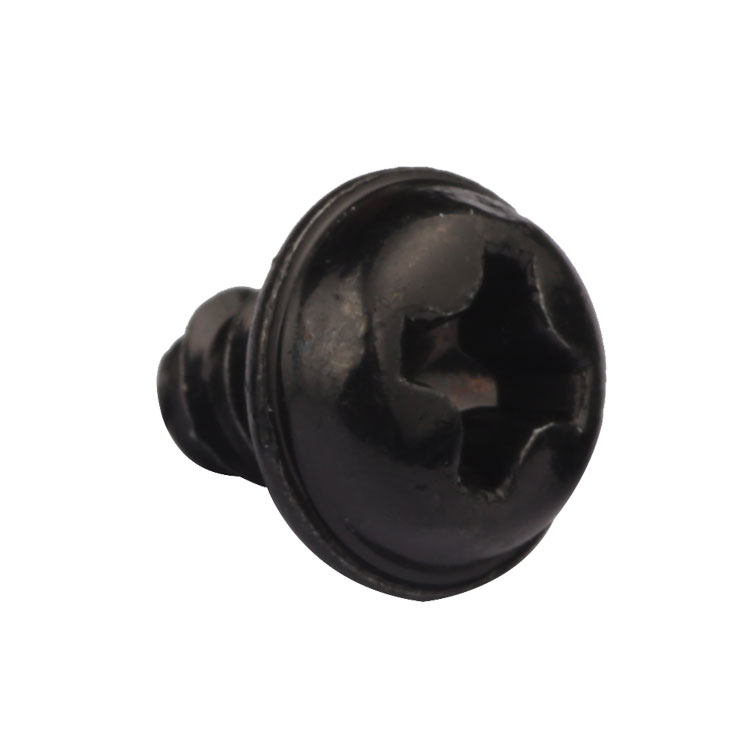
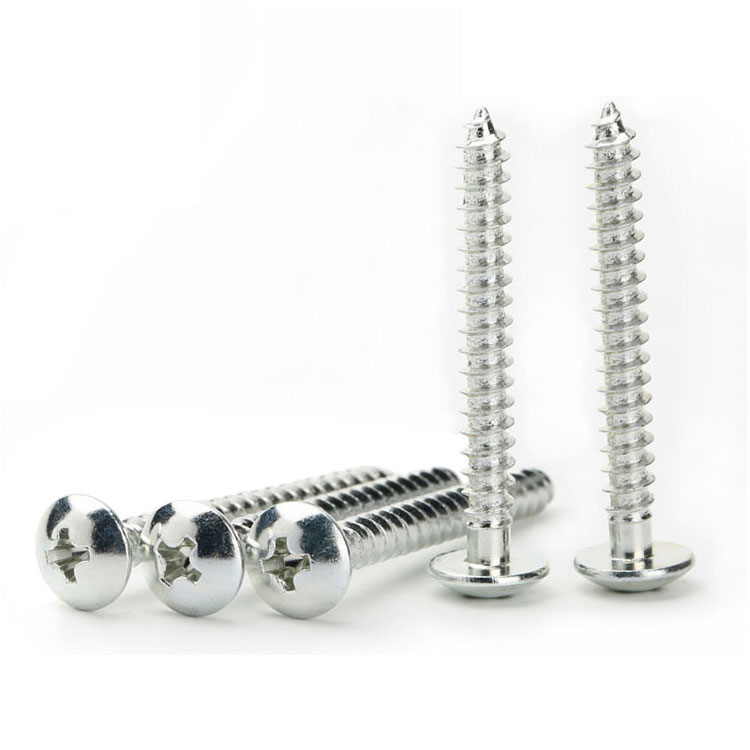
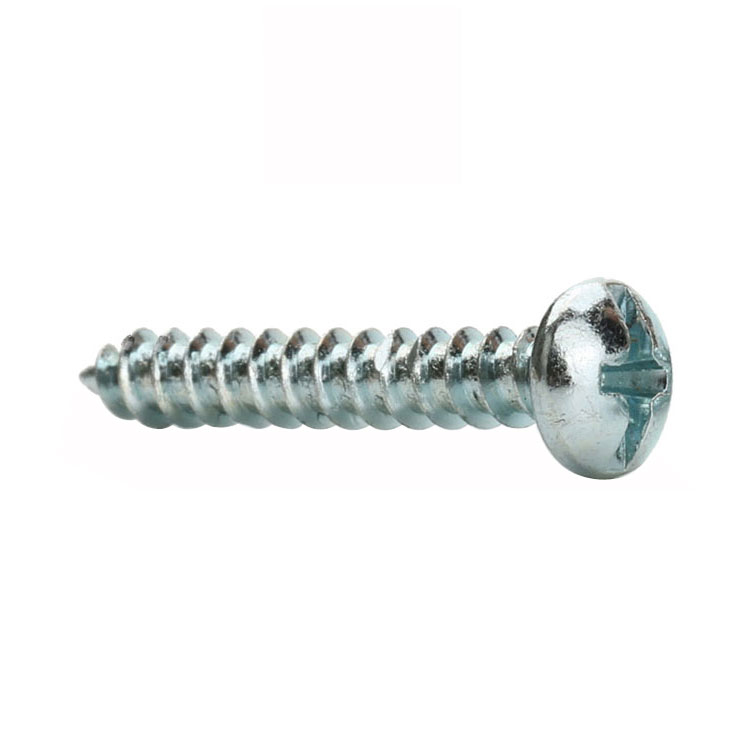
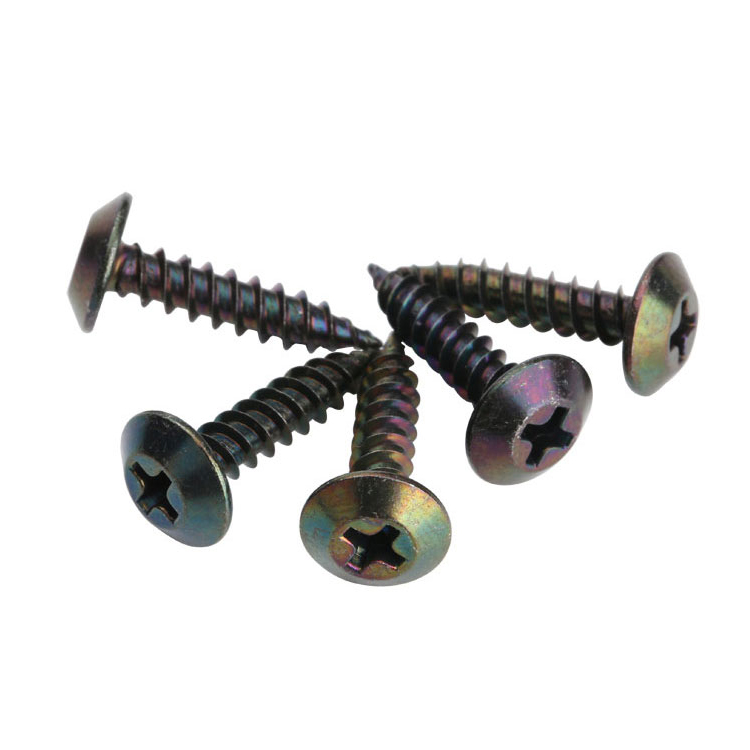
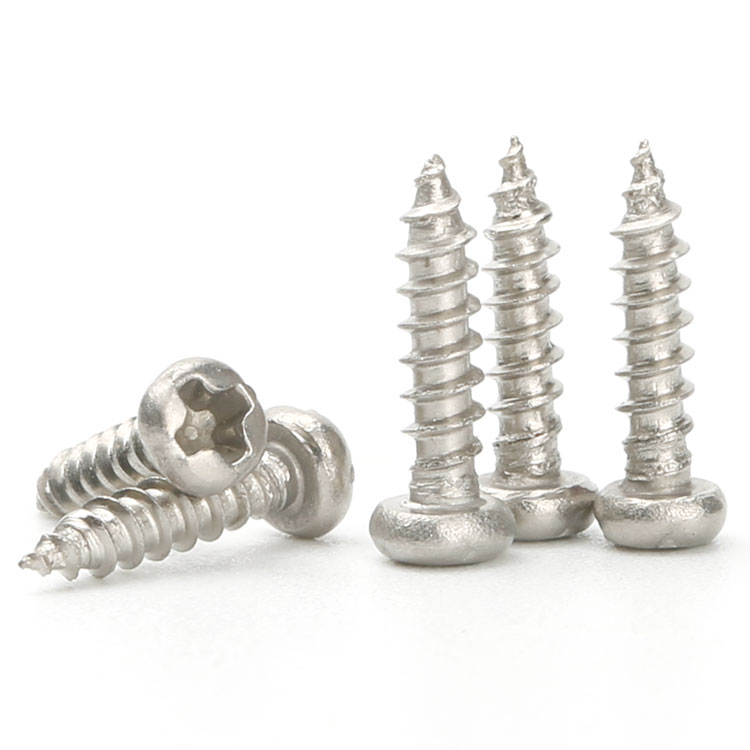
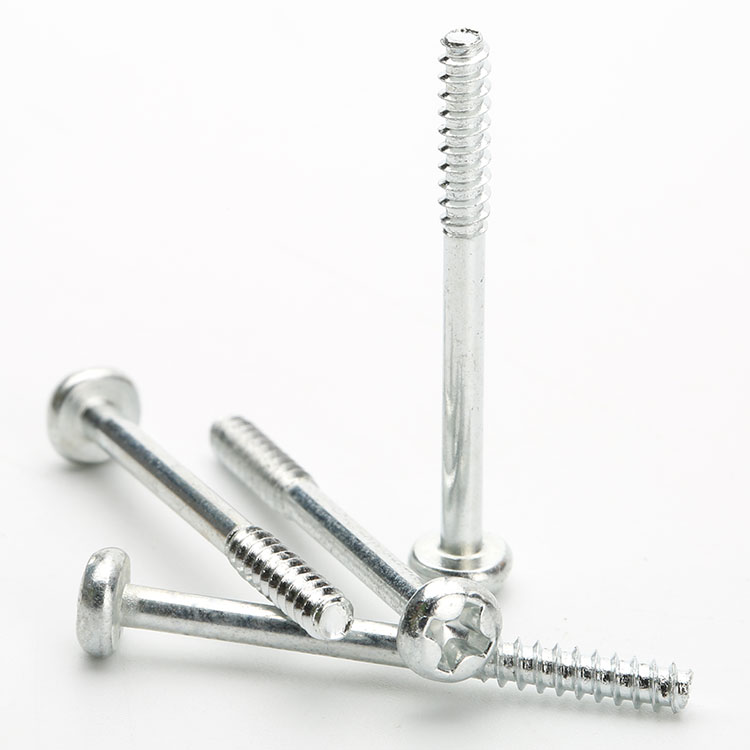
Type:Large Round Washer Head Screws, Round Head Self Tapping Screws
Materials:Carbon Steel
Surface treatment:Black Zinc Plated
Head Type:Round washer head
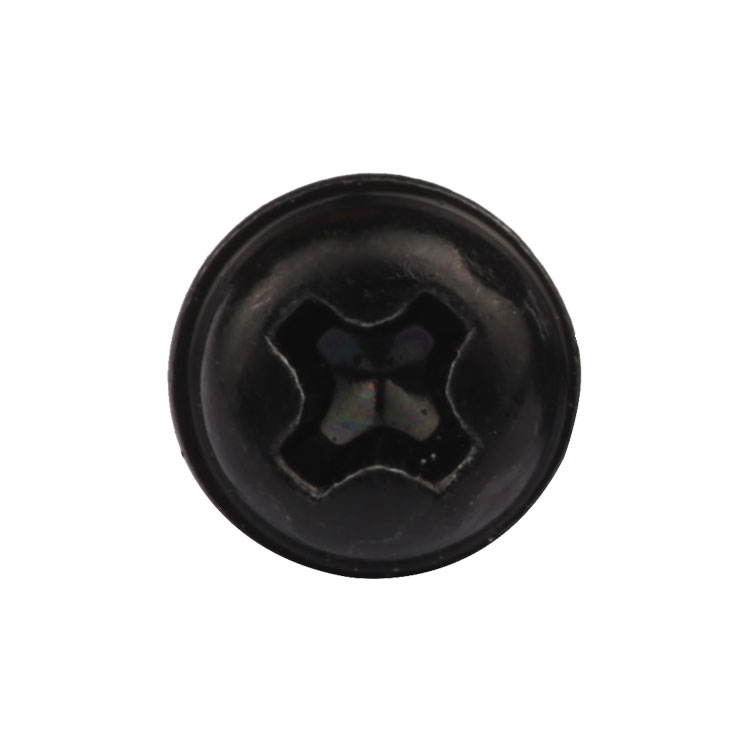
Drive:Phillips cross recess
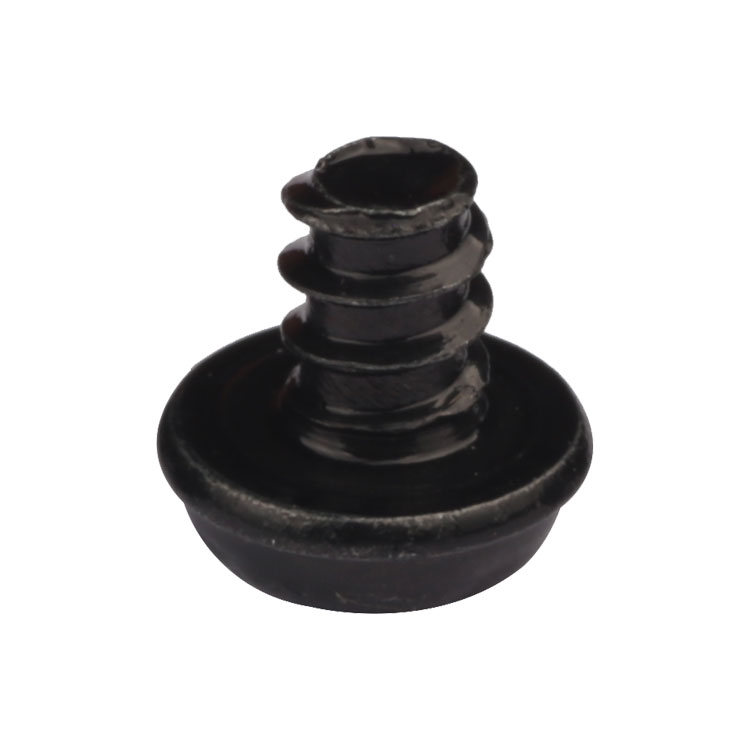
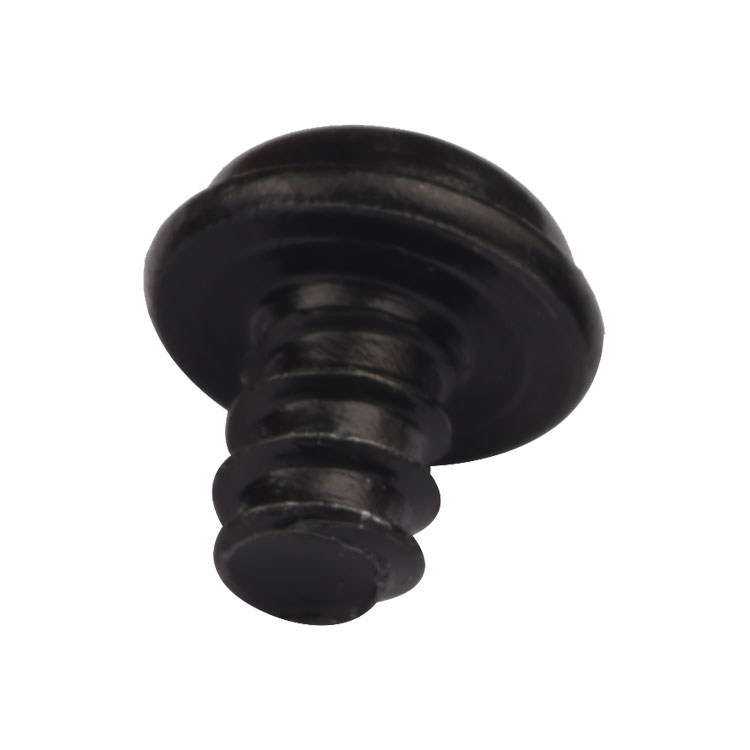
Thread:Self-tapping (spaced thread)
Point:Sharp, tapered
Forming:Single Die Heading
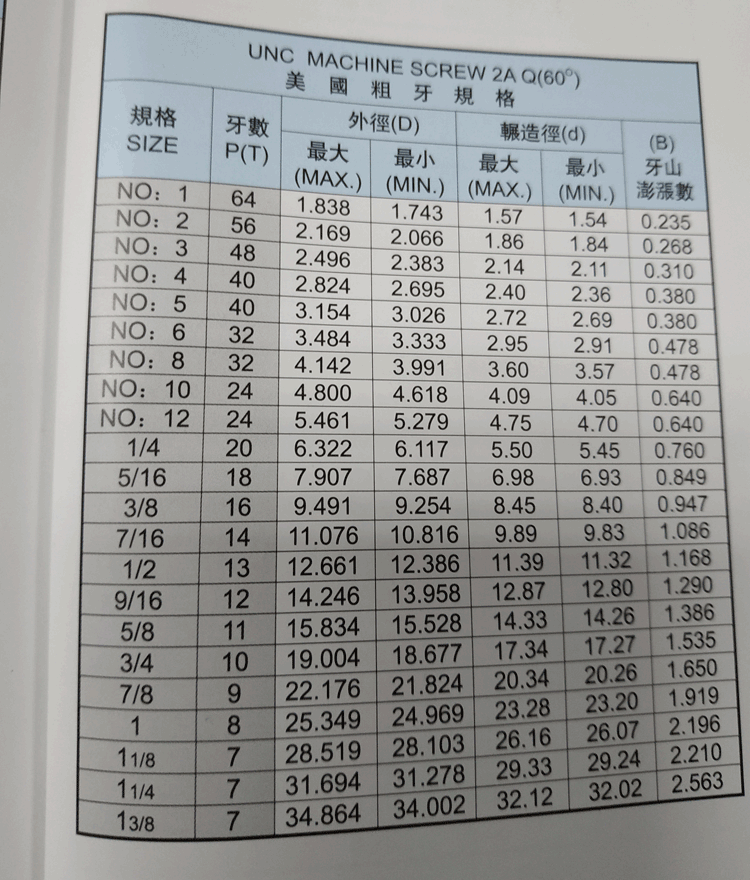
Size:M1 M2 M3 M4 M5 M6 M7 M8 M9 M10
We make large round washer head screws with an integral flange and a self-tapping thread, in carbon steel with a black zinc finish, quoting them from M1 to M10. Flange diameter and its edge form are agreed on the drawing, and the first article is driven into your own panel.
Watch the factory video·Email sst@szsst88.com
ISO 9001:2015 · Manufacturing since 1998 · 8,678+ customers · 89 countries and regions
Made to order – there is no stock catalogue. Each part is produced to your drawing, and production starts after drawing review and first-article approval.
Large round washer head screws are self-tapping screws with a round top and a wide integral flange under it, so the head carries its own washer face. The part recorded here is carbon steel with a black zinc finish, quoted from M1 to M10 with lengths made to the drawing.
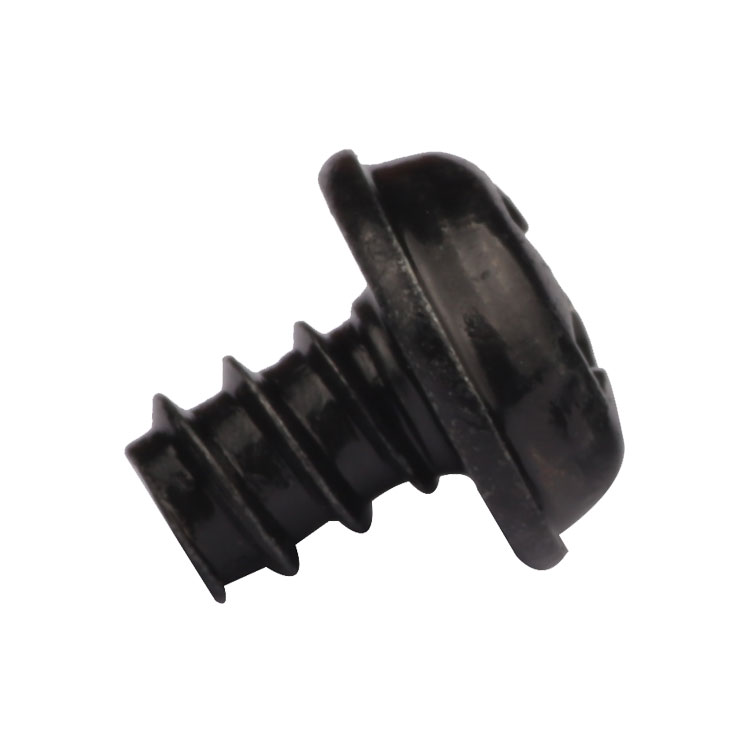
Round washer head. A domed top over a flat flange that extends beyond the head, giving a wide bearing face without a separate washer.
Flange edge. The outer rim of that flange, which is where the load meets the panel and where most of the trouble starts.
Self-tapping thread. A spaced thread that forms or cuts its own path in sheet, plastic or a cored hole.
Black zinc. A trivalent zinc with a dark passivate, low in reflection and free of hexavalent chromium.
They are used where a small screw has to hold a soft or thin part without a washer being added: appliance panels, plastic housings, electrical boxes, display hardware and any assembly where a worker cannot be relied on to fit a loose washer.
A washer head solves the loose-washer problem by building the washer into the screw. The flange is formed from the same metal as the head, it cannot be left out, and it arrives at exactly the diameter the drawing asks for. That is why it is common on small screws: at M2 and M3 a separate washer is a handling problem and a reliable assembly needs the bearing face to come attached.
The trade is the edge. A separate washer has a rolled or chamfered rim; the flange on large round washer head screws ends in a relatively sharp circular edge, because that is what the punch leaves. Under clamp load that edge is the highest point of contact, so it is what presses into paint, cladding or plastic first. On a thin panel the result is a circular witness mark exactly the flange diameter, and on a coated panel it can be a cut.
The flange also changes what happens around the joint. It lifts the head off the surface only at its rim, leaving a shallow annular gap under the dome where water and debris collect; on equipment that is washed, that gap is the place a screw head starts to corrode, because the coating is thinnest at a sheared edge.
And the flange cannot be countersunk. A washer head is a surface head by construction: it is designed to stand on the panel and spread the load, not to disappear into it. Where a flush finish is required the answer is a countersunk head, and no amount of torque will make a washer head sit level in a cone.
On self-tapping threads the flange works with the thread rather than against it. The thread reaches its limit quickly in thin sheet, so a wide bearing face is what prevents the panel dimpling when the joint is driven to its usable torque; without the flange, that same torque would leave a depression around every screw. The black zinc then has to survive that contact, and the flange edge is where it is checked.
The recorded range is M1 to M10, with lengths made to the drawing. Custom lengths up to 2,000 mm are subject to the drawing submission and DFM review. The quotation for large round washer head screws carries the head diameter, the flange diameter and thickness, the PH size and recess depth, the thread pitch and the point form, and the overall length.
| Item | How it is defined | What we control |
|---|---|---|
| Head | Round top over a flange | Head height and dome radius |
| Flange | Integral washer face | Diameter, thickness and edge form |
| Recess | Phillips, PH size per diameter | Depth and floor thickness |
| Thread | Self-tapping, spaced | Pitch, spacing and length |
| Point | Sharp tapered or blunt | Point angle and length |
| Length | Overall, head included | Length tolerance and thread start |
Flange diameter is the dimension that decides whether the joint marks the panel, and it is usually specified as a multiple of the thread rather than as an absolute value. Flange thickness decides how much the assembly can spread the load before the flange dishes; a thin flange bellies and the dome takes the load instead.
The edge form is the dimension nobody puts on a drawing. A sharp sheared edge cuts paint, a small radius cushions it, and the difference is a few hundredths of a millimetre on the punch. Where the panel is coated and visible, the edge form is agreed with the first article rather than assumed.
On the small sizes the flange is the whole bearing face. At M2 an M2 thread with a 5 mm flange has most of its resistance to dimpling in that flange, not in the head, which is why the small washer head parts are the ones where flange thickness matters most.
Four properties decide large round washer head screws, and each one carries a cost:
| Property | What it gives | What it costs |
|---|---|---|
| Integral flange | Washer face without a loose part | A harder edge than a separate washer |
| Round top | Low, rounded, finished look | Stands above the surface |
| Self-tapping thread | One step in sheet and plastic | Reaches its limit quickly |
| Black zinc | Dark, low-reflection finish | Thin coat at a sheared edge |
The value is assembly reliability. Large round washer head screws arrive with the bearing face already present, always the right diameter, and always fitted before the screw is picked up. On a line that fits thousands of small screws a day, that removes a failure mode rather than merely saving a component.
The cost is the edge and the gap. A sharp flange edge marks what it presses on, the shallow gap under the dome traps what it touches, and neither can be designed away without giving up the wide bearing face that made the part worth choosing.
The recorded finish is black zinc, a trivalent zinc with a dark passivate. It protects by sacrificial action and it suits equipment that should not advertise its fixings, which is why it appears on dark housings and on panels where a bright head would read as an afterthought.
| Option | How it protects | Effect on flange and recess | Typical use |
|---|---|---|---|
| Black zinc | Trivalent zinc, dark passivate | Thin at the edge; colour even | Dark housings and panels |
| Clear zinc | Trivalent zinc, bright | Same; lighter tone | General indoor work |
| Colour zinc | Trivalent coloured zinc | Tone varies between lots | Appliances and furniture |
| Nickel plated | Hard bright barrier | Thicker build at the edge | Visible bright fixings |
| Stainless, passivated | Passive film, no coating | No build; no coating to shear | Wet and visible joints |
The flange edge is where the coating is thinnest after forming, because it is a sheared rim rather than a drawn surface. A part that looks correctly plated on its dome can be bare at the edge, and that is where corrosion starts when the joint is damp or washed.
Where the joint is wet, the honest answer is stainless rather than a heavier zinc. A coating on a sheared edge is a thin coat on the one feature that touches the panel.
Three settings where a wide bearing face has to come attached to a small screw:
| Where it sits | The screw holds a painted panel where the fixing is small, repeated, and must not dimple the finish. |
| When it goes wrong | The flange edge cuts the paint and a rust ring appears around every fixing. |
| Why it happens | The sheet is thin, the panel is painted, and the line runs at speed. |
| What we control | Flange diameter and edge form checked; first article fitted on painted sheet. |
| Where it sits | The screw forms its own thread in a moulded boss and the flange spreads the load on the plastic flange. |
| When it goes wrong | The boss cracks under the flange, or the flange dishes into the plastic. |
| Why it happens | The material is plastic, the boss is moulded, and the joint is opened once. |
| What we control | Flange thickness and pitch proved on a sample moulding. |
| Where it sits | The screw closes a box or a display panel where the head is visible and the fixing must be repeatable. |
| When it goes wrong | A loose washer is dropped on the line, or the head marks the box finish. |
| Why it happens | The assembly is repeated, the fixing is seen, and the panel is thin. |
| What we control | Flange diameter and finish checked; first article assembled and inspected. |
Four reasons that matter on a part whose flange does the work, each tied to something the drawing has to prove:
|
Flange diameter and edge agreed
The flange diameter and its edge form are agreed against the panel before quoting, because the edge is the feature that marks or cuts the surface it presses on. Basis: Flange and edge agreed. |
Headed, recessed, threaded, plated
The round top and the flange are formed in one stroke, the cross cut, the thread rolled and the batch zinc plated with the flange edge inspected afterwards. Basis: One route from wire to plated part. |
|
Flange and recess measured
The flange diameter and thickness and the recess depth are measured together, because a flange that dishes takes the load off the head and changes the drive. Basis: Flange and recess measured. |
Driven into your panel first
The first article is driven into the customer panel at the line torque, since marking and dimpling only appear in the real material. Basis: First article driven in your panel. |
These screws are headed on single-die machines that form the dome and the flange in one stroke, cut with the cross recess, thread rolled with the self-tapping profile and zinc plated as a batch. The first part of every run is measured on head diameter, flange diameter and thickness, recess depth, thread, point and length.


|

|
Forming the flange is where the part is decided. The metal is pushed outwards under the punch, and the outer rim is the last region to fill; a punch that is a little tight leaves a flange that is under diameter with a thicker edge, and one that is loose leaves a flange at diameter with an edge that is thin and sharp. Both pass a diameter check and one of them cuts paint.
The recess is cut after the dome is formed, and on a small washer head there is little height above the flange to work in. The punch is set to leave a floor that keeps the cross strong without lifting the dome, and the setting is checked by driving rather than by measuring the recess alone.
Plating is checked at the flange edge as well as on the face. That edge is a sheared rim, so the coating is thinnest there, and it is also the part of the screw that the customer’s panel sees first when the joint is opened.
What decides whether large round washer head screws pass is the flange, the recess, the thread and the plating. The inspection agreement covers those, and the criteria come from the drawing.

Flange and recess on the projector |

Thread and point checked |

Core hardness checked |

Salt-spray testing of the plated flange |
Flange diameter, thickness and edge form are measured on the projector together with the head height, because the bearing face is what results from all four. The recess is measured and proved with the production bit, and the thread and point are gauged against the agreed profile.
Plating is inspected on the flange edge specifically, using a sample part that has been driven and removed. That cycle shows whether the coating survives the one place it is thinnest and most loaded, and it is recorded with the batch.
A sample from every batch is driven into the customer panel at the line torque and removed, and the panel is checked for a ring or a cut at the flange diameter. That is the check that predicts what the assembly line will see, and no dimensional measurement replaces it.
Every batch is traceable to the wire it was made from and to the plating lot that finished it. The grade and heat number appear on the material certificate supplied with the parts, and the inspection records follow the criteria agreed on the drawing.

ISO 9001:2015 |

RoHS test report |

Registered trademark |

Patent: security screw and driver |
With each shipment we supply the material certificate, the inspection record for the dimensions on the drawing including the flange diameter and thickness, and the plating and RoHS reports. The documents carry the drawing revision and the batch number, so a repeat order of large round washer head screws keeps the same edge.
More than 8,678 customers in 89 countries and regions have ordered from Shi Shi Tong; 87% of orders come from repeat customers and 56% through referrals. Most projects follow the same route: drawing review, first-article approval, then batches checked against that sample. On a washer head the first article is driven into the customer panel, because marking is judged on the finished surface. Buyers visit during the process to review samples.
|
8,678+
customers served
|
87%
of orders from repeat customers
|
56%
of orders through referrals
|
89
countries and regions shipped to
|
Buyers and quality engineers visit for sample review, process discussion and supplier audits; the visit is arranged around production so the headers and the plating line can be seen on the day the parts run.

Customer group visit – sample review |

Customer group visit – process discussion |

Customer group visit – factory tour |

Customer visit – project kick-off |

Danish customer – drawing review |

Industry exhibition – meeting customers |
A truss head is a wide, low dome. A washer head has a distinct flange under a round top, and the flange edge is sharper.
The flange edge is the highest point of contact. Under clamp load it presses into the paint before the rest of the face does.
No. A washer head is a surface head by design; it spreads load on the panel rather than disappearing into it.
Yes, that is what it is for. The wider face reduces the pressure on the sheet at the same torque.
A shallow gap remains under the dome at the flange rim, so debris can collect there. On washed equipment a stainless part or a sealed joint is the better answer.
Head diameter and height, flange diameter and thickness, PH size, thread pitch, point form and overall length.
How a washer head screw project runs from drawing to repeat delivery:
|
1
Send the drawing and the panel surface
|
→ |
2
Flange diameter and edge agreed
|
→ |
3
First article driven in your panel
|
→ |
4
Batch production and repeat orders
|
Each step is confirmed with you before the next one starts; the drawing revision from the first article is what repeat orders are checked against.
For a quotation, send the drawing with the head diameter, flange diameter and thickness, PH size, thread pitch, point form and overall length.
|
Head diameter
|
Flange diameter
|
Flange thickness
|
|
PH size
|
Thread pitch
|
Length
|
Sending a drawing? The form below does not take attachments. Email the PDF, DXF or STEP file to sst@szsst88.com with the part name and quantity in the subject line – the drawing is reviewed and a quotation follows.

 +86 13143444311
 sst@szsst88.com