Tel:
+86 13143444311
Email:sst@szsst88.com
Fax:+0086-755-27322278
Address:Building 9, First Industrial Zone, Tantou Industrial City, Songgang Street, Baoan District, Shenzhen 518105, Guangdong, China
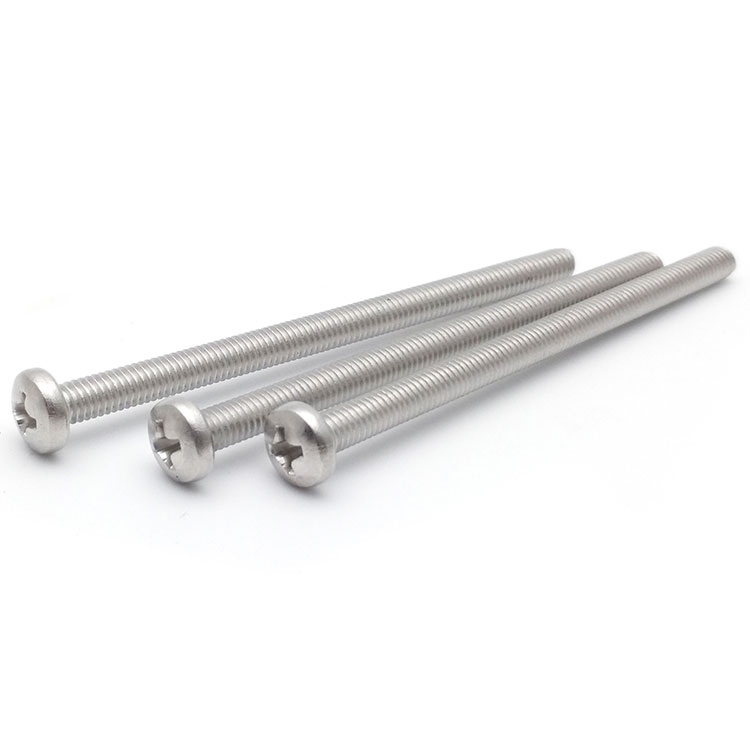
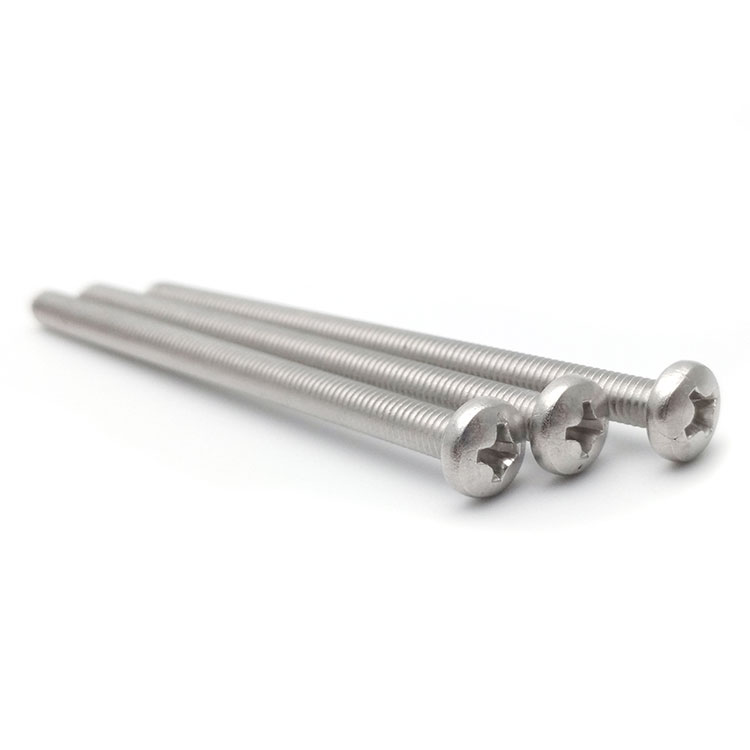
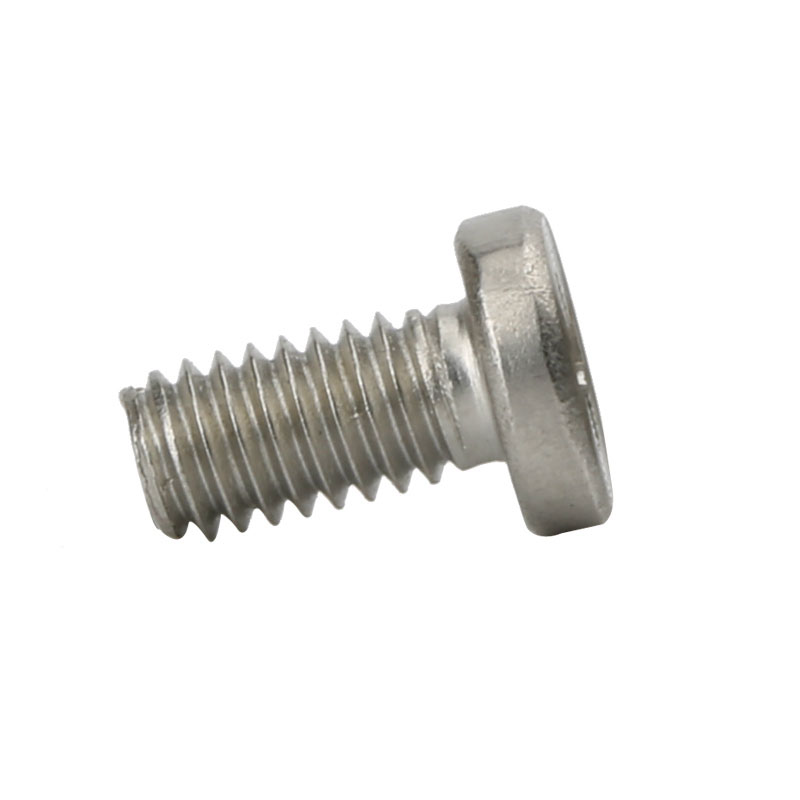
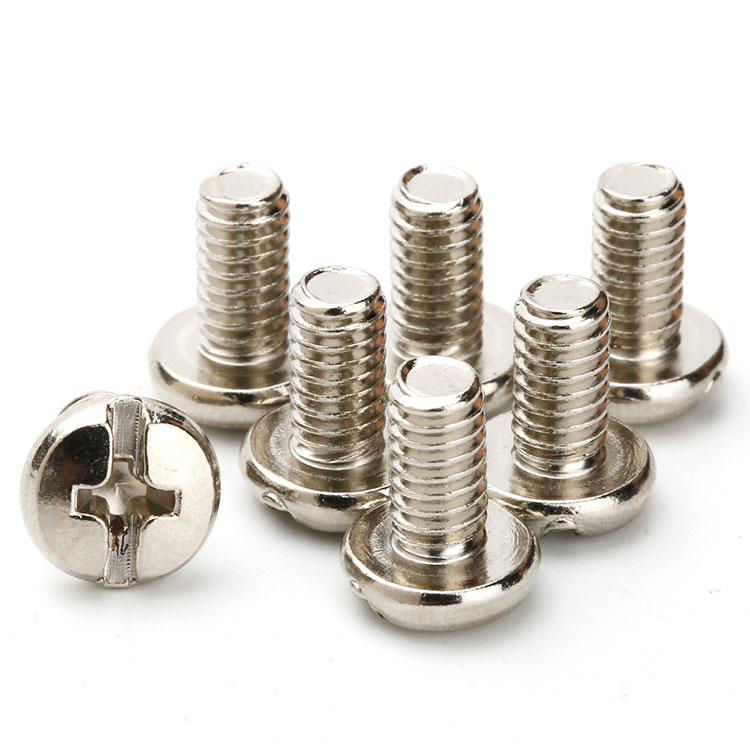
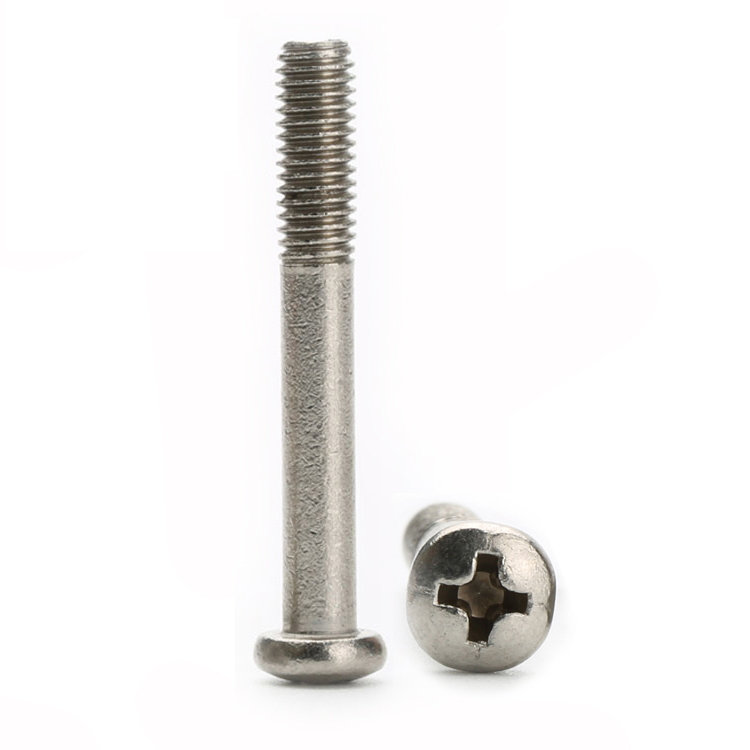
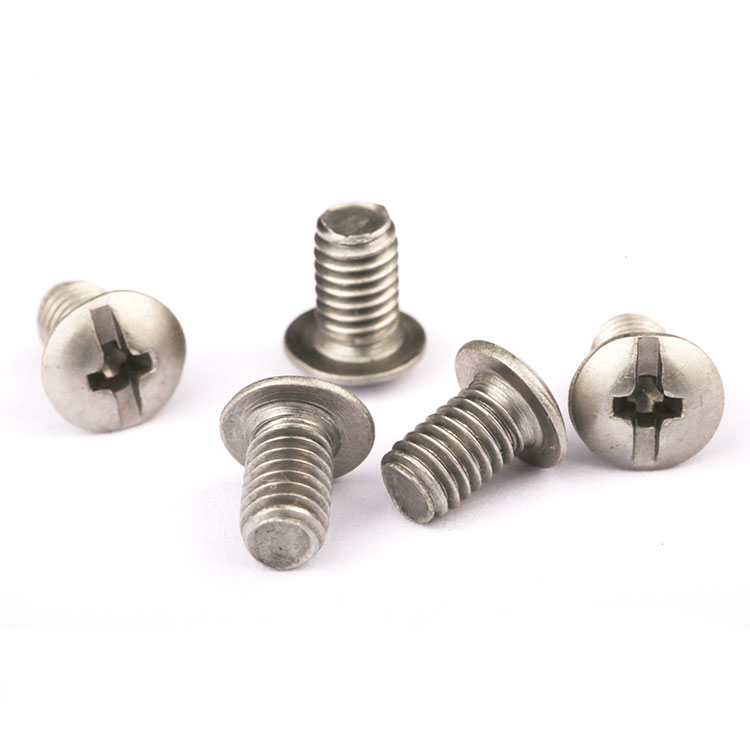
Type:Stainless Steel Pan Head Screws, Stainless Steel Screw Suppliers
Materials:Stainless Steel
Surface treatment:Plain
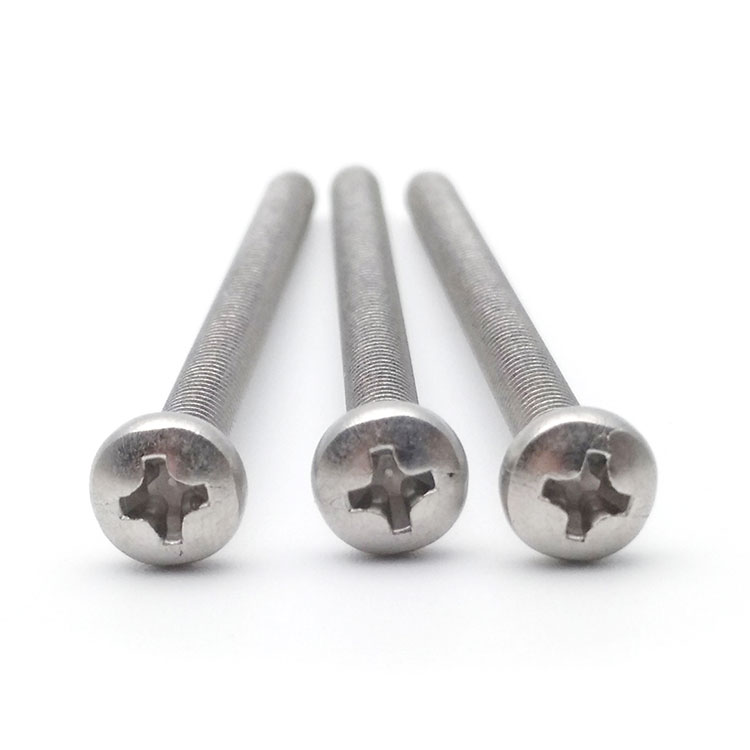
Head Type:Pan Head
Drive:Phillips cross recess
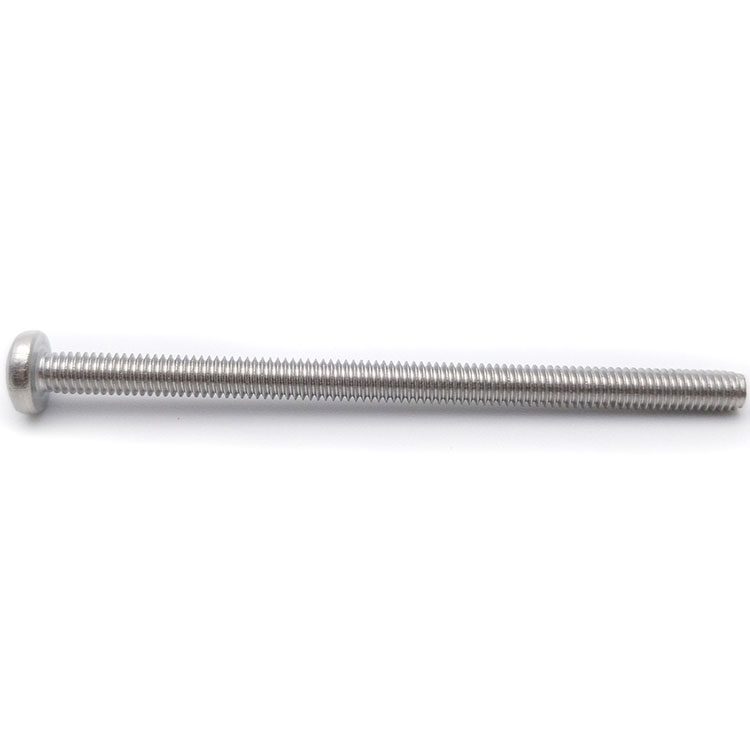
Thread:Machine thread
Point:Plain, chamfered
Forming:Single Die Heading
Size:M1 M2 M3 M4 M5 M6 M7 M8 M9 M10 M14
Number:269
We make stainless pan head screws in plain A2 stainless with a Phillips recess and a machine thread, quoting them from M1 to M14. Head size, PH recess, thread and grade come from your drawing, and the first article is assembled in your own joint.
Watch the factory video·Email sst@szsst88.com
ISO 9001:2015 · Manufacturing since 1998 · 8,678+ customers · 89 countries and regions
Made to order – there is no stock catalogue. Each part is produced to your drawing, and production starts after drawing review and first-article approval.
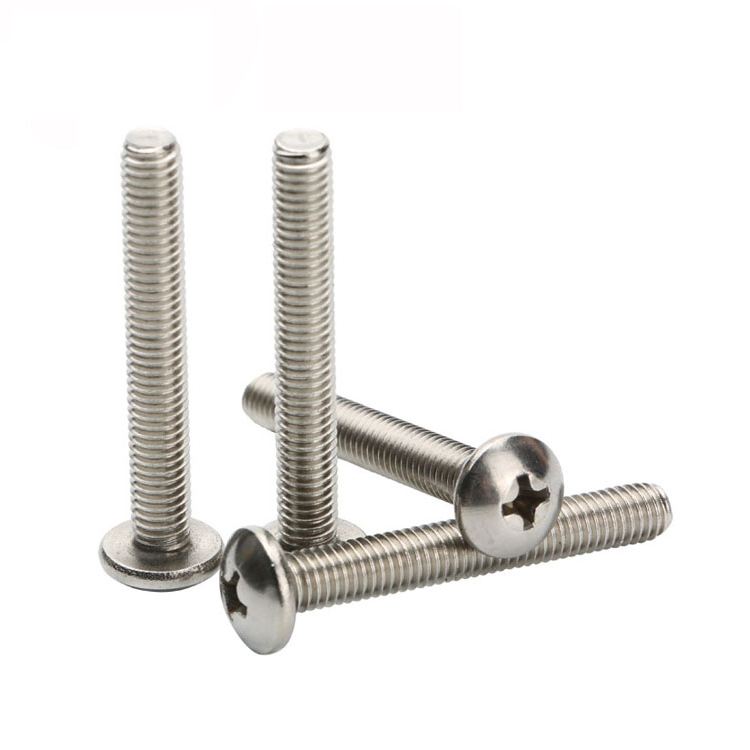
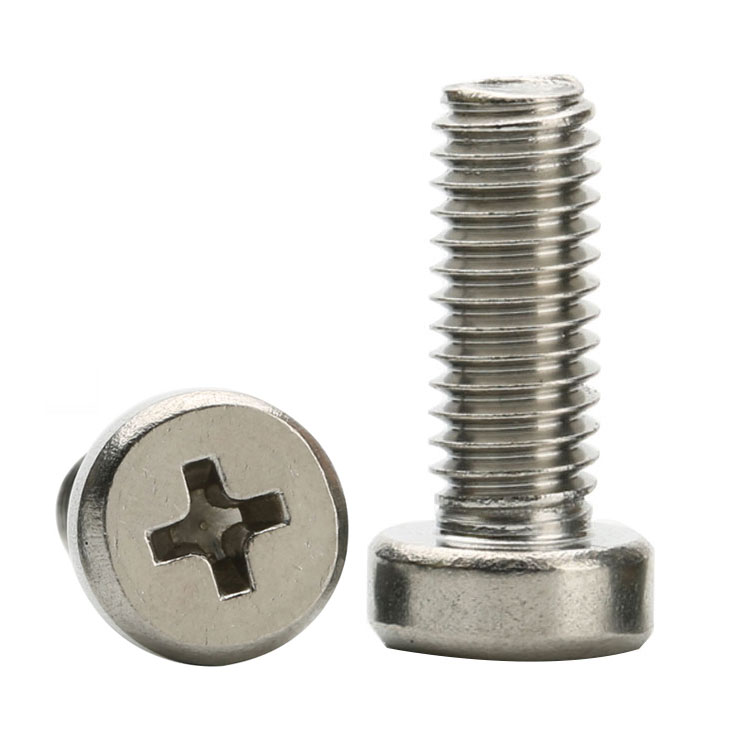
Stainless pan head screws are machine screws with a rounded head, a wide bearing face and a Phillips recess, made in A2 stainless and passivated so that nothing is plated on the part. These run from M1 to M14 and are quoted with Number 269.
Pan head. A domed top over a wide, slightly dished bearing face, which sits on the surface rather than in it.
Phillips recess. Four tapered arms driven with a standard cross-tip bit, releasing the driver at a set torque.
Machine thread. A uniform thread for a tapped hole, a nut or a threaded insert.
A2 stainless, passivated. No coating on the head, the recess or the thread, which is what the joint gets from a stainless supplier.
These screws are used wherever the joint is exposed, washed or inspected: food equipment, marine hardware, outdoor cabinets, medical fixtures and any assembly where a plated screw would eventually show rust at a scratch. The pan head is the default because it spreads the clamp without a washer and stands low enough to be unobtrusive.
Two things distinguish these stainless pan head screws from the rest of the pan head family: the drive is a plain Phillips with no slot cut through it, and the size range runs the whole M1 to M14 span rather than stopping at M10. Both matter more than they look.
The plain cross is the disciplined choice for a line. One bit size, one driver setting, and a recess that releases at a predictable torque. A combined cross-and-slot drive gives a field technician a second tool, but it also cuts through the tips of two arms, so the recess is weaker and the release point is less consistent. Where the assembly is controlled, the plain cross is the better fastener.
The full range matters because the same head form is used at both ends of a product. An M2 screw holding a lens and an M14 screw holding a frame bracket are the same specification line on a drawing, and being able to order them from one place with the same head and drive is a practical advantage rather than a technical one.
What stainless changes is everything after the drive. There is no coating to wear at the recess or to build in the thread, so the fit is the fit from the first assembly to the tenth. In exchange the material galls: stainless seizes against itself and against aluminium under load, and a joint that was assembled easily can be impossible to remove a year later without a lubricant at assembly.
The pan head also behaves differently in stainless because the material is softer than a hardened steel sheet. On thin sheet, a stainless pan head spreads the clamp well but can deform at the rim if it is pulled down hard; on a plastic face it marks less than a steel head because it yields slightly, which is often the reason it is chosen for visible equipment.
The recorded range is M1 to M14, with lengths made to the drawing. Custom lengths up to 2,000 mm are subject to DFM review after drawing submission. For stainless pan head screws the quotation carries head diameter and height, the PH size, thread pitch and the overall length.
| Item | How it is defined | What we control |
|---|---|---|
| Head | Pan, domed, wide bearing face | Diameter, height and bearing face flatness |
| Recess | Phillips, PH size per diameter | Arm depth and floor thickness |
| Thread | Machine thread | Pitch, length and start position |
| Length | Overall, head included | Length tolerance and thread start |
| Material | A2 stainless | Grade and heat number on the certificate |
| Finish | Passivated, plain | Surface condition and recess edges |
PH size follows the diameter and should be named on the drawing rather than left to the supplier. At the small end the difference between one PH size and the next is a recess that accepts the bit and one that is reamed by it, and at the large end it decides how much torque the drive will take before releasing.
Head diameter is the dimension that decides whether a panel is marked. On a soft face the wider head is usually right; on a hard, thin sheet a slightly smaller head with a thicker section resists deformation better than a very wide, very thin one.
Four features define stainless pan head screws, and each one is a trade:
| Feature | What it gives | What it costs |
|---|---|---|
| Pan bearing face | Clamp spread without a washer | Stands above the surface |
| Plain Phillips recess | One bit, predictable release | Climbs out when the bit is worn |
| Machine thread | Joint opens without damage | Needs a nut or a tapped insert |
| A2 stainless body | No coating to fail | Galls in aluminium and in itself |
| Passivated finish | Recess and thread as formed | Shows every mark on a bright head |
The absence of a coating is the feature that sells the part. On a plated screw, the recess and the thread crest are where the plating is thinnest, and they are also where the driver and the tapped hole do their work; a stainless screw has nothing to wear off, so the joint feels the same at the fiftieth assembly as at the first.
The cost is galling and appearance. A bright, uncoated head shows tool marks and fingerprints, and a stainless thread run into an aluminium part will seize if it is driven dry and fast. Both are managed at assembly rather than at the machine.
The recorded finish is passivation with no coating. Passivation removes free iron from the surface and lets the chromium oxide film rebuild evenly, which is what gives a stainless screw its resistance in service. It adds no measurable thickness, so the recess and the thread keep the size they were made to.
| Option | How it protects | Effect on recess and thread | Typical use |
|---|---|---|---|
| A2, passivated | Passive chromium oxide film | Recess and thread as formed | Outdoor and washdown |
| A4, passivated | Passive film with molybdenum | Recess and thread as formed | Marine and chloride |
| A2, electropolished | Thicker passive film, bright | Slight edge rounding; recess checked | Visible and hygienic |
| Steel, zinc plated | Sacrificial zinc | Build in recess; re-checked | Dry indoor joints |
| Steel, nickel plated | Hard bright barrier | Thin build; bright finish | Indoor visible panels |
The grade question is decided by chlorides rather than by humidity. A2 covers rain and condensation; A4 covers salt spray, chlorinated water and marine air. On a pan head the difference shows at the bearing face and in the thread, which are the two places that stay wet longest.
Electropolishing is worth the extra step where the screw is seen or where hygiene matters. It brightens the head, removes the burr at the recess edge that a bit would catch, and leaves a slightly thicker passive film, so the head still looks clean after a season rather than tea-stained.
Three assemblies where a stainless pan head is the default:
| Where it sits | The screw holds a guard or a cover where the surface is washed and no coating may flake into a product area. |
| When it goes wrong | A plated screw sheds its layer into the wash tray and the cover is rejected at inspection. |
| Why it happens | The joint is washed, hygienic, and the head is on a visible face. |
| What we control | Grade and passivation confirmed; first article cleaned and inspected. |
| Where it sits | The screw closes a panel that is rained on and inspected, where the head has to sit flat and stay bright. |
| When it goes wrong | Rust runs from the recess where the driver disturbed a coating that was too thin. |
| Why it happens | The joint is exposed, the panel is thin, and the head is wide. |
| What we control | Head and grade checked; first article fitted and left exposed. |
| Where it sits | The screw holds a bracket where the assembly is cleaned between uses and must not corrode or shed particles. |
| When it goes wrong | A plated screw corrodes at the recess and the joint cannot be sterilised cleanly. |
| Why it happens | The joint is cleaned, the screw is stainless, and the head is small. |
| What we control | Grade stated and traced; first article cleaned as the process requires. |
Four reasons that matter on a plain-cross stainless screw, each tied to something the drawing has to prove:
|
PH size named on the drawing
The PH size, recess depth and head height are agreed as a set, because the drive is the limiting feature on a pan head at small sizes. Basis: PH size named on the drawing. |
Headed, threaded and passivated in one route
The head and cross are formed in one stroke, the thread rolled, and the parts passivated as a batch with the recess checked afterwards. Basis: One route from wire to passivated screw. |
|
Recess proved with the bit
The recess is gauged and proved with the production bit, because a cross that measures correctly can still refuse a worn one. Basis: Recess proved with the production bit. |
First article in your joint
The first article is assembled in the customer part, because a stainless screw in an aluminium thread is decided by friction as much as by size. Basis: First article assembled in the joint. |
These screws are headed on single-die machines that form the pan head and cut the Phillips recess in one stroke, rolled with the machine thread and passivated as a batch. The first part of every run is measured on head diameter and height, recess depth, thread and length.


|

|
Stainless is harder to form than carbon steel and it work-hardens as it goes, so the punch that cuts the recess is checked at the start of every run rather than on a schedule. A punch that has run a little deep leaves a recess floor that is thinner than the drawing, and the head then deforms under a driver instead of releasing the bit as it should.
Passivation is the last step and the one that decides how the part survives. Parts are cleaned, dipped and rinsed, and the batch is recorded; free iron left on the head or in the recess would rust within weeks of being installed, and the customer would see it as a material fault rather than a process one.
What decides whether stainless pan head screws pass is the head, the recess, the thread and the grade. The inspection agreement covers those, and the criteria come from the drawing.

Head and recess on the projector |

Thread and start checked |

Core hardness checked |

Salt-spray testing of the grade |
Head diameter, height and the recess are measured on a projector, and the recess is proved with the production bit. The thread is gauged after passivation so that nothing in the finishing step has changed the fit, and the grade is confirmed against the material certificate.
A sample from every batch is assembled into the customer’s tapped part or insert and then removed. On a stainless screw in aluminium that cycle is what shows galling, and galling is the failure customers report first even when every dimension is correct.
Every batch is traceable to the wire it was made from and to the passivation batch that finished it. The grade and heat number appear on the material certificate supplied with the parts, and the inspection records follow the criteria agreed on the drawing.

ISO 9001:2015 |

RoHS test report |

Registered trademark |

Patent: security screw and driver |
With each shipment we supply the material certificate, the inspection record for the dimensions on the drawing and, where the grade is listed, the third-party report that covers it. The documents carry the drawing revision and the batch number, so a repeat order keeps the same head and the same recess.
More than 8,678 customers in 89 countries and regions have ordered from Shi Shi Tong; 87% of orders come from repeat customers and 56% through referrals. Most projects follow the same route: drawing review, first-article approval, then batches checked against that sample. On stainless pan head screws the first article is assembled into the customer part, because the friction of a stainless thread in an aluminium insert is not visible on the screw. Buyers visit during the process to review samples.
|
8,678+
customers served
|
87%
of orders from repeat customers
|
56%
of orders through referrals
|
89
countries and regions shipped to
|
Buyers and quality engineers visit for sample review, process discussion and supplier audits; the visit is arranged around production so the headers and the passivation line can be seen on the day the parts run.

Customer group visit – sample review |

Customer group visit – process discussion |

Customer group visit – factory tour |

Customer visit – project kick-off |

Danish customer – drawing review |

Industry exhibition – meeting customers |
A2 covers rain and condensation; A4 covers salt spray, chlorinated water and marine air.
Stainless galls against aluminium. A lubricant at assembly or a coated thread insert removes most of the problem.
The size matched to the diameter. The recess is gauged with that bit after passivation, because the fit is what the line will use.
Passivation adds no measurable thickness, so the recess and thread keep their size. A plated screw would change both.
Yes, with a nut or an insert behind it. On a very thin panel a wider head spreads the clamp better than a standard pan.
Head diameter and height, PH size, thread pitch, overall length and the grade.
How a stainless pan head screw runs from drawing to repeat delivery:
|
1
Send the drawing and the joint
|
→ |
2
Grade, PH size and thread agreed
|
→ |
3
First article assembled in your part
|
→ |
4
Batch production and repeat orders
|
Each step is confirmed with you before the next one starts; the drawing revision from the first article is what repeat orders are checked against.
For a quotation, send the drawing with the head diameter and height, PH size, thread pitch, overall length and the grade.
|
Head size
|
PH size
|
Thread pitch
|
|
Length
|
Grade
|
Finish
|
Sending a drawing? The form below does not take attachments. Email the PDF, DXF or STEP file to sst@szsst88.com with the part name and quantity in the subject line – the drawing is reviewed and a quotation follows.

 +86 13143444311
 sst@szsst88.com