Tel:
+86 13143444311
Email:sst@szsst88.com
Fax:+0086-755-27322278
Address:Building 9, First Industrial Zone, Tantou Industrial City, Songgang Street, Baoan District, Shenzhen 518105, Guangdong, China
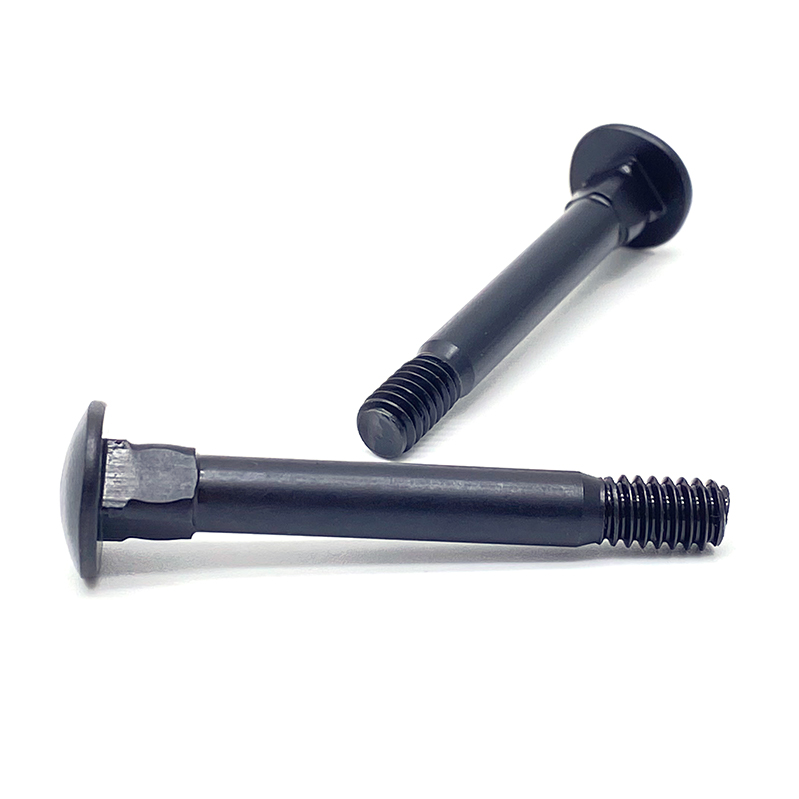
Type:Stainless Steel Shoulder Screws
Materials:Stainless Steel
Surface treatment:Plain
Head Type:Pan head
Drive:Single slot (blade)
Thread:Machine thread, partial
Forming:CNC turning and grinding; slot milled
Point:Plain, chamfered
Size:M3 M4 M5 M6 M7 M8 M9 M10
We make stainless shoulder screws with a slotted pan head, quoting the slot, head and shoulder to the drawing. A single slot drains and wipes where a cross would trap residue, so the head stays clean on equipment that is washed, and the shoulder keeps the position.
Watch the factory video·Email sst@szsst88.com
ISO 9001:2015 · Manufacturing since 1998 · 8,678+ customers · 89 countries and regions
Made to order – there is no stock catalogue. Each part is produced to your drawing, and production starts after drawing review and first-article approval.
Stainless shoulder screws are shoulder screws in a stainless grade, with a ground or turned locating diameter and a smaller thread behind it. The part recorded here is stainless steel left plain, with a slotted pan head, quoted from M3 upward and made to the drawing.
Stainless body. No coating to wear or chip, and no rust marks where the part meets a wet or washed surface.
Slotted pan head. A single straight slot in a head with a flat top and a flat bearing face.
Shoulder. The locating diameter that sets the position of the moving or fixed part.
They are used on equipment that is wiped, rinsed or inspected, where the fixing has to be cleanable as well as correct. The head is the part that is touched by a cloth, so its drive and its top surface carry more of the specification than they would on a part that is never washed.
A cross recess is four slots meeting at a point. That geometry leaves four internal corners where the slots meet the centre, and each corner is a place where a rinse cannot flow out and a cloth cannot reach. On equipment that is washed between runs, those corners collect what the wash leaves behind, and the head becomes a small reservoir of residue on an otherwise clean surface.
A slotted head is one straight channel. Water runs along it, a cloth passes through it, and there is no internal corner where material can sit. On a shoulder screw used on a wash-down machine, that difference is the reason to choose a slot even though a cross would give more torque.
The pan head reinforces the same argument. Its top is a shallow dome with a flat seat underneath, so the visible face can be wiped without a pocket to catch the cloth. A head with a recessed centre, or one with a very low profile that leaves a step, is harder to clean around the edge than a pan head is.
The stainless body completes the picture. There is no coating to chip at the slot edge and no rust spot to bloom out of a scratch, so the part does not have to be replaced for appearance before it wears out. That is what makes a stainless slotted shoulder screw a sensible choice for a machine that is cleaned often.
The trade is torque. A slot bears on two narrow edges and does not self-centre, so it is a lower-torque drive than a cross. On a shoulder screw that is often acceptable, because the shoulder sets the depth and the screw does not have to be pulled hard; where more torque is needed, the drive has to change.
The part is quoted to the drawing with the head, the slot, the shoulder and the thread stated separately. Custom lengths up to 2,000 mm, subject to DFM review after drawing submission. The quotation for stainless shoulder screws carries the head diameter and height, the slot width and depth, the shoulder diameter and length, the thread, and the bore.
| Item | How it is defined | What we control |
|---|---|---|
| Head | Pan head | Diameter, height and top surface |
| Slot | Single slot | Width, depth and edge finish |
| Shoulder | Locating diameter | Diameter, length and roundness |
| Thread | Machine thread behind the shoulder | Size, length and start |
| Grade | Stainless | Alloy and passivation |
| Bore | In the customer part | Agreed with the shoulder |
The slot width is stated because the blade is chosen by it, and on a cleanable part the slot edges are also a cleaning feature: a burr or a rolled edge there holds residue and is hard to wipe.
The head height sets how much material is available for the slot and how flat the top surface is. On a pan head there is enough height for a full-depth slot, which is why this head form and this drive go together.
The shoulder is agreed against the bore, as on any locating part. In a wash-down assembly the bore is often in a plate that is also stainless, and the pair is checked in the material it will run in.
Four properties decide these stainless shoulder screws, and each one carries a cost:
| Property | What it gives | What it costs |
|---|---|---|
| Single slot | A channel that drains and wipes | Lower torque than a cross |
| Pan head | A flat top that can be cleaned | Stands above the surface |
| Stainless body | No coating to chip or rust | Galling on stainless threads |
| Ground shoulder | A defined locating diameter | Bore match needed |
The value is a fixing that stays clean and keeps its position. On equipment that is washed, that combination matters more than the extra torque a cross would give, and it is the reason a slot survives on parts that could otherwise use a cross.
On stainless shoulder screws the cost is the drive and the thread material. A slot takes less torque, and stainless against stainless can gall, so the assembly is usually done with a lubricant or a controlled thread fit.
The recorded finish is plain stainless steel, cleaned and passivated. On equipment that is washed, a bare passivated surface is what allows a wipe to be effective: there is no coating to absorb, no plate to chip at an edge and no film that hides residue in a corner.
| Option | How it protects | Effect on slot and shoulder | Typical use |
|---|---|---|---|
| Plain, passivated | Passive film, no coating | Slot and shoulder as made | Wash-down equipment |
| Passivated 316 | Higher alloy passive layer | No build; better in chlorides | Food and chemical plant |
| Electropolished | Level surface, thinner passive layer | Slot edges smoothed | Hygienic and medical |
| Nickel plated | Hard bright barrier | Thin build; slot re-gauged | Visible decorative parts |
| Bead blasted | Matte, uniform surface | Can round slot edges | Optical instruments |
Electropolishing is the finish to consider for a hygienic part. It removes a thin layer of material and smooths the slot edges, which makes the head easier to wipe, at the cost of a small change in the slot width that has to be allowed for.
Bead blasting is the finish to avoid on a slotted head. It makes the surface uniform but rounds the slot edges, and rounded edges both reduce the blade’s grip and hold residue where a sharp, clean edge would not.
Three settings where the fixing is cleaned as often as it is used:
| Where it sits | The screw holds a guide, a stop or a cover on equipment that is rinsed between production runs. |
| When it goes wrong | Residue builds up at the head, and the wash does not remove it. |
| Why it happens | The drive has internal corners, or the head has a step that the cloth cannot reach. |
| What we control | Slot and head surface checked; first article cleaned as the customer cleans it. |
| Where it sits | The screw locates a component in a machine that is inspected as well as cleaned. |
| When it goes wrong | The part shows rust or a coating edge, and the inspection fails. |
| Why it happens | The screw is plated, and the plate chips at the slot; or the grade is not 316. |
| What we control | Grade confirmed on the certificate; first article passed through the cleaning cycle. |
| Where it sits | The screw holds a mount or a stop where the surface is inspected under light. |
| When it goes wrong | Dust sits in the drive, and the joint cannot be wiped clean. |
| Why it happens | The drive is deep and pocketed, or the surface has a texture that traps dust. |
| What we control | Slot and surface finish checked; first article inspected under the customer light. |
Four reasons that matter on a part whose value is what it does not collect, each tied to something the drawing or the first article proves. All four show in the sample.
|
Slot and head surface specified
The drawing states the slot width and the head surface, because on a cleanable part the edge of the slot is part of the cleaning surface. Basis: Slot and surface dimensioned. |
Edges cut clean, not rolled
The slot is cut with tooling set for stainless, so the edges stay sharp and wipe clean rather than holding material. Basis: Clean slot edges. |
|
Cleaned the customer way
The first article is cleaned with the method the customer uses, because a rinse and a wipe behave differently in a slot. Basis: Cleaning proved on sample. |
Same grade on repeat runs
Grade, slot and surface finish are recorded with the drawing revision, so a repeat batch cleans the same way. Basis: Same grade across orders. |
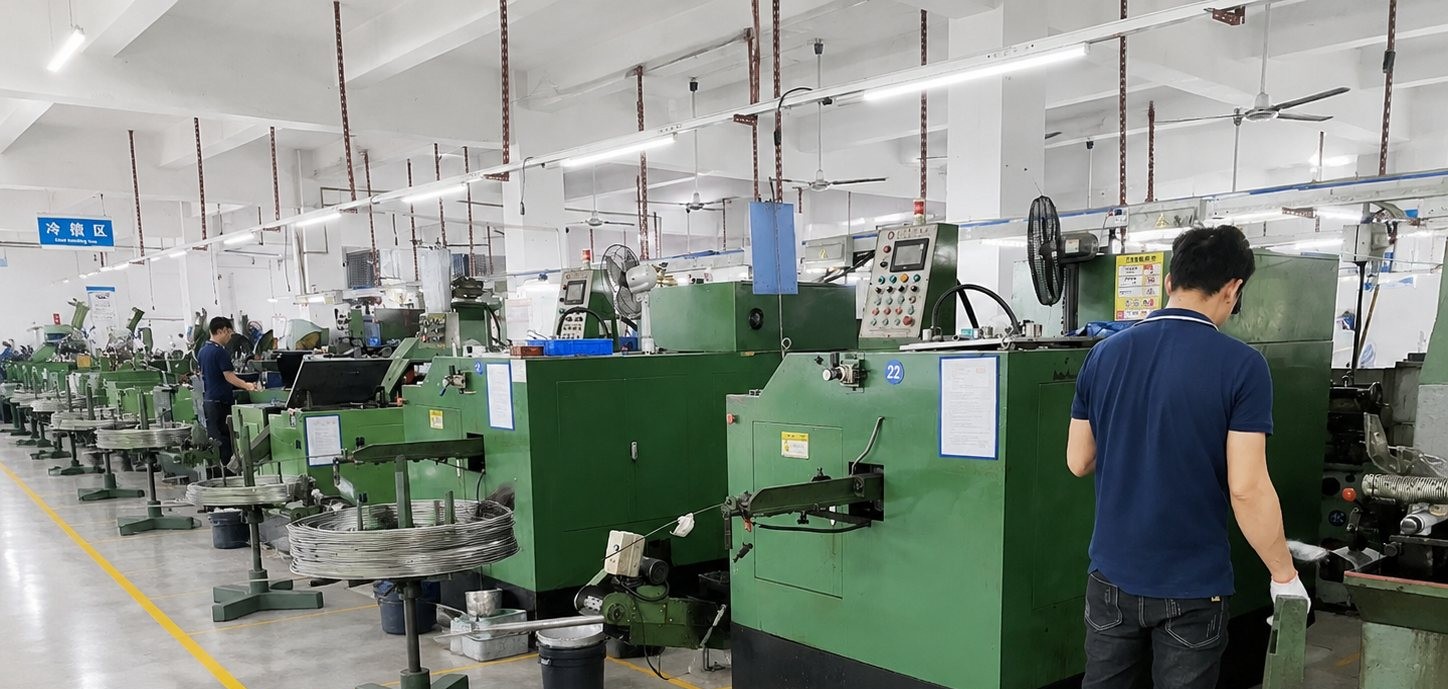
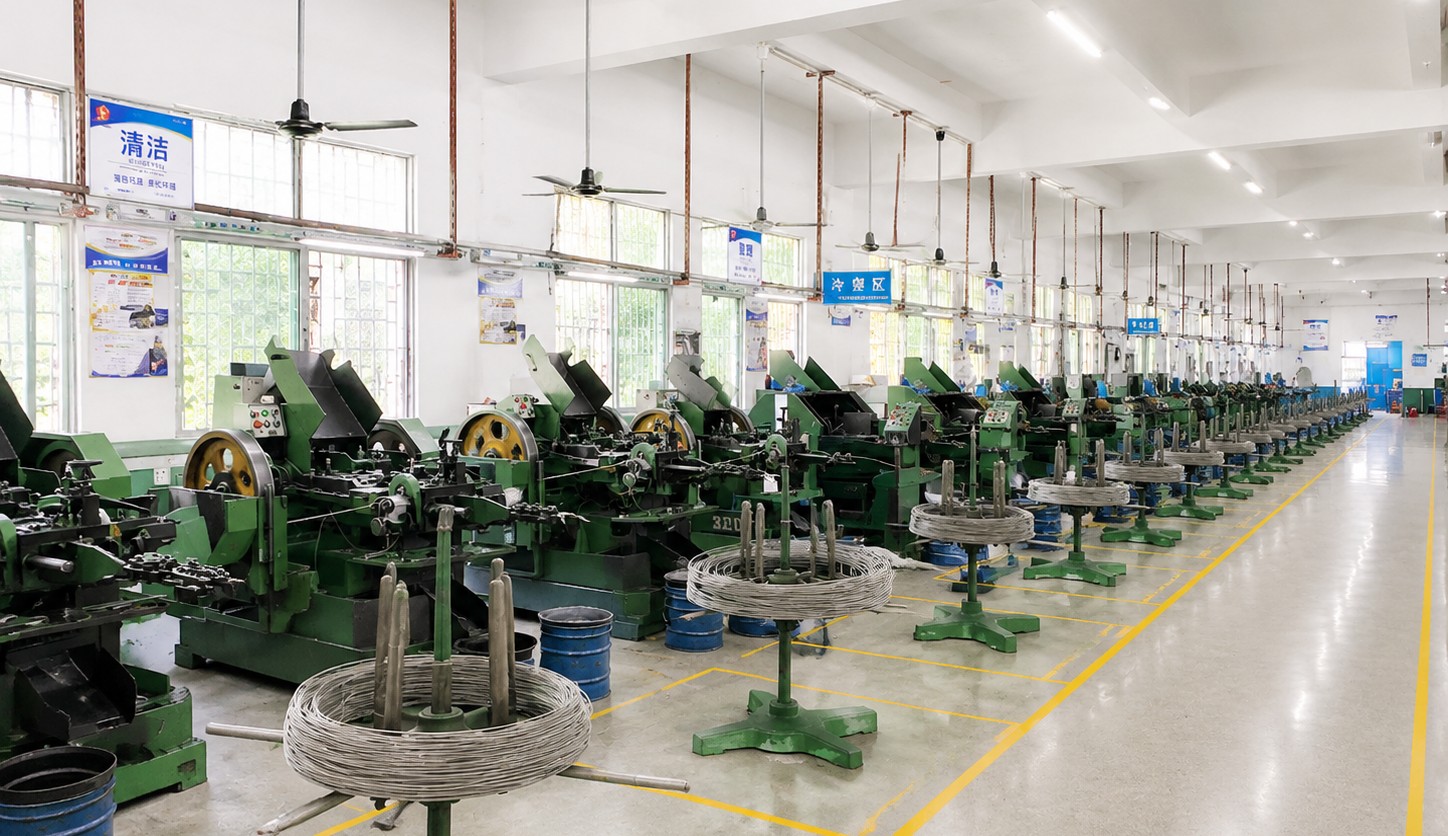
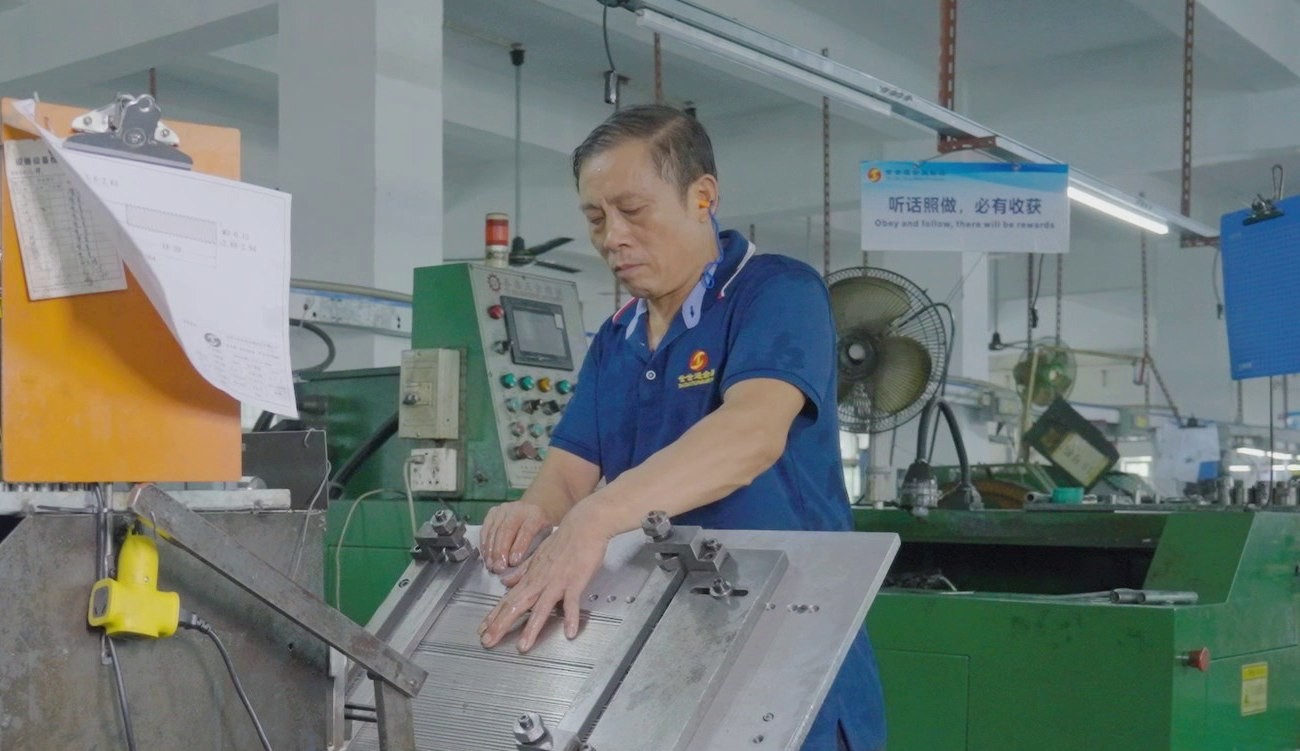
These screws are turned from stainless bar, with the pan head formed and faced, the slot milled, the shoulder turned and the thread cut behind it; the parts are cleaned, passivated and inspected. The first piece of every run is measured on head diameter and height, slot width and depth, shoulder diameter and length, and thread.
|
|
The slot is the feature that decides how the part cleans. It is milled with a cutter that leaves straight walls and a clean floor, and the edges are left sharp rather than broken: a sharp edge drains and wipes, where a rounded edge holds a film. The cutter is changed on a count, because a worn one smears the slot floor and leaves a surface that traps material.
The pan head is faced after the shoulder is turned, so the top surface and the seat face are finished on the same axis. On a cleanable part the top surface is inspected as well as measured, and a face with tool marks is a face that holds dust.
Passivation comes last and is done on the finished part, so the surface the customer cleans is the surface that was passivated. Where a smoother surface is specified, electropolishing follows passivation and the slot is re-checked afterwards.
What decides whether stainless shoulder screws pass is the slot, the head surface and the shoulder. The inspection agreement covers those, and the criteria come from the drawing.

Slot and head on the projector |

Thread and start checked |

Material checked |

Salt-spray testing where plated |
The slot is measured for width and depth and checked with a blade of the stated width. The edges are inspected for burrs and for rolled material, because either one is a place where residue collects.
The head surface is checked for tool marks and for the flatness of the seat underneath. A dished seat leaves the joint tight at the rim and loose in between, which on a wash-down machine is a gap that fills.
The shoulder is measured for diameter, roundness and length, and the grade is confirmed against the mill certificate. For hygienic parts, a sample is electropolished and checked for how the slot wipes, because the cleaning performance is the property being bought.
Every batch of stainless shoulder screws is traceable to the bar it was made from and to the passivation lot that finished it. The grade and heat number appear on the material certificate supplied with the parts, and the dimensional results are recorded against the drawing revision.

ISO 9001:2015 |

RoHS test report |

Registered trademark |

Patent: security screw and driver |
With each shipment we supply the material certificate, the inspection record for the dimensions on the drawing, including the slot and the shoulder, and the passivation record. The records carry the drawing revision and the batch number, so a repeat order of stainless shoulder screws is cleaned and assessed the same way.
More than 8,678 customers in 89 countries and regions have ordered from Shi Shi Tong; 87% of orders come from repeat customers and 56% through referrals. Most projects follow the same route: drawing review, first-article approval, then batches checked against that sample. On a cleanable part the first article is washed and wiped the way the customer does it. Buyers visit during the process to review samples.
|
8,678+
customers served
|
87%
of orders from repeat customers
|
56%
of orders through referrals
|
89
countries and regions shipped to
|
Buyers and quality engineers visit for sample review, process discussion and supplier audits; the visit is arranged around production so the slot milling and the passivation line can be seen on the day the parts run.

Customer group visit – sample review |

Customer group visit – process discussion |

Customer group visit – factory tour |

Customer visit – project kick-off |

Danish customer – drawing review |

Industry exhibition – meeting customers |
A slot is one straight channel that drains and wipes. A cross has four internal corners where a wash or a cloth leaves residue.
Yes. It bears on two narrow edges and does not self-centre, so it is used where the shoulder sets the depth and high torque is not needed.
Its top is a shallow dome with a flat seat, so it can be wiped without leaving a step for the cloth to catch on.
Passivation is the minimum. Electropolishing is used where a smoother, easier-to-wipe surface is required.
Heavy plating and bead blasting. Both change the slot, and blasting rounds the edges that are supposed to drain clean.
Head diameter and height, slot width and depth, shoulder diameter and length, thread, grade, and the bore.
How a stainless shoulder screw project runs from drawing to repeat delivery:
|
1
Send the drawing, the bore and the cleaning method
|
→ |
2
Slot, head and shoulder agreed
|
→ |
3
First article cleaned and fitted
|
→ |
4
Batch production and repeat orders
|
Each step is confirmed with you before the next one starts; the drawing revision from the first article is what repeat orders are checked against.
For a quotation, send the drawing with the head diameter and height, slot width and depth, shoulder diameter and length, thread, grade and finish, and how the part is cleaned.
|
Head size
|
Slot width
|
Slot depth
|
|
Shoulder diameter
|
Thread
|
Cleaning method
|
Sending a drawing? The form below does not take attachments. Email the PDF, DXF or STEP file to sst@szsst88.com with the part name and quantity in the subject line – the drawing is reviewed and a quotation follows.

 +86 13143444311
 sst@szsst88.com