Tel:
+86 13143444311
Email:sst@szsst88.com
Fax:+0086-755-27322278
Address:Building 9, First Industrial Zone, Tantou Industrial City, Songgang Street, Baoan District, Shenzhen 518105, Guangdong, China
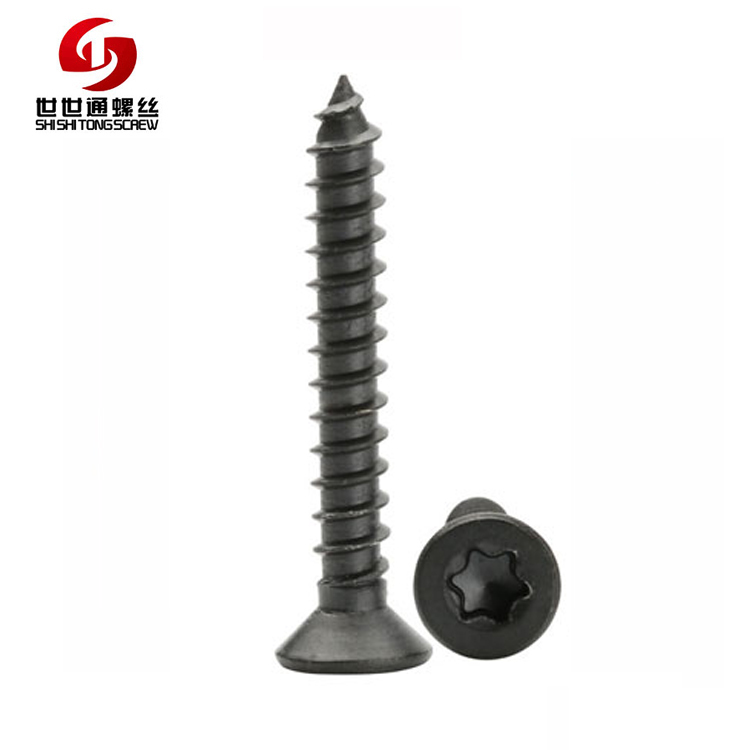
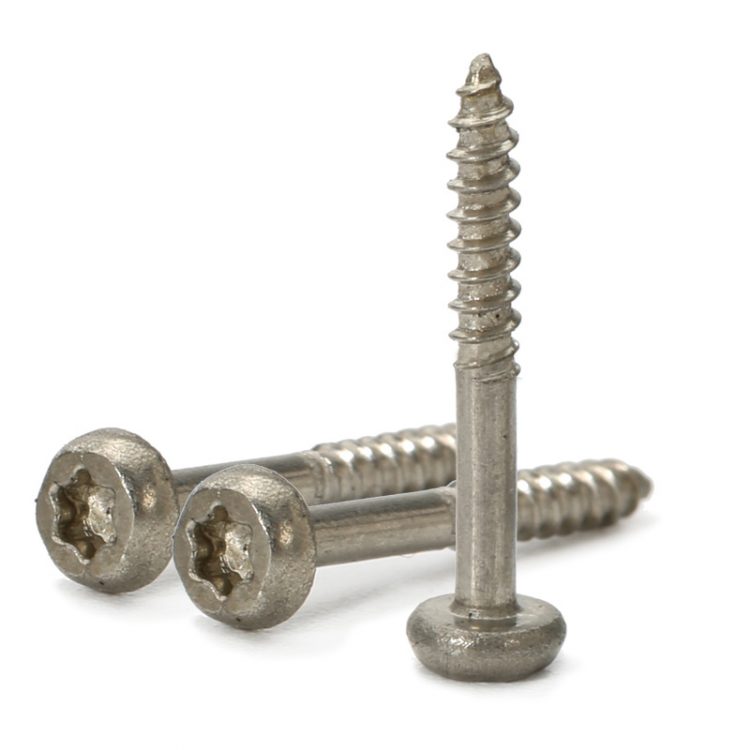
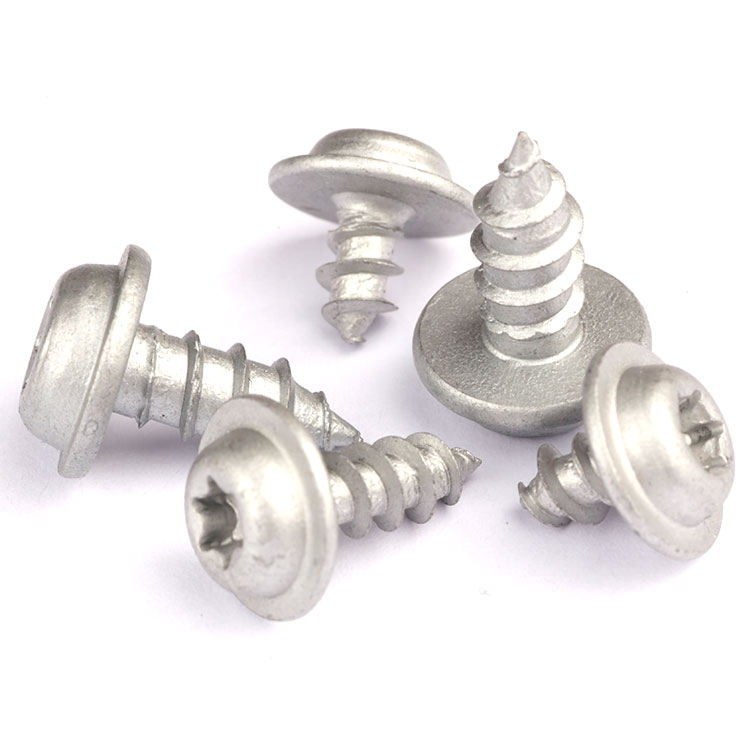
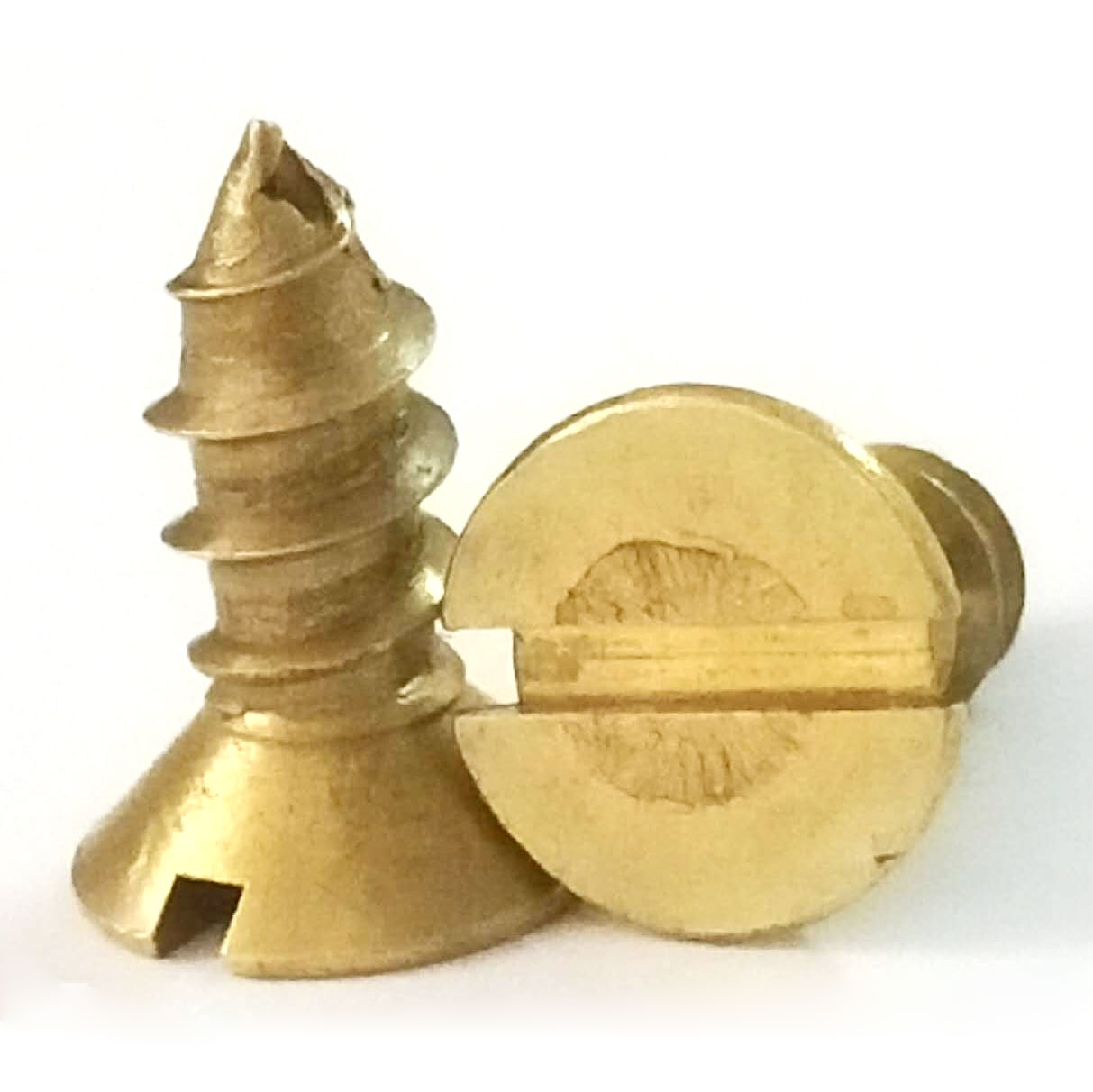
Type:Titanium Self Tapping Screws
Materials:Titanium
Surface treatment:Plain
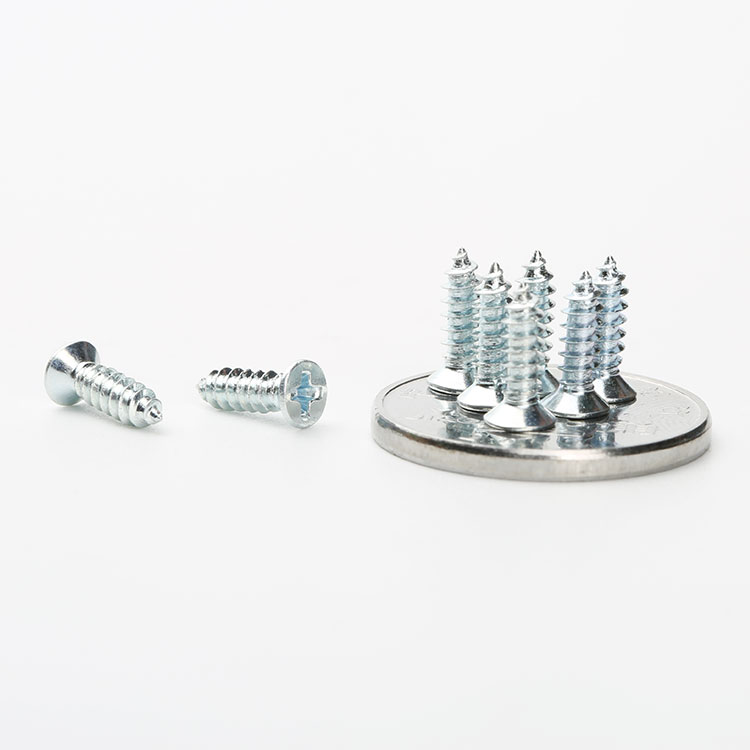
Head Type:Flat countersunk head
Drive:Torx
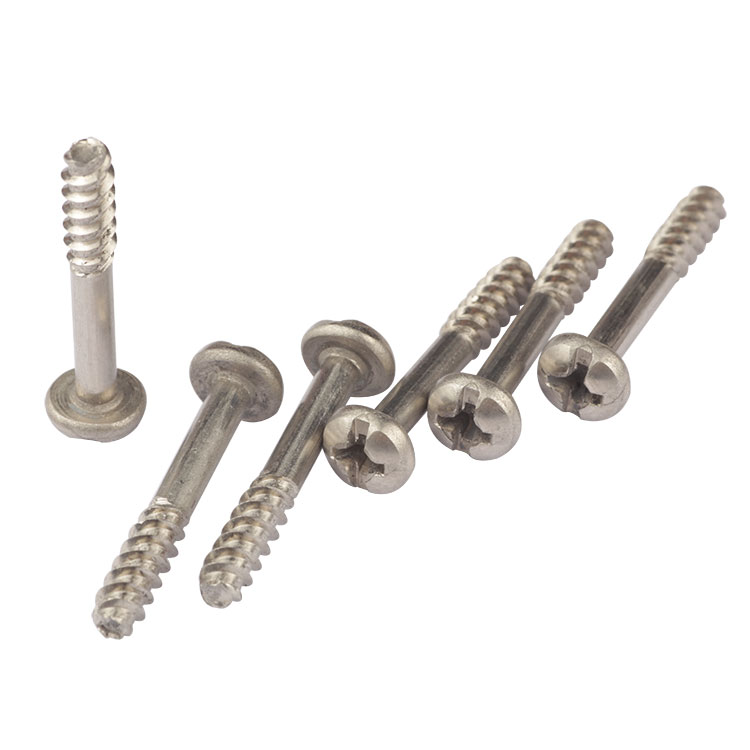
Thread:Coarse self tapping thread
Point:Sharp gimlet point
Forming:Turned or headed; Torx recess cut; thread rolled
Size:M1 M2 M3 M4 M5 M6 M7 M8 M9 M10
We make titanium self tapping screws with a flat countersunk head and a Torx recess, quoting head angle, recess and pilot to the drawing. A countersunk head is drawn into its seat by the cone, so the pilot and the countersink angle decide whether the head finishes flush.
Watch the factory video·Email sst@szsst88.com
ISO 9001:2015 · Manufacturing since 1998 · 8,678+ customers · 89 countries and regions
Made to order – there is no stock catalogue. Each part is produced to your drawing, and production starts after drawing review and first-article approval.
Titanium self tapping screws are fasteners in titanium that cut their own thread in sheet metal, wood or plastic, so no tapped hole is needed. This part has a flat countersunk head, a Torx recess and a sharp point, is made in titanium and supplied plain, and is quoted from M1 upward with the length made to the drawing.
Titanium body. No rust, no magnetism, and roughly half the weight of a steel screw of the same size.
Flat countersunk head. A cone that seats into a matching countersink so the head finishes flush.
Torx recess. Six lobes rather than a cross, which lets the driver push torque without climbing out.
Self tapping thread. A coarse thread and a sharp point that cut their own path on the way in.
They are used where a flush fixing has to hold in sheet or board and the part is expected to resist corrosion for the life of the product, on equipment that is washed, carried or left outdoors.
A flat head does not sit on the sheet; it pulls the sheet up its cone. As the screw turns and the thread starts to grip, the cone wedges into the countersink and the sheet is drawn along it until the two faces meet. The flush finish people buy a countersunk screw for is the end of that process, not a starting condition, and whether it happens depends on the hole.
That is why the pilot diameter carries more weight on this head than on any other. If the pilot is too small, the thread cannot start and the screw spins, burnishing the countersink without ever seating. If it is too large, the thread bites shallow, the cone stalls before the faces meet and the head stands proud on a screw that has already reached its torque.
Torx helps here in a way that is easy to miss. A Phillips driver climbs out of its recess when the torque rises, which on a countersunk screw happens exactly when the cone begins to load. The operator feels the cam-out and stops, and the head never seats. A Torx recess holds, so the full torque reaches the cone and the sheet can be drawn into the seat.
Titanium changes the margin around that. The material is stiff in the sense that it does not yield locally to correct a bad seat: where a soft steel head would deform slightly and follow an imperfect countersink, a titanium head stays on its two machined faces and the error shows as a gap or a proud head. The countersink angle and the pilot have to be right the first time rather than settled in by tightening.
The thread has its own limit in thin sheet. A self tapping thread in a sheet only a few tenths thick engages one or two turns, and that engagement carries the whole clamp. Titanium’s higher strength per unit area helps the screw, but it cannot add material to the sheet; where the sheet is too thin, a larger head or a washer does more than a stronger screw.
None of this is visible on a drawing that states only the thread size. The counter sink angle, the minor diameter and the sheet thickness are what decide whether a titanium self tapping screw seats flush, and they are worth agreeing before the first batch.
Titanium self tapping screws are quoted by thread size, length, head diameter and angle, recess size, point and the pilot the joint uses. Custom lengths up to 2,000 mm, subject to DFM review after drawing submission. The quotation carries the grade, the head, the recess, the thread and the finish.
| Item | How it is defined | What we control |
|---|---|---|
| Grade | Commercially pure or alloy | Alloy and mechanical properties |
| Head | Flat countersunk | Diameter, angle and cone face |
| Recess | Torx | Size, depth and lobe form |
| Thread | Coarse self tapping | Pitch, major diameter and length |
| Point | Sharp (gimlet) | Angle and centring |
| Joint | Pilot hole | Diameter agreed with the sheet |
The head angle is normally 90 degrees, with 60 and 120 available where the sheet or the customer’s countersink calls for them. An angle that does not match the countersink produces line contact at the rim, which marks the sheet and leaves the cone carrying no load.
The head diameter sets how much of the sheet the cone gathers. A larger head draws more material into the seat and spreads the load, at the cost of a wider countersink and more of the sheet removed before the joint starts.
The point is the starting feature. A sharp gimlet point centres itself in a pilot mark and begins cutting on the first turn; a blunt point skates on a hard sheet and needs a deeper pilot to stay put.
Four properties decide this part, and each carries a cost:
| Property | What it gives | What it costs |
|---|---|---|
| Titanium body | No rust, no magnetism, half the weight | Material and machining cost |
| Flat countersunk head | Flush finish in the sheet | Needs a matched countersink |
| Torx recess | High torque without cam-out | Needs the right bit; no cross driver |
| Self tapping thread | No tapped hole, no nut | Limited engagement in thin sheet |
The value is a flush, corrosion-free fixing that assembles with one tool and leaves no head standing above the surface, on a panel that will be seen and handled.
The cost is a joint that has to be designed rather than chosen. The countersink, the pilot and the sheet thickness are all part of the specification, and a screw bought without them may never seat.
The fourth property, the self tapping thread, is also where the material choice pays. A steel self tapping screw in a wet joint rusts from the point outward, because that is the end that is cut into the sheet and left with no coating. A titanium thread keeps its surface where it is cut, which is a quiet advantage on marine and outdoor work.
The recorded finish is plain: the natural oxide that grows on titanium in air within minutes of machining and regrows if it is removed. It is what gives the material its corrosion resistance, and it adds nothing to the dimensions of a countersunk head, where the cone has to seat on its full face.
| Option | How it protects | Effect on the seat | Typical use |
|---|---|---|---|
| Plain titanium | Natural passive oxide | No build; cone seats as cut | General and marine parts |
| Anodised | Grown oxide, colour by thickness | No build; may darken the head | Visible instrument parts |
| Gold plated | Thin metal layer | Build; cone re-checked | Warm decorative finish |
| Dry film lubricant | Low-friction film | Thin; eases galling | Joints opened in service |
| Passivated | Cleaned and thickened oxide | No build | Medical and food equipment |
Plain is the right answer for a countersunk head because the seat is a contact surface, and any applied layer sits between the cone and the sheet. A coating of a few microns changes the angle at which the two faces meet, which on a flush joint shows as a hairline.
Where the screw is coloured for appearance, anodising is the finish that does not add thickness: the oxide grows into the metal as much as on it, so the cone keeps its geometry while the head changes colour.
Three products where a flush fixing into sheet or board earns its place:
| Where it sits | The screw closes a cover in thin aluminium where the fixing has to finish flush with the panel. |
| When it goes wrong | The head stands proud, or the countersink shows a bright ring where it never seated. |
| Why it happens | The countersink angle does not match the head, and the pilot is set for a machine screw. |
| What we control | Head angle and pilot agreed with the sheet; first article assembled and inspected. |
| Where it sits | The screw holds a cleat or a cover on a fitting that is wet for most of its life. |
| When it goes wrong | The thread seizes in the frame, or corrosion starts at the countersink edge. |
| Why it happens | Titanium galls on itself, and the countersink edge is where the sheet is thinnest. |
| What we control | Mating material and lubricant agreed; sample exposed and dismantled. |
| Where it sits | The screw closes a housing that is cleaned with solvents and inspected for particles. |
| When it goes wrong | The recess traps residue, or the head cannot be cleaned around its edge. |
| Why it happens | A deep recess collects material, and a proud head leaves a ledge. |
| What we control | Recess depth and seat checked; first article cleaned and inspected. |
Four points that decide whether a countersunk titanium screw seats, each of them proved on the first article:
|
Head angle and pilot on the drawing
The drawing states the cone angle, the head diameter and the pilot, because the seat is a joint rather than a screw feature. Basis: Seat designed, not assumed. |
Turned or headed, then left plain
The head and cone are finished to size and supplied without a coating, so the seat measures what the drawing measures. Basis: Cone as machined. |
|
Seated in the customer sheet
The first article is driven into a sample of the customer material and inspected for flushness and a gap. Basis: Flushness proved in the sheet. |
Same grade and same cone
Grade and head geometry are recorded with the drawing revision, so a repeat lot seats in the same countersink. Basis: Same seat across lots. |
A countersunk screw can pass every dimensional check and still stand proud, because the dimension that matters is the gap between two parts that were made in different factories. These four points are how that gap is closed before the batch is run.
Titanium self tapping screws are turned from bar or headed from wire, with the countersink cone formed in the same operation as the head, the Torx recess cut into the head, and the coarse thread rolled or cut before the point is finished. The first piece of every run is measured on head angle and diameter, recess, thread and length, and driven into a sample of the customer sheet.


|

|
The cone is the feature that decides the joint, so it is formed in one pass rather than blended afterwards. A cone that is turned in two operations can come out slightly oval or with a step at the transition, and a step is where the sheet will stop being drawn into the seat.
The recess is cut after the head so the lobes are concentric with the cone. If the Torx is off-centre, the driver pushes at an angle, the cone loads on one side and the head sits tilted in the countersink.
The thread and point are finished last, because rolling or cutting the thread can disturb a thin head edge. Where the part is headed, the point is formed by the header tool and only touched up; where it is turned, the point is cut in the same setup as the thread.
What decides whether a batch of titanium self tapping screws passes is the cone that seats, the recess that drives it and the thread that holds it. The inspection agreement covers those, and the criteria come from the drawing.

Head and cone on the projector |

Thread and point checked |

Material checked |

Salt-spray testing where a coating applies |
The head is measured for angle and diameter on the projector, and the cone is checked for a continuous face from the rim to the fillet. A cone with a step or a wavy face will not seat evenly whatever its nominal angle.
The recess is measured for size and depth and driven with the specified Torx bit. The bit test is the one that shows whether the lobes are deep enough and concentric with the cone.
The thread and point are gauged and then driven into a sample of the joint material. The seating test records the driving torque, whether the head finished flush and whether a gap was visible under a light. That combination is the acceptance the customer cares about.
Every batch of titanium self tapping screws is traceable to the bar or wire it was made from. The material certificate states the grade, the heat number, the chemistry and the mechanical properties, and the inspection record carries the head, recess and thread dimensions against the drawing revision.

ISO 9001:2015 |

RoHS test report |

Registered trademark |

Patent: security screw and driver |
With each shipment we supply the material certificate and the inspection record, including the seating test where the drawing calls for one. The records carry the batch number, so a repeat order can be compared with the first on the number that decides the joint: whether the head seats flush.
More than 8,678 customers in 89 countries and regions have ordered from Shi Shi Tong; 87% of orders come from repeat customers and 56% through referrals. Most projects follow the same route: drawing review, first-article approval, then batches checked against that sample. On a countersunk screw the first article is seated in the customer’s own sheet, because that is the only way to see whether the head finishes flush. Buyers visit during the process to review samples.
|
8,678+
customers served
|
87%
of orders from repeat customers
|
56%
of orders through referrals
|
89
countries and regions shipped to
|
Buyers and quality engineers visit for sample review, process discussion and supplier audits; the visit is arranged around production so the turning cell and the recess machining can be seen on the day the parts run.

Customer group visit – sample review |

Customer group visit – process discussion |

Customer group visit – factory tour |

Customer visit – project kick-off |

Danish customer – drawing review |

Industry exhibition – meeting customers |
In sheet metal and board, yes. The pilot sets how much thread engages and whether the countersink can be drawn in.
Usually a pilot that is too large, or a countersink angle that does not match the head, so the cone stalls before the faces meet.
A Torx recess holds under rising torque, so the cone gets loaded instead of the driver climbing out.
It can against titanium or stainless. A dry film lubricant or a different mating material is specified where the joint is opened.
Yes, and anodising does not add measurable thickness, which keeps the cone geometry intact.
Grade, head diameter and angle, Torx size, thread and pitch, point, length and the pilot used in the joint.
How a countersunk titanium screw project runs from drawing to repeat delivery:
|
1
Send the drawing and a sheet sample
|
→ |
2
Head angle, pilot and recess agreed
|
→ |
3
First article seated and inspected
|
→ |
4
Batch production and repeat orders
|
Each step is confirmed with you before the next one starts; the drawing revision used for the first article is what repeat orders are checked against.
For a quotation, send the drawing with the grade, head diameter and angle, Torx size, thread and pitch, point, length and the pilot used in the joint.
|
Grade
|
Head angle
|
Torx size
|
|
Thread
|
Point
|
Pilot
|
Sending a drawing? The form below does not take attachments. Email the PDF, DXF or STEP file to sst@szsst88.com with the part name and quantity in the subject line – the drawing is reviewed and a quotation follows.

 +86 13143444311
 sst@szsst88.com