Tel:
+86 13143444311
Email:sst@szsst88.com
Fax:+0086-755-27322278
Address:Building 9, First Industrial Zone, Tantou Industrial City, Songgang Street, Baoan District, Shenzhen 518105, Guangdong, China
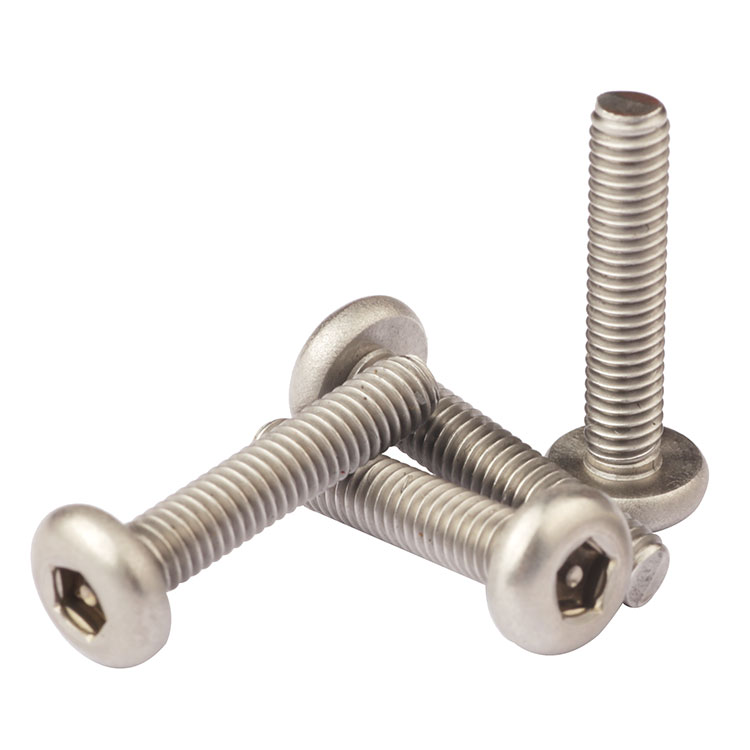
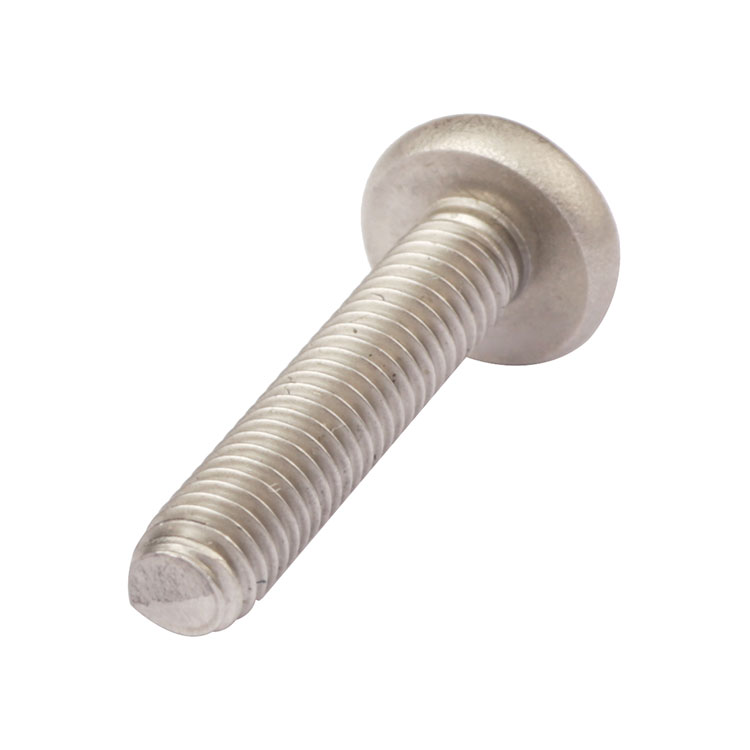
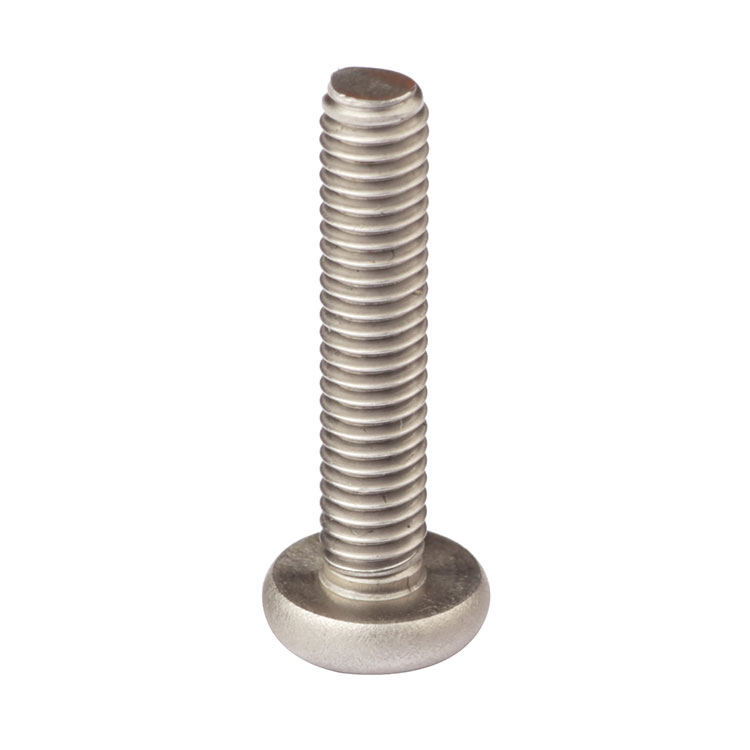
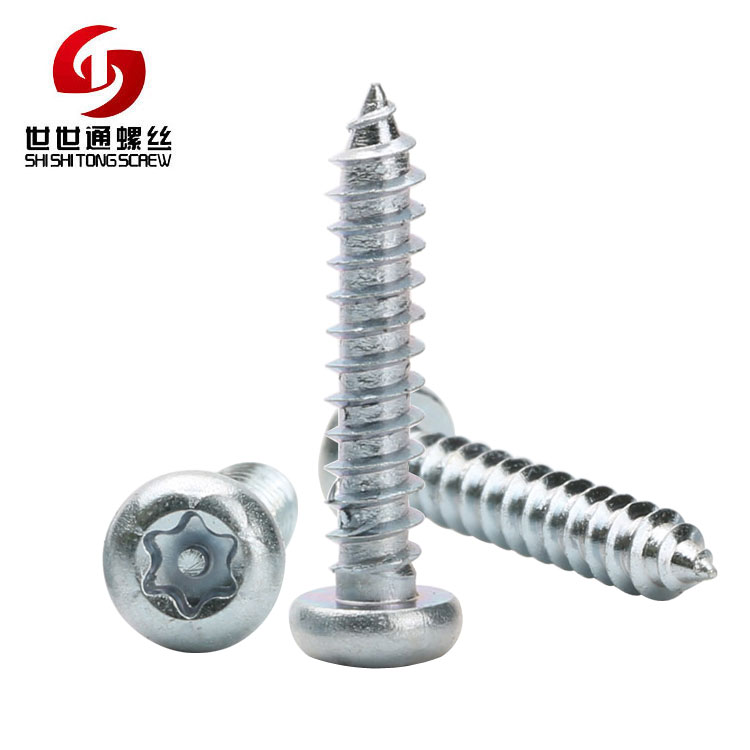
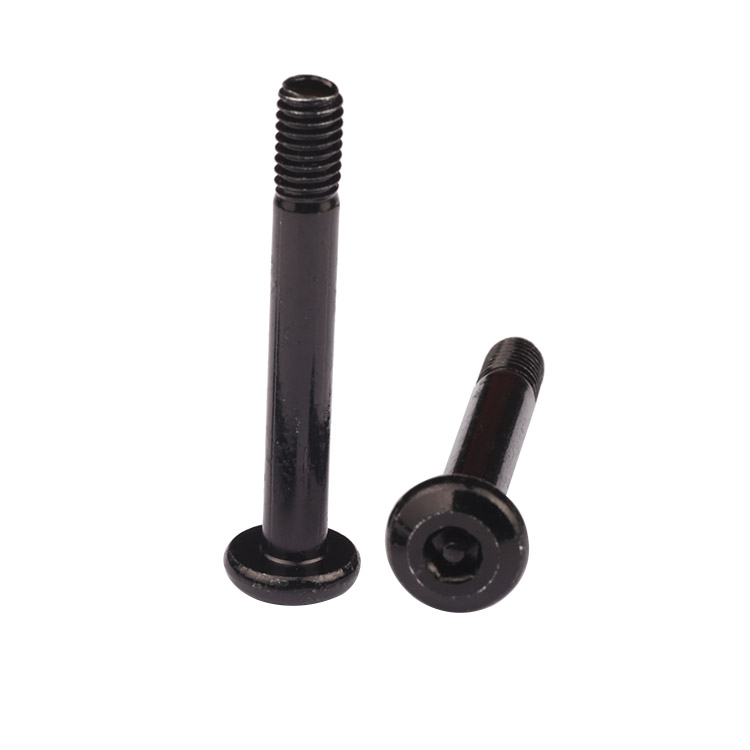
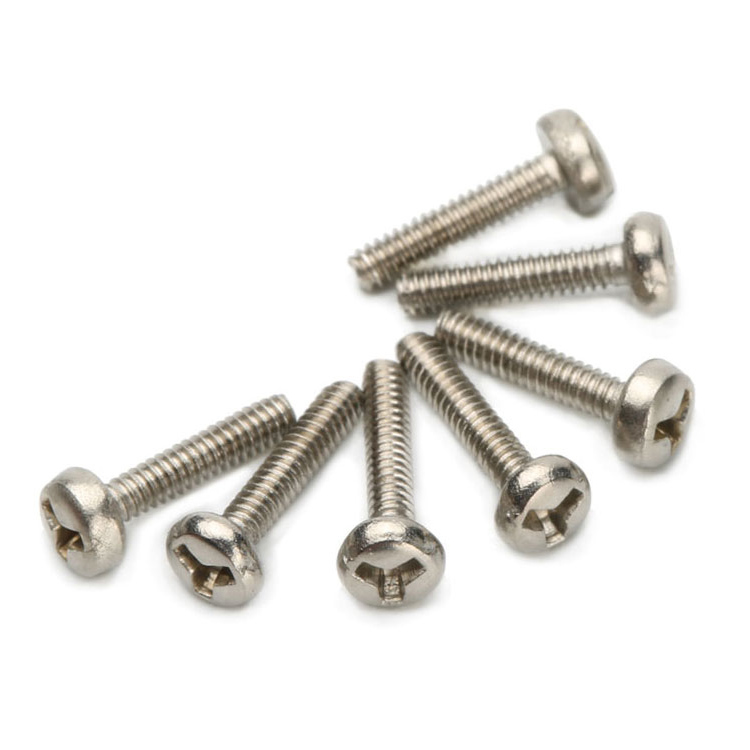
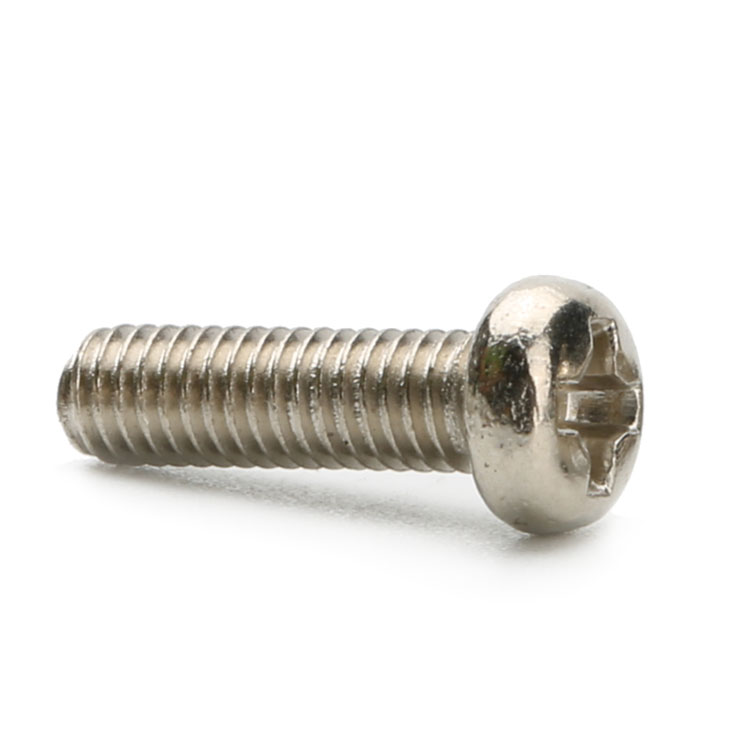
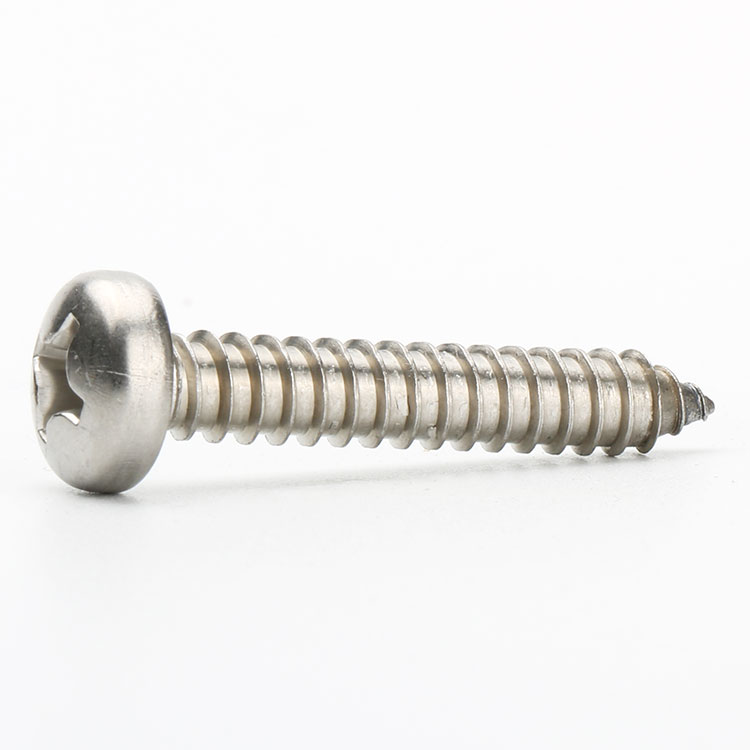
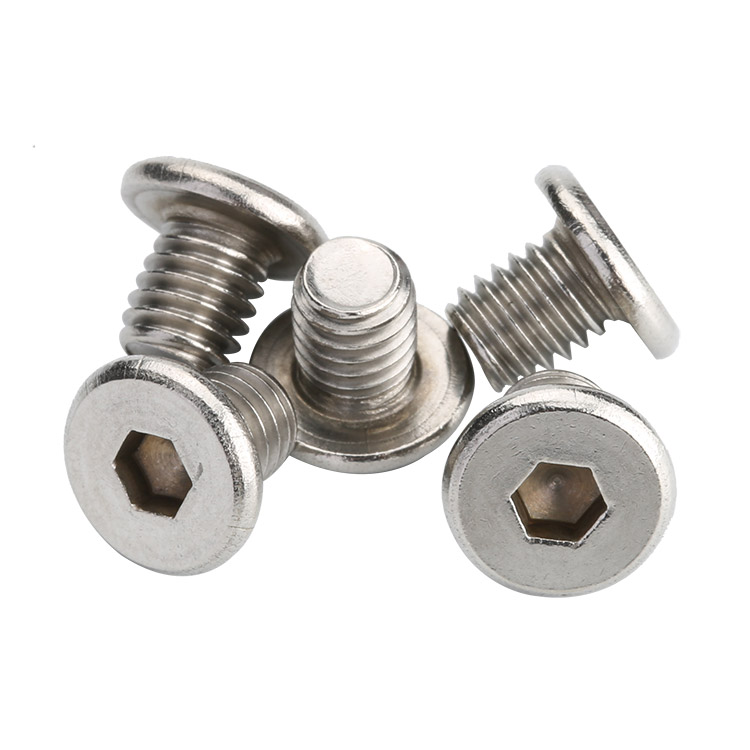
Type:Light Bar Security Screws, Screw Security
Materials:Stainless Steel
Surface treatment:Plain
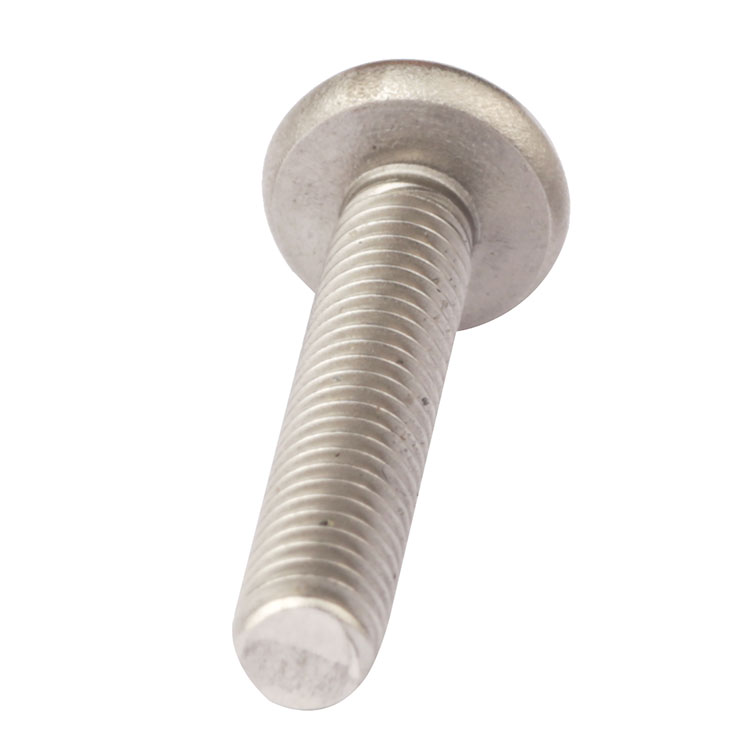
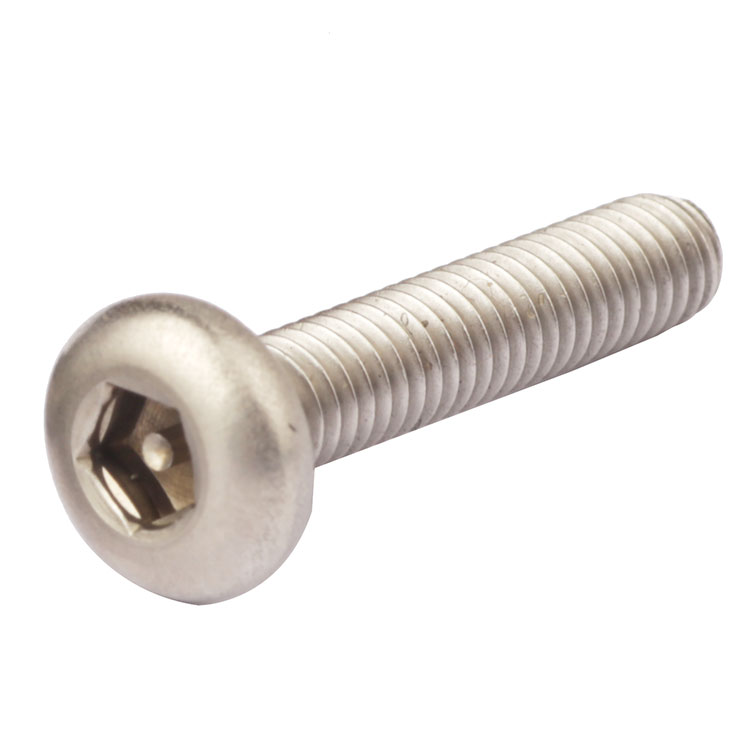
Head Type:Pan head
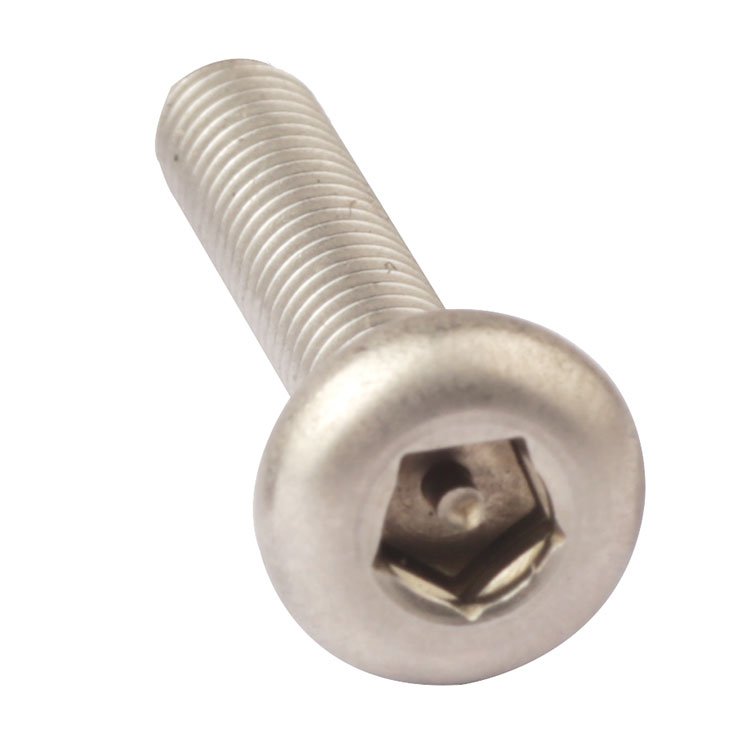
Drive:Security drive per drawing
Thread:Machine thread
Point:Plain, chamfered
Forming:Single Die Heading
Size:M1 M2 M3 M4 M5 M6 M7 M8 M9 M10
We make light bar security screws in stainless steel with a tamper-resistant drive, quoting them from M1 to M10 with lengths made to the drawing. The drive type and the driver are agreed together, and the first article is proved with your tool before the batch runs.
Watch the factory video·Email sst@szsst88.com
ISO 9001:2015 · Manufacturing since 1998 · 8,678+ customers · 89 countries and regions
Made to order – there is no stock catalogue. Each part is produced to your drawing, and production starts after drawing review and first-article approval.
Light bar security screws are tamper-resistant fasteners used to fix light bars, light boxes and LED assemblies where the whole fixture is a theft target. The part recorded here is stainless steel with a plain finish and a security drive, quoted from M1 to M10.
Security drive. A recess that excludes a common tool, so removal needs something the casual passer-by does not have.
Pan head. A rounded head with a wide bearing face, on the surface, so the fixing is visible and inspectable.
Stainless body, plain. No coating to chip, and no rust in the thread of a fastener that may sit outdoors for years.
Service access. The same recess has to be openable by the owner’s technician with the correct tool.
They are used on vehicle light bars, off-road lamps, exhibition light boxes, illuminated signs and street furniture, where the value of the fixture is in the LED module rather than the housing.
A security screw does not make a fixture unstealable, and a specification that assumes it does will disappoint. What it does is change the effort: a fitting that could be removed with the tools in a pocket now needs a specific driver that has to be obtained, carried and explained. That is usually enough, because the theft it is defending against is opportunistic.
That reframes the choice. The question is not “which drive is strongest” but “which drive is least likely to be in the thief’s bag and most likely to be on the technician’s key ring”. A pin-in-hex or a star-pin recess is excluded by an ordinary key but opened by a cheap hollow driver, which is fine for deterring a passer-by and practical for the owner.
The second half of the design is service access. A fixture that cannot be opened without destroying it is a fixture that will be damaged at the first repair. The practical approach is to use the same security drive throughout an installation and to keep the matching drivers under the owner’s control, so that access is restricted rather than impossible.
The reason these parts often appear in stainless is not strength but service life. Light bars sit outdoors, on vehicles, in rain and road salt, and a plated steel screw in that position seizes in its thread within a couple of seasons. Then the security drive becomes irrelevant, because the fastener cannot be removed by anyone, including the owner.
The head form follows from the same reasoning. A pan head sits on the surface, spreads the clamp and stays visible, so an inspector can see whether a fixing has been disturbed. A countersunk security screw looks tidier and removes that visual check, which on a theft-target fixture is a real cost.
The recorded range is M1 to M10, with lengths made to the drawing. Custom lengths up to 2,000 mm are subject to the drawing submission and DFM review. The quotation for light bar security screws carries the drive type and its dimensions, the head diameter and height, the thread pitch, the length and the tooling that will be supplied or referenced.
| Item | How it is defined | What we control |
|---|---|---|
| Drive | Security recess per the drawing | Form, size and depth |
| Head | Pan head, on the surface | Diameter, height and bearing face |
| Thread | Machine thread in stainless | Pitch, length and start position |
| Length | Overall, head included | Length tolerance and thread start |
| Finish | Plain, passivated | No build; recess as cut |
| Tooling | Driver for the drive | Referenced on the drawing |
The drive is the specification here, and it is worth writing its type rather than describing it.”Security recess” covers pin-in-hex, star-pin, snake-eye, one-way slot and several proprietary forms, and each needs a different driver.
The driver is part of the line item. A customer who buys the screws and not the drivers has created a fixture that no one can service, which is why the reference for the tool is usually agreed at the same time as the part.
Length is measured over the head. On a light bar bracket the screw usually passes through a housing and a bracket into a nut or a tapped insert, and the usable length is what remains after both.
Four properties decide these fasteners, and each one carries a cost:
| Property | What it gives | What it costs |
|---|---|---|
| Security drive | Casual removal becomes impractical | The owner must keep the matching driver |
| Stainless body | No rust into the thread outdoors | Lower strength than a graded steel part |
| Pan head | Visible, inspectable fixing | Stands above the surface |
| Plain finish | No coating to chip at the recess | Surface darkens with exposure |
The value is a fixture that stays where it was installed and can still be opened by the people it belongs to. On a light bar or an illuminated sign, that is the whole requirement.
The cost is administrative as much as manufacturing: drivers have to be kept, issued and replaced, and the specification has to record which drive was used.
Each of those properties is measured on the first article rather than assumed from the drawing.
The recorded finish is plain stainless. On a fixture that lives outdoors, that is the finish that keeps the recess openable: there is no coating to wear at the drive and no rust to seize the thread.
| Option | How it protects | Effect on drive and thread | Typical use |
|---|---|---|---|
| Passivated, plain | Removes free iron; rebuilds oxide | No build; recess as cut | Default for stainless |
| Black oxide on stainless | Colours the surface | Thin film; fit unchanged | Dark housings |
| Black zinc on steel | Sacrificial zinc | Wears at the drive; rust at a scratch | Low-cost indoor fixtures |
| Zinc nickel | Higher corrosion resistance | Build in recess; re-gauged | Coastal and industrial |
| Dry film lubricant | Anti-galling layer | Thin, even film | Joints opened more than once |
Where a coated steel screw is used, the recess is the first place the coating fails and the first place rust starts, because that is where the driver bears. On a security fastener that means the drive can become unusable before the fixture ever needs servicing.
On a stainless part the metal at the recess stays metal. That is the practical argument for stainless on security screws, more than any strength claim.
Three settings where the fixture is the target and the fastener is the deterrent:
| Where it sits | The screw fixes a light bar where the housing and electronics are worth more than the fastener by orders of magnitude. |
| When it goes wrong | The bar is removed with a standard key and the vehicle is left with the brackets. |
| Why it happens | The fixture is exposed, the investment is high, and the vehicle is parked unattended. |
| What we control | Drive type and stainless grade confirmed; first article fitted with the driver. |
| Where it sits | The screw holds a panel on a sign where the LED module inside is the resale value. |
| When it goes wrong | The panel is opened with a cross-tip and the module is removed without signs of entry. |
| Why it happens | The sign is in public space, the panel is accessible, and the fixings are visible. |
| What we control | Security drive and head height checked; first article fitted on the frame. |
| Where it sits | The screw fixes a luminaire or a display where the enclosure must open for service but not for anyone else. |
| When it goes wrong | The fittings are opened between services and the interior is interfered with. |
| Why it happens | The fixture is unattended, the service interval is long, and access must be auditable. |
| What we control | Same drive across the installation; driver register kept on the contract. |
Four reasons that matter on a fastener whose job is delay rather than strength, each tied to something the drawing has to prove:
|
Drive named, not described
The drive type is written on the drawing rather than described as a security recess, because each form needs a different driver and they are not interchangeable. Basis: Drive named on the drawing. |
Headed, recessed, threaded, passivated
The head and security recess are formed and cut, the thread rolled, and the batch passivated so the recess keeps its geometry. Basis: One route, recess as cut. |
|
Recess proved with the driver
The recess is proved with the matching driver at the torque the fixture uses, and an ordinary tool is checked to confirm it does not seat. Basis: Standard tool must not seat. |
Same drive, same driver
The recess tool is recorded with the drawing revision, so a repeat order takes the same driver the site already holds. Basis: Same driver across orders. |
These screws are headed on single-die machines that form the pan head in one stroke, cut with the security recess, thread rolled on the stainless shank and passivated as a batch. The first part of every run is measured on head diameter and height, recess form and depth, thread and length.


|

|
The recess is cut with a dedicated punch, so the tool is specific to the drive the customer has chosen. That is why the drive type is agreed before the tool is made: changing it later means a new punch, and a new driver for every installer on the site.
Depth control matters more on a security recess than on a cross. A pin-in-hex that is cut slightly shallow will not admit the hollow driver, and one that is cut deep leaves thin walls around the pin, which is the feature that takes the torque. Both are checked on the first part.
Passivation reaches the recess and the thread. Both are cut features that hold contamination, and on a stainless fastener that sits outdoors those are the two surfaces where a passivation problem turns into a seized fixing.
What decides whether light bar security screws pass is the recess, the head, the thread and the surface. The inspection agreement covers those, and the criteria come from the drawing.

Recess form and depth on the projector |

Thread and start checked |

Hardness against the stainless spec |

Salt-spray testing of the recess |
The recess form and depth are measured on the projector, and the drive is proved functionally twice: with the matching driver at the fixture torque, and with an ordinary tool that must not seat. The second check is the one that confirms the fastener is actually a security part.
Head diameter and height are measured with the recess, since the faces the driver and the panel see are the same metal. Thread and length are checked as on any machine screw.
A sample from every batch is assembled into the customer bracket and removed with the matching driver, then left in the salt-spray chamber as a coupled sample where the fixture material is aluminium or coated steel.
Every batch is traceable to the heat of stainless it was made from. The grade and heat number appear on the material certificate supplied with the parts, and the inspection record carries the recess form and depth together with a reference to the driver used.

ISO 9001:2015 |

RoHS test report |

Registered trademark |

Patent: security screw and driver |
With each shipment we supply the material certificate, the inspection record for the dimensions on the drawing including the security recess, and the passivation records for the batch. The documents carry the drawing revision and the batch number, so a repeat order of light bar security screws takes the driver the site already holds.
More than 8,678 customers in 89 countries and regions have ordered from Shi Shi Tong; 87% of orders come from repeat customers and 56% through referrals. Most projects follow the same route: drawing review, first-article approval, then batches checked against that sample. On a security part the first article is driven with the customer’s driver and checked with an ordinary tool that must not seat. Buyers visit during the process to review samples.
|
8,678+
customers served
|
87%
of orders from repeat customers
|
56%
of orders through referrals
|
89
countries and regions shipped to
|
Buyers and quality engineers visit for sample review, process discussion and supplier audits; the visit is arranged around production so the headers and the recess station can be seen on the day the parts run.

Customer group visit – sample review |

Customer group visit – process discussion |

Customer group visit – factory tour |

Customer visit – project kick-off |

Danish customer – drawing review |

Industry exhibition – meeting customers |
It raises the effort, which is what deters opportunistic theft. A determined attempt with the right tool will still succeed.
The one whose driver is least likely to be available to a casual thief and most practical for the owner’s technicians. Pins and star-pin forms are the common answers.
So the drive and the thread stay workable outdoors. A coated screw rusts at the recess, where the driver bears, and seizes.
Yes, with the matching driver kept under the owner’s control. Use one drive type across an installation so the driver set stays small.
A pan head stays visible, so a disturbed fixing can be seen. A countersunk security screw looks tidier but removes that check.
The drive type and its dimensions, head diameter and height, thread and length, plus the driver that will be used.
How a security fastener project runs from drawing to repeat delivery:
|
1
Send the drawing and the drive type
|
→ |
2
Drive and tooling agreed
|
→ |
3
First article proved with your driver
|
→ |
4
Batch production and repeat orders
|
Each step is confirmed with you before the next one starts; the drawing revision from the first article is what repeat orders are checked against.
For a quotation, send the drawing with the drive type and dimensions, head diameter and height, thread pitch, overall length and the driver you will use.
|
Drive type
|
Head diameter
|
Head height
|
|
Thread pitch
|
Length
|
Driver
|
Sending a drawing? The form below does not take attachments. Email the PDF, DXF or STEP file to sst@szsst88.com with the part name and quantity in the subject line – the drawing is reviewed and a quotation follows.

 +86 13143444311
 sst@szsst88.com