
Tel:
+86 13143444311
Email:sst@szsst88.com
Fax:+0086-755-27322278
Address:Building 9, First Industrial Zone, Tantou Industrial City, Songgang Street, Baoan District, Shenzhen 518105, Guangdong, China
Place of Rorigin:Guangdong, China (Mainland)
Brand name:OEM
Model number:sst 815
Materials:Stainless steel
Surface treatment:Cleaned and passivated
Head Type:Truss washer head
Washer face:Diameter and flatness, formed with the dome
Drive:Phillips and slot combination
Thread:Machine thread
Point:Plain, chamfered
Forming:Headed or turned; cross and slot cut; thread rolled
Size:M3*5
Available materials:titanium, aluminum, copper, stainless steel, carbon steel
process:single mold
We make stainless phillips slotted screws with a truss washer head, quoting the head, washer face and both recess depths to the drawing. The wide head gives the largest bearing area of the common forms, and the price is a head so low that both drives are shallow and the joint belongs to hand or light-tool assembly.
Watch the factory video·Email sst@szsst88.com
ISO 9001:2015 · Manufacturing since 1998 · 8,678+ customers · 89 countries and regions
Made to order – there is no stock catalogue. Each part is produced to your drawing, and production starts after drawing review and first-article approval.
A phillips slotted screw carries both a cross and a slot in one head, so either a Phillips bit or a flat blade will turn it. This part is stainless steel with a wide truss head that has its own washer face, M3 by 5 in the sample, cleaned and passivated.
Combination recess. A cross with a slot cut through it, taking two kinds of tool.
Truss washer head. A wide, shallow dome on a flat washer face, for the largest bearing area of the common heads.
Stainless body. No coating to chip, and no rust at a scratch.
Machine thread. A fine thread for a tapped hole or a nut, with a plain chamfered point.
These phillips slotted screws are used on panels, covers and fittings where the fixing has to spread its load on thin material and still be openable with whatever tool is at hand on site.
This head does three jobs at once and they all come out of the same thickness. The truss form gives a wide, low dome; the washer face under it gives the bearing area of a washer; the combination recess gives two tools to choose from. Each is useful, and each takes something from the head.
On a phillips slotted screw the width is the first cost of depth. A truss head is deliberately low, so that it sits close to the panel, and its height is a fraction of its diameter. A combination recess needs depth for both the cross and the slot, so on a head this low each drive gets about half of what it would want. That is the deal the part is bought on: the widest bearing area in the range, with the shallowest recess.
On a phillips slotted screw the washer face is what makes that trade worth it. It spreads the clamp load over a ring that is nearly as wide as the head, so a thin or soft panel is not dished and the fixing does not pull through. On a painted panel the face also stops the drag that a loose washer would cause, because it turns with the head.
On a phillips slotted screw the recess tells you how the part should be used. Both drives are shallow, so the joint is meant to be made by hand or with a light driver, and tightened until the head seats rather than until a torque is reached. A part that is driven hard will round its cross or spread its slot before it ever loads the thread.
On a phillips slotted screw the stainless body fits that use. Nothing is plated, so the recess and the washer face are exactly as machined, and a panel that is cleaned or washed does not rust at the head edge. The trade is that stainless is softer at the surface than a hardened steel screw, which makes the shallow recess the first thing to wear if the driver is used too hard.
So a phillips slotted screw is specified by the panel it protects and the tool that will open it: a wide washer face for the load, a shallow combination recess for the tool, and a note on the drawing that the torque belongs to the seat rather than to the thread.
Phillips slotted screws are quoted by thread size and pitch, length, head diameter and height, washer face diameter, cross and slot sizes with depths, and finish. Custom lengths up to 2,000 mm, subject to DFM review after drawing submission. The quotation carries the material, the head, the washer face, both drives, the thread and the finish.
| Item | How it is defined | What we control |
|---|---|---|
| Body | Stainless steel | Grade and condition |
| Head | Truss washer head | Diameter, height and dome |
| Washer face | Flat ring under the dome | Diameter and flatness |
| Recess | Phillips with slot | Both sizes and both depths |
| Thread | Machine thread | Size, pitch and length |
| Finish | Cleaned, passivated | Surface condition and burr |
Both recess depths are written, because they share one shallow head. A slot cut deeper than the cross leaves the cross without a floor, and a cross cut deeper leaves the slot with thin walls; either way one of the two tools stops working.
The washer face is written as a diameter and a flatness, since it is the whole bearing area. On a truss head that face is the only part of the head that touches the panel.
The head height is written with the recess depths, as one budget. A customer who wants the head lower is also asking for shallower recesses, and the drawing should say which is more important.
Four properties decide this part, and each carries a cost:
| Property | What it gives | What it costs |
|---|---|---|
| Combination recess | A cross or a blade will turn it | Both drives shallow in a low head |
| Truss washer head | The widest bearing area in the range | A head with very little height |
| Washer face | No loose washer, no drag mark | Rigid; will not follow an uneven panel |
| Stainless body | No coating, no rust at the head | Softer than a hardened screw |
The value of a phillips slotted screw is a fixing that protects a thin panel, needs no washer, and opens with whichever of the two tools a service kit happens to contain.
The cost is a head with almost no depth at all, so the drives are shallow and the joint belongs to hand or light-tool assembly rather than to a torque-controlled driver.
The recorded finish is cleaned and passivated stainless. There is no plating to fill the recesses or to flake at the wide rim, so the head keeps the dimensions it was made to, and the washer face stays flat.
| Option | How it protects | Effect on the head | Typical use |
|---|---|---|---|
| Cleaned stainless | Natural oxide | No build; both drives as cut | Panels and covers |
| Passivated | Clean, thickened oxide | No build; free of free iron | Food and lab equipment |
| Black oxide | Conversion layer | Thin, matte | Dark equipment |
| Dry film lubricant | Low-friction film | Thin; eases the thread | Joints opened often |
| Nickel plated steel | Hard barrier layer | Builds; drives re-checked | Cost-driven panels |
A plated version of this head needs both recesses checked after plating, because the film builds inside the cross and in the slot and the two do not build equally.
Where the panel is cleaned aggressively, plain stainless is the finish that suits: there is nothing to break down, and the wash only exposes more of the same metal.
Three products where a wide head protects a thin panel:
| Where it sits | The screw holds a panel that is thin and coated, where a small head would dent the paint. |
| When it goes wrong | A scored ring appears, or the panel dishes around the fixing. |
| Why it happens | The head is smaller than the panel needs, or there is no washer face. |
| What we control | Washer face diameter set from the panel; first article driven and inspected. |
| Where it sits | The screw closes a cover opened by different trades with different tools. |
| When it goes wrong | The recess rounds because only one drive was used hard. |
| Why it happens | A shallow cross was driven at high torque instead of being seated by hand. |
| What we control | Drive specified with the tool; sample driven with both and inspected. |
| Where it sits | The screw fixes hardware into particle board where a washer would be an extra part. |
| When it goes wrong | The head pulls into the board, or the fixing loosens with handling. |
| Why it happens | The bearing area is too small for the board, and the joint is opened often. |
| What we control | Face diameter and thread agreed; sample assembled and re-opened. |
Four points that decide whether a wide head with two shallow drives still works in service:
|
Both drives written with depths
The drawing carries the cross and the slot with their depths, because they share one low head. Basis: Both drives usable. |
Head formed, face flat
The dome and the washer face are formed together, so the face is flat and square to the thread. Basis: Full ring contact. |
|
Driven both ways
The first article is driven with a blade and with a bit, and the head is checked for a full ring of contact. Basis: Both tools proved. |
Same head every lot
Head height, face diameter and both recess depths are recorded with the drawing revision, so a repeat lot behaves the same. Basis: Same feel across lots. |
A head this wide and this low is easy to make and easy to make unusable: one recess cut deeper than the drawing is enough. These four points are what keeps both tools working on the tenth batch.
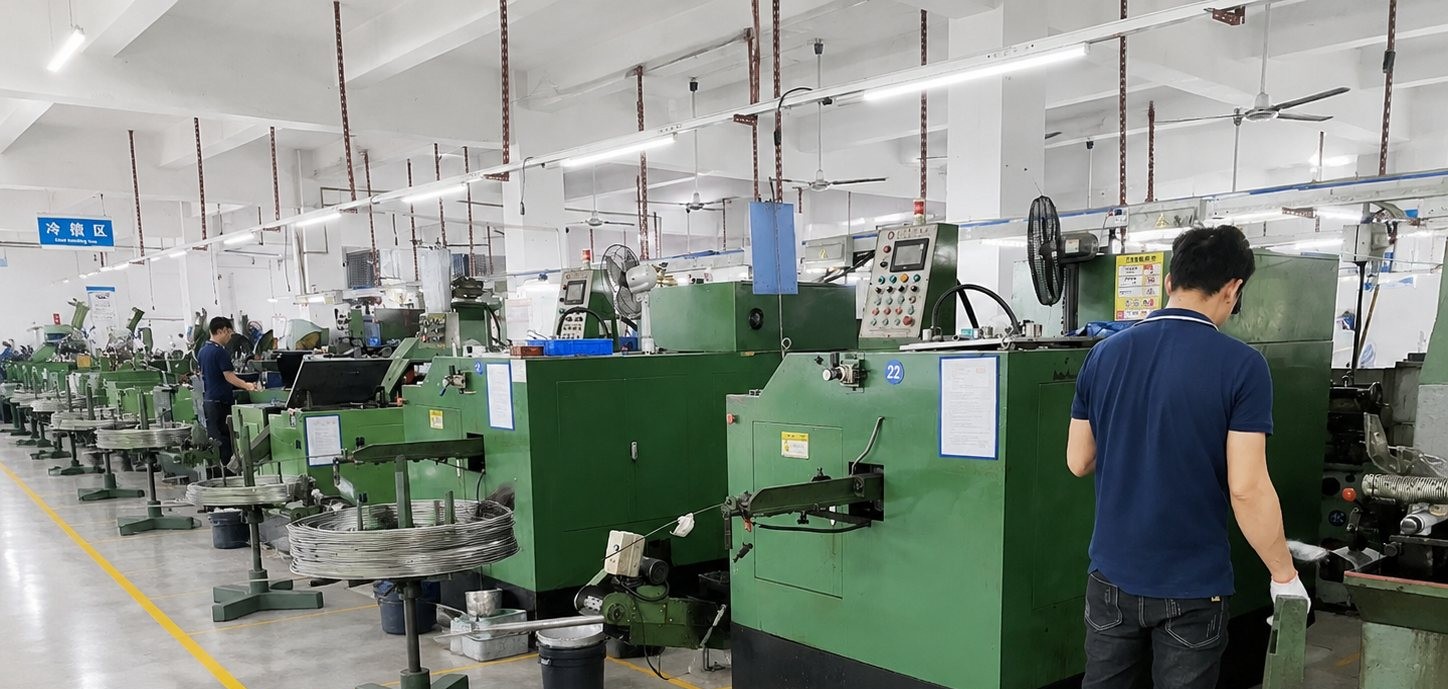
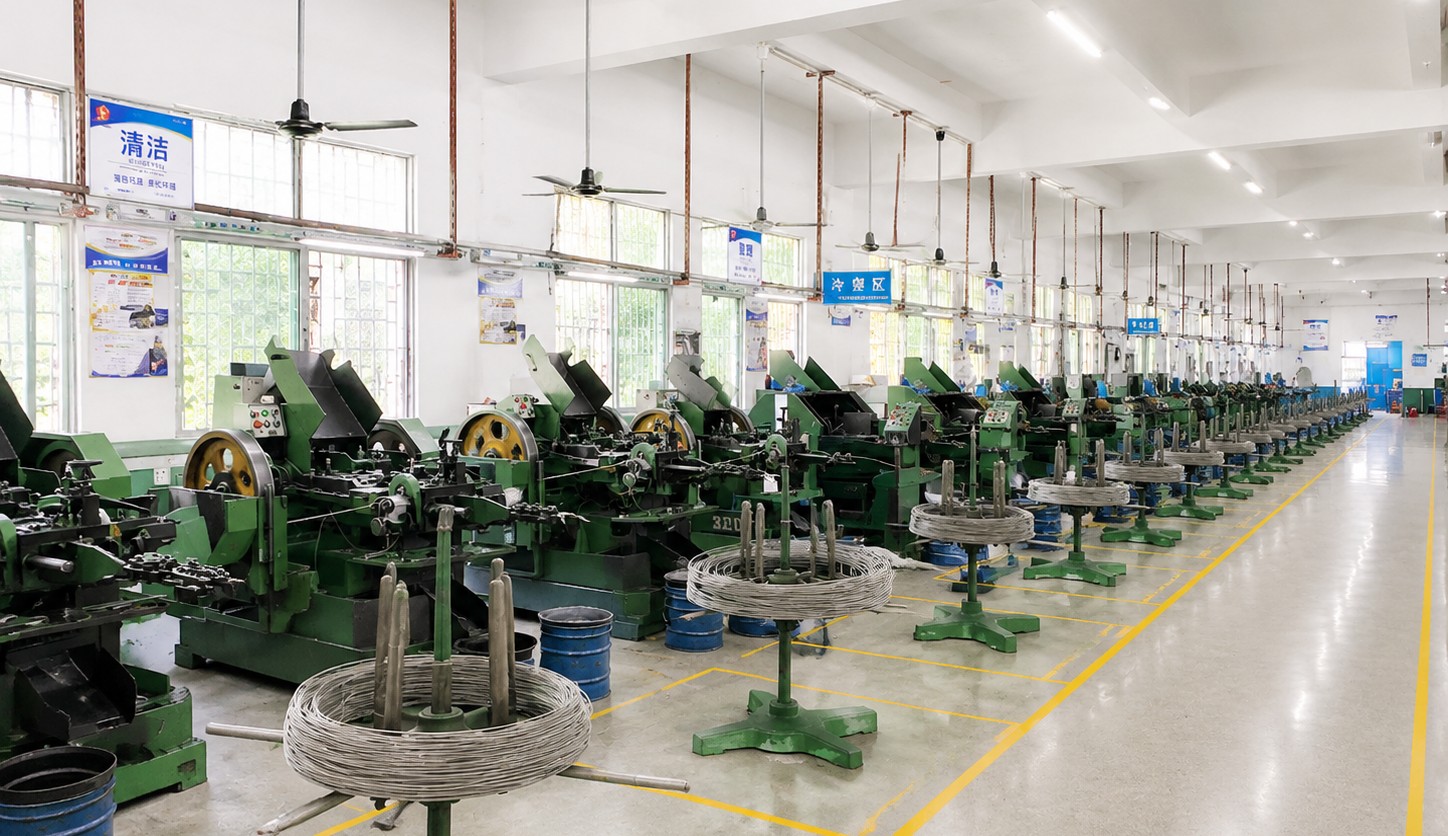
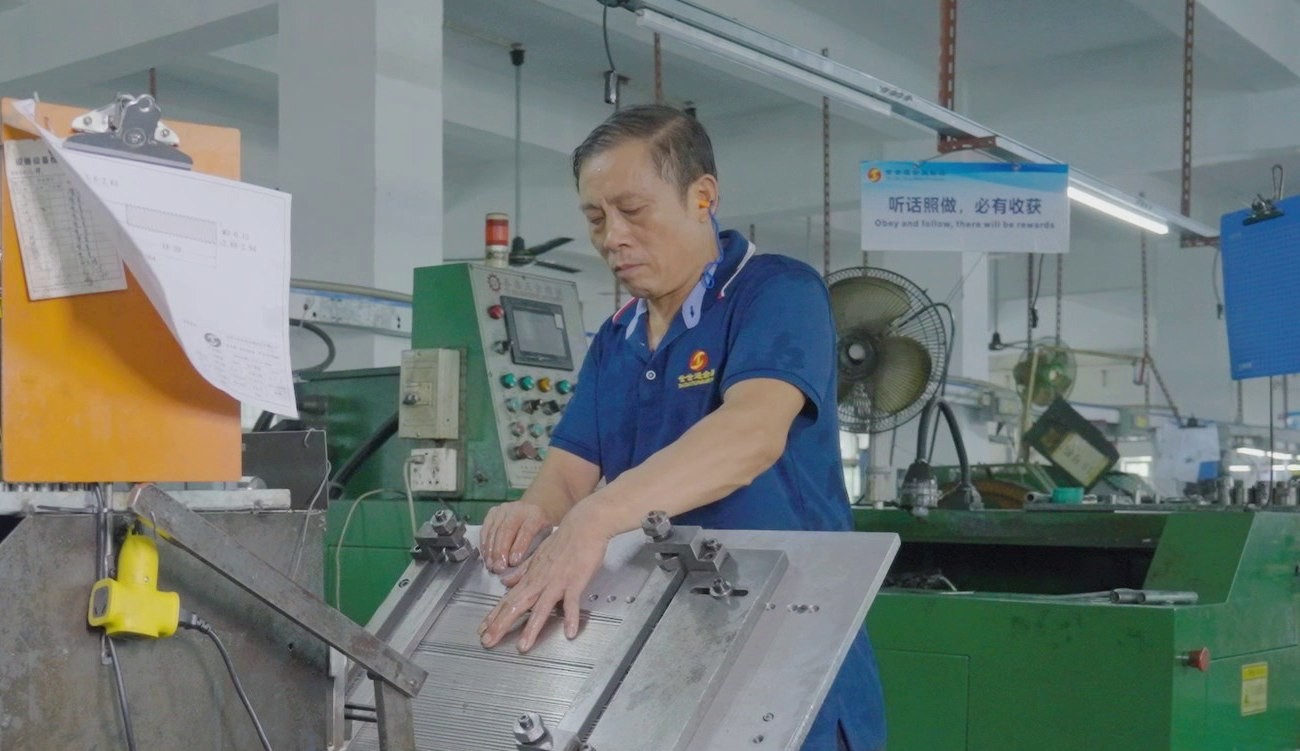
These screws are headed or turned in stainless, with the truss dome and the washer face formed together, the cross cut and the slot cut through it, the thread rolled, and the parts cleaned and passivated. The first piece of every run is measured on head, face, both drives, thread and length.
|
|
The washer face is formed in the same blow as the dome, so it is flat and square to the shank. On a head this wide a face that is a few hundredths out of square shows at once: the head bears on one edge and marks the panel there.
The cross is cut first and the slot second, centred on it. Doing it the other way leaves the cross off-centre, and the bit then climbs out on one side even though both recesses measure correctly.
Stainless work-hardens, and the head is thin, so both recesses are cut with light passes. A torn crest in a shallow cross is what makes the bit feel loose on a screw that will not take another cut.
What decides whether a batch of phillips slotted screws passes is the washer face that bears, the two drives that turn it and the thread that clamps. The inspection agreement covers all three.

Head and recesses on the projector |

Thread checked with gauges |

Material checked |

Salt-spray testing where required |
The washer face is measured for diameter and checked for flatness across the ring, and the sample is seated on a panel. On a wide head a face that is not flat leaves a bright ring on one side only.
The cross is measured for depth and width and driven with the bit; the slot is measured and driven with the blade. Both tests are run on the same part, because the usual failure is that one was cut deeper than the other.
The head is measured for diameter and height and inspected for burrs at the rim. A burr on the edge of a wide head is a scratch waiting to happen on a painted panel.
Every batch of phillips slotted screws is traceable to the wire or bar it was made from. The material certificate states the grade, the heat number, the chemistry and the mechanical properties, and the inspection record carries the head, washer face, both drives and the thread.

ISO 9001:2015 |

RoHS test report |

Registered trademark |

Patent: security screw and driver |
With each shipment we supply the material certificate and the inspection record for the head, face, recesses and thread. The records carry the batch number, so a repeat order can be compared with the first on the two recess depths that decide the drive.
More than 8,678 customers in 89 countries and regions have ordered from Shi Shi Tong; 87% of orders come from repeat customers and 56% through referrals. Most projects follow the same route: drawing review, first-article approval, then batches checked against that sample. On a wide head the first article is driven into the customer’s panel, because the ring of contact is what protects it. Buyers visit during the process to review samples.
|
8,678+
customers served
|
87%
of orders from repeat customers
|
56%
of orders through referrals
|
89
countries and regions shipped to
|
Buyers and quality engineers visit for sample review, process discussion and supplier audits; the visit is arranged around production so the heading cells and the passivation line can be seen on the day the parts run.

Customer group visit – sample review |

Customer group visit – process discussion |

Customer group visit – factory tour |

Customer visit – project kick-off |

Danish customer – drawing review |

Industry exhibition – meeting customers |
So a blade or a cross bit will turn it, whichever the service kit holds.
Neither is strong. On a low truss head both are shallow, so the joint is made by hand or with a light driver.
Bearing area. It spreads the load on a thin panel and replaces a loose washer that could drag on the paint.
It was driven at high torque in a shallow recess, or with a worn bit. Neither is what the head is for.
Yes, but the head still limits the torque. Seat the head and stop.
Head and washer face dimensions, cross and slot sizes with depths, thread, length and finish.
How a phillips slotted screw project runs from drawing to repeat delivery:
|
1
Send the drawing and a panel sample
|
→ |
2
Head, face and both drives agreed
|
→ |
3
First article driven both ways
|
→ |
4
Batch production and repeat orders
|
Each step is confirmed with you before the next one starts; the drawing revision used for the first article is what repeat orders are checked against.
For a quotation, send the drawing with the head and washer face dimensions, the cross and slot sizes with depths, thread and length, and the finish.
|
Head
|
Washer face
|
Cross
|
|
Slot
|
Thread
|
Finish
|
Sending a drawing? The form below does not take attachments. Email the PDF, DXF or STEP file to sst@szsst88.com with the part name and quantity in the subject line – the drawing is reviewed and a quotation follows.

 +86 13143444311
 sst@szsst88.com







