Tel:
+86 13143444311
Email:sst@szsst88.com
Fax:+0086-755-27322278
Address:Building 9, First Industrial Zone, Tantou Industrial City, Songgang Street, Baoan District, Shenzhen 518105, Guangdong, China
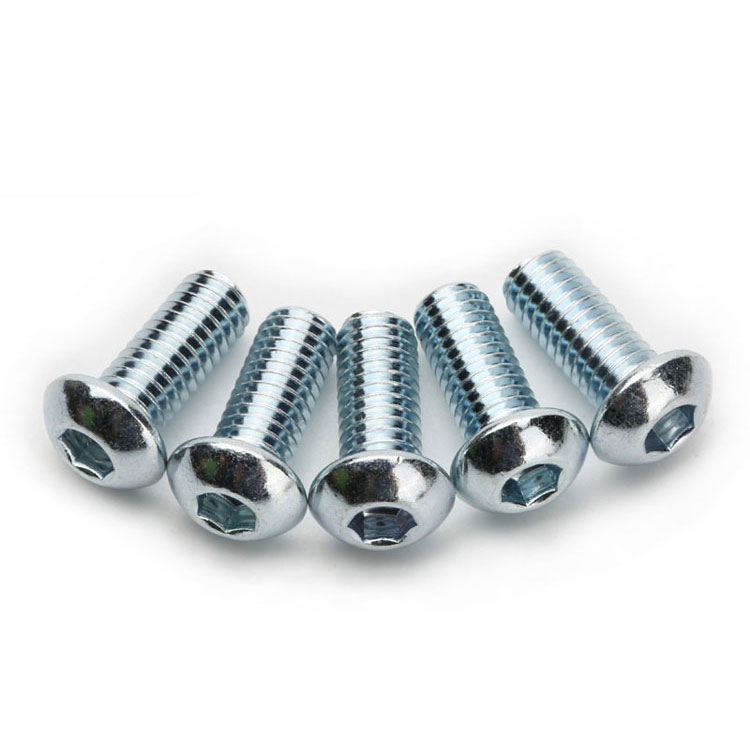
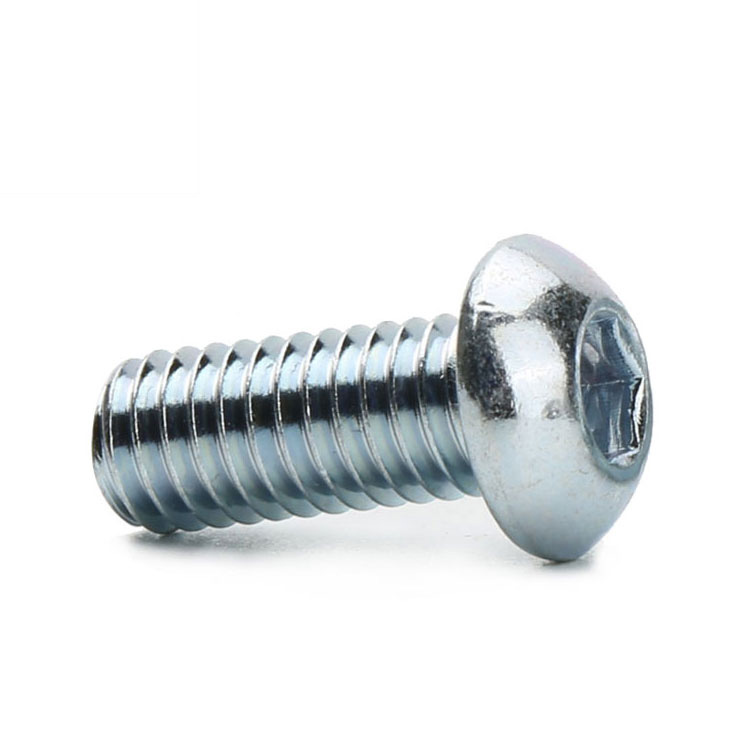
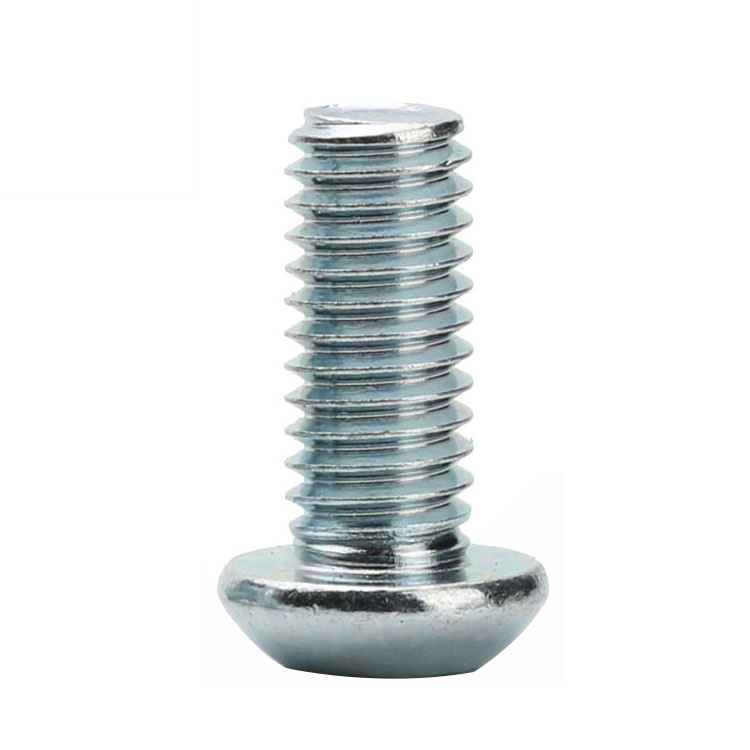
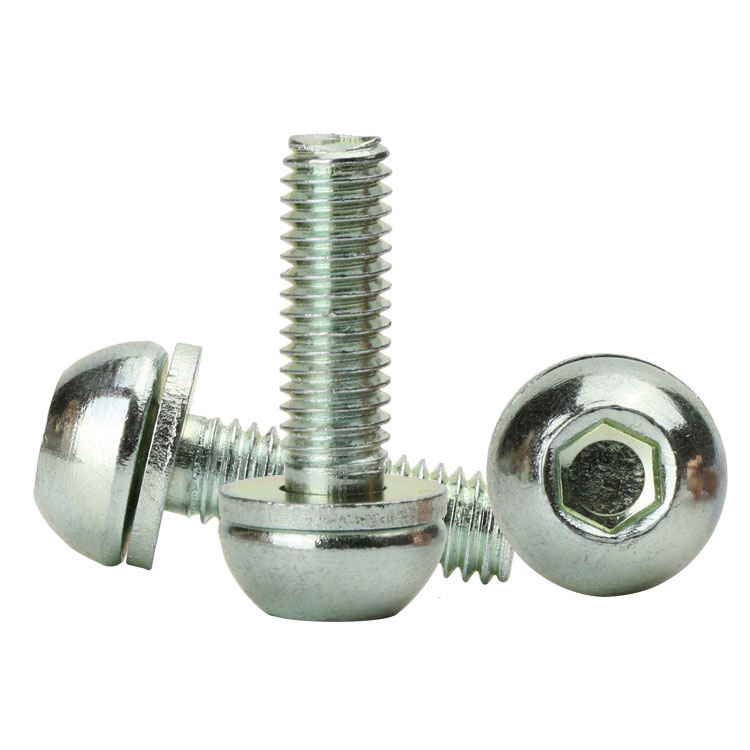
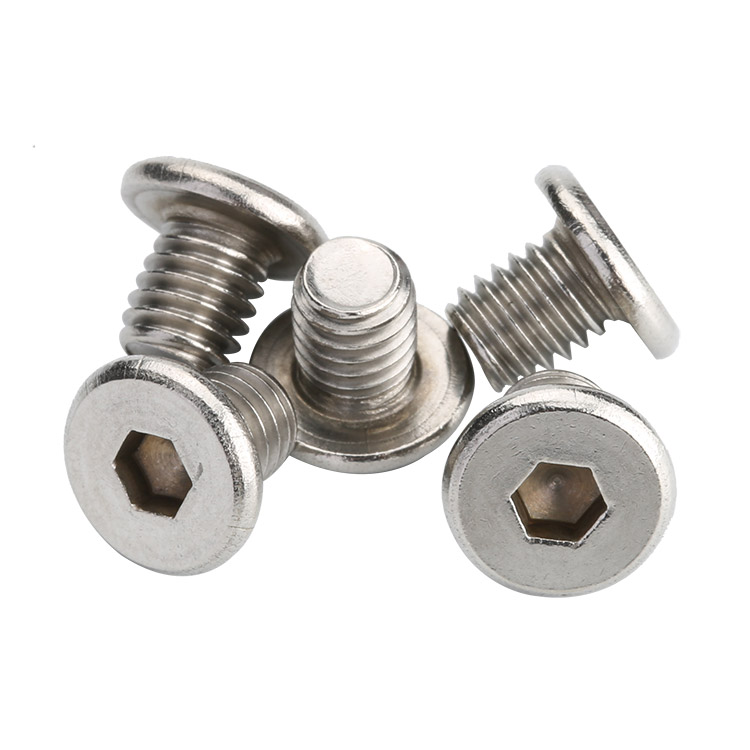
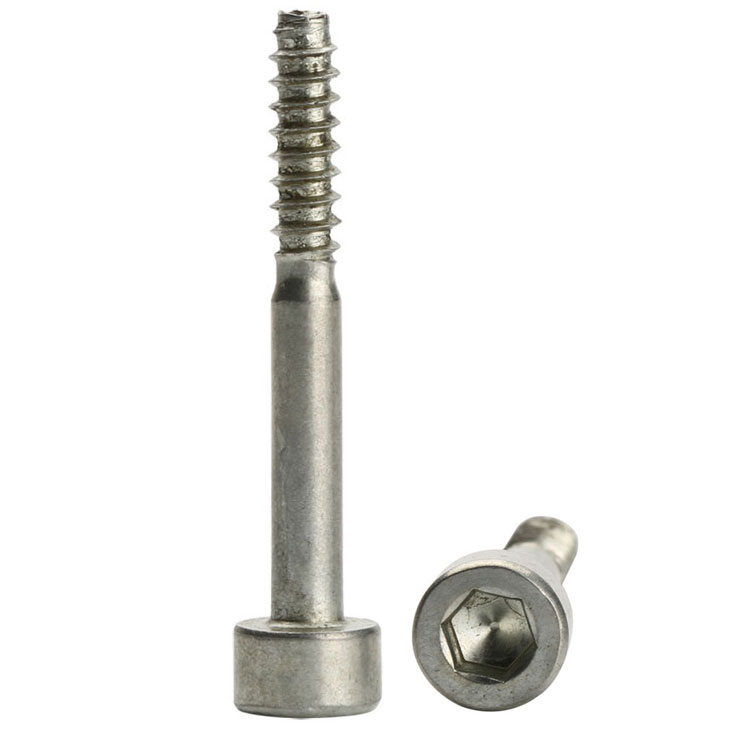
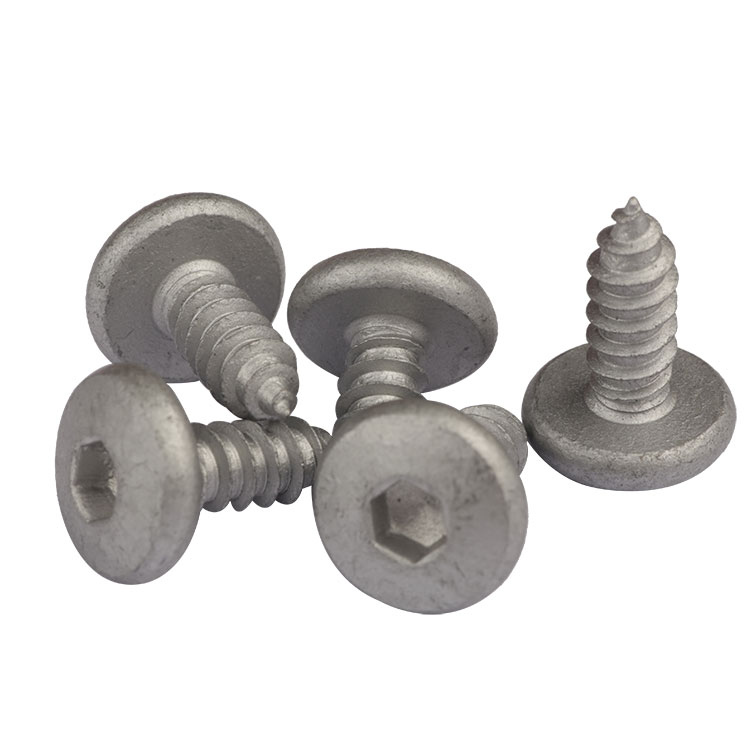
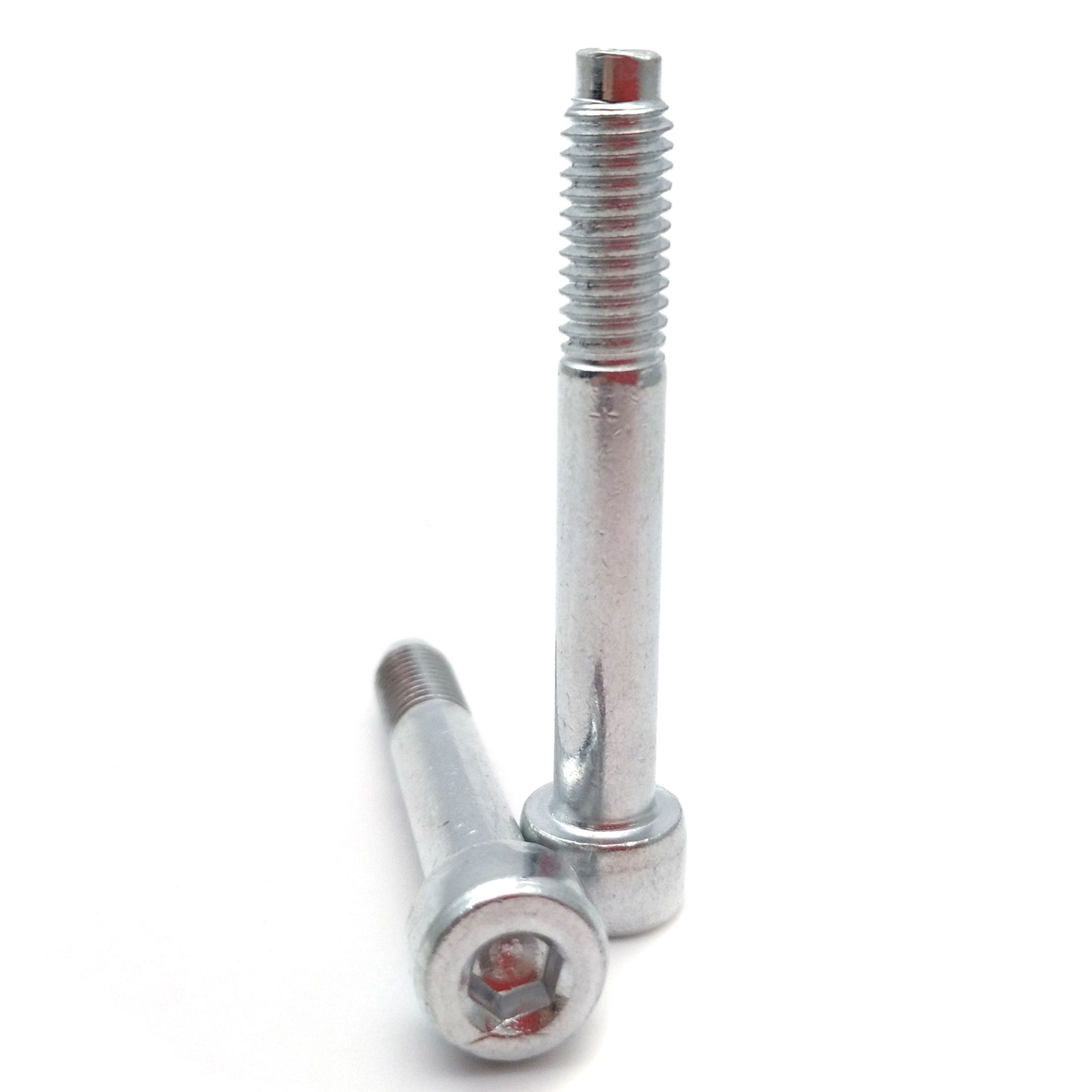
Type:Grade 8 Socket Head Cap Screws, Metric Button Head Cap Screw
Materials:Carbon Steel
Surface treatment:Blue Zinc Plated
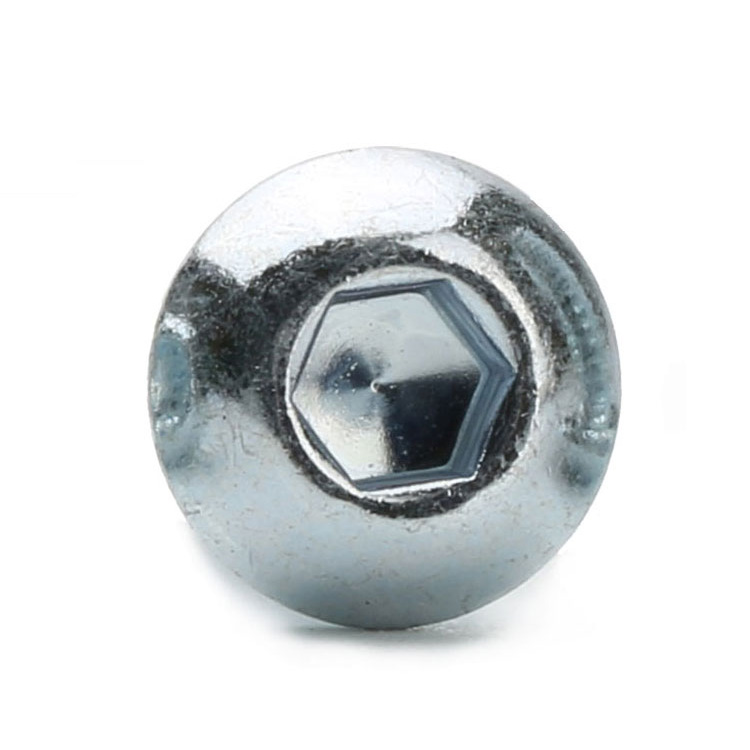
Head Type:Button head
Drive:Hexagon socket (Allen)
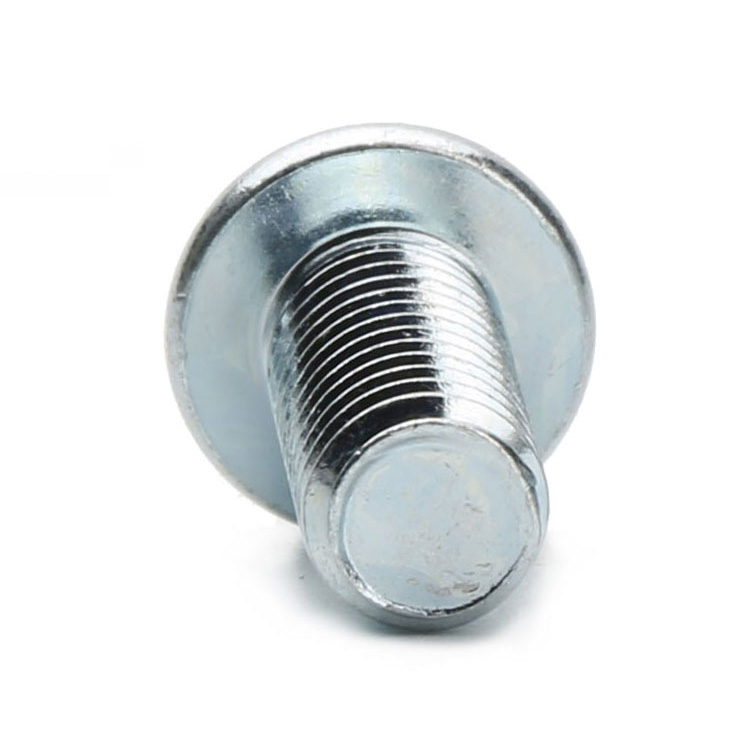
Thread:Machine thread
Point:Plain, chamfered
Forming:Single Die Heading
Size:M1 M2 M3 M4 M5 M6 M7 M8 M9 M10
We make grade 8 socket head cap screws in metric button head form, carbon steel with a blue zinc plate and a recorded post-plate bake, quoting them from M1 to M10. The grade is checked against its standard, and the coating is checked against the grade.
Watch the factory video·Email sst@szsst88.com
ISO 9001:2015 · Manufacturing since 1998 · 8,678+ customers · 89 countries and regions
Made to order – there is no stock catalogue. Each part is produced to your drawing, and production starts after drawing review and first-article approval.
Grade 8 socket head cap screws are socket-driven screws supplied to a North American property grade; the part on this page is the metric button head form, carbon steel with a blue zinc plate, quoted from M1 to M10.
Property grade. A stated tensile, yield and elongation, verified by testing a lot rather than by appearance.
Button head. A low domed head with a hexagon socket, shallower and narrower than a tall cap head.
Blue zinc plate. A thin electroplated zinc with a bright bluish passivate, cheap and common, and the finish that makes the grade a question.
Machine thread. A uniform thread for a tapped hole, a nut or an insert.
These parts appear where a drawing from a North American program has been adapted to metric supply: electrical fan fixings, brackets, covers and appliance hardware where the screw is visible and the head must stay low.
The grade is stamped on the head, and it sets the clamp the joint can take.
The grade describes the steel. The coating describes what happens to the steel afterwards, and on a high-strength carbon screw the second part is not cosmetic. Electroplating puts the part in an acid bath and generates hydrogen at the surface, and some of that hydrogen enters the steel. In a strong, hard steel it stays there, and under load it collects at a stress concentration and starts a crack that propagates without warning.
That is hydrogen embrittlement, and it is why a high-grade part that has been electroplated is normally baked soon after plating to let the hydrogen out. The bake is not optional on a graded part and it is not visible on the finished screw: two parts that look identical can differ completely in whether they were baked.
Blue zinc makes the question sharper because it is a thin, bright, cheap coating, which is exactly the finish chosen when cost is the driver. On a low-grade screw that is fine. On a Grade 8 screw the same finish has to be paired with the bake and with a coating thickness control, or the grade claim and the corrosion protection are working against each other.
The head form then adds a limit that has nothing to do with the steel. A button head cannot take the torque that the grade implies, because the socket is shallow and the head walls are thin. The joint may be designed around a Grade 8 clamp, and the driver will still fail at the socket first, which is a shape problem rather than a material one.
Reading these three together is the whole specification: what the steel must do, how the coating was applied and baked, and what the head can physically take. A quotation that only repeats the grade has skipped two of the three.
The recorded range is M1 to M10, with lengths made to the drawing. Custom lengths up to 2,000 mm are subject to the drawing submission and DFM review. The quotation for grade 8 socket head cap screws carries the property grade and its standard, the head form and height, the socket size and depth, the coating and the bake, the thread and the overall length.
| Item | How it is defined | What we control |
|---|---|---|
| Grade | Tensile, yield, elongation | Certified against the named standard |
| Head | Button, low dome | Diameter, height and bearing face |
| Socket | Hexagon, key size per diameter | Depth and wall thickness |
| Coating | Blue zinc, electroplated | Thickness and post-plate bake |
| Thread | Machine thread in carbon steel | Pitch, length and start position |
| Length | Overall, head included | Length tolerance and thread start |
Coating thickness is a specification with a consequence. A thicker zinc gives more corrosion life and puts more hydrogen into the steel, so on a graded part the thickness and the bake are agreed together rather than chosen from a catalogue.
Head height is stated because the button head has less of it than the tall cap head. Where a customer needs the grade for one part of a design and the height for another, the two requirements have to be reconciled before quoting, because they pull in opposite directions.
Socket depth is measured against the head rather than assumed from the diameter. A shallow socket in a hard part fails differently from a shallow socket in a soft one: instead of marking, the corners crack, and the failure appears at the drive.
Four properties decide grade 8 socket head cap screws of this form, and each one carries a cost:
| Property | What it gives | What it costs |
|---|---|---|
| Stated grade | A checkable strength claim | Requires the standard, a test report and a bake |
| Button head | Low, rounded, visible finish | Shallow socket; small bearing face |
| Blue zinc | Bright sacrificial protection | Thin coating; hydrogen risk on hard steel |
| Socket drive | Compact drive, one hand | The drive fails before the grade does |
The value is documentation and a low head together: the part can be certified and it does not stand proud of the panel. For a design that has inherited a grade from another market, that combination is often the only way to keep the same drawing.
The cost is in the details. The bake, the coating thickness and the socket depth all have to be specified, and each one is invisible on the finished part. A supplier that does not ask about them is a supplier that will not control them.
The recorded finish is blue zinc, electroplated with a bright passivate. It protects by sacrificial action and it is the cheapest way to make a carbon steel screw bright, which is why it is common on hardware that is not looked at closely.
| Option | How it protects | Hydrogen risk | Typical use |
|---|---|---|---|
| Blue zinc, baked | Thin sacrificial zinc | Managed by post-plate bake | Graded parts, indoor |
| Zinc nickel | Thicker alloy zinc | Higher; bake required | Damp and industrial |
| Zinc flake | Lamellar coating, no acid | Low by process | Automotive and high grade |
| Black oxide, oiled | Conversion film | None | Dark indoor equipment |
| Stainless, passivated | Passive film, no coating | None | Wet and food areas |
Where a high-strength part has to survive corrosion without embrittlement risk, a zinc flake coating is often the better answer than electroplated zinc: it is applied without the acid bath and without the same hydrogen generation, and it covers edges more evenly than a thin blue plate.
A black oxide finish removes the coating question entirely and suits dark equipment, but it gives almost no corrosion protection on its own and depends on the oil film it is packed with. Stainless removes both questions at once, at a cost and a strength that is different from a graded carbon screw.
Three settings where a graded small socket head appears:
| Where it sits | The screw holds a fan or a bracket where the head must stay low and the fixing is repeated many times on a line. |
| When it goes wrong | The socket rounds during high-volume driving and the fan loosens on site. |
| Why it happens | The assembly is repeated, the torque is set by a driver, and the fixing is visible. |
| What we control | Socket depth and drive torque proved; first article assembled at line torque. |
| Where it sits | The screw closes a cover where a bright finish and a low head are both required. |
| When it goes wrong | A thicker coating is added for corrosion and the socket no longer takes the bit cleanly. |
| Why it happens | The panel is finished, the fixing is seen, and the joint is opened for service. |
| What we control | Coating thickness and socket re-gauge agreed; first article fitted on finished paint. |
| Where it sits | A drawing from a US program is supplied in metric, and the grade is part of the item description. |
| When it goes wrong | The grade is copied without its standard, and the part cannot be certified or released. |
| Why it happens | The part is already in a bill of materials, the drawing is fixed, and documentation matters. |
| What we control | Grade and standard confirmed in review; test report issued with the batch. |
Four reasons that matter when a grade and a coating have to agree, each tied to something the drawing or the certificate has to show:
|
Grade, standard and coating reviewed together
The property grade is checked against its standard, and the coating is checked against the grade, because a hard steel screw and a thin zinc plate need a bake that the drawing has to call for. Basis: Grade, standard and bake agreed. |
Headed, broached, threaded, plated, baked
The head and socket are formed, the thread rolled, the batch plated and then baked to the agreed interval, with the interval recorded against the lot. Basis: Bake recorded against the lot. |
|
Socket proved at the line torque
The socket is driven at the torque the assembly uses, because a button head fails at the drive long before the steel reaches its grade. Basis: Drive proved at line torque. |
Same bake, same drive
The plating lot, the bake interval and the broaching tool are recorded with the drawing revision, so a repeat order behaves the same way. Basis: Process held across orders. |
These screws are headed on single-die machines that form the button head in one stroke, broached with a hexagonal punch, thread rolled, then blue zinc plated and baked. The first part of every run is measured on head diameter and height, socket size and depth, thread and length, and the lot is released against the grade on the drawing.


|

|
The bake is the step that separates a graded part from a plated one. After plating, the parts go straight into an oven at the agreed temperature for the agreed time, and the lot is recorded with the entry and exit times. A part that waits in a bin overnight before baking has lost much of the benefit, which is why the interval is controlled rather than left to the schedule.
Broaching a hexagon into the hard button head is the other tight point. At grade 8 the material resists the punch, so a worn punch tears the corners instead of shearing them, and the damage is inside the socket where it cannot be seen until the part is driven. The punch interval is kept in the tooling record.
Thread rolling follows the same logic. A high-grade carbon steel rolls cleanly, but over-rolling work-hardens the crest further and makes it brittle, so the blank diameter and the roll setting are fixed for the job rather than adjusted by feel.
What decides whether grade 8 socket head cap screws pass is the grade, the socket, the coating and the thread. The inspection agreement covers those, and the criteria come from the drawing and the standard it names.

Head height and socket on the projector |

Thread and start checked |

Hardness and grade sample |

Salt-spray testing of the zinc layer |
The grade is verified by a tensile and hardness sample from each lot against the property table of the named standard. Hardness is the quick indicator and tension is the confirmation, and on a graded part both are recorded with the lot rather than summarised.
Coating thickness is measured on a sample from every batch, at the head and at the socket. The bake is verified by the process record rather than by the part, which is why the oven log travels with the inspection documents.
The socket is proved by driving at the line torque and inspecting the corners under magnification. On a hard button head that check is the one that predicts failures on the customer’s driver, because the steel is no longer the weak point.
Every batch is traceable to the wire it was made from and to the plating lot that finished it. The grade and heat number appear on the material certificate, the property results on the test report, and the bake interval on the process record.

ISO 9001:2015 |

RoHS test report |

Registered trademark |

Patent: security screw and driver |
With each shipment we supply the material certificate, the property test report for the grade, the inspection record for the dimensions on the drawing, and the plating thickness and bake records. The documents carry the drawing revision and the batch number, so a repeat order of grade 8 socket head cap screws can be released against the same evidence.
More than 8,678 customers in 89 countries and regions have ordered from Shi Shi Tong; 87% of orders come from repeat customers and 56% through referrals. Most projects follow the same route: drawing review, first-article approval, then batches checked against that sample. Where a grade is specified, the review also confirms its standard and the coating that goes with it. Buyers visit during the process to review samples.
|
8,678+
customers served
|
87%
of orders from repeat customers
|
56%
of orders through referrals
|
89
countries and regions shipped to
|
Buyers and quality engineers visit for sample review, process discussion and supplier audits; the visit is arranged around production so the headers, the broaching station and the plating line can be seen on the day the parts run.

Customer group visit – sample review |

Customer group visit – process discussion |

Customer group visit – factory tour |

Customer visit – project kick-off |

Danish customer – drawing review |

Industry exhibition – meeting customers |
A property grade from a North American standard: a minimum tensile, yield and elongation, verified by testing a lot. It says nothing about head dimensions.
Electroplating introduces hydrogen into the steel. In a hard, strong part it can cause embrittlement, so a post-plate bake is normally specified.
It is a thin coating. It works indoors when the bake is controlled; for damp or industrial joints a zinc flake or zinc nickel coating is the better answer.
A button head is shallow and thin-walled. The key bears on a small area, so the socket fails before the steel reaches its grade.
Then the grade and the drive are better matched, but the head stands higher. That is the trade behind the button head form.
The property grade and its standard, head form and height, socket size, coating and bake, thread pitch and overall length.
How a graded button head project runs from drawing to repeat delivery:
|
1
Send the drawing and the grade reference
|
→ |
2
Grade, standard, coating and bake agreed
|
→ |
3
First article driven at your line torque
|
→ |
4
Batch production and repeat orders
|
Each step is confirmed with you before the next one starts; the drawing revision from the first article is what repeat orders are checked against.
For a quotation, send the drawing with the property grade and its standard, the head and socket dimensions, the coating specification and the overall length.
|
Grade and standard
|
Head height
|
Socket size
|
|
Coating and bake
|
Thread pitch
|
Length
|
Sending a drawing? The form below does not take attachments. Email the PDF, DXF or STEP file to sst@szsst88.com with the part name and quantity in the subject line – the drawing is reviewed and a quotation follows.

 +86 13143444311
 sst@szsst88.com